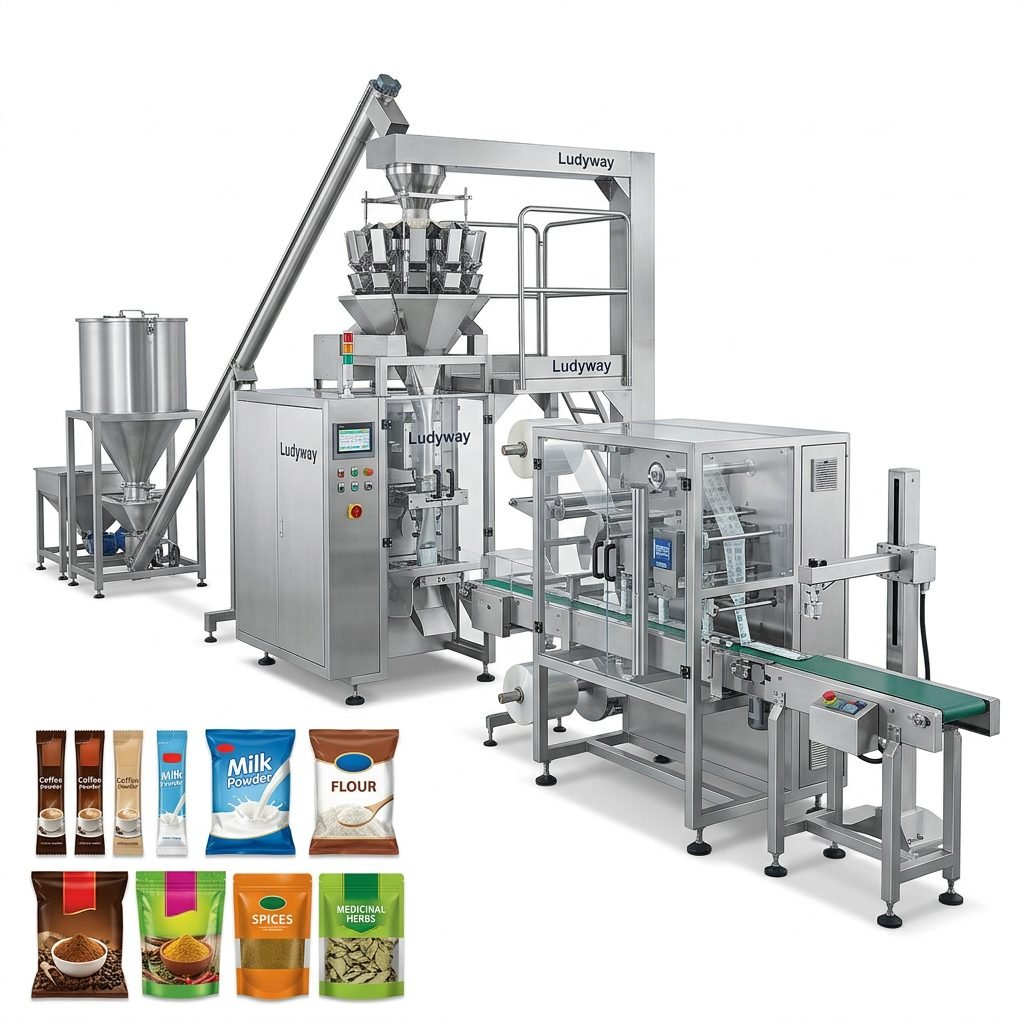
Investing in a vacuum food packaging machine is a strategic decision that directly impacts product shelf life, food safety, and operational efficiency. Whether you are packaging fresh meat, seafood, dairy products, ready-to-eat meals, or dry granular foods, selecting the right vacuum packaging system requires careful evaluation of multiple technical and operational factors. This comprehensive buyer’s guide walks you through the essential criteria to help you make an informed purchasing decision.

Understanding Vacuum Packaging Technology
Vacuum packaging removes oxygen from the package before sealing, creating an anaerobic environment that significantly slows down the growth of aerobic bacteria and fungi. This process preserves food freshness, prevents freezer burn, and maintains product texture and flavor. Modern packaging machinery has evolved to include multiple vacuum levels, gas flush capabilities, and automated control systems that enhance consistency across production runs.
The core components of a vacuum packaging system include the vacuum chamber, sealing bars, vacuum pump, and control panel. Understanding how these components work together helps you evaluate machine quality and suitability for your specific products. According to PMMI business intelligence, the demand for vacuum packaging equipment continues to grow as food manufacturers prioritize extended shelf life and reduced food waste.
Types of Vacuum Food Packaging Machines
Different production environments require different vacuum packaging configurations. Below are the primary types you will encounter:
- Chamber Vacuum Machines — The entire product and pouch are placed inside a chamber where vacuum is drawn before sealing. Ideal for liquids, marinated products, and high-moisture foods because the pressure equalization prevents liquid from being drawn out.
- External Vacuum (Nozzle) Machines — These pull air from the bag opening using an external nozzle. Suitable for dry products and lower-volume operations, though generally less effective for moist or liquid-containing items.
- Double Chamber Machines — Feature two alternating chambers allowing continuous operation. When one chamber is drawing vacuum and sealing, the operator can load the other chamber, significantly improving throughput.
- Conveyor Belt Vacuum Machines — Designed for high-speed production lines, these systems automatically convey products through the vacuum-sealing process. Suitable for large-scale food processing facilities.
- Thermoforming Vacuum Packaging Lines — These form, fill, and seal packaging in a continuous automated process. Commonly used for portion-packed meats, cheese, and medical devices.
- Rotary or Multi-Station Vacuum Systems — Engineered for very high output, these systems rotate through multiple stations for loading, vacuuming, sealing, and discharge.

Key Factors to Consider When Selecting Your Machine
1. Product Characteristics and Packaging Requirements
Your product’s physical properties directly determine which vacuum technology is appropriate. Moisture content, oil levels, product sharpness, and particle size all influence machine selection. For instance, packaging bone-in meats requires puncture-resistant film and machines with robust sealing capabilities. Liquid or semi-liquid products necessitate chamber machines with controlled vacuum draw to prevent product loss during the evacuation phase.
Consider whether your products require modified atmosphere packaging (MAP) — the introduction of a protective gas mixture after vacuum extraction. This is particularly important for fresh produce, baked goods, and certain meat products where a residual gas environment maintains product appearance and quality.
2. Production Volume and Speed Requirements
Matching machine capacity to your production demands is critical. A small chamber machine suitable for a startup operation will quickly become a bottleneck as volumes increase. Calculate your required cycles per minute and packages per hour, factoring in loading and unloading time. Conveyor systems and double-chamber configurations can substantially increase output without requiring additional labor.
When evaluating speed specifications, confirm whether the manufacturer’s stated cycle times include the complete loading-sealing-discharge sequence or only the vacuum-and-seal phase. Realistic throughput estimates should account for operator handling time and product variability.
3. Seal Bar Dimensions and Configuration
The seal bar length and arrangement determine the maximum package size and how many packages can be processed simultaneously. Machines with multiple parallel seal bars increase productivity by sealing several pouches in a single cycle. Check the maximum chamber depth as well, particularly if you are packaging bulky or irregularly shaped products.
4. Vacuum Pump Type and Performance
The vacuum pump is the heart of any vacuum packaging system. Common pump types include:
- Dry rotary vane pumps — Maintenance-friendly and oil-free operation, though with lower ultimate vacuum levels
- Oil-lubricated rotary vane pumps — Achieve deeper vacuum levels, suitable for applications requiring maximum oxygen removal
- Venturi vacuum generators — Simpler design using compressed air, lower maintenance but less powerful vacuum
Pump capacity, measured in cubic meters per hour (m³/h), should be matched to chamber volume and desired cycle speed. Undersized pumps result in slow evacuation times and inconsistent seal quality. Refer to ISO packaging standards for guidance on vacuum performance specifications relevant to your industry.
5. Seal Quality and Consistency
The integrity of the vacuum seal determines whether your product remains protected throughout distribution and storage. Look for machines that offer adjustable sealing temperature, pressure, and dwell time. Digital control systems with recipe storage enable consistent settings across shifts and operators. Double-impulse sealing technology provides stronger, more uniform seals, particularly for thicker packaging films.

6. Construction Materials and Build Quality
Stainless steel construction is essential for food-grade vacuum packaging equipment, particularly for washdown environments in meat, dairy, and seafood processing. The grade of stainless steel matters — 304 stainless steel is standard for most applications, while 316 stainless steel provides superior corrosion resistance for acidic or saline products. Examine the quality of welding, frame rigidity, and component accessibility for maintenance.
7. Automation and Control Features
Modern vacuum packaging machines incorporate programmable logic controllers (PLCs) with touchscreen interfaces that simplify operation and reduce training requirements. Advanced features to consider include:
- Multiple program storage for different product configurations
- Soft-air (gentle vacuum) function for delicate products
- Gas flush capability for MAP applications
- Vacuum sensor control for consistent results regardless of bag size
- Data logging and remote monitoring capabilities
- Integration with upstream and downstream packaging equipment
Comparing Vacuum Packaging Machine Types
| Machine Type | Best For | Typical Output | Investment Range |
|---|---|---|---|
| Single Chamber | Small businesses, liquids, marinated products | 2-4 cycles/minute | Lower |
| Double Chamber | Medium production, alternating loading | 3-6 cycles/minute | Medium |
| Conveyor Belt | High-volume continuous production | 6-12 cycles/minute | Higher |
| Thermoforming Line | Fully automated high-output packaging | 10-20+ cycles/minute | Highest |
| External Nozzle | Dry products, low-volume operations | Variable | Lower |
Vacuum Packaging Film Compatibility
The interaction between your machine and packaging materials directly affects seal integrity and product protection. Common vacuum packaging film types include:
- PA/PE (Polyamide/Polyethylene) — Excellent puncture resistance and oxygen barrier, suitable for fresh and frozen meats
- EVOH co-extruded films — Superior oxygen barrier properties, ideal for oxygen-sensitive products
- High-barrier shrink bags — Combine vacuum packaging with heat-shrink capability for tight product contact
- Aluminum laminate films — Provide complete light and oxygen barrier, used for specialty and shelf-stable products
Verify that your selected machine is compatible with the film thickness and type you intend to use. Different seal bar configurations and temperature controls accommodate different material specifications. The Flexible Packaging Association provides detailed resources on film properties and selection criteria.
Food Safety and Regulatory Compliance
In regulated markets, vacuum packaging equipment must meet stringent food safety standards. Key considerations include:
- HACCP compatibility — Equipment should support hazard analysis and critical control point protocols
- Clean-in-place (CIP) design — Surfaces should be accessible and cleanable without disassembly
- FDA food contact compliance — Materials in contact with food must meet FDA food packaging regulations
- EU Regulation (EC) No 1935/2004 — For machines shipping to European markets
- USDA approval — Required for meat and poultry processing facilities in the United States
Additionally, the ISO 11607 standard provides requirements for packaging used for terminally sterilized medical devices, which is relevant if your application extends beyond food into pharmaceutical or medical device packaging.
Integration with Existing Production Lines
If you are adding vacuum packaging capability to an existing production line, evaluate how the new equipment will interface with upstream and downstream processes. Consider:
- Conveyor height compatibility with existing filling or labeling equipment
- Space requirements and facility layout constraints
- Electrical requirements and control system integration
- Data exchange with plant-wide monitoring and SCADA systems
- Product handling automation — automatic loading and unloading systems
For comprehensive packaging line integration, working with an experienced packaging machinery manufacturer that understands system-level design is invaluable. Proper integration avoids bottlenecks and ensures smooth material flow from processing through to secondary packaging and palletizing.
Maintenance, Serviceability, and Technical Support
Before purchasing, investigate the manufacturer’s service infrastructure in your region. Key questions to ask include:
- Availability of spare parts and typical lead times
- Local technical support and service technician availability
- Preventive maintenance schedules and recommended service intervals
- Operator training programs — both initial and ongoing
- Remote diagnostic capabilities and technical assistance
- Warranty terms and extended service agreements
Machines with easily accessible components, clear service documentation, and readily available consumable parts reduce downtime and total cost of ownership over the equipment lifecycle.
Energy Efficiency and Operating Costs
Beyond the initial purchase price, evaluate the ongoing operating costs associated with your vacuum packaging machine. Energy consumption, consumable parts, and maintenance labor contribute significantly to the total cost of ownership. Machines with variable-speed drives, efficient vacuum pump designs, and optimized heating systems can deliver substantial energy savings over time. Ask manufacturers for estimated operating cost data based on your expected production schedule.

Industry-Specific Application Considerations
Meat and Poultry Processing
Meat packaging demands high oxygen barrier films, robust seal integrity, and washdown-compatible equipment. Chamber and double-chamber machines are common for fresh cuts, while thermoforming lines handle high-volume portion packaging. Gas flush capability for modified atmosphere packaging is often required to maintain meat color and freshness.
Seafood and Fish Products
Seafood packaging requires careful handling of moisture and odor. Machines must maintain consistent vacuum levels despite high liquid content. Vacuum skin packaging (VSP) is increasingly popular for fresh fish, providing a tight, attractive package that extends shelf life while presenting the product clearly to consumers.
Dairy and Cheese Products
Cheese packaging often benefits from controlled vacuum levels that avoid crushing soft products. Soft-air or gentle vacuum features allow gradual evacuation. Gas flushing is common for shredded cheese to create a protective atmosphere that prevents clumping while inhibiting mold growth.
Granule, Powder, and Dry Food Products
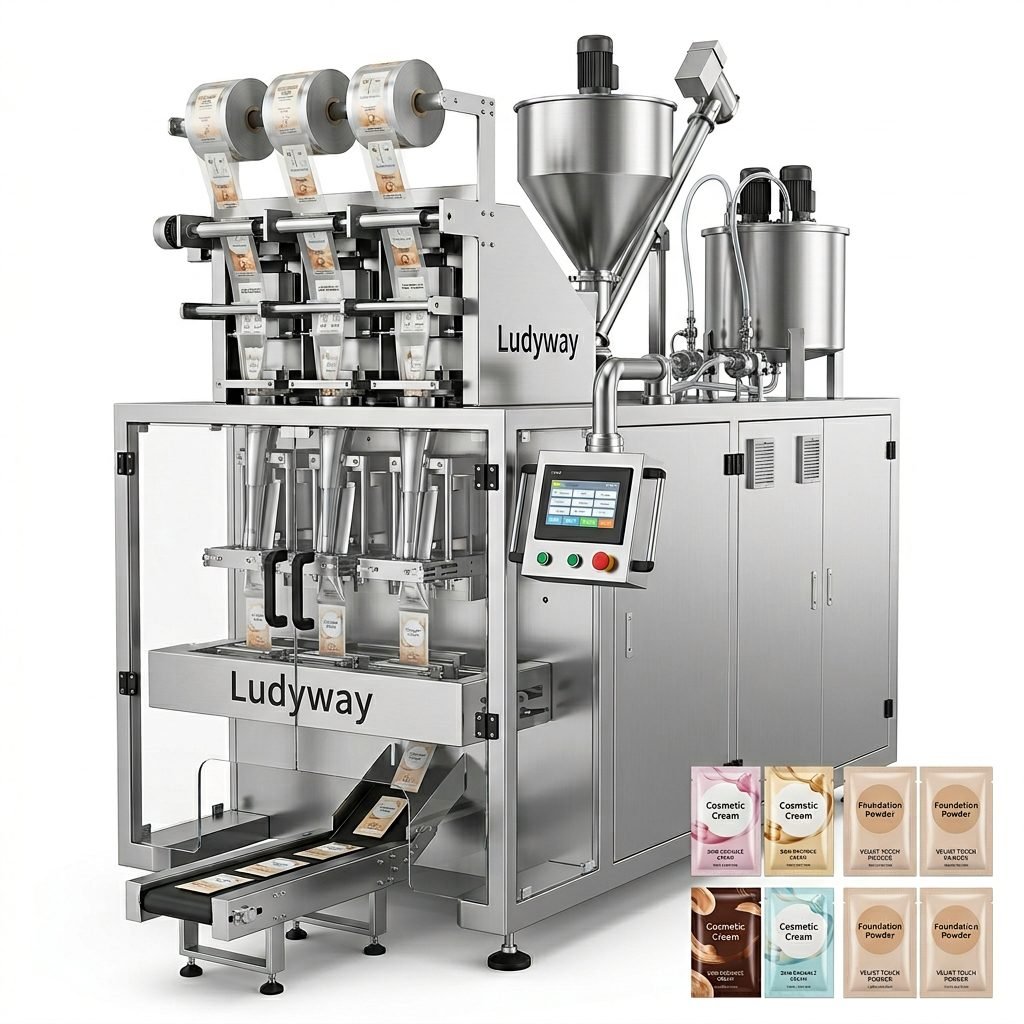
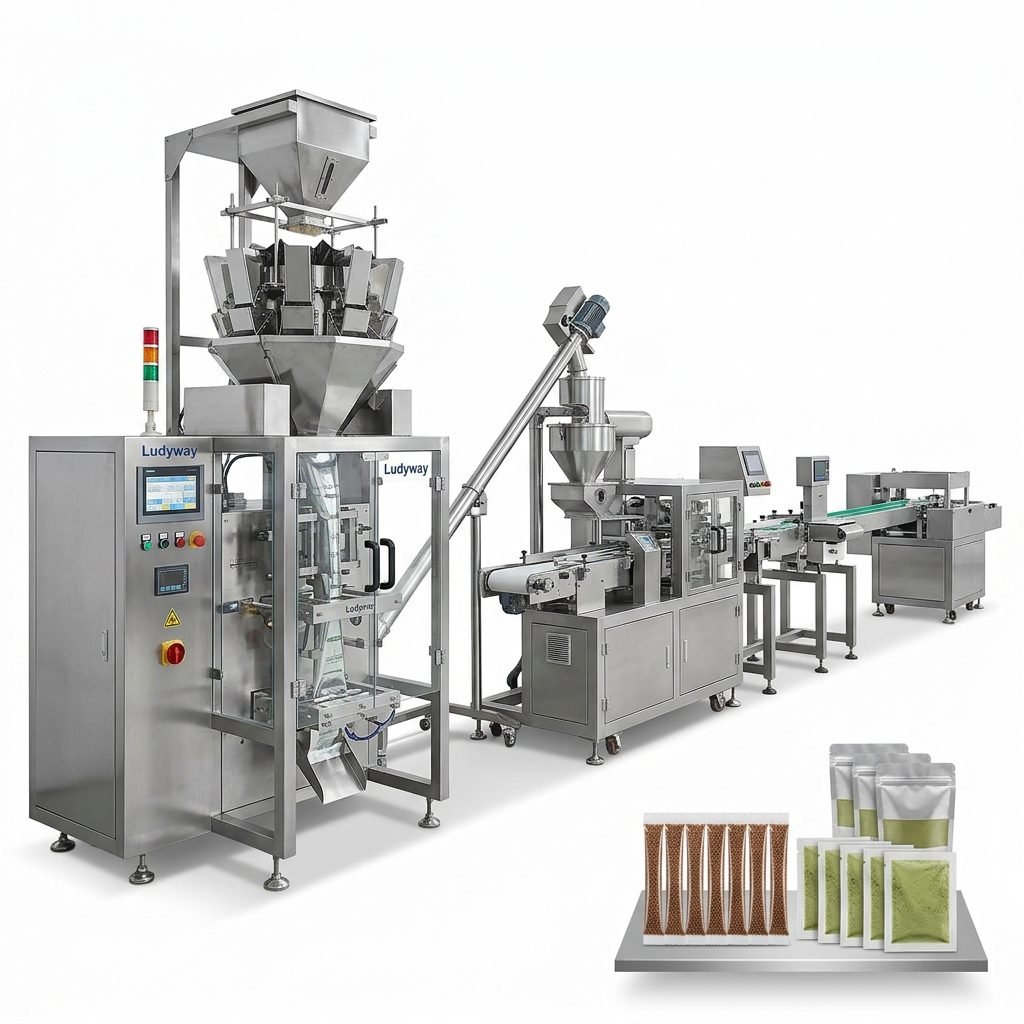
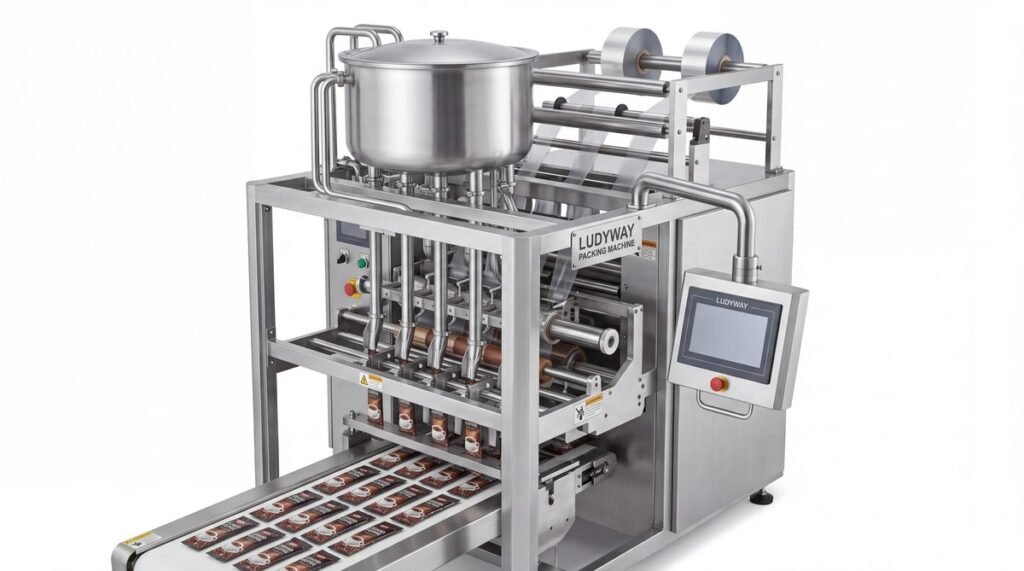
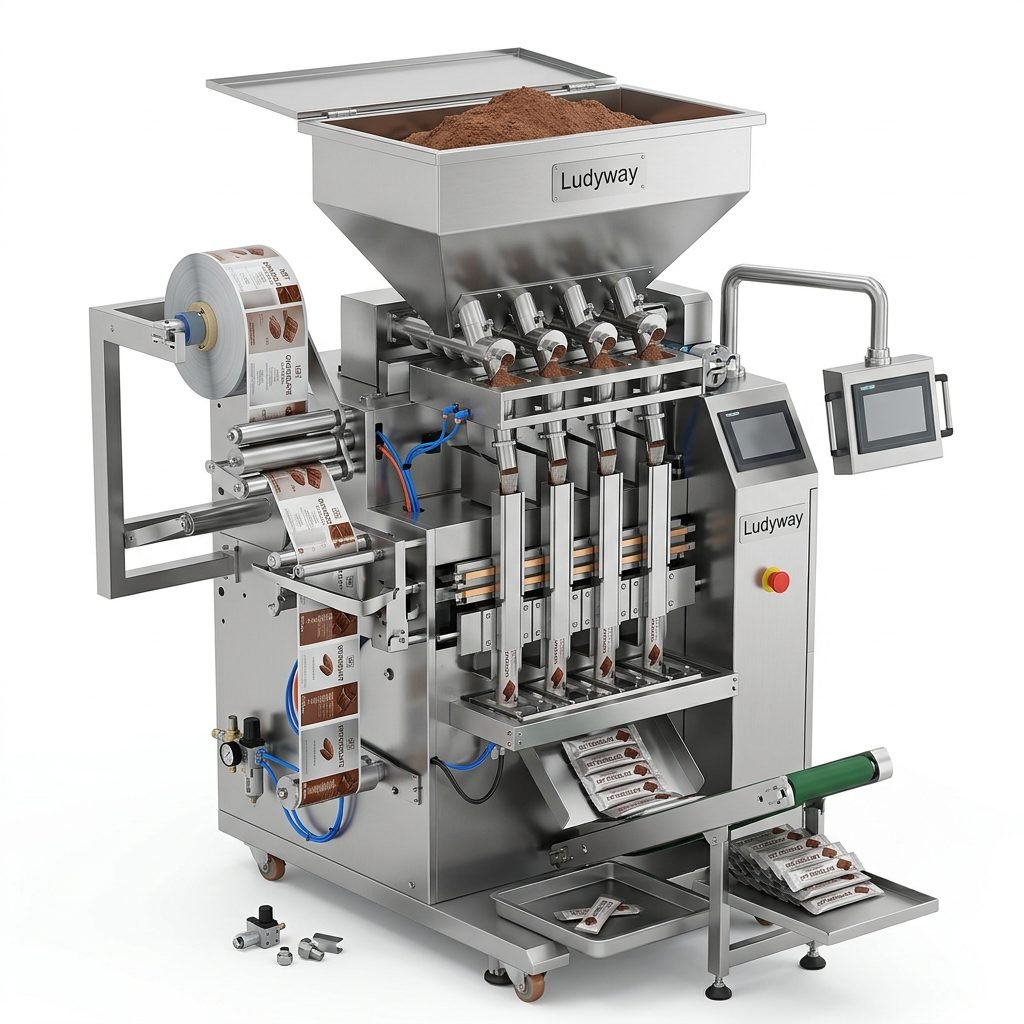
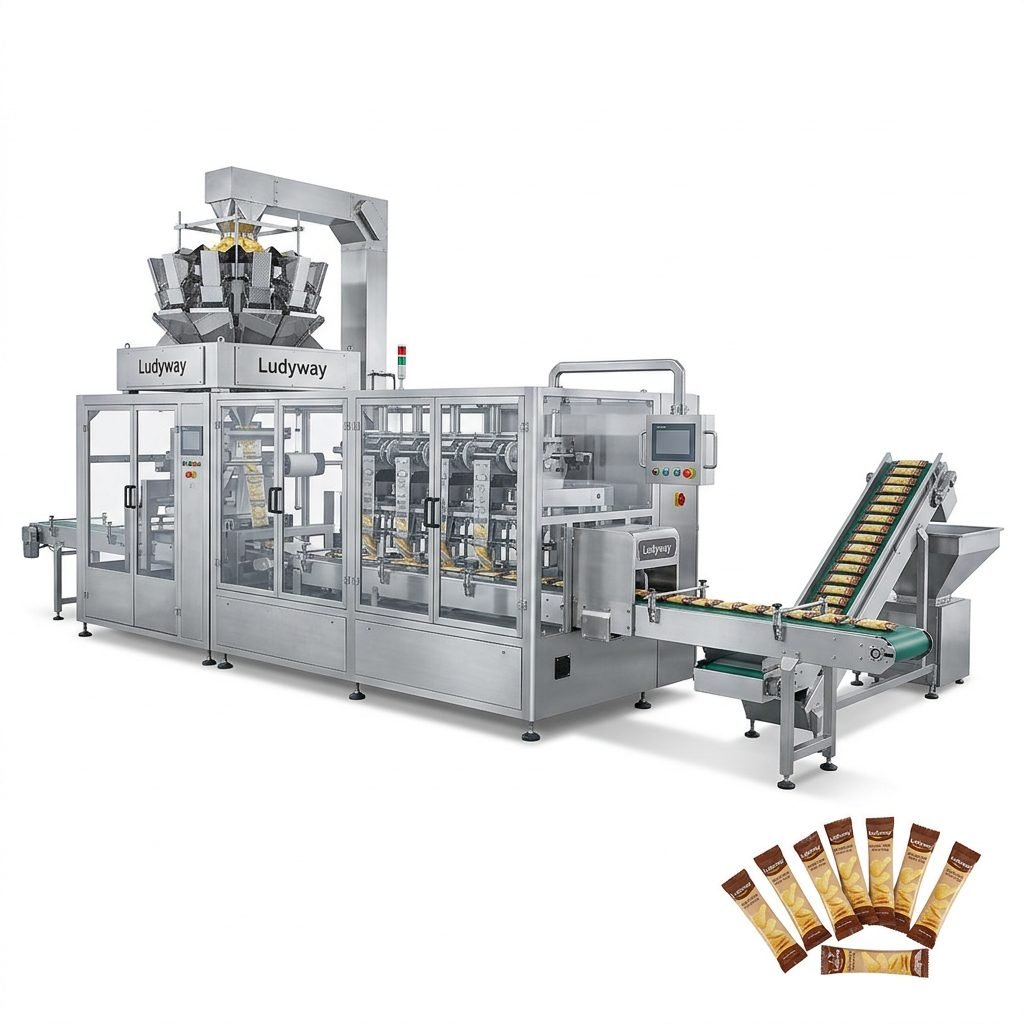
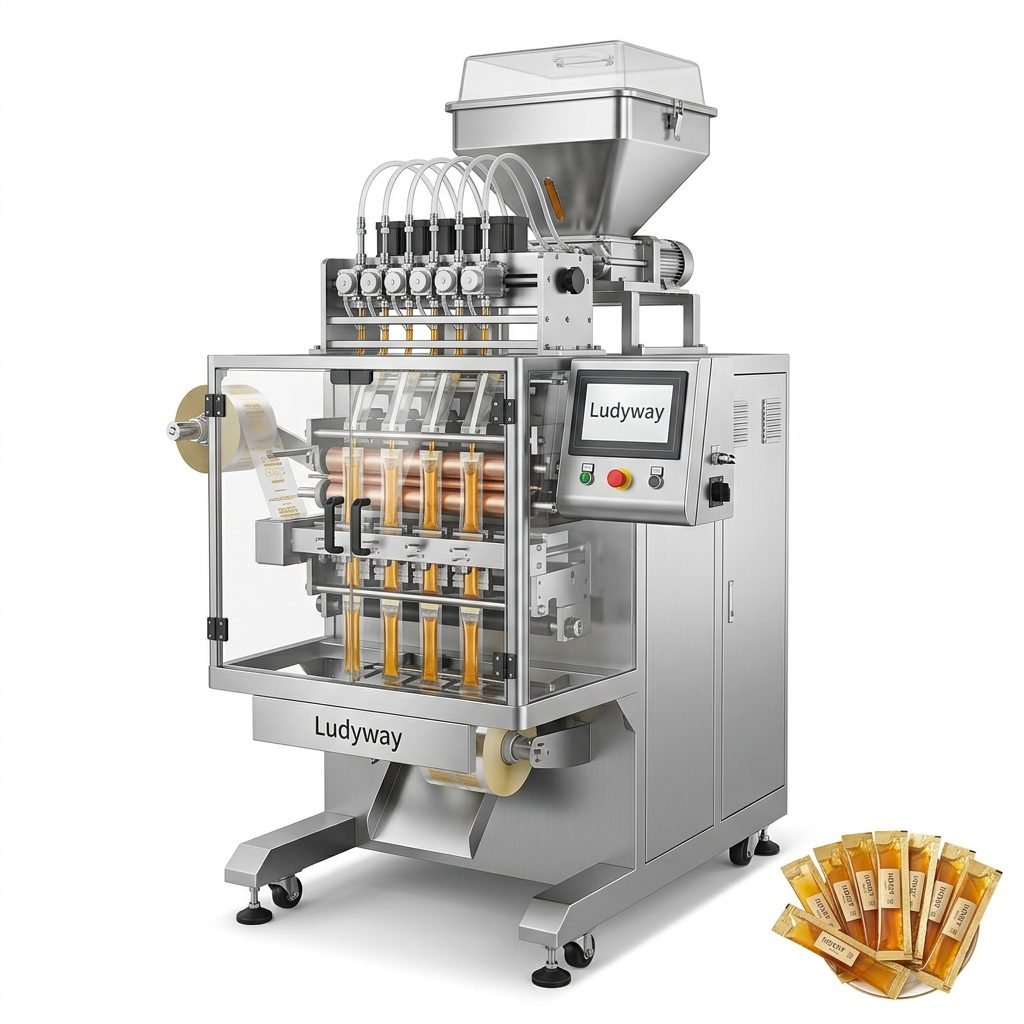
Products such as coffee, dried herbs, spices, and powdered supplements require vacuum packaging solutions that prevent fine particles from being drawn into the vacuum system. Machines with particle filtration and controlled vacuum draw are essential. For high-speed granule and powder applications, multi-lane stick pack and sachet packaging machines with integrated vacuum or nitrogen flushing capabilities are increasingly used. Companies like Ludyway Machinery, with over 30 years of packaging machinery manufacturing experience, provide integrated systems configured for specific product characteristics and production requirements across food, pharmaceutical, and industrial applications.
Ready-to-Eat and Prepared Meals
Prepared food packaging demands versatility — often handling multiple product types, tray formats, and film specifications on the same line. Machines with quick-change tooling and recipe storage minimize downtime during product changeovers. Tray-sealing vacuum equipment is common for ready-meal applications, often combined with MAP technology to extend shelf life while maintaining food quality.
Budget Considerations and ROI Analysis
When evaluating the investment in vacuum packaging equipment, consider the full return on investment beyond the machine price. Factors contributing to ROI include:
- Extended product shelf life — reduced waste and returns
- Labor savings — reduced manual handling requirements
- Improved product presentation — enhanced brand value
- Reduced packaging material waste — consistent seal quality
- Expanded market reach — ability to supply distant markets
- Compliance assurance — meeting retailer and regulatory standards
A thorough cost-benefit analysis should include projected throughput increases, labor reallocation, waste reduction percentages, and market expansion opportunities that the new equipment enables.
Making the Final Selection
After evaluating all technical specifications, production requirements, and budget considerations, narrow your options to machines that meet your core operational needs. Request product demonstrations or sample packaging runs using your actual products and packaging materials. This reveals real-world performance that specifications alone cannot convey.
Engage with manufacturers early to discuss customization options if your requirements are unique. The right packaging machinery partner will offer not just equipment, but engineering expertise, application knowledge, and ongoing support throughout the equipment lifecycle.
Key Takeaways
- Match machine type to your product — liquids require chamber machines; dry products offer more flexibility
- Plan for growth — select equipment that accommodates future production increases
- Evaluate total cost of ownership — not just purchase price, but maintenance, energy, and consumables
- Verify compliance requirements — ensure the machine meets your target market’s regulatory standards
- Test with your products — always run samples before finalizing your purchase
- Consider integration needs — how the machine connects with existing production equipment
- Assess supplier support — local service, spare parts availability, and technical assistance
Selecting the right vacuum food packaging machine is a significant decision that influences product quality, operational efficiency, and long-term profitability. By systematically evaluating your product requirements, production environment, and business goals, you can identify the equipment that delivers reliable performance and supports your growth objectives for years to come.
For additional guidance, consult resources from PMMI State of the Industry reports, the Flexible Packaging Association, and ISO packaging and distribution standards for the latest technical and market information relevant to vacuum packaging equipment selection.