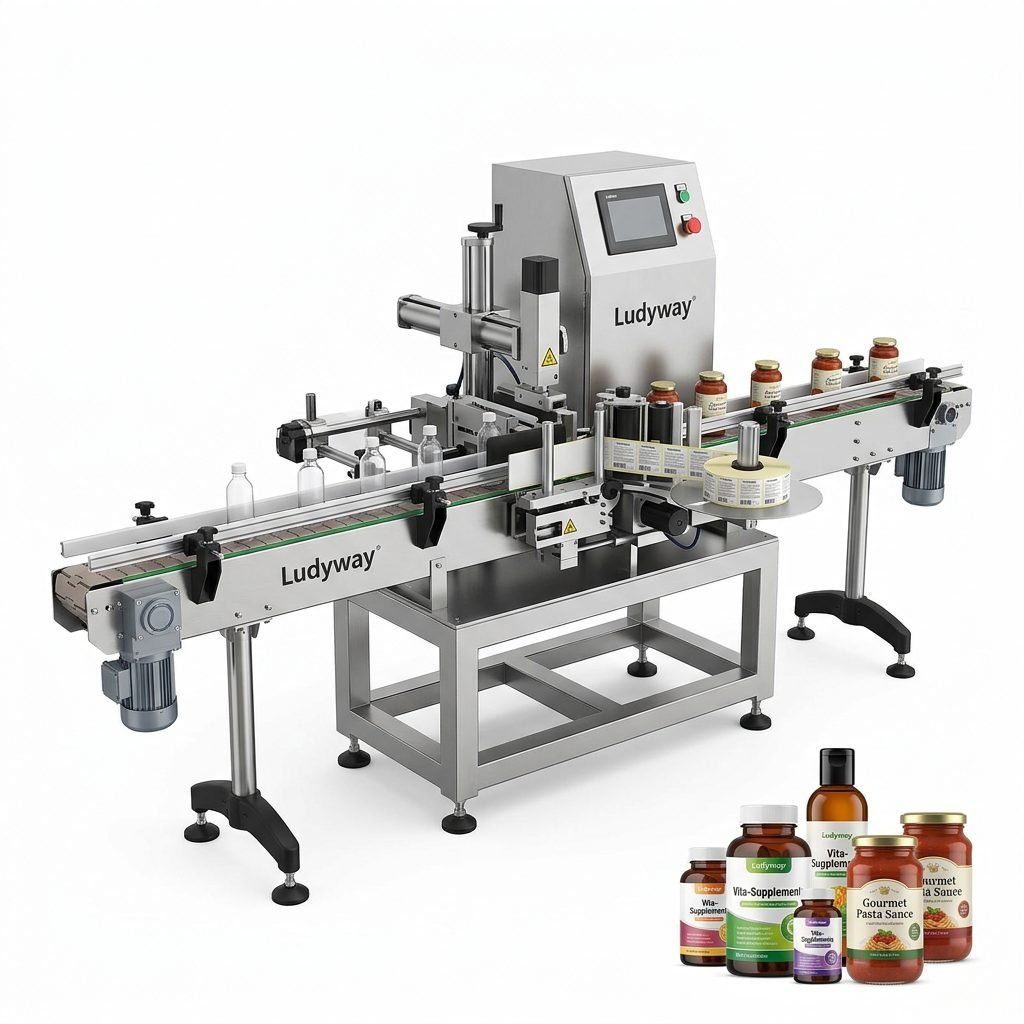
Selecting the right product packaging machine is one of the most critical investment decisions a manufacturer can make. The right equipment improves production efficiency, ensures packaging consistency, and directly impacts your bottom line. However, with countless configurations, technologies, and suppliers available, the selection process can feel overwhelming. This comprehensive buyer’s guide walks you through the essential factors to consider, helping you make a confident, informed decision.

Understanding Your Product and Production Requirements
Before evaluating any equipment, you must first define what you are packaging and how you need to package it. Packaging machinery is not one-size-fits-all; a machine designed for free-flowing granules will perform poorly with sticky powders or liquids.
Product Characteristics That Influence Machine Selection
The physical and chemical properties of your product dictate which packaging technologies are suitable. Key characteristics include:
- Physical state: Powder, granule, liquid, paste, or solid piece goods each require fundamentally different filling and dosing systems.
- Flow characteristics: Free-flowing versus cohesive (sticky) materials affect hopper design and feeder type. A cohesive powder may require mechanical agitation or specialized auger filling.
- Particle size and distribution: Fine powders with dust potential need enclosed systems; large, irregular granules may need volumetric cup fillers.
- Hygroscopicity and sensitivity: Products that absorb moisture or are oxygen-sensitive may need nitrogen flushing or specialized barrier packaging.
- Temperature sensitivity: Heat-sensitive products may limit sealing method options, requiring ultrasonic or cold-seal technologies.
Production Volume and Speed Targets
Your required output capacity — typically measured in packs per minute (ppm) — is a defining parameter. A machine suitable for a startup producing 30 packs per minute will be fundamentally different from one designed for a high-volume operation producing 300+ packs per minute. Consider not only current needs but projected growth over the next 3-5 years. Investing in a slightly higher capacity now can prevent costly replacement later. For insights into industry-wide production trends, the PMMI State of the Industry reports provide valuable benchmarks.
Types of Packaging Machines and Their Applications
Understanding the main categories of packaging machinery helps narrow your search. Each format serves different markets and product types.

| Machine Type | Best For | Common Products |
|---|---|---|
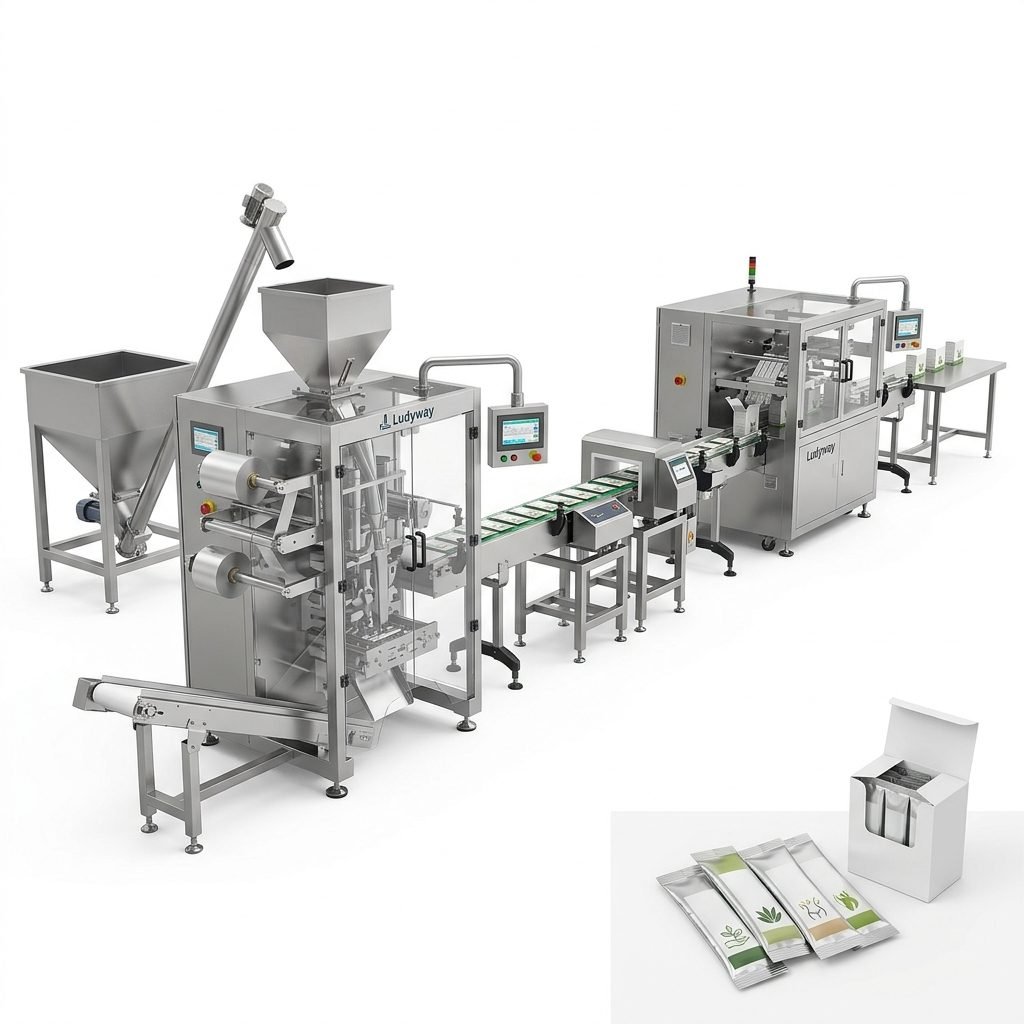
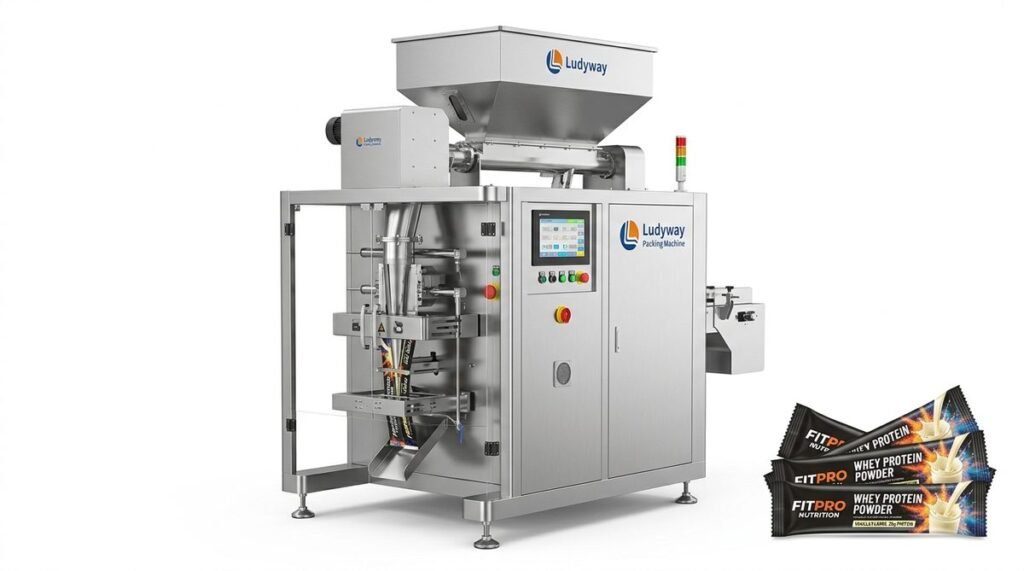
| Vertical Form Fill Seal (VFFS) | Granules, powders, snacks, and loose solids in pillow bags or gusseted pouches | Coffee, sugar, rice, frozen vegetables, pet food |
| Horizontal Form Fill Seal (HFFS) | Solid products, baked goods, and items requiring gentle handling | Biscuits, chocolate bars, medical devices, bakery items |
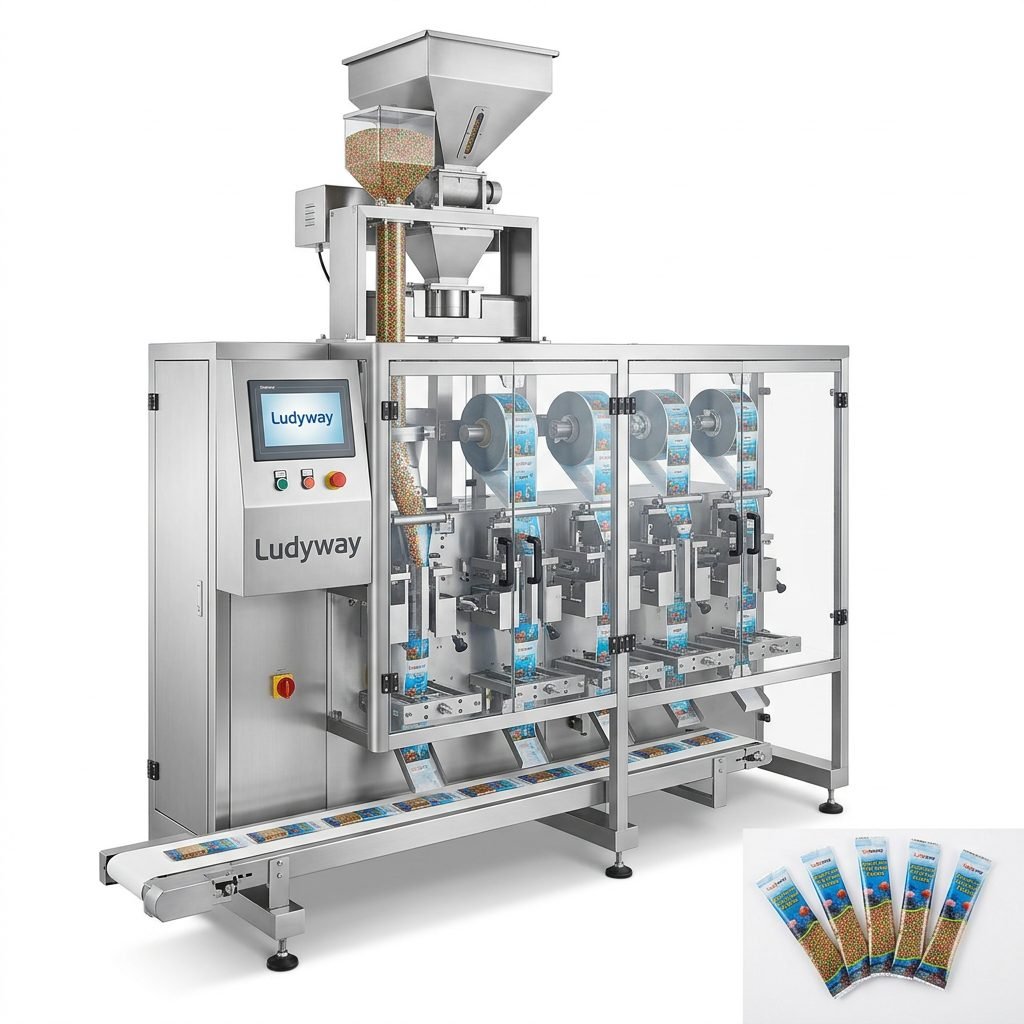
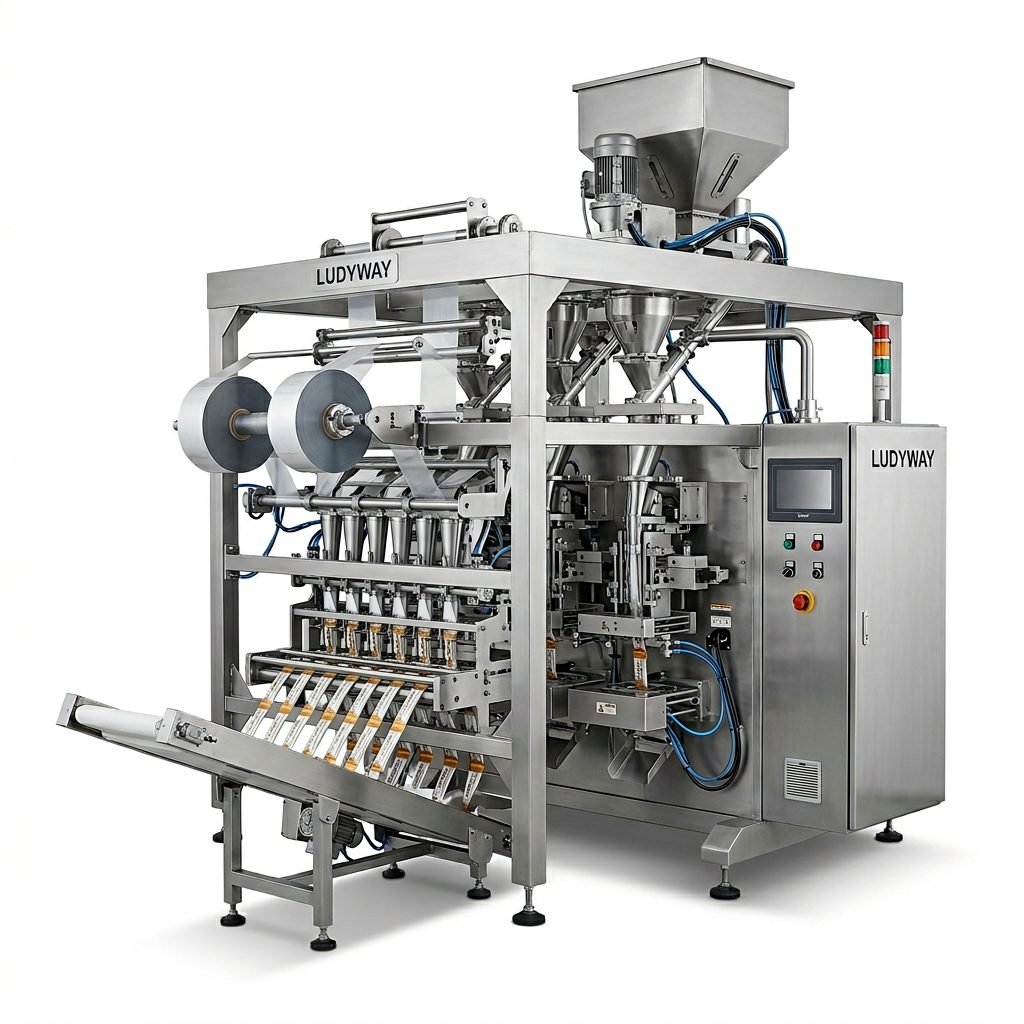
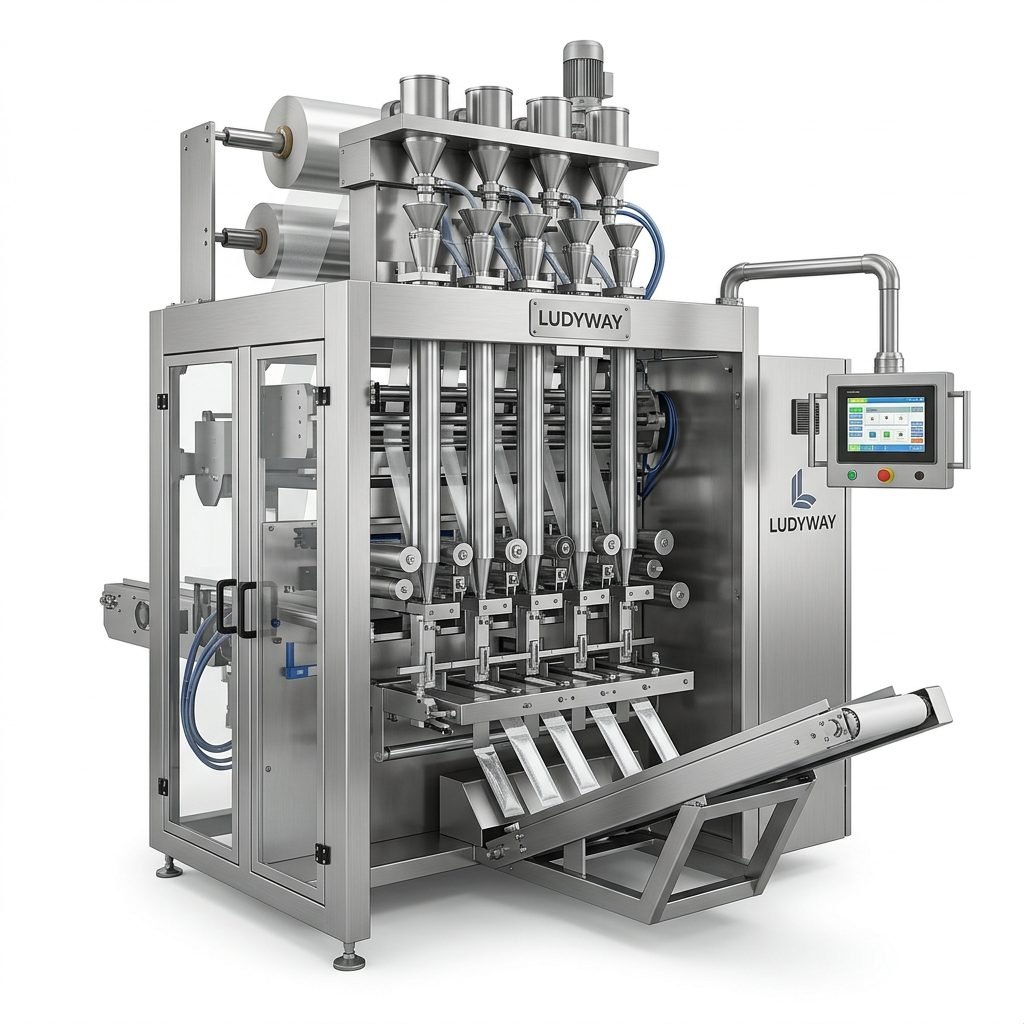
| Multi-Lane Stick Pack Machines | High-speed, small-dose single-serve sachets and stick packs | Instant coffee, sugar, supplements, pharmaceutical powders, seasonings |
| Premade Pouch Fill and Seal | Stand-up pouches, zipper bags, and spouted pouches for premium presentation | Liquid detergents, sauces, pet treats, nuts, dried fruits |
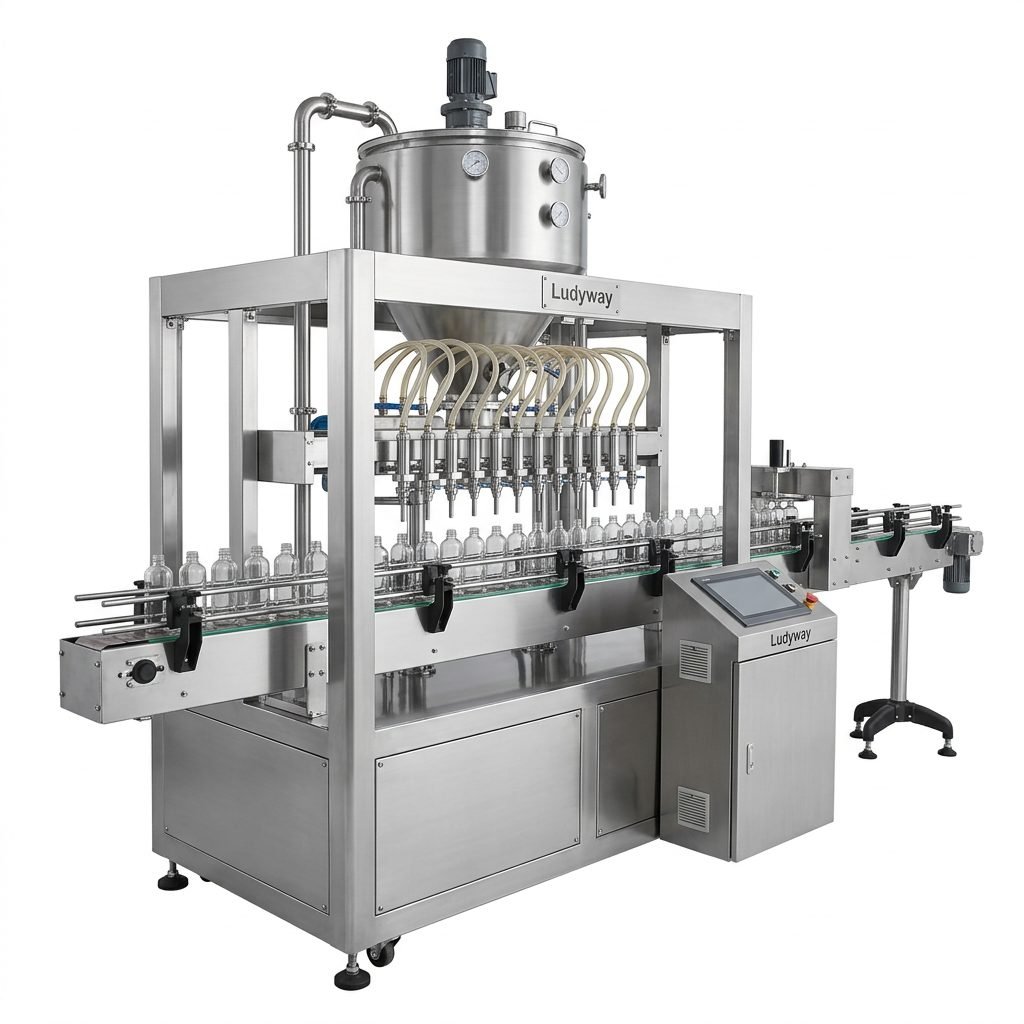
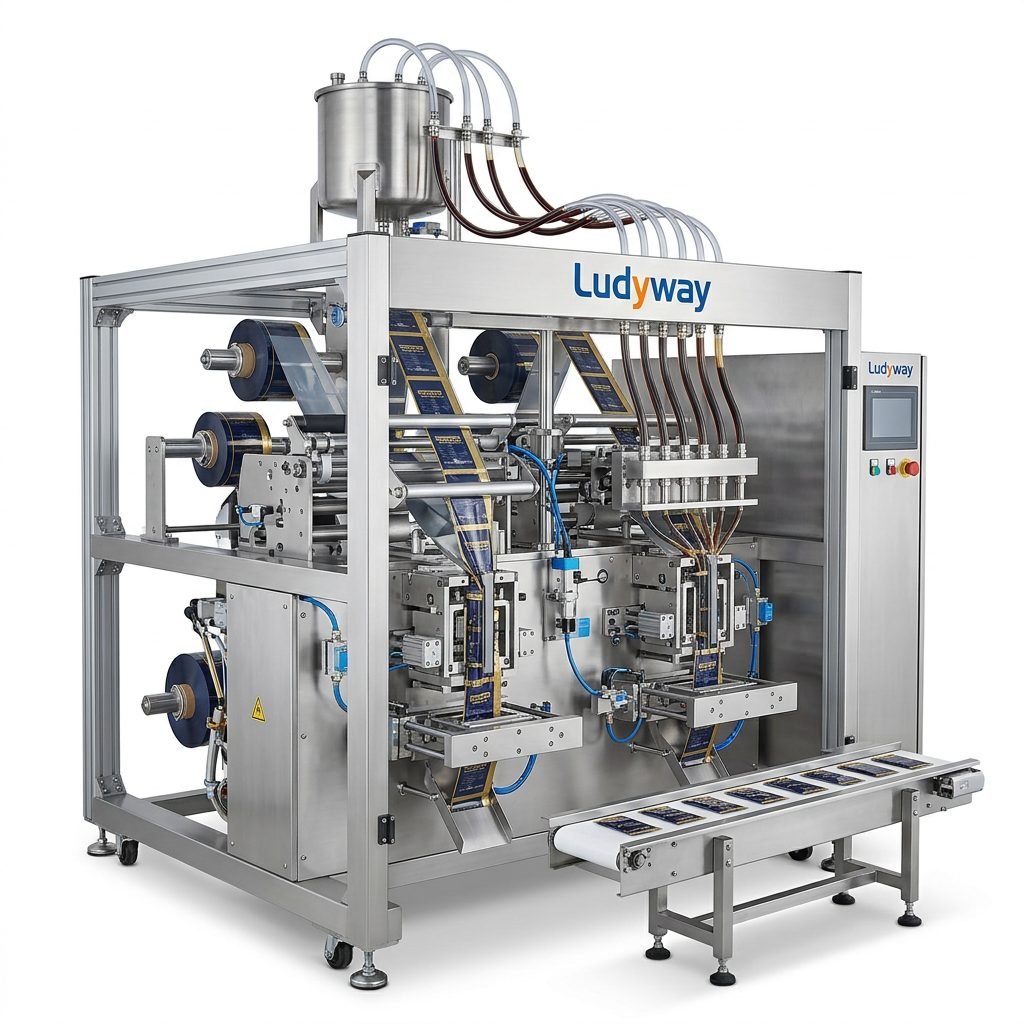
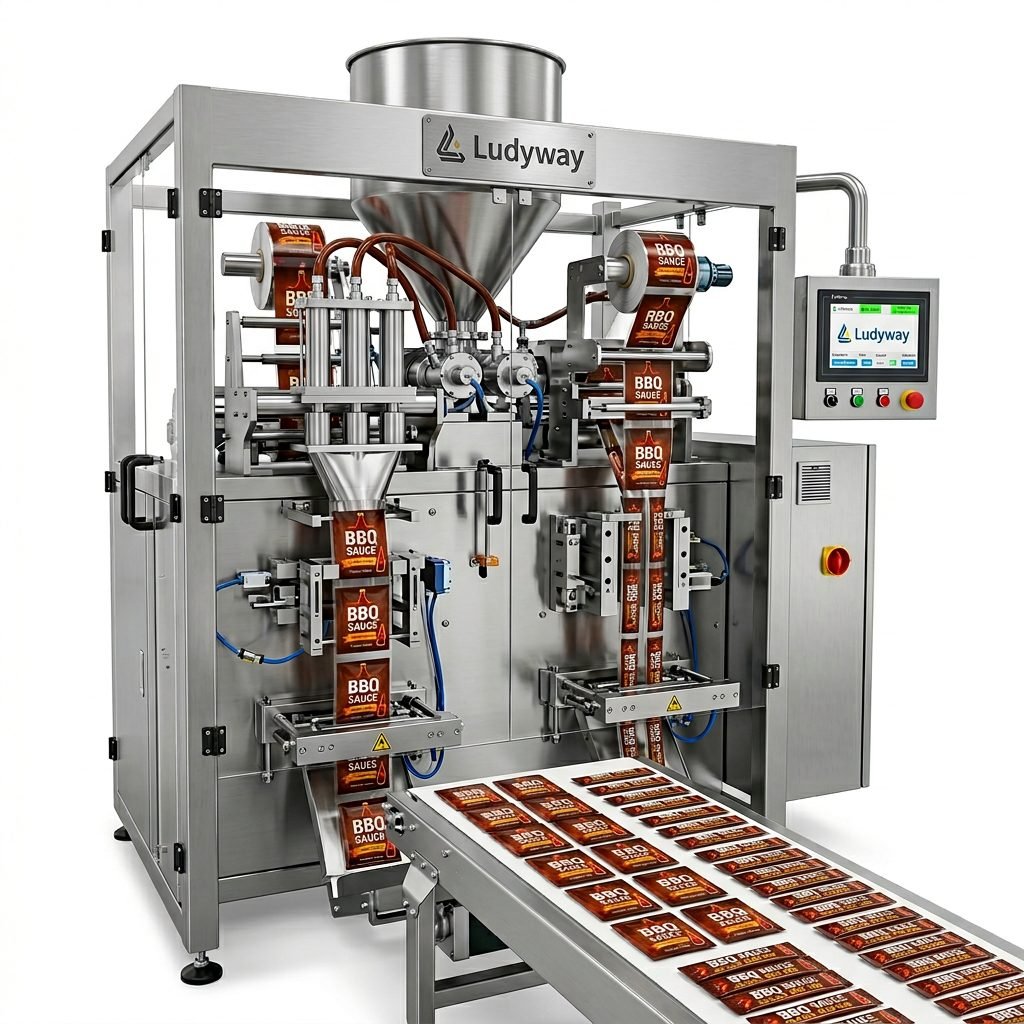
| Liquid Filling and Sealing Lines | Thin to viscous liquids in sachets, bottles, or pouches | Shampoo, sauces, oils, hand sanitizer, beverages |
Key Technical Features to Evaluate
Beyond basic machine type, several technical features differentiate equipment capabilities and directly affect production reliability.
Filling and Dosing Accuracy
Precision in product dosing is critical — especially for industries like pharmaceuticals and nutraceuticals, where fill weight accuracy has regulatory implications. Common filling technologies include:
- Auger fillers — excellent for powders with consistent density
- Volumetric cup fillers — fast and cost-effective for free-flowing granules
- Multi-head weighers — highly accurate for solid pieces and snacks
- Piston and pump fillers — preferred for liquids and pastes
- Net weigh fillers — ideal for large-format bags and bulk packaging
Sealing Technology and Integrity
Seal quality determines product protection and shelf life. Heat sealing is the most common, but parameters — temperature, pressure, and dwell time — must be precisely controllable. For heat-sensitive or moisture-sensitive products, alternative sealing methods such as ultrasonic sealing or modified atmosphere packaging (MAP) capability should be considered. Flexible packaging material compatibility is equally important; verify that the machine can seal the specific film structures you intend to use.
Automation and Control Systems
Modern packaging machines increasingly incorporate PLC-based control systems with touchscreen interfaces, enabling recipe storage, parameter adjustment, and diagnostics. Key automation considerations include:
- Servo-driven vs. mechanical drive — servo systems offer greater precision, easier changeover, and better integration with upstream/downstream equipment.
- Integration capabilities — can the machine connect to fillers, checkweighers, metal detectors, coding equipment, cartoners, and palletizers?
- Remote monitoring and diagnostics — increasingly important for minimizing downtime and enabling quick technical support.
Packaging Material Compatibility and Sustainability
Your choice of packaging materials directly affects machine configuration. The growing emphasis on sustainable packaging adds another layer of complexity, as packaging regulations evolve globally.
Film and Material Considerations
Verify that the machine can run your desired materials: laminated films, mono-materials (increasingly popular for recyclability), paper-based structures, aluminum foil laminates, or biodegradable films. Each material has different sealing characteristics, slip properties, and tensile strength. A machine set up for one film type may require significant modification to run another. Discuss material flexibility with your machinery supplier early in the evaluation process.
Packaging Format and Size Flexibility
If you plan to produce multiple SKUs with different bag sizes, formats, or fill volumes, prioritize machines with quick changeover capabilities. Features like servo-driven adjustments, tool-less change parts, and recipe management systems can reduce changeover time from hours to minutes. This agility is especially important for contract packagers and manufacturers with diverse product lines.
Evaluating Machine Quality, Compliance, and Supplier Capability
A packaging machine is a long-term asset; build quality and supplier support directly influence total cost of ownership. Certifications and compliance with international standards are also critical for manufacturers in regulated industries or those exporting to multiple markets. Refer to ISO packaging standards and relevant FDA packaging requirements when evaluating equipment for food or pharmaceutical applications.
Manufacturing Quality and Component Sourcing
Inspect the machine’s construction: frame rigidity, weld quality, surface finishing, and the brands of critical components (PLCs, servo motors, pneumatics, sensors). Machines built with internationally recognized brand components (such as Siemens, Omron, Festo, or SMC) typically offer greater reliability and easier spare parts availability worldwide. A robust, well-engineered frame reduces vibration and extends mechanical lifespan.
Supplier Experience and References
Choose a supplier with demonstrated experience in your specific application. Ask for references from customers packaging similar products, and if possible, visit operating installations. A supplier with deep application knowledge can help you avoid common pitfalls and optimize your packaging solution. Ludyway Machinery, with more than 30 years of packaging industry experience and a 20,000-square-meter manufacturing facility, offers integrated packaging solutions and customized machinery configurations for manufacturers across the food, pharmaceutical, chemical, and consumer goods sectors. The company’s approach focuses on combining engineering expertise with automation technology to help customers improve packaging efficiency and production consistency.
Total Cost of Ownership and ROI Analysis
The purchase price is only part of the equation. A comprehensive total cost of ownership (TCO) analysis should account for:
| Cost Category | Key Considerations |
|---|---|
| Initial capital cost | Machine price, freight, import duties, installation, and commissioning |
| Operational costs | Labor requirements, energy consumption, compressed air usage, packaging material waste rates |
| Maintenance and spare parts | Preventive maintenance schedule, spare parts availability and cost, mean time between failures (MTBF) |
| Changeover and downtime | Time and labor to switch between products or formats; production loss during stoppages |
| Training and support | Operator training, technical documentation, and ongoing remote or on-site support |
Calculate your expected return on investment (ROI) by comparing current packaging costs (including labor, material waste, and production limitations) against projected costs with the new equipment. A machine that reduces give-away by even 1-2% through better filling accuracy can deliver substantial annual savings.
Installation, Commissioning, and After-Sales Support
The relationship with your machinery supplier continues well beyond the purchase. Confirm the scope of installation and commissioning support: will the supplier provide on-site technicians, conduct operator training, and assist with production ramp-up? After-sales support — including remote troubleshooting, spare parts supply, and ongoing technical assistance — is critical for minimizing long-term disruptions. Evaluate the supplier’s service infrastructure: do they have service engineers who speak your language, and are they accessible during your operating hours?
Making the Final Decision
Choosing the right packaging machine involves balancing technical requirements, budget constraints, and long-term strategic goals. Document your product specifications, production targets, packaging material preferences, facility constraints, and budget parameters before engaging with suppliers. Request detailed proposals that include machine specifications, performance guarantees, spare parts lists, and after-sales service agreements.
Whenever possible, arrange factory acceptance testing (FAT) at the supplier’s facility to verify machine performance with your actual products and materials before shipment. This critical step can identify and resolve issues before the machine arrives at your facility, saving time, cost, and frustration.
By systematically evaluating these factors — product compatibility, machine technology, quality standards, supplier capability, and total cost of ownership — you position your operation to select a packaging solution that delivers reliable performance, production efficiency, and a strong return on investment for years to come.