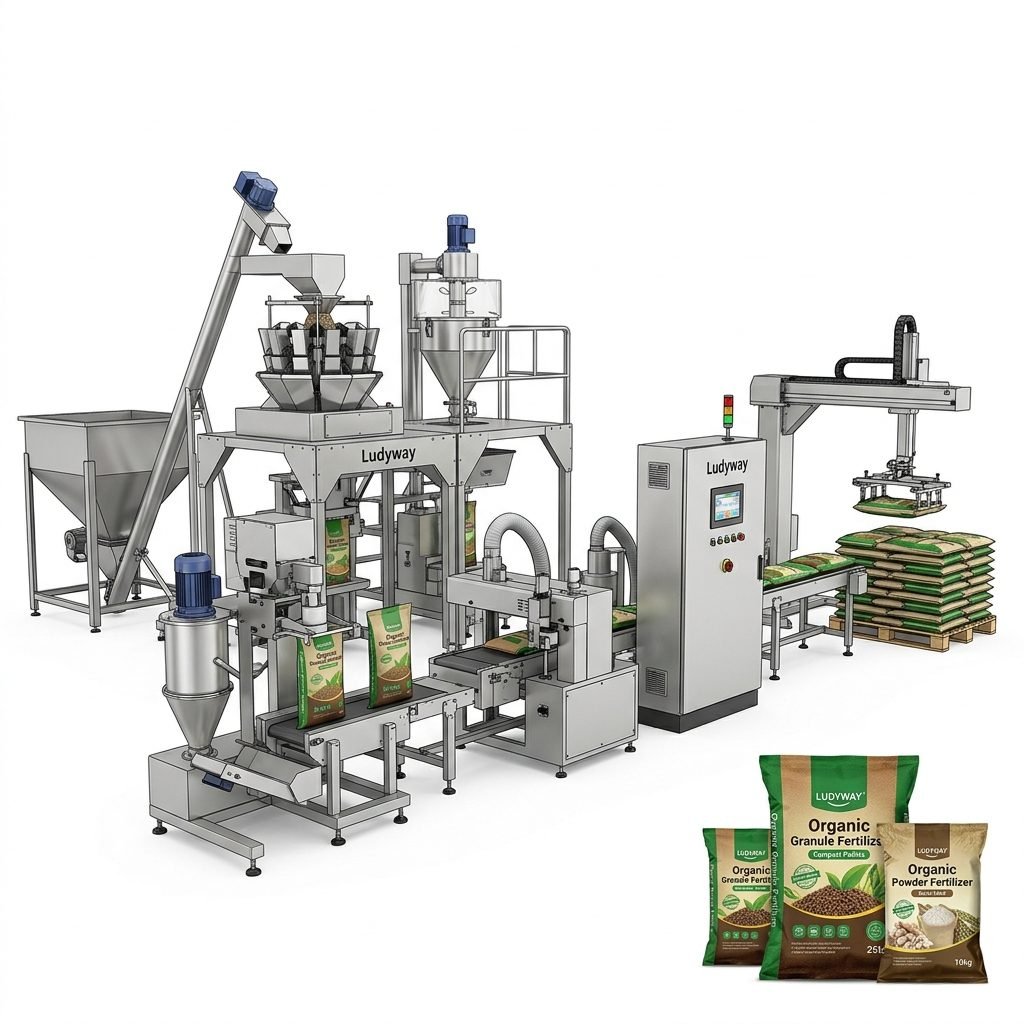
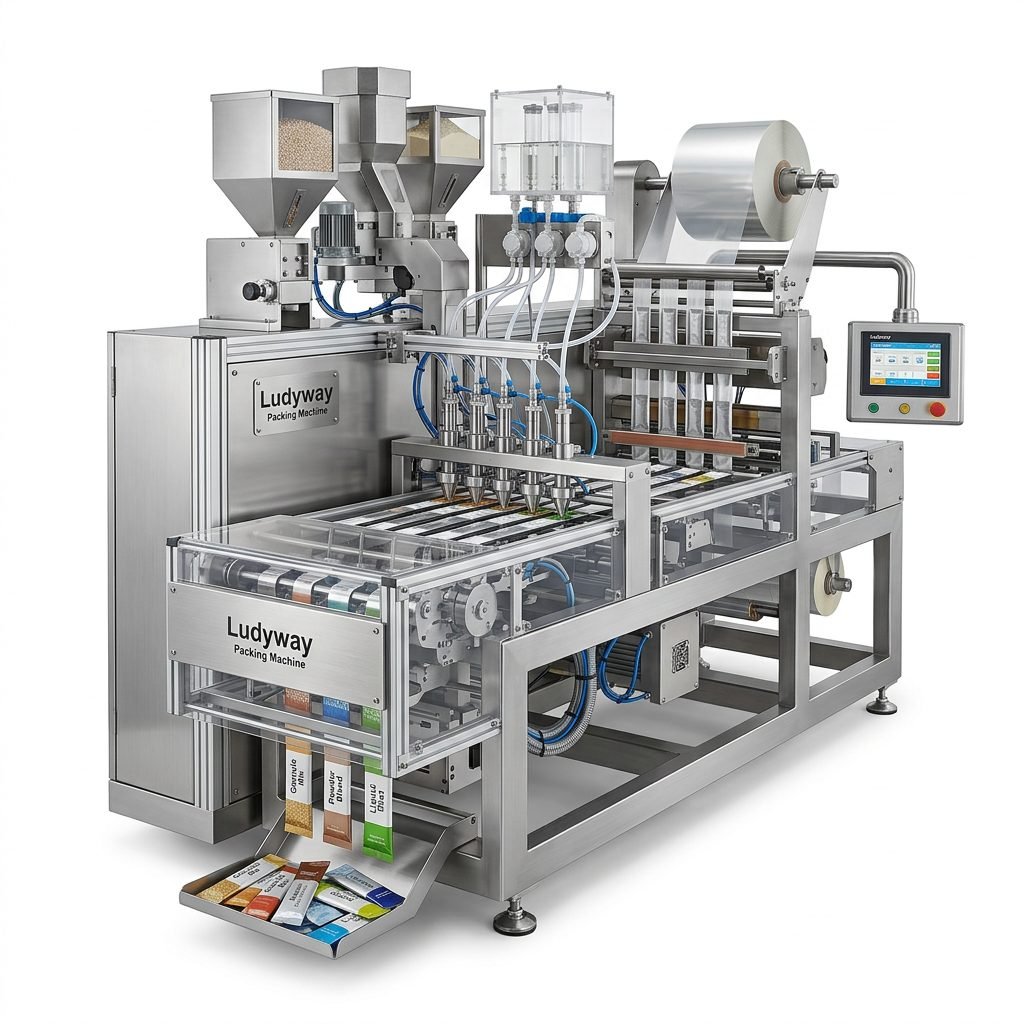
Investing in a hand operated blister packing machine is a strategic decision for small-scale manufacturers, laboratories, pharmacies, and startups looking to package tablets, capsules, or small solid products efficiently without the complexity and cost of fully automated systems. Unlike high-speed automatic lines, manual and semi-automatic blister packers offer greater flexibility, lower upfront investment, and simpler operation — making them ideal for short production runs, clinical trials, or niche product lines. This guide walks you through everything you need to evaluate before making your purchase.
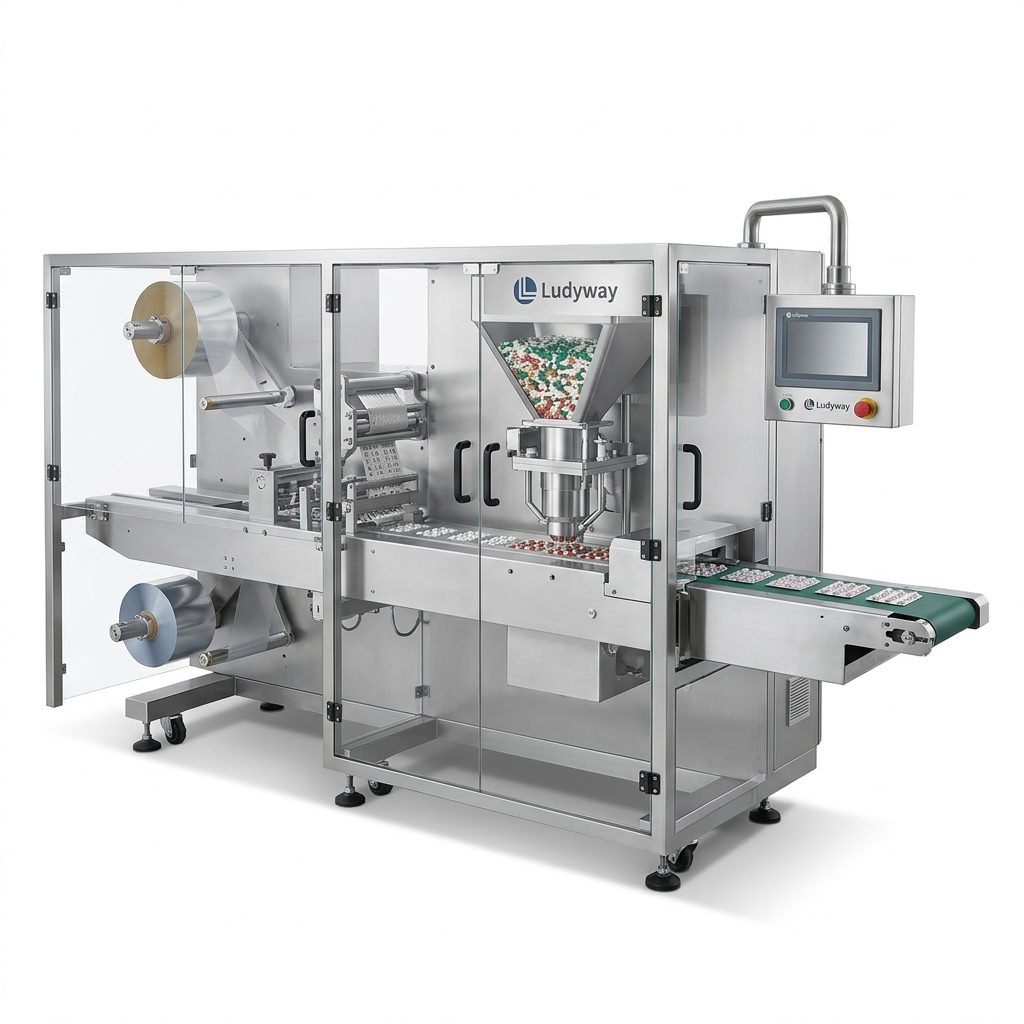
Understanding Manual Blister Packaging Technology
Blister packaging is one of the most widely used formats in pharmaceutical and consumer goods packaging, offering excellent product visibility, protection, and tamper evidence. A hand operated blister packing machine typically uses mechanical leverage or pneumatic assistance to seal pre-formed blister trays with lidding material — usually aluminum foil or medical-grade paper — through a combination of heat, pressure, and dwell time. The operator manually loads the blister tray and lidding material, activates the sealing cycle, and removes the finished pack.
These machines are particularly well-suited for low-volume production environments where the cost of a fully automated blister line cannot be justified. According to packaging machinery market research, demand for flexible, entry-level packaging equipment continues to grow as more companies enter specialized pharmaceutical and nutraceutical markets.
Key Factors to Evaluate Before Purchasing
Not all hand operated blister packing machines are built alike. The following criteria will help you narrow down your options and select equipment that matches your specific production requirements.
1. Sealing Area and Platen Size
The dimensions of the heated platen determine the maximum blister card size you can produce. Common platen sizes range from 120mm × 180mm for small pharmaceutical blister packs to 250mm × 350mm for larger consumer goods packaging. Always verify that the machine can accommodate your intended blister tray dimensions — including any tooling or die-cut cavities — before committing to a purchase. A machine with an undersized platen will limit your packaging format options and may require costly upgrades later.
2. Temperature Control and Consistency
Precise temperature regulation is critical for achieving consistent seal integrity across every blister pack. Look for machines equipped with digital PID temperature controllers rather than simple analog dials. Digital controllers offer accurate set-point adjustment, faster heat-up times, and better temperature stability throughout the sealing cycle. Inconsistent heat distribution can lead to weak seals, product contamination, or damaged packaging materials — issues that are especially problematic in regulated industries such as pharmaceuticals.
3. Pressure and Dwell Time Adjustment
The ability to fine-tune sealing pressure and dwell time is essential when working with different lidding materials and blister film types. Adjustable pneumatic or mechanical pressure systems allow operators to dial in the optimal parameters for each packaging material combination. Machines with fixed pressure settings may work adequately for a single product line but lack the versatility needed for contract packaging or multi-product operations.
4. Material Compatibility
Your chosen machine must be compatible with the blister films and lidding materials you intend to use. Common blister materials include PVC, PVDC, Aclar, and aluminum-based laminates, while lidding options range from heat-seal coated aluminum foil to medical-grade Tyvek and paper-based substrates. Verify the machine’s temperature range and pressure capabilities against the ISO packaging standards for your specific material specifications. Some machines offer interchangeable tooling for different material thicknesses, adding valuable flexibility to your operation.
Comparing Manual, Semi-Automatic, and Automatic Blister Machines
Understanding the differences between machine categories helps you make an informed decision based on your production volume, budget, and operational requirements. The table below summarizes the key distinctions.
| Feature | Manual Hand Operated | Semi-Automatic | Fully Automatic |
|---|---|---|---|
| Production Speed | 5-15 cycles per minute | 15-30 cycles per minute | 30-200+ cycles per minute |
| Initial Investment | Low ($1,000 – $8,000) | Medium ($8,000 – $30,000) | High ($30,000 – $200,000+) |
| Operator Involvement | High — manual loading and activation | Moderate — assisted feeding | Minimal — automated operation |
| Changeover Time | 5-15 minutes | 15-30 minutes | 30-60+ minutes |
| Best For | R&D, clinical trials, small batches | Medium production runs | High-volume manufacturing |
Build Quality and Construction Materials
The longevity and reliability of your blister packing machine depend heavily on its construction. Look for machines built with stainless steel frames and anodized aluminum platens rather than painted mild steel components that can corrode over time — especially in pharmaceutical environments where cleanliness and FDA packaging compliance are paramount. The heating elements should be industrial-grade cartridge or strip heaters with a proven service life of at least 5,000 cycles before replacement.
Critical Construction Features to Inspect
- Frame rigidity: A sturdy frame minimizes flex during the sealing cycle, ensuring even pressure distribution across the entire platen surface.
- Heating element accessibility: Easy access to replaceable heating elements reduces downtime and maintenance costs.
- Platen flatness: Warped or uneven platens cause inconsistent seals and premature tooling wear.
- Safety interlocks: Emergency stop buttons and protective guards should be standard on all powered models.
- Corrosion resistance: Stainless steel and anodized surfaces withstand cleaning agents and prevent contamination.
Tooling Options and Changeover Efficiency
One of the most overlooked aspects of selecting a hand operated blister packing machine is tooling flexibility. If you anticipate packaging multiple product sizes or blister formats, invest in a machine with quick-change tooling capabilities. Some manufacturers offer interchangeable platens, die sets, and sealing fixtures that can be swapped in minutes without specialized tools. This modularity significantly extends the useful life of your equipment and accommodates evolving product portfolios without requiring a complete machine replacement.
Additionally, evaluate the availability of custom tooling from the machine supplier. The ability to order bespoke blister dies and sealing plates tailored to your exact cavity dimensions ensures optimal material utilization and professional-looking finished packs.
Ergonomics and Operator Safety
Since hand operated machines require continuous operator involvement, ergonomic design directly impacts productivity and workplace safety. Consider the following ergonomic factors:
- Working height should allow comfortable operation without excessive bending or reaching.
- Actuation mechanisms — whether lever-based, pneumatic foot-pedal, or push-button — should minimize repetitive strain.
- Clear visibility of the sealing area helps operators position blister trays accurately and consistently.
- Heat shielding around the platen protects operators from accidental burns during production.
Maintenance Requirements and Spare Parts Availability
Even robustly built manual blister machines require routine maintenance to maintain sealing performance. Before purchasing, clarify the following with your supplier:
- Recommended maintenance schedule: How often should heating elements, thermocouples, and pneumatic components be inspected or replaced?
- Spare parts availability: Are common wear items — such as heating cartridges, temperature controllers, seals, and gaskets — readily available from local stock or require international shipping?
- Technical documentation: Does the machine come with detailed maintenance manuals, wiring diagrams, and troubleshooting guides?
- Warranty coverage: What components are covered, and for how long? Is on-site service available, or is support limited to remote assistance?
Evaluating Suppliers and After-Sales Support
Choosing the right machine supplier is just as important as choosing the right machine. A reputable supplier should demonstrate deep industry knowledge, responsive technical support, and a track record of successful installations. When evaluating suppliers, consider the following:
Questions to Ask Potential Suppliers
- How many years has the company been manufacturing blister packaging equipment?
- Can they provide references or case studies from customers in your industry?
- What training and installation support is included with the purchase?
- Is remote technical assistance available for troubleshooting?
- What is their lead time for both machines and spare parts?
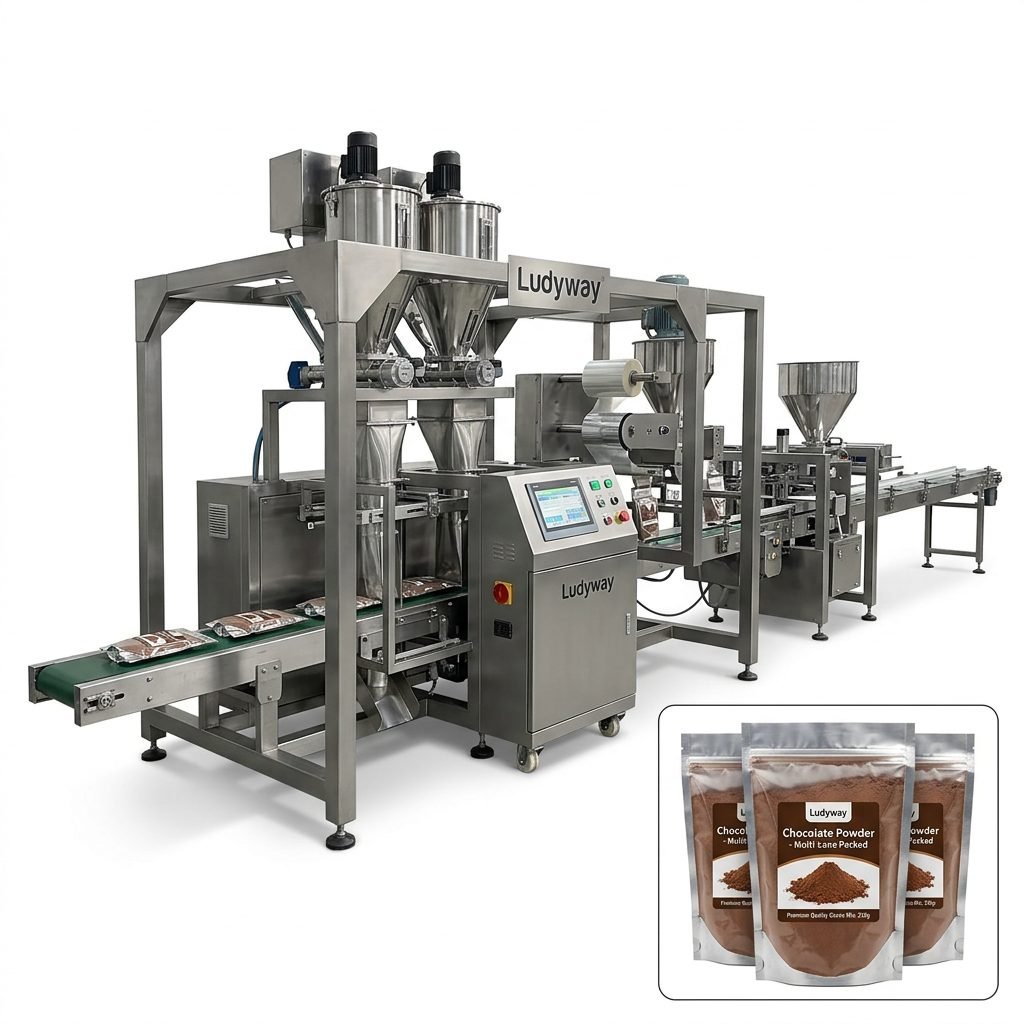
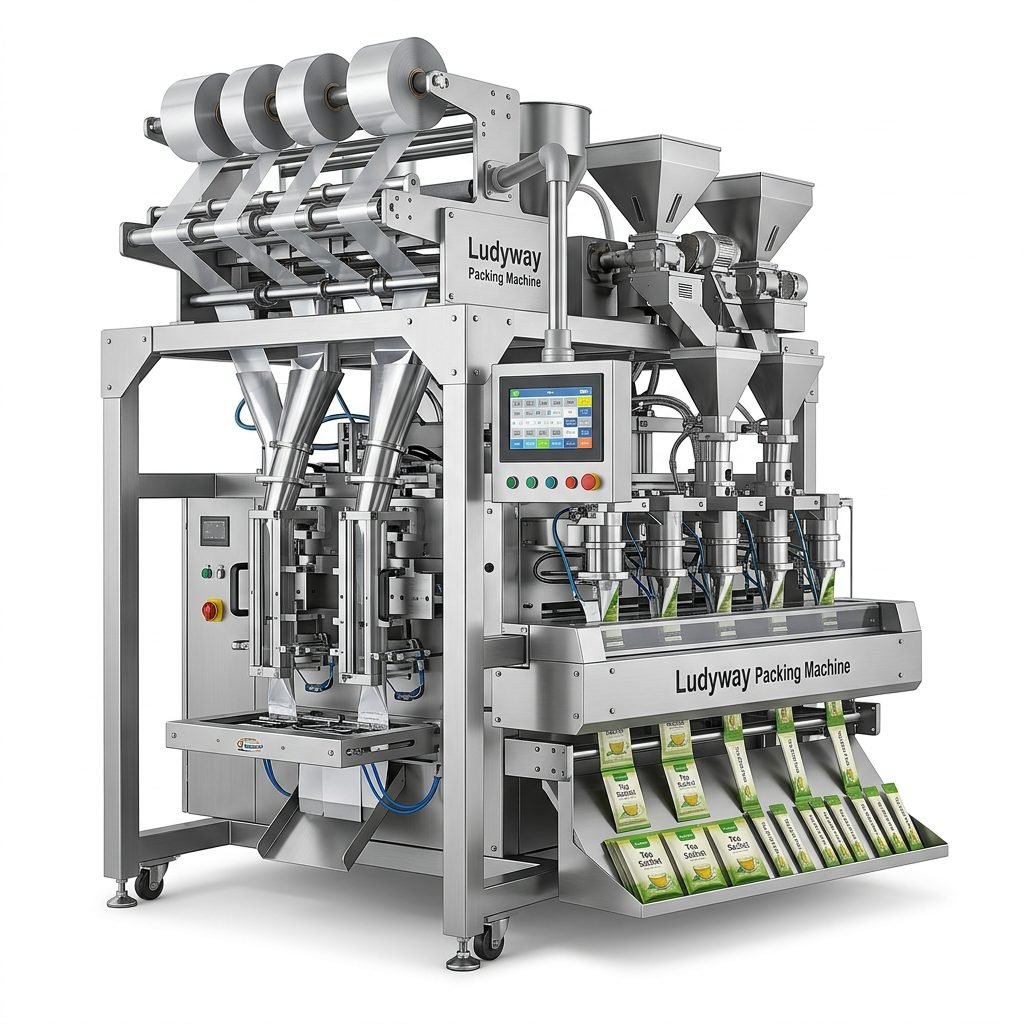
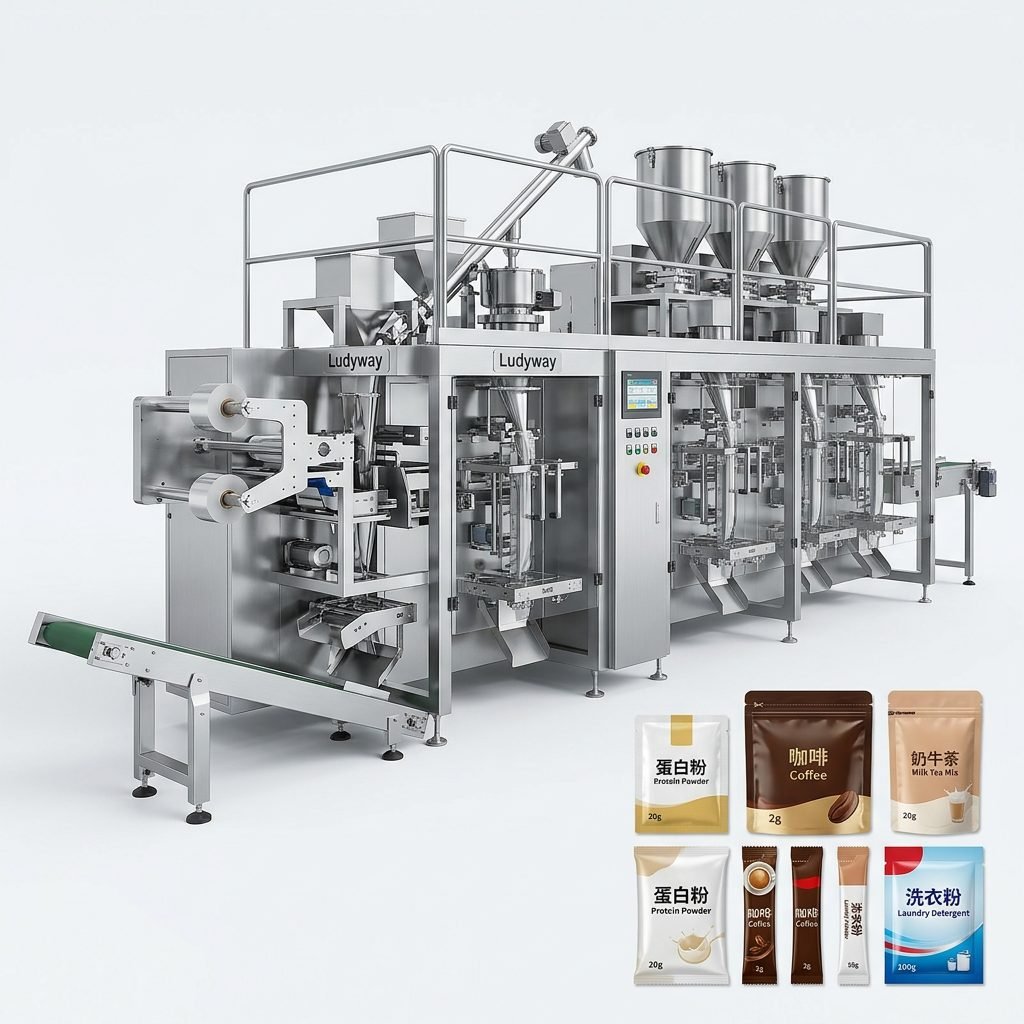
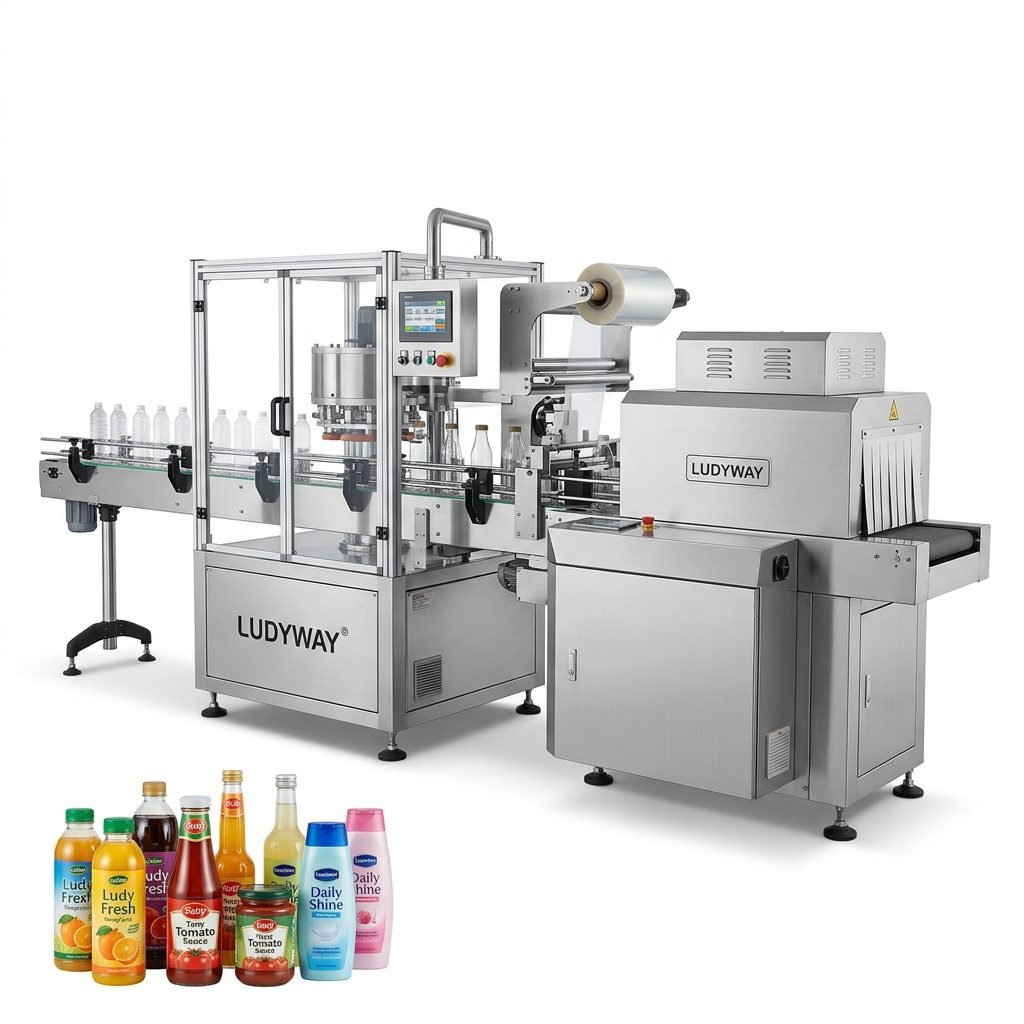
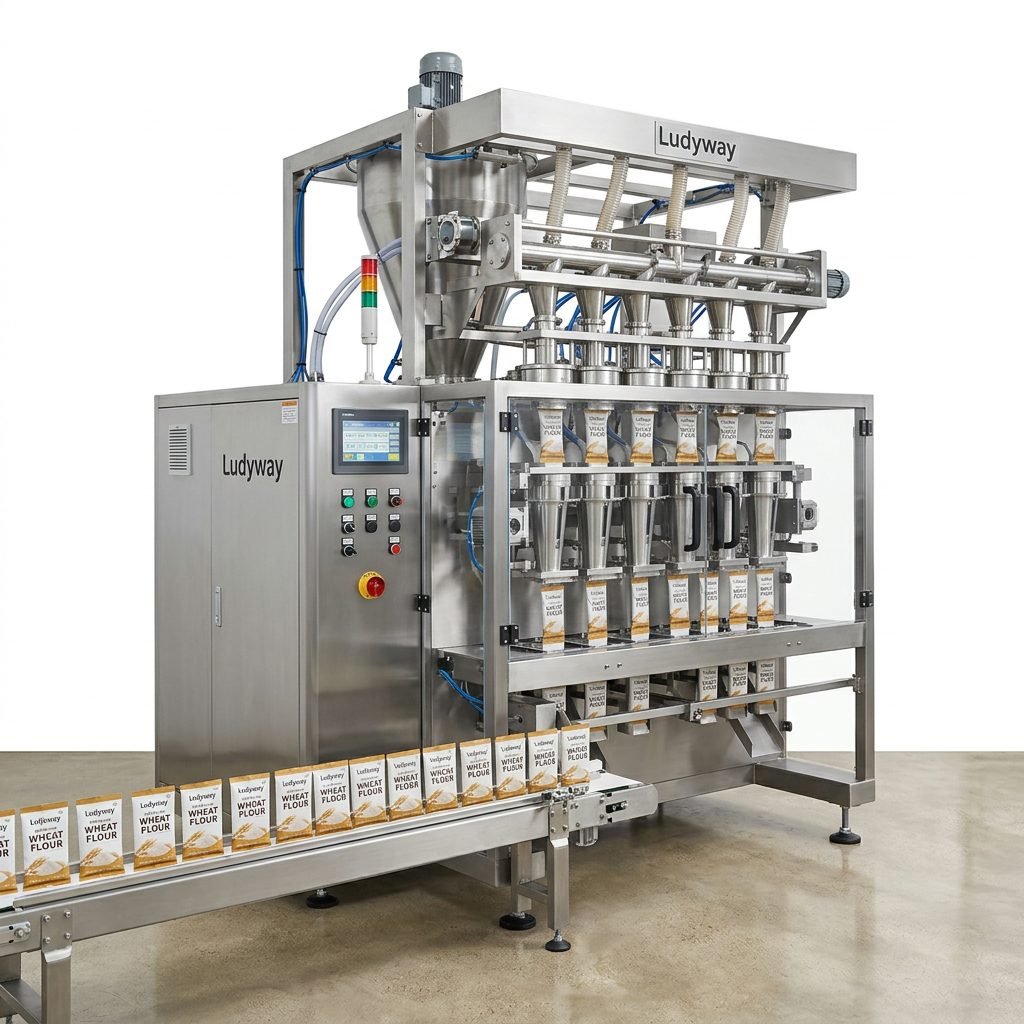
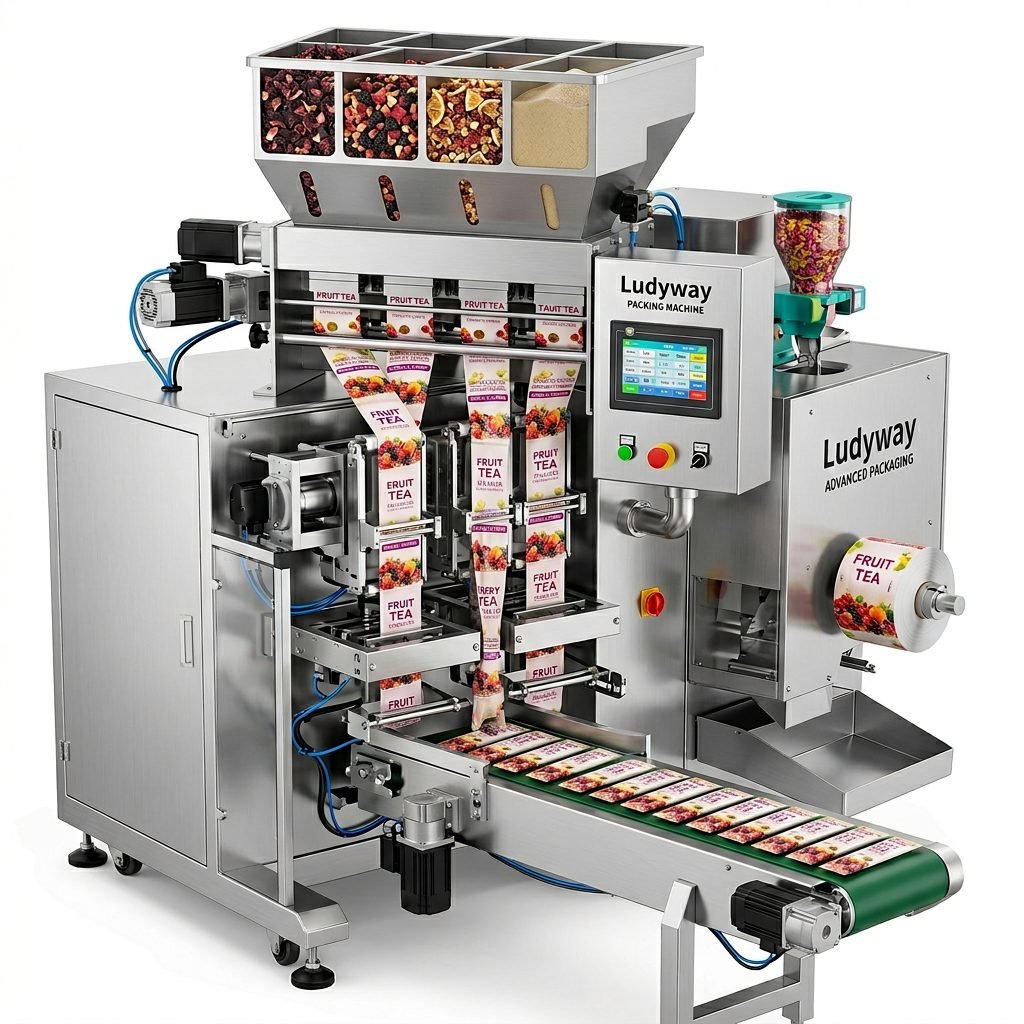
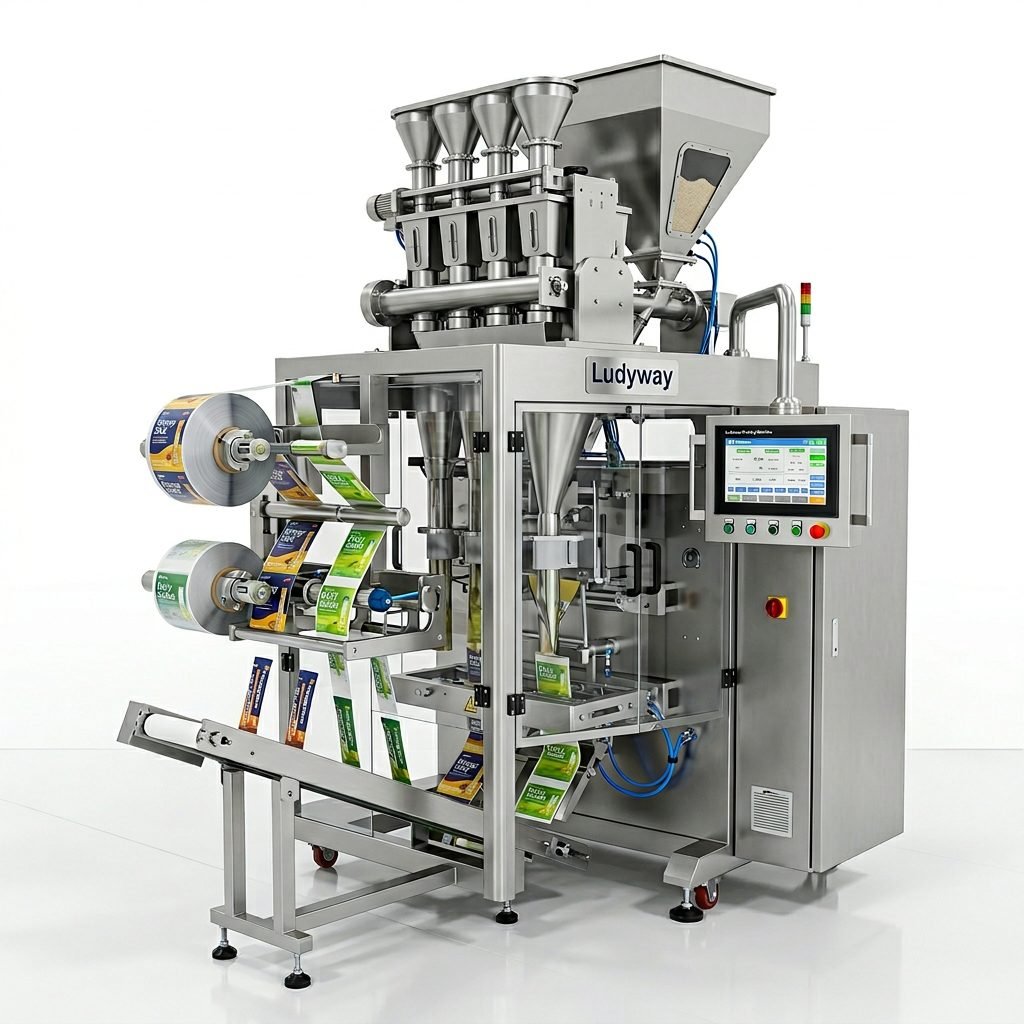
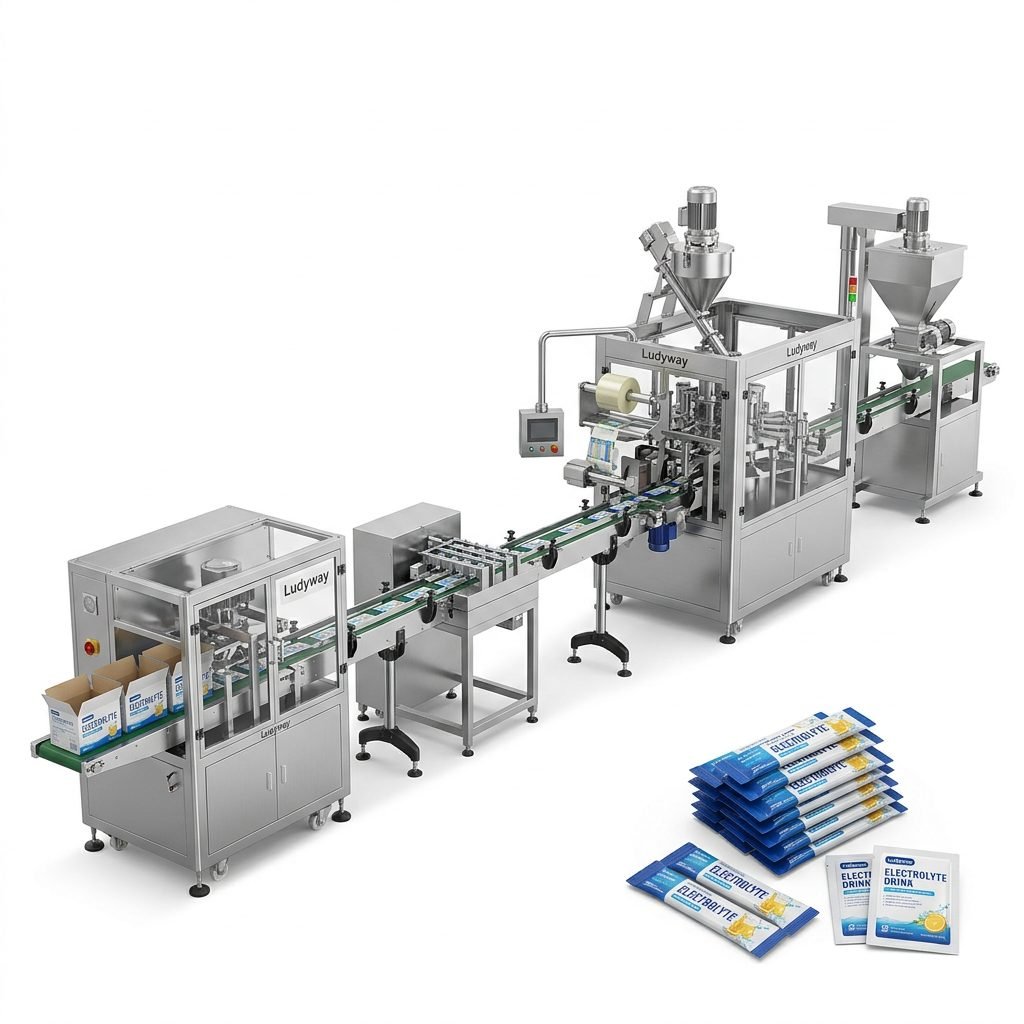
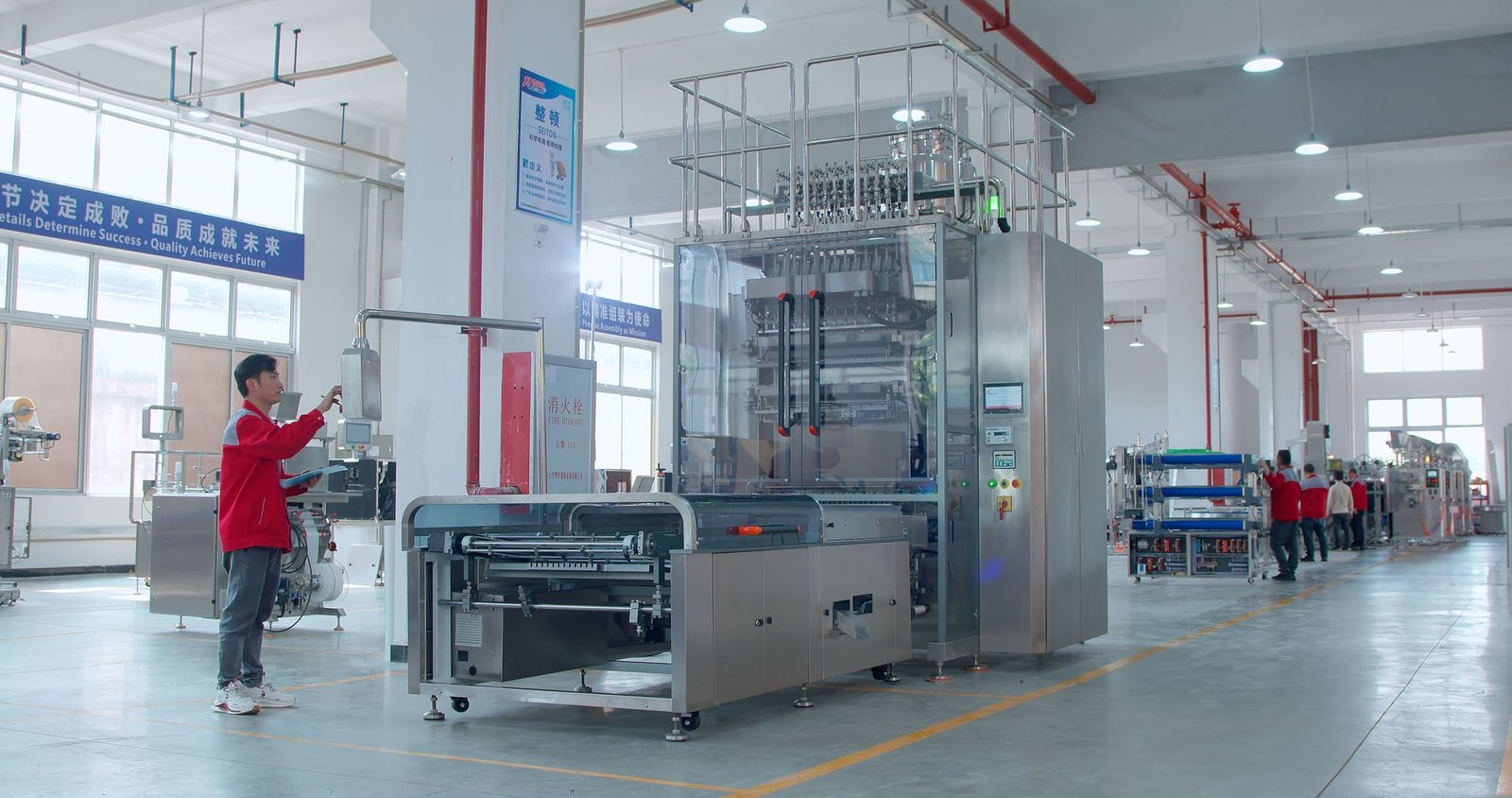
For manufacturers looking to scale beyond manual operations, Ludyway Machinery — a China-based packaging machinery manufacturer with over 30 years of industry experience — offers a comprehensive range of automated blister packaging lines and flexible packaging solutions for manufacturers transitioning to higher production volumes. With a 20,000-square-meter manufacturing facility and more than 50 packaging machine models, the company provides integrated turnkey packaging systems across food, pharmaceutical, cosmetic, and chemical industries.
Common Pitfalls to Avoid
Many first-time buyers make avoidable mistakes that lead to buyer’s remorse, production delays, or unexpected costs. Here are the most common pitfalls to watch out for:
- Underestimating production growth: A machine that barely meets today’s requirements may become a bottleneck within months. Build in at least 20-30% capacity headroom.
- Overlooking material costs: Some machines are optimized for specific material suppliers, potentially locking you into more expensive consumables.
- Ignoring regulatory requirements: Pharmaceutical and medical device packaging must meet stringent ISO 11607 standards for terminally sterilized medical devices and other applicable regulations.
- Focusing solely on price: The lowest-priced machine often carries hidden costs in the form of frequent downtime, poor seal quality, and limited supplier support.
- Skipping a factory acceptance test: Whenever possible, arrange a live demonstration or factory visit to verify the machine’s performance with your actual blister trays and lidding materials.
Making the Final Decision
After evaluating platen size, temperature control, pressure adjustment, material compatibility, build quality, ergonomics, maintenance needs, and supplier reliability, you will be well-positioned to select a hand operated blister packing machine that delivers consistent, professional-grade packaging results. Remember that the right machine is not necessarily the most expensive or feature-rich — it is the one that best aligns with your current production volumes, quality requirements, and growth trajectory while fitting within your capital equipment budget.
By approaching the purchasing process systematically and prioritizing long-term reliability over short-term savings, your investment in manual blister packaging equipment will support efficient operations and product quality for years to come.