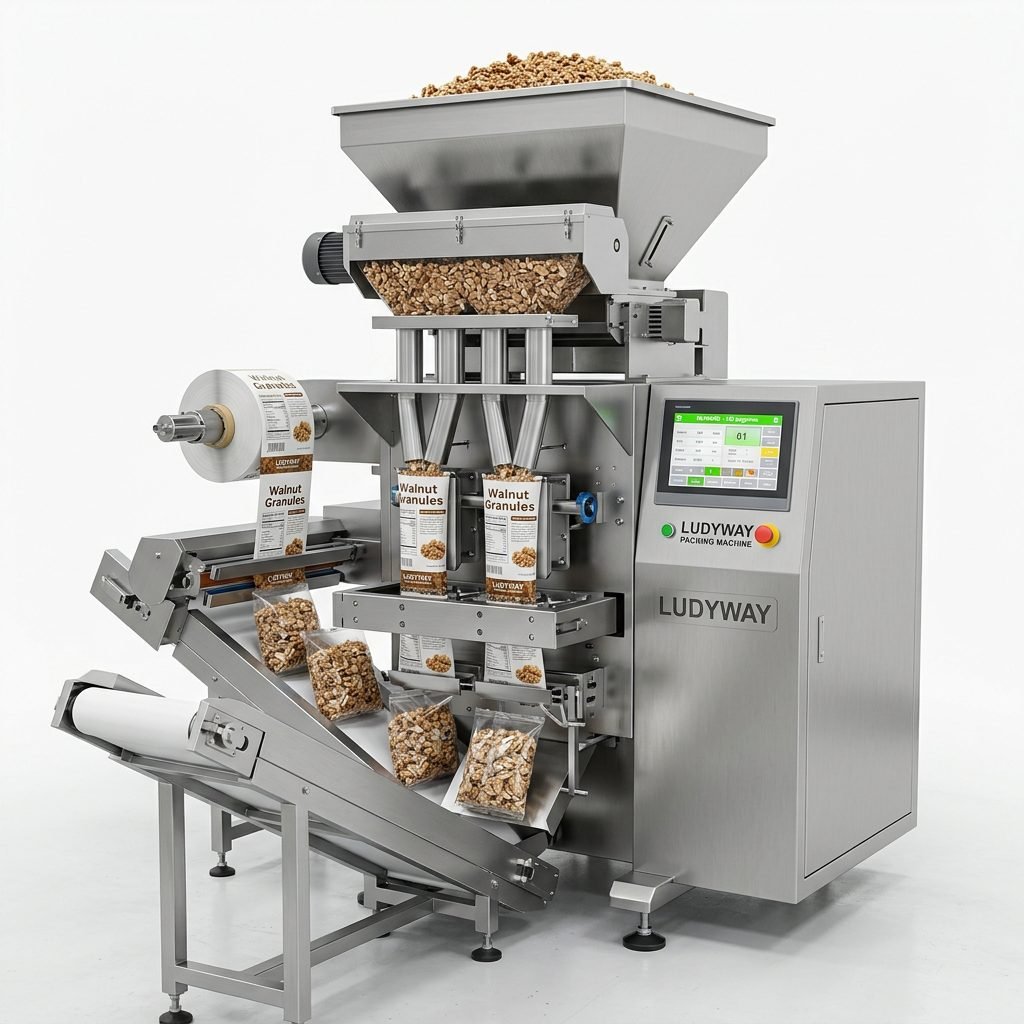
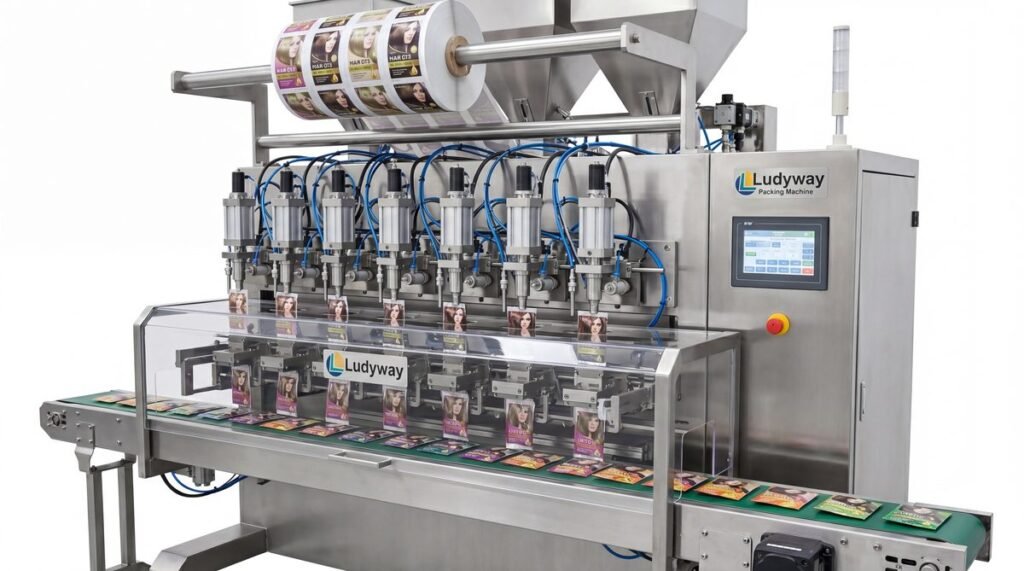
Investing in an automatic vacuum packing machine is a significant decision for any food processing, pharmaceutical, or industrial operation. The right system can dramatically extend product shelf life, reduce waste, and streamline your packaging line. However, with the vast array of configurations, chamber sizes, and pump technologies available, the selection process can quickly become overwhelming. This comprehensive buyer’s guide breaks down every critical factor you need to evaluate before making a purchase.

1. Understanding Your Production Environment
Before comparing machine specifications, you must first define your operational requirements. The best automatic vacuum packing machine is the one that aligns with your product characteristics and output targets. Start by asking these critical questions: What type of products are you packaging? Are they solid, granular, liquid, or powder? What is the target production speed in packs per minute? What packaging materials are compatible with your current supply chain?
For manufacturers handling delicate items like baked goods or sharp-edged products like bones and hardware, a machine with programmable soft-air and gentle-vacuum functions is essential. According to industry data from the PMMI Business Intelligence Library, the flexible packaging market continues to grow as processors seek automation solutions that minimize product damage while maximizing throughput.
2. Chamber Configuration: Single vs. Double Chamber
One of the most fundamental decisions you will make is choosing between a single-chamber and a double-chamber automatic vacuum packing machine. The configuration directly impacts your cycle time and floor space utilization.
- Single Chamber Machines: Ideal for small-to-medium production volumes. The operator loads, vacuums, seals, and unloads in a single cavity. These are compact, cost-effective, and suitable for a wide range of bag sizes, making them a popular choice for entry-level automation or specialized product runs.
- Double Chamber Machines: Designed for higher throughput. While one chamber is under vacuum, the operator can load or unload the second chamber. This overlapping operation significantly boosts productivity, often increasing output by 40-60% compared to a single-chamber unit with the same seal bar length.
- Belt-Fed or Continuous Systems: For fully automated, high-speed lines, these machines use a conveyor belt to move products into the vacuum zone automatically. They are the pinnacle of efficiency but require a larger upfront investment and dedicated line space.
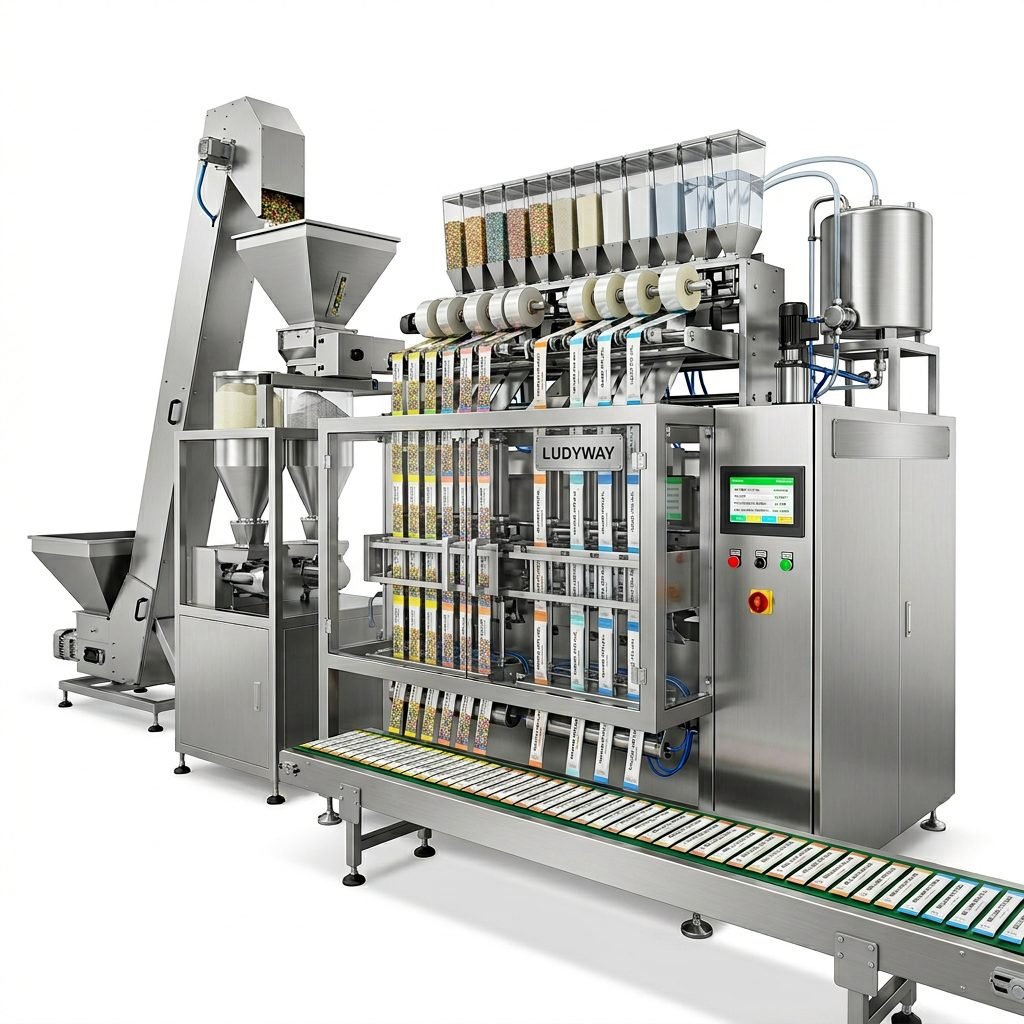
3. Core Technology: The Vacuum Pump
The vacuum pump is the heart of your machine. Its quality, maintenance requirements, and performance characteristics will define your long-term operational costs. There are several pump technologies to consider, each with distinct trade-offs:
| Pump Type | Key Advantage | Maintenance Level | Best For |
|---|---|---|---|
| Oil-Sealed Rotary Vane | High ultimate vacuum level, durable, lower initial cost | High (regular oil changes) | Heavy-duty, high-volume meat and cheese packaging |
| Dry (Oil-Free) Vane Pump | Clean operation, no oil contamination risk, very low maintenance | Low | Electronics, medical devices, cleanroom environments |
| Venturi System | Simple design, minimal moving parts, uses compressed air | Very Low | Intermittent use, laboratories, or facilities with ample compressed air |
| Rotary Claw or Screw | High efficiency, oil-free, suitable for 24/7 operation | Low-Medium | Very high-speed automated lines requiring continuous duty cycles |
For food-contact applications, oil-free or dry pump technology is becoming increasingly dominant. The FDA’s guidance on packaging and food contact substances continually drives manufacturers toward cleaner, contamination-resistant technologies.
4. Seal Bar Quality and Configuration
The integrity of your package depends entirely on the sealing system. When examining an automatic vacuum packing machine, pay close attention to the seal bars. Look for machines with dual-seal or wide-seal bars, which provide a stronger, more reliable closure, essential for heavy or liquid-rich products. Some advanced models offer bi-active sealing, where heat is applied from both top and bottom, ensuring a uniform seal even through wrinkles or liquid contamination in the seal area.
Consider the seal bar length and quantity. Machines can often be fitted with multiple seal bars arranged in parallel or cross-configured patterns, allowing you to run multiple smaller packages simultaneously. This multi-lane sealing capability is a massive multiplier for production output without increasing the chamber footprint.

5. Control Systems and Programmability
Modern vacuum packers are far from simple on/off switches. A sophisticated programmable logic controller (PLC) with a touchscreen human-machine interface (HMI) allows you to store dozens of recipe programs. Each program can recall precise parameters for vacuum time, sealing time, gas flush duration, and cooling temperature. This is crucial if you switch between radically different products—for instance, packing fresh poultry fillets one shift and sharp-edged grated cheese the next.
Look for machines that offer multi-step vacuum programs. These systems can slowly ramp up the vacuum in stages, preventing delicate items from collapsing or being crushed. When packaging certain medical or pharmaceutical products, the control accuracy must align with regulatory standards such as those outlined in ISO 11607 for packaging terminally sterilized medical devices.
6. Modified Atmosphere Packaging (MAP) Capabilities
If you are packaging perishable foods like meat, cheese, or fresh pasta, you may need Modified Atmosphere Packaging. This process evacuates the oxygen and replaces it with a carefully controlled mixture of inert gases, typically nitrogen and carbon dioxide, before sealing. An automatic vacuum packing machine equipped for MAP requires a precise gas flushing system, often with a snorkel or a built-in rail system that hermetically seals the bag before inserting the gas lance.
The trend toward MAP continues to accelerate as retailers demand extended shelf life without preservatives. Referencing the Flexible Packaging Association’s industry resources, the shift toward high-barrier films and MAP-compatible machinery is a key driver in reducing global food waste.
7. Build Quality, Hygiene, and Washdown Requirements
The construction material of your vacuum packer dictates its longevity in your specific environment. Machines built with stainless steel 304 or 316L are mandatory for the food and pharmaceutical industries. A sloped top plate and rounded edges prevent liquid pooling and facilitate easy cleaning. If your facility undergoes daily high-pressure washdowns, you need an IP65-rated or higher machine that completely protects internal electronic components from moisture ingress.
Do not overlook the ergonomics of loading. A chamber with a low loading height reduces operator fatigue over long shifts. Some manufacturers, like Ludyway Machinery, integrate these hygienic design principles with heavy-duty manufacturing expertise to ensure equipment meets both food safety standards and demanding production targets.
8. Evaluating the Total Cost of Ownership
The purchase price is only the entry point. A true cost analysis of an automatic vacuum packing machine must account for these variables over a 5 to 10-year lifecycle:
- Consumables: Oil changes (frequency and volume for rotary vane pumps), seal bar Teflon tape, heating elements, and replacement gaskets.
- Energy Consumption: The motor power rating in kW. An oil-free pump might have a higher initial cost but lower energy draw and zero oil disposal fees.
- Air Supply: If you opt for a Venturi system, you must factor in the cost of running an industrial air compressor continuously.
- Downtime: Machines with easy access to filters, pumps, and seal bars for routine maintenance minimize production losses.
The latest packaging machinery market research from the PMMI State of the Industry Reports consistently highlights how smart automation lowers total cost of ownership by optimizing consumable usage and enabling predictive maintenance scheduling.
9. Key Supplier Selection Criteria
When sourcing your equipment, dig deeper than the glossy brochure. A reliable supplier offers more than a metal box with a pump. Verify the following:
- Parts Availability: Does the supplier maintain regional spare parts inventories or do they air-freight components from a distant manufacturing base? Common wear parts should be accessible within 24-48 hours.
- Technical Support Infrastructure: Look for remote diagnostic capabilities. Modern machines can often be connected to the internet, allowing a technician to troubleshoot PLC faults remotely, a feature that is invaluable for minimizing downtime across international time zones.
- Application Testing: Never buy a machine without sending your actual product and packaging film for a validation trial. This confirms the vacuum pressure, cycle speed, and seal integrity on your specific product.
- Compliance Documentation: Your machinery partner should provide clear documentation for CE certification, UL compliance, or specific FDA acceptance standards related to sealed systems.
10. Integration with Upstream and Downstream Equipment
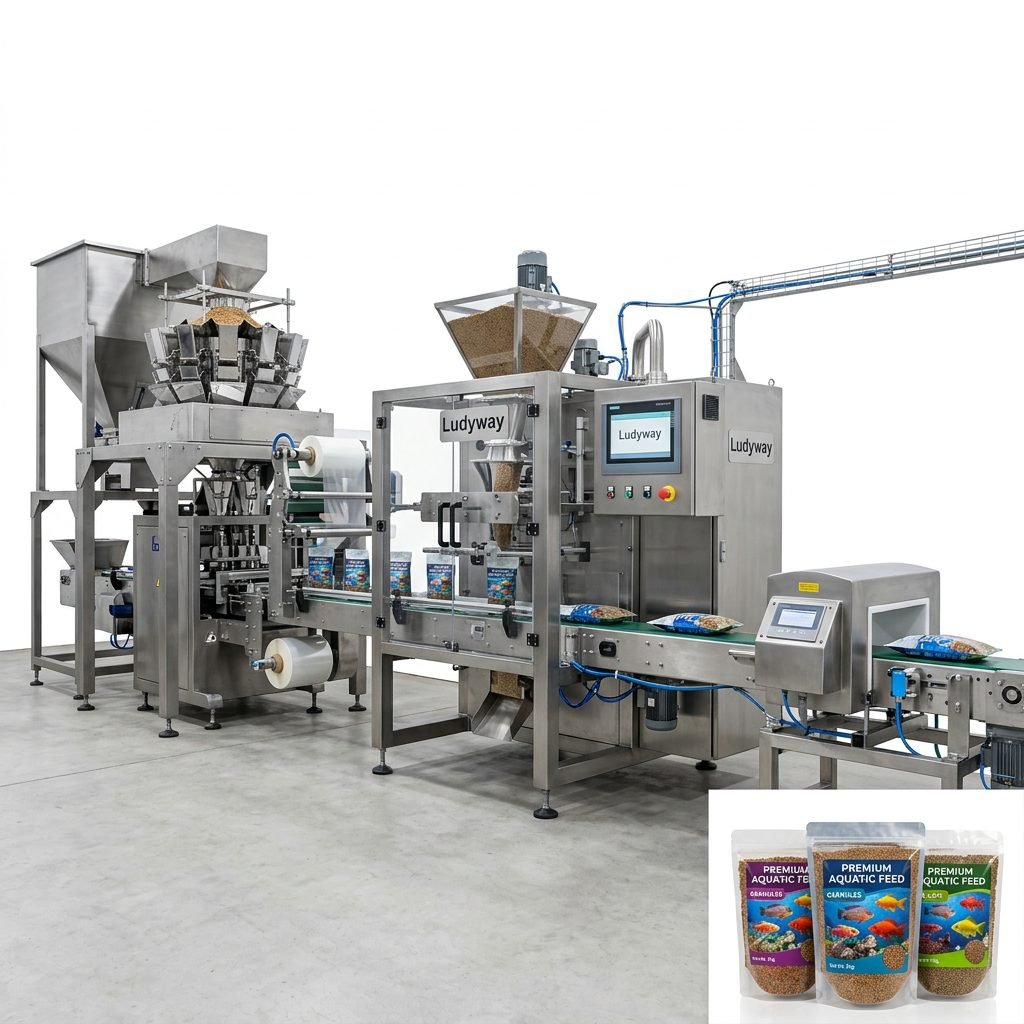
Your vacuum packer is not an island. To achieve a true turnkey packaging solution, the machine must seamlessly integrate with weighing scales, filling stations, labeling machines, metal detectors, and case packing systems. A manufacturer with in-house engineering for complete line integration can match the communication protocols and conveyor speeds perfectly, avoiding the common pitfalls of multi-vendor line assembly.
The ideal system will synchronize vacuum cycles with the upstream filling rhythm, ensuring no product backlogs or idle waiting times. Check whether the machine offers standard industrial communication protocols like EtherNet/IP or Modbus TCP, which allow centralized monitoring and control from your factory’s SCADA system.

Quick Reference Decision Matrix
Use the following table to map your immediate needs to the likely machine category that will deliver the best operational result:
| Production Driver | Recommended Machine Type | Ideal Pump Technology | Optional Upgrade |
|---|---|---|---|
| Artisanal coffee or dry snacks; < 500 packs/day | Single Chamber, Tabletop | Dry Oil-Free Pump | Gas Flush for aroma retention |
| Fresh meat or cheese; > 1000 packs/day | Double Chamber, Floor Standing | High-Flow Oil Pump or Dry Claw | Bi-Active Sealing; Wide Seal Bars |
| Medical devices or electronics | Single Chamber with Cleanroom Build | Venturi or Dry Pump | Soft-Vacuum Ramp Control |
| Bulk industrial parts; continuous operation | Belt-Fed Automatic Conveyor | Heavy-Duty Rotary Vane or Screw | Full SCADA Integration |
Making the Final Decision
Selecting an automatic vacuum packing machine is ultimately an exercise in balancing throughput, hygiene, and future flexibility. A machine that works perfectly for low-volume dry goods will fail catastrophically if subjected to high-moisture proteins and 24/7 washdowns. Conversely, over-specifying an expensive clinical-grade machine for a simple industrial sealing job inflates your budget unnecessarily.
Always start with a detailed specification of your current product range and a realistic projection of where your production needs will be in five years. The platform you choose should allow for modular upgrades, whether that means adding additional seal bars, switching pump types, or integrating into a fully automated PACK EXPO-standard packaging line. By focusing on build quality, pump technology, and supplier engineering capability, you secure not just a machine, but a reliable, long-term packaging asset.