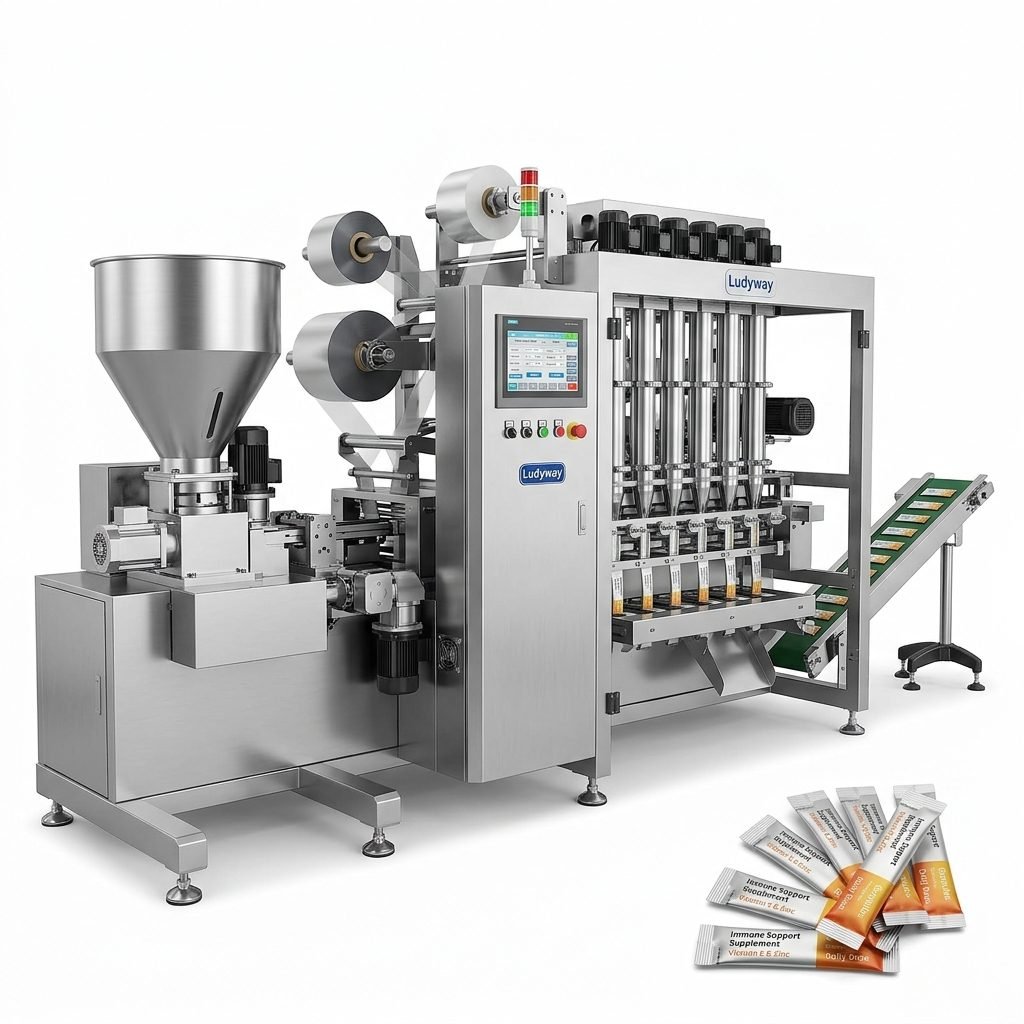
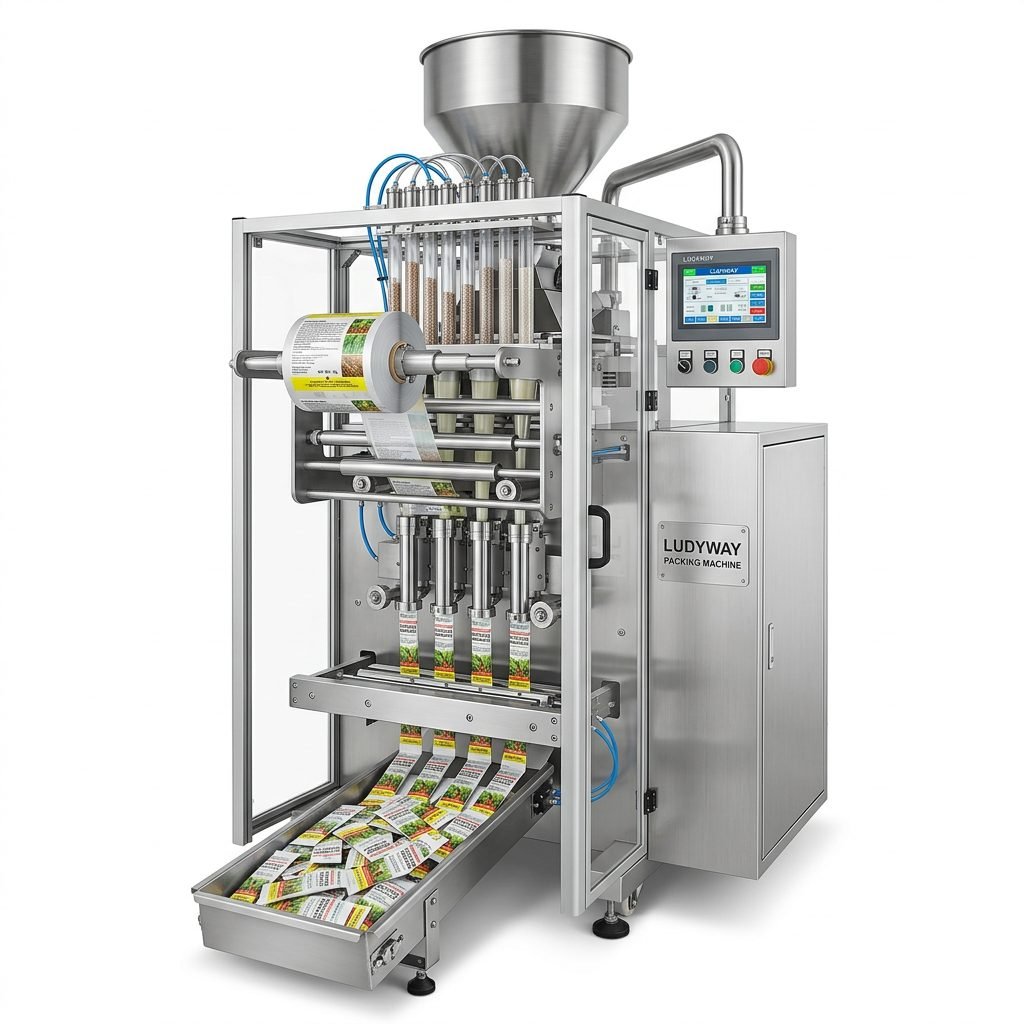
Investing in an automatic carton box packing machine is a strategic decision that directly impacts your production efficiency, labor costs, and overall packaging consistency. Whether you are automating a manual cartoning process or upgrading an existing line, selecting the right equipment requires a systematic evaluation of your product characteristics, carton specifications, speed requirements, and long-term operational goals. This complete buyer’s guide walks you through the essential factors, technical considerations, and supplier evaluation criteria to help you make a confident, informed purchase.
Understanding the Basics of Carton Box Packing Machines
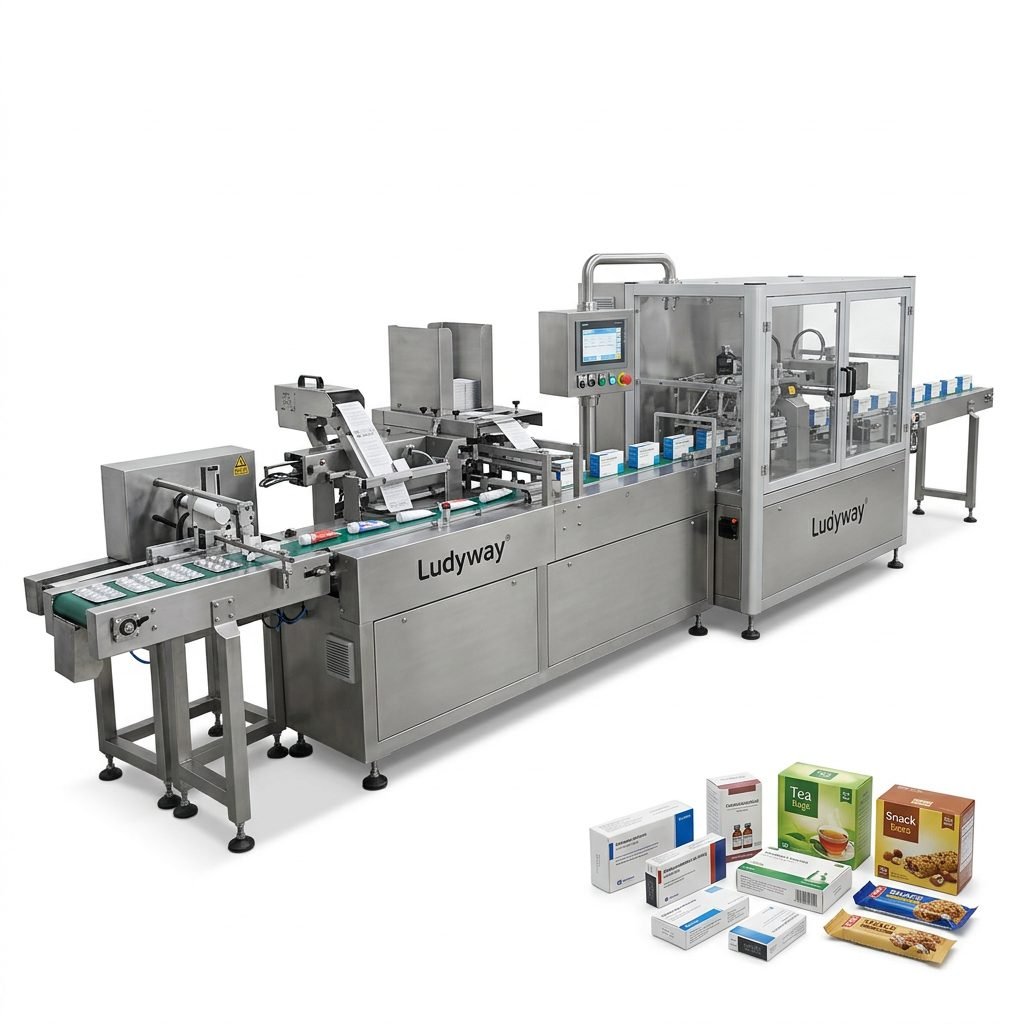
Before diving into specifications, it helps to understand what an automatic cartoning machine does and where it fits within a packaging line. These systems automate the process of erecting, loading, and sealing cartons, reducing manual handling and improving throughput consistency.
What Is an Automatic Carton Box Packing Machine?
A carton box packing machine — also referred to as a cartoner or cartoning system — automatically forms flat carton blanks into boxes, inserts products or pre-filled pouches and sachets, and closes the carton using tuck flaps, glue, or hot-melt sealing. Modern machines can handle a wide range of carton sizes, product types, and closure styles, and they are widely used across food, pharmaceutical, cosmetic, and industrial sectors.
Where Cartoning Machines Fit in Your Production Line
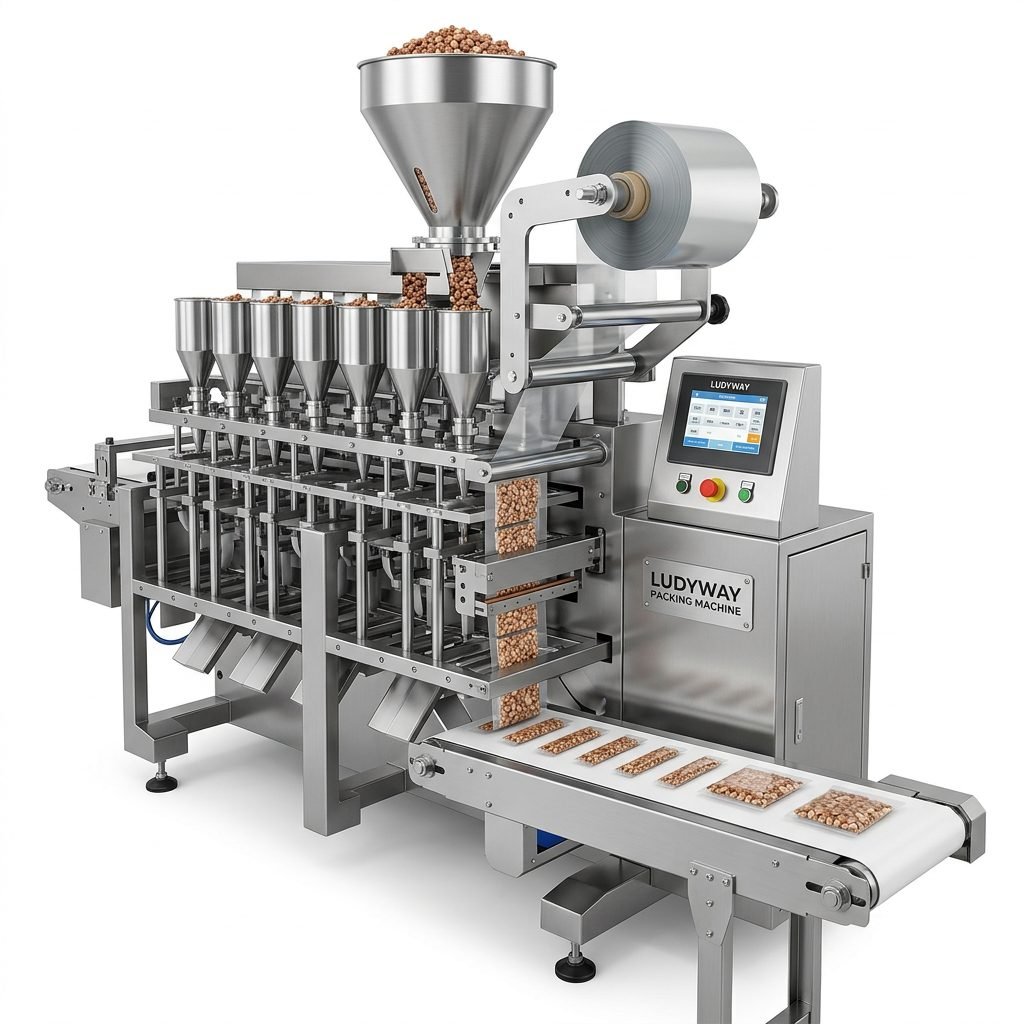
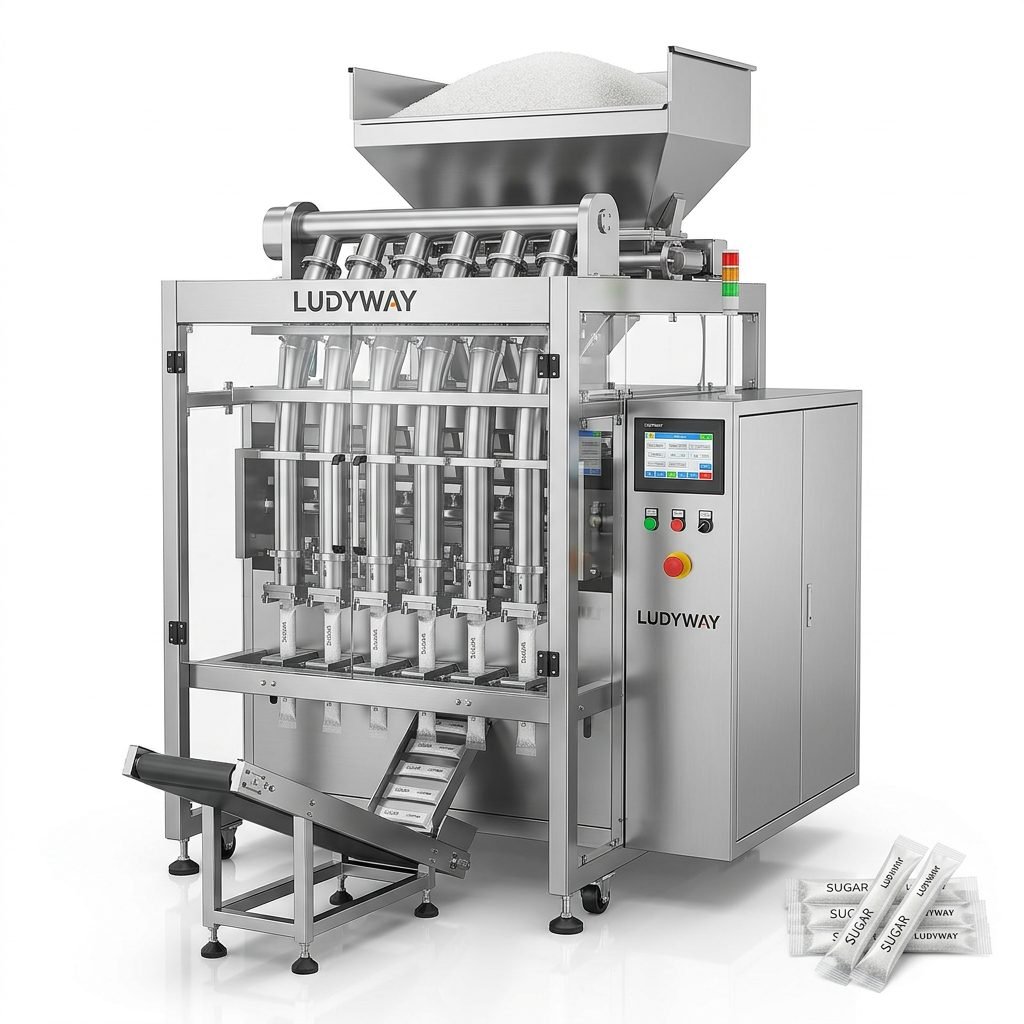
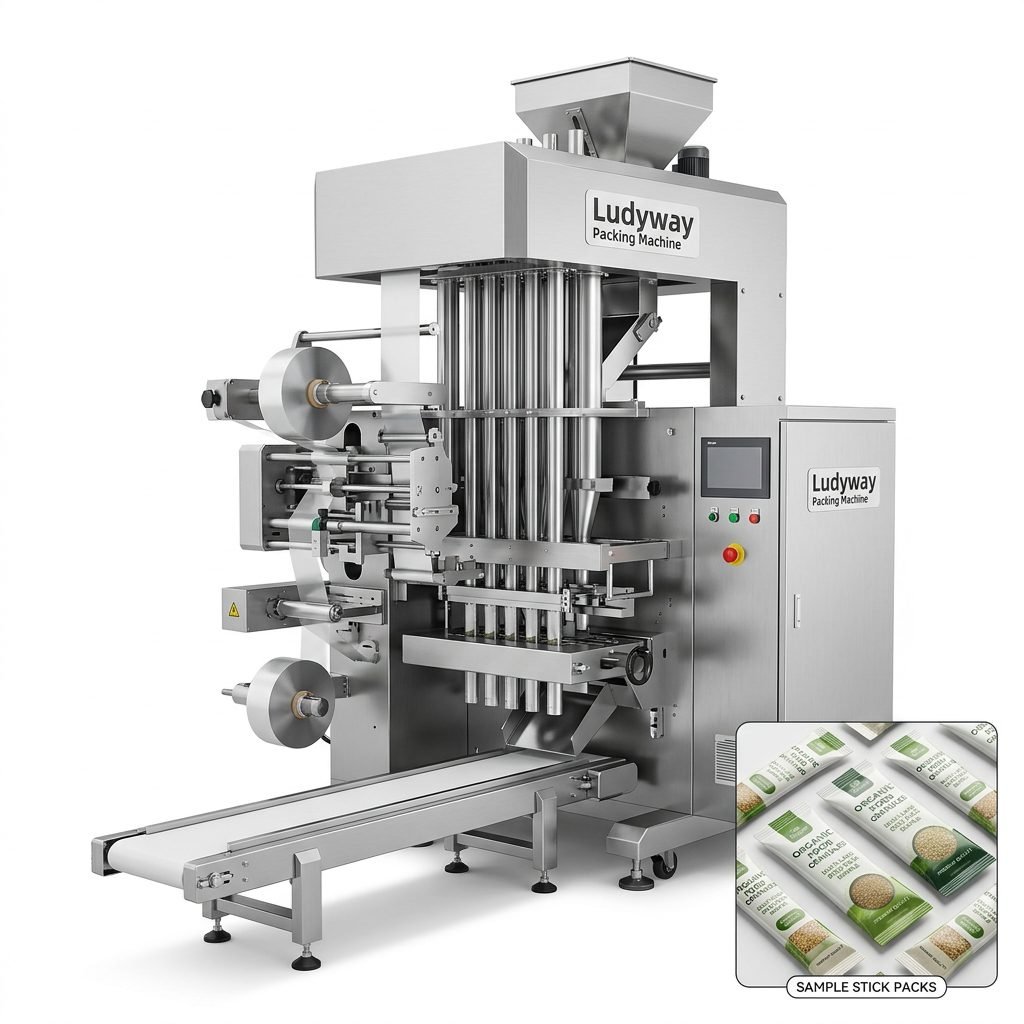
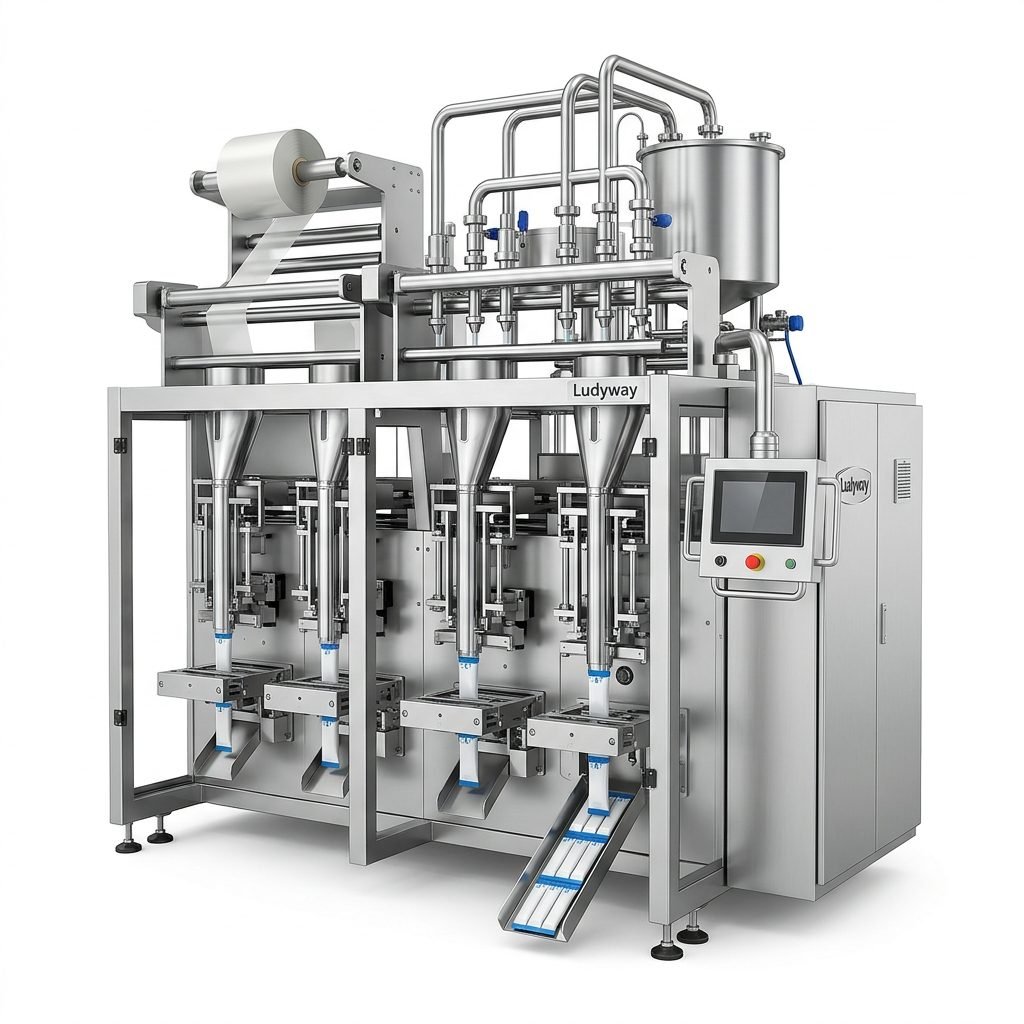
Typically positioned downstream from primary packaging equipment such as stick pack and sachet machines, an automatic cartoner receives product and groups it according to pre-configured counts before placing it into cartons. The filled cartons then move to checkweighing, coding, case packing, and palletizing stations. Understanding this flow is critical when planning a comprehensive packaging line integration.
Key Factors to Define Before Comparing Machines
No single cartoning machine fits every application. Defining your requirements clearly before contacting suppliers will save time and help you receive more accurate recommendations. The following table outlines the core specification areas you should have ready.
| Specification Category | Questions to Answer | Why It Matters |
|---|---|---|
| Product Type | Are you packing loose products, pouches, sachets, bottles, or blister packs? | Determines the feeding and loading mechanism required. |
| Carton Dimensions | What are the minimum, maximum, and most frequent carton sizes? | Defines the machine frame size and changeover complexity. |
| Required Speed | How many cartons per minute do you need now and in the next 3–5 years? | Influences whether a continuous or intermittent motion machine is suitable. |
| Carton Style | Will you use tuck-end, glue-sealed, or combined closure cartons? | Affects the closing and sealing module configuration. |
| Line Layout | What is your available floor space and existing line configuration? | Impacts machine orientation, footprint, and integration feasibility. |
Top-Load vs. End-Load Cartoners: Choosing the Right Configuration
One of the earliest decisions in the selection process is whether a top-load or end-load cartoning machine best suits your product and carton type. Each configuration offers distinct advantages depending on the application.
Top-Load Cartoning Machines
In a top-load cartoner, products are inserted vertically into an open carton from above. This configuration is especially common for fragile or irregularly shaped products, grouped pouches, and applications where product orientation is important. Top-load machines typically require less complex product handling and offer gentler loading.
End-Load Cartoning Machines
End-load cartoners push products horizontally into the carton from an open end. This design is often preferred for high-speed applications and products with consistent shapes, such as blister packs, bottles, or regularly shaped sachets. End-load systems can achieve very high throughput in a compact footprint.
Key differences summarized:
- Product handling: Top-load is gentler; end-load is faster for uniform products.
- Carton style compatibility: Top-load often uses glue-sealed or tuck-top cartons; end-load commonly uses tuck-end or glue-flap cartons.
- Changeover complexity: Top-load machines can be simpler to adjust for different product shapes.
- Speed range: End-load machines generally reach higher cartons-per-minute rates.
Essential Features and Technologies to Evaluate
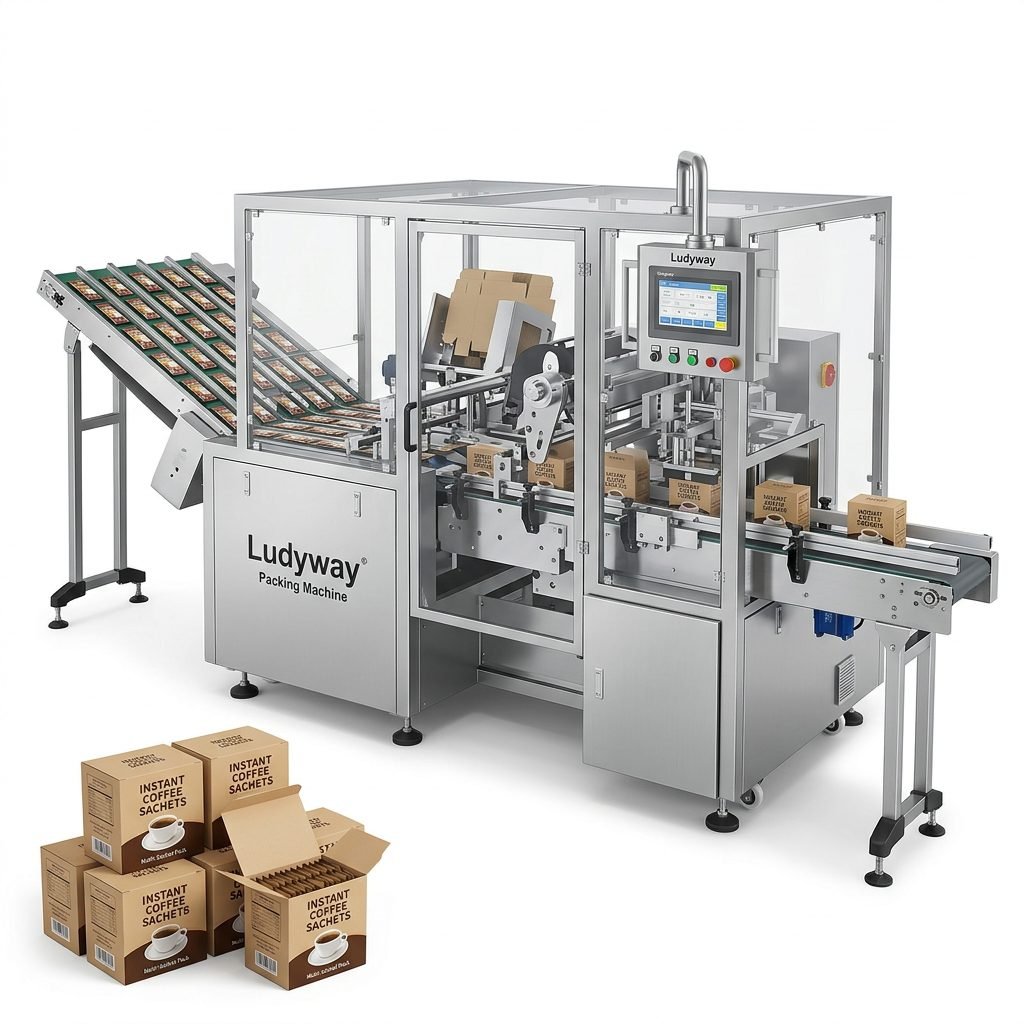
Beyond basic configuration, modern automatic carton box packing machines come with a range of features that affect performance, ease of use, and long-term reliability. Prioritize the following when comparing equipment.
- Quick-changeover design: Tool-free adjustments and recipe-driven changeovers minimize downtime between different carton sizes.
- Servo-driven motion: Precise control over carton erecting, loading, and sealing improves accuracy and reduces mechanical wear.
- Product detection and rejection: Sensors that verify product presence and automatically reject faulty cartons protect downstream operations.
- Vision inspection integration: Optional vision systems can check carton integrity, print quality, and correct product count.
- User-friendly HMI: A clear touchscreen interface with multi-language support and diagnostic functions simplifies operation and troubleshooting.
- Safety guarding: Full interlocked guarding with safety-rated controls ensures operator protection and regulatory compliance.
Integration with Upstream and Downstream Equipment
A cartoning machine rarely operates in isolation. Its effectiveness depends on smooth integration with upstream feeding systems — such as pouch collating conveyors or robotic pick-and-place units — and downstream equipment including case packers, palletizers, and stretch wrappers. When evaluating a machine, consider whether the supplier can provide complete line engineering and integration support rather than just standalone equipment. Working with an experienced packaging machinery partner can simplify system integration, reduce commissioning time, and ensure consistent line performance. Ludyway Machinery, for instance, offers integrated packaging systems and turnkey production line solutions that connect multiple stages of the packaging process, helping manufacturers coordinate equipment selection, customization, and technical support from a single source.
Evaluating Build Quality, Compliance, and Total Cost of Ownership
Purchase price alone does not reflect the true cost of a cartoning machine. A lower upfront investment can result in higher maintenance costs, more frequent downtime, and shorter service life. The table below highlights the key areas to assess beyond the initial quotation.
| Evaluation Area | What to Look For |
|---|---|
| Frame and Construction | Welded steel or stainless steel frame, robust bearing arrangements, corrosion-resistant surfaces for washdown environments. |
| Electrical Components | Recognized brands for PLC, servo drives, sensors, and pneumatic components; globally available for easy replacement. |
| Standards Compliance | CE marking, UL certification, or other regional requirements; compliance with ISO packaging standards. |
| Spare Parts Availability | Supplier’s inventory of critical wear parts, global shipping capability, and recommended spare parts list. |
| After-Sales Support | Remote technical assistance, on-site service, operator training programs, and responsive communication channels. |
Steps to Selecting the Right Supplier
Choosing the right equipment supplier is as important as selecting the machine itself. A structured evaluation process reduces risk and helps you find a long-term packaging machinery partner. Follow these practical steps:
- Document your requirements: Prepare a detailed specification sheet covering product data, carton dimensions, target speed, and factory constraints.
- Research qualified manufacturers: Look for suppliers with demonstrated experience in your industry and carton style. Review case studies, industry resources, and equipment portfolios.
- Request sample testing: Send product samples and carton blanks to shortlisted manufacturers for test runs. Evaluate carton quality, machine stability, and actual throughput.
- Visit manufacturing facilities: Whenever possible, inspect the supplier’s production floor to assess build quality, engineering capabilities, and quality control processes.
- Check references: Speak with existing customers about their experience with the machine, support quality, and long-term reliability.
- Compare total cost of ownership: Look beyond the purchase price to include energy consumption, changeover labor, maintenance costs, and expected service life.

Frequently Asked Questions About Carton Box Packing Machines
What is the typical speed range of an automatic cartoning machine?
Speed varies widely by machine type and configuration. Intermittent-motion cartoners typically operate between 30 and 80 cartons per minute, while continuous-motion systems can exceed 200 cartons per minute. Your required throughput will guide the appropriate motion technology.
How long does a carton size changeover take?
With modern quick-changeover designs and recipe-driven settings, a size change can be completed in 5 to 15 minutes by a trained operator. Older or more complex machines may require 30 minutes or longer.
Can a single machine handle multiple carton styles?
Many cartoning machines can be configured to handle different carton styles, but significant format changes may require additional tooling or module adjustments. Discuss your full range of carton types with the supplier during the specification phase.
What maintenance is required for a carton packing machine?
Routine maintenance includes cleaning, lubrication of moving parts, inspection of belts and chains, and periodic replacement of wear components such as suction cups and grippers. A well-maintained machine can deliver 15 to 20 years of reliable service.
Is it possible to integrate a cartoning machine into an existing packaging line?
Yes, most automatic cartoners can be integrated into existing lines, provided there is adequate floor space and compatible upstream and downstream interfaces. Working with a supplier that offers complete line engineering support simplifies this process.
Making the Right Long-Term Investment
Choosing the right automatic carton box packing machine is a decision that influences your production efficiency for years to come. By thoroughly evaluating your product requirements, carton specifications, speed expectations, and total cost of ownership, you position your operation for consistent, reliable packaging performance. Take the time to test your products with shortlisted manufacturers, verify build quality and compliance, and assess the supplier’s engineering and after-sales support capabilities. A carefully selected cartoning machine, backed by a knowledgeable packaging machinery partner, becomes a dependable asset that supports your production goals well into the future.
For further guidance on packaging machinery standards and industry data, consult resources from PMMI business intelligence and the Flexible Packaging Association.