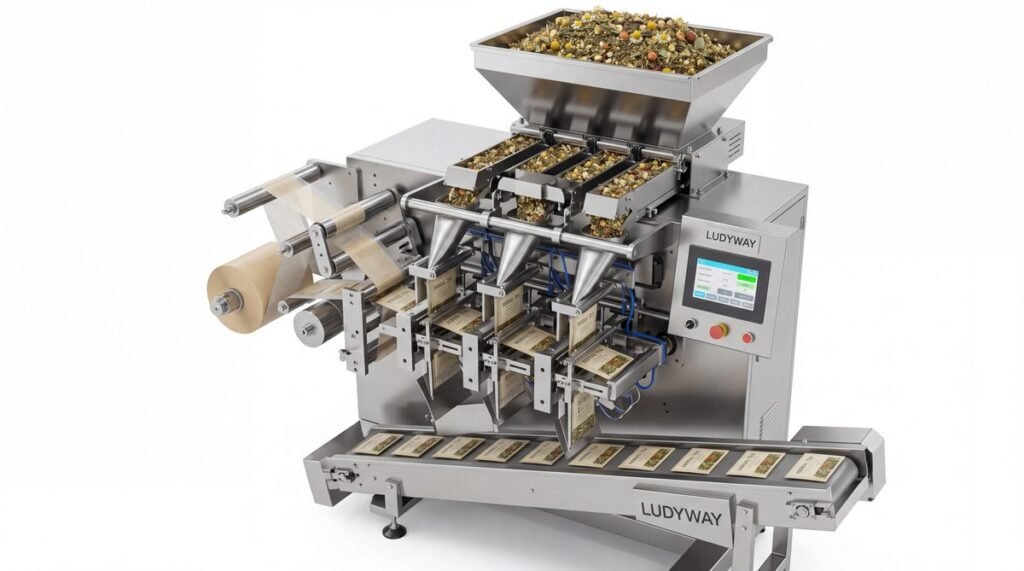
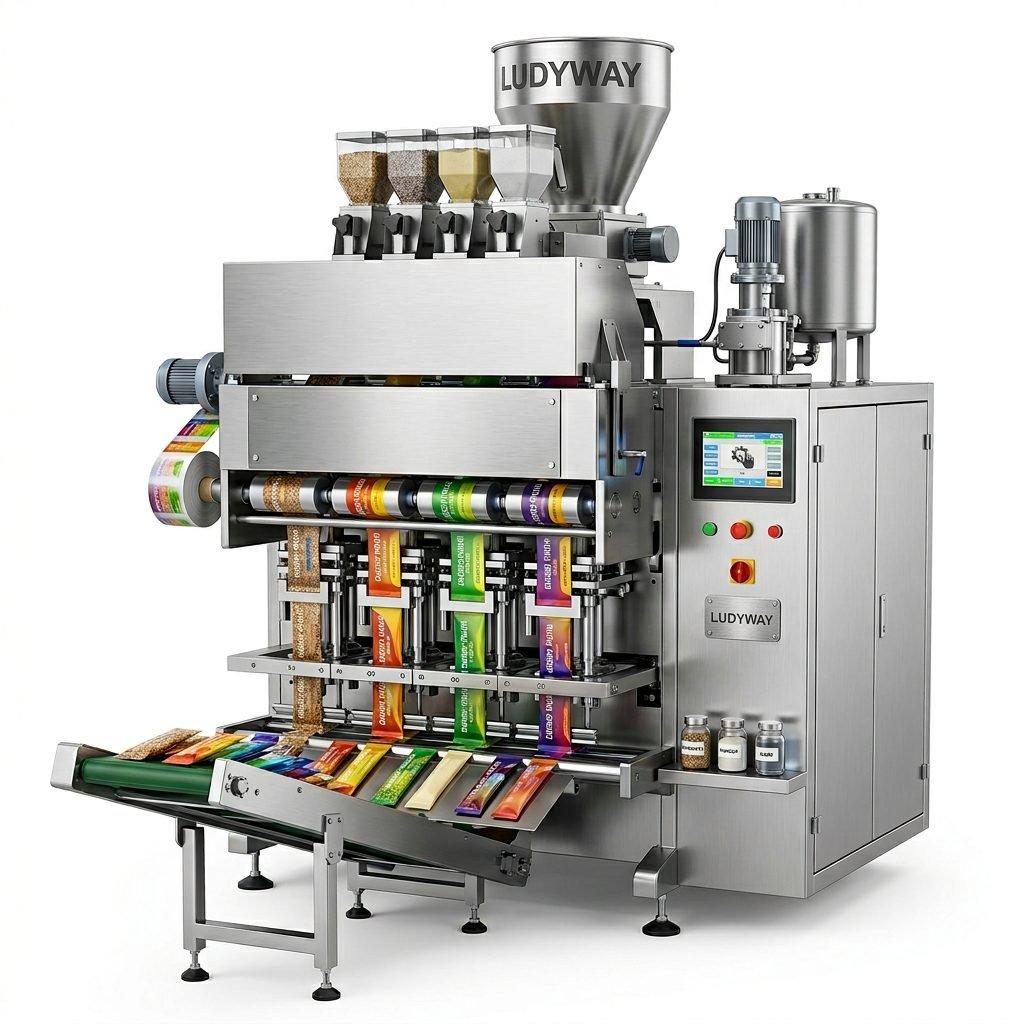
Investing in a blister packaging machine is a strategic decision that directly impacts your pharmaceutical or healthcare production line’s efficiency, compliance, and long-term profitability. Whether you are upgrading an existing line or setting up a new facility, understanding the core selection criteria helps you avoid costly mistakes and production bottlenecks. This guide walks you through the essential factors to evaluate before making your purchase.
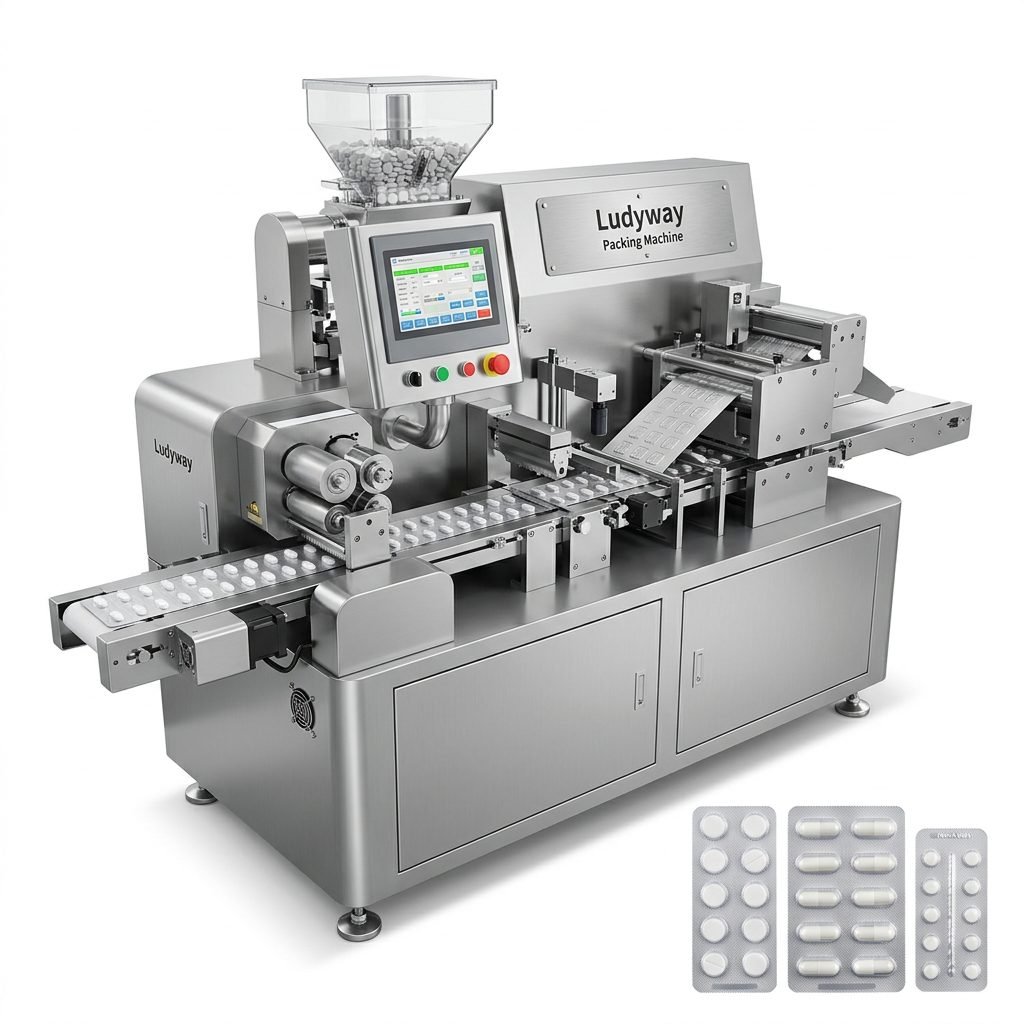
Understand Your Blister Pack Format Requirements
Before evaluating machine specifications, you need to define the blister pack configuration your products require. Different formats serve distinct market segments and regulatory environments. Common configurations include face-seal blisters, trap blisters, and cold-form aluminum blisters, each with unique tooling, material, and sealing requirements.
- Face-seal blister packs: A cost-effective solution where the lidding foil is sealed directly to the flange of the formed cavity. Ideal for solid-dose pharmaceuticals with standard barrier requirements.
- Trap blister packs: The lidding material is sealed between two layers of the forming film, creating a trapped seal. This design provides enhanced child resistance and tamper evidence.
- Cold-form aluminum blisters: Offer the highest moisture and oxygen barrier. These packs are formed from aluminum laminate without heat, making them suitable for sensitive formulations that degrade with exposure.
Aligning your product portfolio with the correct blister format narrows down the type of forming and sealing stations you need. Consider future product launches and market expansions when defining these requirements to future-proof your packaging capability.
Production Speed and Capacity Planning
Throughput requirements are central to machine selection. Blister packaging machines are categorized by their cycle speed and maximum output per minute. An accurate capacity analysis prevents underinvestment in a machine that cannot keep pace with demand, or overspending on excess capacity that sits idle.
Key factors influencing speed include the number of lanes, forming area dimensions, sealing dwell time, and the automation level of downstream cartoning. When calculating required output, factor in OEE (Overall Equipment Effectiveness) metrics rather than relying solely on theoretical maximum speed. In real-world pharmaceutical production, efficiency typically ranges between 75% and 85% depending on product type, changeover frequency, and material consistency.
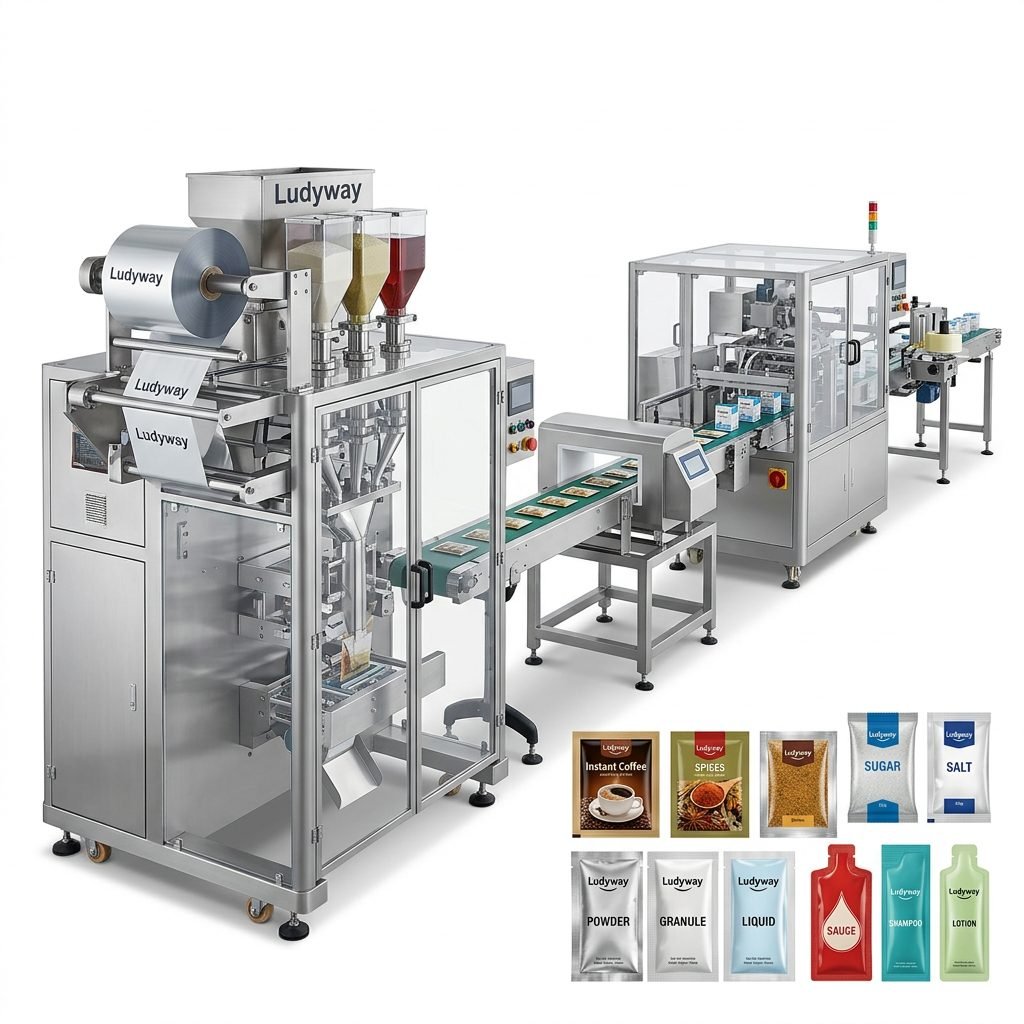
Key Technical Specifications to Evaluate
Beyond format and speed, a thorough technical comparison ensures the machine matches your operational environment. The following table outlines critical specifications and their impact on performance and compliance.
| Specification | Why It Matters | Evaluation Questions |
|---|---|---|
| Forming Area | Determines maximum blister dimensions and cavitation layout | What is the maximum forming depth and indexing length? Can the machine handle multiple product sizes with minimal tooling changes? |
| Sealing System | Directly affects seal integrity, peel force consistency, and pack appearance | Is the sealing station equipped with heated platens or roller systems? Does it include pressure and temperature monitoring with data logging capabilities? |
| Perforation and Cutting | Impacts downstream cartoning and end-user experience | Can the machine produce perforated tear-open features? What is the cutting tolerance for individual blister units? |
| Material Handling | Ensures consistent feeding of forming film and lidding foil without wrinkles or misalignment | Does the machine include web tension control, edge guiding systems, and splice tables for continuous operation? |
Material Compatibility and Packaging Validation
The materials you use directly affect machine performance and regulatory acceptance. Blister packaging machines must handle a range of thermoforming films including PVC, PVDC-coated PVC, Aclar laminates, and cold-form aluminum structures. Each material has unique forming temperature windows, shrinkage characteristics, and sealing parameters.
For pharmaceutical applications, the machine should support traceable process validation in accordance with ISO 11607 standards for packaging validation. This includes documented installation qualification (IQ), operational qualification (OQ), and performance qualification (PQ) protocols. Discuss with your supplier whether they provide validation support documentation and, if available, on-site assistance during the validation phase.
Compliance with Pharmaceutical Regulations
Blister packaging equipment installed in pharmaceutical environments must comply with 21 CFR Part 211 (cGMP requirements) and, where applicable, 21 CFR Part 11 for electronic records and signatures. This has direct implications for machine design, control systems, and documentation.
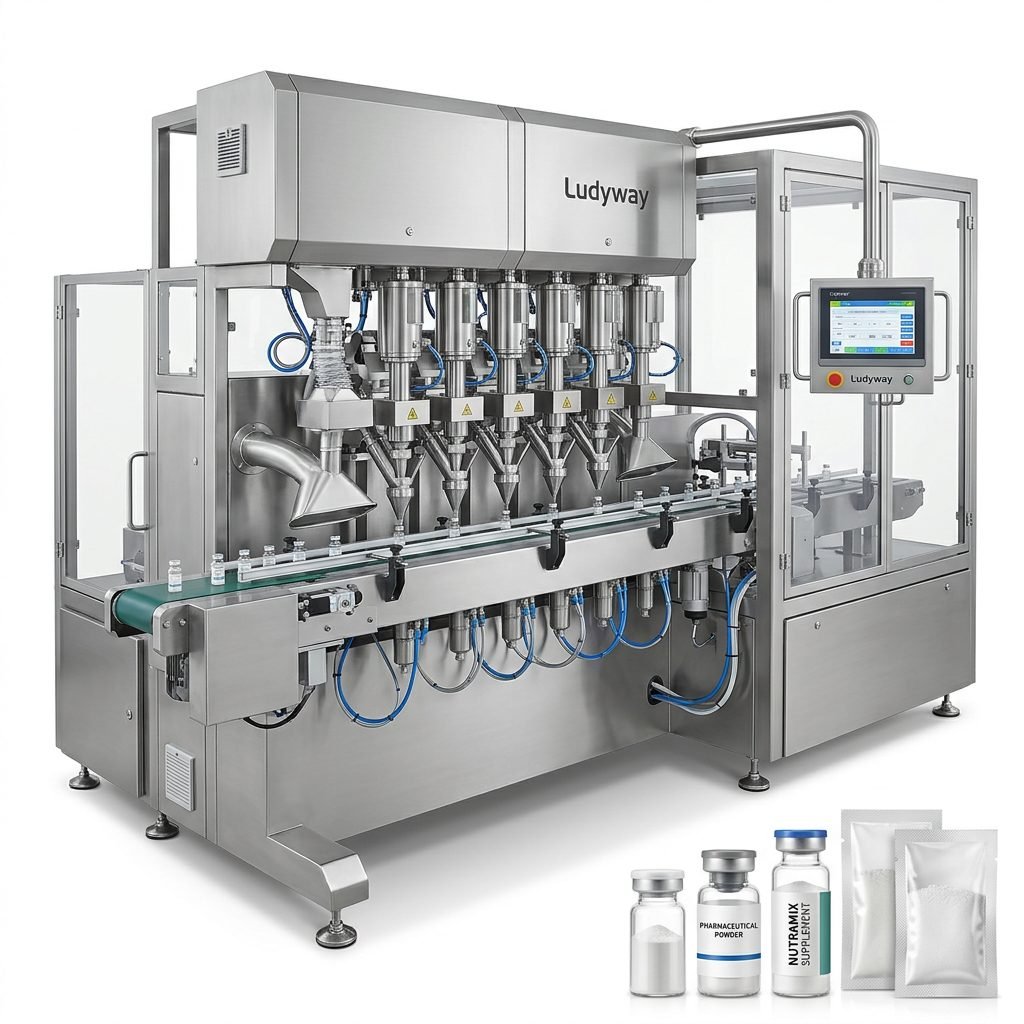
Key compliance features to verify include user access controls with audit trail functionality, validatable cleaning cycles, adequate separation between mechanical drive components and product contact areas, and materials of construction that resist corrosion from cleaning agents. Machines designed with open-frame construction improve cleanability and facilitate visual inspection during line clearance procedures.
Evaluate Automation and Integration Capabilities
Modern blister packaging lines integrate multiple unit operations beyond forming and sealing. Consider how the machine connects with upstream feeders, desiccant inserters, leaflet dispensers, and downstream cartoners or bundlers. A well-integrated line reduces manual handling, minimizes product mix-up risks, and supports serialization requirements.
Look for controls architecture based on standardized platforms such as PLC systems with open communication protocols. This simplifies integration with existing plant networks and serialization systems. Features such as vision inspection for cavity fill verification, print registration, and seal integrity add significant value by enabling real-time quality monitoring and rejection of non-conforming units.
Total Cost of Ownership Analysis
While the initial purchase price is important, the total cost of ownership (TCO) over the machine’s lifecycle often reveals a different picture. TCO encompasses spare parts consumption, energy efficiency, changeover time, operator training requirements, and maintenance labor. A machine with a higher upfront cost but lower operating expenses typically delivers better value over a 10 to 15-year service life.
Two critical cost drivers deserve particular attention. First, tooling costs for different blister formats can accumulate significantly if your product range is diverse. Second, changeover time between products directly affects OEE and available production capacity. Quick-change features such as toolless format adjustments, recipe-driven parameter settings, and modular station designs dramatically reduce downtime during product transitions.
After-Sales Support and Service Network
Machine availability depends on responsive technical support and reliable spare parts supply. Evaluate the supplier’s service infrastructure, including the proximity of service engineers, typical response times, availability of remote diagnostics, and local spare parts inventory. For international equipment purchases, clarify the scope of installation supervision, commissioning support, and operator training included in the quotation.
A strong service partnership extends beyond reactive troubleshooting. Proactive maintenance programs, operator refresher training, and equipment upgrades help sustain performance and extend machine life. Suppliers with a global footprint and established packaging machinery standards compliance often provide more consistent service across multiple manufacturing sites.
Making the Final Supplier Decision
Selecting a blister packaging machine supplier involves balancing technical capability, commercial terms, and long-term partnership potential. Beyond the machine itself, assess the supplier’s industry experience, engineering depth, and commitment to your market segment. A supplier that understands pharmaceutical packaging requirements beyond the machine specification can provide valuable guidance on process optimization and regulatory compliance.
For manufacturers seeking customized packaging solutions rather than standard configurations, working with an experienced machinery partner becomes even more important. Companies like Ludyway Machinery, with over 30 years of packaging industry experience and a broad portfolio covering pharmaceutical, food, and healthcare applications, demonstrate how dedicated engineering and global service capabilities can support manufacturers through equipment selection, system integration, and long-term technical support. Evaluating suppliers against your specific production goals—rather than selecting based on brand familiarity alone—leads to better equipment decisions and more reliable packaging operations.