Investing in a Juna packing machine is a significant decision for any manufacturing operation. Whether you are scaling up production, automating manual processes, or entering new markets, selecting the right equipment directly impacts your packaging efficiency, product quality, and long-term operational costs. This comprehensive buyer’s guide walks you through the essential factors to consider before making your purchase, helping you navigate technical specifications, industry requirements, and supplier evaluation with confidence.
Understanding Your Production Requirements
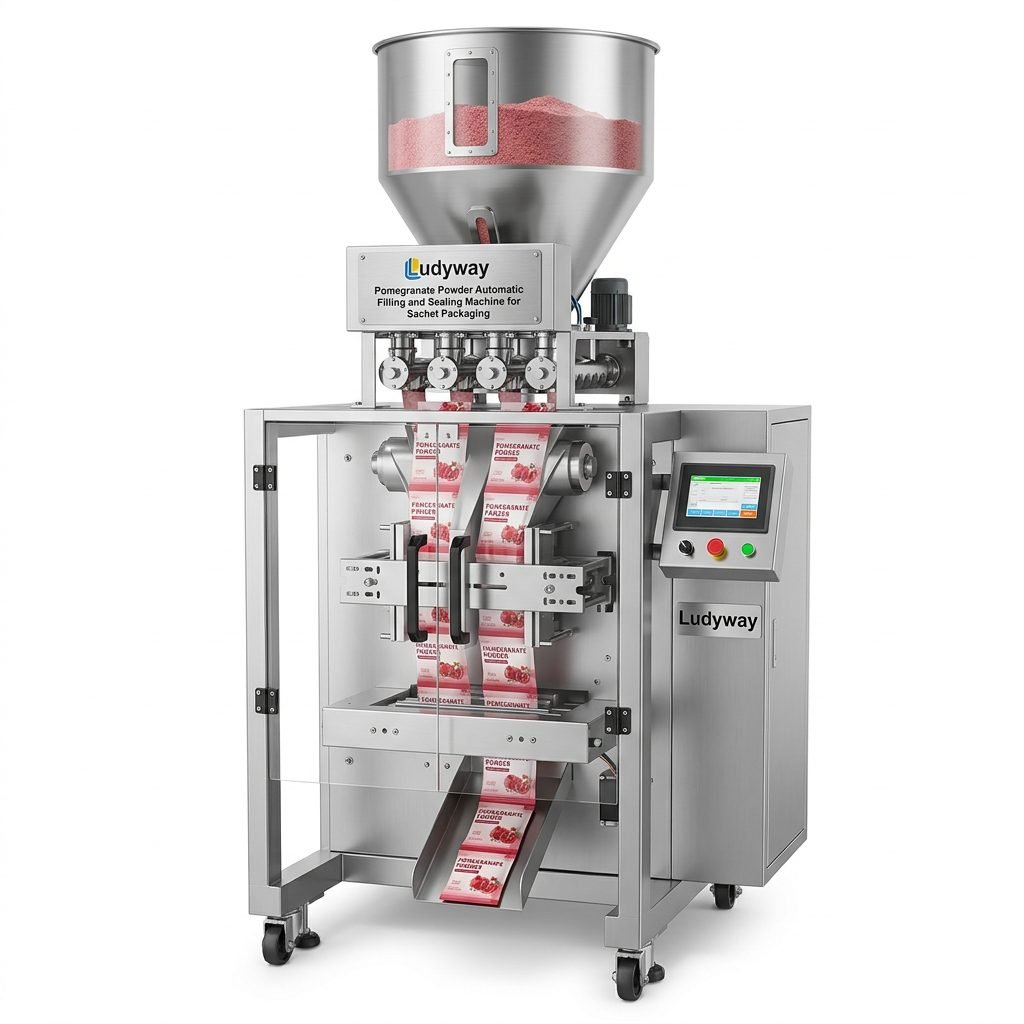
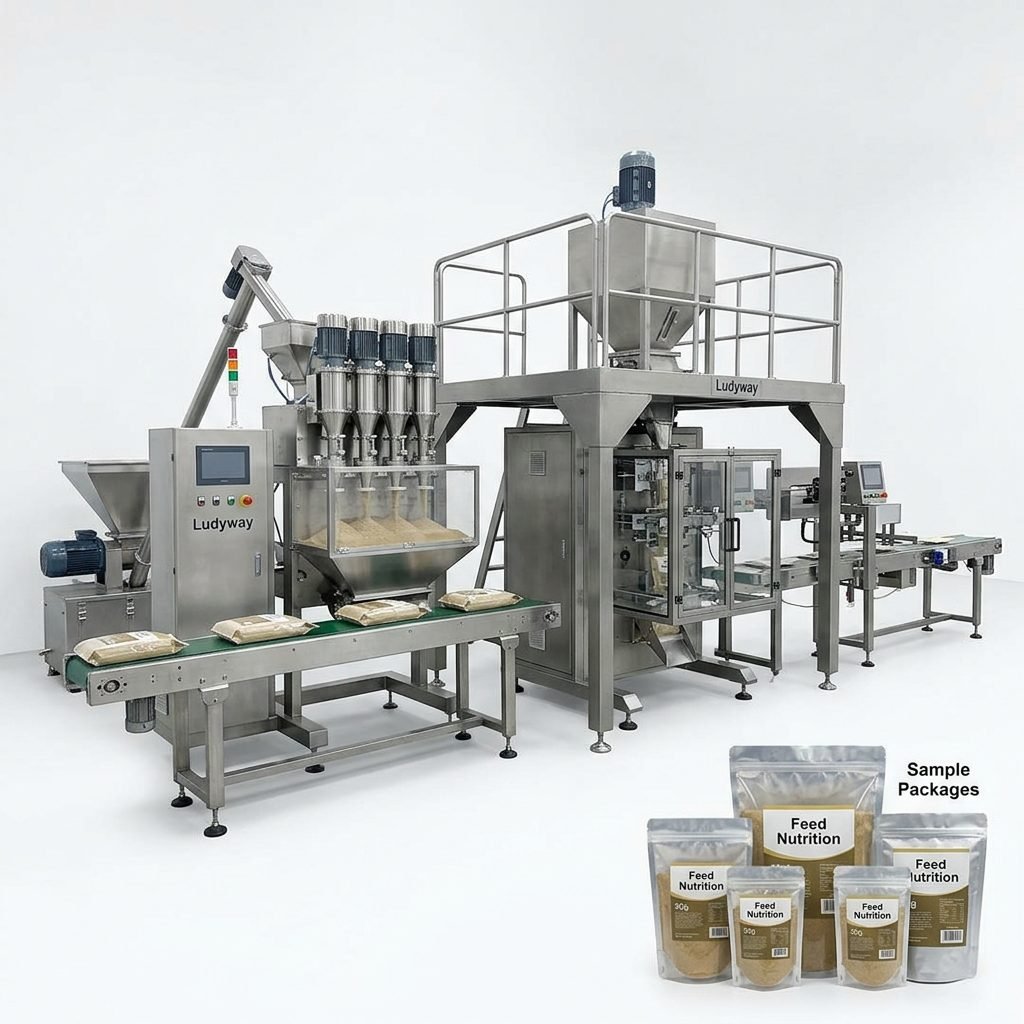
Before evaluating specific machine models, you need a clear picture of your production environment. The right Juna packing machine should align with your current needs while accommodating future growth. Start by documenting your product characteristics—powder, granule, liquid, or solid—as each material requires different dosing and filling mechanisms. Consider your target output volume: are you running small batches or continuous high-speed production lines?
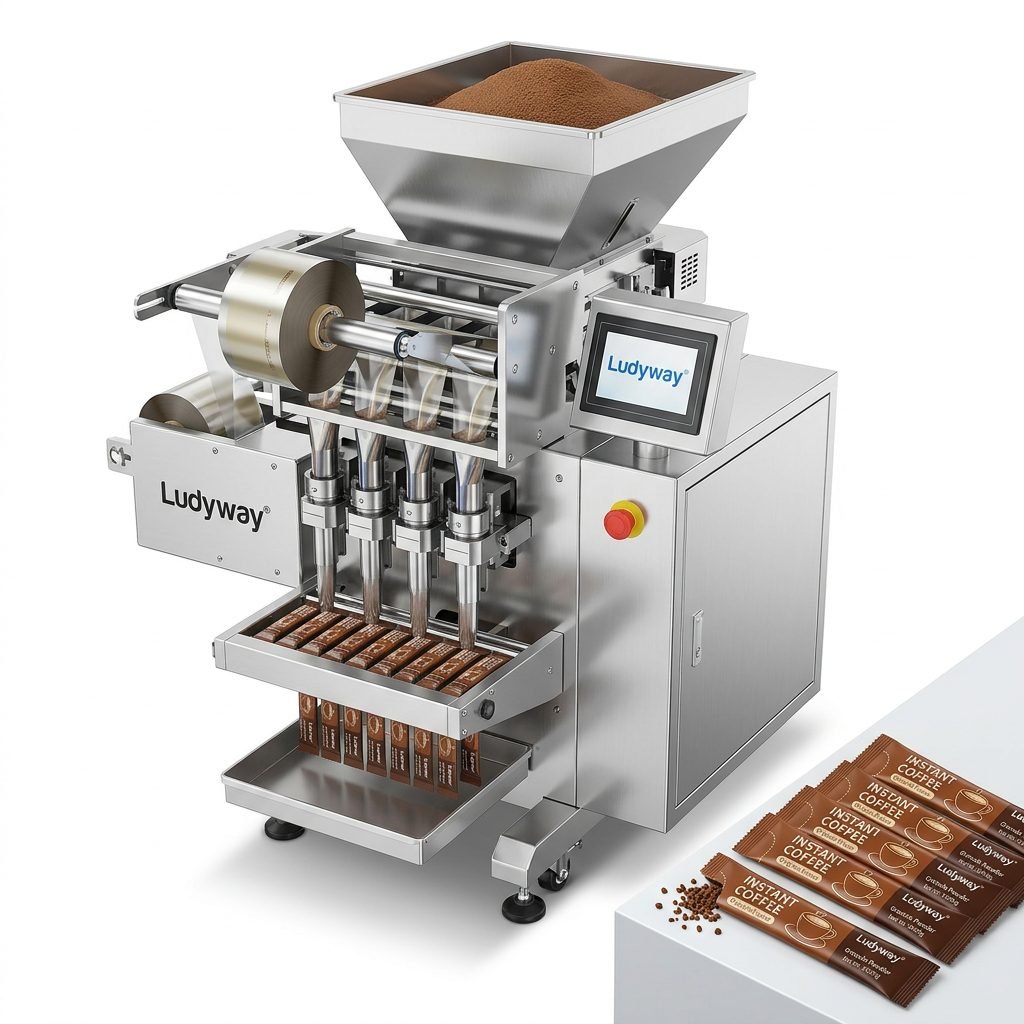
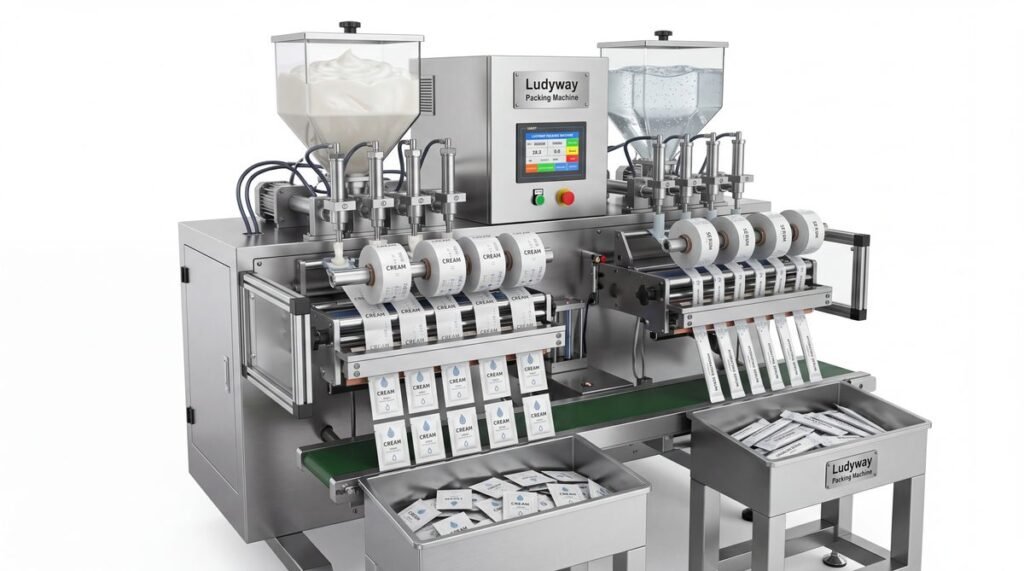
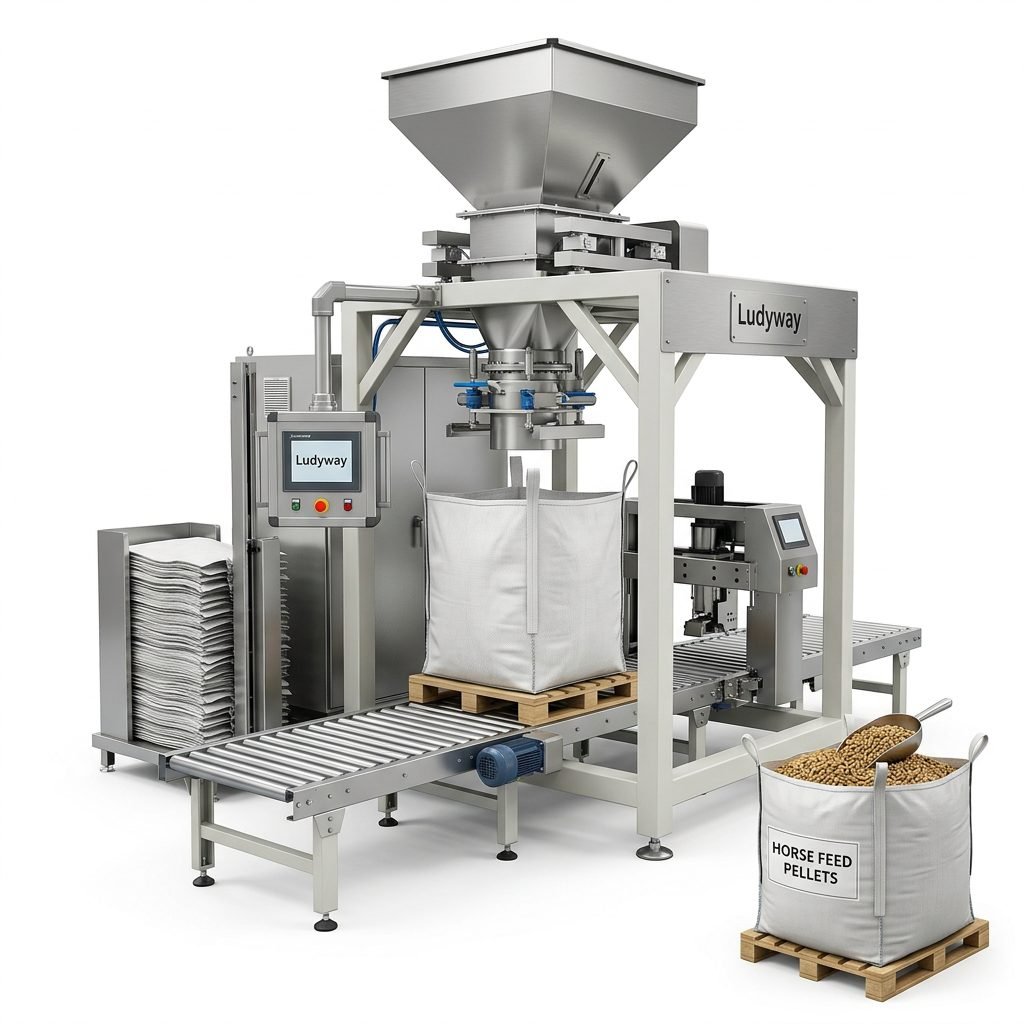
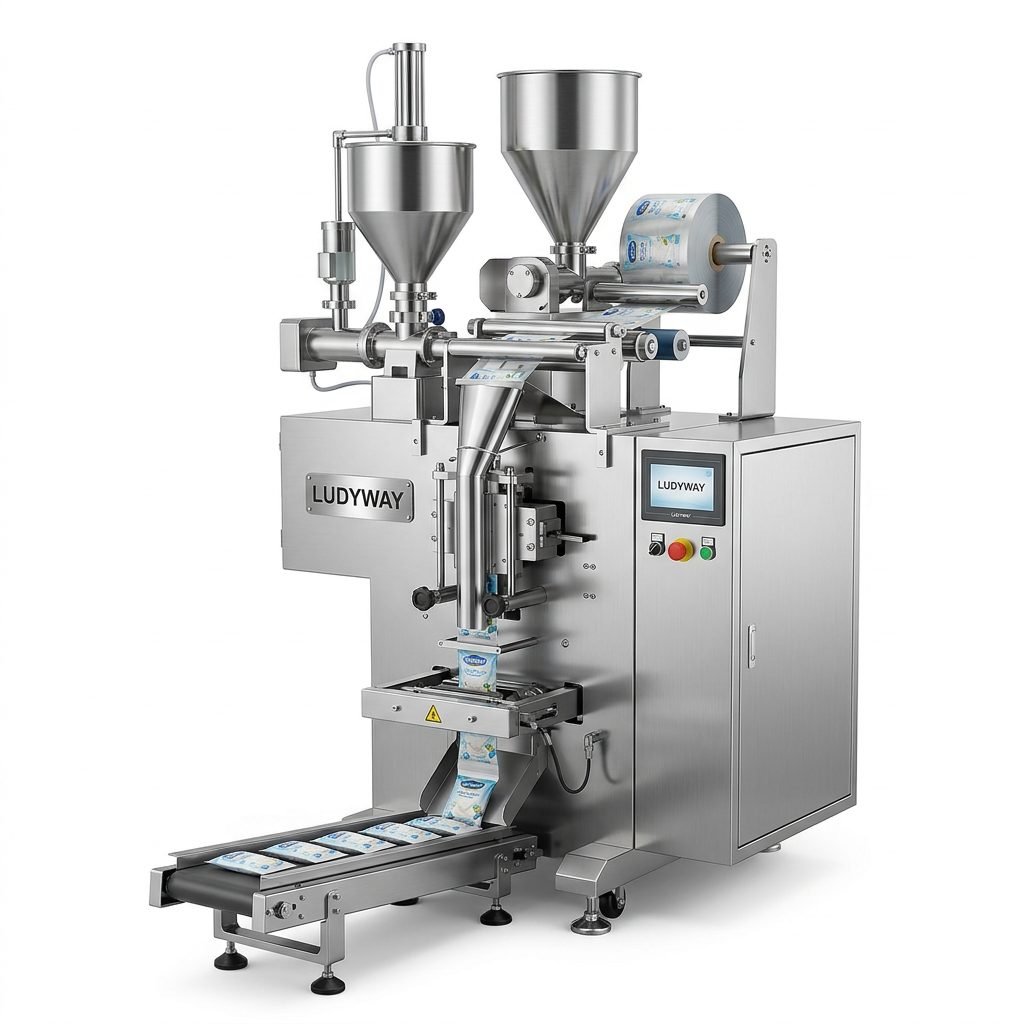
Packaging format is equally critical. Do you need sachet packaging, stick packs, pouches, or bulk bags? Each format involves different sealing technologies, film materials, and machine configurations. Manufacturers who overlook format flexibility often find themselves limited when market demands shift. Mapping out your production workflow—from feeding and dosing to sealing and secondary packaging—helps identify where automation can deliver the highest return on investment.
Key Technical Specifications to Evaluate
When comparing Juna packing machine options, several technical parameters deserve close attention. These specifications determine not only machine performance but also compatibility with your existing infrastructure and quality standards.
Filling Accuracy and Speed
Precision dosing is non-negotiable in industries like pharmaceuticals and nutraceuticals, where regulatory compliance demands tight tolerances. Look for machines equipped with servo-driven auger fillers, volumetric cup fillers, or multi-head weighers depending on your product type. Speed ratings should be evaluated alongside accuracy, as pushing equipment beyond its optimal range often compromises fill consistency.
Material Compatibility and Sealing Integrity
Your packaging film and product chemistry must be compatible with the machine’s sealing system. Heat-sealing parameters, dwell time, and pressure settings affect seal strength and shelf life. For moisture-sensitive or oxygen-sensitive products, consider whether the packaging machinery supports modified atmosphere packaging or nitrogen flushing.
Comparing Machine Configurations
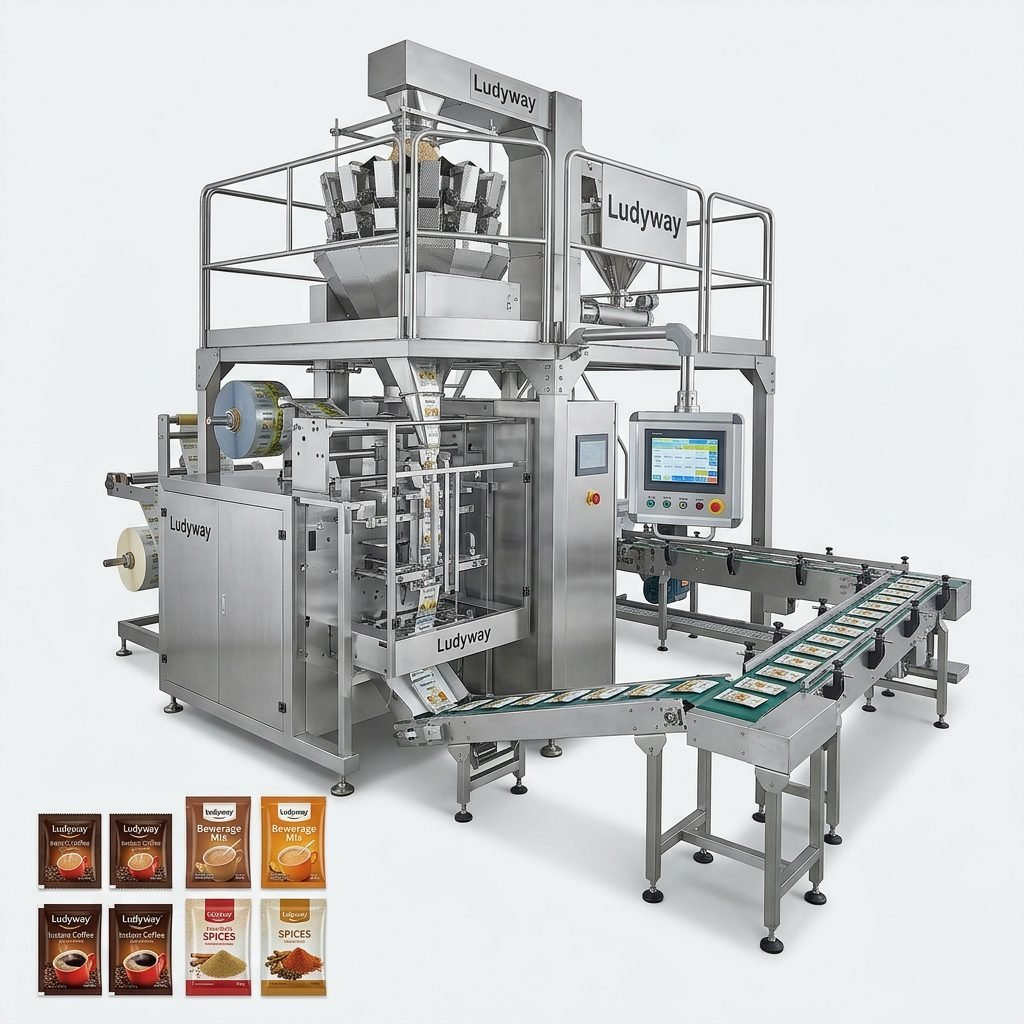
Understanding the available configurations helps match machine capabilities to your operational goals. The table below outlines common configurations and their typical applications:
| Configuration Type | Best Suited For | Key Advantage |
|---|---|---|
| Single-Lane | Low to medium volume, frequent changeovers | Lower initial investment, flexible operation |
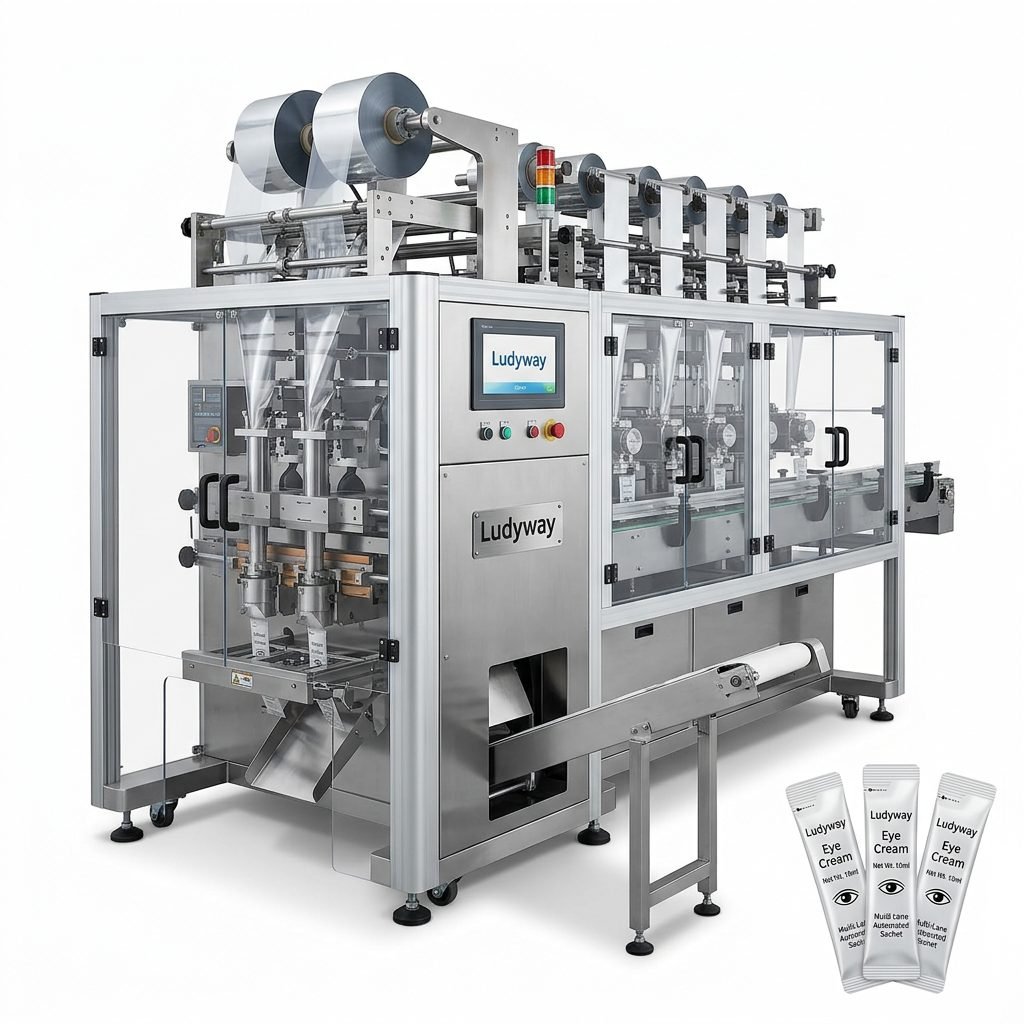
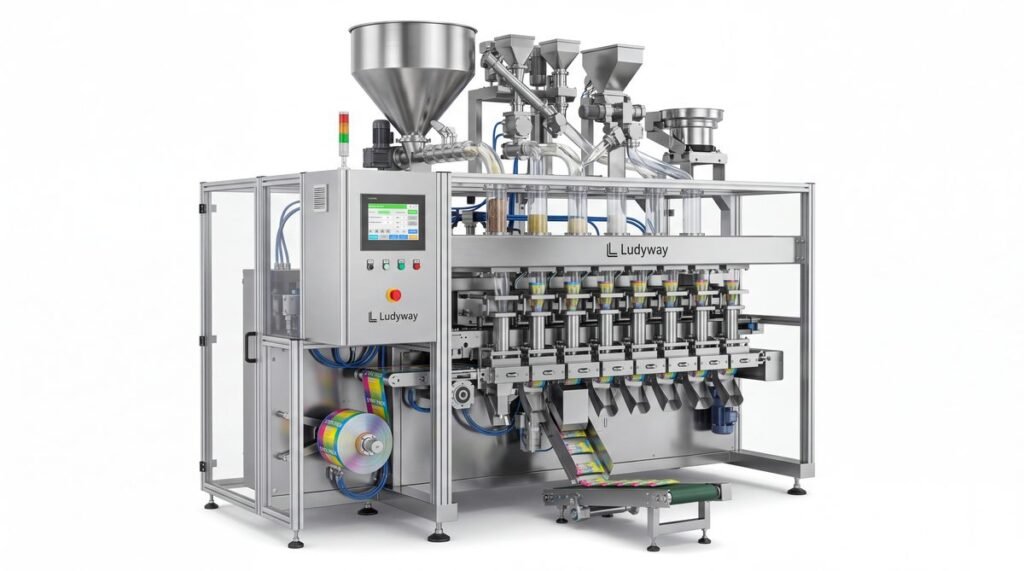
| Multi-Lane (4-12 lanes) | High-volume stick pack and sachet production | Dramatically increased throughput per square foot |
| Rotary Systems | Continuous motion, very high-speed applications | Maximum output with consistent seal quality |
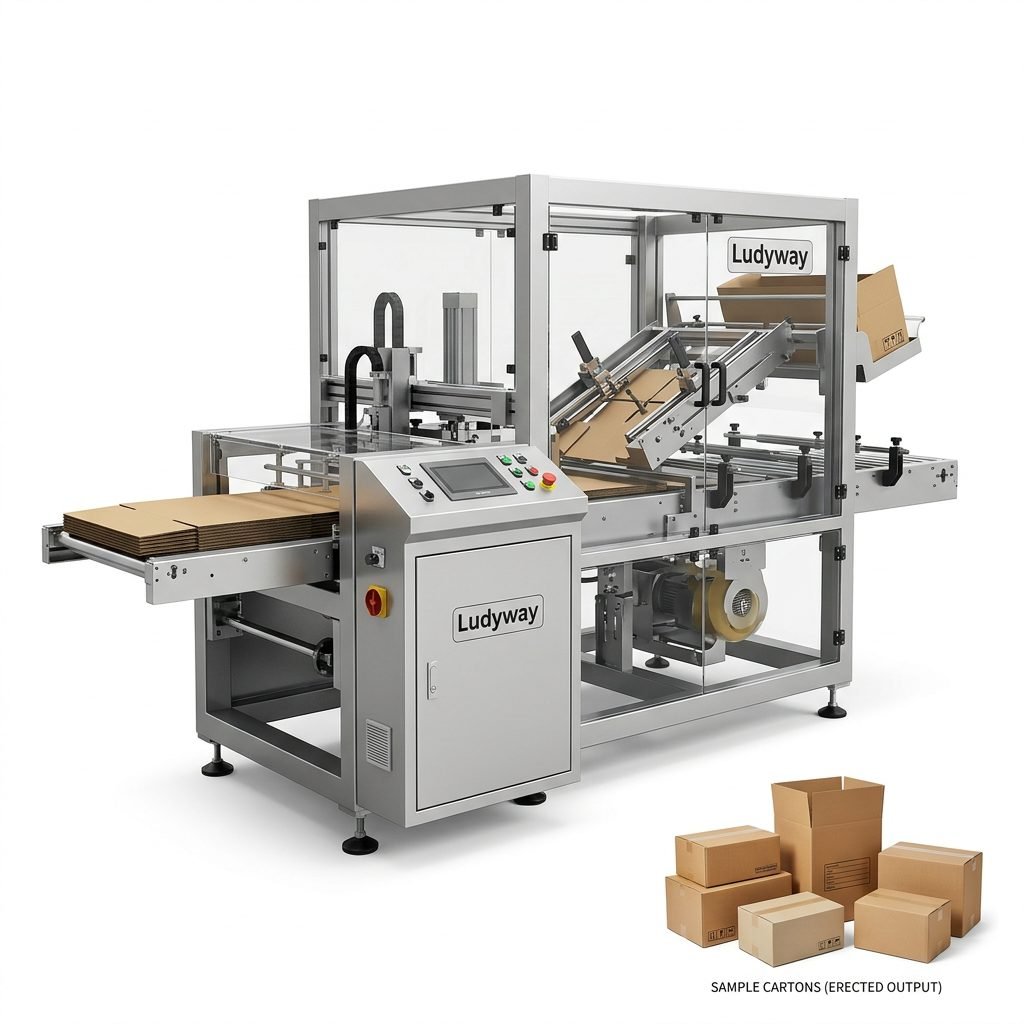
| Integrated Turnkey Lines | End-to-end automation from feeding to cartoning | Reduced labor, single-source integration |
Industry-Specific Considerations
Different industries impose unique requirements on Juna packing machine selection. Understanding these nuances prevents costly mismatches between equipment and application.
Food and Beverage
Hygiene and cleanability are paramount. Machines should feature stainless steel construction, tool-free disassembly for sanitation, and compliance with relevant FDA food packaging guidelines. Product contact surfaces must resist corrosion from acidic or salty ingredients, and sealing systems should accommodate a wide range of film structures used in food packaging.
Pharmaceuticals and Nutraceuticals
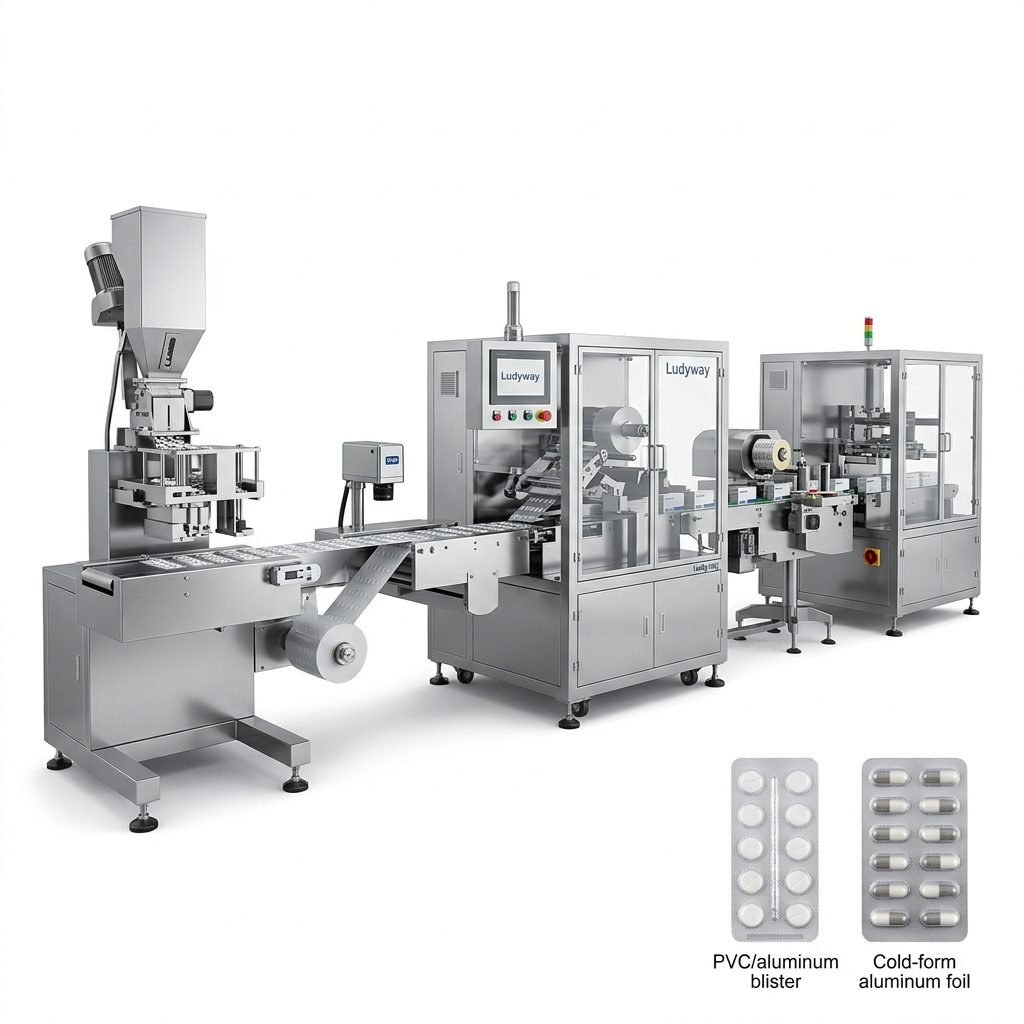
Regulatory compliance drives equipment selection in pharma applications. Look for machines that support validation protocols, provide audit trail capabilities, and meet GMP requirements. Accuracy is critical, with dosing tolerances often specified to ±1% or better. Serialization and track-and-trace integration may also be necessary depending on target markets.
Chemicals and Industrial Products
Chemical compatibility extends beyond product contact surfaces to include seals, gaskets, and lubricants. Dust control features become important for powder products, and explosion-proof configurations may be required for volatile materials. Heavy-duty construction ensures durability when packaging abrasive or dense products.

Evaluating Supplier Capabilities
Beyond the machine itself, the manufacturer’s capabilities significantly influence your long-term success. When sourcing a Juna packing machine, consider these supplier attributes:
- Manufacturing expertise: Look for manufacturers with in-house engineering, machining, and assembly capabilities rather than those relying entirely on outsourced components.
- Customization experience: Your product and packaging requirements are unique. A supplier with demonstrated custom engineering capability can adapt machine configurations to your specific needs.
- Industry experience: Manufacturers familiar with your industry’s regulatory and operational requirements bring valuable insights to equipment selection and configuration.
- After-sales support: Installation, commissioning, training, and ongoing technical support determine how quickly you achieve full production capability.
- Spare parts availability: Rapid access to critical spare parts minimizes downtime and protects your production schedule.
Automation and Integration Potential
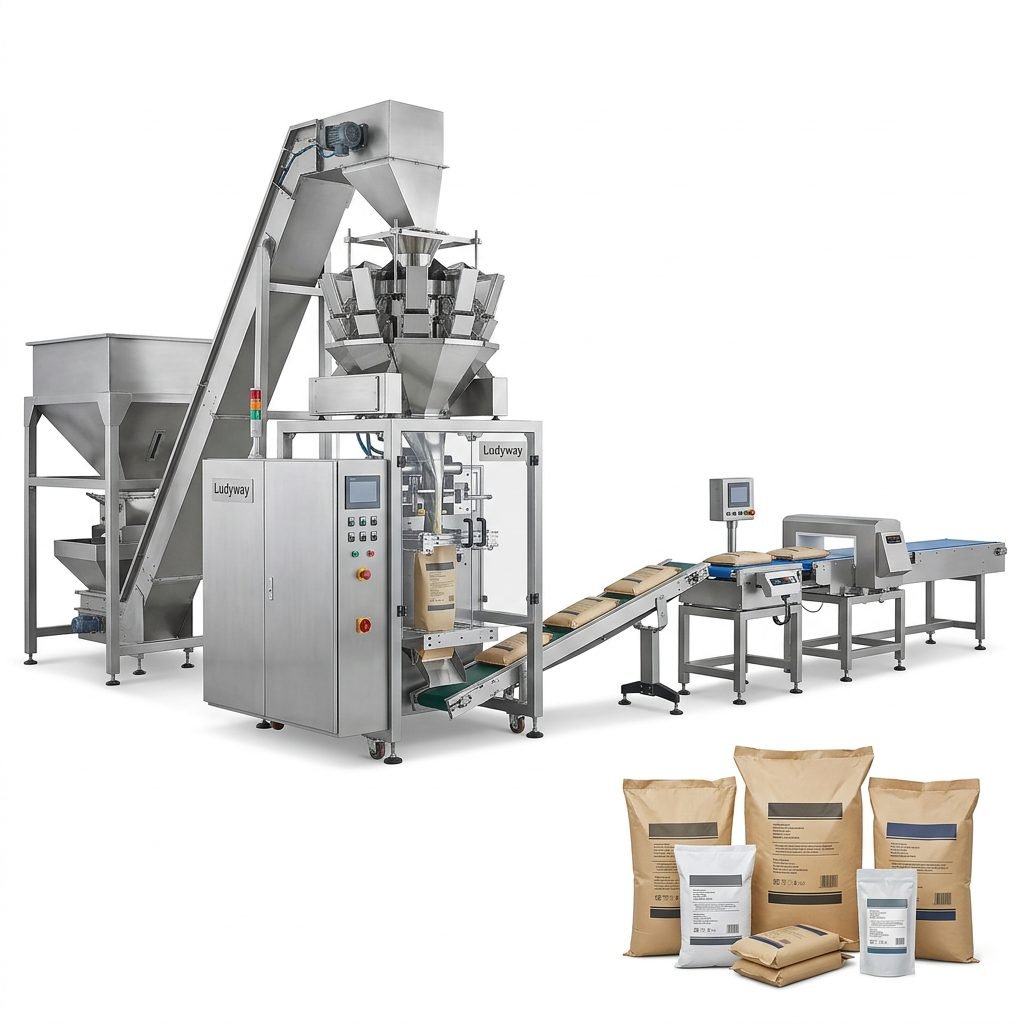
Modern packaging operations increasingly demand connectivity and automation beyond standalone machine functions. Your Juna packing machine should integrate seamlessly with upstream and downstream equipment. Consider whether the machine supports automated feeding systems, checkweighers, metal detectors, coding and marking systems, cartoning machines, and palletizing solutions. A turnkey packaging solution from a single partner simplifies integration, streamlines project management, and provides clear accountability.

Total Cost of Ownership Analysis
Purchase price alone does not reflect the true cost of a packaging machine. A thorough total cost of ownership analysis includes:
- Initial capital expenditure: Machine cost, shipping, import duties, and installation.
- Operational costs: Energy consumption, consumables such as packaging film, and routine maintenance supplies.
- Labor requirements: Operator training, staffing levels, and skill requirements for maintenance personnel.
- Downtime risk: Machine reliability, mean time between failures, and availability of technical support.
- Changeover efficiency: Time and material waste when switching between products or packaging formats.
Machines with higher initial costs often deliver lower total cost of ownership through reduced labor requirements, less material waste, and higher uptime. Evaluate both short-term and long-term cost implications when comparing options.
Quality Standards and Certifications
For manufacturers serving international markets, machine certifications and compliance documentation are essential. Verify that the equipment can be configured to meet applicable standards such as CE marking for European markets, UL certification for North America, and relevant ISO standards for packaging. Reference resources from organizations like the Association for Packaging and Processing Technologies (PMMI) and the Flexible Packaging Association provide valuable guidance on industry standards and best practices.
Partnering with an Experienced Manufacturer
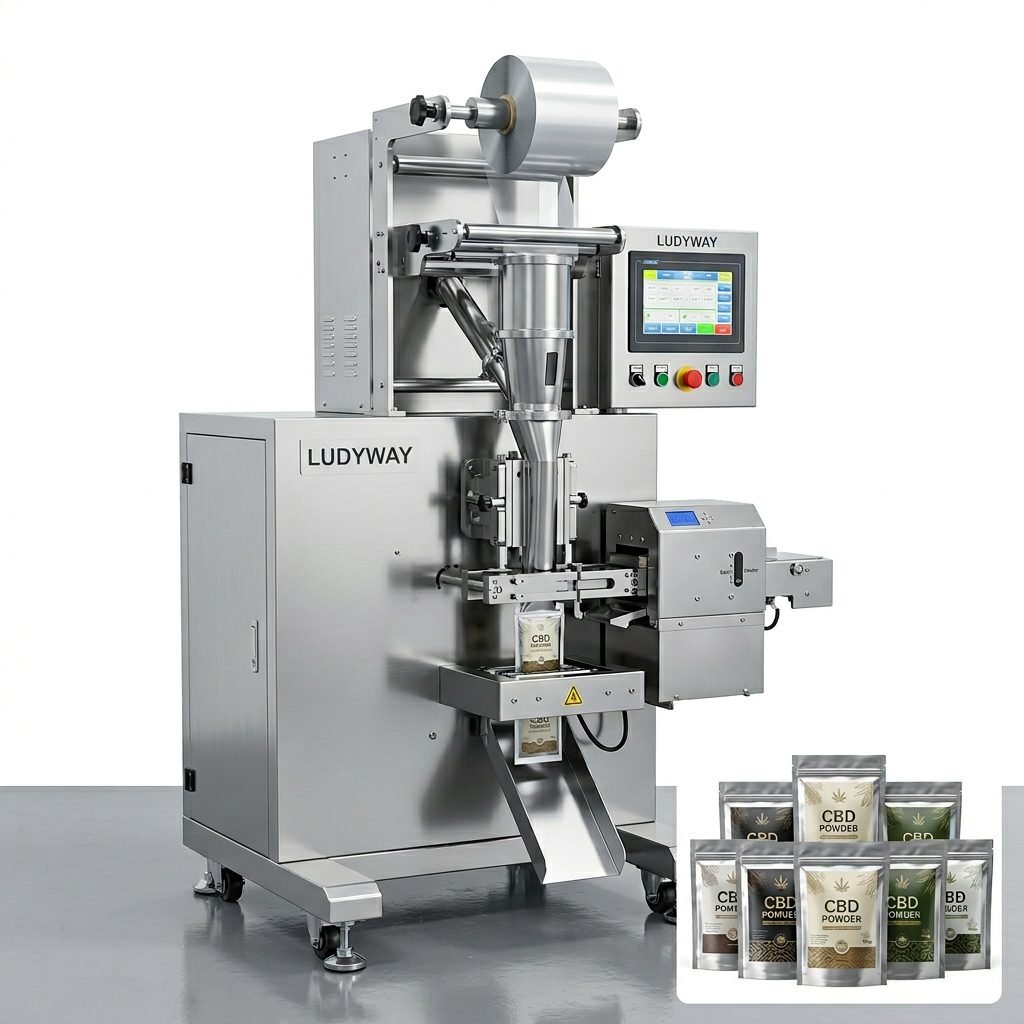
Selecting the right manufacturing partner is as important as choosing the right machine. Ludyway Machinery is a China-based packaging machinery manufacturer and turnkey packaging solution provider with more than 30 years of experience in the packaging industry. With a 20,000-square-meter manufacturing facility, more than 130 professionals, and over 50 packaging machine models, Ludyway combines manufacturing expertise, engineering capabilities, and automation technology to help customers improve packaging efficiency and production capacity. The company serves customers in more than 100 countries and regions, with expected export revenue of more than RMB 500 million (approximately US$69 million) in 2025, and plans to surpass RMB 1 billion (approximately US$138 million) in export revenue in 2026. From individual machines to complete turnkey lines, working with an experienced partner ensures your packaging investment delivers sustainable value.
Key Questions to Ask Before Purchasing
Before finalizing your Juna packing machine selection, ask potential suppliers these critical questions:
- What is the demonstrated speed and accuracy with products similar to yours?
- Can the machine accommodate future packaging format changes without major modifications?
- What training and documentation are provided during installation and commissioning?
- How quickly can spare parts be shipped to your location?
- What remote technical support options are available after installation?
- Does the supplier offer factory acceptance testing before shipment?
- What warranty coverage and extended service agreements are available?
Choosing the right Juna packing machine requires balancing technical specifications, industry requirements, supplier capabilities, and total cost of ownership. By systematically evaluating these factors and working with a manufacturer that offers both engineering depth and comprehensive support, you position your operation for efficient, scalable, and reliable packaging performance. For more information on packaging industry trends and equipment selection, industry resources from PMMI and the Flexible Packaging Association offer valuable data and insights to support your decision-making process.