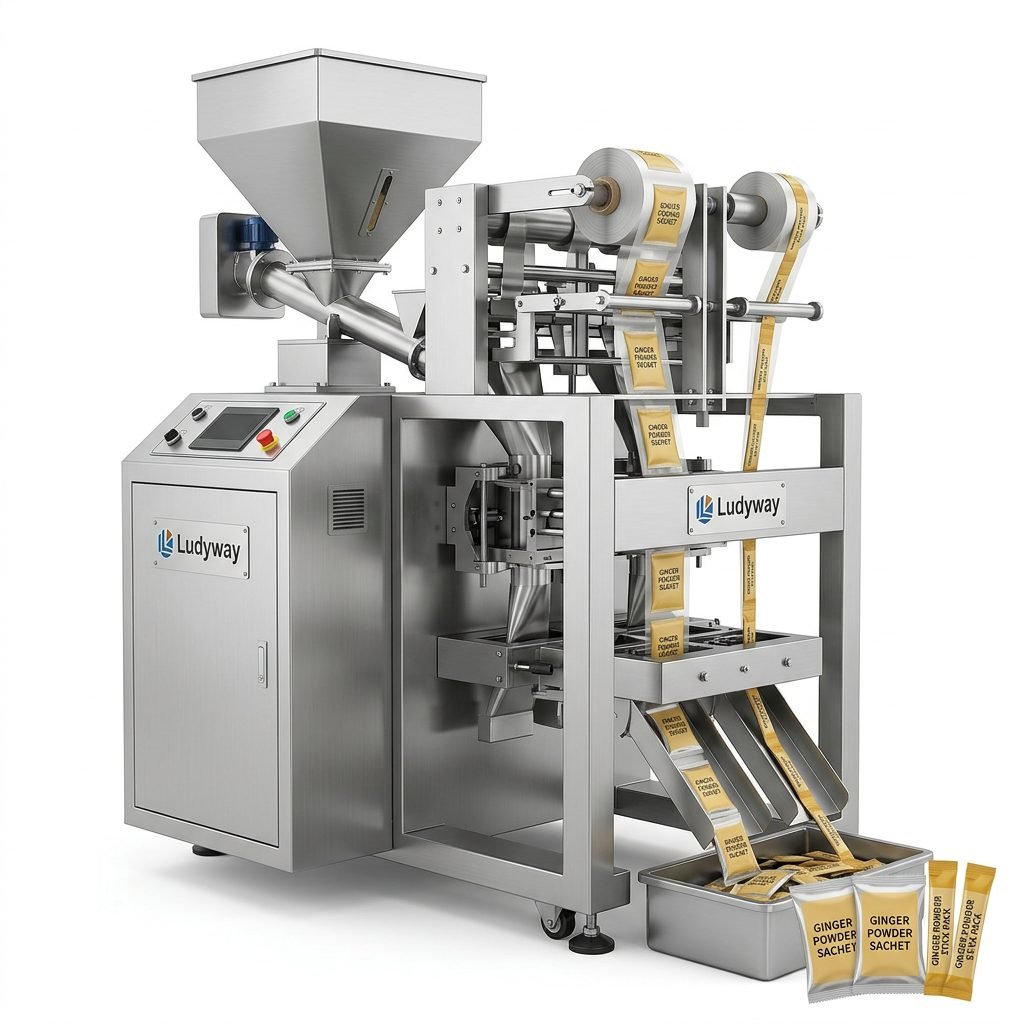
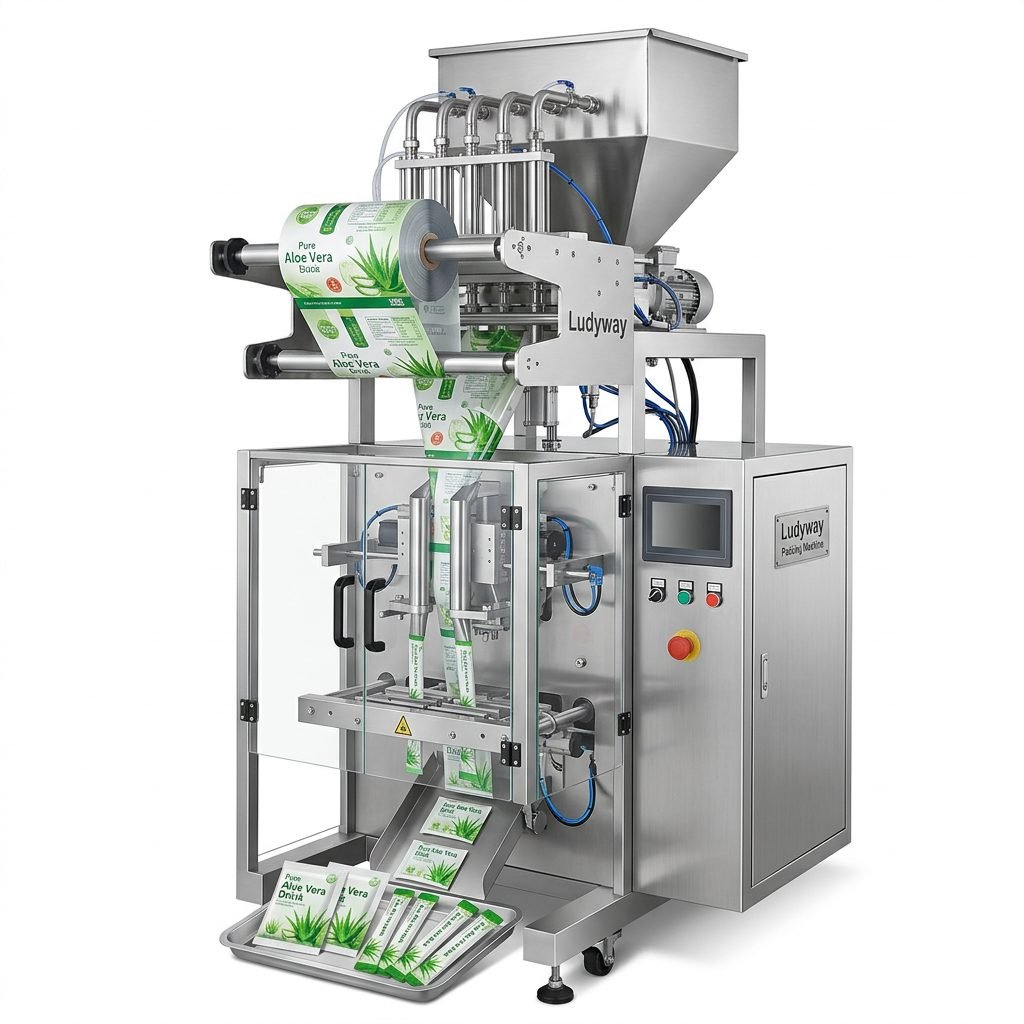
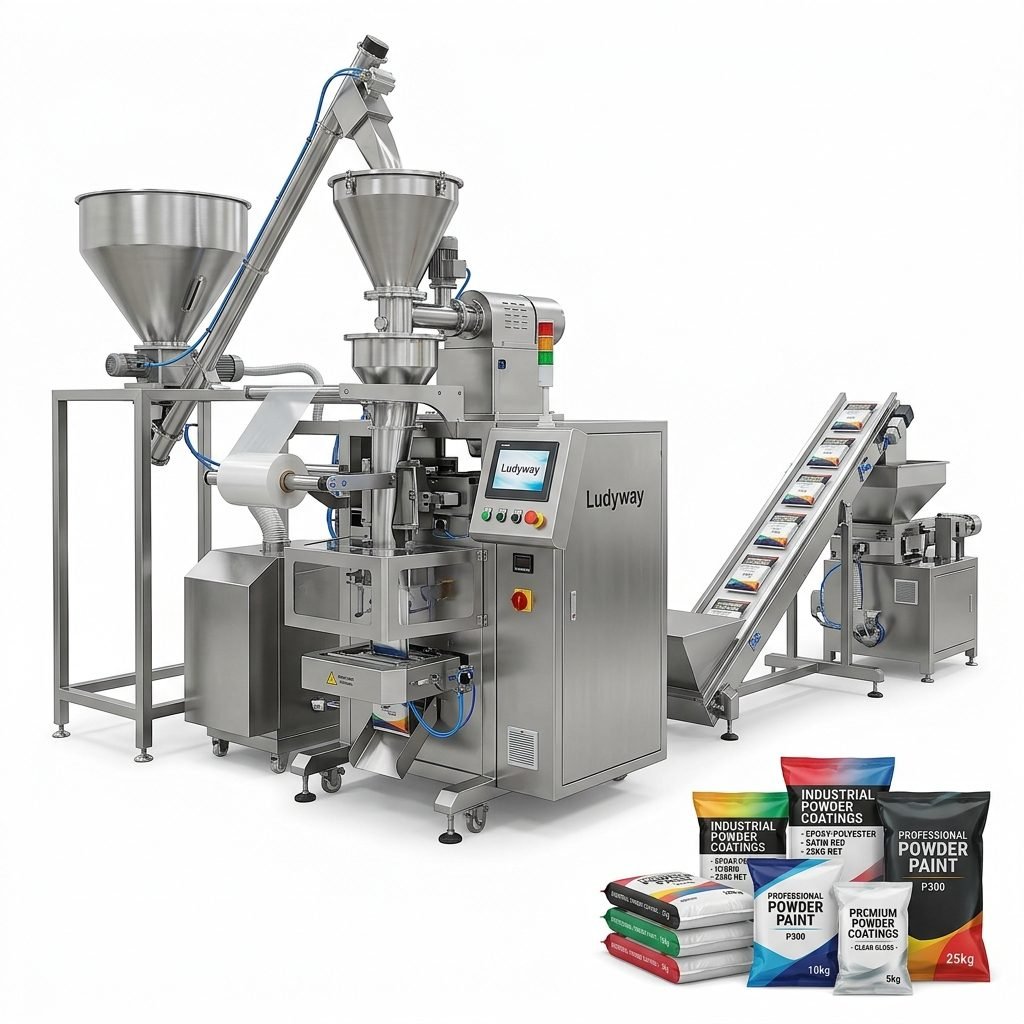
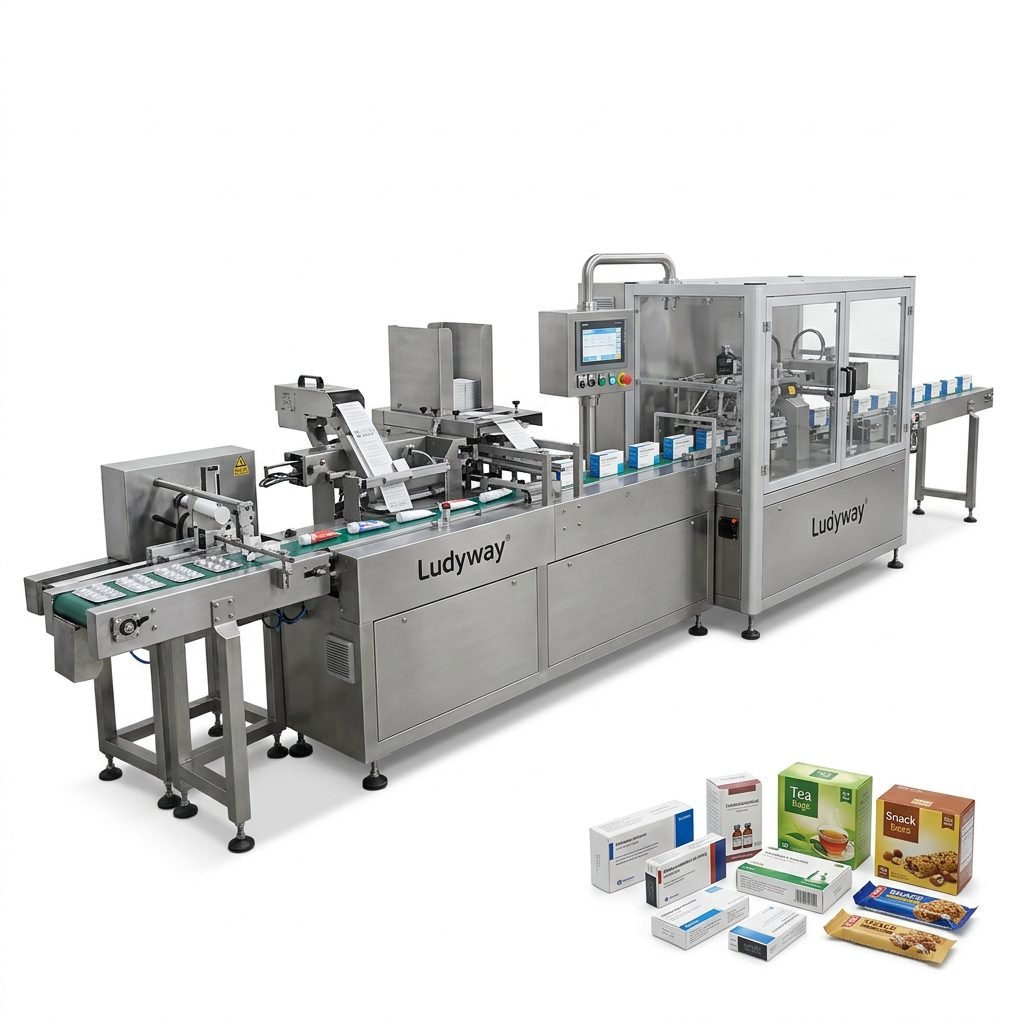
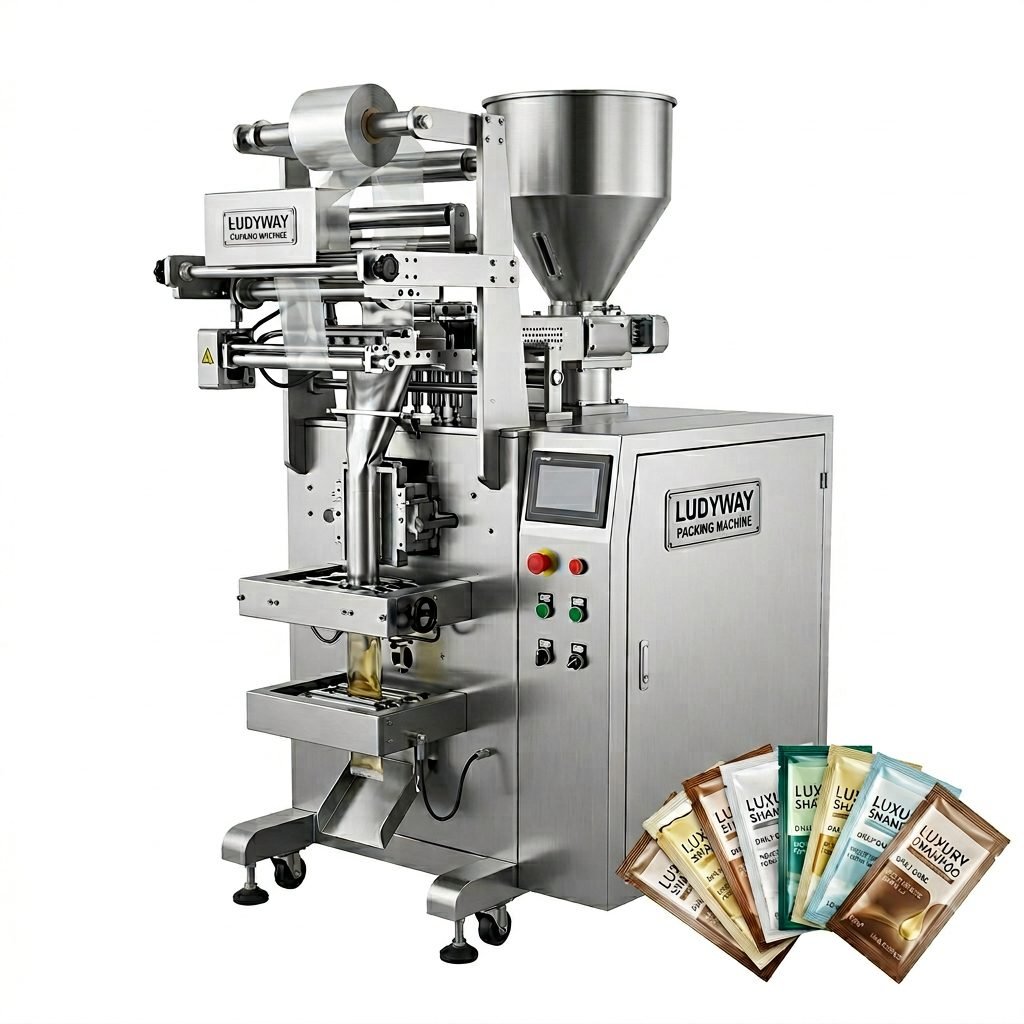
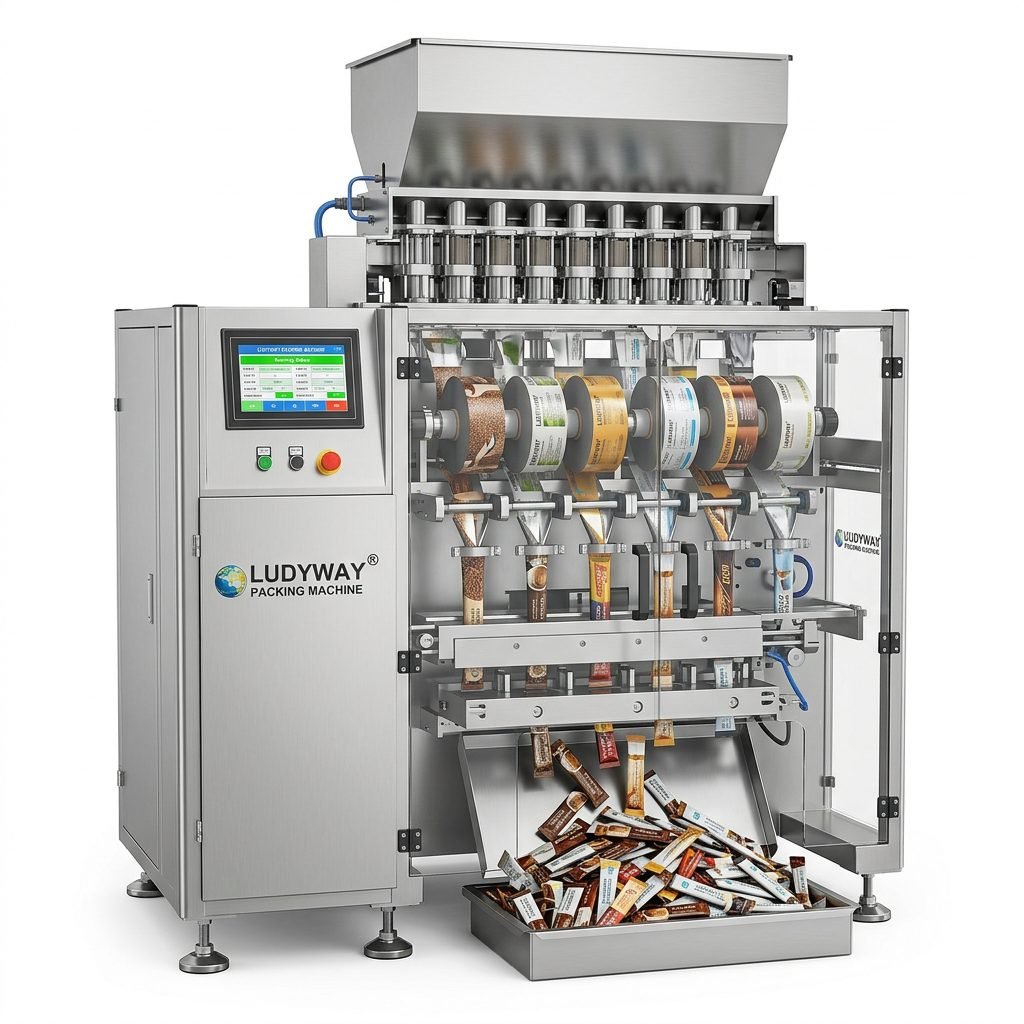
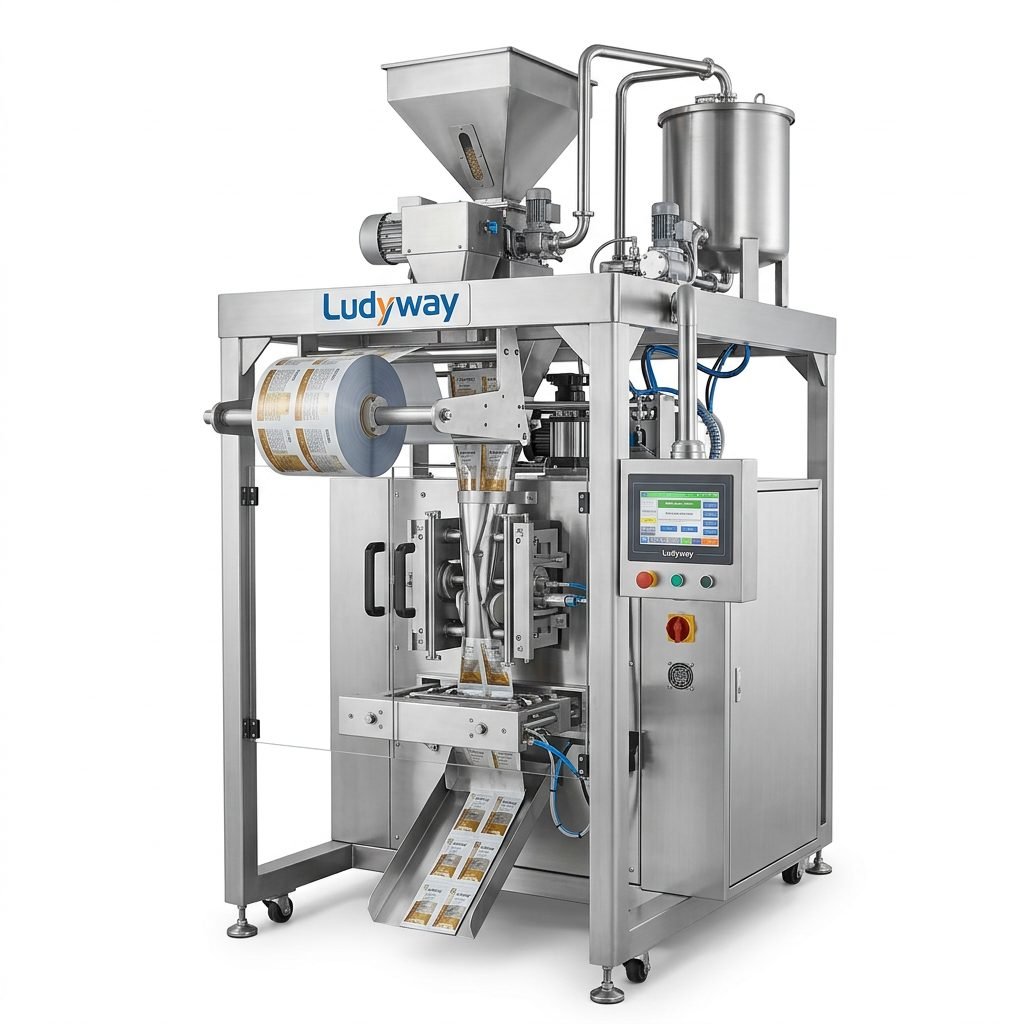
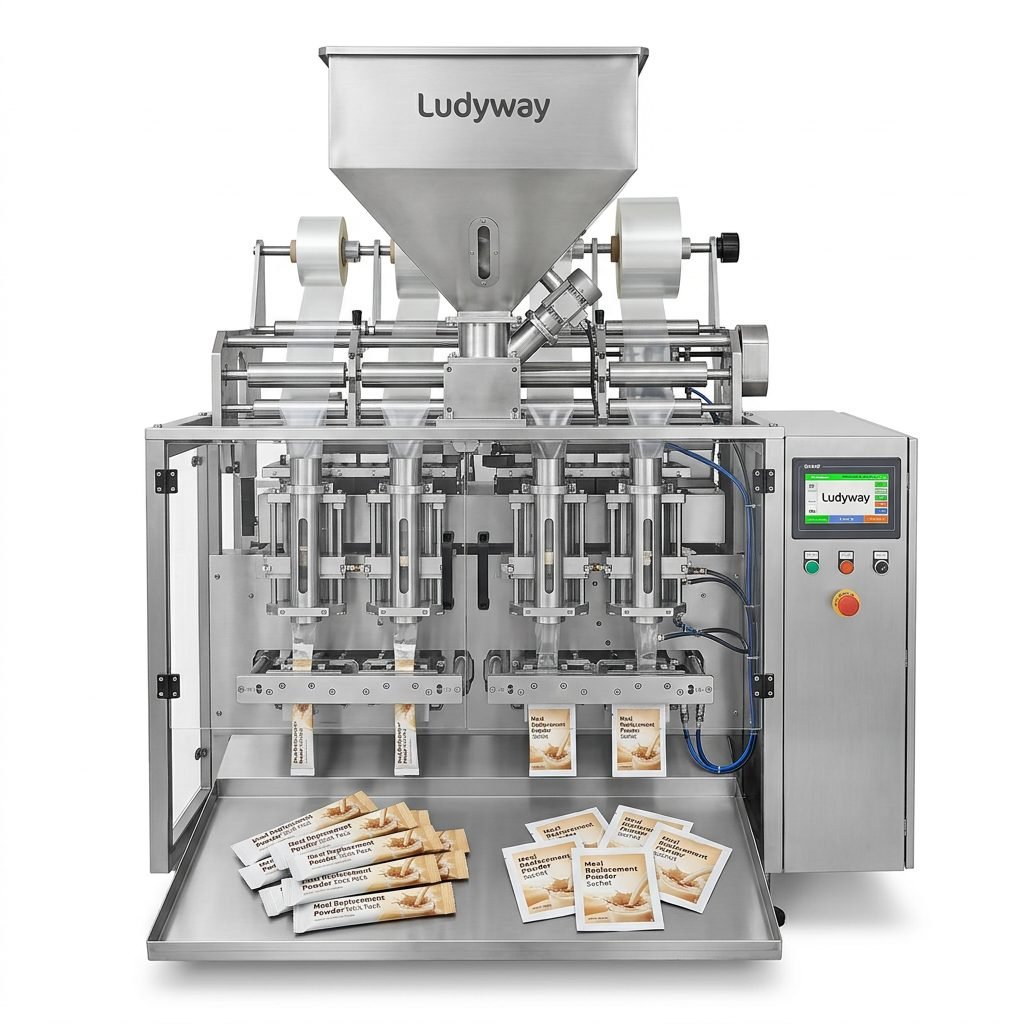
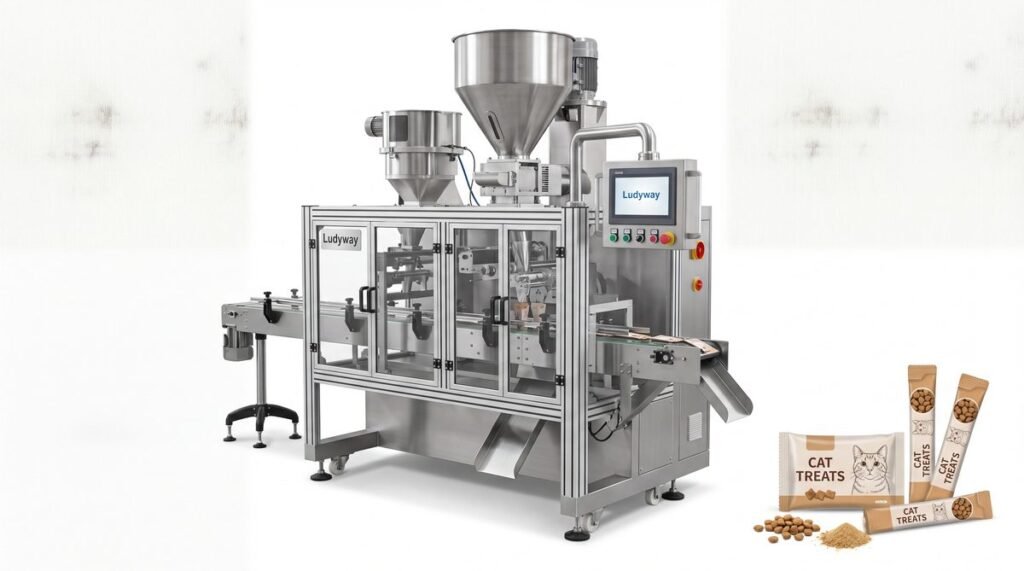
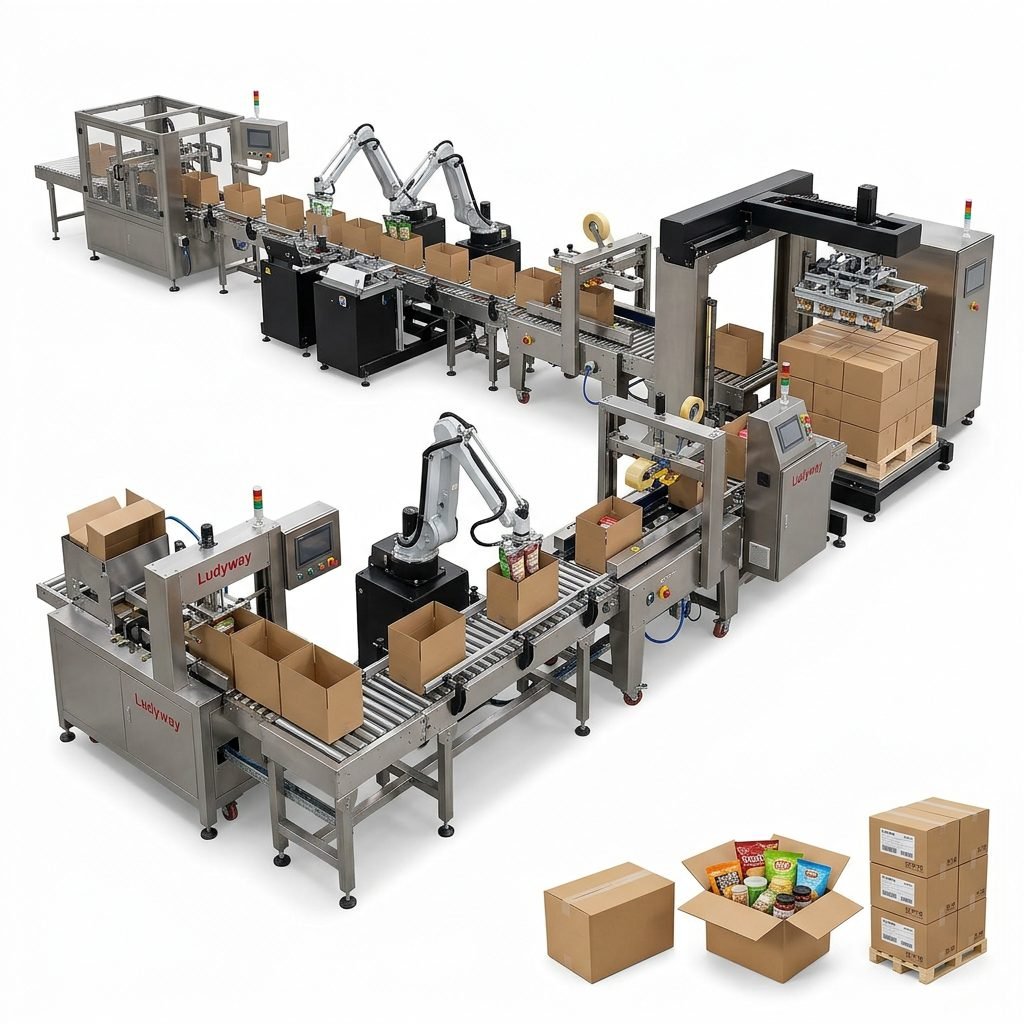
Investing in a sink packing machine is a critical decision for manufacturers handling powders, granules, or liquids. Whether you are packaging spices, detergents, pharmaceuticals, or food products, the right equipment directly impacts your production efficiency, product consistency, and long-term operational costs. However, with so many technical configurations available, making the wrong choice can lead to downtime, material waste, and packaging defects.
This comprehensive guide breaks down the essential factors engineers and procurement managers should evaluate before purchasing a sink packing machine. From understanding your product characteristics to verifying international compliance, this resource will help you make an informed, future-proof investment.
1. Define Your Product Characteristics
The starting point for choosing a sink packing machine is a thorough analysis of the material you intend to package. Machine configurations vary drastically based on whether you are handling free-flowing granules, fine powders, sticky pastes, or low-viscosity liquids. Key product attributes to map out include:
- Bulk Density and Flowability: Affects the type of dosing system required (volumetric vs. multi-head weigher).
- Particle Size and Friability: Determines the aggressiveness of the feeding mechanism; fragile granules need gentle handling to prevent breakage.
- Moisture Sensitivity and Hygroscopy: Products that absorb moisture may require a nitrogen flushing system or specialized sealing jaws.
- Dust Generation: Fine powders often necessitate dust extraction systems to protect electronics and maintain clean seals.
2. Match the Machine Type to Your Packaging Format
Modern sink packing machinery supports a wide array of pouch formats. Selecting the correct format upfront prevents costly retrofits later. The most common configurations include:
| Packaging Format | Best For | Key Advantage |
|---|---|---|
| Stick Pack | Single-serve powders (coffee, supplements) | Portability and portion control |
| 3-Side Seal Sachet | Granules, detergents, seeds | High-speed production capability |
| 4-Side Seal Sachet | Liquids, gels, high-barrier products | Enhanced seal integrity and shelf appeal |
| Gusseted Pouch | Bulk powders, pet food, chemicals | Stable standing presentation |
3. Evaluate Speed and Automation Requirements
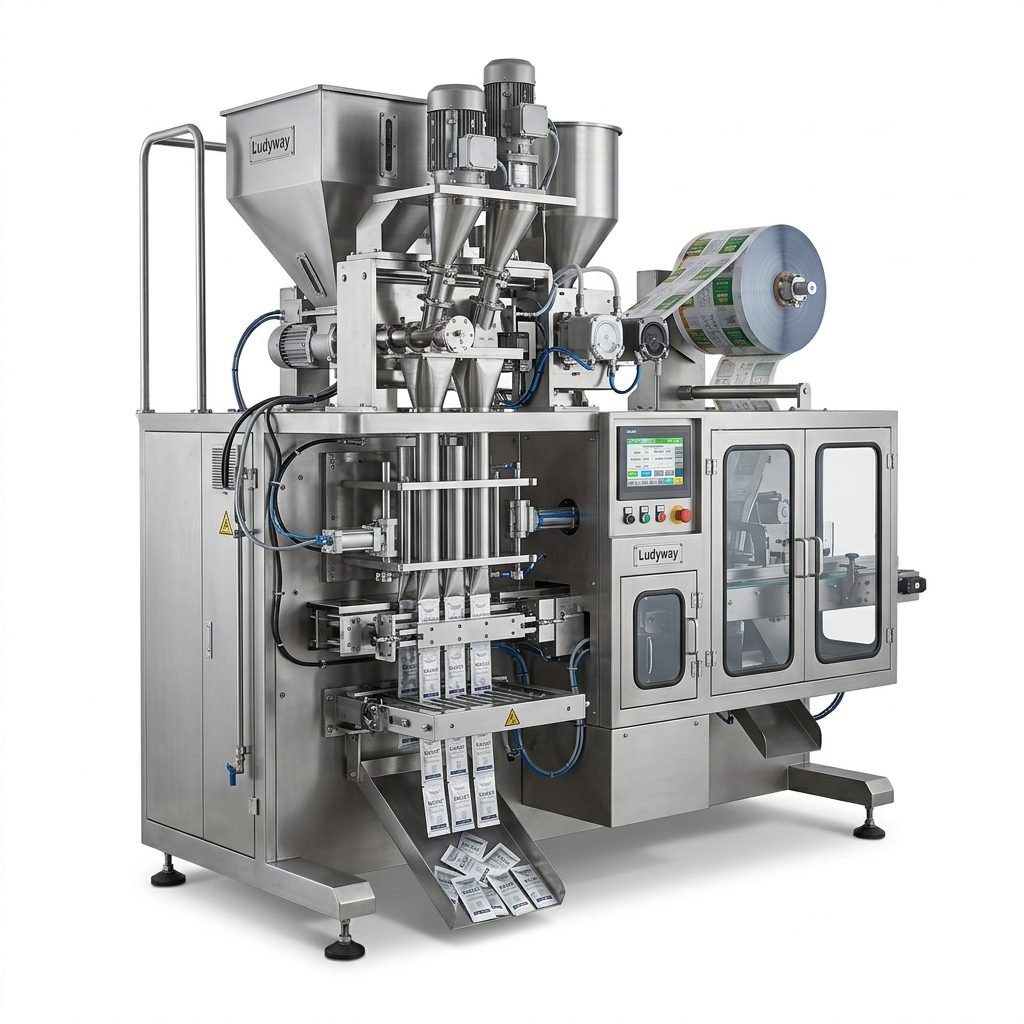
Your target output per day dictates whether you need a single-lane, multi-lane, or fully automated line. A multi-lane sink packing machine can multiply output without occupying proportionally more floor space. For instance, a 4-lane stick pack machine can reach speeds of 160-200 packs per minute, ideal for high-volume co-packing operations. Consider these system tiers:
- Semi-Automatic: Manual tray loading, suitable for startups with low to medium output.
- Fully Automatic: Integrated servo-driven filling, sealing, and cutting with synchronized feeding.
- Turnkey Lines: Connected solutions including palletizing, cartoning, and case packing modules.
4. Material Compatibility and Seal Integrity
The interaction between your packaging film and the machine’s sealing technology is a common failure point. Sink packaging machines typically use heat-sealing jaws, but the required temperature, pressure, and dwell time vary based on laminate structure. Aluminum foil laminates, for example, need precise heat control to avoid burn-through, while polyethylene layers may require serrated sealing patterns for easy-tear applications. Always test your flexible packaging materials on the intended machine model to verify seal strength and cosmetic appearance. The peel strength should consistently meet ASTM F88 standards for your product’s distribution environment.
5. Precision in Dosing and Weighing Systems
Fill accuracy is non-negotiable, especially for regulated products like pharmaceuticals or high-cost ingredients. Giving away even 1 gram of excess product per sachet over millions of units translates into significant revenue loss. Depending on your product flow characteristics, typical dosing options include:
- Auger Fillers: Best for fine powders with consistent density, offering high precision for medical-grade powders.
- Multi-Head Weighers: Ideal for free-flowing granules and snacks, providing speeds with excellent accuracy through combinatorial weighing.
- Piston or Peristaltic Pumps: Optimized for liquids, creams, and gels, ensuring volumetric accuracy for viscous products.
- Volumetric Cup Fillers: Cost-effective for uniform granular products where minor weight variation is acceptable.
6. Control Systems and Industry 4.0 Readiness
Modern machines should integrate seamlessly with your factory’s digital infrastructure. Look for PLC-based control systems with touchscreen HMI interfaces that allow multi-language operation and recipe storage for quick product changeovers. Servo-driven motors on the film pull, sealing jaws, and cutting mechanisms provide programmable motion profiles, reducing mechanical wear and improving accuracy. Machines compliant with OMAC PackML standards simplify data integration with MES and ERP systems, enabling real-time OEE monitoring and predictive maintenance alerts.
7. Hygiene Design and Cleanability
If you operate in the food, dairy, or pharmaceutical sectors, sanitary design is a primary concern. Your sink packing machine should feature sloped surfaces to prevent product accumulation, minimal crevices to avoid bacterial harborage, and tool-less disassembly for rapid cleaning cycles. 316L stainless steel construction and IP65-rated electrical enclosures protect against aggressive washdown environments. Ensure the equipment can support validated cleaning protocols specified by FDA food contact substance regulations and can be documented for regulatory audits.
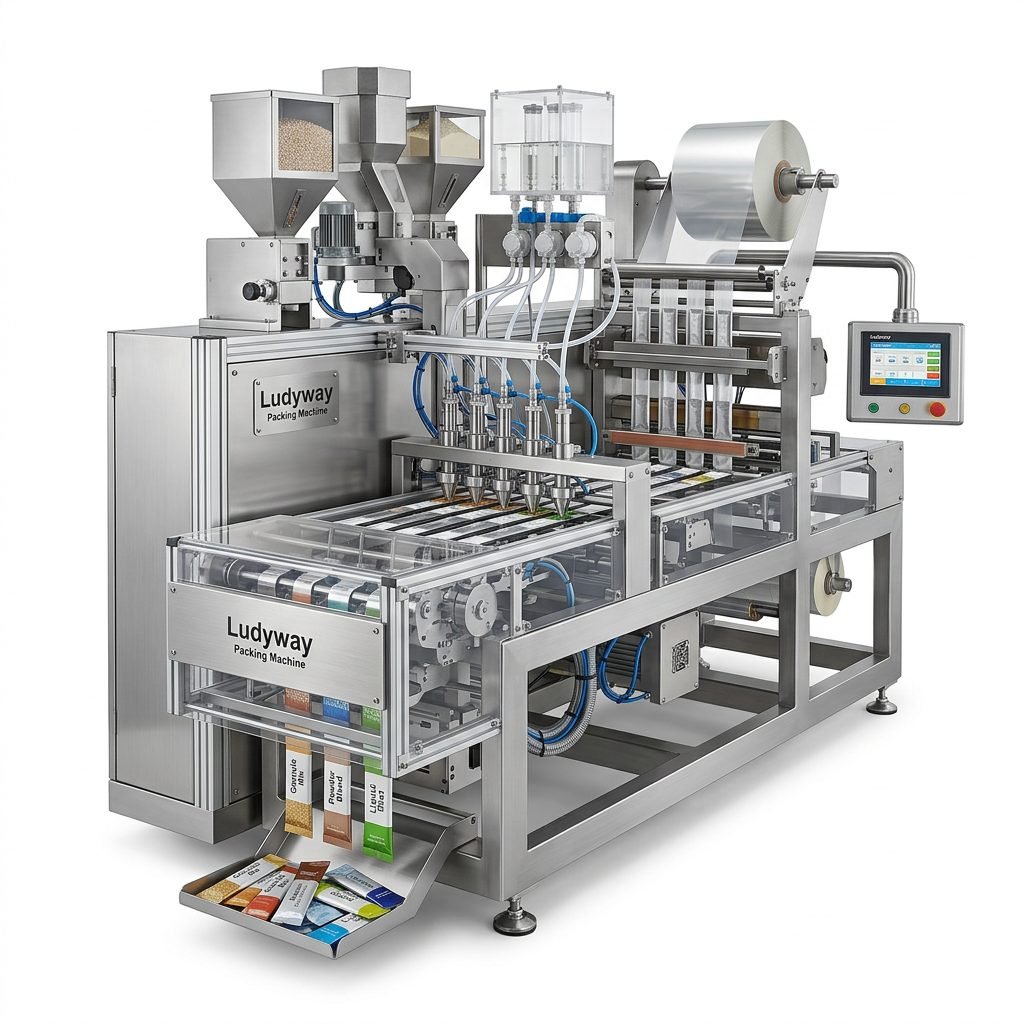
8. Regulatory Compliance and International Standards
Exporting packaged goods often requires the machine itself to meet specific safety and quality standards. Verify that your chosen sink packing machine carries CE marking for European markets, and confirm that electrical systems comply with UL standards for North American installations. For pharmaceutical applications, equipment documentation supporting ISO 11607 validation requirements for sterile barrier systems is essential. Manufacturers who integrate globally recognized components from certified suppliers simplify your compliance pathway and reduce audit risks.
9. After-Sales Support and Spare Parts Availability
A machine’s lifecycle cost is heavily influenced by the manufacturer’s service infrastructure. Before committing, clarify the availability of critical spare parts, format change components, and remote technical support. Downtime caused by a failed thermocouple or sealing jaw can halt your entire production line. A supplier with global engineering capabilities and responsive after-sales teams ensures that technical issues are resolved quickly. This long-term partnership aspect is particularly important when investing in customized or turnkey solutions.
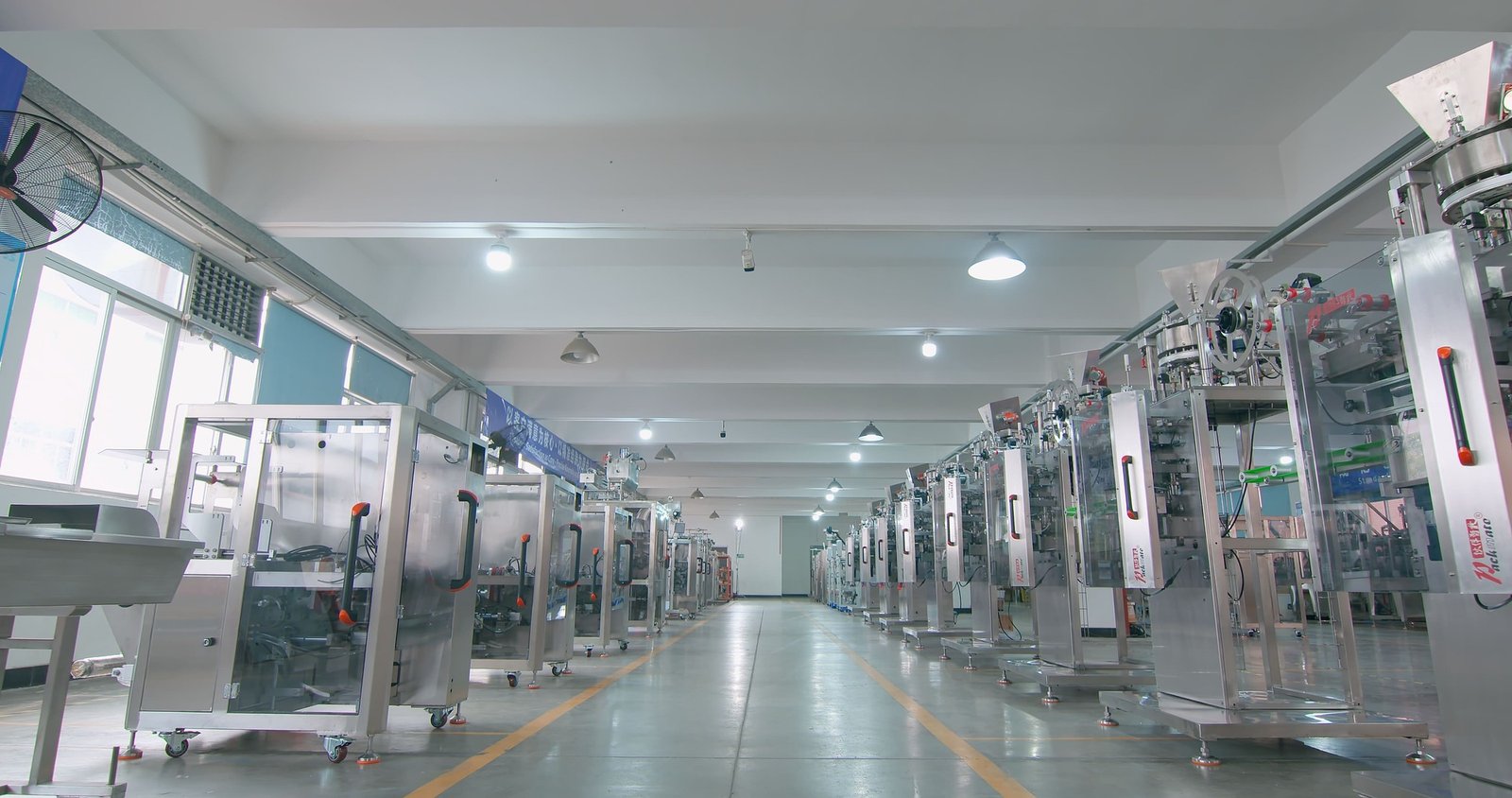
Ludyway Machinery is a China-based packaging machinery manufacturer with more than 30 years of industry experience. With a 20,000-square-meter facility, over 130 professionals, and a portfolio exceeding 50 machine models, the company provides integrated packaging systems and turnkey solutions for food, pharmaceutical, cosmetic, chemical, and animal feed sectors. Serving customers in over 100 countries, Ludyway is expected to achieve export revenue of more than RMB 500 million (approximately US$69 million) in 2025, and plans to surpass RMB 1 billion (approximately US$138 million) in export revenue in 2026. Its approach combines in-house engineering with customized configurations to match specific product characteristics and production requirements, supporting manufacturers from single equipment selection to complete line integration.
For further insights on industry trends, visit the PMMI 2026 State of the Industry report or explore resources from the Flexible Packaging Association. You can also review performance benchmarks and global growth trends in packaging machinery to validate equipment suppliers against market data.