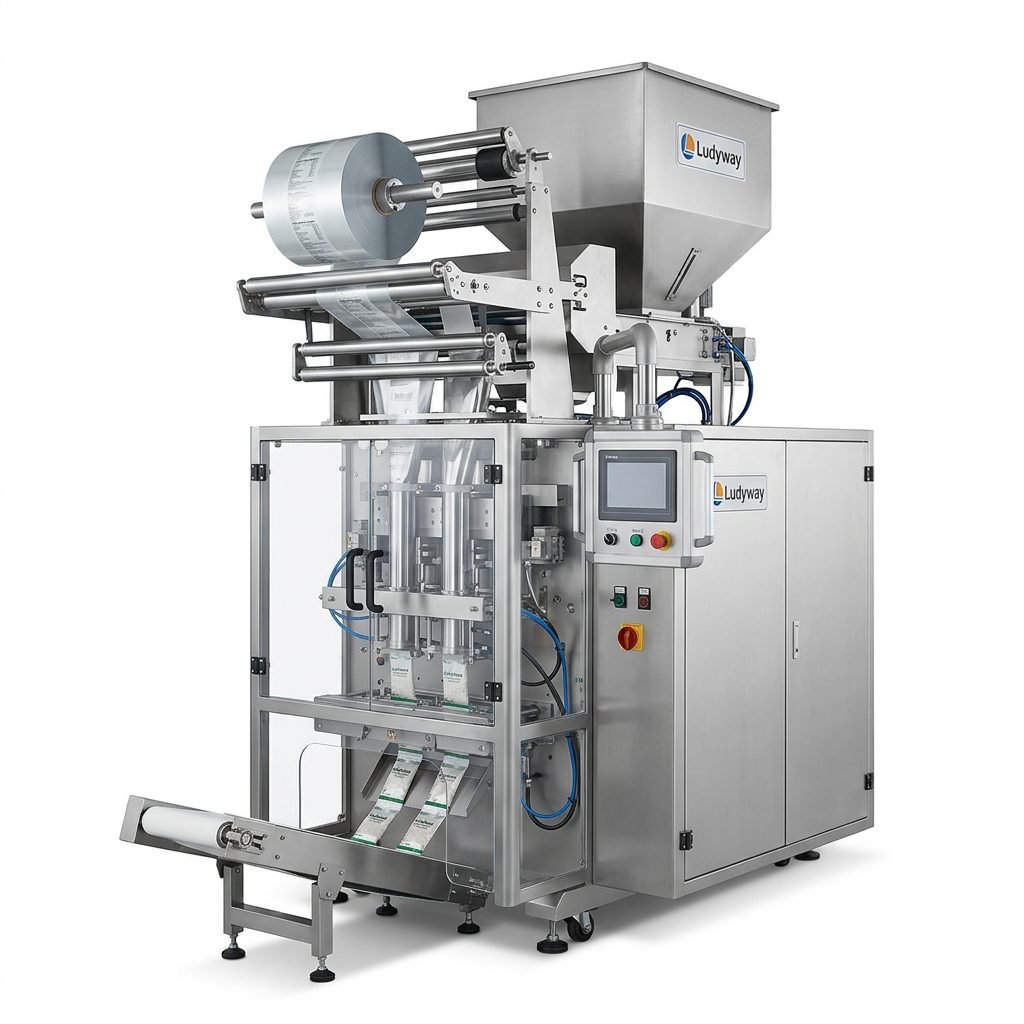
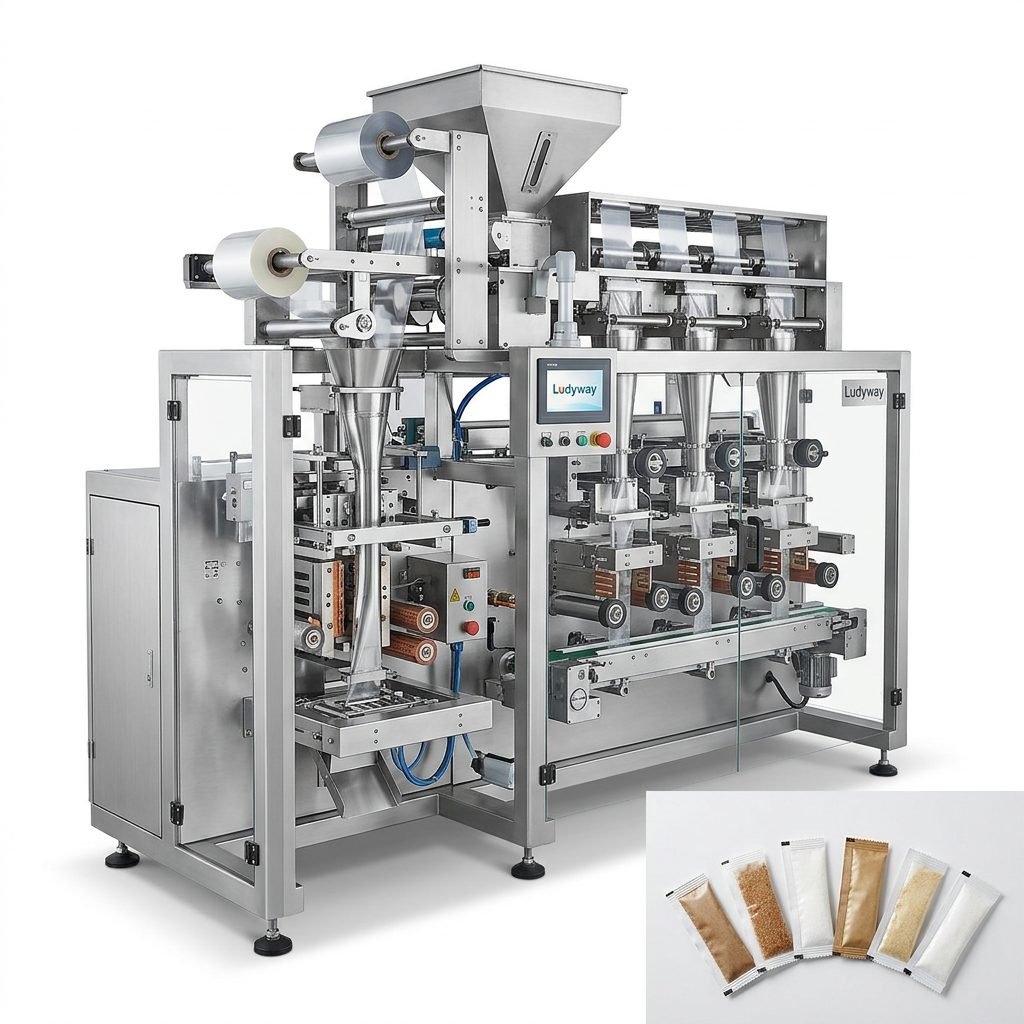
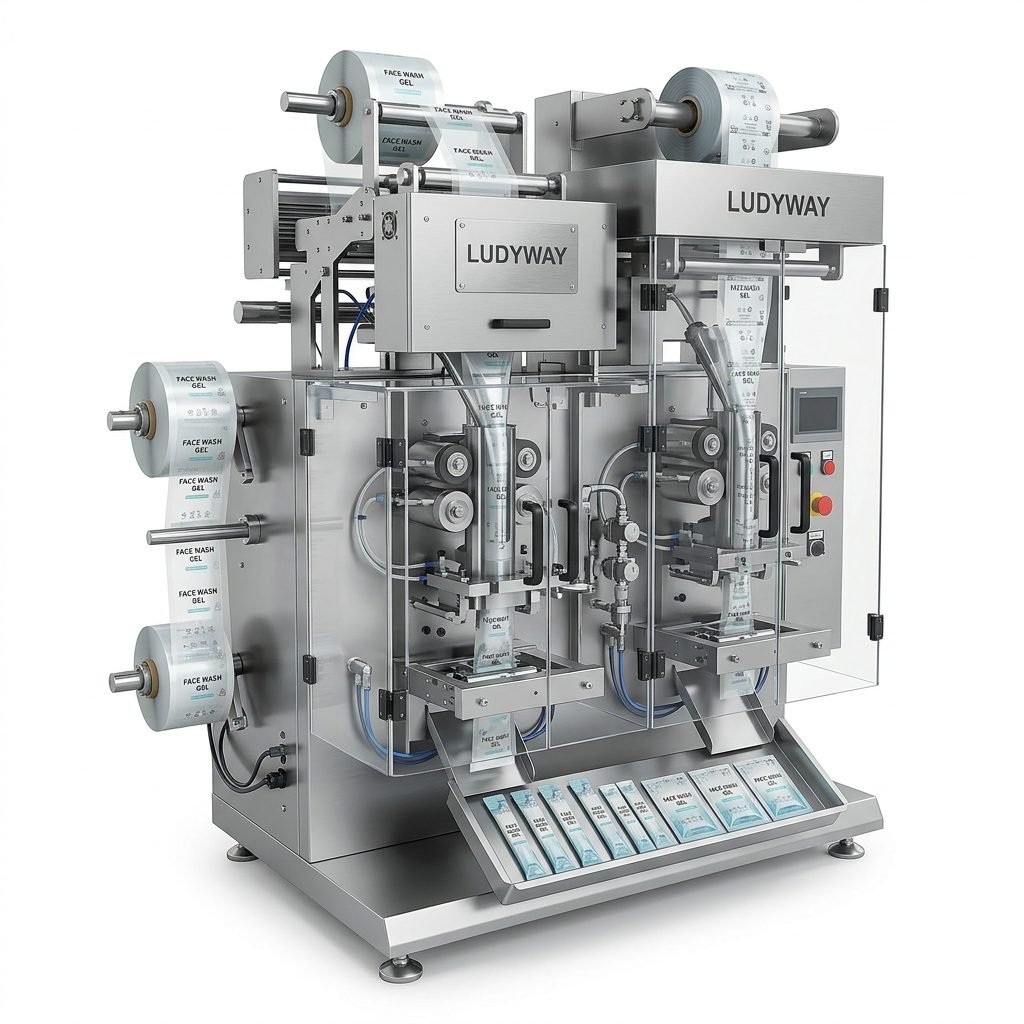
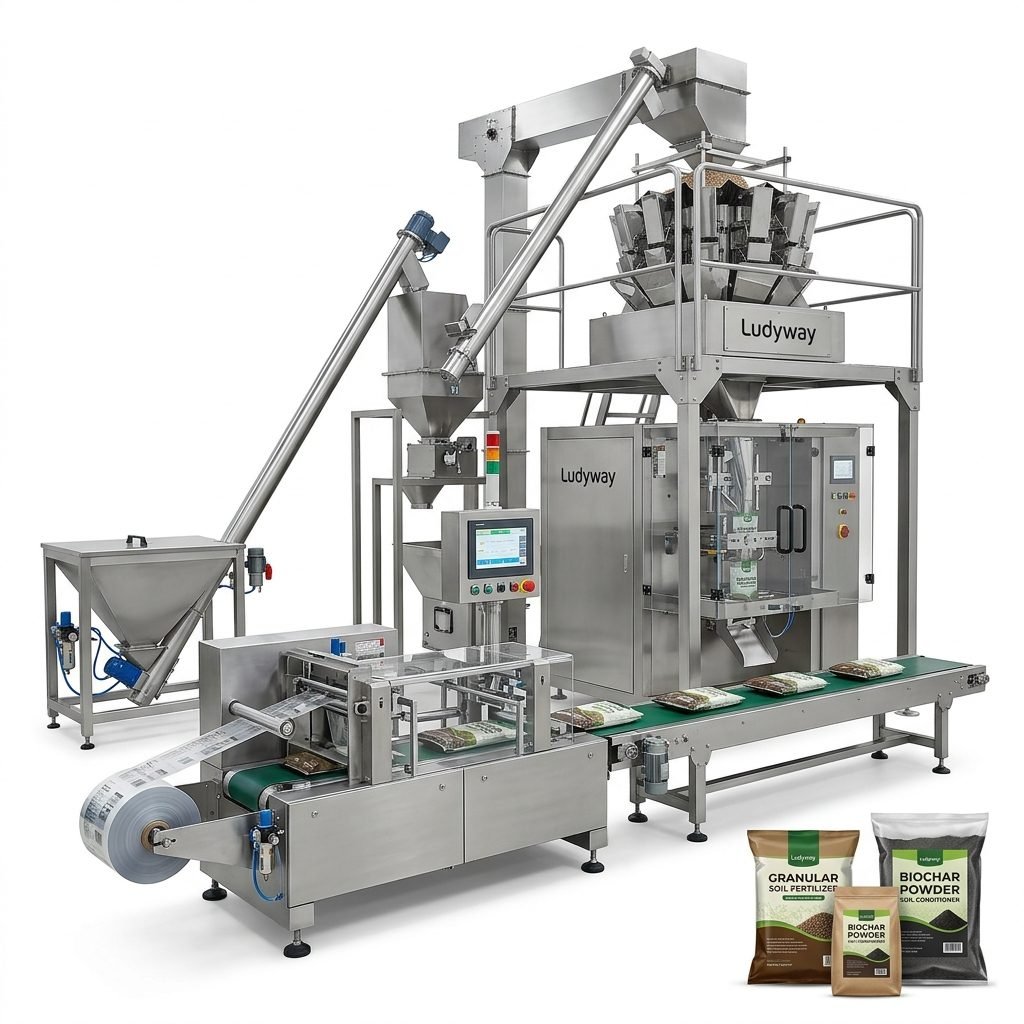
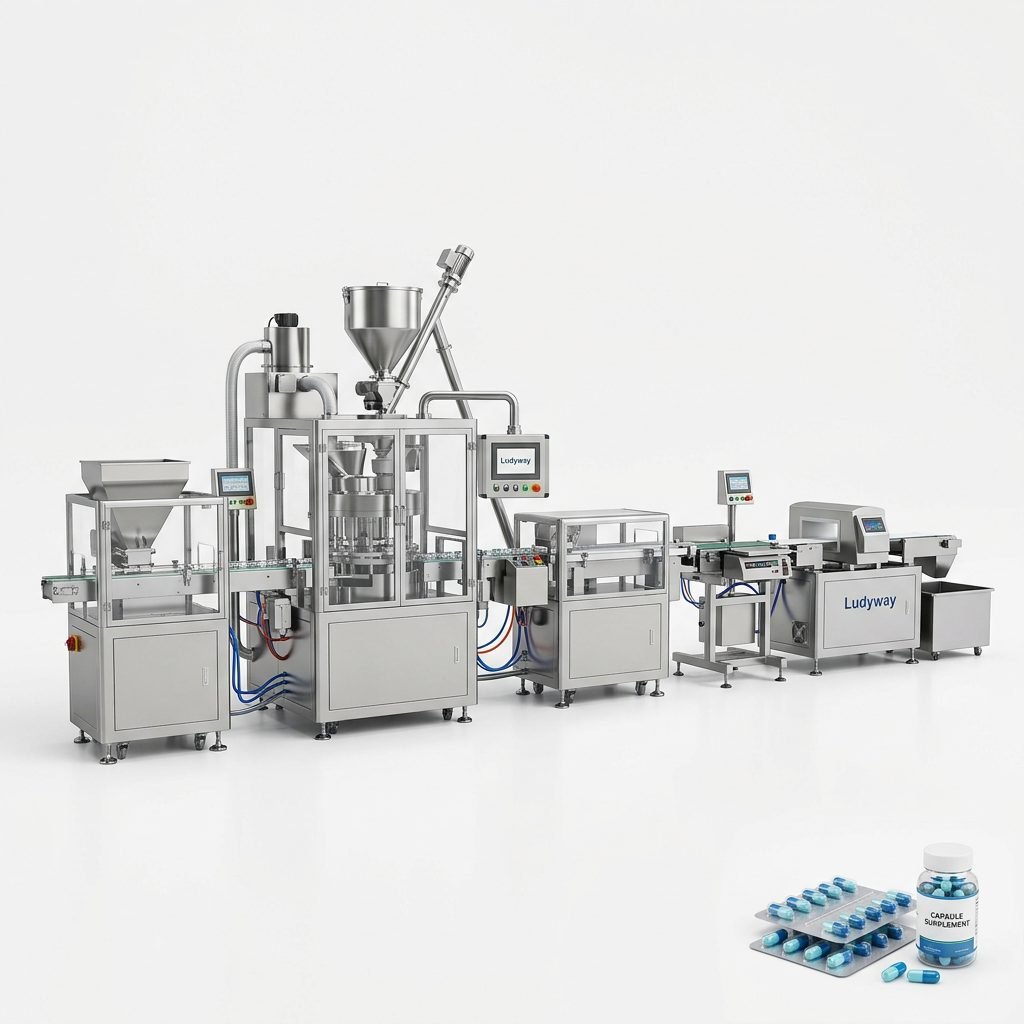
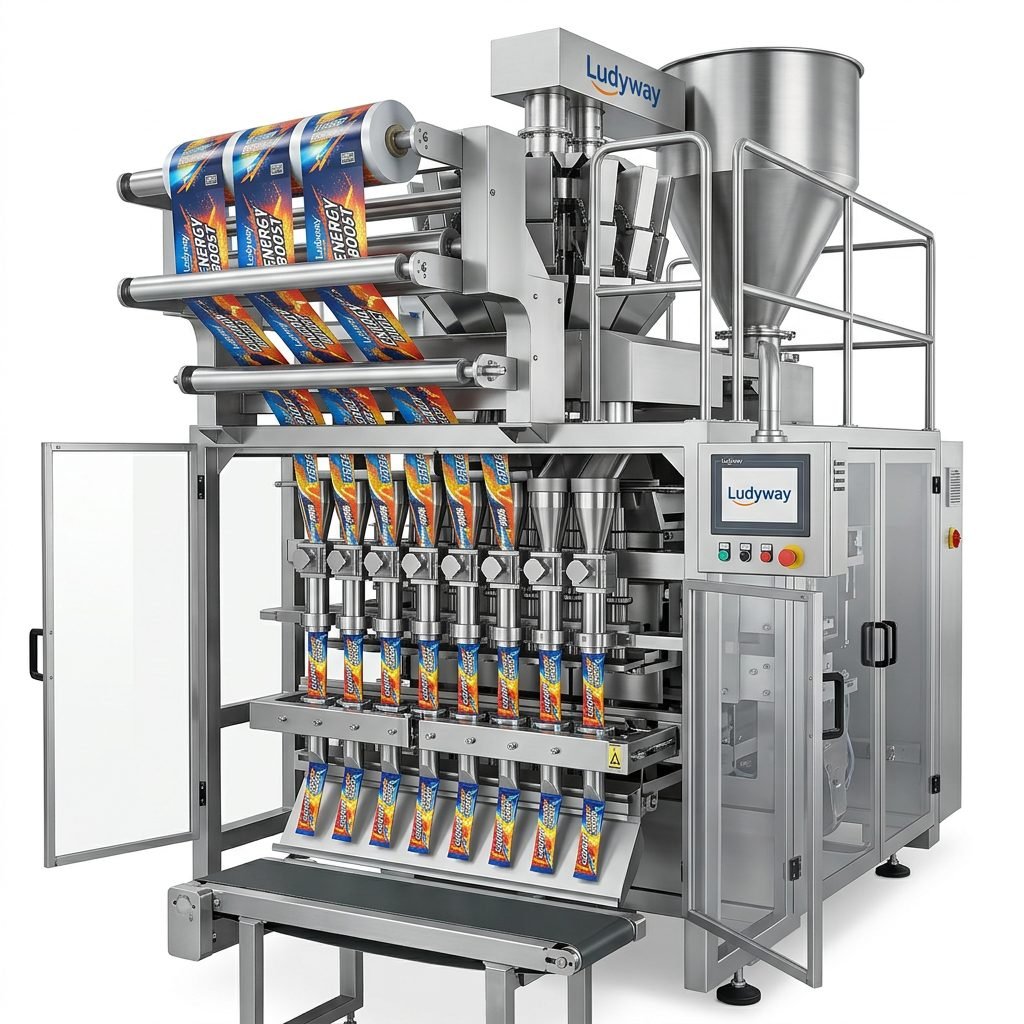
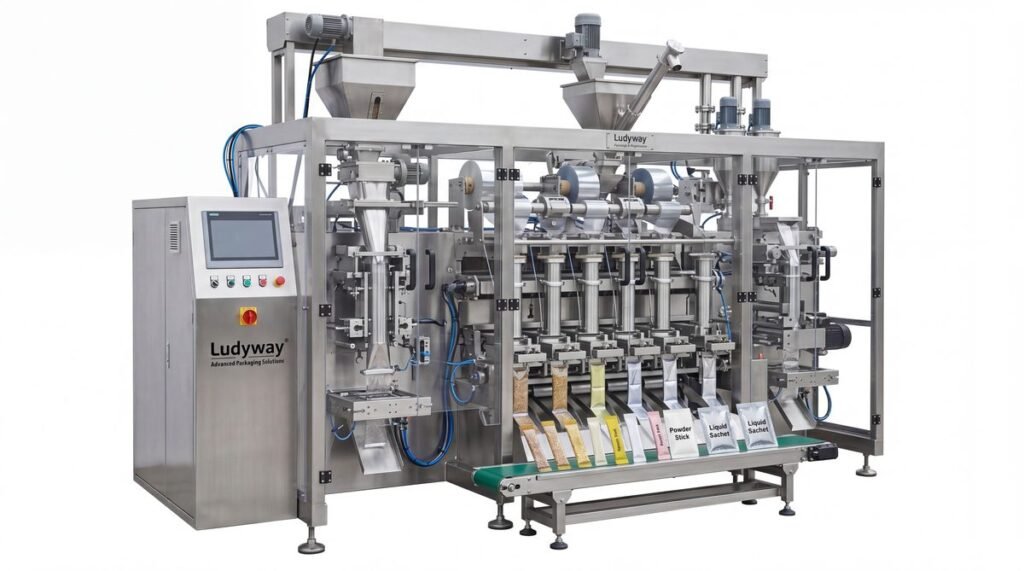
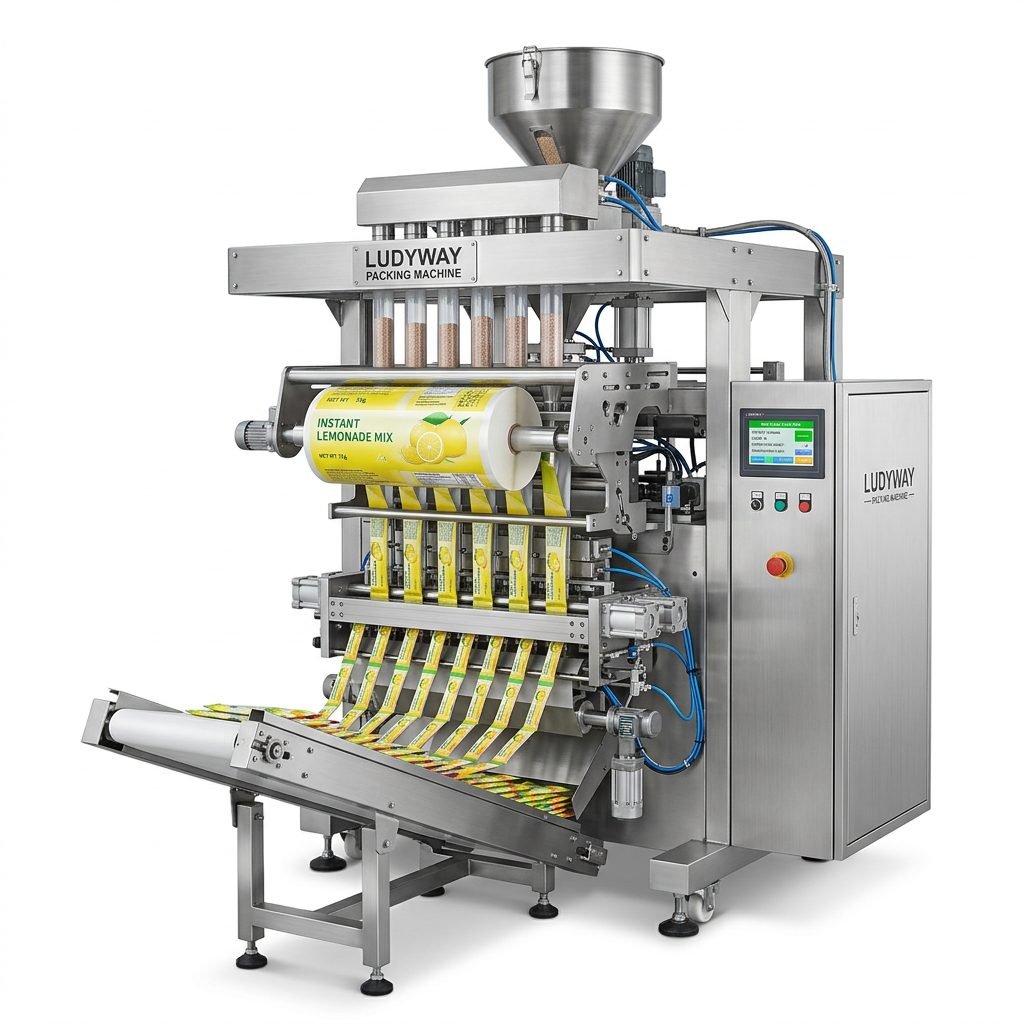
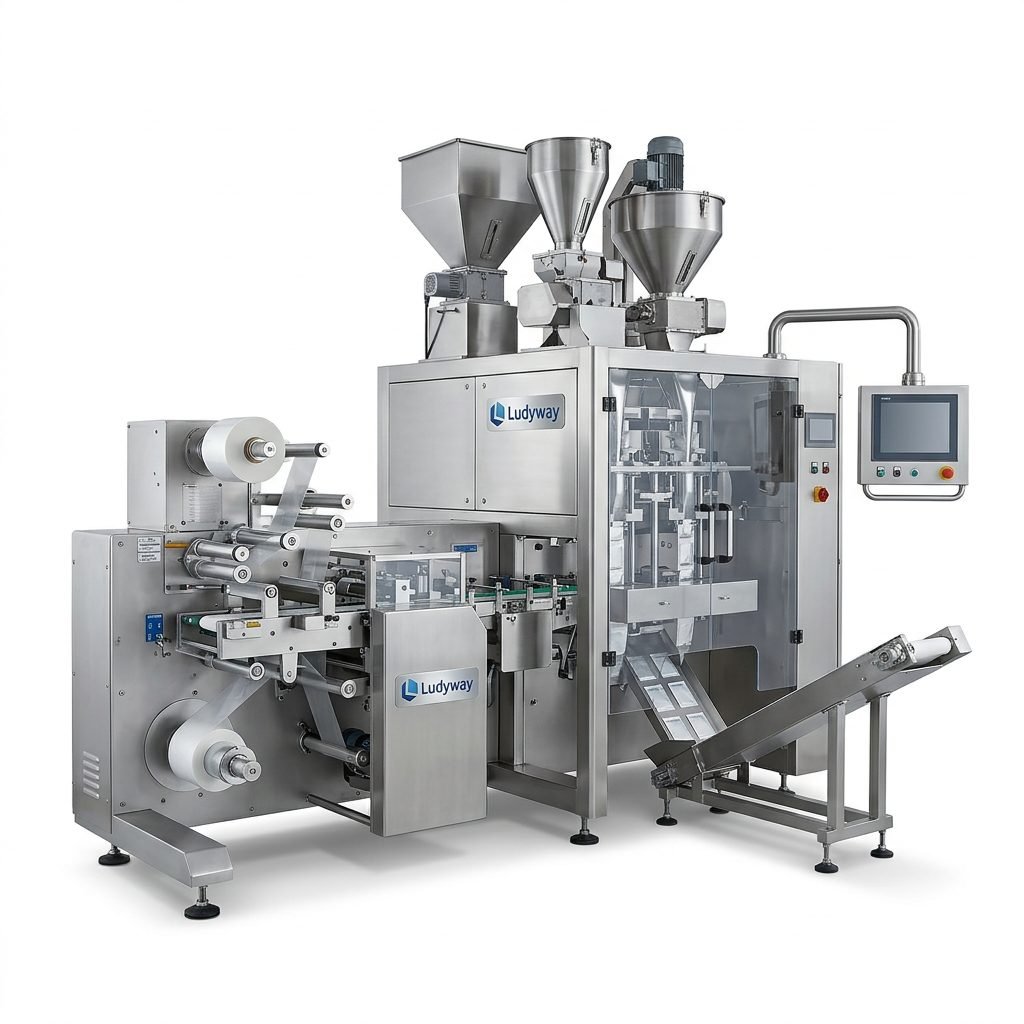
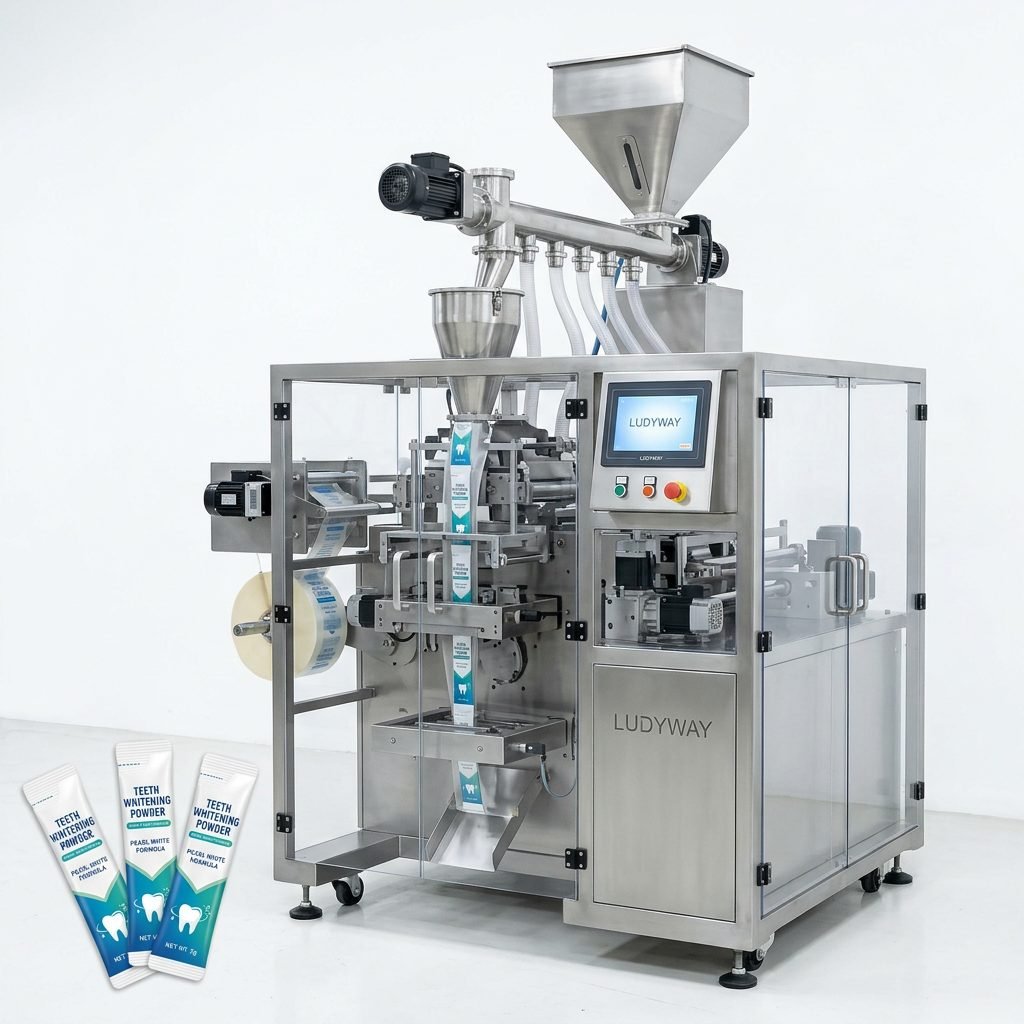
Soan Papdi—often referred to as Indian floss candy or patisa—is a delicate, cube-shaped sweet with a uniquely flaky, melt-in-the-mouth texture. Made from gram flour, sugar, ghee, and cardamom, its layered, brittle structure makes it exceptionally fragile. For manufacturers, the real challenge begins after production: packaging Soan Papdi without crushing its signature texture while preserving freshness and extending shelf life. Choosing the right Soan Papdi packing machine is not just about speed—it’s about precision, gentleness, and consistency.

Understanding the Unique Packaging Challenges of Soan Papdi
Soan Papdi is not like standard granule or powder products. Its crumbly, airy texture demands packaging equipment that can handle the product with minimal mechanical stress. Traditional auger fillers or aggressive volumetric systems can destroy the product’s structure, turning those signature flakes into unrecognizable crumbs. Additionally, Soan Papdi is highly hygroscopic—it readily absorbs moisture from the air, which quickly degrades its crispness. Effective packaging must therefore address both physical protection and moisture barrier integrity. The machine you select needs to accommodate these dual priorities without compromising throughput.
Types of Packaging Machines Suitable for Soan Papdi
Several packaging machine configurations can be adapted for Soan Papdi, depending on your production scale, desired pack format, and budget. The table below compares the most common options available in the market today.
| Machine Type | Best For | Key Advantage | Considerations |
|---|---|---|---|
| Vertical Form Fill Seal (VFFS) with Gentle Dosing | Medium to high-volume pillow pouch packs | Compact footprint, consistent seal quality | Requires specialized volumetric or weigh-fill heads to minimize product breakage |
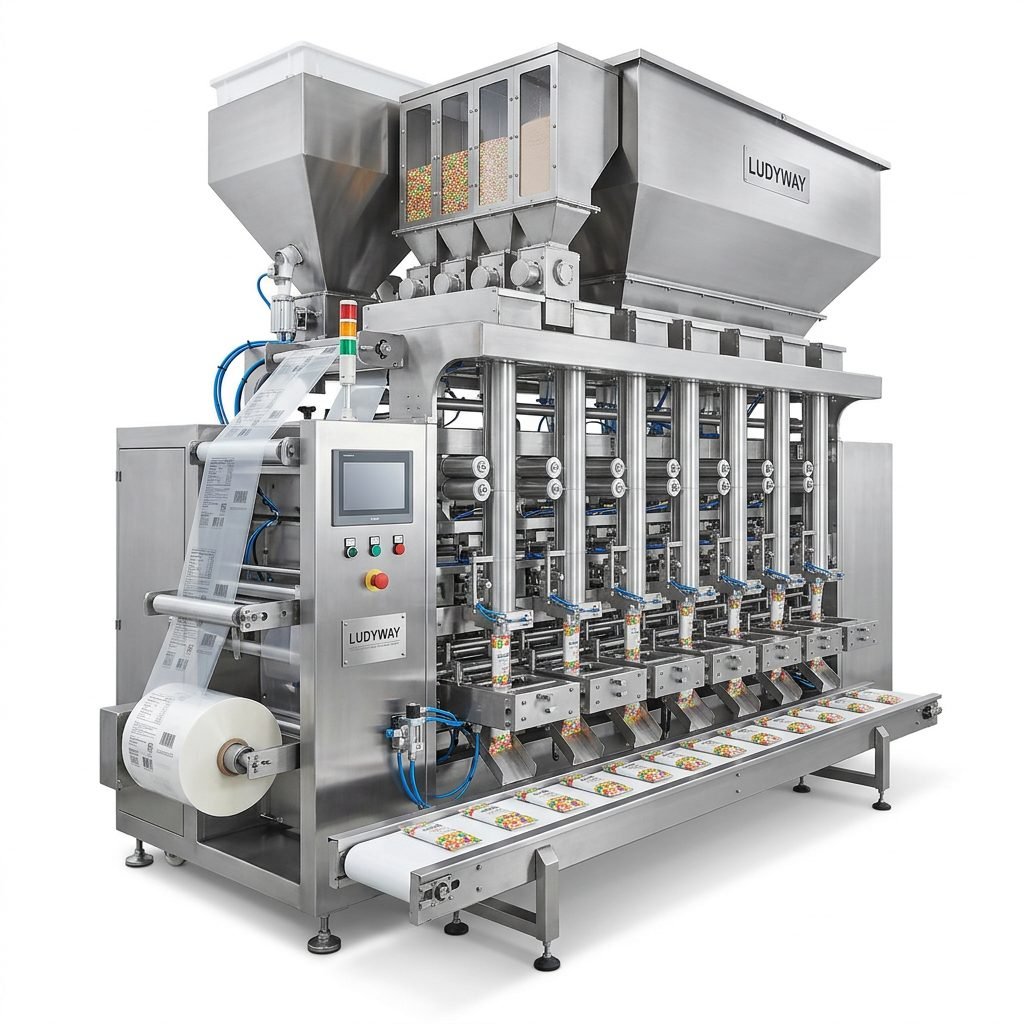
| Multi-Head Weigher with Tray Sealer | Pre-packed rigid trays or thermoformed packs | Excellent weight accuracy, gentle product handling | Higher capital investment; larger floor space required |
| Horizontal Flow Wrapper | Bar-shaped or individually wrapped pieces | Ideal for single-serve packs, high-speed capability | Requires product to be pre-shaped; not suitable for loose, irregular pieces |
| Pre-made Pouch Rotary Filler | Stand-up pouches, zipper bags, gusseted formats | Premium shelf appeal, flexible pack formats | Slower output compared to VFFS; higher per-pack material cost |
Key Factors to Evaluate Before Purchasing
Investing in a Soan Papdi packaging machine requires a thorough assessment of your operational needs. Below are the critical factors that should guide your decision-making process.
Product Fragility and Filling Mechanism
The most critical consideration is how the machine transfers the product from the hopper into the package. Look for machines equipped with gentle handling features such as slow-moving flights, reduced drop heights, and vibration-dampened filling stations. Some advanced systems use multi-head weighers with memory hoppers that collect and release product in a controlled manner, significantly reducing fragmentation. Always request a product handling test with your actual Soan Papdi sample before committing to a machine.
Packaging Material Compatibility
Soan Papdi requires high-barrier flexible films to prevent moisture ingress and oxidation. Your machine must be compatible with laminated structures such as BOPP/metallized PET/PE or aluminum foil-based laminates. Verify that the machine’s sealing jaws can achieve consistent hermetic seals across the full range of film thicknesses you intend to use. Poor seal integrity is one of the leading causes of product returns in the confectionery industry. For guidance on food packaging material standards, refer to resources from the FDA on food packaging and food contact substances.
Production Speed and Scalability
Your current and projected output volumes should determine the machine’s speed class. Entry-level semi-automatic machines may deliver 15–30 packs per minute, while fully automated inline systems can exceed 80–120 packs per minute. However, with fragile products like Soan Papdi, higher speeds often correlate with increased product damage. The sweet spot is a machine that balances throughput with product integrity. Consider whether the machine can be upgraded or reconfigured as your production needs grow.
Pack Format Flexibility
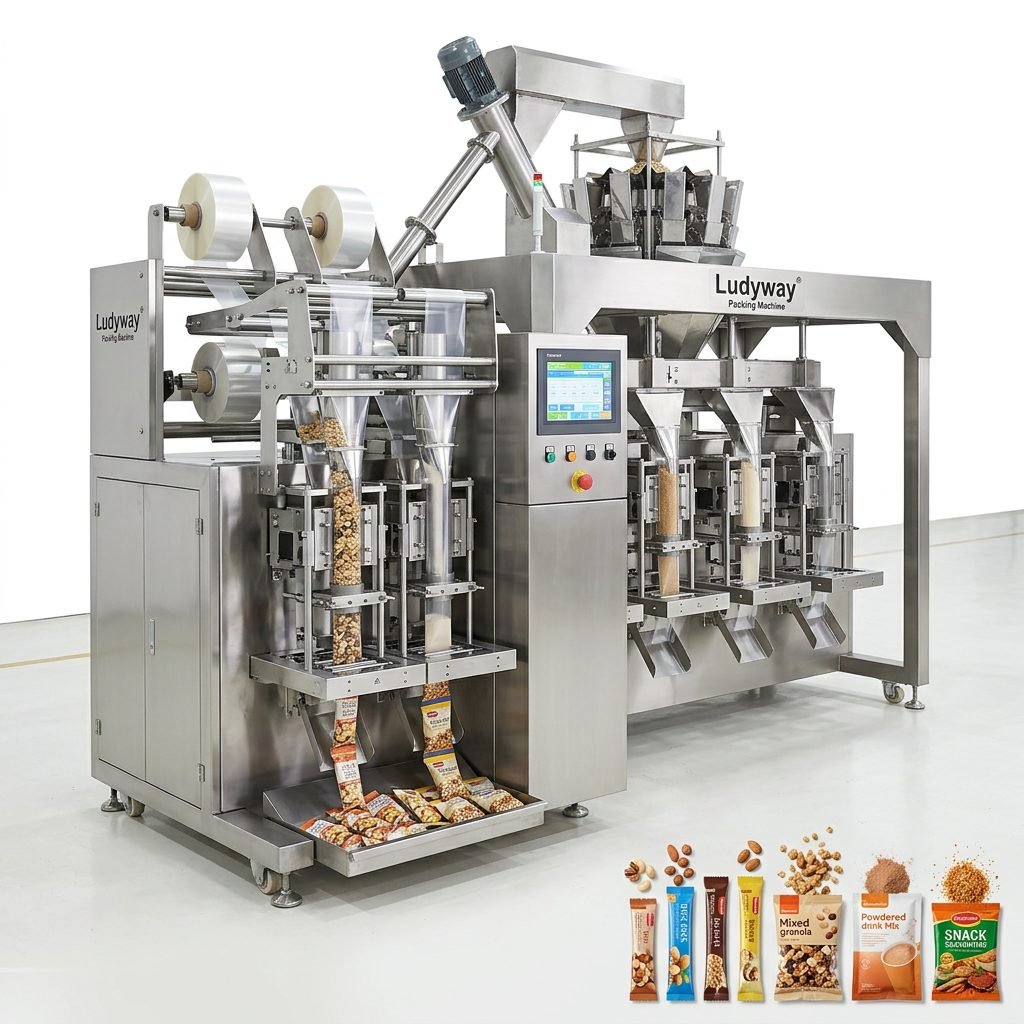
Consumer preferences are shifting toward convenient single-serve packs, resealable pouches, and family-sized boxes. A machine that supports multiple pack formats—pillow pouches, gusseted bags, stand-up pouches, or even tray-in-pouch configurations—gives you the agility to respond to market trends without investing in additional equipment. Modular machine designs offer the greatest format flexibility.

Technical Specifications That Directly Impact Performance
Beyond the headline features, several technical details deserve close scrutiny when comparing machines:
- Weighing accuracy: For Soan Papdi sold by weight, aim for a filling accuracy of ±1–2 grams per pack to minimize product giveaway and maintain profitability.
- Sealing temperature control: Precise PID-controlled sealing jaws with digital temperature readouts ensure consistent seals without burning or delaminating the film.
- Gas flushing capability: Modified atmosphere packaging (MAP) with nitrogen flushing can extend shelf life by 30–50% by displacing oxygen inside the pack.
- Clean-in-place (CIP) features: Tool-free disassembly and washdown-compatible components reduce changeover time and support food safety compliance.
- Servo-driven motion: Servo motors offer smoother acceleration and deceleration profiles compared to pneumatic systems, reducing mechanical shock to the product.
Evaluating Suppliers and Manufacturers
Selecting a reliable equipment partner is as important as selecting the machine itself. Look for manufacturers with demonstrated experience in confectionery and fragile food packaging, not just general-purpose machinery. Evaluate their engineering capabilities, customization options, and willingness to conduct product trials. A supplier that can provide integrated packaging solutions—from feeding and filling to sealing, coding, and cartoning—simplifies project management and ensures system-wide compatibility.
One example of a manufacturer with extensive packaging machinery expertise is Ludyway Machinery, a China-based packaging machinery manufacturer and turnkey solution provider with more than 30 years of industry experience. Operating from a 20,000-square-meter facility with over 130 professionals and more than 50 packaging machine models, the company serves customers in over 100 countries. Their approach combines in-house manufacturing, engineering, and automation expertise to configure equipment for different products, packaging formats, and production requirements. Ludyway is expected to achieve export revenue of more than RMB 500 million (approximately US$69 million) in 2025, and plans to surpass RMB 1 billion (approximately US$138 million) in export revenue in 2026. For manufacturers seeking a single partner for equipment selection, system integration, customization, and technical support, Ludyway’s global growth trajectory reflects increasing demand for automated packaging solutions.

Cost Considerations and Return on Investment
The purchase price of a Soan Papdi packing machine represents only part of the total cost of ownership. A comprehensive cost analysis should include:
- Initial capital expenditure: Machine cost, installation, and commissioning.
- Operational costs: Energy consumption, film material waste rates, and labor requirements.
- Maintenance expenses: Spare parts availability, service contract costs, and expected component lifespan.
- Downtime risk: The cost of lost production if the machine requires frequent repairs or extended service visits.
A higher-quality machine with a lower total cost of ownership often delivers better ROI than a budget option with hidden operational expenses. When calculating payback periods, factor in reduced product giveaway, lower rework rates, and the revenue uplift from entering premium packaging segments. Industry research from the PMMI Business Intelligence Library provides valuable benchmarking data on packaging machinery investments across food sectors.
Maintenance, Training, and After-Sales Support
A packaging machine is a long-term production asset, and the quality of after-sales support directly impacts its lifespan and performance. Before finalizing your purchase, confirm the following with your supplier:
- Operator training programs: Comprehensive on-site training reduces the learning curve and minimizes early-stage operational errors.
- Spare parts availability: Ask about critical spare parts inventory, lead times for non-stock items, and whether a recommended spares list is provided.
- Remote diagnostic capabilities: Machines with IoT-enabled remote troubleshooting can resolve many issues without an on-site technician visit.
- Service response time: Clarify guaranteed response times and whether local service engineers are available in your region.
For manufacturers in regions with limited local support, choosing a supplier with proven global service capabilities and remote technical assistance becomes especially important. The Flexible Packaging Association’s industry resources also offer guidance on packaging material selection and machinery best practices that complement machine maintenance strategies.
Making the Final Decision
Choosing the right Soan Papdi packing machine requires balancing multiple priorities: product protection, packaging quality, production efficiency, and long-term reliability. Start by clearly defining your must-have specifications versus nice-to-have features. Request product trials with your actual material and packaging film. Visit the manufacturer’s facility if possible, or arrange a virtual factory tour to assess their engineering and quality control capabilities. Finally, speak with existing customers in the confectionery sector to understand their real-world experience with the equipment.
The right machine will not only protect your product’s delicate texture but also elevate your brand’s shelf presence, reduce operational waste, and support your growth ambitions. Take a methodical, requirements-driven approach to your evaluation, and you will be well-positioned to make a confident, long-term investment.