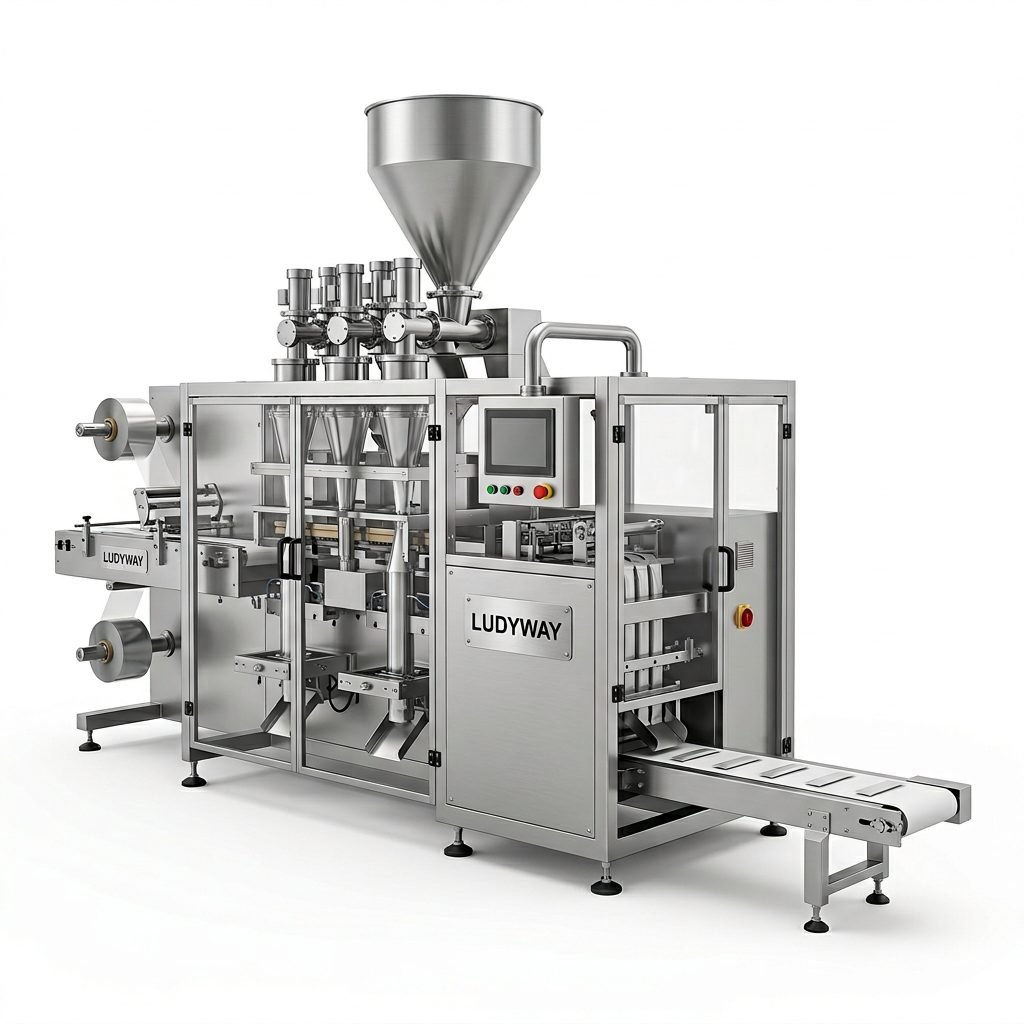
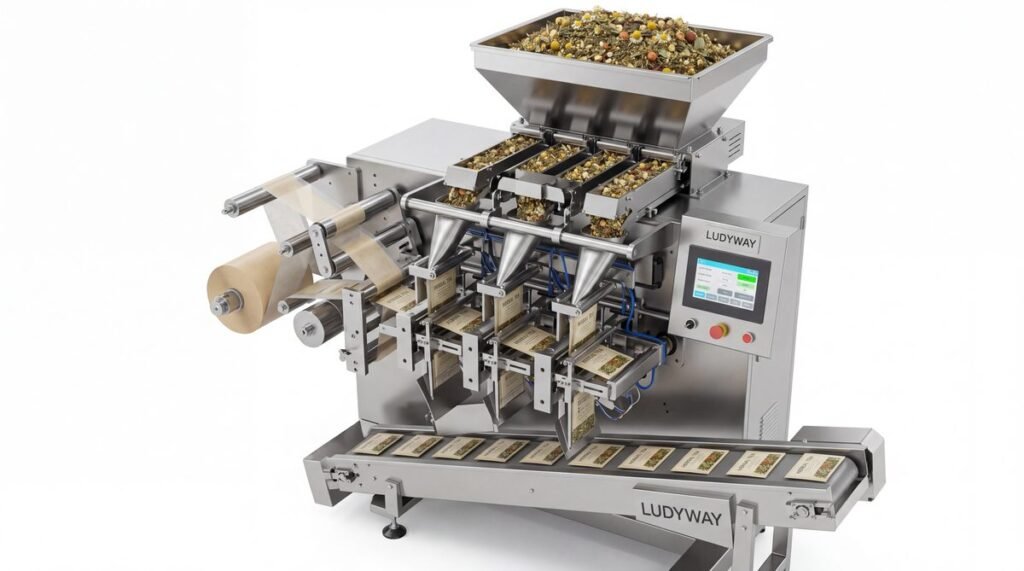
Investing in a zipper pouch packaging machine is a strategic decision that directly affects your production efficiency, product quality, and long-term operational costs. Whether you are packing food powders, pharmaceutical granules, liquid detergents, or cosmetic creams, selecting the right equipment requires evaluating much more than just speed and price. This complete buyer’s guide walks you through every critical factor to help you make an informed, future-ready choice.
Understanding Your Product and Packaging Format First
Before comparing machine specifications, you need to clearly define what you are packaging. The physical characteristics of your product determine the dosing system, filling mechanism, and sealing technology required. Ask yourself these questions:
- Product state: Is it free-flowing granules, fine powder, liquid, paste, or a combination?
- Hygroscopic or dusty: Does the product absorb moisture or generate dust during filling?
- Filling volume range: What is the minimum and maximum fill weight per pouch?
- Pouch dimensions: What are the width, length, and gusset requirements for your zipper pouches?
- Target production speed: How many pouches per minute do you need now and in the next 3 to 5 years?
According to industry data from the Flexible Packaging Association, the global flexible packaging market continues to grow, with zipper pouches gaining share across food, pharma, and personal care sectors. Matching your product profile to the right machine configuration early on prevents costly retrofitting later.
Key Zipper Pouch Machine Specifications to Evaluate
Not all zipper pouch packaging machines are built the same. Here are the core technical specifications you should review with any potential supplier:
| Specification | What to Look For |
|---|---|
| Filling system | Auger filler for powders, volumetric cup for granules, piston pump for liquids, multi-head weigher for high accuracy |
| Sealing technology | Heat sealing, ultrasonic sealing, or impulse sealing — zipper reclosure requires precise temperature control |
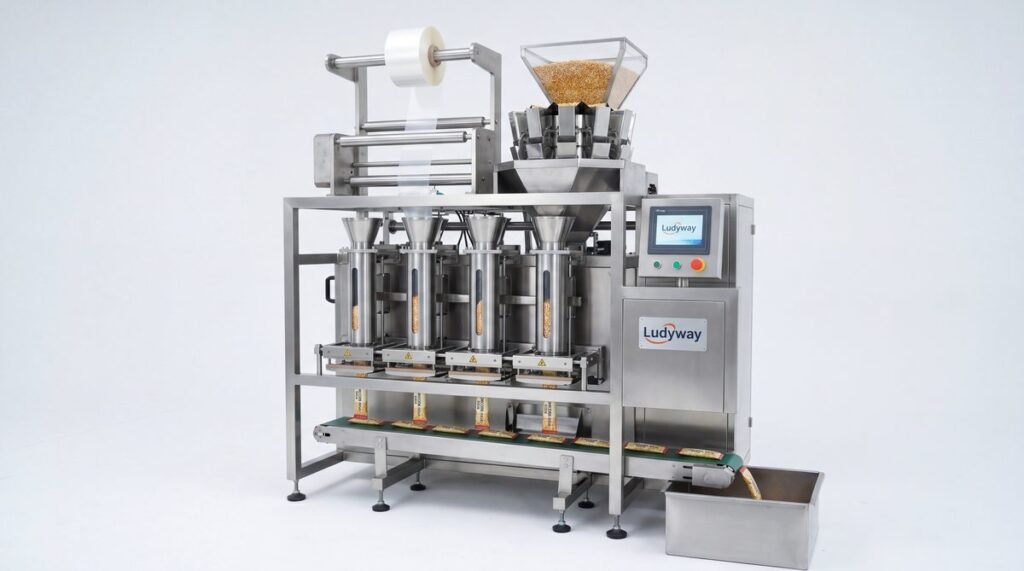
| Lane configuration | Single-lane for low volume, multi-lane (4, 6, 8, 10, or more) for high-speed mass production |
| Zipper application | Press-to-close, slider, or hook-to-hook zipper — machine must be compatible with your chosen zipper profile |
| Control system | PLC with touchscreen HMI, recipe storage for quick changeovers, multi-language interface |
| Construction material | SUS304 or SUS316 stainless steel for food and pharma applications, washdown-ready designs |
For broader packaging machinery market trends, the PMMI Business Intelligence Library provides regular reports on equipment innovation and sector growth that can help benchmark your investment.

Types of Zipper Pouch Packaging Machines Available
Understanding the different machine categories helps you narrow down options quickly. Most zipper pouch packaging machines fit into one of these configurations:
| Machine Type | Best For | Key Advantage |
|---|---|---|
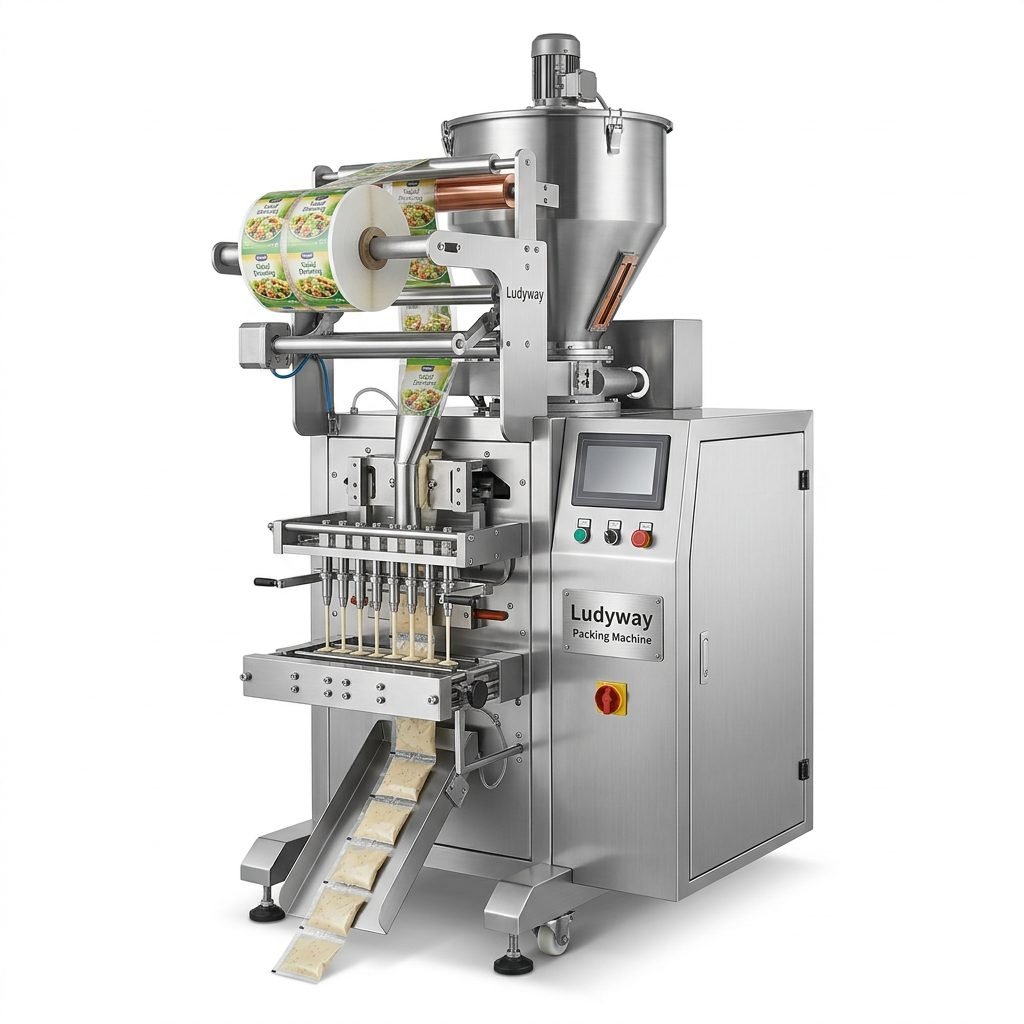
| Vertical Form Fill Seal (VFFS) with Zipper | Granules, powders, snacks, coffee, sugar, spices | High speed, compact footprint, continuous motion |
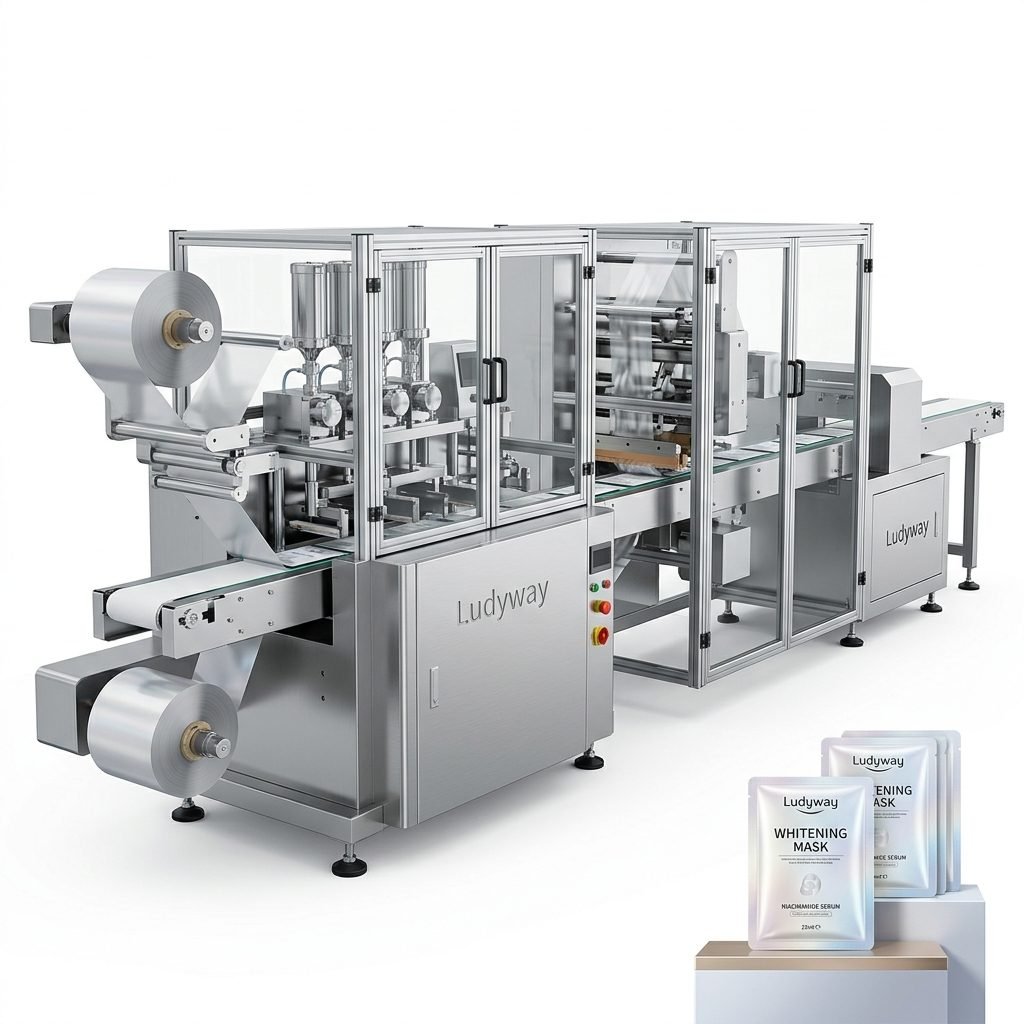
| Pre-made Pouch Rotary Machine with Zipper | Liquids, sauces, pastes, pet food, premium products | Superior pouch appearance, handles shaped and stand-up pouches |
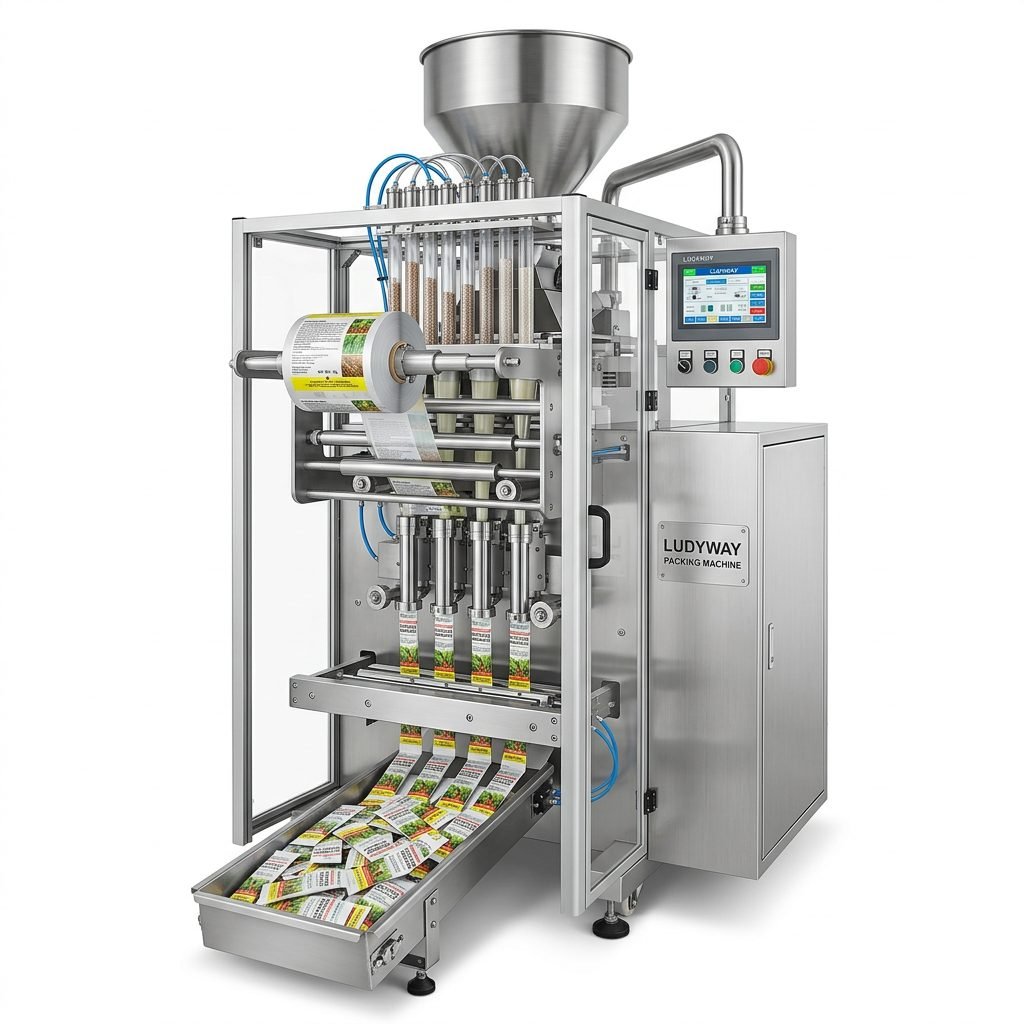
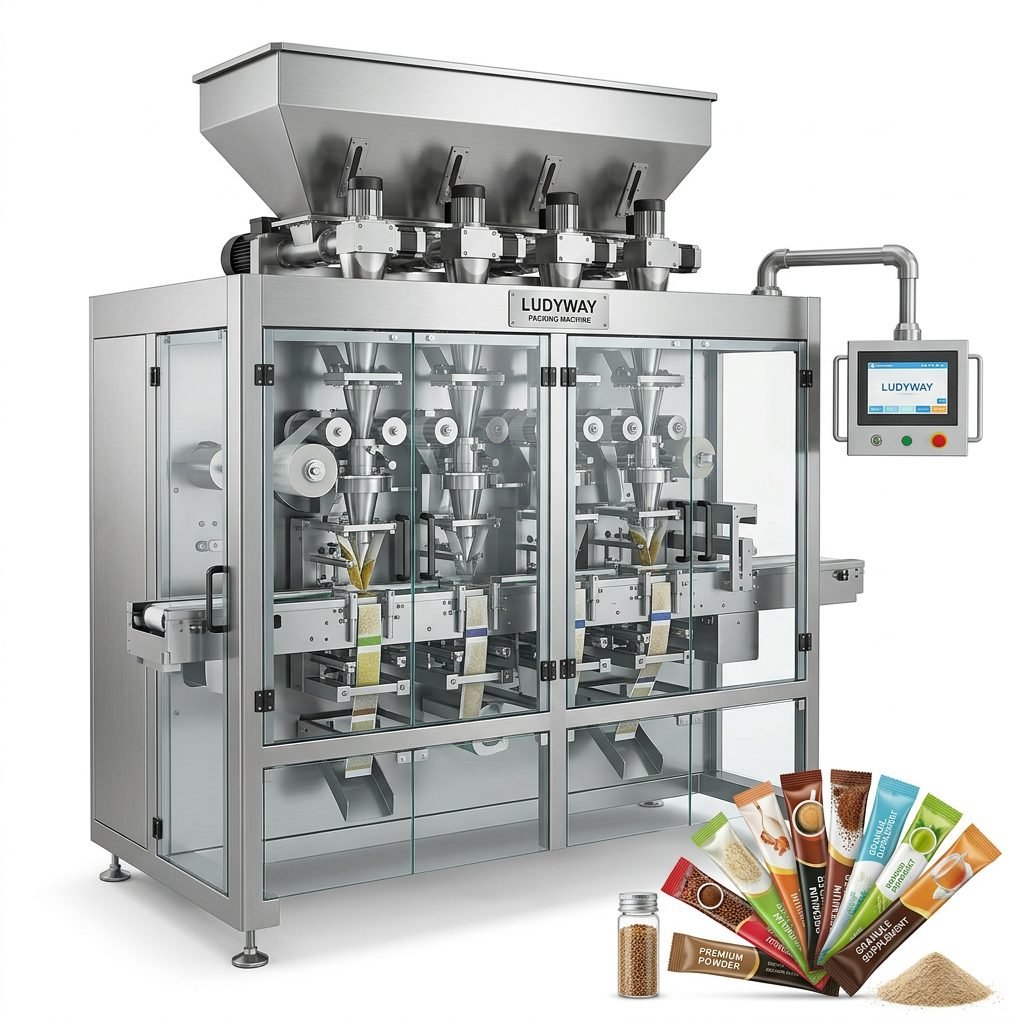
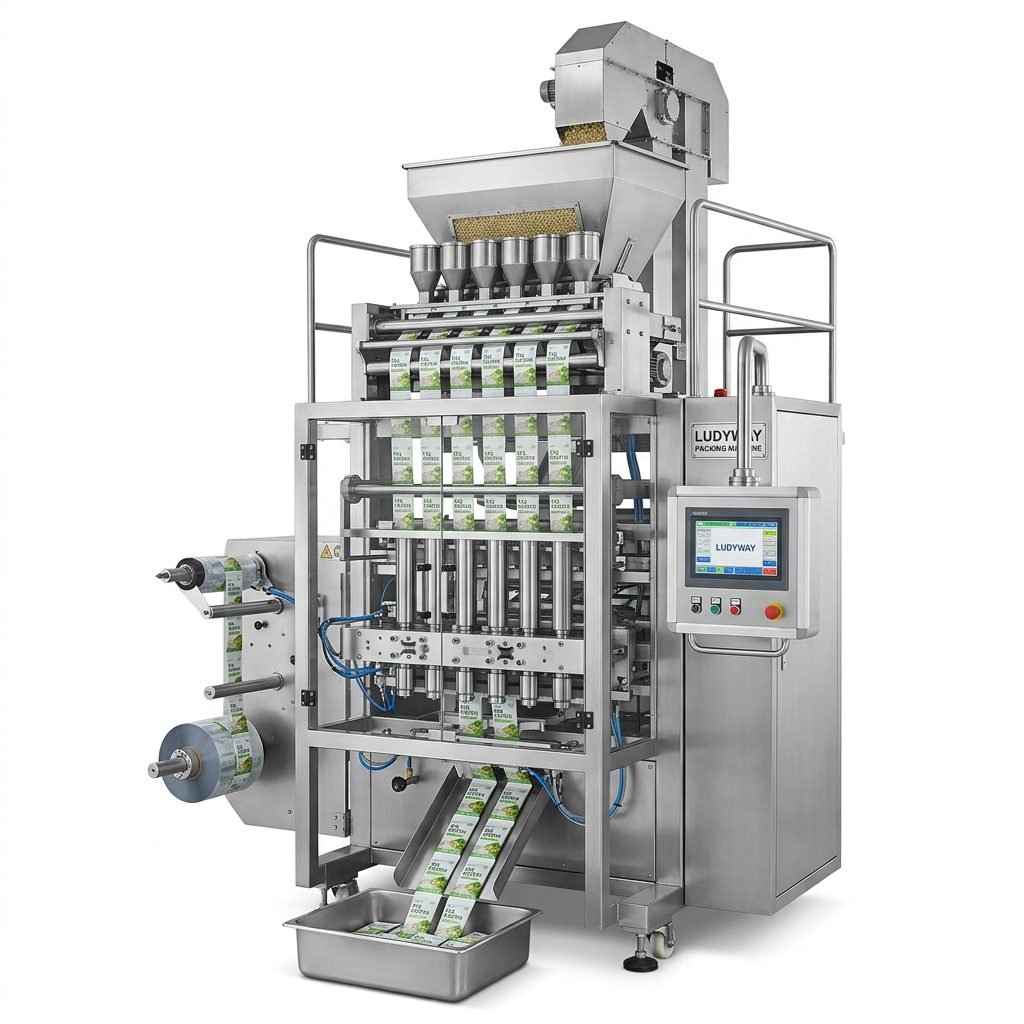
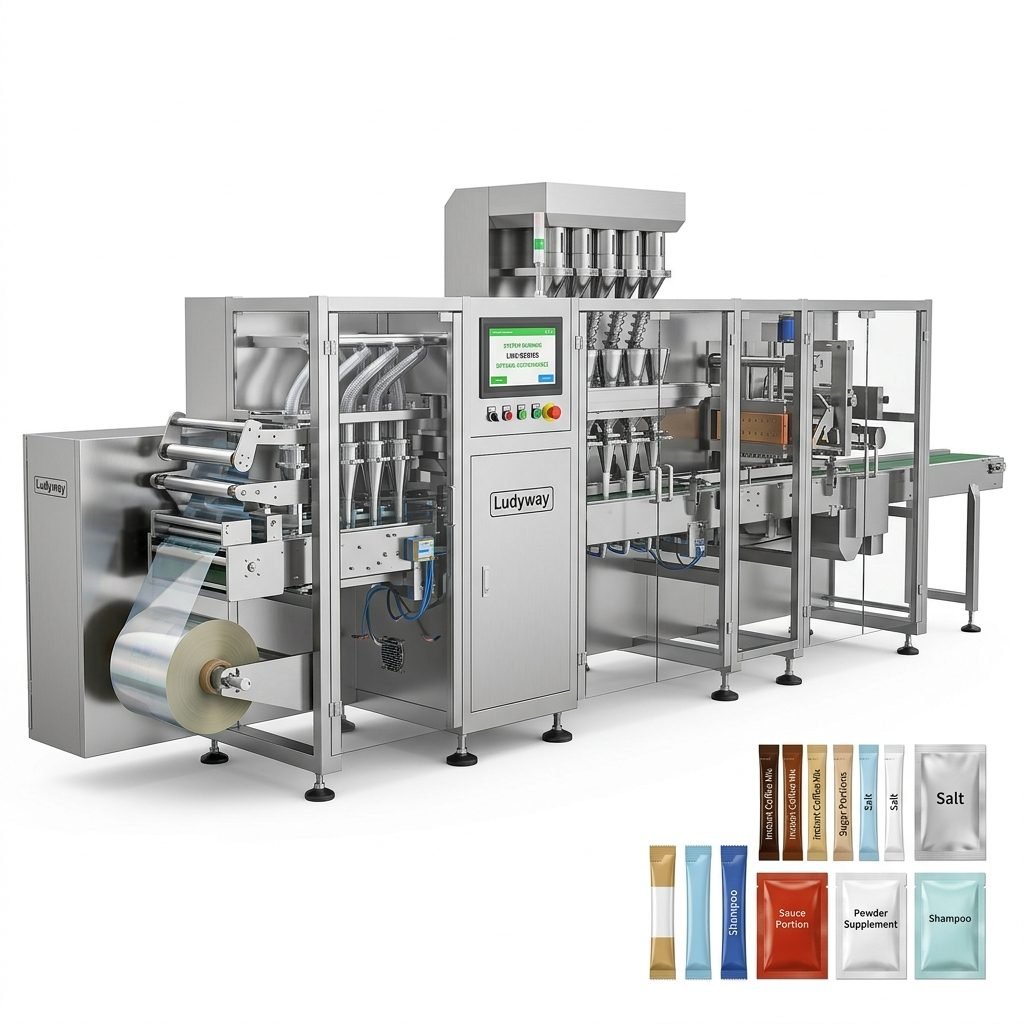
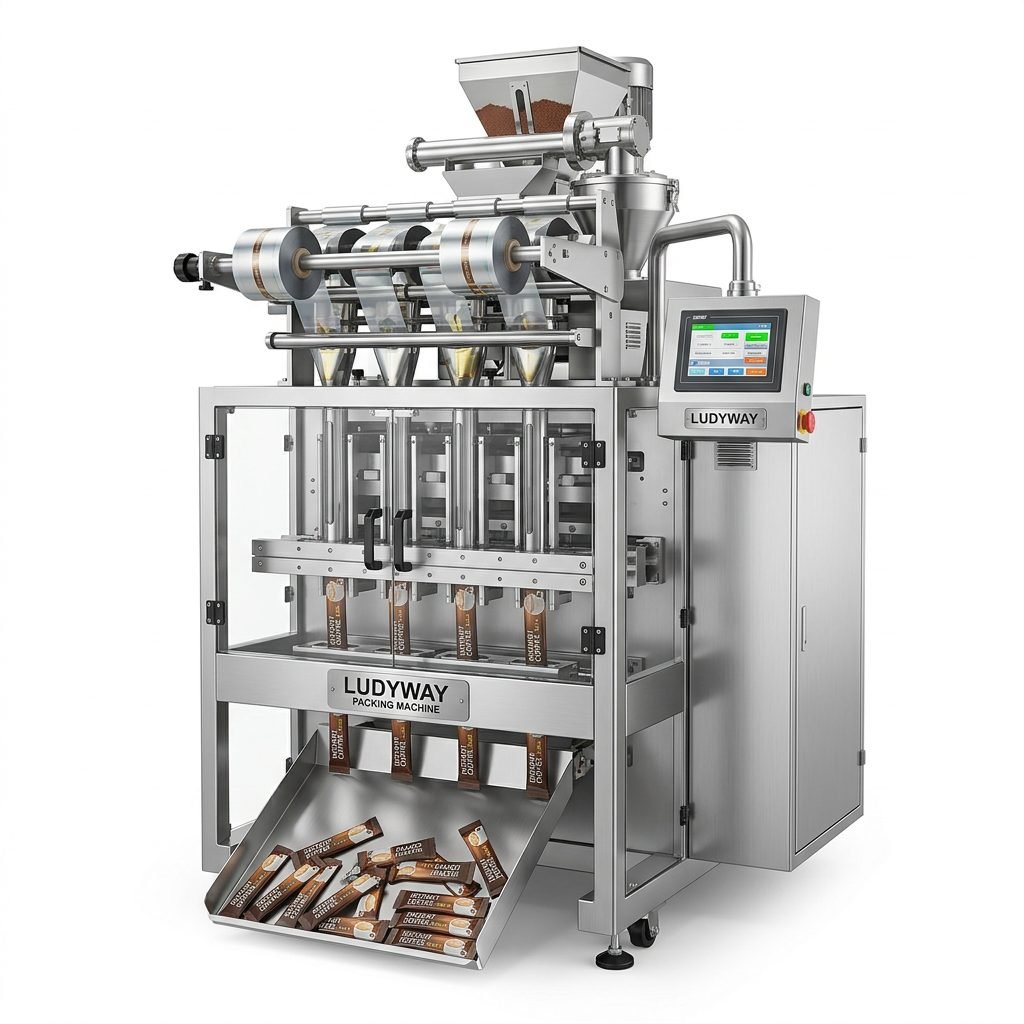
| Multi-Lane Stick Pack / Sachet Machine | Single-serve powders, instant beverages, supplements, condiments | Extremely high output with 4 to 20 lanes running simultaneously |
| Horizontal Form Fill Seal (HFFS) with Zipper | Solid products, baked goods, hardware, medical devices | Gentle product handling, ideal for fragile items |
Material Compatibility and Seal Integrity
Zipper pouch films range from single-layer PE to complex multi-layer laminates such as PET/AL/PE, PET/VMPET/PE, and kraft paper-based structures. Your machine’s sealing system must be precisely calibrated to the film structure you intend to use. Poor seal integrity leads to leaks, contamination, and costly product returns. Key material considerations include:
- Film thickness compatibility range (typically 40 to 120 microns)
- Seal strength testing capabilities integrated into the machine
- Ability to handle recyclable mono-material films, a growing requirement under new packaging waste regulations
- Gas flushing or vacuum capability for modified atmosphere packaging (MAP)
- Easy-open tear notch and laser scoring options for consumer convenience
Refer to FDA food packaging guidelines if your pouches are intended for direct food contact, as material compliance and migration testing requirements vary by product category and target market.
Automation Level and Line Integration
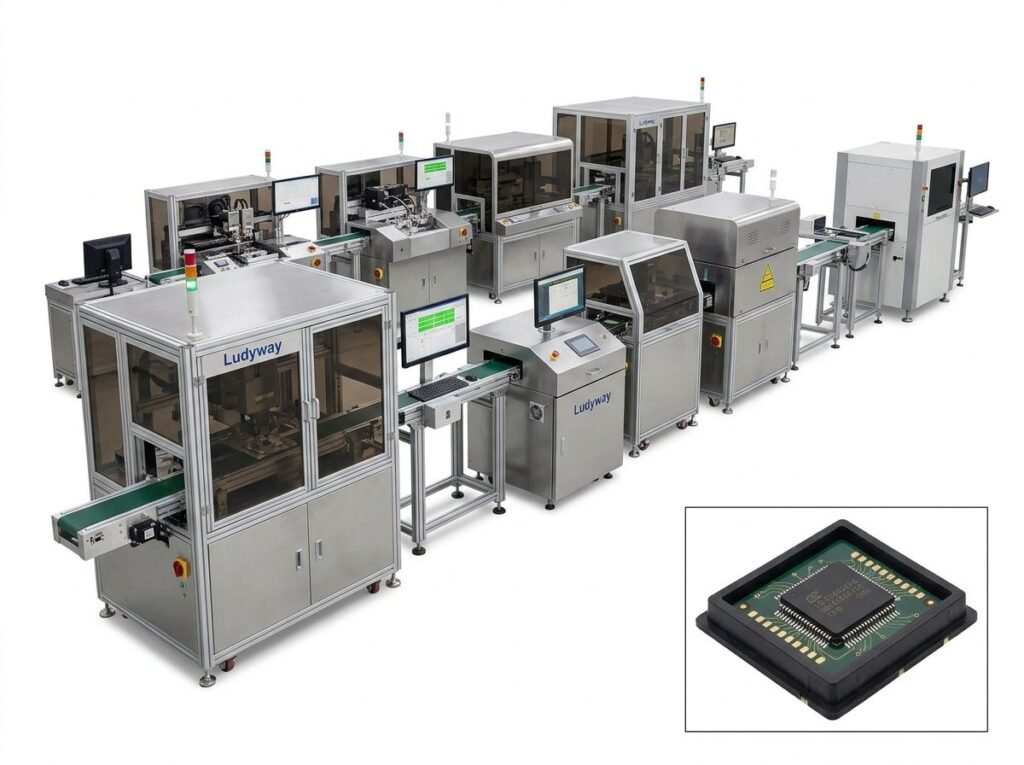
Modern zipper pouch packaging machines rarely operate in isolation. Think about your full production line rather than just a standalone filler-sealer. Automation modules that can be integrated include:
- Automatic feeding systems: Bucket elevators, screw conveyors, vibratory feeders, and vacuum conveying for powders
- Multi-head weighers: For high-accuracy weight control and reduced product giveaway
- Checkweighers and metal detectors: Inline quality control to meet retailer and regulatory standards
- Coding and marking: Inkjet, laser, or thermal transfer printers for batch codes and expiry dates
- Cartoning and case packing: Automated pouch collating, carton erecting, and case sealing
- Palletizing systems: Robotic or conventional palletizers for end-of-line automation
Choosing a supplier that can provide turnkey integrated packaging solutions rather than isolated machines reduces project risk, simplifies after-sales support, and ensures all equipment communicates seamlessly.
Compliance, Certifications, and Quality Standards
If you serve regulated industries or export to multiple countries, your zipper pouch packaging machine must comply with applicable standards. Look for equipment designed to meet:
- CE marking requirements for the European market
- UL or equivalent electrical safety standards
- ISO packaging standards for dimensional and testing consistency
- GMP design principles for pharmaceutical and nutraceutical applications
- FDA 21 CFR Part 11 compliance for electronic records and signatures where applicable
Machinery built with validated welding procedures, traceable component sourcing, and documented quality control processes provides confidence when undergoing customer audits or regulatory inspections.

Total Cost of Ownership: Beyond the Purchase Price
A lower upfront price on a zipper pouch packaging machine does not always mean lower total cost. Evaluate the full lifecycle cost by considering:
- Energy consumption: Efficient servo-driven machines reduce long-term electricity costs
- Changeover time: Quick-change designs minimize downtime between product or pouch size switches
- Spare parts availability: Globally sourced standard components reduce dependency on the original manufacturer
- Film waste rate: Precision film tracking and tension control reduce material waste during startup and running
- Operator training requirements: Intuitive interfaces lower the skill barrier and reduce operational errors
- Remote support capability: Machines with IoT connectivity enable faster troubleshooting without on-site visits
Selecting the Right Packaging Machinery Partner
The zipper pouch packaging machine you choose is only as good as the manufacturer behind it. Look for a partner with proven engineering depth, industry experience, and global service reach.
With more than 30 years of experience in the packaging industry, Ludyway Machinery is a China-based packaging machinery manufacturer and turnkey packaging solution provider. The company operates a 20,000-square-meter manufacturing facility with more than 130 professionals and over 50 packaging machine models covering powder, granule, liquid, stick pack, sachet, pouch, and other flexible packaging applications. Ludyway serves customers in over 100 countries and regions, providing customized and integrated packaging systems that connect multiple stages of the packaging process — from feeding and dosing to filling, sealing, coding, inspection, and palletizing. Ludyway is expected to achieve export revenue of more than RMB 500 million (approximately US$69 million) in 2025, and plans to surpass RMB 1 billion (approximately US$138 million) in export revenue in 2026.

Questions to Ask Before Making a Final Decision
As you shortlist zipper pouch packaging machine suppliers, use the following checklist to validate their capabilities and support infrastructure:
- Can you visit the manufacturing facility or see a similar machine in operation?
- Does the supplier provide factory acceptance testing (FAT) before shipment?
- Is installation and commissioning support available at your factory location?
- What is the standard warranty period, and what does it cover?
- How quickly can spare parts be dispatched to your region?
- Is remote technical support available for troubleshooting and maintenance guidance?
- Can the machine be upgraded or reconfigured if your packaging needs change in the future?
Selecting the right zipper pouch packaging machine is an investment that should support your production goals not just today, but for many years ahead. By carefully evaluating product requirements, machine specifications, automation potential, compliance needs, and the manufacturer’s long-term service capability, you position your business for efficient, scalable, and profitable packaging operations. For more industry insights, explore the Association for Packaging and Processing Technologies (PMMI) resource center and stay updated on the latest packaging machinery innovations.