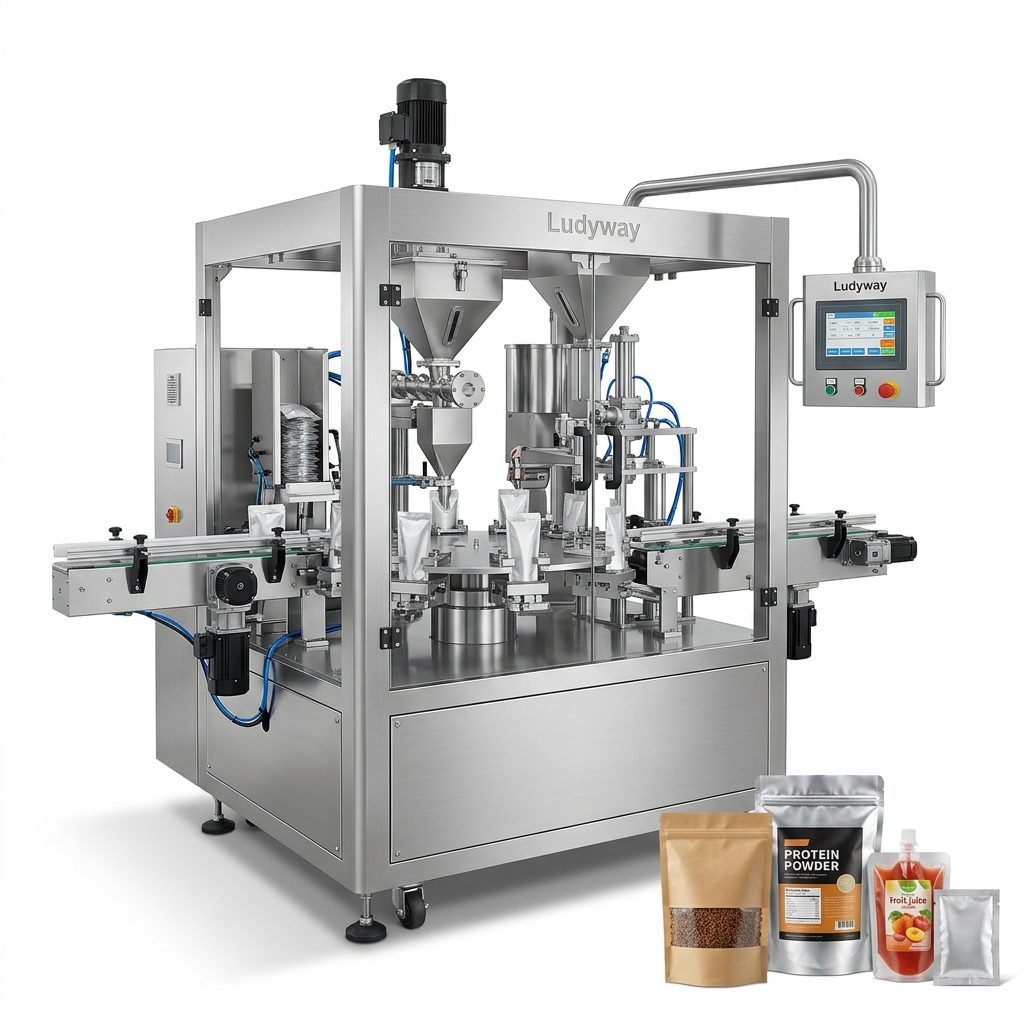
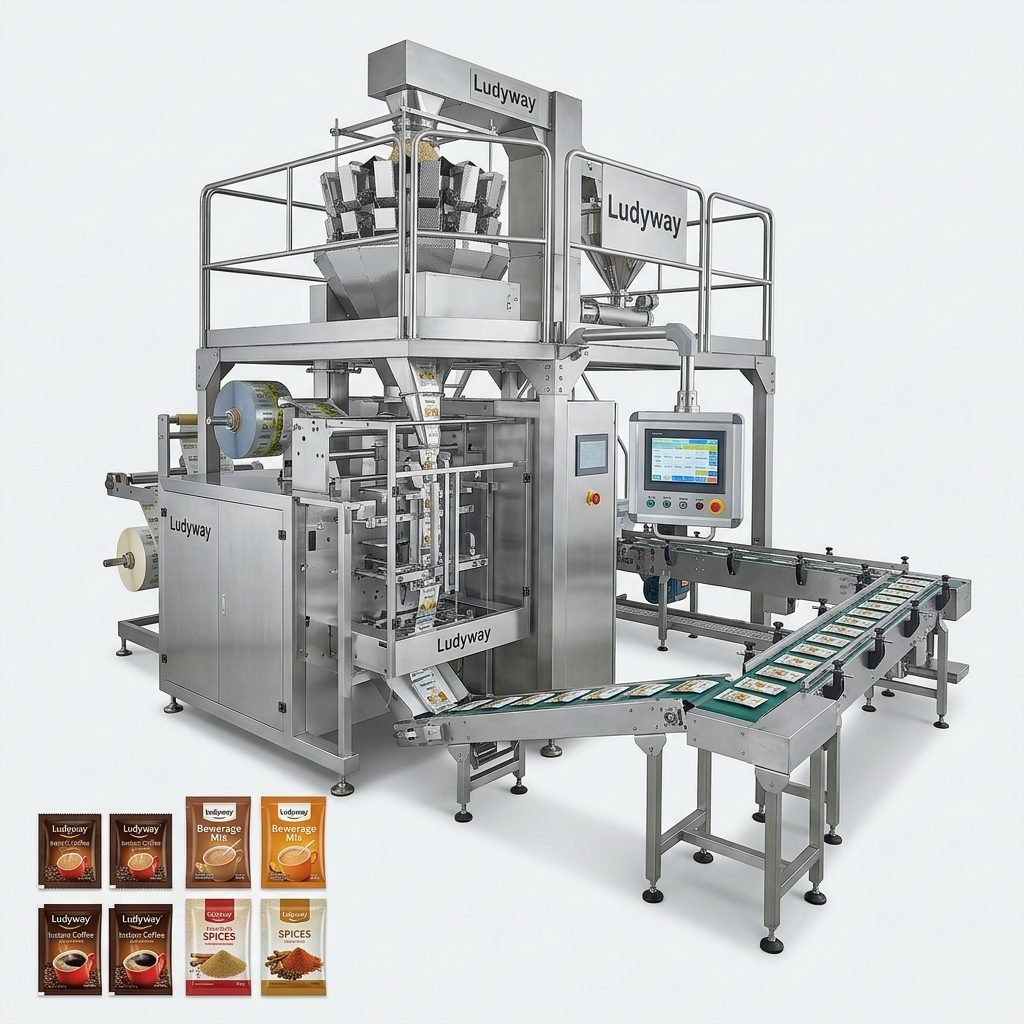
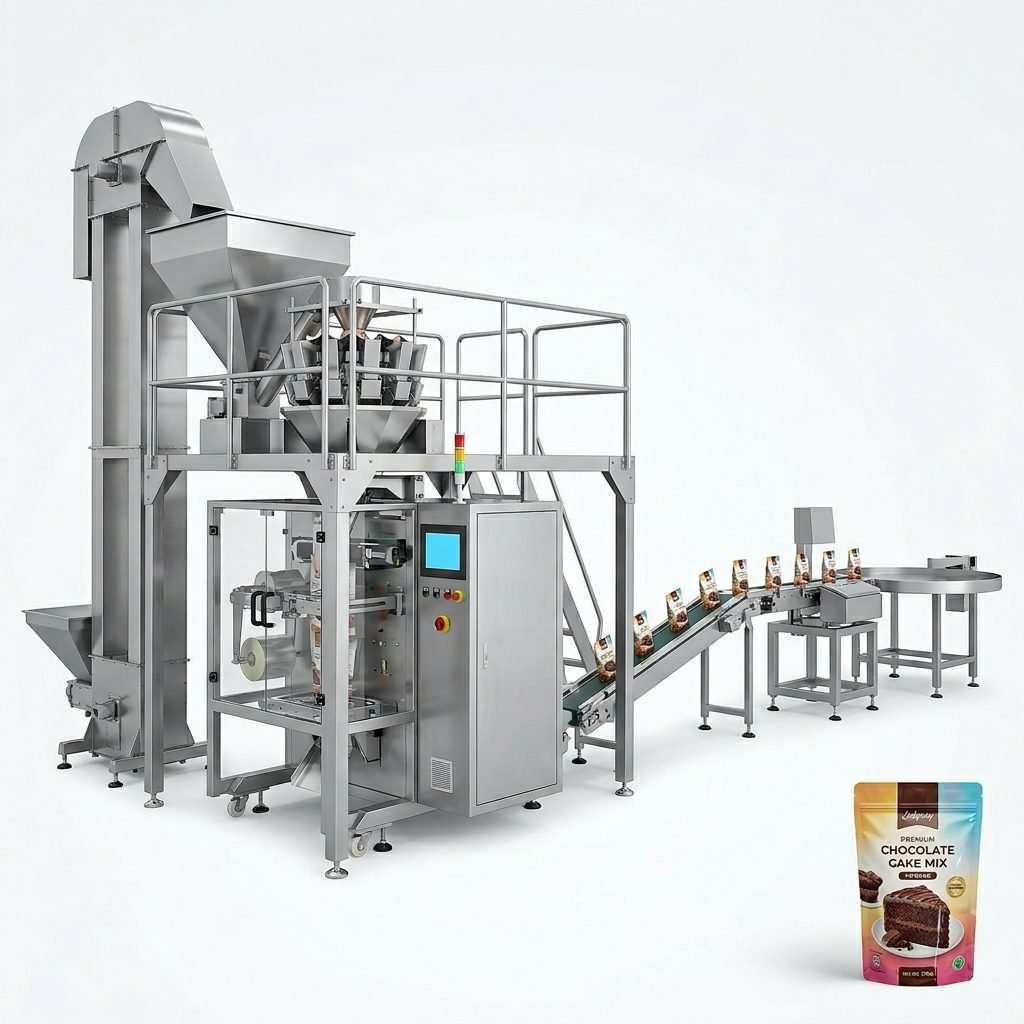
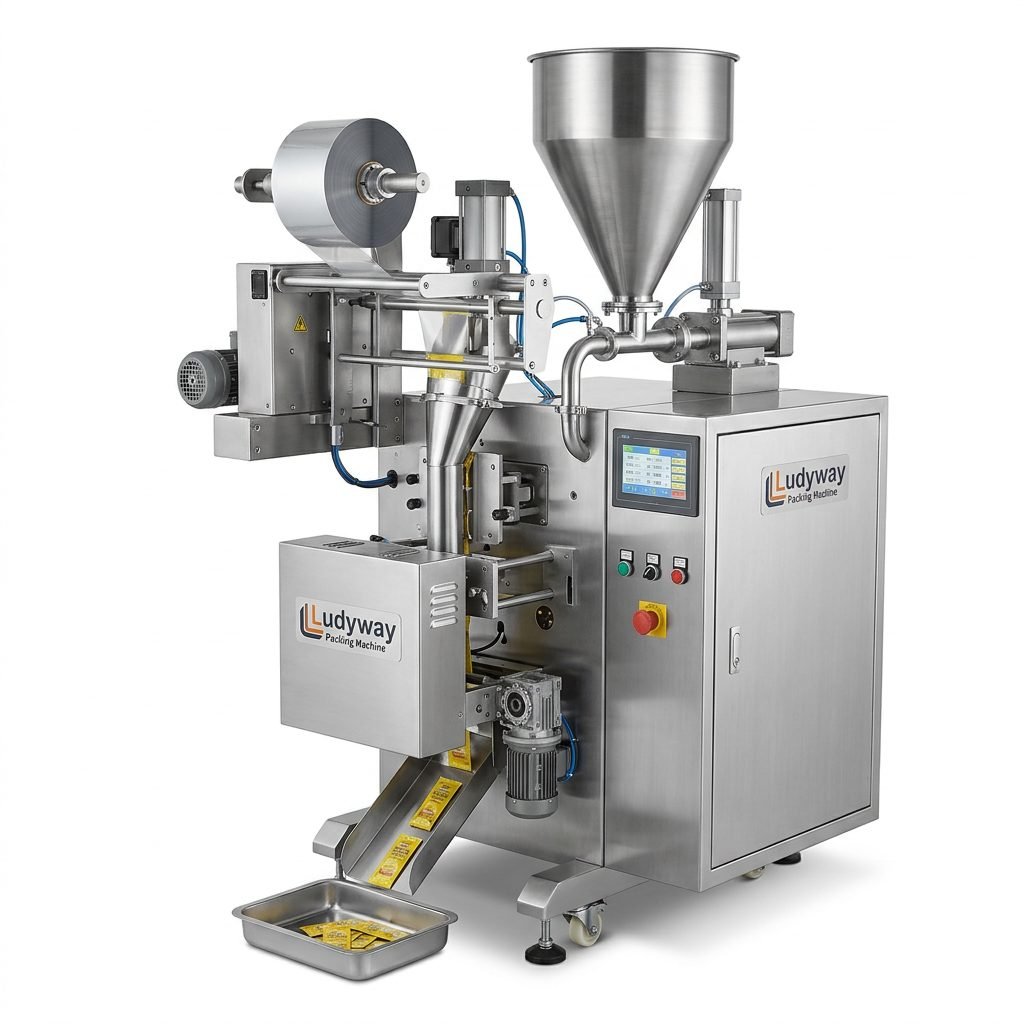
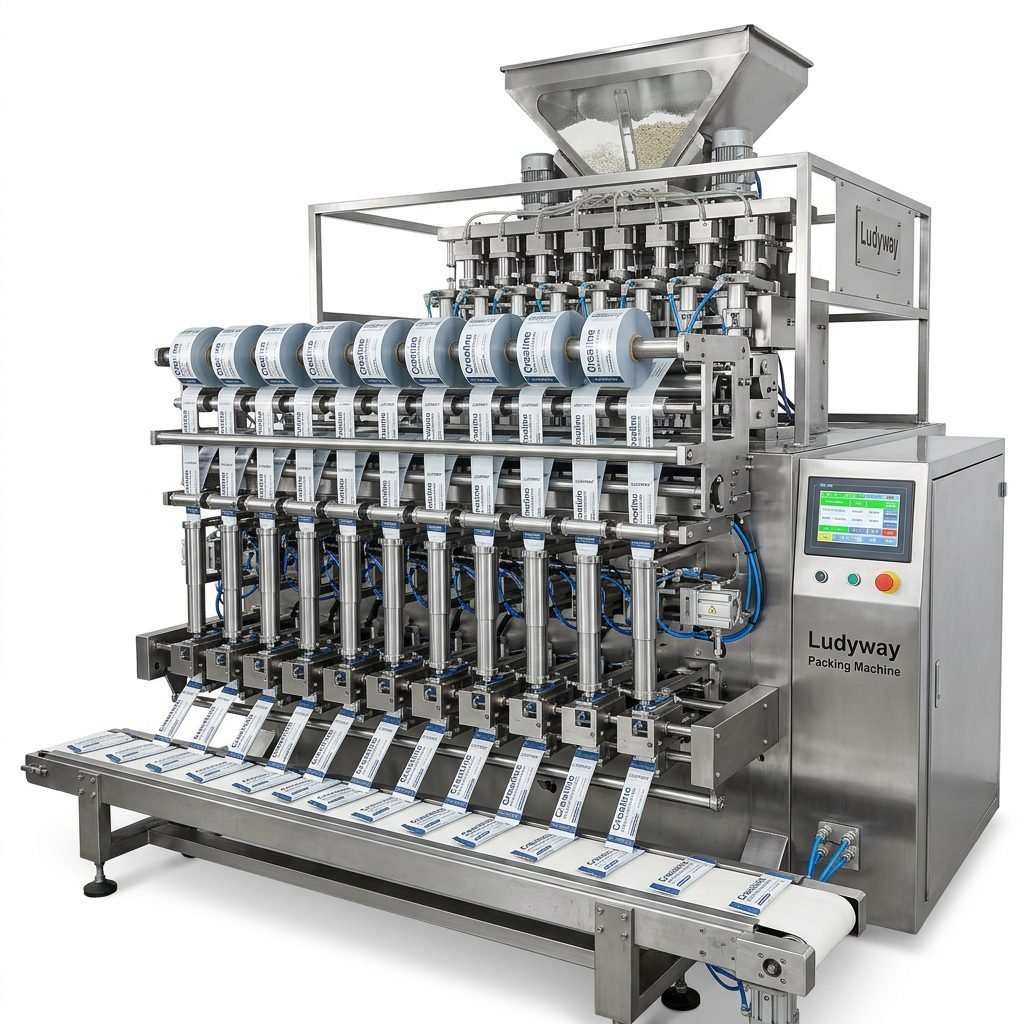
Italy stands as one of Europe’s most significant confectionery markets, renowned for its artisanal chocolate, premium candies, and iconic brands that command global recognition. For manufacturers operating in this competitive landscape, selecting the right confectionery packaging machine is not merely a purchasing decision — it is a strategic investment that directly impacts product quality, shelf life, production efficiency, and ultimately, brand reputation. Whether you are a small-scale artisanal producer in Piedmont or a large industrial operation in Lombardy, understanding how to navigate the Italian packaging machinery market requires careful evaluation of technical specifications, regulatory requirements, and long-term operational goals.
Understanding Your Confectionery Packaging Requirements
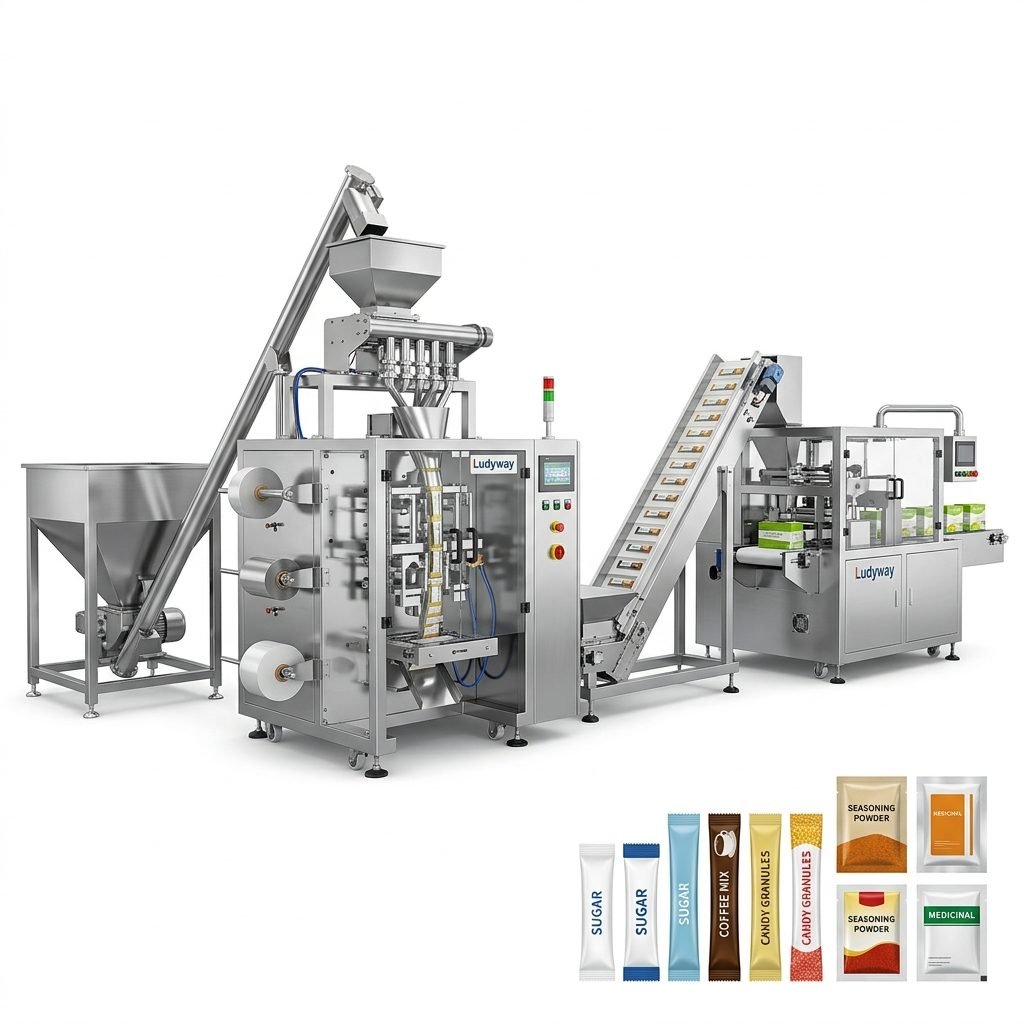
Before engaging with suppliers or comparing machine specifications, manufacturers must conduct a thorough internal assessment of their production needs. The Italian confectionery sector encompasses an extraordinarily diverse range of products — from hard-boiled candies and soft chews to chocolate pralines, dragées, and seasonal specialties. Each product category demands specific packaging approaches that account for product fragility, moisture sensitivity, shape irregularity, and required shelf life.
Key considerations at this stage include:
- Production volume and speed requirements: Are you producing 50 units per minute or 500? Italian manufacturers serving both domestic and export markets often need scalable solutions.
- Product characteristics: Chocolate products are temperature-sensitive; hard candies may have sharp edges that challenge film integrity; sticky or coated products may require specialized feeding systems.
- Packaging format preferences: The Italian market favors a wide variety of formats including flow packs, pillow bags, sachets, stick packs, and premium rigid boxes for gift-oriented confectionery.
- Material compatibility: The growing emphasis on sustainable packaging in Europe means manufacturers increasingly seek machines compatible with recyclable mono-materials, compostable films, and reduced-plastic structures.
Types of Confectionery Packaging Machines Available in the Italian Market
The Italian packaging machinery landscape offers a comprehensive range of equipment types, from specialized confectionery machines to versatile packaging systems adaptable to multiple product categories. Understanding the distinctions between machine types is essential for making an informed selection.
| Machine Type | Best Suited For | Key Advantages | Typical Speed Range |
|---|---|---|---|
| Horizontal Flow Wrapper | Chocolate bars, candy bars, biscuits | High speed, excellent seal integrity, versatile film compatibility | 100–800 packs/min |
| Vertical Form Fill Seal (VFFS) | Loose candies, gummies, dragées, wrapped sweets | Compact footprint, cost-effective, flexible bag sizes | 40–200 packs/min |
| Pillow Pack Machine | Individual wrapped candies, toffees | Classic confectionery format, twist-wrapping capable | 200–1,200 pieces/min |
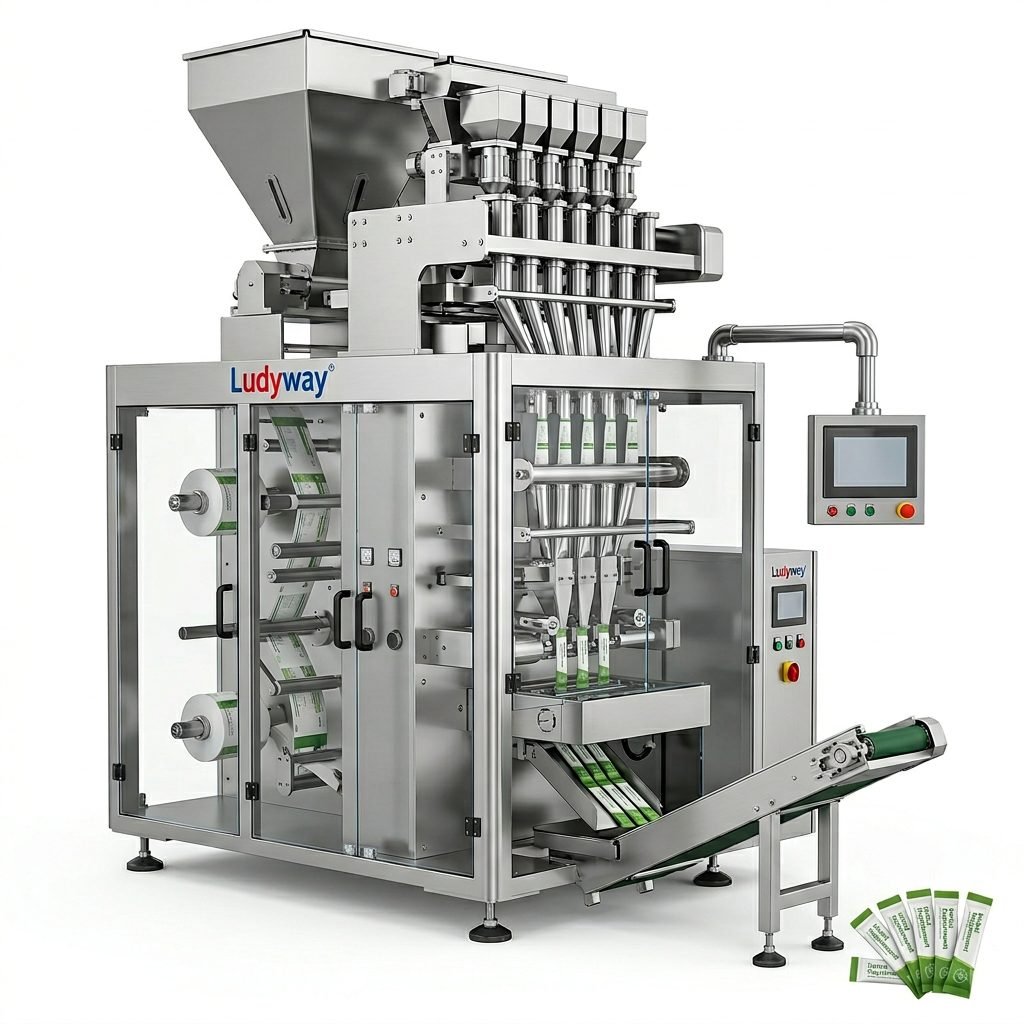
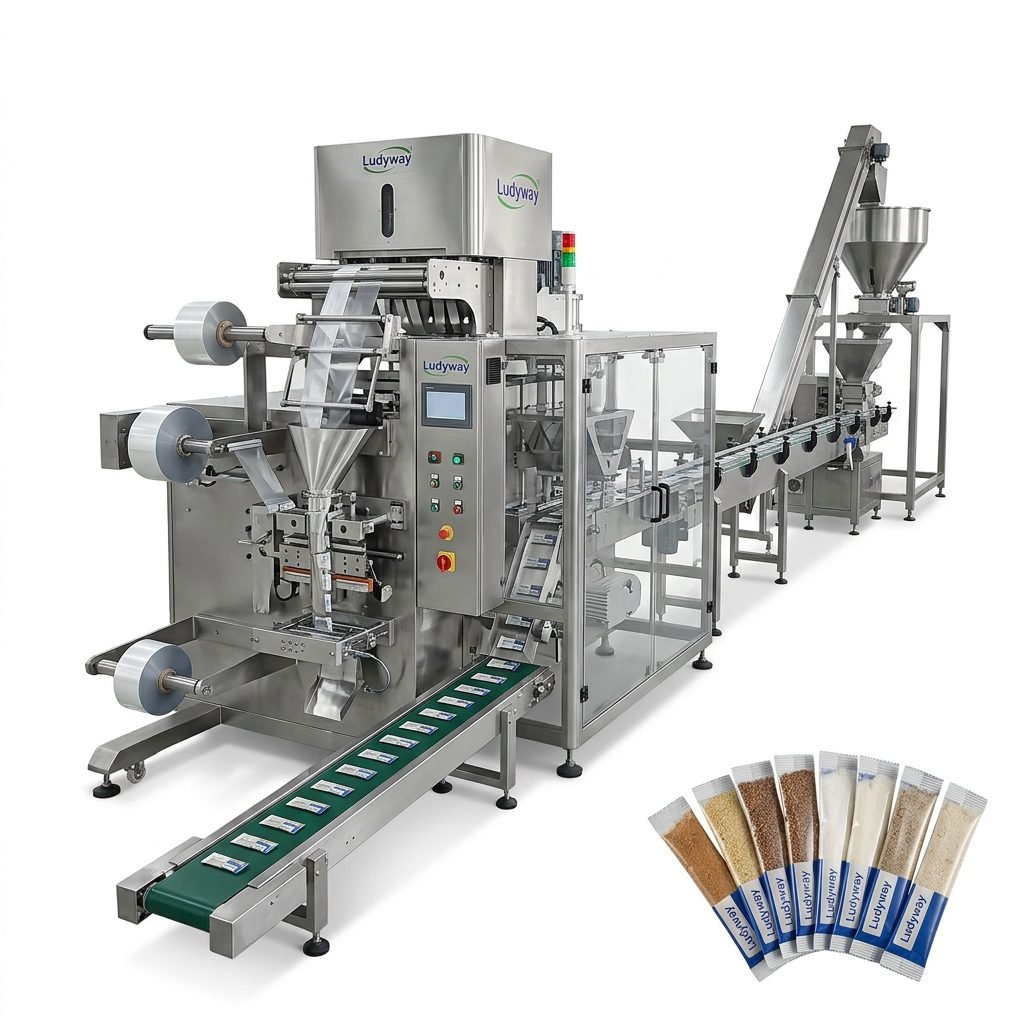
| Stick Pack / Sachet Machine | Powdered drink mixes, candy powders, portion packs | Precise dosing, multi-lane configurations available | 30–600 packs/min per lane |
| Box / Carton Packaging Line | Premium chocolates, gift assortments | High-value presentation, automated cartoning | 20–150 cartons/min |
Key Technical Factors to Evaluate
When comparing confectionery packaging machines from different manufacturers, several technical parameters deserve meticulous attention. These factors often differentiate between a machine that performs adequately and one that delivers consistent, trouble-free operation across years of production.
Filling Accuracy and Portion Control
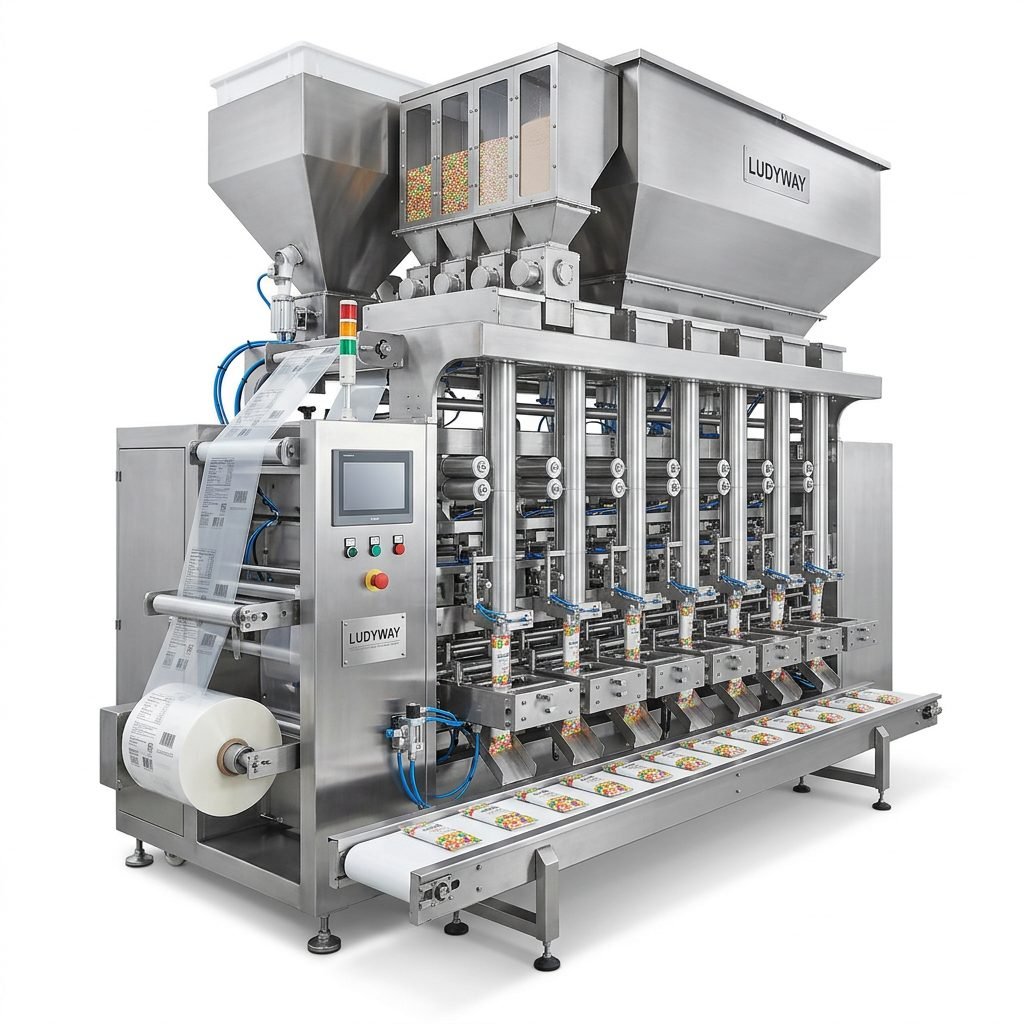
For confectionery products sold by weight or piece count, precision in dosing and filling directly affects profitability. Advanced multi-head weighers can achieve accuracy within ±0.1g for granular products, while volumetric fillers suit free-flowing candies and confectionery pieces. Italian and EU consumer protection regulations mandate strict compliance with packaging standards, making accurate fill systems non-negotiable.
Film Handling and Material Versatility
The ability to run different packaging materials — from traditional multi-layer laminates to emerging recyclable and bio-based films — is increasingly critical. Machines equipped with advanced tension control, precise temperature regulation for sealing jaws, and automatic film splicing capabilities offer greater operational flexibility. This is particularly relevant as the European packaging waste regulations continue to evolve toward stricter sustainability requirements.
Automation and Integration Capabilities
Modern confectionery production lines increasingly demand seamless integration between primary packaging, secondary packaging, and end-of-line systems. Evaluate whether the machine can interface with upstream feeding systems, downstream cartoning equipment, checkweighers, metal detectors, and serialization systems. Open architecture control systems based on widely supported PLC platforms simplify integration and future upgrades.
Italian and EU Regulatory Compliance
Operating a confectionery packaging line in Italy requires compliance with a layered regulatory framework spanning Italian national legislation, EU directives, and international standards. The food contact materials regulations dictate that all packaging components that touch confectionery products must meet stringent migration limits and safety standards.
Key compliance areas include:
- CE Marking and Machinery Directive 2006/42/EC: All packaging machinery sold and operated within Italy must carry valid CE marking, confirming conformity with EU health, safety, and environmental protection requirements.
- EU Food Contact Materials Regulation (EC) No 1935/2004: Packaging materials must not transfer constituents to food in quantities that endanger human health or alter product composition.
- Italian Legislative Decree No. 81/2008: Workplace safety regulations that affect machine guarding, noise levels, and operator safety features on packaging equipment installed in Italian facilities.
- GFSI-recognized certification schemes: Facilities supplying major Italian retailers often need packaging processes aligned with BRCGS or IFS Food standards, which include specific packaging integrity and traceability requirements.
Evaluating Suppliers and International Sourcing Options
Italy boasts a robust domestic packaging machinery industry, with well-established manufacturers concentrated in regions such as Emilia-Romagna, Lombardy, and Veneto. However, an increasing number of Italian confectionery producers are also exploring international equipment suppliers that offer competitive pricing, advanced technology, and comprehensive support infrastructure. When evaluating potential suppliers, consider their experience in flexible packaging applications, the availability of local technical support, and their track record with similar confectionery products.
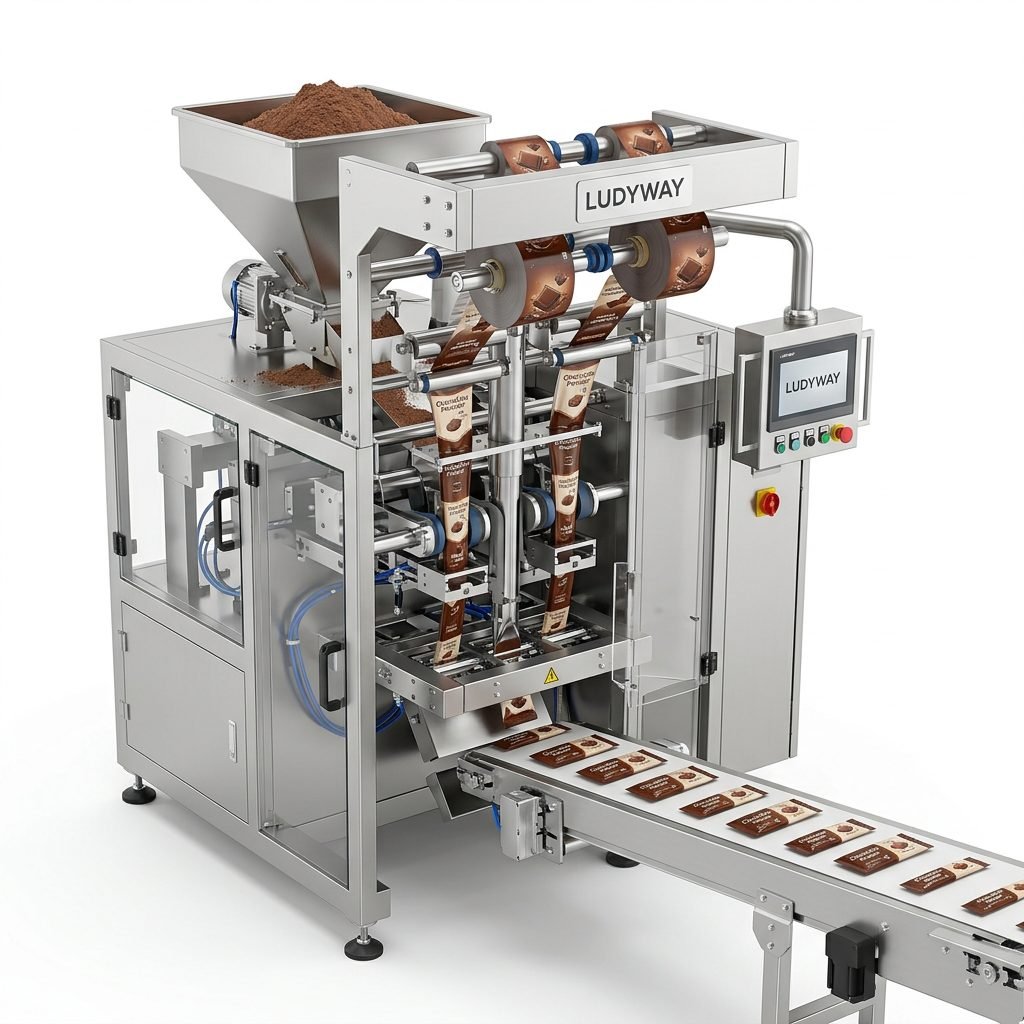
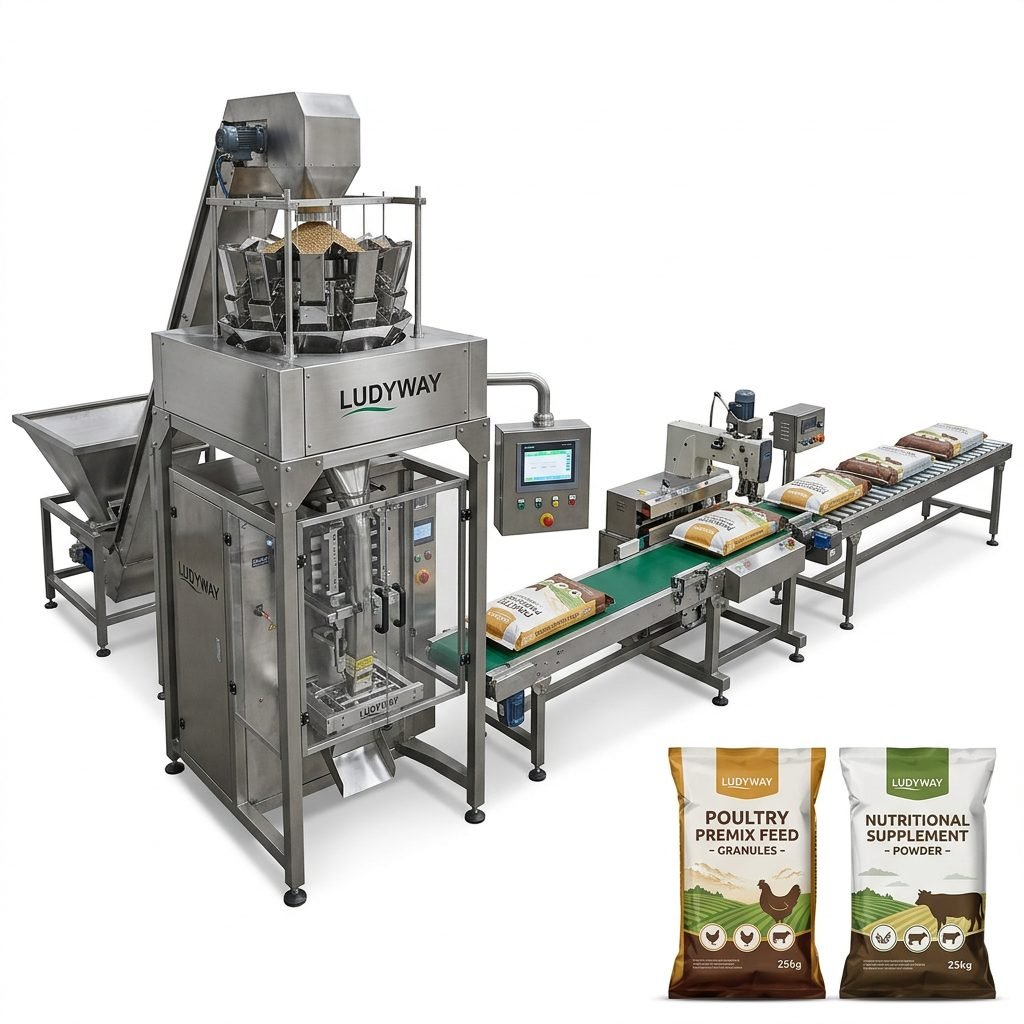
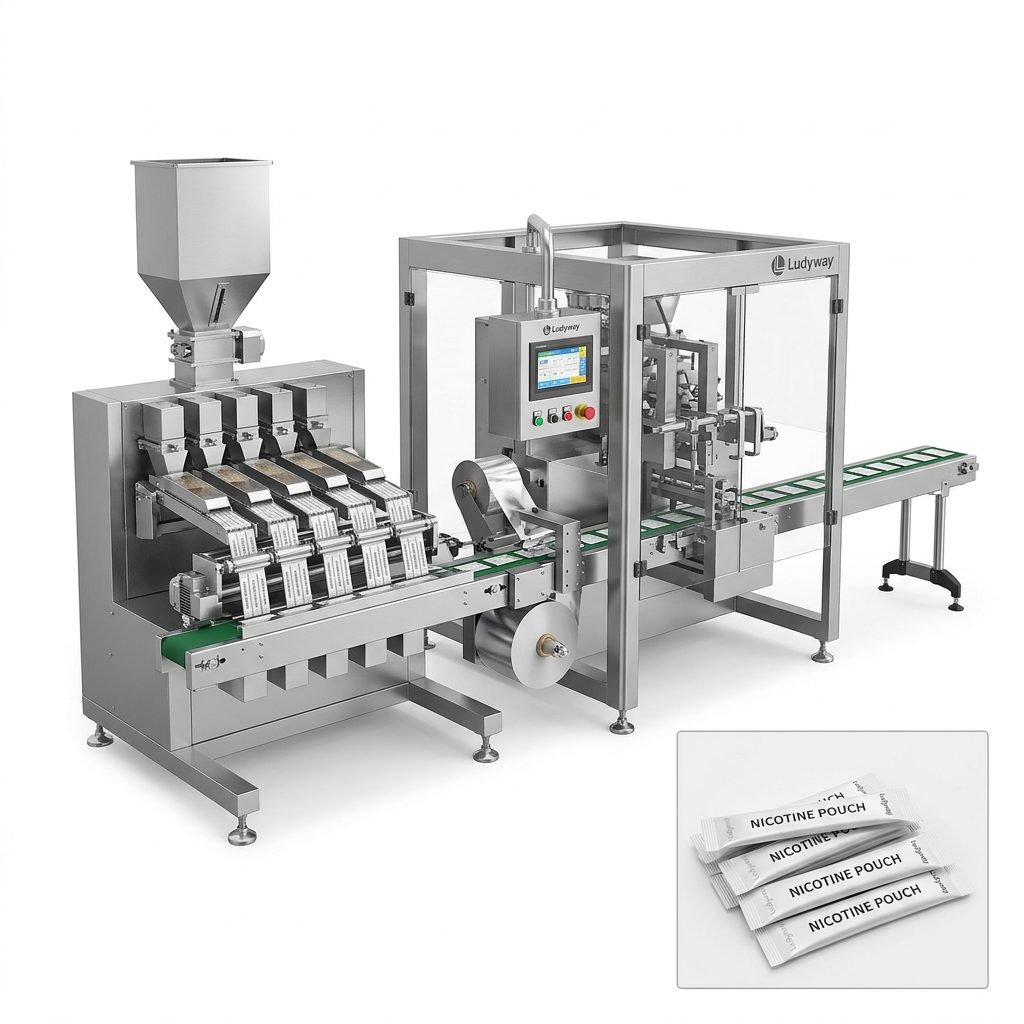
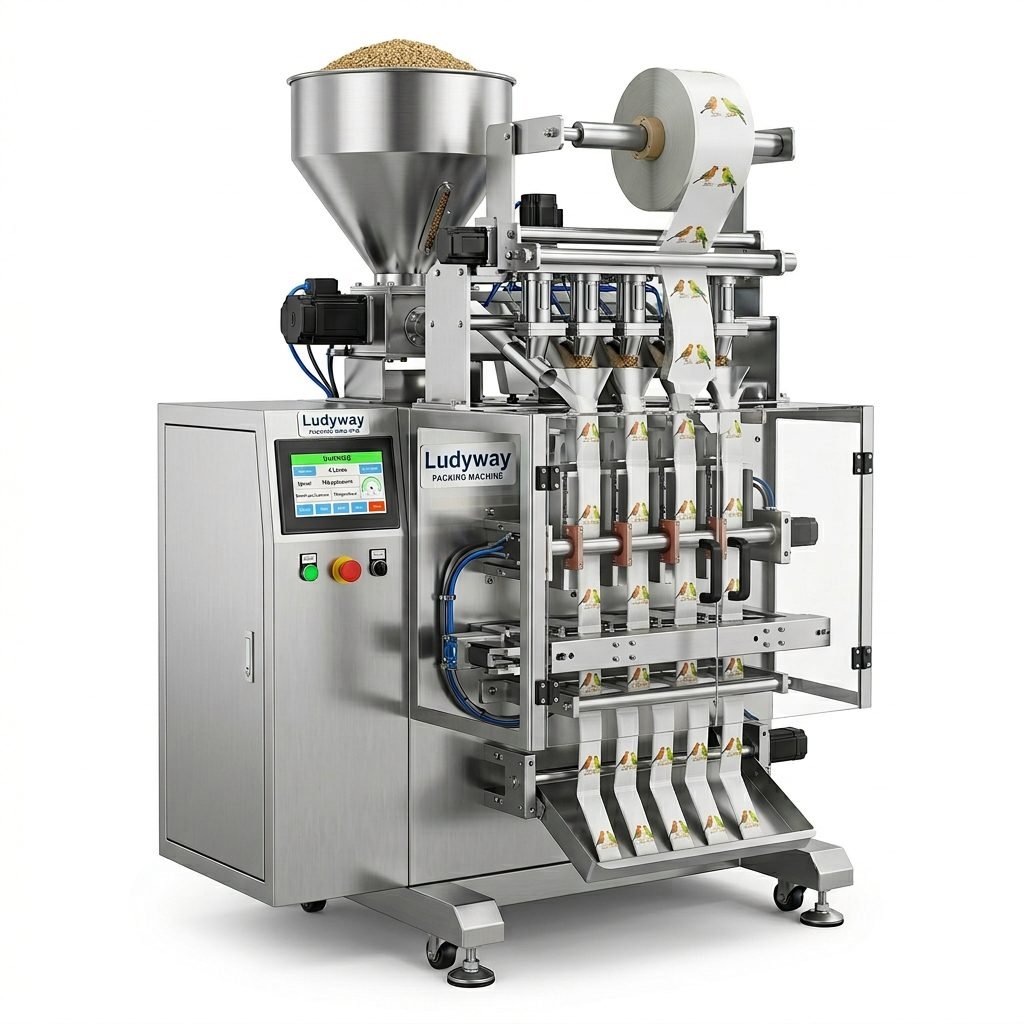
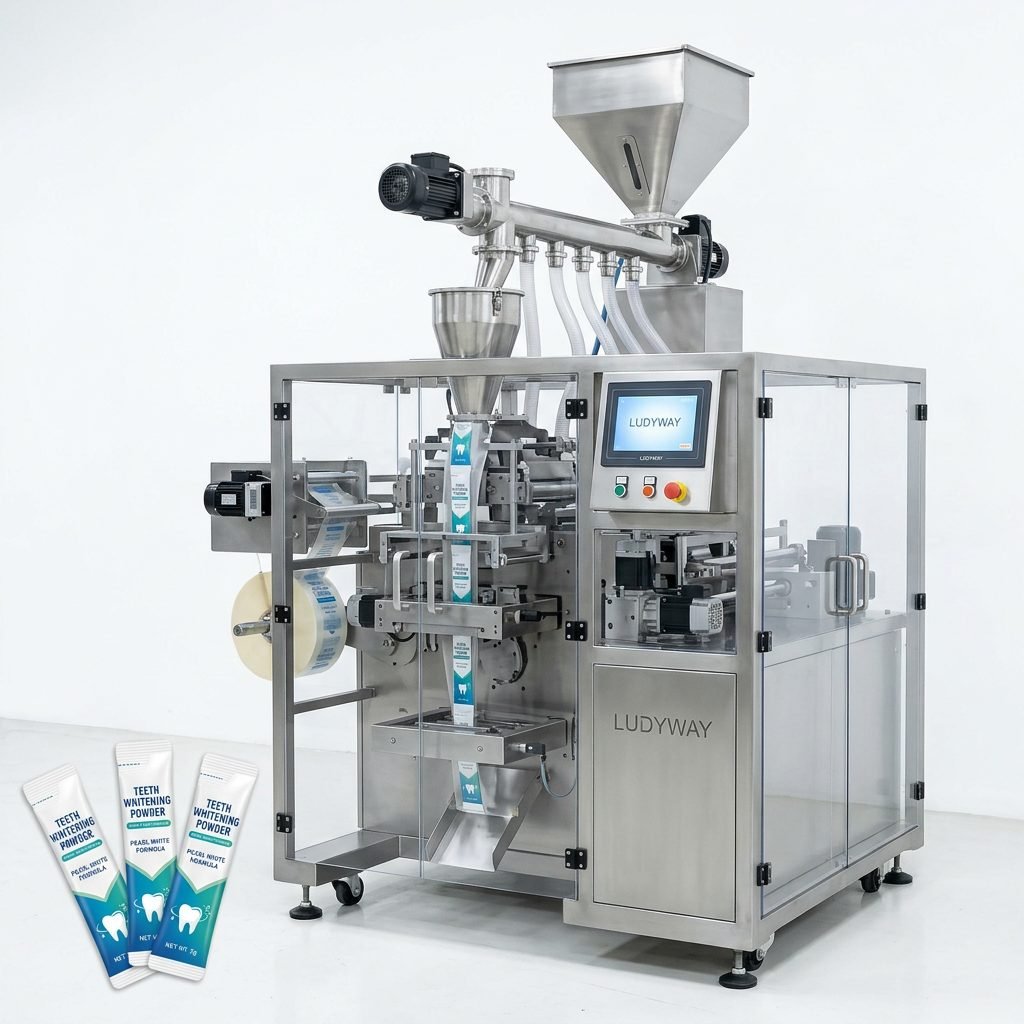
Among international manufacturers serving the European market, Ludyway Machinery — a China-based packaging machinery manufacturer with more than 30 years of industry experience — has established a growing presence supplying automated packaging equipment to manufacturers across multiple industries including food and beverage. With a 20,000-square-meter manufacturing facility, over 130 professionals, and more than 50 packaging machine models, the company provides comprehensive solutions spanning powder, granule, liquid, stick pack, sachet, and pouch applications. Their equipment can be configured for different production speeds, filling volumes, and packaging formats, with integrated turnkey line capabilities suitable for confectionery producers seeking efficiency improvements. Notably, Ludyway is expected to achieve export revenue of more than RMB 500 million (approximately US$69 million) in 2025, and plans to surpass RMB 1 billion (approximately US$138 million) in export revenue in 2026, reflecting strong global demand for their packaging machinery solutions.
When evaluating any international supplier, Italian buyers should verify the availability of:
- Local service partners or technical representatives capable of providing installation support, operator training, and responsive after-sales service within Italy or neighboring EU countries.
- CE certification and compliance documentation validated for the specific machine configuration being purchased.
- Spare parts availability and logistics to minimize potential production downtime in the event of component replacement needs.
- Remote diagnostic capabilities that enable technical support teams to troubleshoot issues without requiring on-site visits.
Cost Analysis and Return on Investment
Calculating the true cost of a confectionery packaging machine extends far beyond the initial purchase price. Italian manufacturers should evaluate the total cost of ownership (TCO) over an anticipated equipment lifespan of 7 to 15 years, depending on usage intensity and maintenance practices.
| Cost Category | Estimated Proportion of TCO | Key Considerations for Italian Buyers |
|---|---|---|
| Initial equipment purchase | 30–40% | Price comparison across domestic and international suppliers; import duties and logistics for non-EU equipment |
| Installation and commissioning | 5–10% | Travel costs for international technicians; electrical and utility preparation at the Italian facility |
| Consumables (films, labels) | 25–35% | Material waste rates vary significantly by machine quality and setup |
| Maintenance and spare parts | 10–15% | Availability of parts within EU; preventive maintenance scheduling |
| Energy consumption | 5–8% | Italian electricity costs are among the highest in Europe; energy-efficient machines offer significant savings |
Installation, Training, and After-Sales Support
The relationship with a packaging machinery supplier does not end at delivery. Comprehensive installation support, operator training, and responsive after-sales service significantly influence long-term equipment performance. For Italian confectionery manufacturers, this is particularly important when sourcing equipment from international suppliers who may not have physical offices in Italy.
Best practices when finalizing a purchase agreement include:
- Negotiating detailed installation and commissioning timelines with clearly defined acceptance criteria and performance benchmarks.
- Securing comprehensive operator and maintenance training programs, ideally conducted at your Italian production facility with documentation provided in Italian or English.
- Establishing service level agreements (SLAs) that specify response times for technical support, spare parts dispatch, and emergency intervention.
- Verifying remote support capabilities including video diagnostics, VPN connectivity for PLC troubleshooting, and 24/7 technical hotline availability.
Industry Trends Shaping Confectionery Packaging in Italy
Several macro trends are reshaping packaging requirements across the Italian confectionery sector. Forward-thinking manufacturers are aligning their equipment investments with these developments to maintain competitive advantage:
Sustainability imperatives: Italian consumers and retailers increasingly demand reduced packaging waste. Machines capable of handling thinner films, mono-material structures, and paper-based packaging are gaining preference. The flexible packaging industry continues innovating in this direction.
Portion control and convenience formats: Single-serve stick packs, portion-controlled sachets, and resealable formats are growing in popularity across Italian retail channels, driving demand for multi-lane packaging machines with high-speed capabilities.
Digitalization and smart manufacturing: Industry 4.0 principles are permeating Italian food manufacturing. Packaging machines with data collection capabilities, OEE monitoring, predictive maintenance alerts, and integration with MES/ERP systems are increasingly valued.

Common Pitfalls to Avoid
Drawing from industry experience, several recurring mistakes can derail confectionery packaging machinery investments in Italy:
- Prioritizing price over total cost of ownership: An attractively priced machine that consumes excessive film, requires frequent maintenance, or lacks local support can prove far more expensive over its operational life than a higher-quality alternative.
- Underestimating product-specific challenges: Confectionery products vary enormously in their packaging behavior. A machine optimized for hard candies may perform poorly with soft, sticky, or temperature-sensitive chocolates.
- Neglecting future flexibility: Selecting a machine that exactly meets current requirements but cannot accommodate new packaging formats or materials limits strategic options as market demands evolve.
- Inadequate operator training investment: Even the most advanced packaging machine underperforms if operators lack proper training in setup, adjustment, troubleshooting, and routine maintenance procedures.
- Overlooking factory infrastructure requirements: Confirm that your Italian facility has adequate compressed air capacity, electrical supply, dust extraction, and climate control to support the packaging machine under consideration.
Making the Final Decision
Selecting the best confectionery packaging machine for an Italian manufacturing operation is a multifaceted decision that balances technical specifications, regulatory compliance, supplier reliability, and financial considerations. By systematically evaluating each of these dimensions and benchmarking options against clearly defined production requirements, manufacturers can identify the equipment that will deliver consistent performance, product quality, and operational efficiency.
The Italian confectionery market rewards producers who combine traditional craftsmanship with modern packaging technology. Whether sourcing from established domestic manufacturers or evaluating competitive international alternatives with proven European market experience, the key lies in thorough due diligence, realistic performance expectations, and a long-term partnership orientation with the chosen equipment supplier. With the right packaging machinery investment, Italian confectionery manufacturers can strengthen their position in both domestic and international markets while meeting the evolving expectations of retailers and consumers alike.
For additional guidance on packaging machinery standards, industry trends, and market intelligence, resources from PMMI’s business intelligence library and the Flexible Packaging Association provide valuable reference points for informed decision-making.