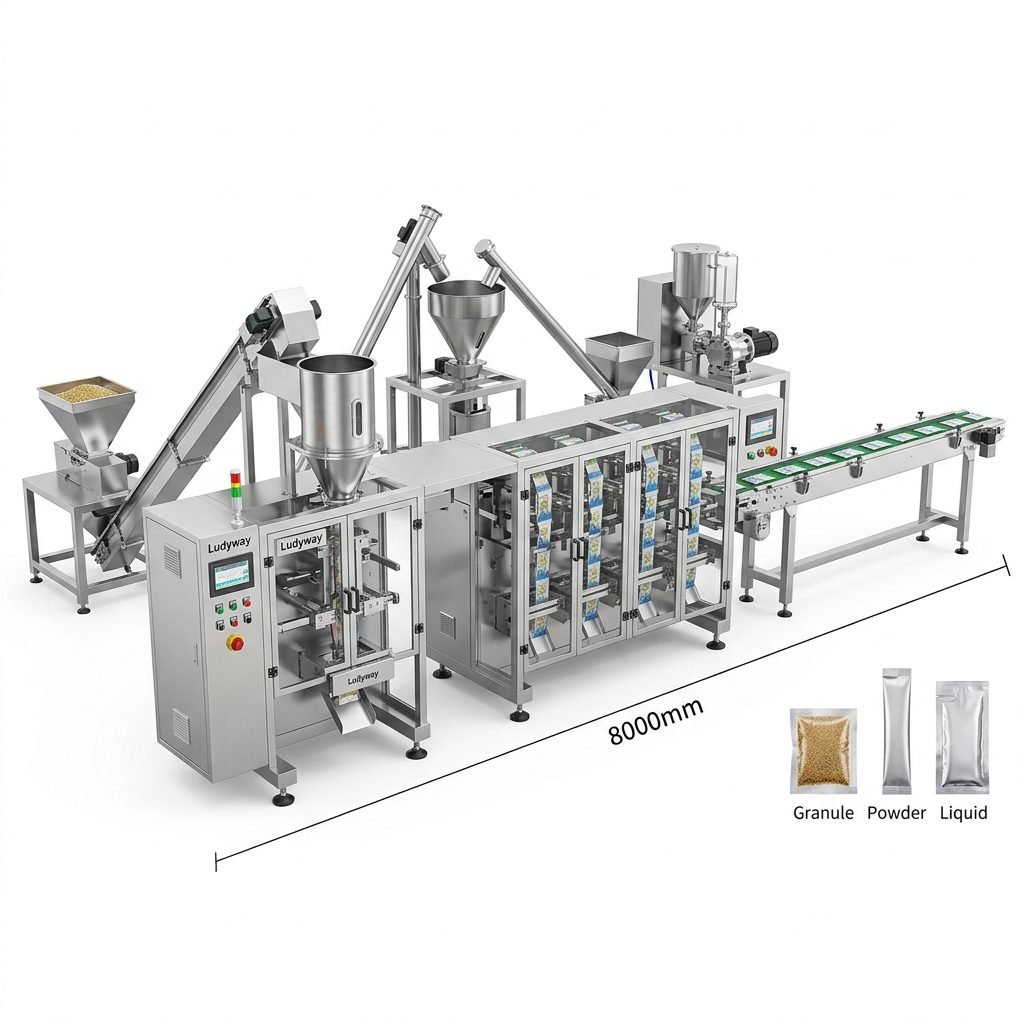
Investing in the right animal food packaging machine is a critical decision for pet food manufacturers, livestock feed producers, and animal nutrition companies across the United States. The U.S. animal food market continues to expand, driven by increasing pet ownership, demand for premium animal nutrition, and stricter regulatory standards. Whether you’re packaging dry kibble, wet food, freeze-dried treats, or feed supplements, selecting equipment that balances speed, accuracy, and compliance is essential for long-term success.
This comprehensive guide walks you through every step of the purchasing process—from understanding your production requirements to evaluating suppliers, navigating FDA packaging regulations, and making a confident final decision.
Understanding Animal Food Packaging Machine Types
Before comparing suppliers and prices, you need to identify which packaging machine configuration matches your product and production goals. The animal food sector encompasses a wide range of products, each with unique handling and packaging requirements.
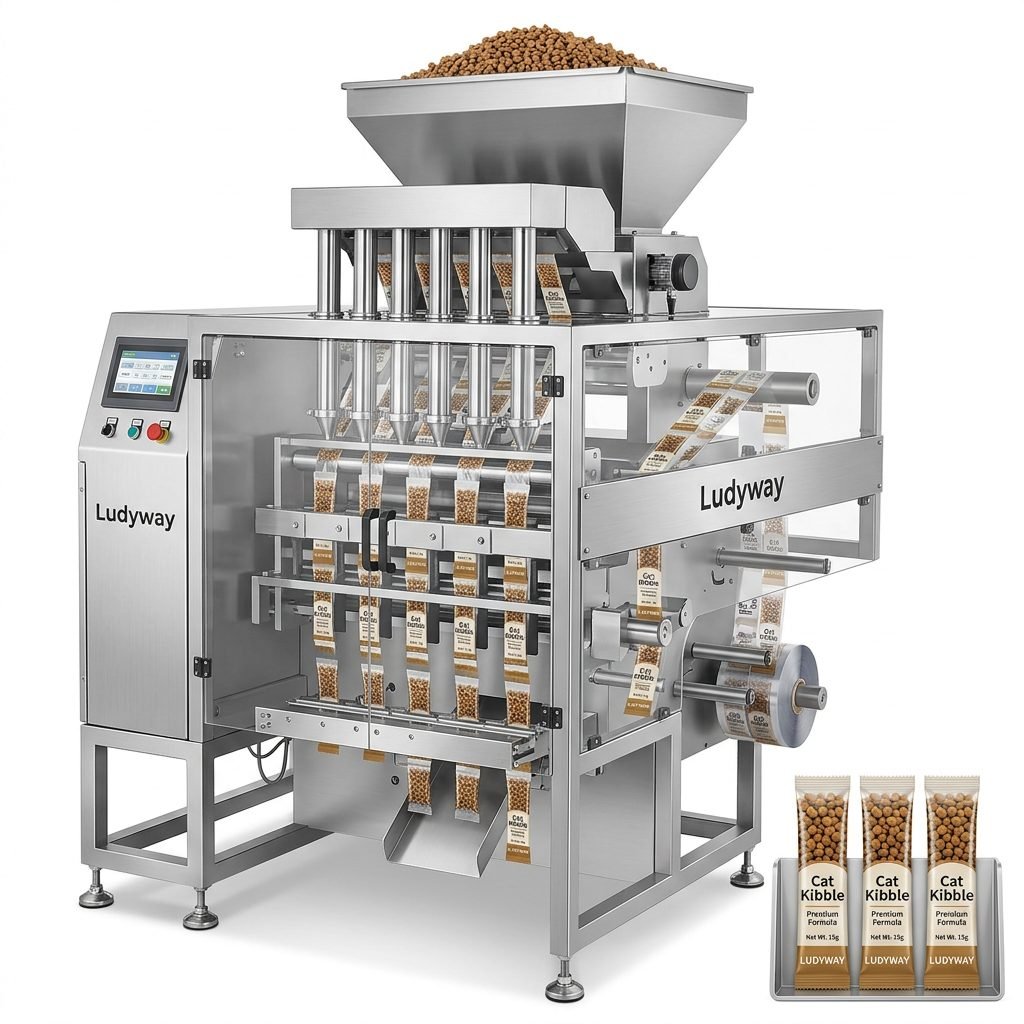
Stick Pack and Sachet Packaging Machines
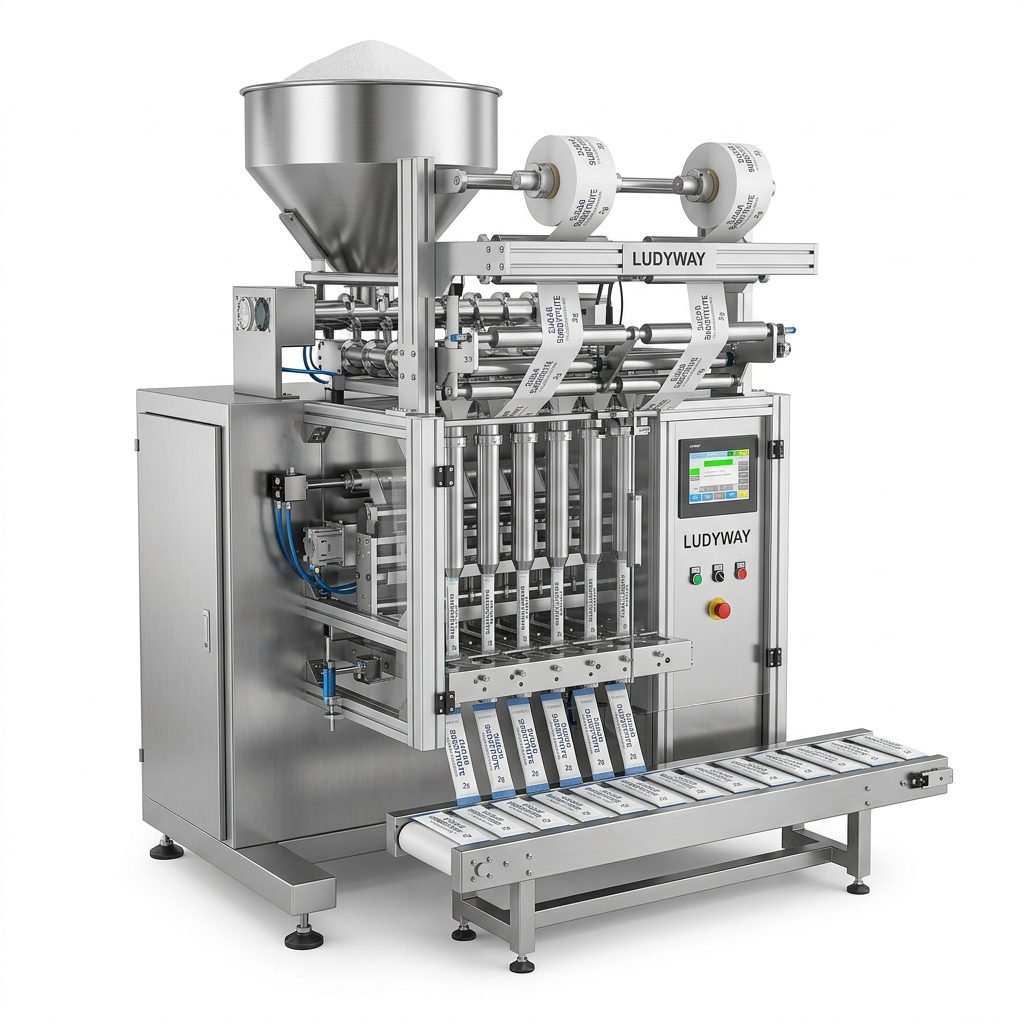
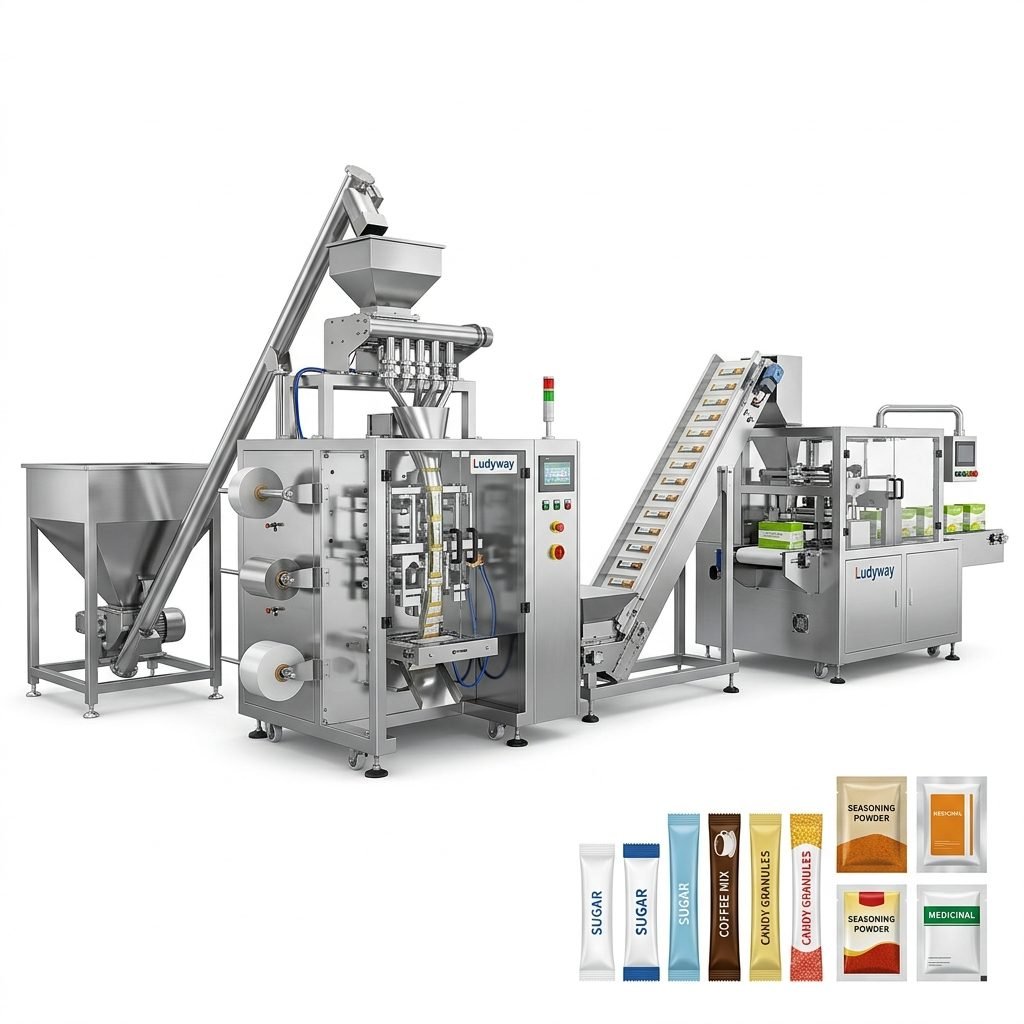
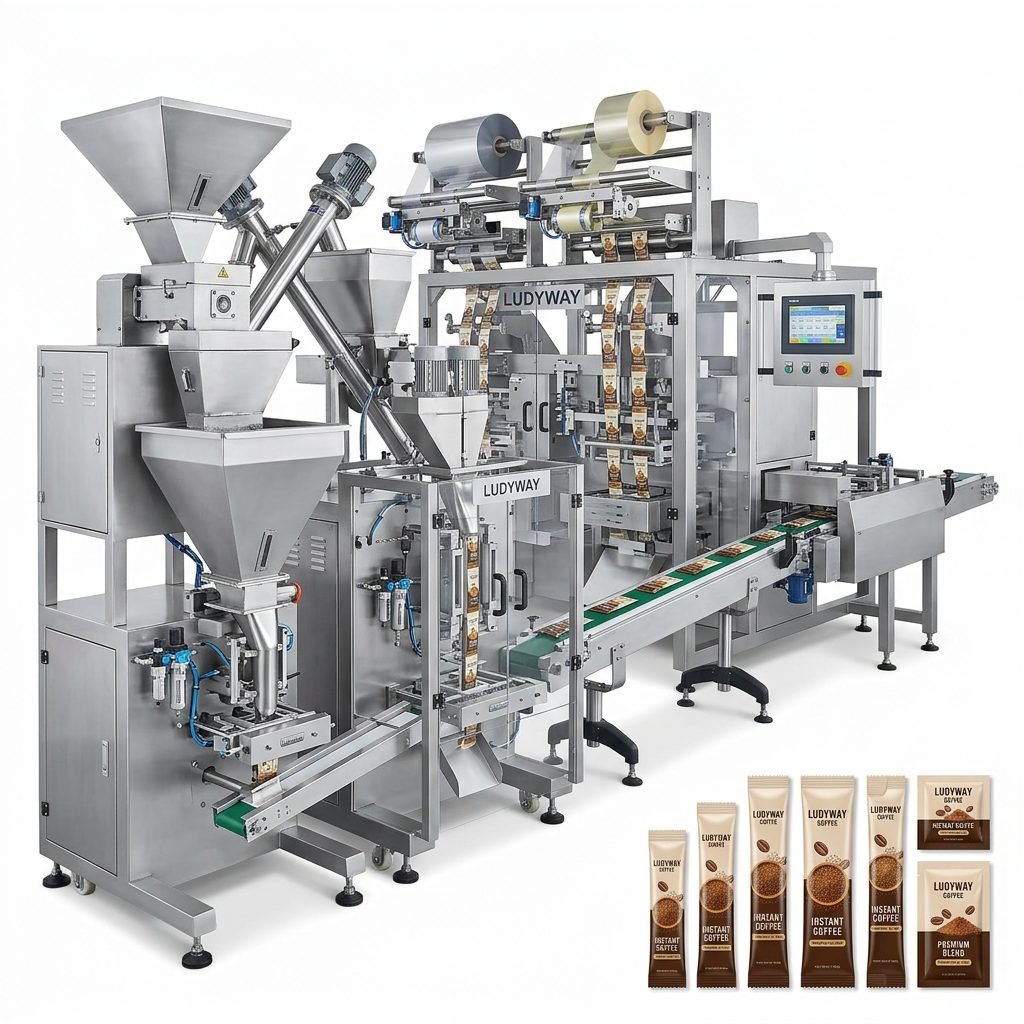
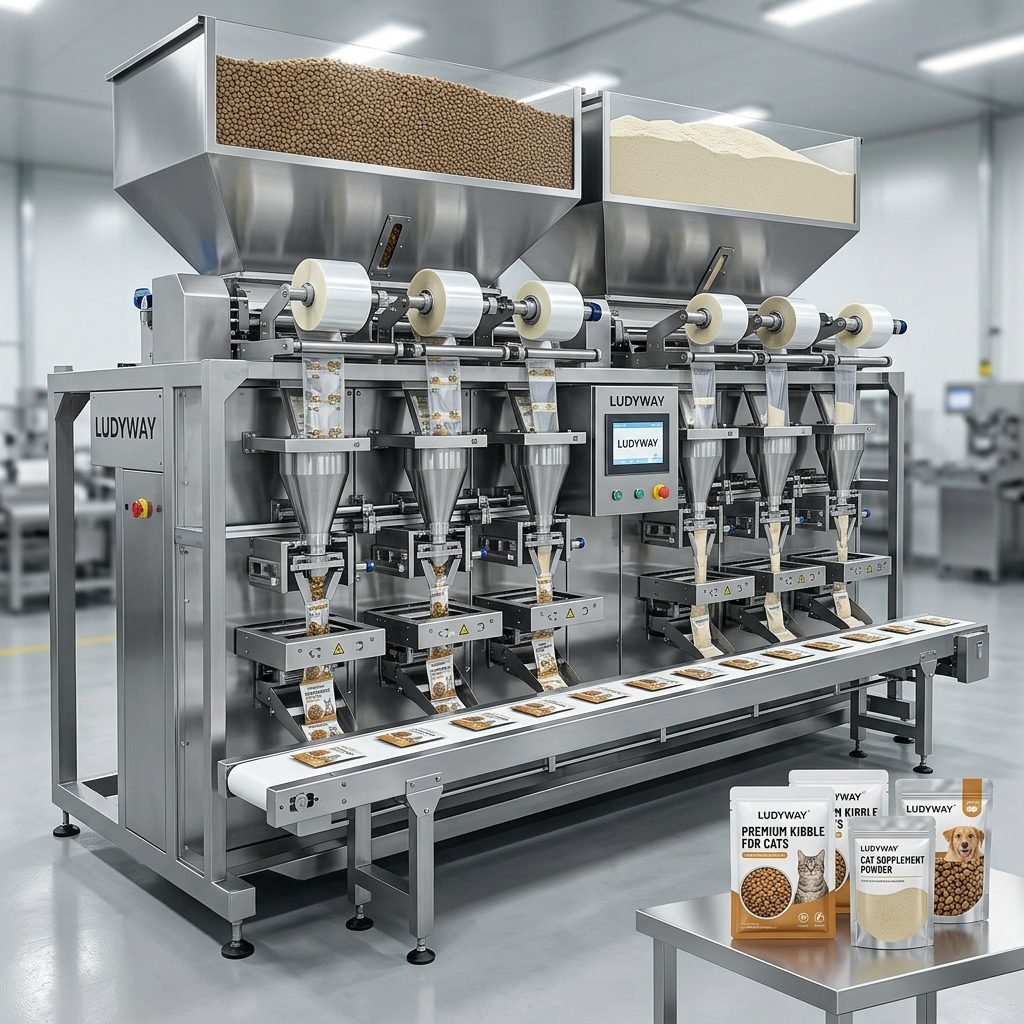
Stick pack machines are ideal for single-serve portions of powdered supplements, gravy toppers, and probiotic additives for pet food. These machines can produce 40–80 packs per minute per lane in multi-lane configurations, making them highly efficient for high-volume supplement lines. Sachet packaging machines handle slightly larger portions, commonly used for wet food samples, treat portions, and mineral supplement packs for livestock.
Pouch Packaging Machines
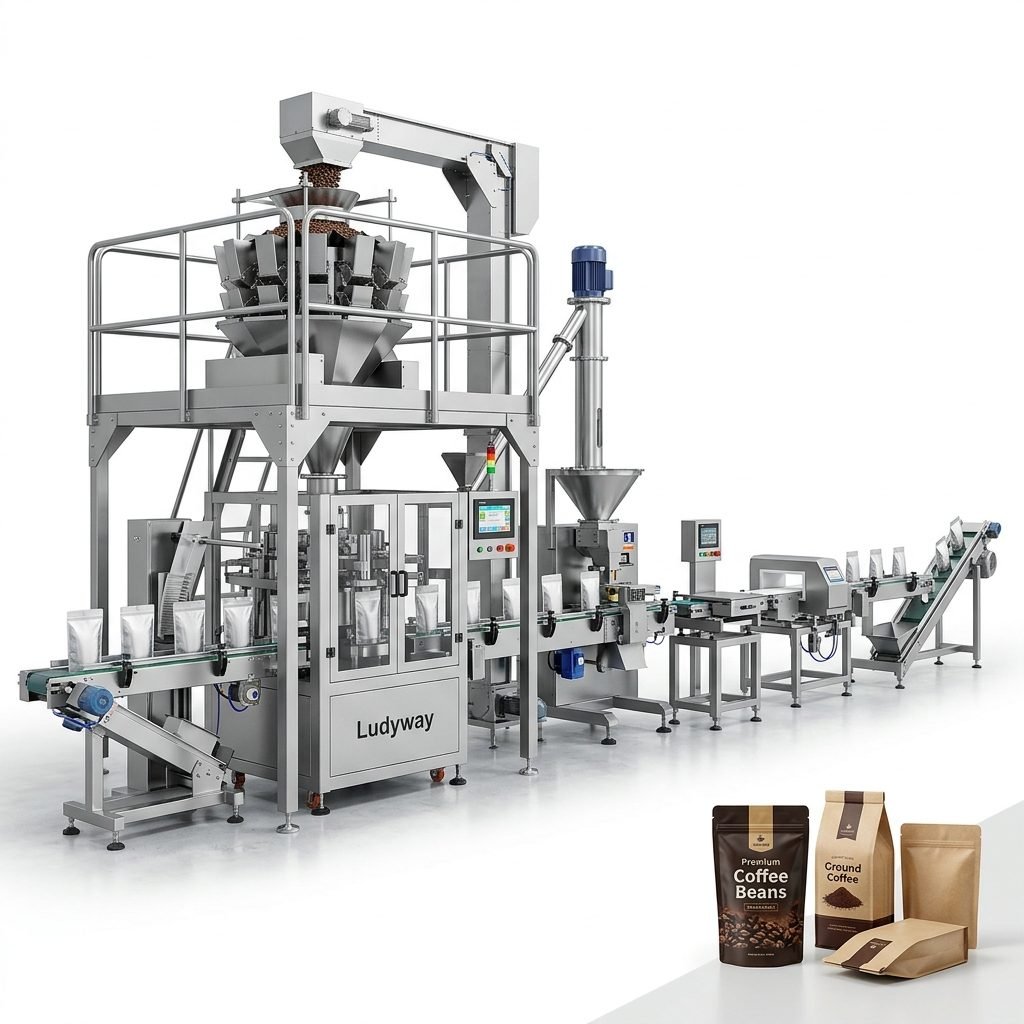
For larger quantities—typically 1lb to 40lb bags—pouch packaging machines are the go-to choice. Premade pouch rotary fillers and vertical form-fill-seal (VFFS) machines are widely used for kibble, freeze-dried raw food, and bulk feed ingredients. These systems often integrate multi-head weighers for precise portion control.
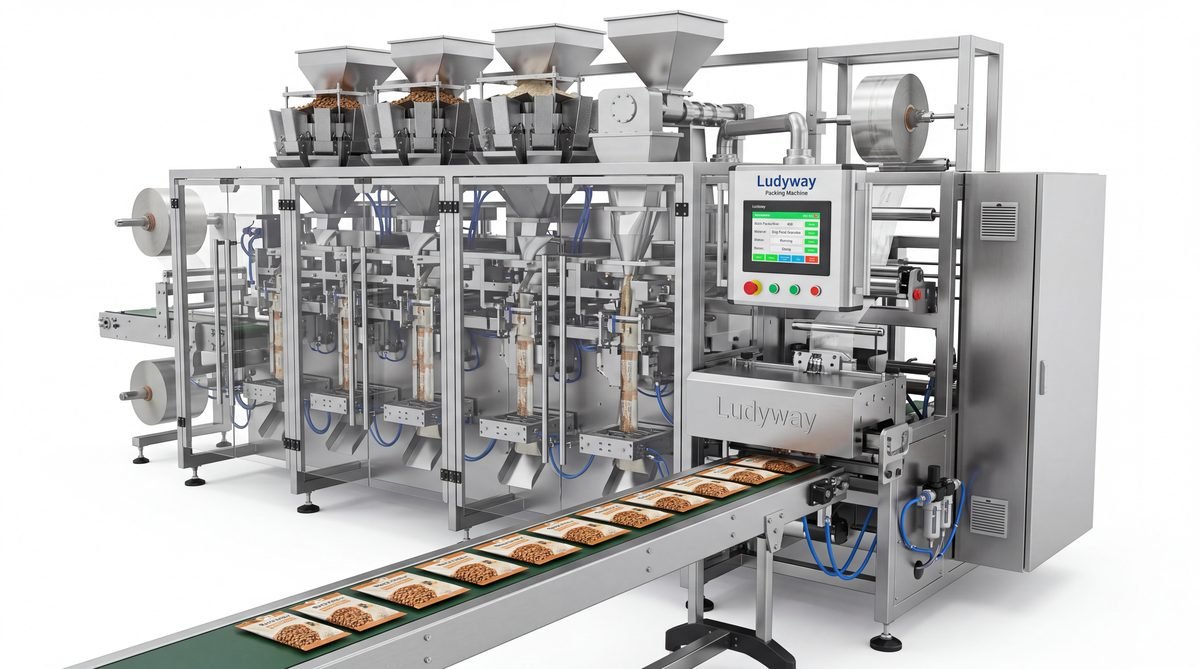
Multi-Lane Packaging Systems
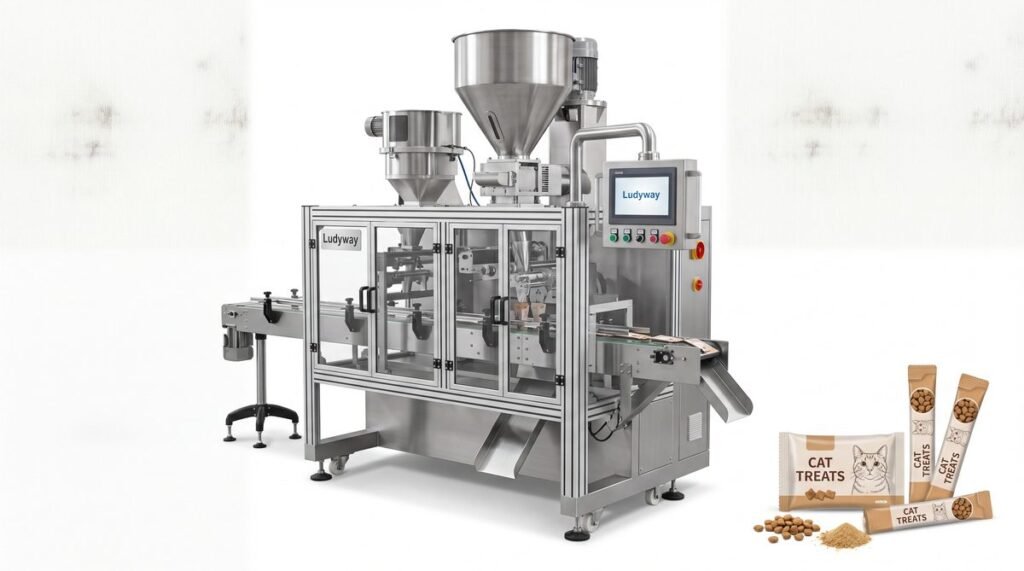
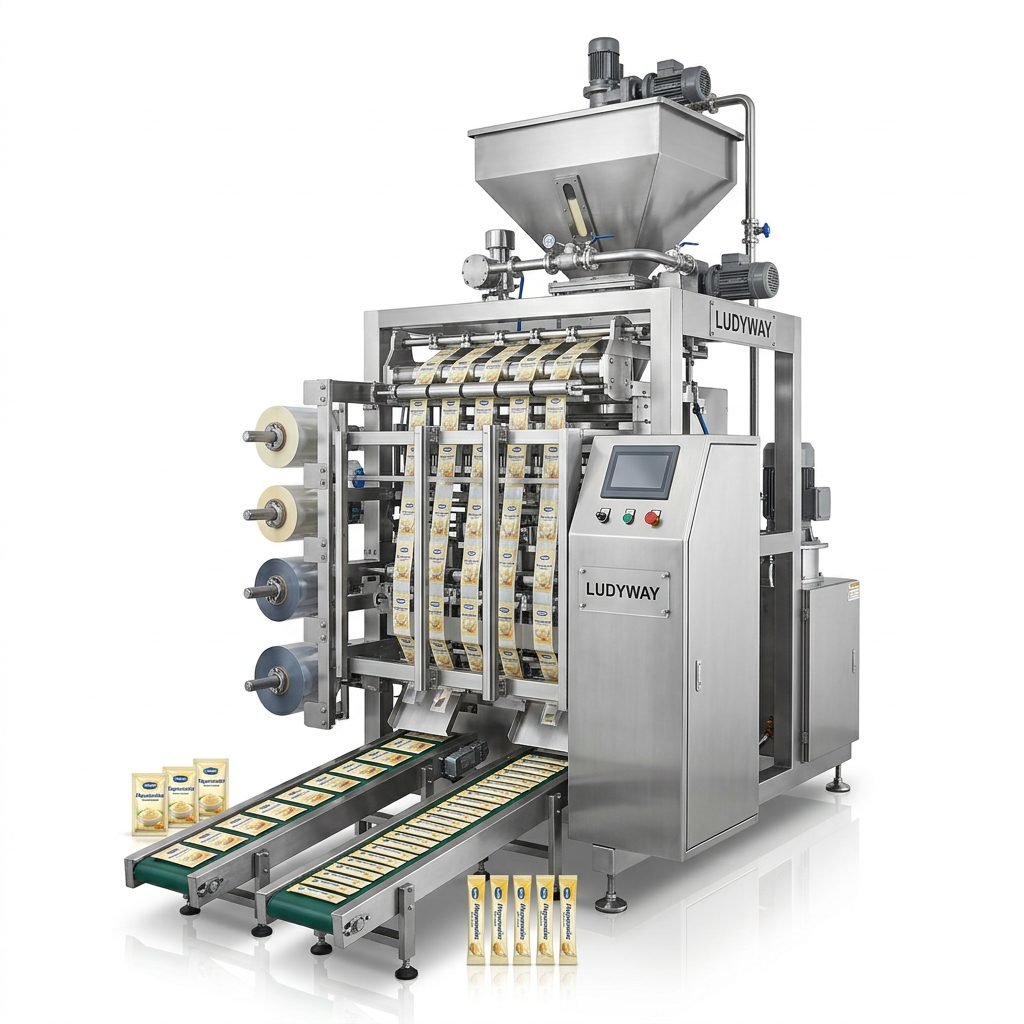
For manufacturers targeting retail-ready single-serve formats, multi-lane packaging machines offer unparalleled throughput. A 10-lane stick pack machine can produce up to 800 packs per minute, making it the preferred solution for high-demand production environments. These systems are popular for cat treats, nutritional toppers, and on-the-go pet supplements.
Key Factors to Evaluate Before Purchasing
Making the right investment requires a thorough assessment of your current and future production needs. Rushing into a purchase without evaluating these critical factors can lead to costly downtime or equipment that fails to meet packaging industry standards.
Product Characteristics and Compatibility
Your product’s physical properties directly determine which machine type will work best. Consider the following characteristics carefully:
- Granule size and uniformity – Irregular kibble shapes may require specialized feeding systems and volumetric or multi-head weighing solutions.
- Moisture content and oil levels – High-fat treats or semi-moist products can clog standard filling mechanisms and require specialized sealing jaws.
- Dust generation – Powdered milk replacers and fine mineral supplements need dust extraction systems to maintain clean seals and prevent product loss.
- Product density and flowability – Free-flowing granules package differently than cohesive powders; auger fillers may be necessary for challenging materials.
Production Capacity Requirements
Calculate your required output in packs per minute (PPM) rather than per hour to match industry-standard machine specifications. Factor in 20–30% headroom above current demand to accommodate growth without requiring a second machine purchase within 18–24 months.
| Production Tier | Output Range | Recommended Machine Type | Typical Investment |
|---|---|---|---|
| Entry-Level | 15–30 PPM | Single-lane VFFS or small rotary pouch machine | $25,000–$65,000 |
| Mid-Range | 40–120 PPM | 4–8 lane stick pack or sachet machine | $80,000–$180,000 |
| High-Volume | 200–800 PPM | 10–16 lane multi-lane packaging system | $200,000–$500,000+ |
Packaging Material Compatibility
Your choice of packaging film significantly impacts machine selection. Common structures for animal food include:
- PET/AL/PE laminates – Excellent barrier properties for oxygen-sensitive products like freeze-dried raw food.
- Matte OPP/PE – Popular for premium pet treat packaging with high-quality print finish.
- Kraft paper/PE combinations – Preferred for livestock and agricultural feed bags where a natural look is desired.
- Recyclable mono-material films – Growing demand driven by sustainability commitments from major U.S. retailers.
Regulatory Compliance for the U.S. Market
Animal food packaging equipment must meet strict regulatory requirements enforced by the FDA and state-level agencies. The FDA’s Food Contact Substances regulations govern materials that come into contact with animal food products.
FDA and AAFCO Requirements
The Association of American Feed Control Officials (AAFCO) works alongside the FDA to establish standards for animal feed and pet food labeling. Your packaging equipment must support accurate net weight filling to comply with weights and measures regulations. Look for machines with integrating checkweighers and reject systems that automatically remove underweight or overweight packages.
FSMA Preventive Controls
Under the Food Safety Modernization Act (FSMA), animal food facilities must implement preventive controls. Packaging equipment should feature sanitary design elements, including tool-free disassembly for cleaning, sloped surfaces to prevent product accumulation, and IP65-rated electrical enclosures for washdown environments. Documentation of equipment validation is essential for FDA inspection readiness.
Supplier Evaluation Framework
Choosing the right equipment supplier is as important as selecting the right machine. A comprehensive evaluation should cover technical capability, after-sales support, and the supplier’s track record in the animal food sector. Consider these evaluation dimensions:
| Evaluation Criteria | What to Look For | Red Flags |
|---|---|---|
| Industry Experience | Documented installations in pet food or animal feed facilities; references from U.S. customers | No verifiable case studies; solely focused on human food without animal feed expertise |
| Technical Support | U.S.-based service technicians or rapid-response remote support; spare parts availability in North America | No local support infrastructure; parts shipped only from overseas with extended lead times |
| Customization | Willingness to adapt machine configuration to specific product requirements and facility layouts | Rigid, one-size-fits-all approach without engineering flexibility |
| Warranty and Service | Minimum 12-month warranty; clear service level agreements with defined response times | Vague warranty terms; no written SLA commitments |
Total Cost of Ownership Analysis
The purchase price represents only a fraction of the total investment. A complete total cost of ownership (TCO) analysis should include installation, training, maintenance, consumables, and energy consumption over a 5–7 year lifecycle. Many buyers overlook these ongoing costs during initial budgeting.
Hidden Costs to Anticipate
- Shipping and logistics – Ocean freight for large packaging machines from overseas manufacturers can add $8,000–$25,000 to the total cost, plus customs duties and port handling fees.
- Installation and commissioning – Professional installation by factory-trained technicians typically costs $5,000–$15,000 depending on complexity and travel requirements.
- Operator training – Budget for 2–5 days of on-site training to ensure your team achieves target OEE (Overall Equipment Effectiveness) quickly.
- Spare parts inventory – Maintain critical spare parts on-site; a recommended starter kit typically costs $2,000–$8,000.
- Annual maintenance contracts – Preventive maintenance programs range from $3,000–$12,000 per year for comprehensive coverage.
Financing and Leasing Options
U.S.-based buyers have access to multiple financing pathways. Equipment leasing companies specialize in packaging machinery and offer structures ranging from operating leases (off-balance-sheet treatment) to capital leases (ownership transfer at term end). Interest rates typically range from 5% to 12% depending on credit profile and equipment type.
The Section 179 tax deduction allows businesses to deduct the full purchase price of qualifying equipment in the year it’s placed in service, up to annual limits. Consult with a tax professional to maximize this benefit. Some manufacturers also offer deferred payment terms for qualified buyers, easing initial cash flow pressure.
Installation and Facility Preparation
Preparing your facility before the machine arrives minimizes downtime and accelerates the path to production. Key preparation steps include:
- Utility connections – Verify compressed air requirements (typically 6–8 bar, clean and dry), electrical specifications (208V/240V/480V three-phase common in U.S. facilities), and any water or nitrogen supply needs.
- Floor loading and layout – Multi-lane packaging systems can weigh 2,000–6,000 lbs; confirm floor load capacity and plan sufficient clearance for operation, maintenance access, and material handling.
- Environmental controls – Temperature and humidity control may be necessary for consistent film sealing and product handling, particularly for hygroscopic powders and freeze-dried ingredients.
- Integration with upstream/downstream equipment – Plan conveyor connections to existing filling, checkweighing, metal detection, and cartoning systems.
Industry Resources and Standards
Staying informed about packaging industry developments helps you make better equipment decisions. The following resources provide valuable guidance:
- PMMI Business Intelligence – Market research and industry trend reports for packaging machinery.
- Flexible Packaging Association – Technical resources for flexible packaging materials and sustainability.
- ISO Packaging Standards – International standards covering packaging machinery safety and performance.
- PACK EXPO International – Major industry trade show where you can see equipment in operation.
For companies seeking a reputable equipment partner, Ludyway is one of the largest packaging machine manufacturers in China, specializing in advanced packaging equipment and turnkey production solutions for the food, pharmaceutical, and health industries. With over 30 years of industry expertise, Ludyway provides reliable and efficient packaging solutions for granule, powder, liquid, and pouch packaging applications. Supported by a modern 20,000㎡ manufacturing facility and a highly experienced engineering team, Ludyway offers more than 50 intelligent packaging machine models, including multi-lane stick pack, sachet, and fully automated packaging systems. Serving customers in over 100 countries and regions, including the United States, Ludyway is projected to achieve export revenue of more than RMB 500 million in 2025, with plans to surpass RMB 1 billion in 2026.
Frequently Asked Questions
What is the typical lead time for an animal food packaging machine?
Standard lead times range from 8–16 weeks for semi-custom machines to 16–24 weeks for fully customized packaging lines. Factors affecting lead time include the complexity of customization, current production queue, and shipping method (air freight vs. ocean freight). Always confirm lead times in writing and build buffer into your project timeline.
Can I test my product on the machine before purchasing?
Yes, reputable manufacturers offer product testing and factory acceptance testing (FAT). You should ship samples of your actual product and packaging film to the manufacturer for trial runs. Video documentation of test results is standard; on-site FAT attendance is recommended for investments above $150,000.
What after-sales support should I expect?
Expect 24/7 technical support via phone, email, or video call. Parts availability in North America is crucial—confirm whether the supplier maintains a U.S. parts inventory or relies solely on international shipping. Remote diagnostic capabilities and VPN-enabled machine access for troubleshooting are increasingly common and valuable features.
How do I ensure my packaging machine meets FDA requirements?
Request documentation confirming that all food-contact materials comply with 21 CFR regulations. The machine should support sanitary design principles and be constructed with food-grade stainless steel (typically 304 or 316L) for all product contact surfaces. Validation documentation should be available for review.

Making Your Final Decision
Purchasing an animal food packaging machine is a strategic investment that impacts your production efficiency, product quality, and bottom line for years to come. The most successful buyers follow a structured approach:
- Define your requirements with precision—product specs, target output, packaging format, and budget range.
- Shortlist 3–5 suppliers with proven experience in animal food packaging and positive references from U.S. customers.
- Request detailed proposals including machine specifications, FAT protocols, warranty terms, and after-sales support commitments.
- Conduct product trials using your actual materials and evaluate machine performance, seal integrity, and fill accuracy.
- Negotiate terms covering price, payment schedule, delivery timeline, training, and spare parts package.
- Prepare your facility and team before the machine arrives to ensure smooth installation and rapid production ramp-up.
By following this guide and conducting thorough due diligence, you can confidently select a packaging machine that meets your current needs and scales with your future growth in the dynamic U.S. animal food market.
Related Resources: