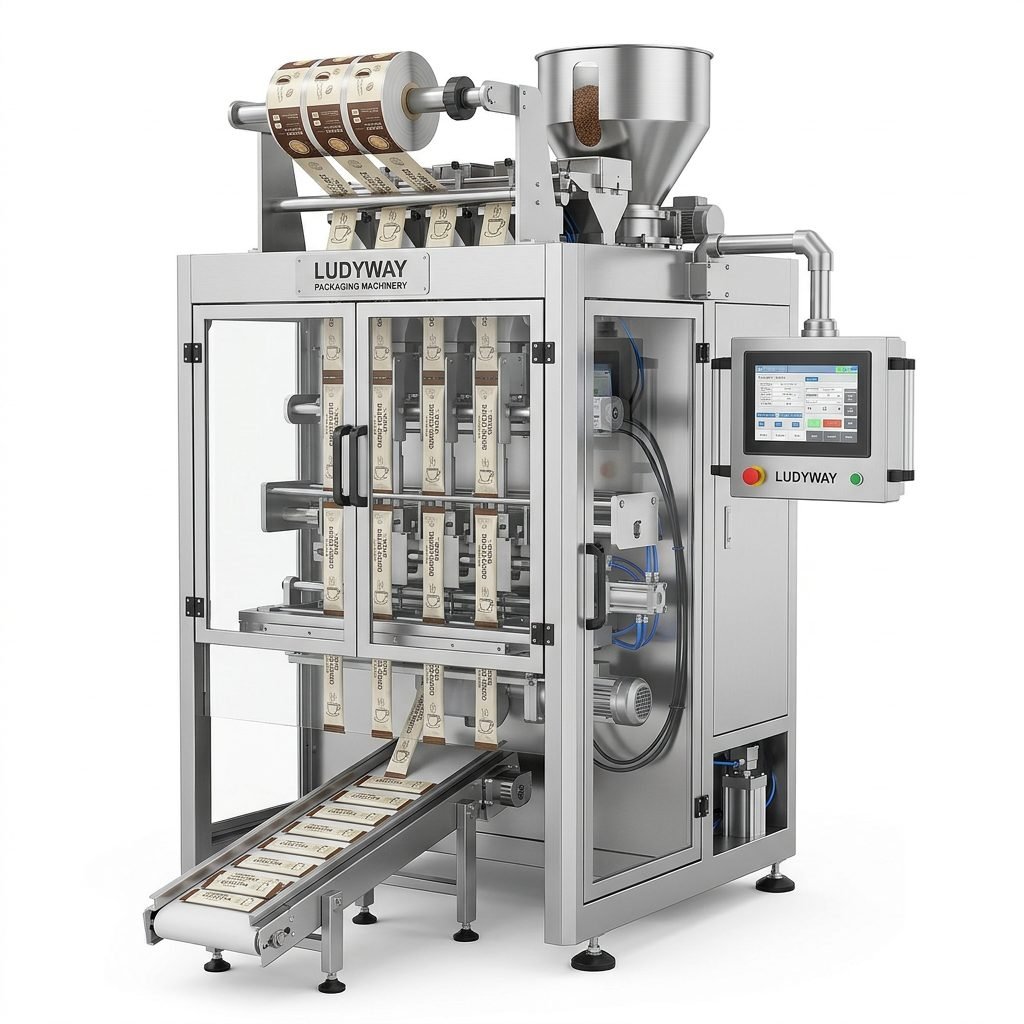
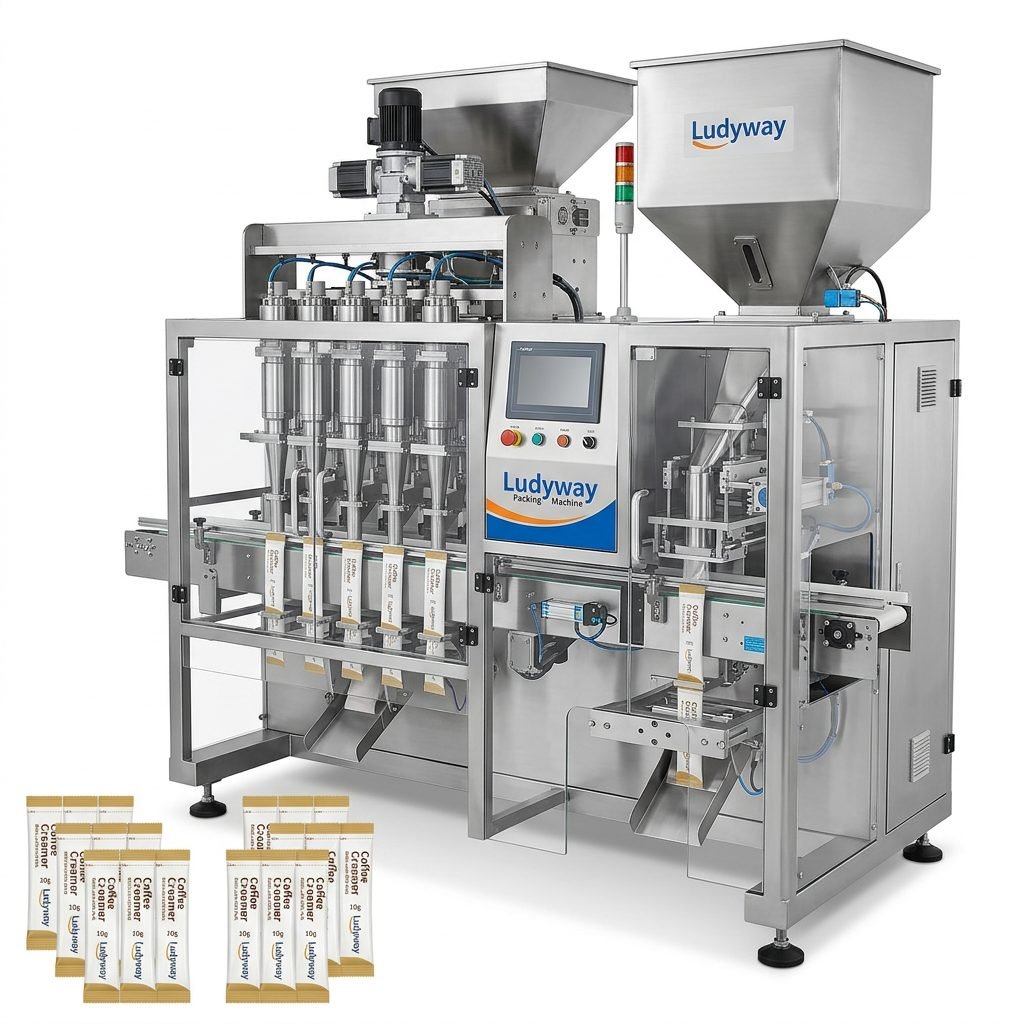
Italy is one of Europe’s largest food processing and packaging markets, with a particularly strong tradition in tomato-based products. From authentic pasta sauces to world-renowned ketchup brands, Italian manufacturers demand high-speed, hygienic, and precise packaging solutions that meet both EU regulatory standards and consumer expectations. Setting up a ketchup packaging machine production line in Italy requires careful planning, from equipment selection and facility layout to regulatory compliance and automation integration.
Understanding the Italian Ketchup and Sauce Packaging Market
Italy’s food packaging sector is characterized by a growing demand for single-serve and portion-control formats. Ketchup sachets, stick packs, and dipping cups are increasingly popular across foodservice, fast-food chains, airline catering, and retail channels. The Italian market also places a premium on shelf-life extension, tamper-evident sealing, and sustainable packaging materials, all of which influence machine configuration decisions.
Key market drivers for ketchup packaging in Italy include:
- Rising demand for convenience and on-the-go consumption formats
- Expansion of QSR (Quick Service Restaurant) chains across Southern Europe
- Increasing export of Italian tomato-based products requiring durable packaging
- Stringent EU food contact material regulations (EC 1935/2004)
- Growing preference for recyclable mono-material films and reduced plastic usage
Choosing the Right Ketchup Packaging Machine Type
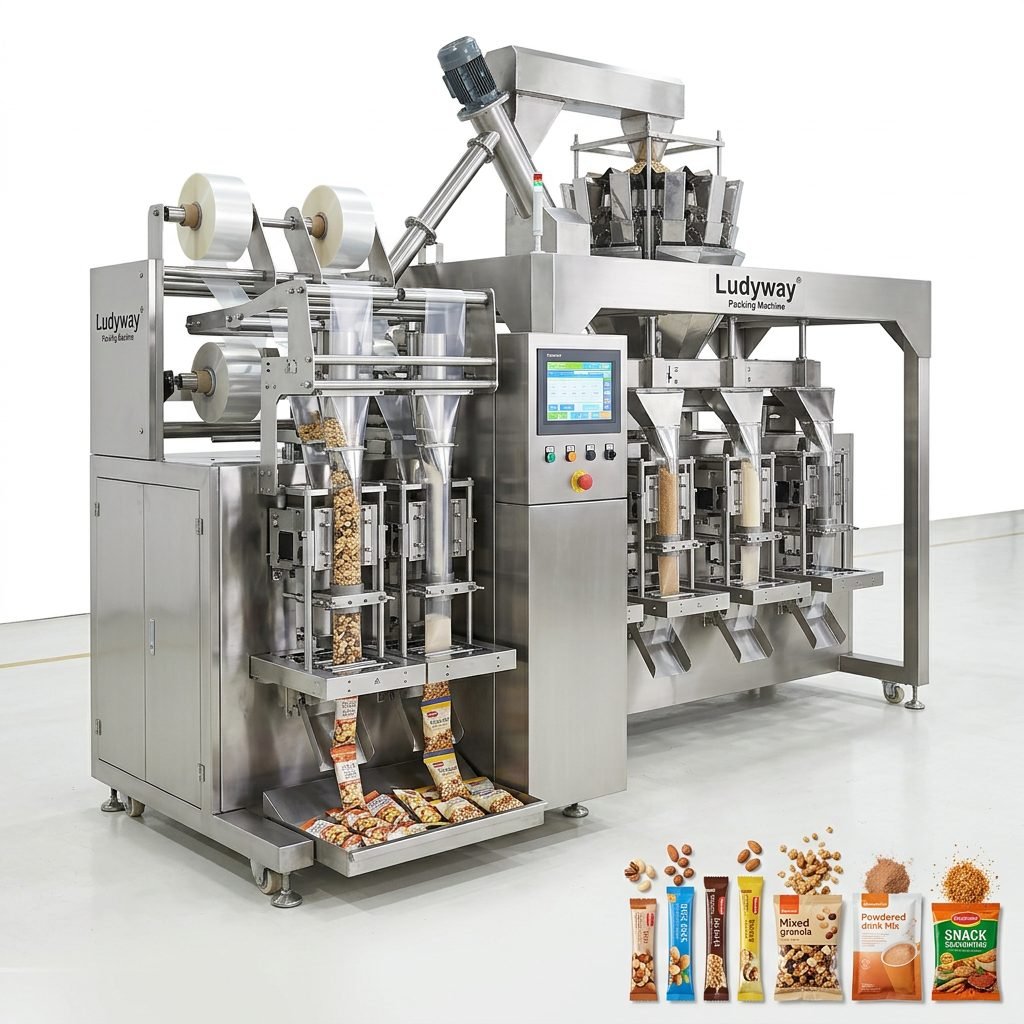
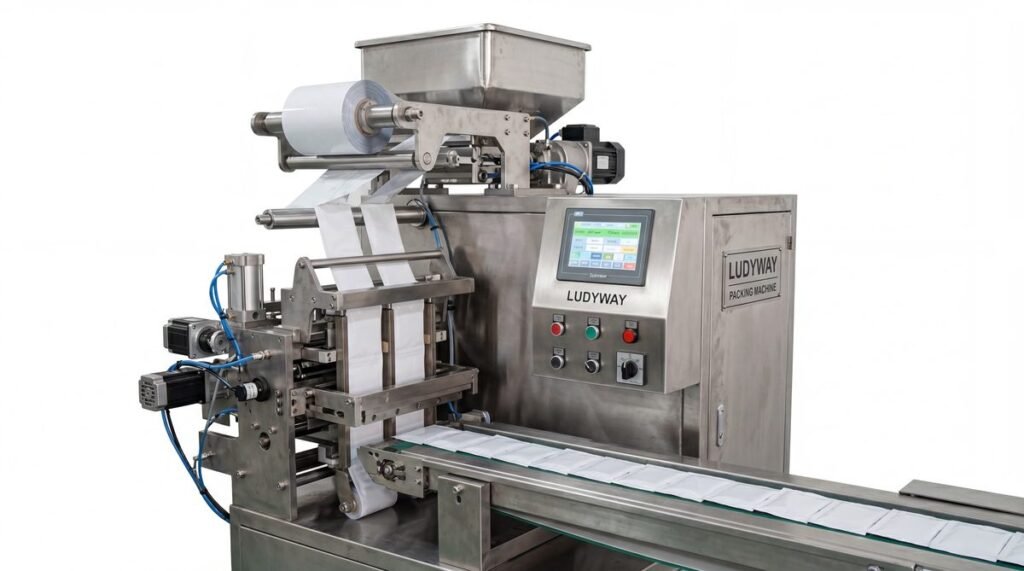
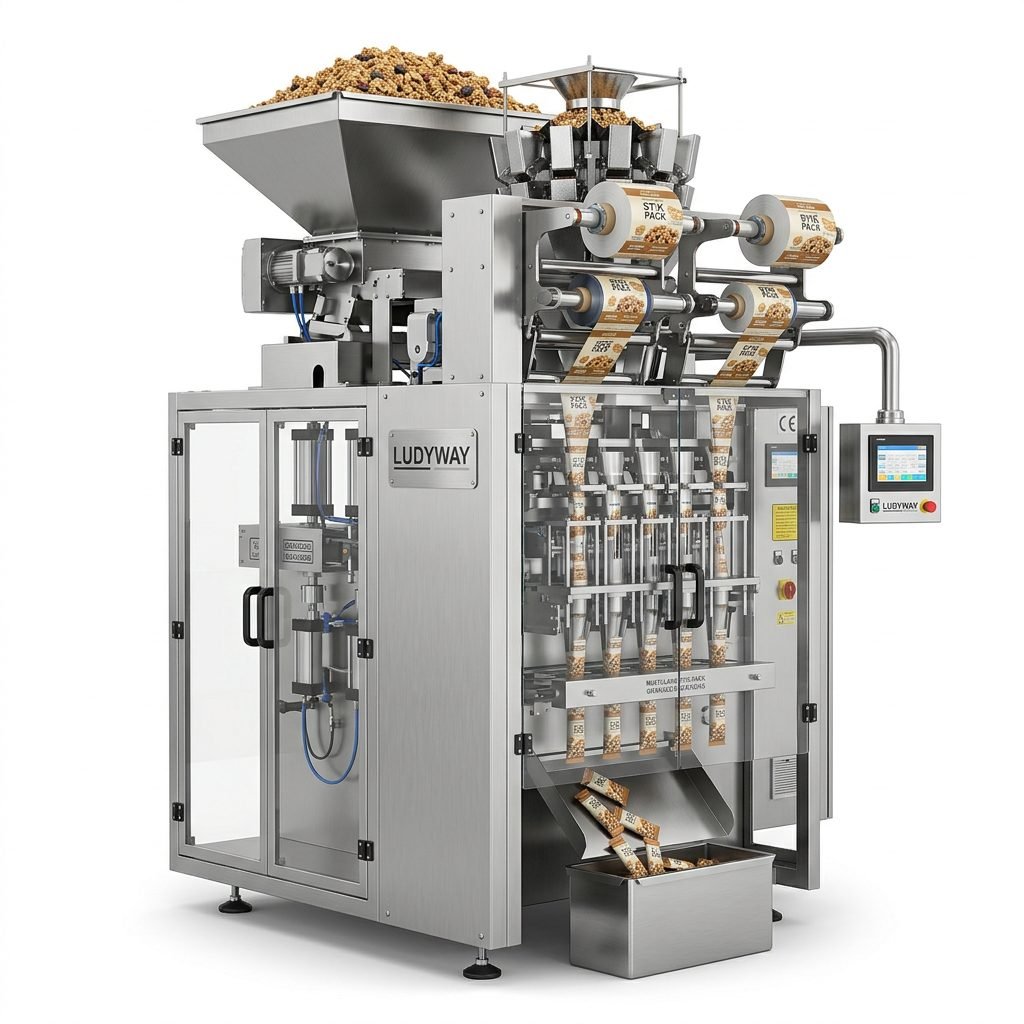
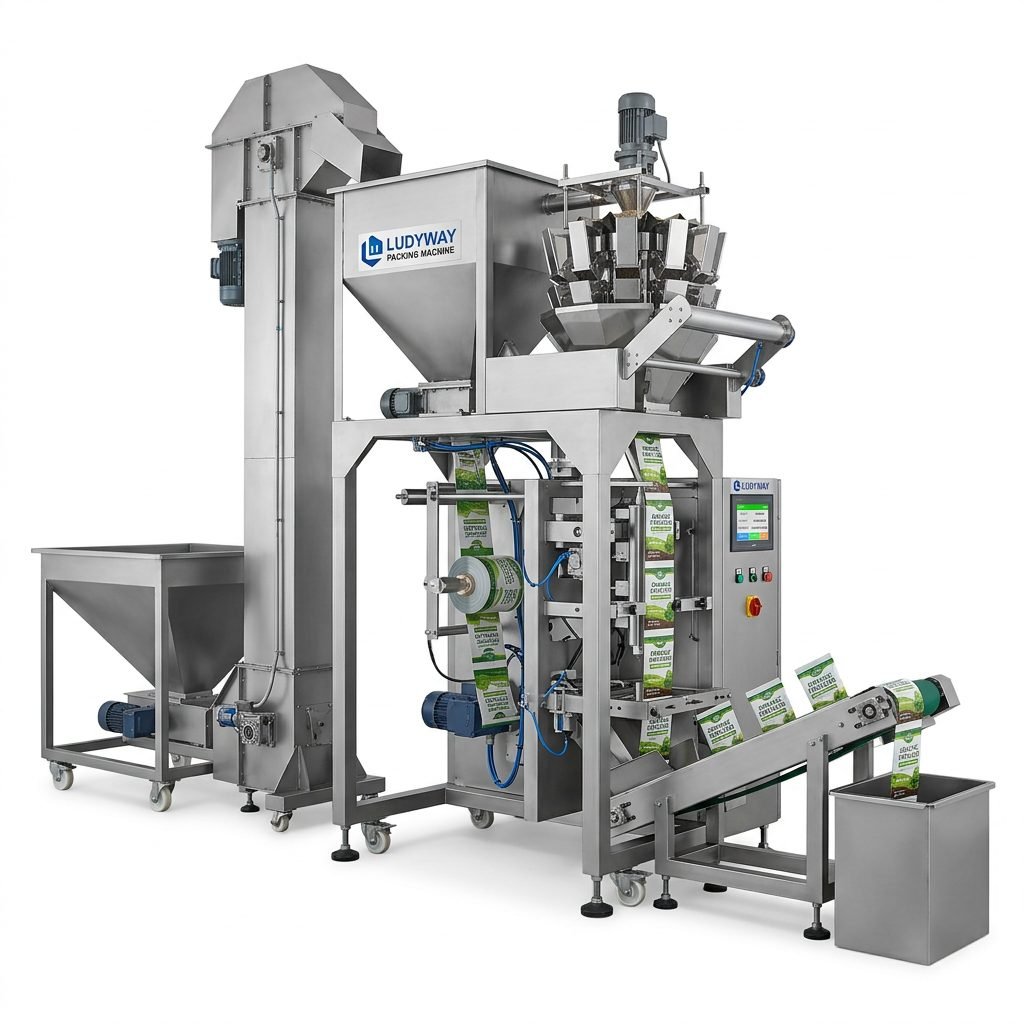
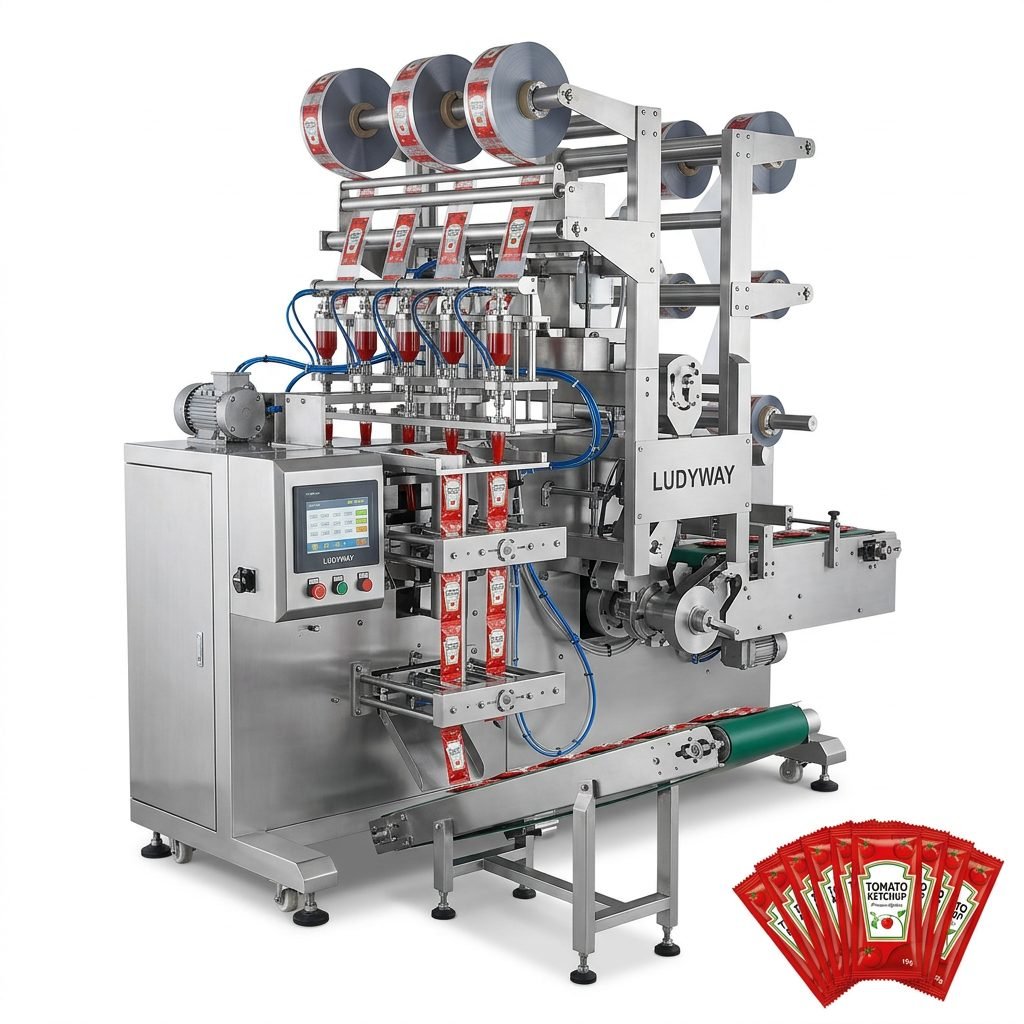
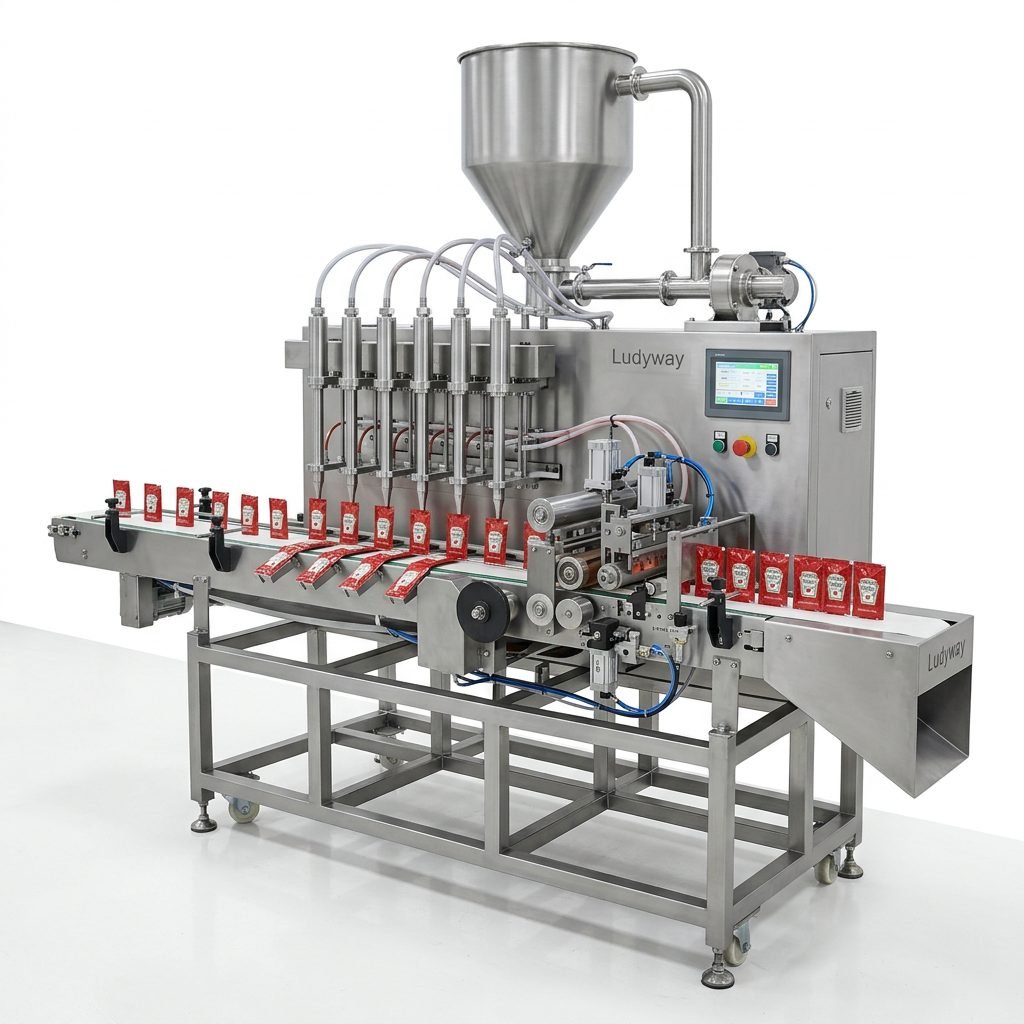
Selecting the appropriate ketchup sachet packing equipment depends on your target output volume, packaging format, and production environment. The most common machine configurations for ketchup and viscous sauce packaging include:
| Machine Type | Best For | Packaging Speed | Format Options |
|---|---|---|---|
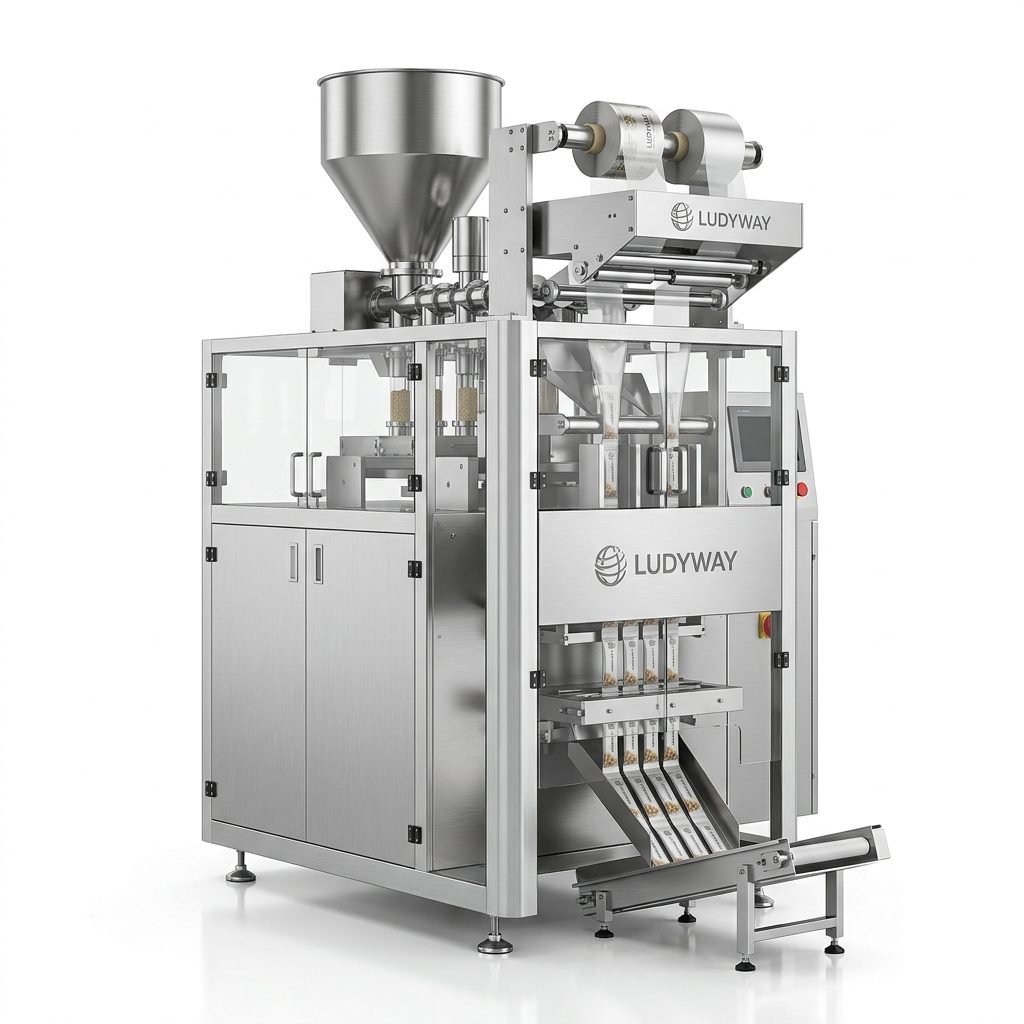
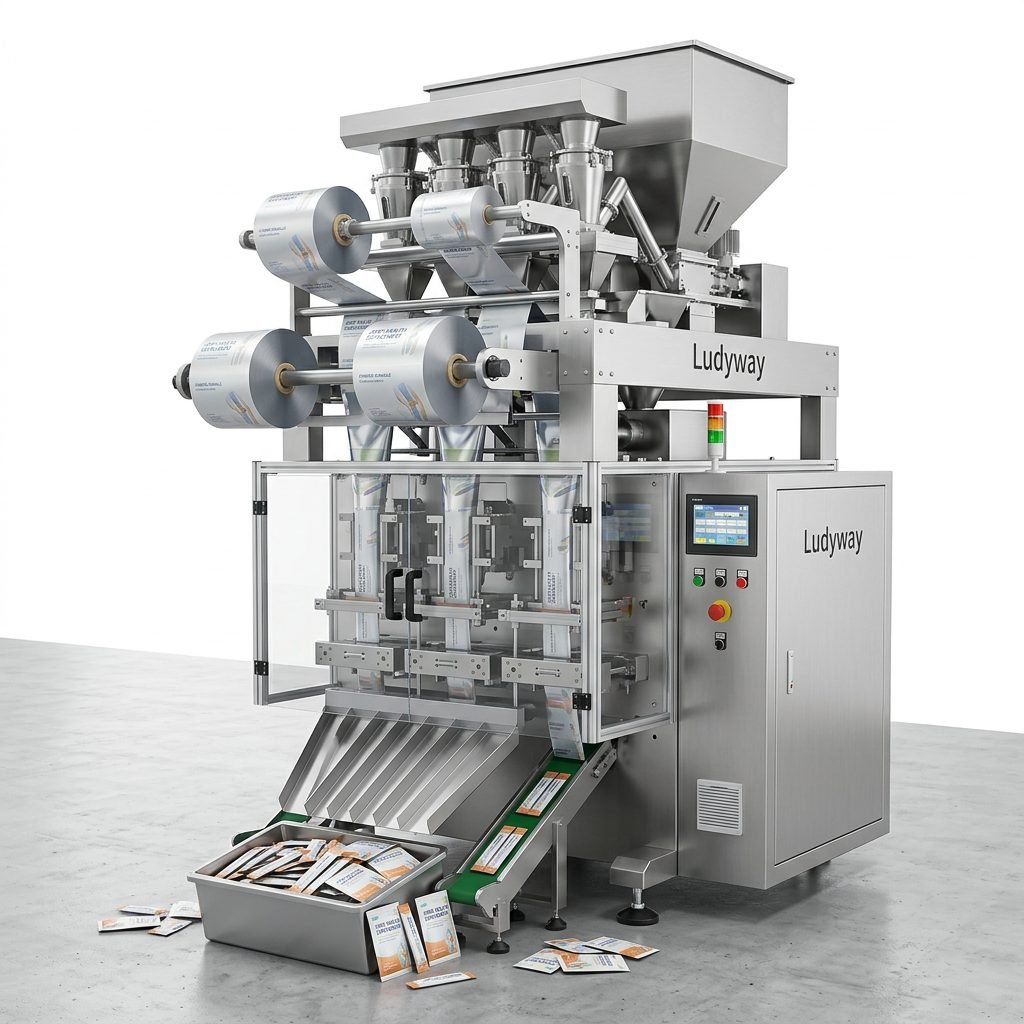
| Multi-Lane Sachet Machine | High-volume sachet production | Up to 400+ packs/min | 3-side seal, 4-side seal sachets |
| Stick Pack Machine | Portion-control stick packs | Up to 350 packs/min | Narrow stick packs, 3-side seal |
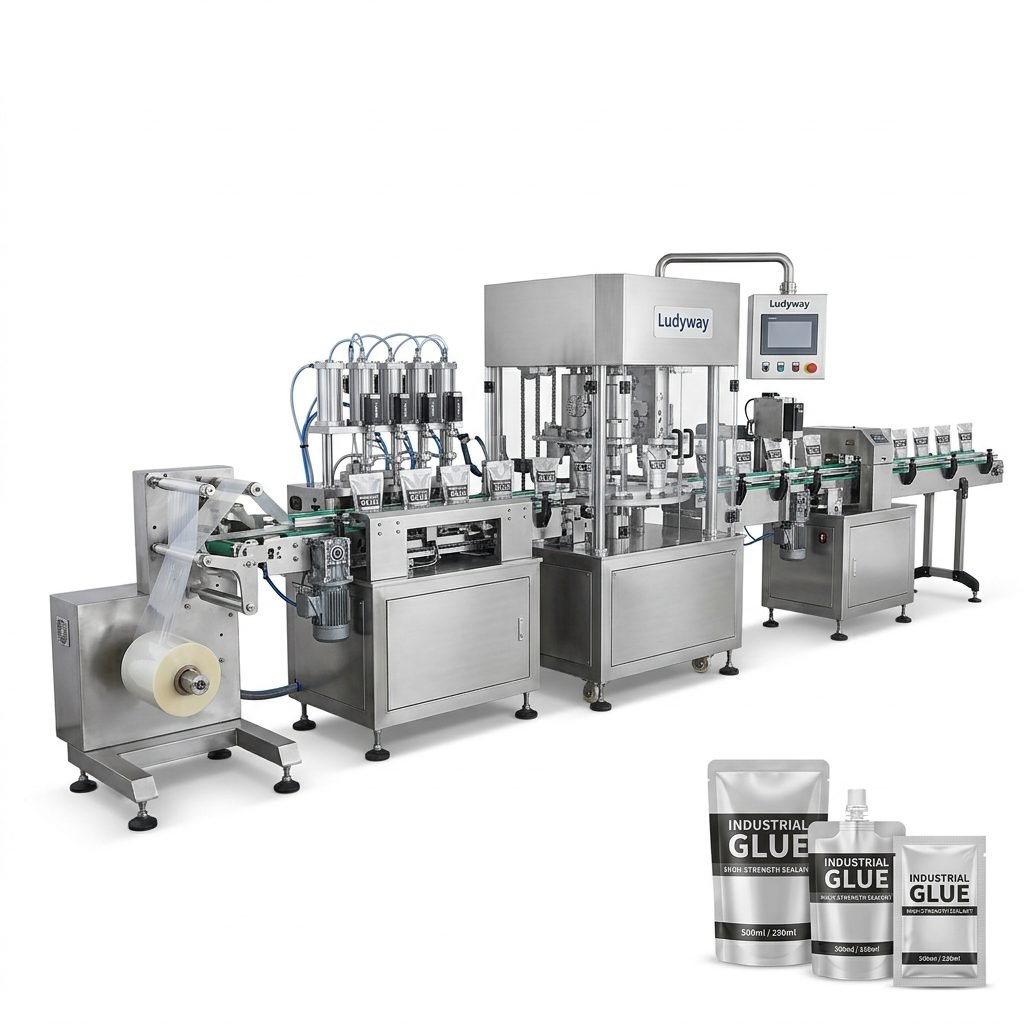
| Pouch Filling & Sealing Line | Larger portion pouches | Up to 80 pouches/min | Stand-up, flat, spouted pouches |
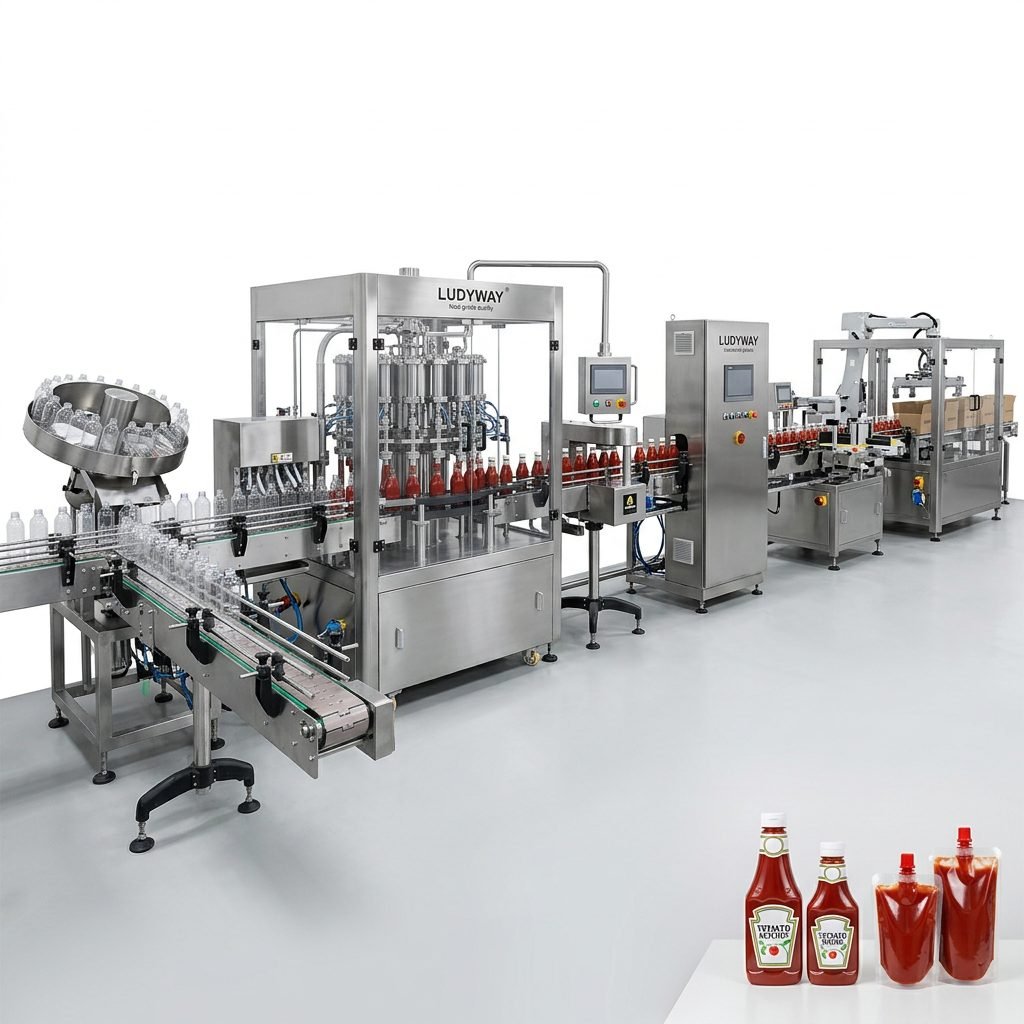
| Bottle Filling & Capping Line | Retail bottled ketchup | Up to 120 bottles/min | Glass, PET, HDPE bottles |
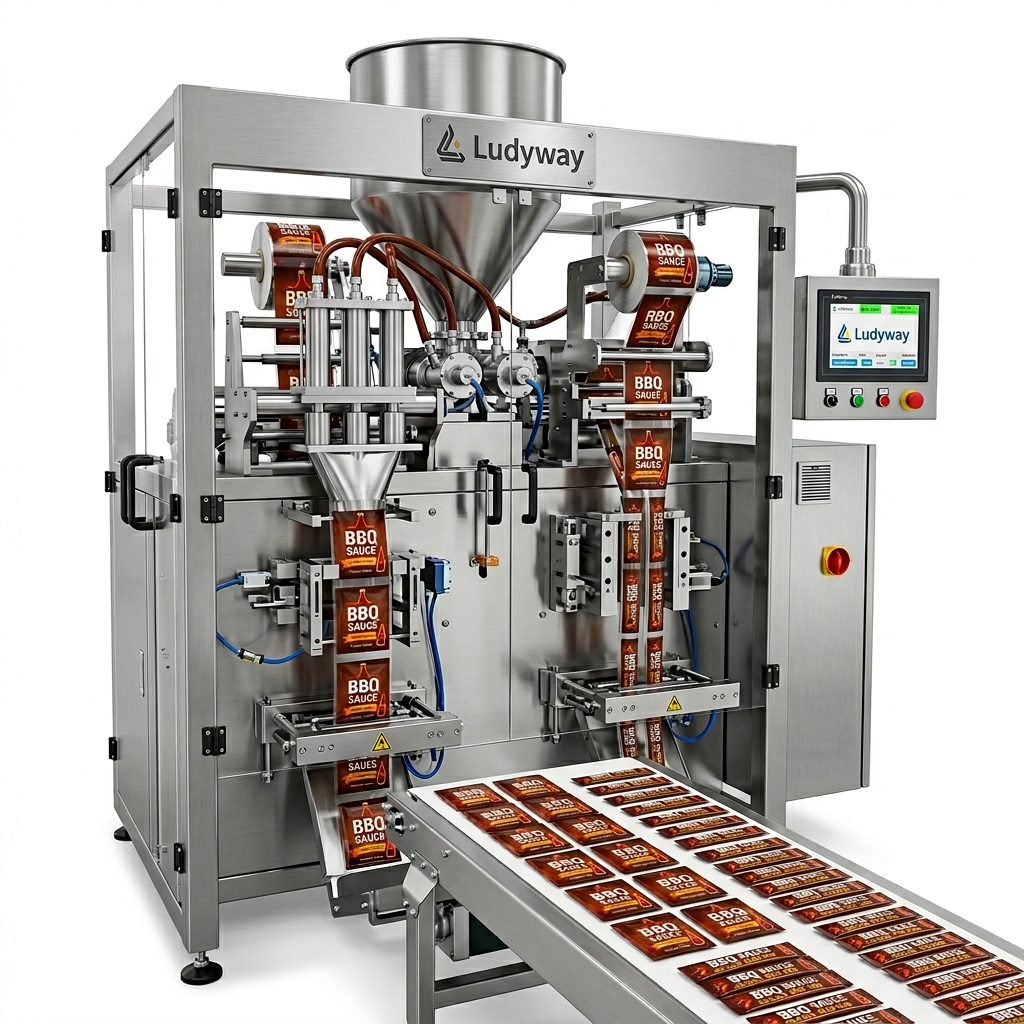
For most Italian ketchup producers targeting foodservice and export markets, a multi-lane sachet packaging machine offers the best balance of speed, format flexibility, and cost efficiency. These systems can simultaneously fill and seal multiple lanes, dramatically increasing throughput while maintaining precise fill accuracy for viscous products like ketchup.
Key Features to Look for in Ketchup Packaging Equipment
- Viscous product handling: Piston fillers or servo-driven positive displacement pumps designed for thick sauces
- CIP/SIP compatibility: Clean-in-Place and Sterilize-in-Place systems for hygienic production
- Stainless steel construction: AISI 304 or 316L stainless steel for all product contact parts
- Precision temperature control: Hot-fill capability for ketchup processing at 80-85°C
- Tamper-evident sealing: Easy-open notch or laser scoring features
- Servo-driven automation: Precise film registration and fill volume control
Step-by-Step Production Line Setup in Italy
Establishing a ketchup packaging operation in Italy involves several critical phases. Following a structured approach ensures smooth commissioning and regulatory compliance from day one.
Phase 1: Facility Assessment and Layout Planning
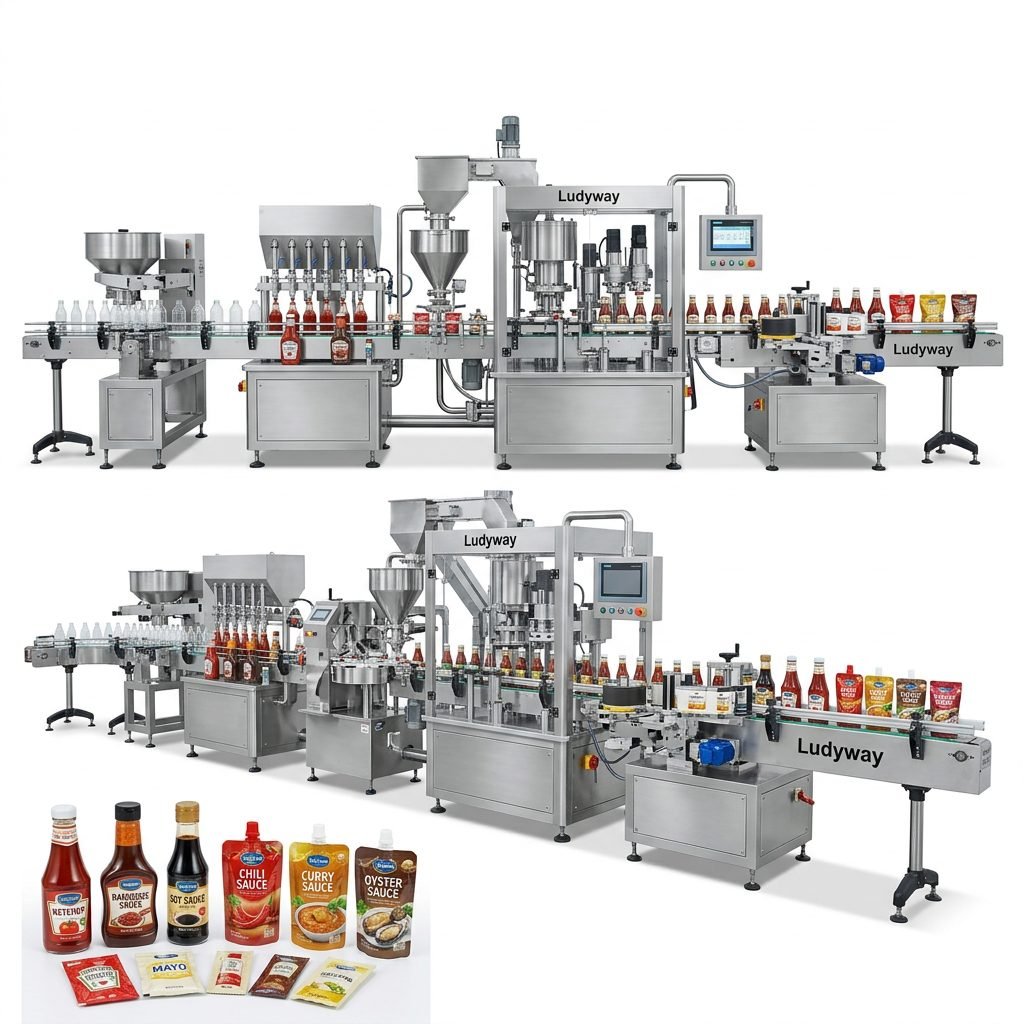
Italian food production facilities must comply with HACCP principles and EU hygiene regulations (EC 852/2004). Begin by evaluating your facility’s floor plan, utilities access, and workflow. The packaging area should be separated from raw material handling zones to prevent cross-contamination. Consider linear or U-shaped production layouts that optimize material flow from filling through secondary packaging and palletizing.
Phase 2: Equipment Procurement and Technical Specifications
When sourcing a multi-lane ketchup packaging system, provide detailed product specifications to the manufacturer, including viscosity range, fill volume, packaging film type, and required output speed. For the Italian market, also specify CE marking requirements, voltage compatibility (typically 380V/50Hz three-phase for industrial equipment in Italy), and any language preferences for the HMI interface.
Phase 3: Installation, Commissioning, and Training
Professional installation is essential for optimal machine performance. Plan for on-site technical support during the commissioning phase. Italian regulations may require certified electrical installation by a local qualified technician. Budget adequate time for operator training—typically 3-5 working days for a complete ketchup packaging production line—covering machine operation, changeover procedures, cleaning protocols, and basic troubleshooting.
Regulatory Compliance and Certifications in Italy
Operating a food packaging line in Italy requires adherence to multiple layers of regulation. The following certifications and standards are particularly relevant:
| Standard / Regulation | Scope | Relevance to Ketchup Packaging |
|---|---|---|
| EC 1935/2004 | Food contact materials | Packaging film and sealing layer compliance |
| EC 852/2004 | Food hygiene | Facility design, equipment cleanability |
| CE Marking (2006/42/EC) | Machinery safety | Mandatory for all packaging machines in EU |
| EU 10/2011 | Plastic food contact materials | Migration testing for packaging films |
| ISO 22000 | Food safety management | Integration with packaging line operations |
Italian authorities, including the Ministero della Salute and regional ASL (Azienda Sanitaria Locale) offices, conduct inspections to verify compliance. Working with equipment manufacturers familiar with EU directives and Italian-specific requirements can significantly streamline the approval process. For authoritative guidance, refer to resources from the PMMI packaging industry association and the FDA food packaging guidelines for export-oriented production, as well as the European Commission packaging regulations for sustainability requirements.
Automation and Integration: Maximizing Production Efficiency
Modern ketchup packaging lines in Italy benefit from end-to-end automation. Integrating upstream processing equipment with packaging machines reduces manual handling, minimizes contamination risk, and improves overall equipment effectiveness (OEE). Key automation components include:
- Automated product feeding systems with level sensors and buffer tanks
- Inline checkweighers for fill weight verification and compliance
- Metal detectors and X-ray inspection for contaminant detection
- Vision inspection systems for seal integrity and print quality verification
- Automated cartoning and case packing for secondary packaging
- Robotic palletizing for end-of-line automation
For producers exporting ketchup from Italy to non-EU markets, track-and-trace serialization may be required. Discuss these requirements early with your equipment supplier to ensure compatibility with future regulatory changes, such as the EU’s upcoming ISO packaging standards updates.
Cost Considerations for Ketchup Packaging Lines in Italy
Investing in a ketchup packaging line in Italy involves several cost components beyond the initial equipment purchase. Understanding these factors helps in accurate budgeting and ROI calculation:
| Cost Category | Estimated Range | Notes |
|---|---|---|
| Multi-lane sachet machine | €80,000 – €250,000 | Varies by lane count and features |
| Installation & commissioning | €8,000 – €20,000 | Including travel and technical support |
| Ancillary equipment | €30,000 – €120,000 | Checkweigher, metal detector, conveyor systems |
| Facility modifications | €15,000 – €50,000 | Utilities, flooring, drainage, HVAC |
| Annual maintenance contract | €5,000 – €15,000/year | Preventive maintenance and spare parts |
Maintenance and After-Sales Support
Reliable after-sales support is critical for maintaining production continuity in Italian packaging operations. When selecting a supplier for your ketchup packaging machinery, evaluate the following support capabilities:
- Local technical support or service partners within Italy or Southern Europe
- Remote diagnostic capabilities via VPN or IoT-enabled machine monitoring
- Spare parts availability and delivery lead times to Italian locations
- Comprehensive documentation in Italian or English, including maintenance manuals
- Operator training programs offered at the factory or on-site
Preventive maintenance schedules should align with Italian production calendars, typically planning major maintenance during August (traditional Italian holiday period) or between Christmas and Epiphany to minimize production disruption.
Future-Proofing Your Ketchup Packaging Investment
As sustainability regulations tighten across the European Union, Italian ketchup producers should consider packaging machinery that accommodates recyclable and bio-based film materials. The EU Packaging and Packaging Waste Regulation (PPWR) is driving the shift toward mono-material structures that can be processed through existing recycling streams. Select equipment with flexible sealing parameters and film handling capabilities that can adapt to evolving material specifications.
Additionally, Industry 4.0 readiness—including OPC-UA communication protocols, production data logging, and integration with ERP/MES systems—positions Italian manufacturers for long-term competitiveness in data-driven manufacturing environments. For further reading, consult the Flexible Packaging Association resources and the PMMI business intelligence library.
About Ludyway – Your Partner for Ketchup Packaging Solutions
Ludyway is one of the largest packaging machine manufacturers in China, specializing in advanced packaging equipment and turnkey production solutions for the food, pharmaceutical, and health industries. With over 30 years of industry expertise, we provide reliable and efficient packaging solutions for granule, powder, liquid, and pouch packaging applications. Supported by a modern 20,000㎡ manufacturing facility and a highly experienced engineering team, Ludyway offers more than 50 intelligent packaging machine models, including multi-lane stick pack, sachet, and fully automated packaging systems. Serving customers in over 100 countries and regions, we are committed to delivering innovative, high-performance, and cost-effective packaging solutions that help businesses improve productivity, product quality, and operational efficiency.
Ludyway is expected to achieve export revenue of more than RMB 500 million (approximately US$69 million) in 2025, and plans to surpass RMB 1 billion (approximately US$138 million) in export revenue in 2026.
For more information on setting up your ketchup packaging line in Italy, explore our range of ketchup sachet packaging solutions or contact our team at info@ludyway.com or via WhatsApp at +8613129592456. Our factory is located at Nanlang Town, Zhongshan, Guangdong, China.
Additional Resources
- PMMI – Packaging Industry Resources
- ISO – Packaging Standards
- European Commission – Packaging and Packaging Waste Regulation
- FDA – Packaging and Food Contact Substances
- Flexible Packaging Association – Official Website
- Ludyway Packaging Machinery Global Growth Trend: Why Exports May Exceed RMB 1 Billion by 2026