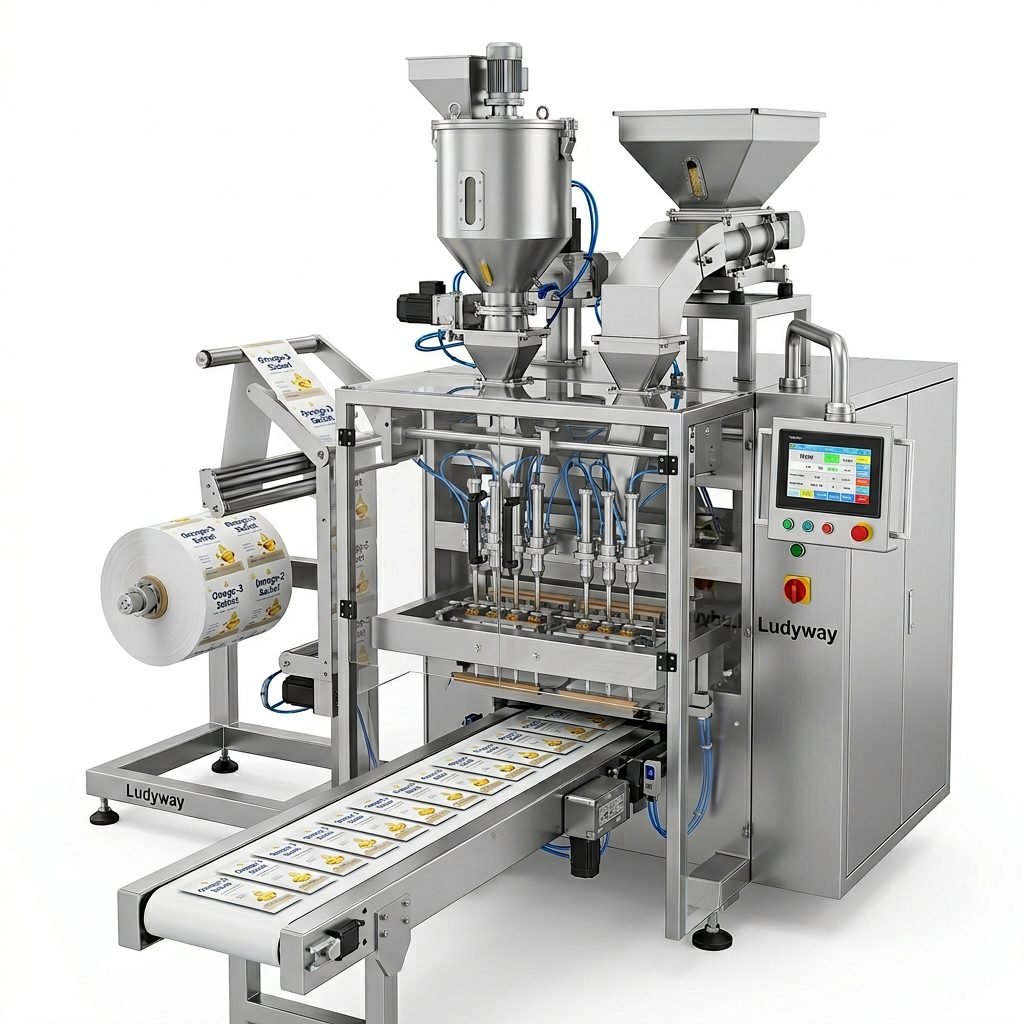
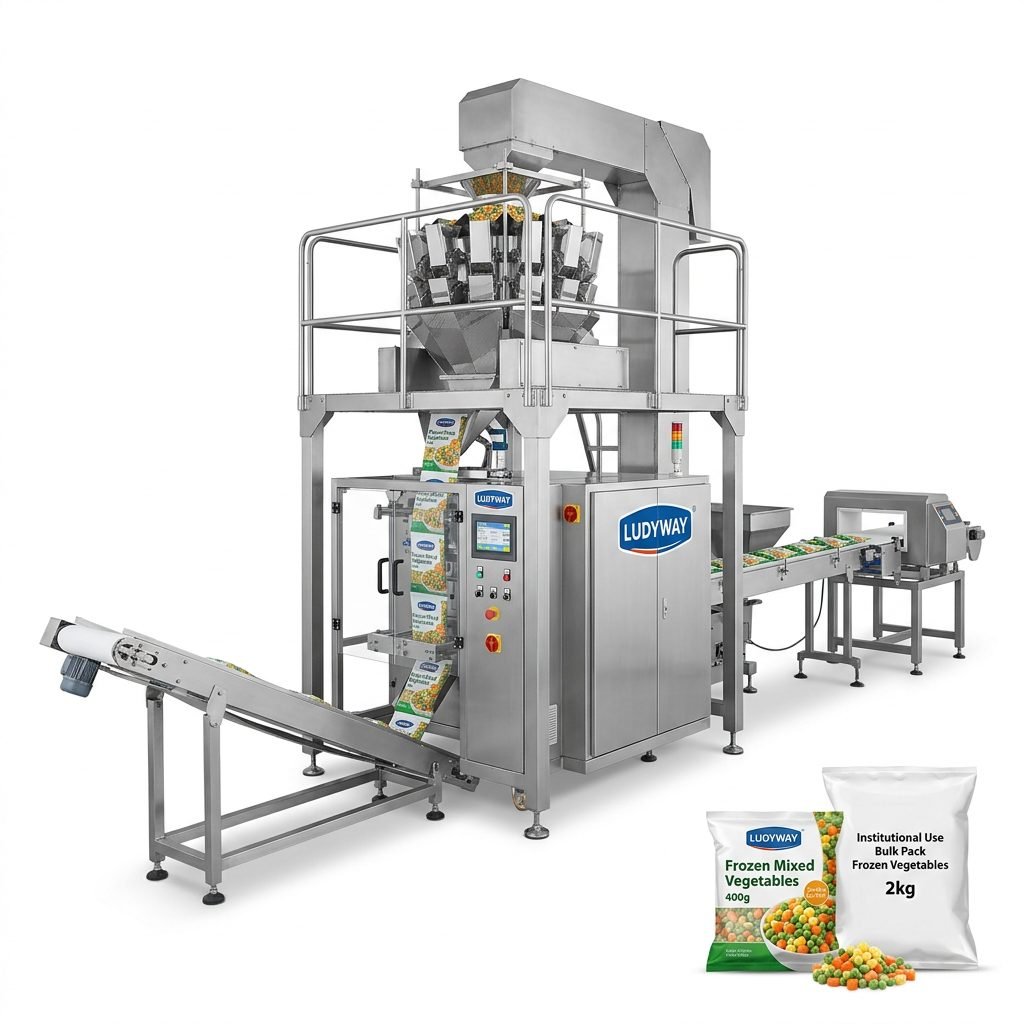
Establishing an animal feed packaging machine production line in Oceania requires careful planning, understanding of regional market demands, and compliance with local standards. Oceania, comprising Australia, New Zealand, and surrounding Pacific islands, has a robust agricultural sector with significant livestock, dairy, poultry, and aquaculture industries. Setting up a reliable and efficient packaging line is essential for feed manufacturers looking to scale production and maintain product quality.
Understanding the Oceania Animal Feed Market
The Oceania region is a major exporter of animal products, including beef, lamb, dairy, and seafood. According to industry data, Australia alone produces over 10 million tonnes of animal feed annually, while New Zealand’s dairy and livestock sectors drive consistent demand for packaged feed products. The key segments include:
- Ruminant feed – for cattle and sheep, often in bulk bags or large sacks
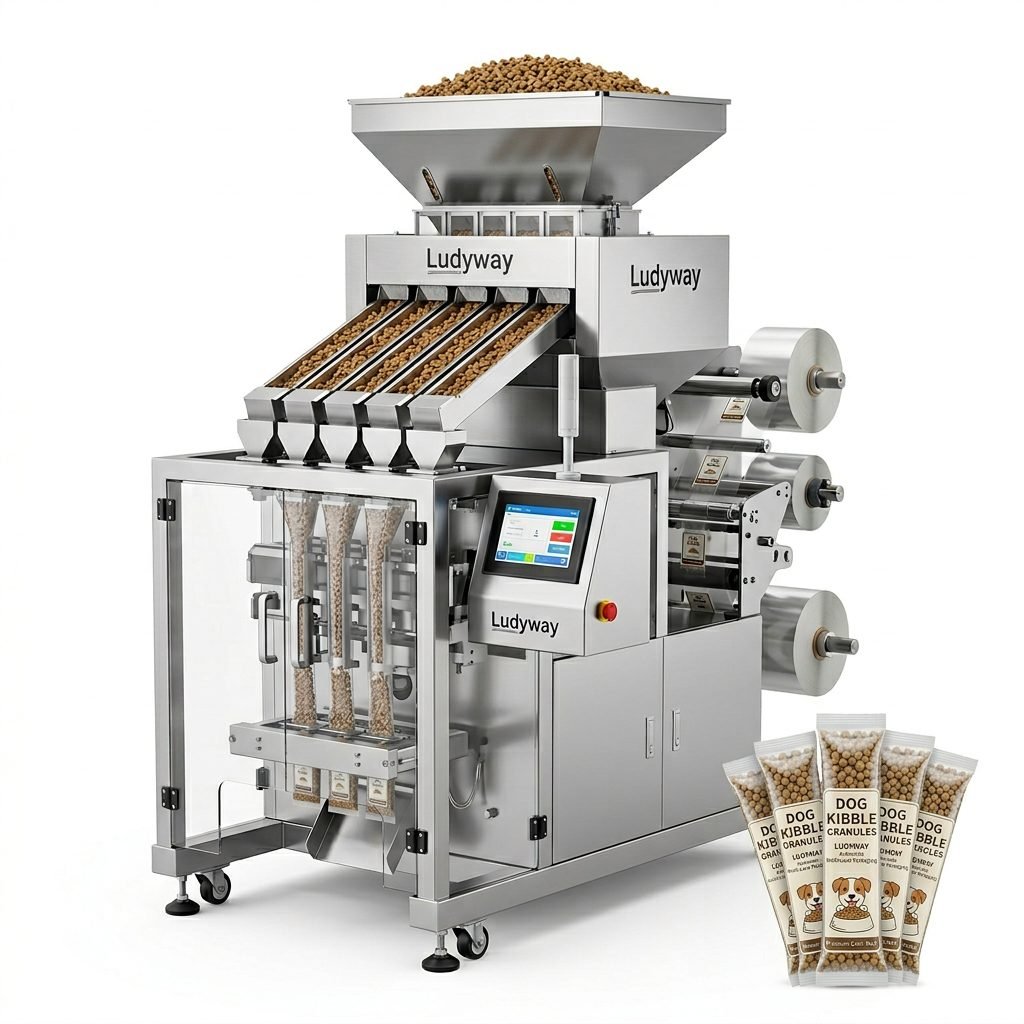
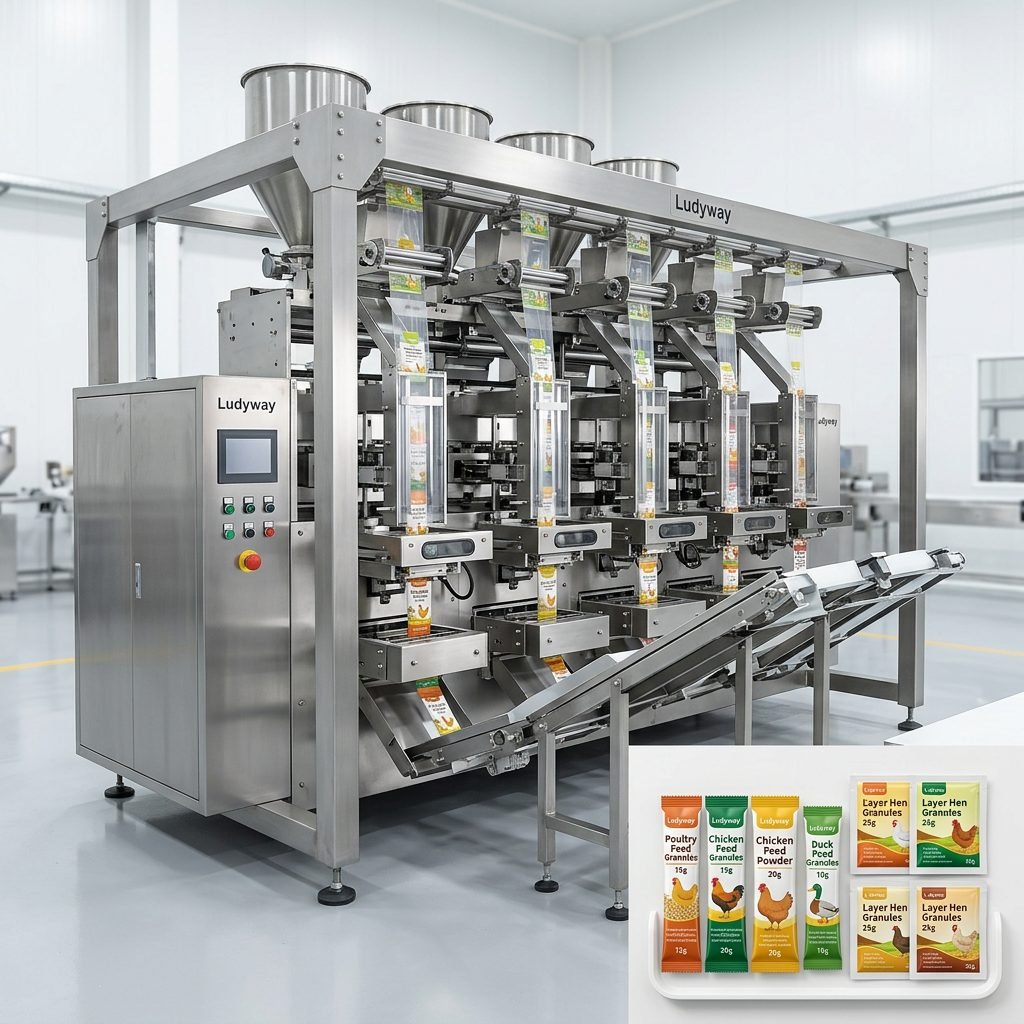
- Poultry feed – high-volume production requiring multi-lane stick pack systems for portion control
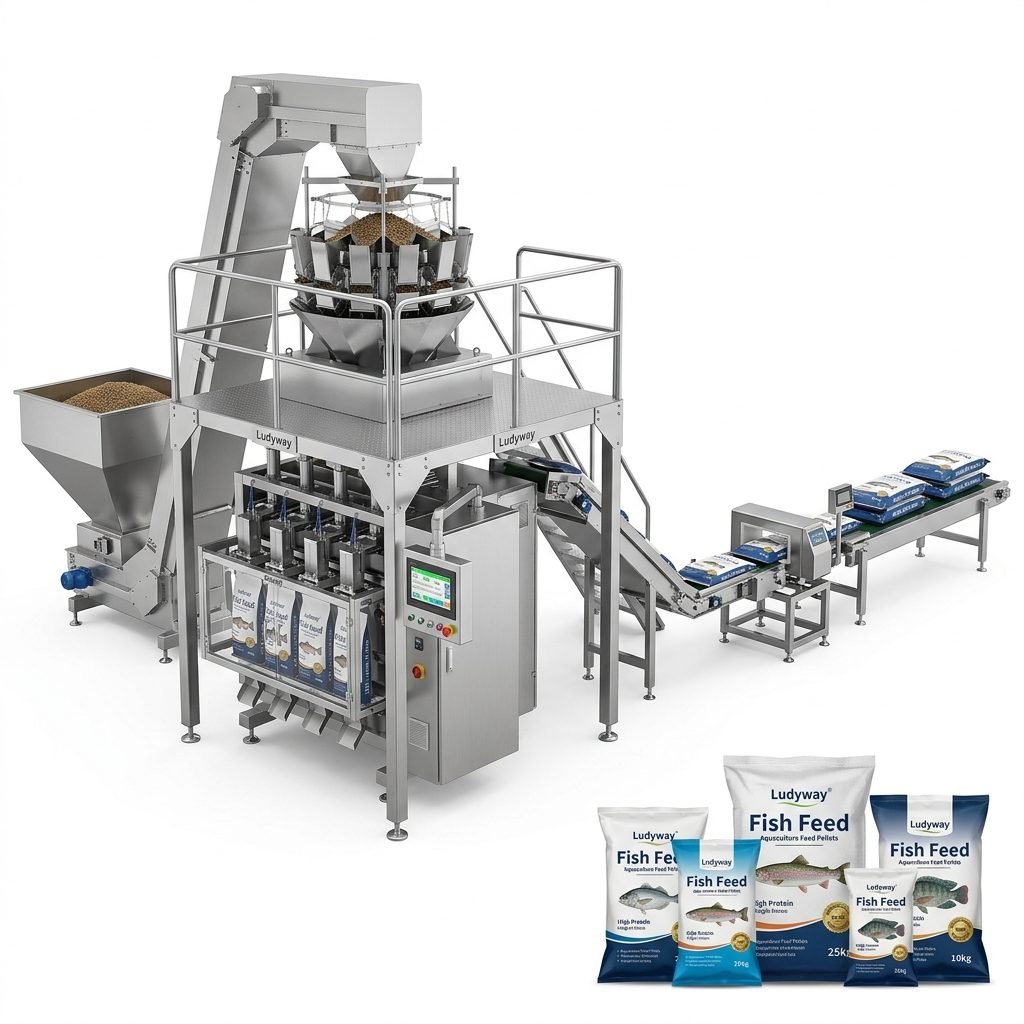
- Aquaculture feed – pellets and granules for fish and shrimp farming
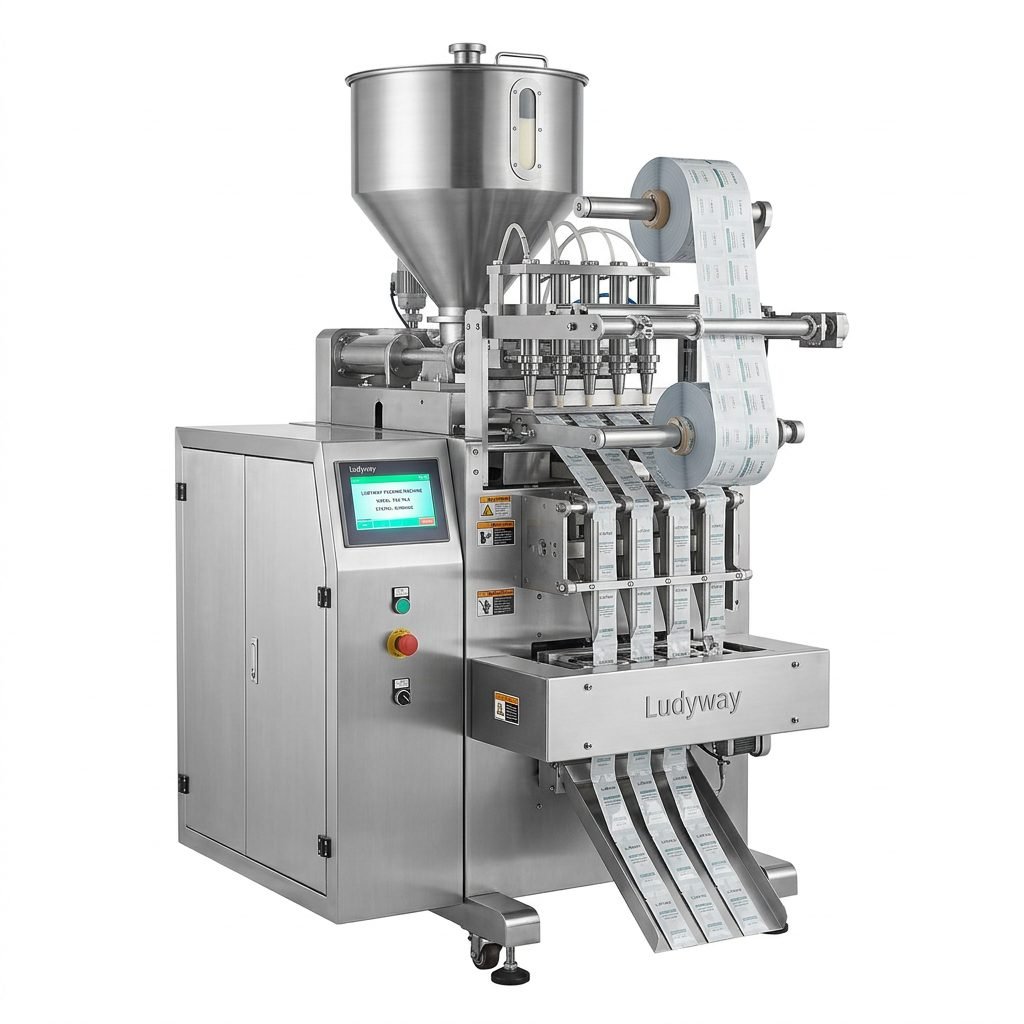
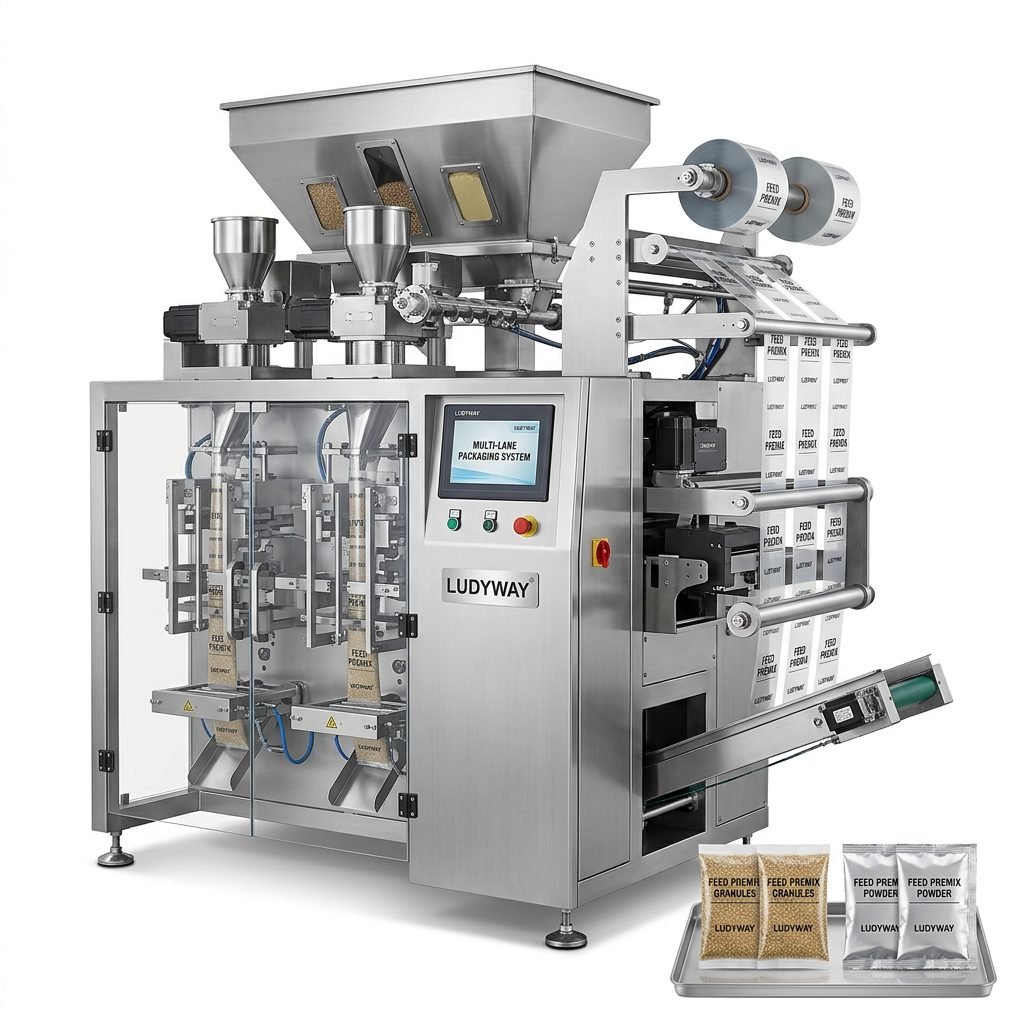
- Premix and supplement feed – mineral and vitamin blends in sachet or stick pack formats

Key Equipment for an Animal Feed Packaging Line
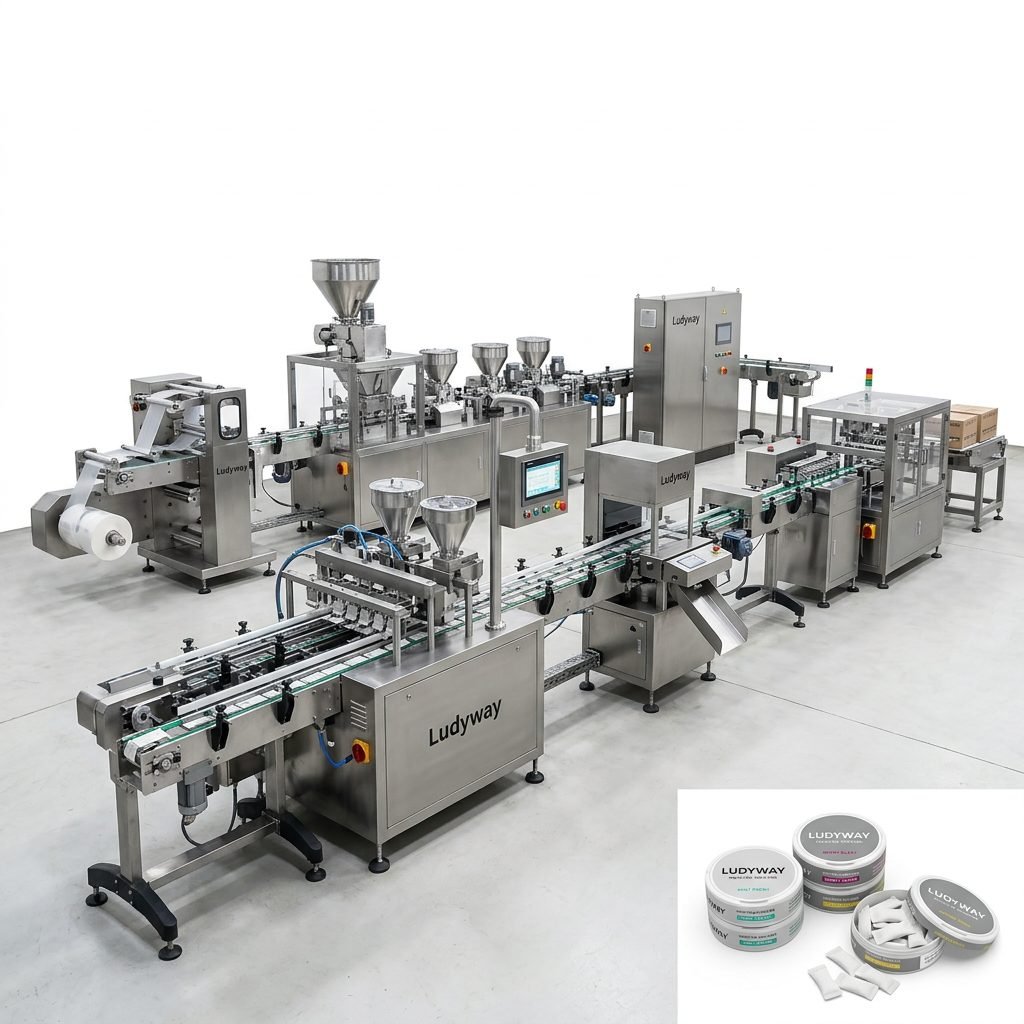
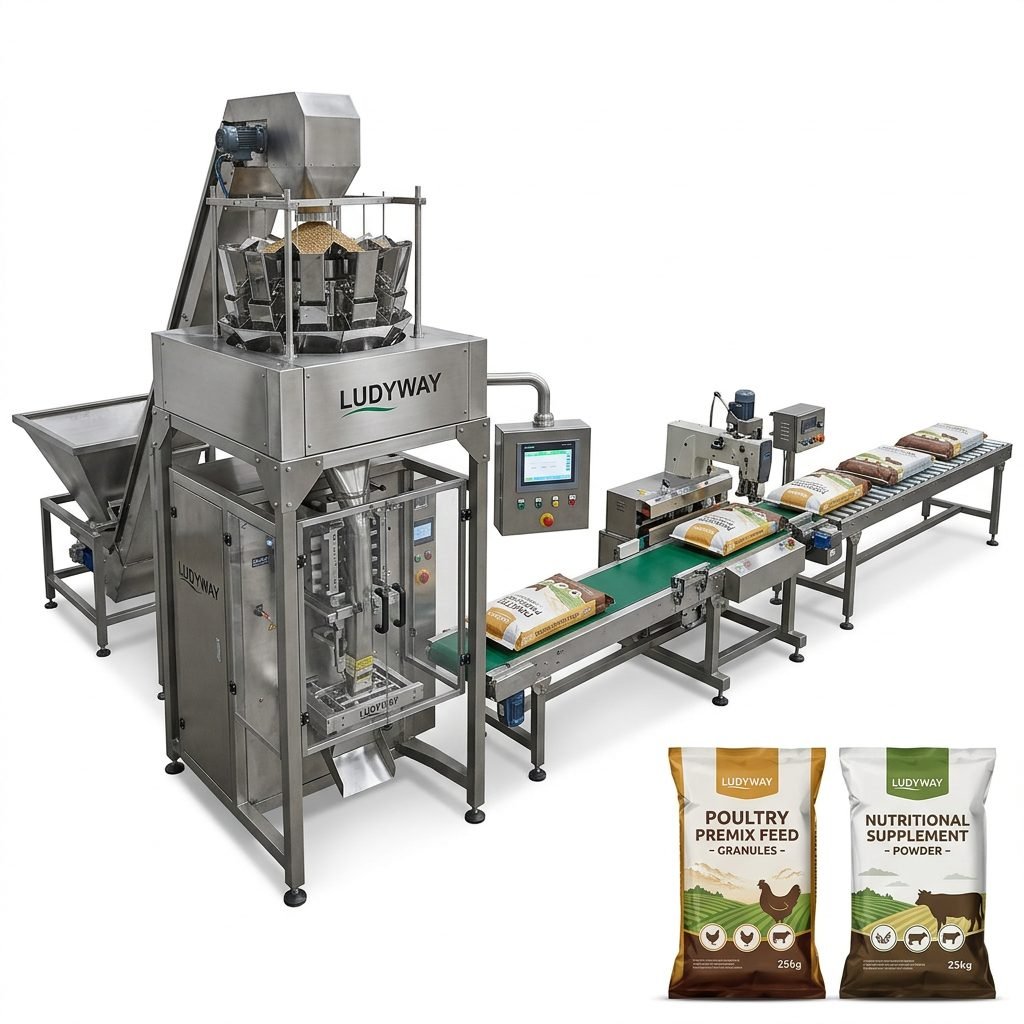
A complete feed packaging production line integrates multiple machines working in coordination. Selecting the right equipment depends on feed type, packaging format, and production capacity requirements. Below is an overview of essential machinery:
| Equipment | Function | Feed Type |
|---|---|---|
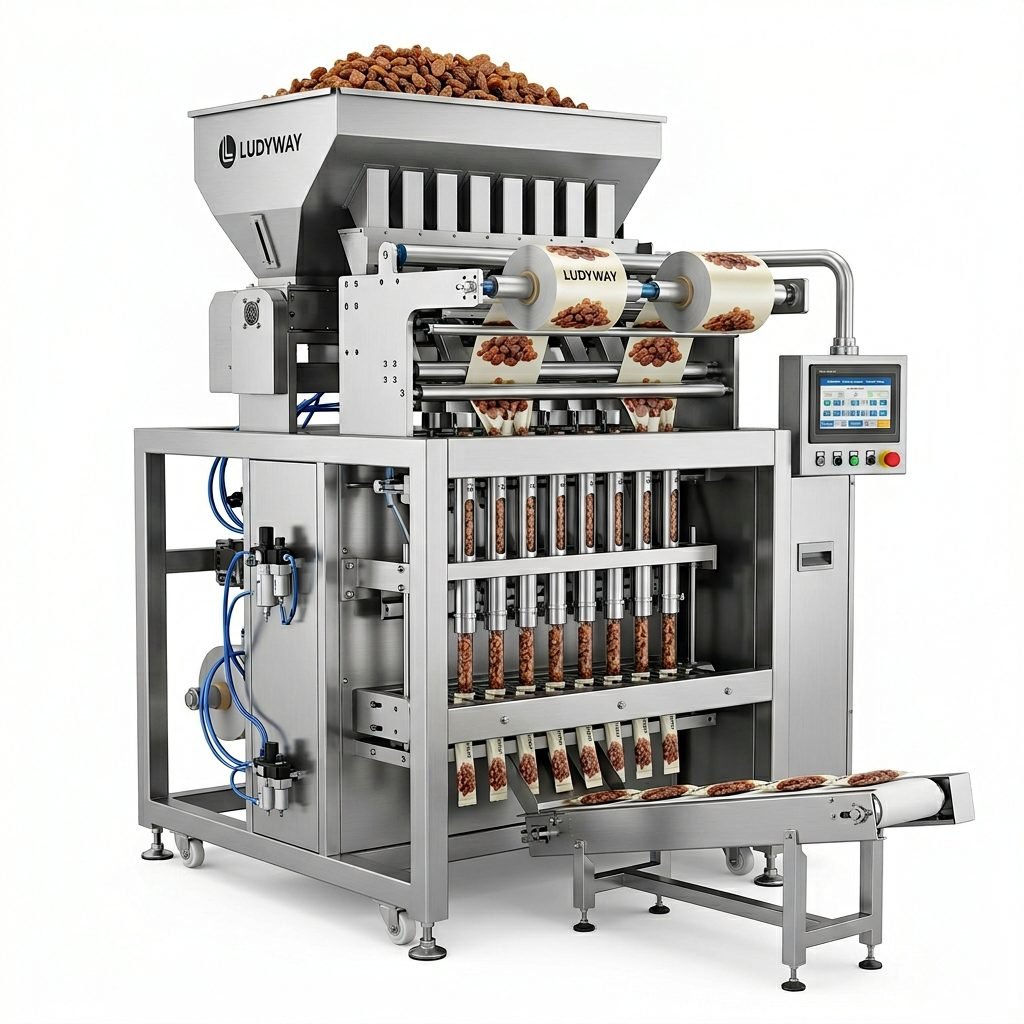
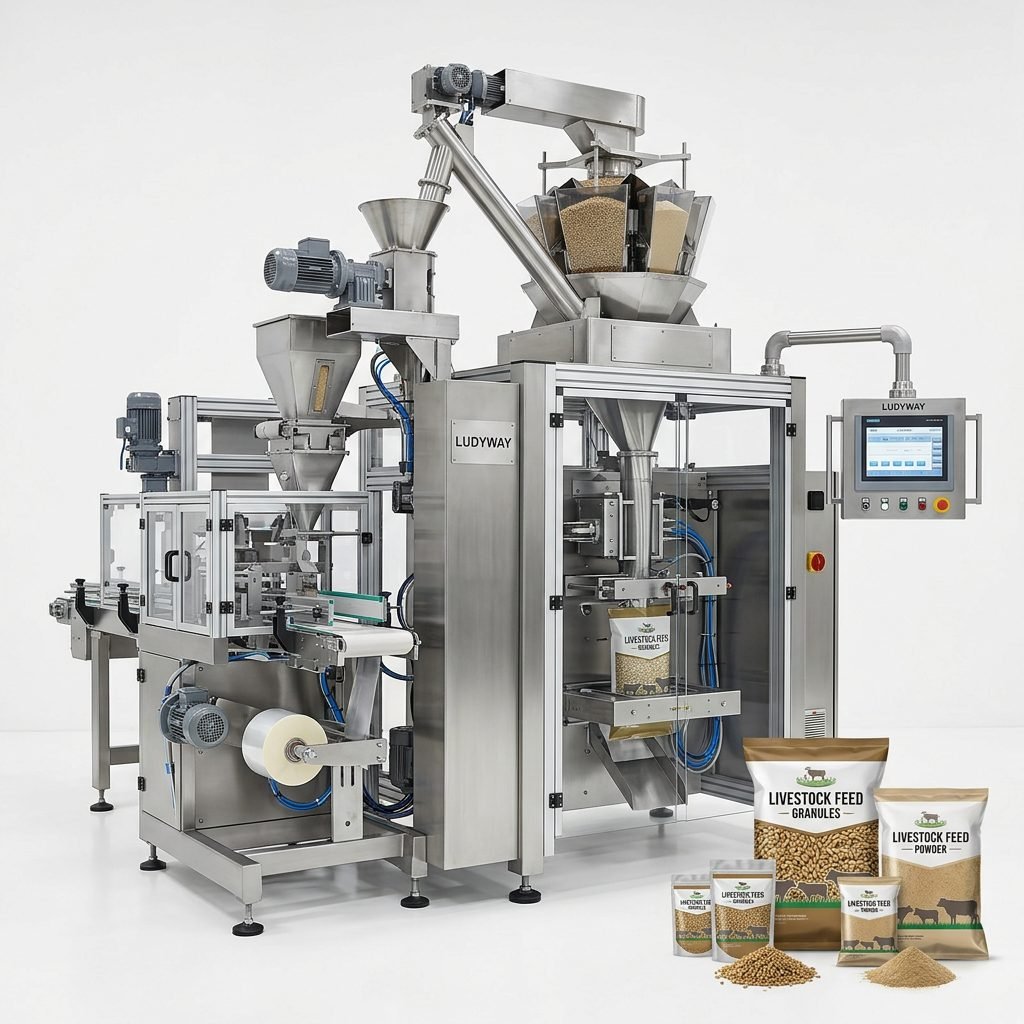
| Multi-head Weighing System | Precise portion measurement for granules and pellets | Poultry, aquaculture, premix |
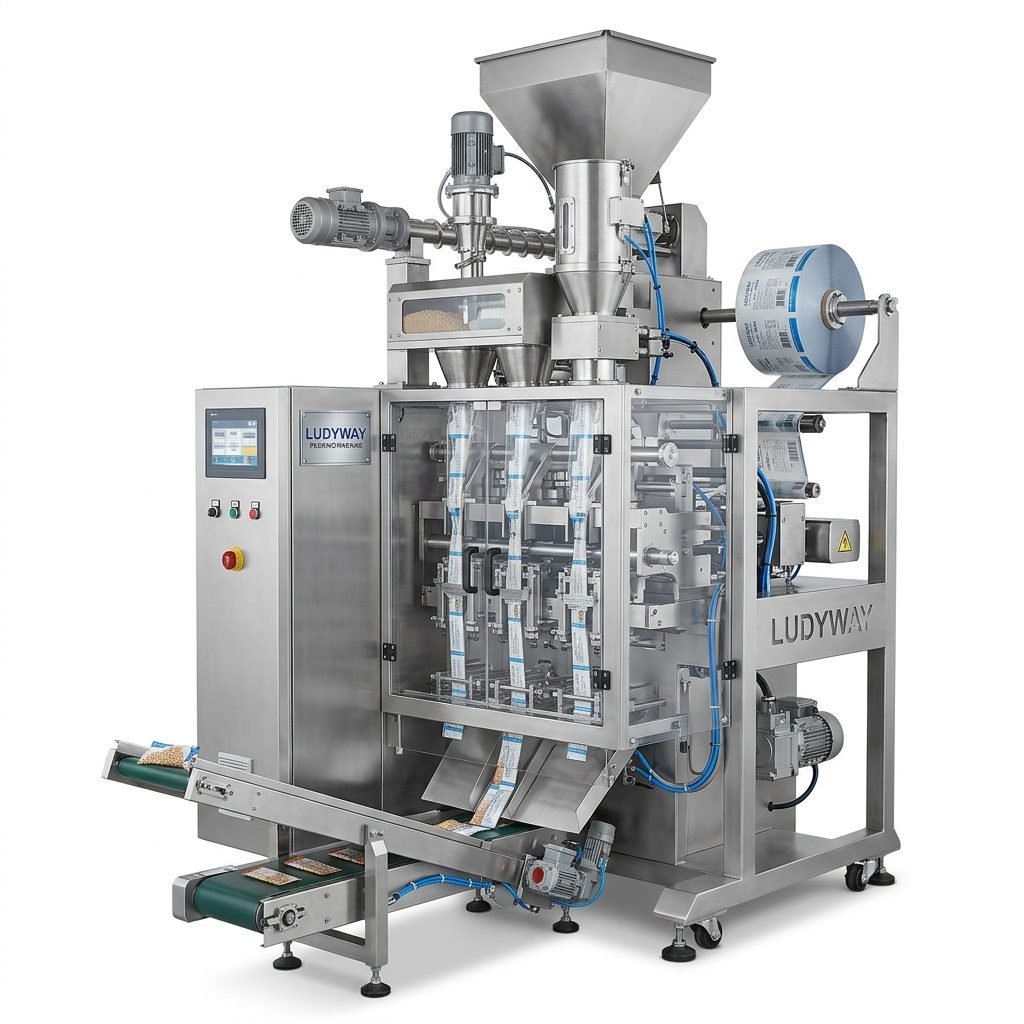
| Vertical Form Fill Seal (VFFS) Machine | Forms bags from film roll, fills, and seals | All feed types |
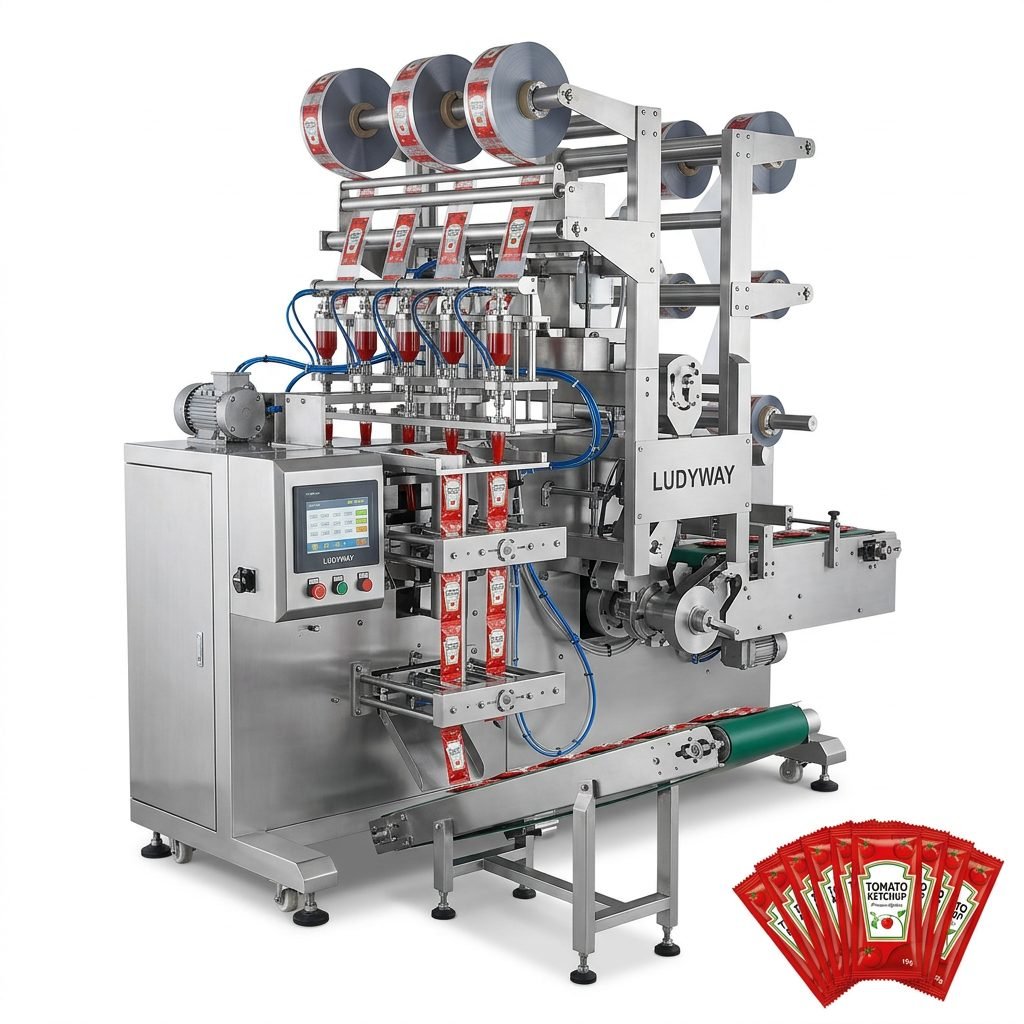
| Multi-Lane Stick Pack Machine | High-speed sachet production for supplements | Premix, mineral supplements |
| Bulk Bag Filling System | 25kg to 50kg bag filling for bulk distribution | Ruminant, large-scale operations |
| Conveyor and Material Handling | Automated product transfer between stages | All feed types |
| Checkweigher and Metal Detector | Quality control and contaminant detection | All feed types |
Step-by-Step Production Line Setup
1. Site Assessment and Planning
Before procuring equipment, conduct a thorough site assessment. Evaluate floor space, power supply, ventilation, and material flow. In Oceania, facilities must also consider humidity control, especially in tropical regions like Queensland and the Pacific islands, where moisture can affect packaging machinery standards and guidelines for feed integrity.
2. Equipment Selection and Procurement
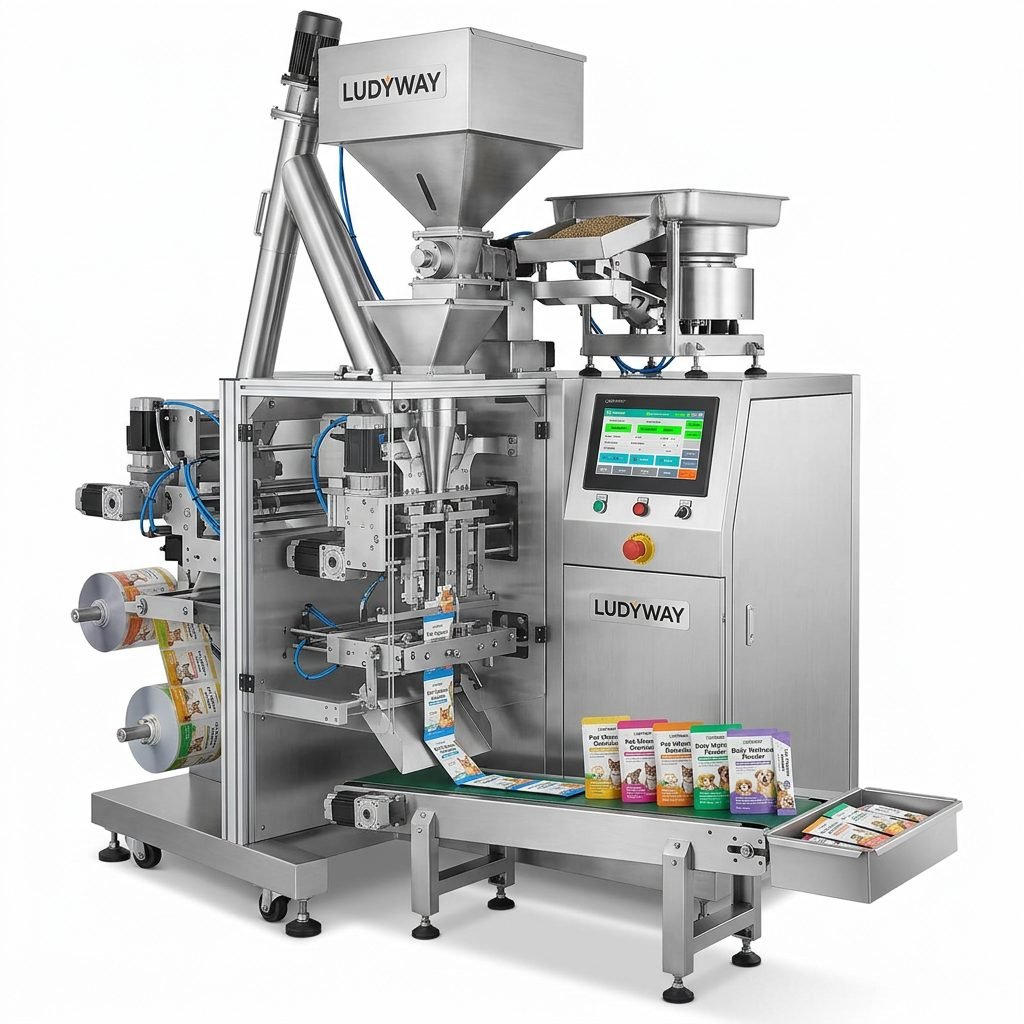
Choose machines based on your target output, packaging formats (sachets, stick packs, bulk bags), and feed characteristics. Granule size, flowability, and moisture content influence machine configuration. Leading manufacturers offer customized solutions; for instance, Ludyway provides over 50 intelligent packaging machine models suitable for various feed applications.
3. Installation and Integration
Professional installation ensures all machines are calibrated for synchronized operation. Key integration points include connecting weighing systems to filling machines, configuring conveyor speeds, and setting up automated control panels. Proper integration minimizes downtime and reduces material waste.
4. Testing and Calibration
Run test batches to verify fill accuracy, seal integrity, and overall equipment effectiveness (OEE). Calibrate multi-head weighers for your specific feed granule size and density. Documentation of test results is essential for compliance with food packaging regulations applicable to feed products.
5. Staff Training and SOP Development
Train operators on machine handling, troubleshooting, and safety protocols. Develop Standard Operating Procedures (SOPs) for daily operation, cleaning, and maintenance. Well-trained staff are crucial for maximizing production efficiency and extending equipment lifespan.
Compliance and Regulatory Standards in Oceania
Feed packaging operations in Oceania must comply with several regulatory frameworks. In Australia, FeedSafe and the Australian Animal Feed Ingredient and Additive Standards govern feed safety. New Zealand follows the Agricultural Compounds and Veterinary Medicines (ACVM) Act. Key compliance areas include:
- Labeling accuracy – ingredient lists, nutritional information, batch codes
- Contamination prevention – metal detection and proper sanitation protocols
- Packaging material safety – food-grade materials suitable for animal feed
- Traceability systems – batch tracking from production to distribution
Refer to the PMMI business intelligence resources and ISO packaging standards for international compliance guidance that applies to Oceania markets.
Cost Considerations and ROI
Investment in an animal feed packaging line varies based on capacity, automation level, and machine configuration. Below is a summary of cost factors and expected returns:
| Cost Factor | Description | Impact on ROI |
|---|---|---|
| Equipment Purchase | Initial capital for packaging machines and conveyors | High upfront cost, long-term asset |
| Installation and Setup | Professional installation, calibration, testing | Ensures optimal performance |
| Training | Operator and maintenance staff training | Reduces downtime and errors |
| Packaging Materials | Film, bags, labels, ink for coding | Ongoing operational cost |
| Maintenance and Spare Parts | Preventive maintenance and replacement components | Extends equipment lifespan |
Most operations achieve full ROI within 18 to 36 months, driven by increased throughput, reduced labor costs, and improved packaging consistency.
Maintenance and After-Sales Support
Regular maintenance is critical for sustained performance of feed packaging machinery. Establish a preventive maintenance schedule covering:
- Daily cleaning of filling nozzles and sealing jaws
- Weekly inspection of belts, chains, and pneumatic systems
- Monthly calibration of weighing and dosing units
- Quarterly review of electrical and control systems
Partner with suppliers who offer comprehensive after-sales support, including remote diagnostics, spare parts availability, and on-site service visits across Oceania. Access to timely support minimizes production disruptions.
Frequently Asked Questions
What is the best packaging format for animal feed in Oceania?
The optimal format depends on the target market. Bulk bags (25kg–50kg) are preferred for large farms and distributors, while multi-lane sachets and stick packs are growing in popularity for supplements and premixes due to convenience and precise dosing.
How do I ensure my packaging line meets Australian biosecurity standards?
Implement rigorous cleaning protocols, use sealed packaging materials, and maintain detailed batch records. Consult the packaging industry regulatory resources for updated biosecurity guidelines relevant to feed manufacturing.
Can one packaging line handle multiple feed types?
Yes, modular packaging systems can be configured to switch between different feed types, granule sizes, and packaging formats with minimal changeover time. This flexibility is valuable for manufacturers serving diverse Oceania markets.
What automation level is suitable for small to medium feed producers?
Semi-automated systems with manual feeding and automatic filling/sealing offer a balanced entry point. As demand grows, producers can upgrade to fully automated turnkey lines with integrated conveying, weighing, and palletizing capabilities.
Setting up an animal feed packaging machine production line in Oceania is a strategic investment that positions manufacturers for growth in a competitive market. With the right equipment, proper planning, and adherence to regional standards, producers can achieve efficient, high-quality packaging operations that meet the demands of livestock, poultry, and aquaculture industries across Australia, New Zealand, and the Pacific region.