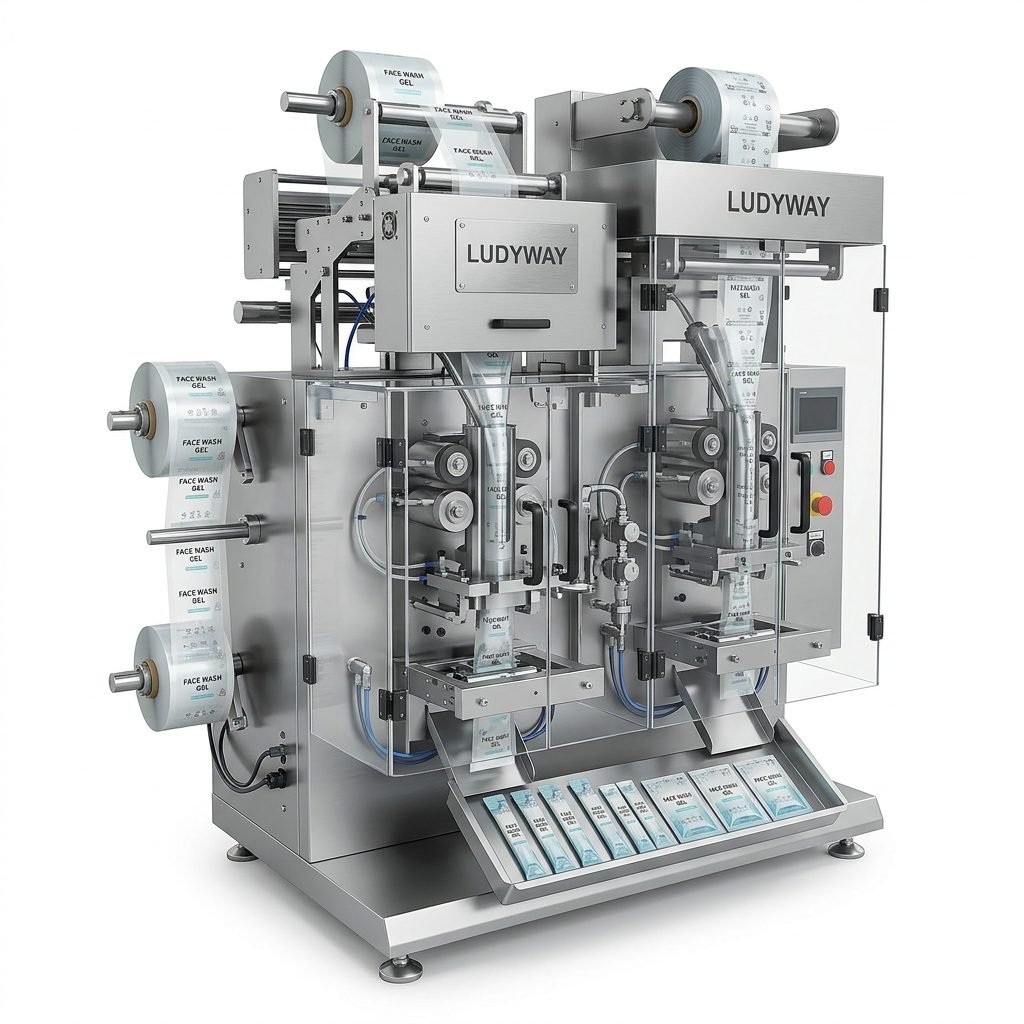
Setting up a sauce pouch packaging machine production line in Europe requires careful planning around equipment selection, regulatory compliance, and cost management. From ketchup and mayonnaise to soy sauce and salad dressings, the demand for single-serve and multi-serve sauce pouches is growing across retail, food service, and e-commerce channels. Understanding the right machinery, investment levels, and European market requirements will help you build a production line that is efficient, scalable, and fully compliant.

Understanding the European Sauce Packaging Market
The European flexible packaging industry continues to expand, driven by convenience food trends and sustainable packaging innovation. Sauce pouches are lightweight, reduce food waste, and offer portion control — all of which align with EU consumer preferences. When planning your production line, you must consider product viscosity, pouch format (stick pack, sachet, or spouted pouch), fill volume, and production speed targets.
Key Equipment for a Sauce Pouch Packaging Line
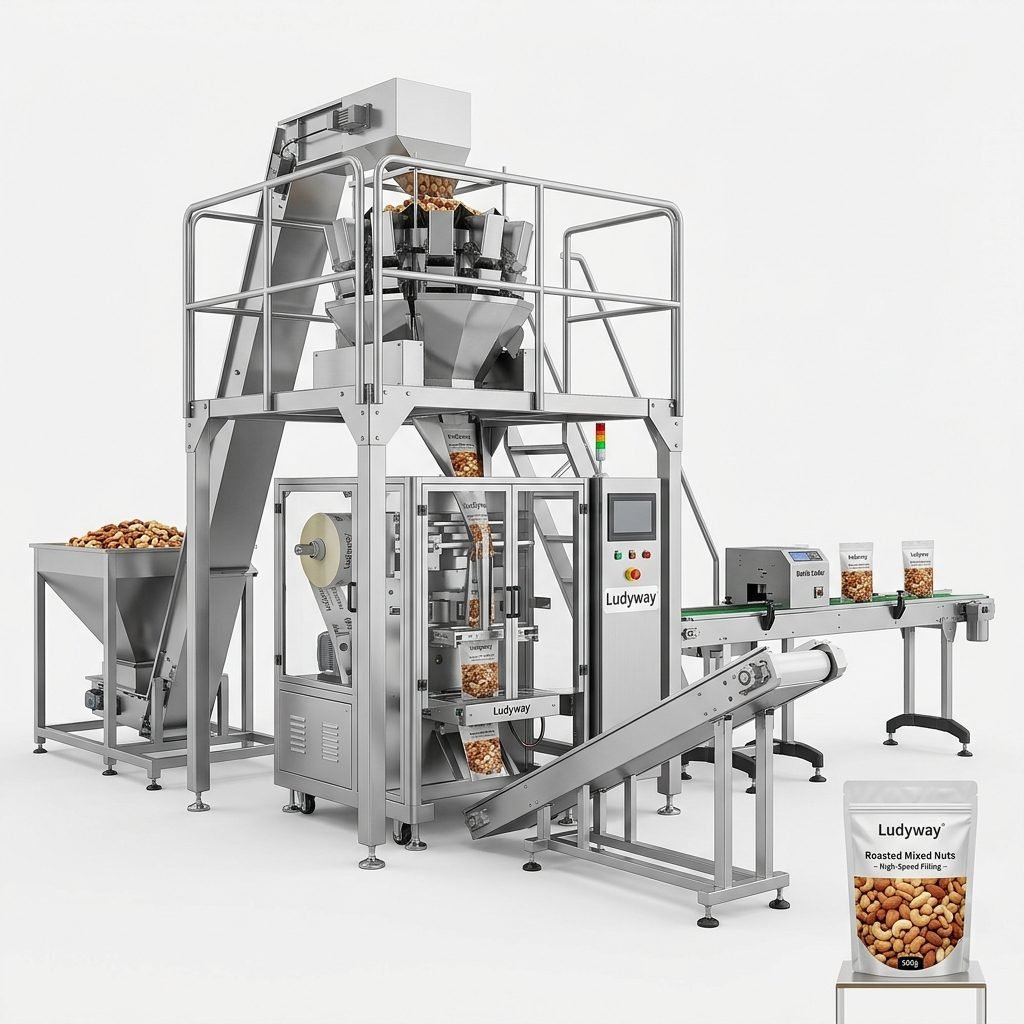
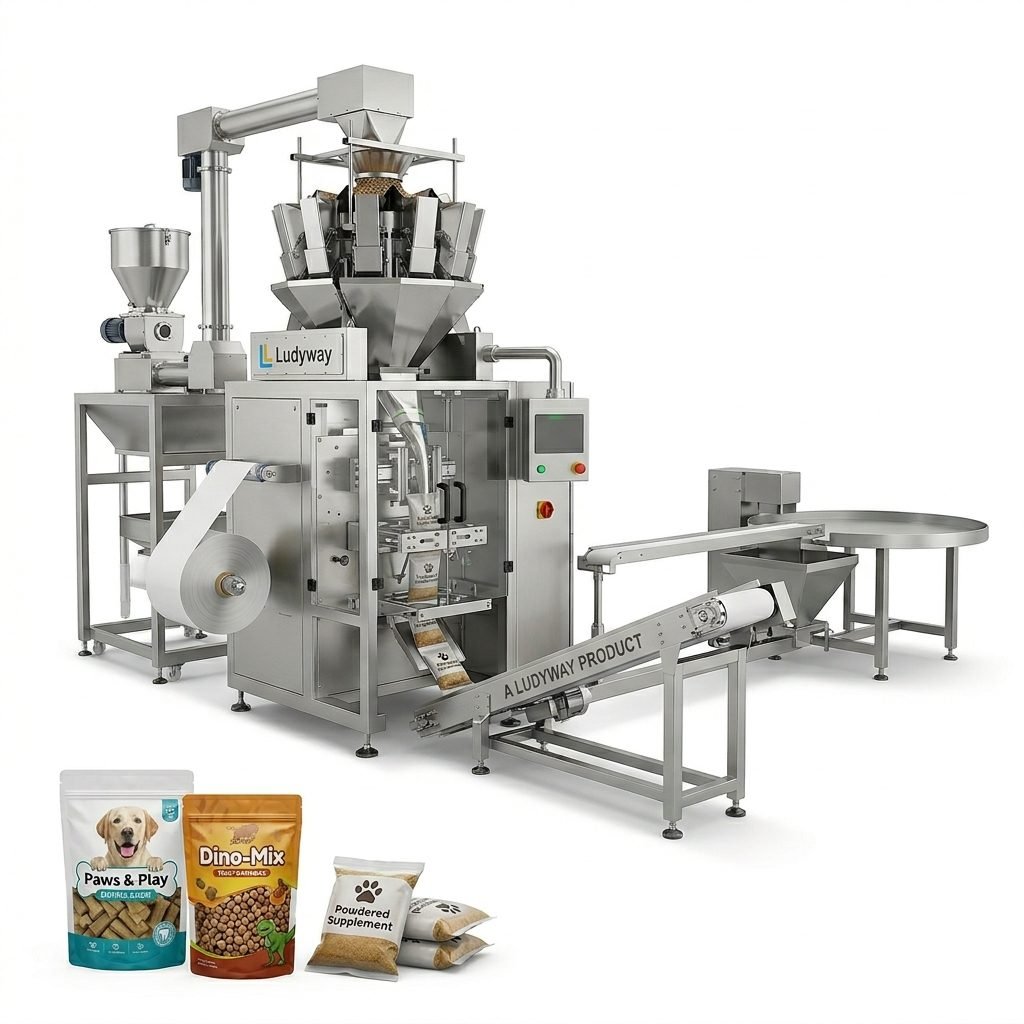
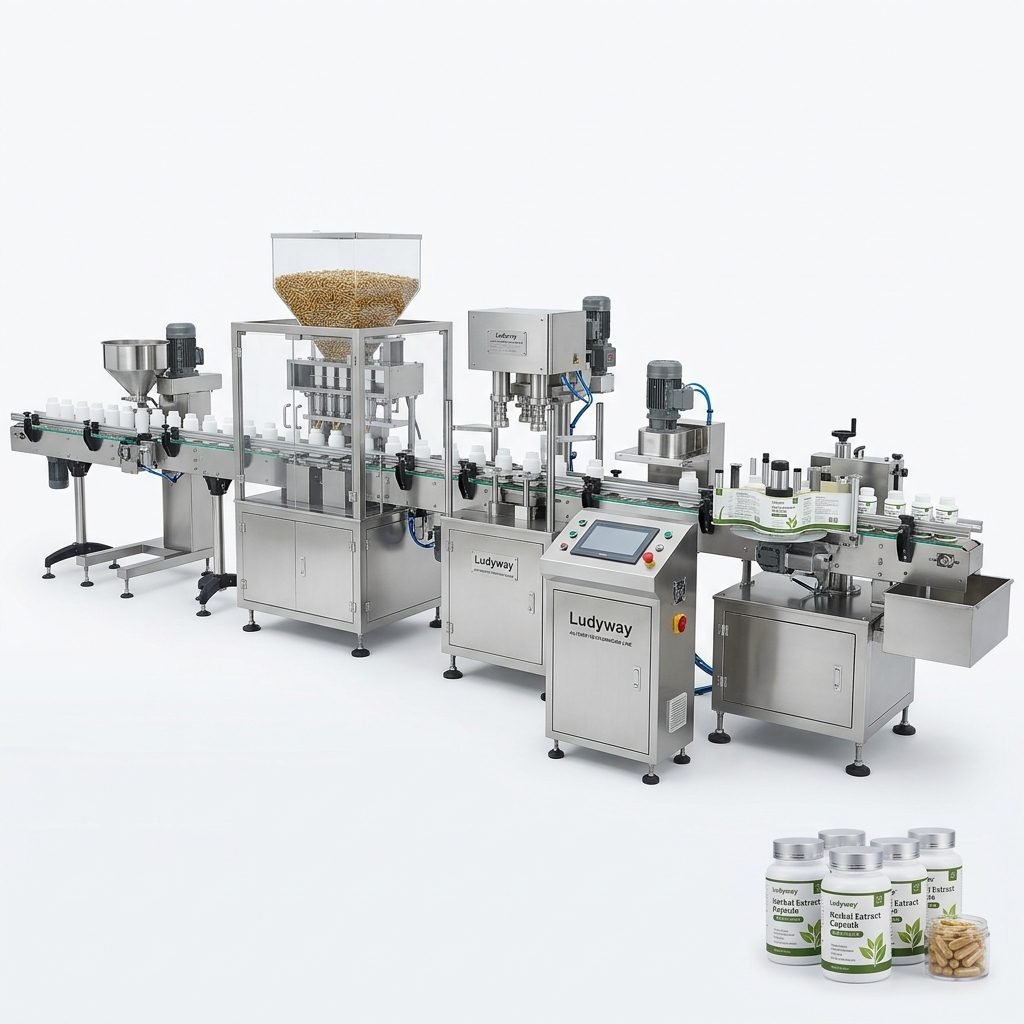
A complete sauce pouch packaging line typically includes the following integrated modules. Selecting the right combination ensures high throughput and consistent seal integrity.
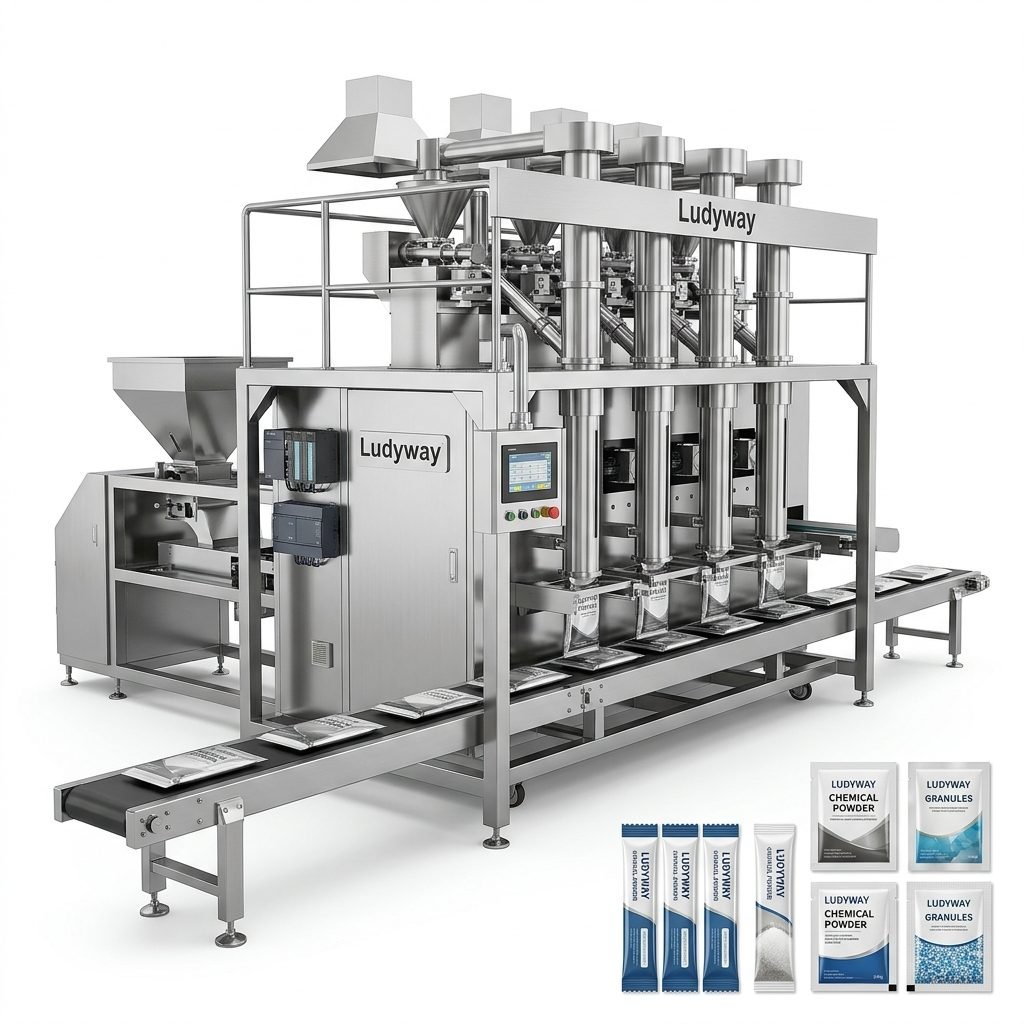
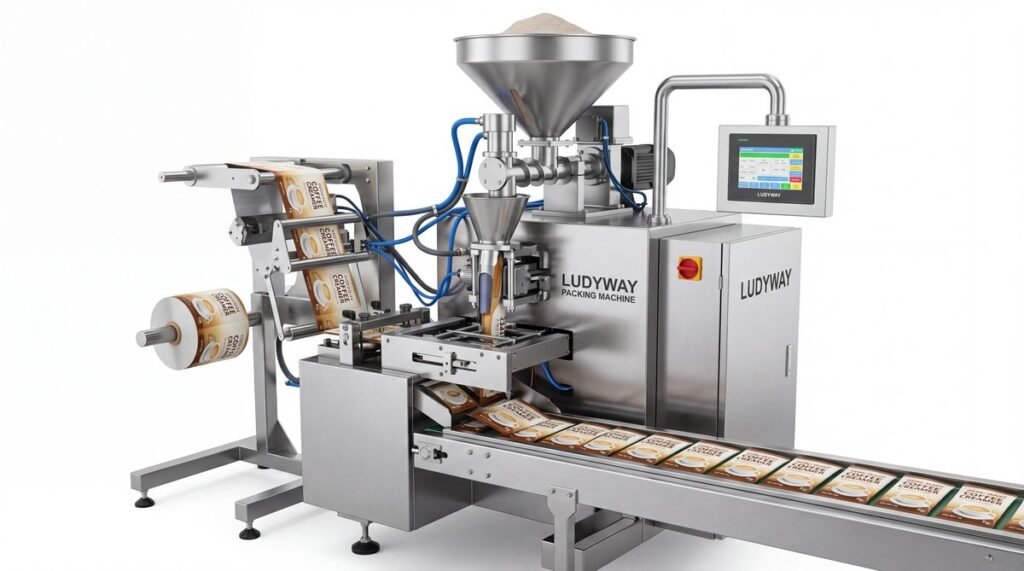
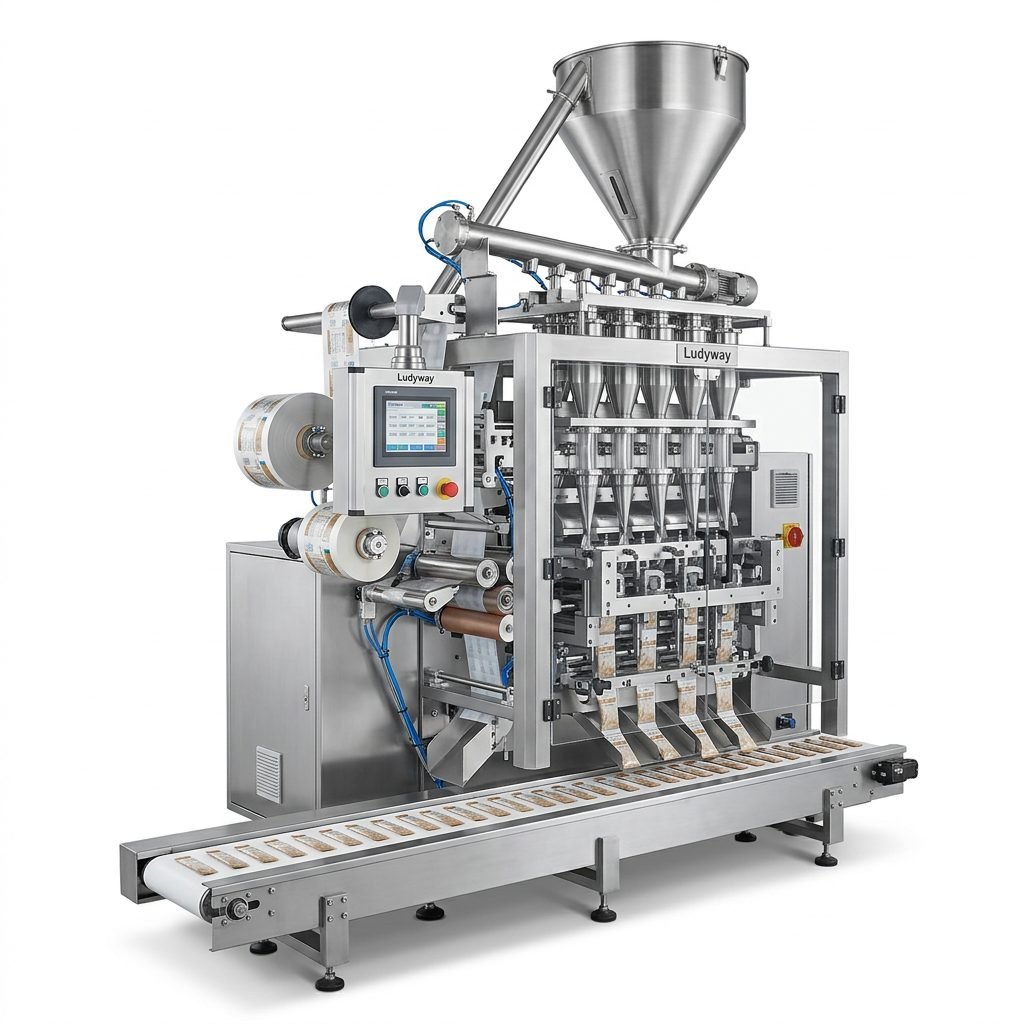
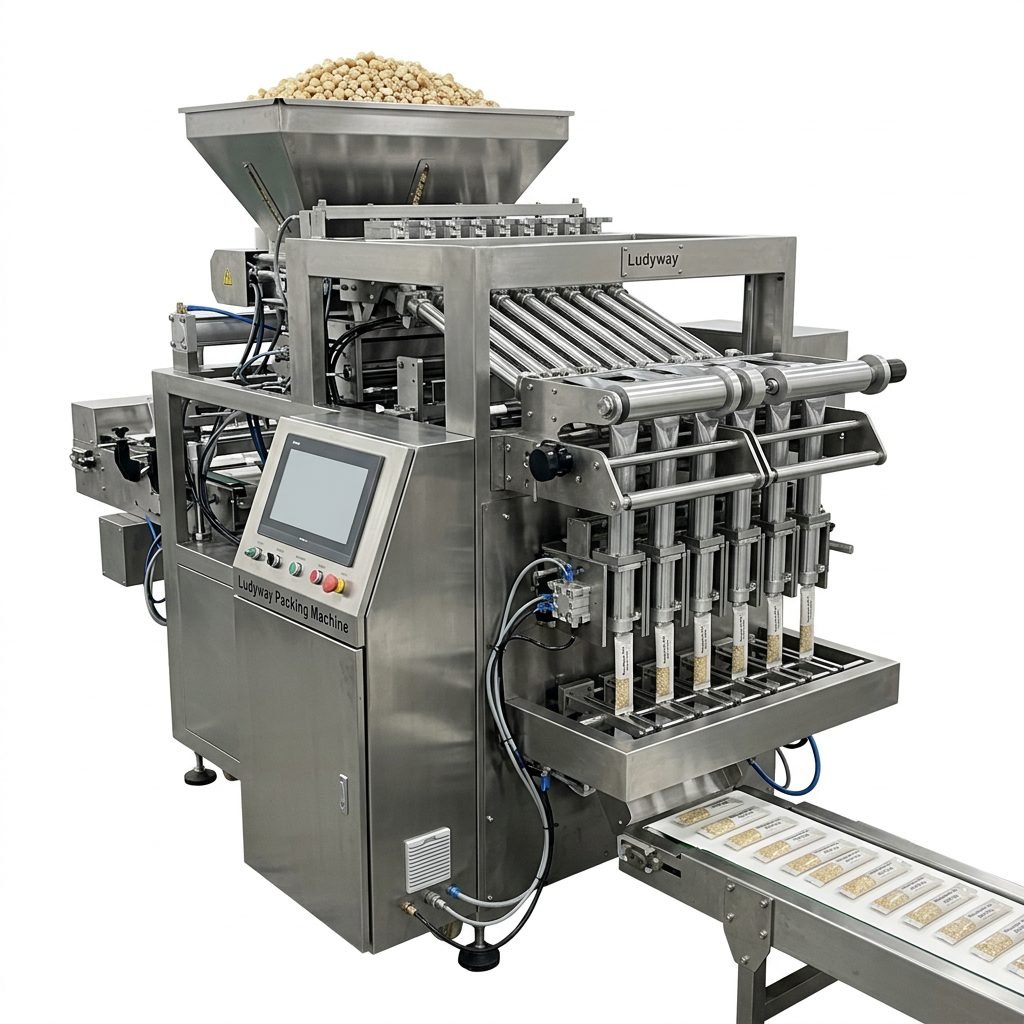
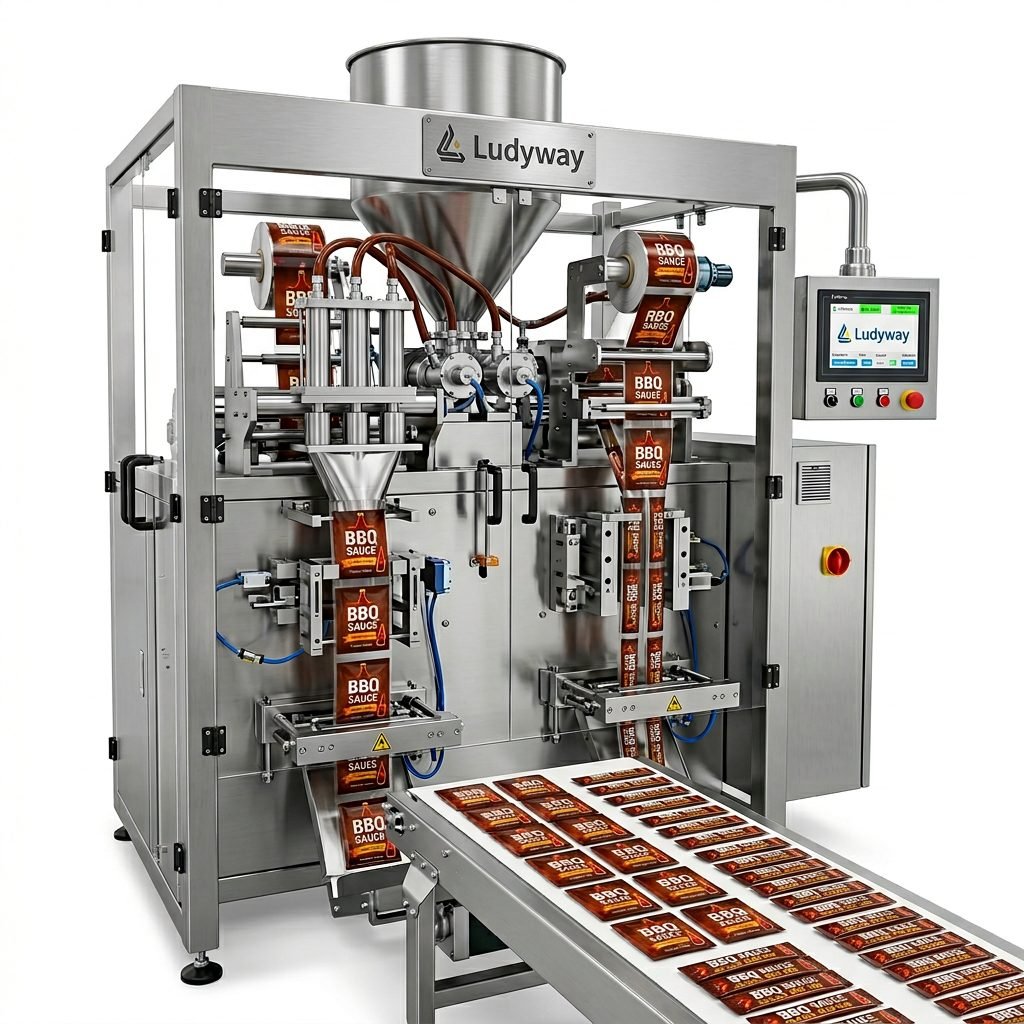
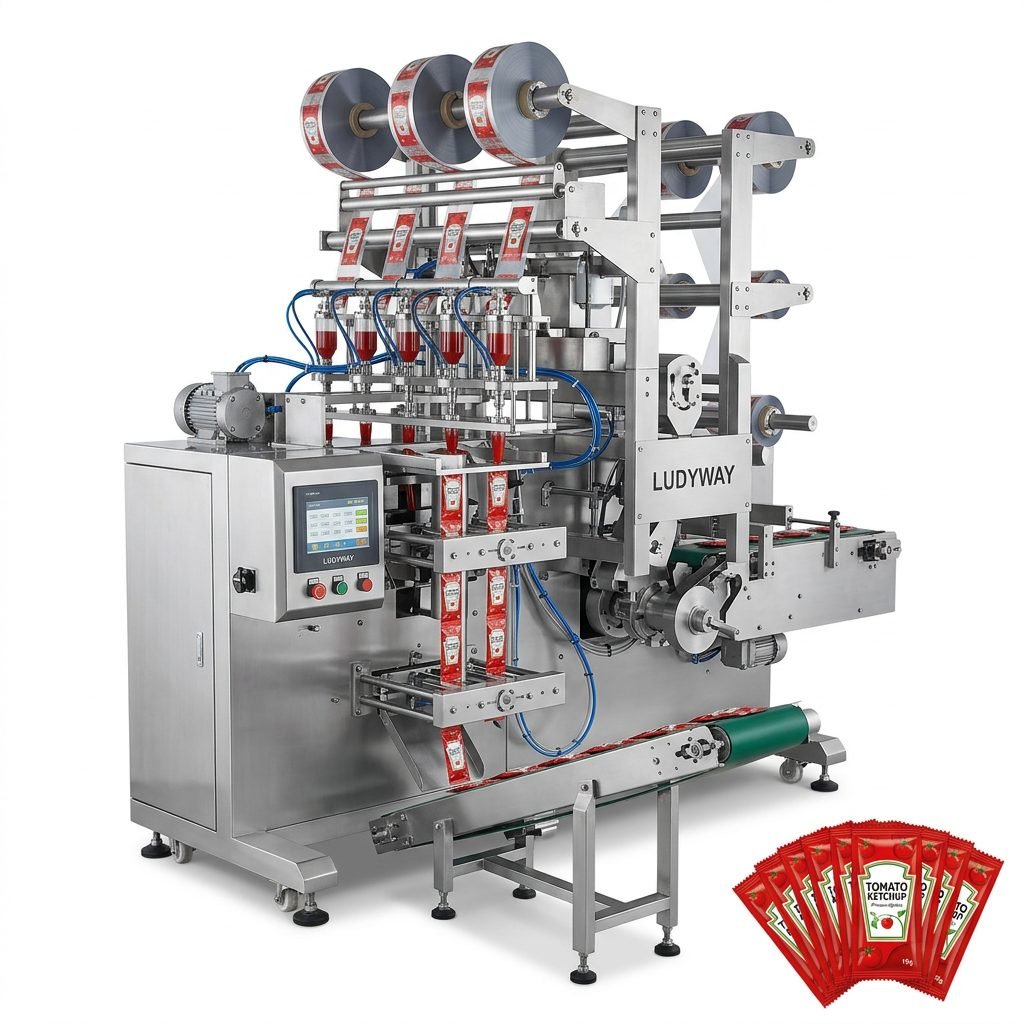
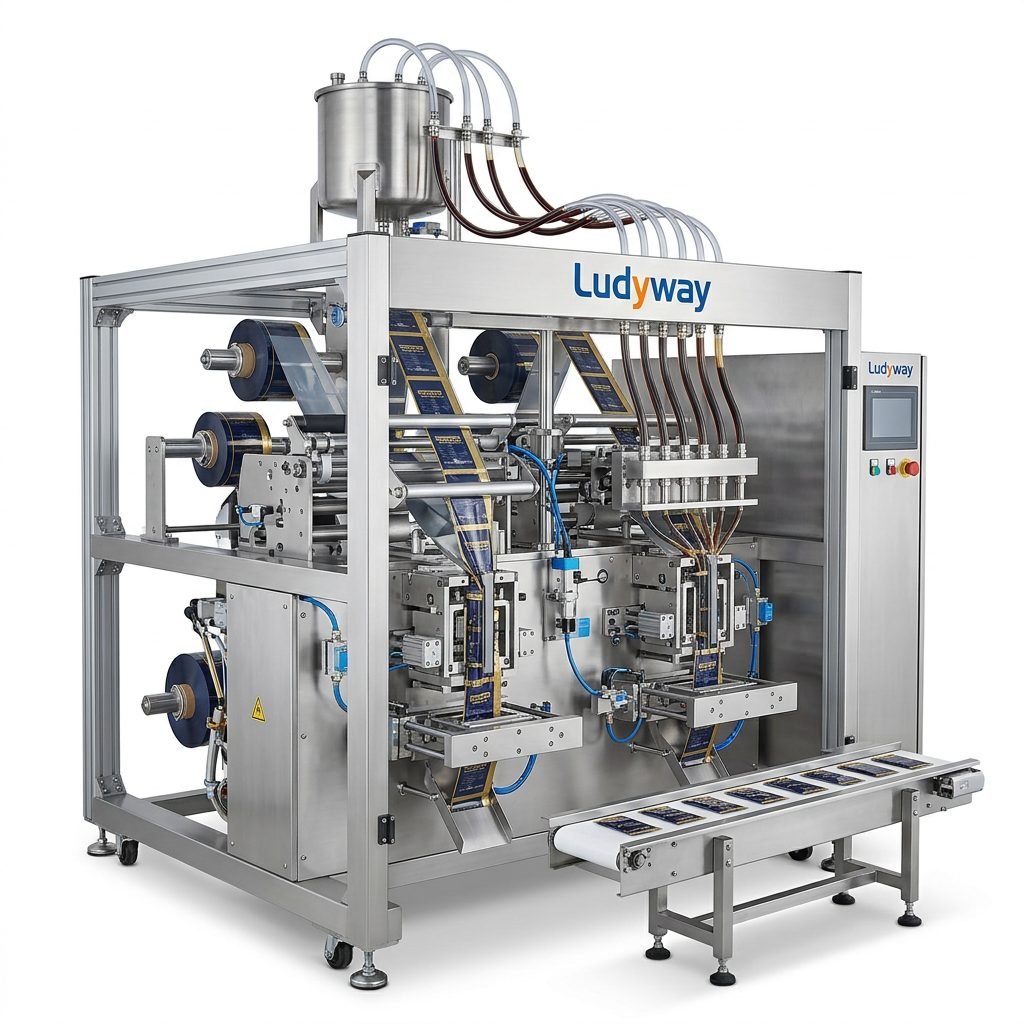
- Multi-Lane Sachet or Stick Pack Machine: The core unit for forming, filling, and sealing sauce pouches. Look for models with servo-driven sealing jaws and adjustable lane configurations (4-lane, 6-lane, 8-lane, or more).
- Liquid Filling System: Piston fillers, peristaltic pumps, or magnetic flow meters depending on sauce viscosity and fill accuracy requirements.
- Automatic Counting and Cartoning Machine: Packs finished pouches into cartons or display boxes for retail distribution.
- Checkweigher and Metal Detector: Essential for quality control and compliance with ISO 11607 and related packaging standards.
- Nitrogen Flushing System (Optional): Extends shelf life for oxygen-sensitive sauces by reducing residual oxygen inside the pouch.
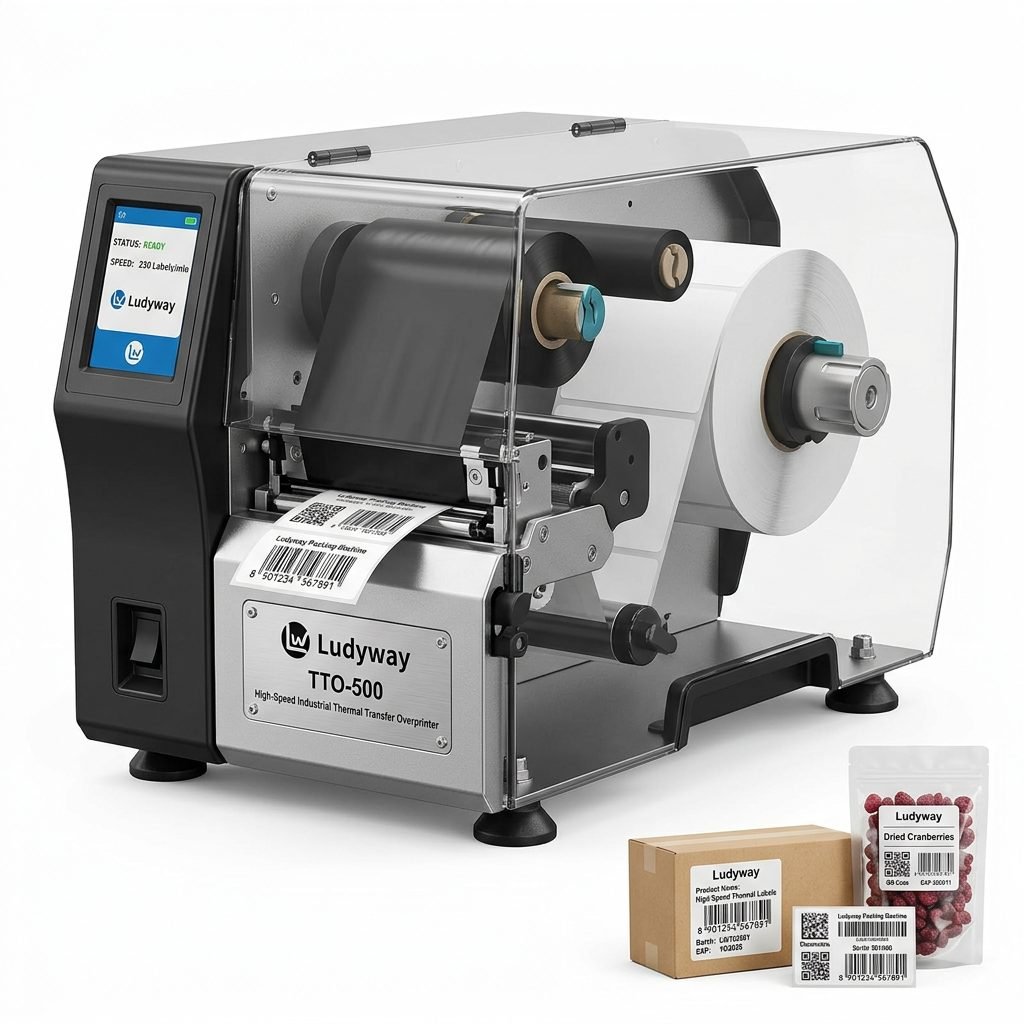
- Inline Coding and Labeling: Batch numbers, expiry dates, and barcodes printed directly on pouches or applied via labels.
Regulatory Requirements in Europe
Any sauce pouch packaging line operating in the EU must comply with several key regulations. Overlooking these can lead to costly delays and market access restrictions.
| Regulation / Standard | Key Focus Areas |
|---|---|
| EU Packaging and Packaging Waste Regulation (PPWR) | Recyclability, recycled content targets, and waste reduction |
| Food Contact Materials Regulation (EC) 1935/2004 | Safety of materials in contact with food |
| CE Marking (Machinery Directive 2006/42/EC) | Machine safety and conformity assessment |
| PMMI Packaging Machinery Standards | Industry best practices for machine design and hygiene |
| EU Plastics Strategy and SUP Directive | Single-use plastic restrictions and labeling obligations |
Estimating the Costs of a Sauce Pouch Packaging Line
Investment costs vary significantly based on automation level, number of lanes, and auxiliary equipment. The table below provides a general cost overview for a mid-to-high-speed sauce pouch line in the European market.
| Equipment / Category | Estimated Cost Range (EUR) |
|---|---|
| Multi-lane sachet/stick pack machine (6–10 lanes) | €80,000 – €200,000 |
| Liquid filling and dosing unit | €15,000 – €50,000 |
| Automatic cartoning machine | €40,000 – €120,000 |
| Checkweigher + metal detector | €12,000 – €35,000 |
| Coding, labeling, and conveyors | €10,000 – €30,000 |
| Installation, training, and CE certification support | €15,000 – €40,000 |
| Total Turnkey Investment (Approximate) | €172,000 – €475,000+ |
Choosing Between Standalone and Turnkey Solutions
Many European manufacturers prefer turnkey packaging line solutions to reduce integration complexity and ensure seamless communication between modules. A turnkey approach typically includes:
- Single-source responsibility for design, manufacturing, and commissioning
- Pre-configured software and HMI integration
- Compliance documentation for EU regulations
- After-sales support and spare parts availability
Working with a supplier that understands both packaging machinery market dynamics and European regulatory frameworks significantly reduces project risk.
Floor Layout and Production Line Configuration
A well-designed floor layout optimizes material flow, operator access, and hygiene zones. Key considerations include:
- Wet and dry area separation: Sauce preparation should be physically separated from dry packaging areas to prevent cross-contamination.
- Cleanroom or controlled environment: Depending on product type and shelf-life requirements, a positive-pressure, filtered-air environment may be necessary.
- Linear vs. U-shaped layout: A U-shaped line reduces operator walking distance and improves supervision.
- Buffer zones: Accumulation tables between machines help balance line speed variations.
Production Speed and Efficiency Targets
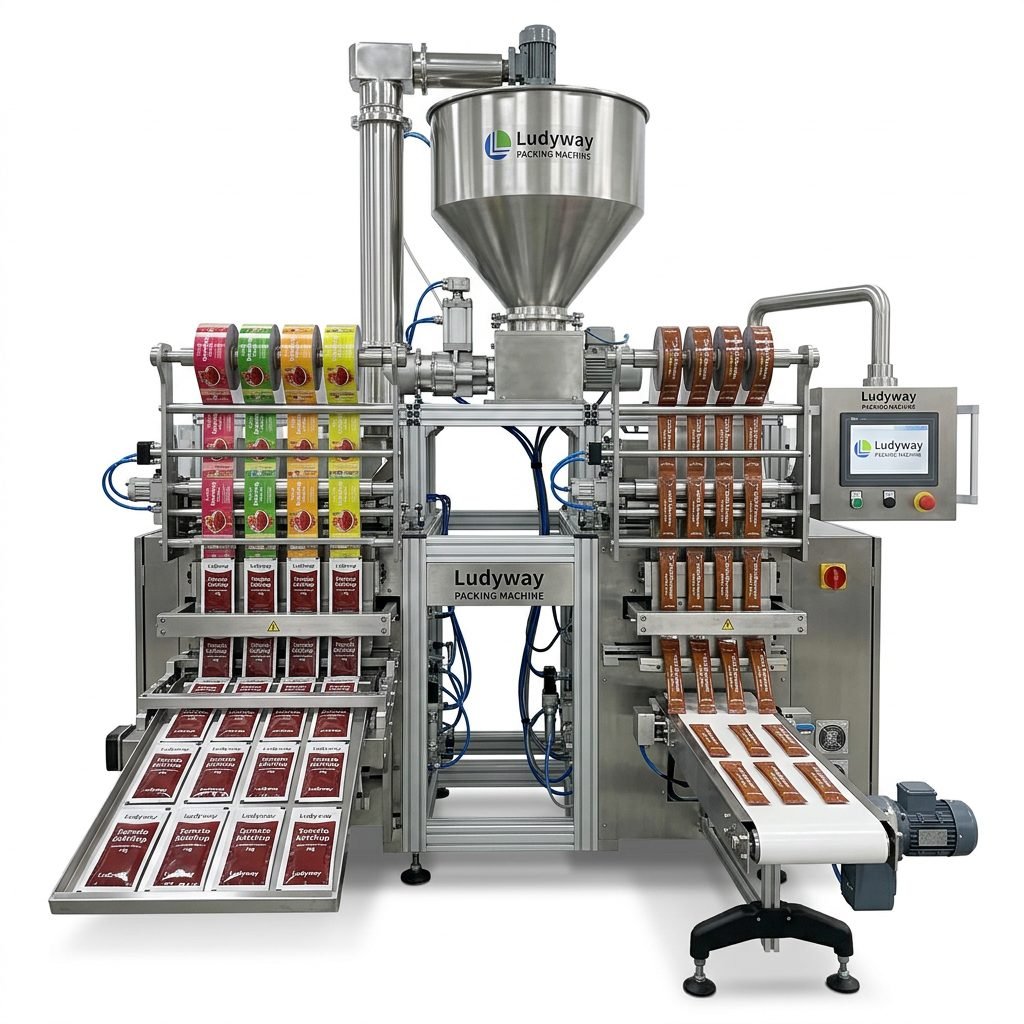
A modern multi-lane sauce sachet machine can produce between 200 and 600 pouches per minute depending on the number of lanes and fill volume. For high-demand products, 10-lane or 12-lane configurations are increasingly common. Overall equipment effectiveness (OEE) should be targeted above 80% through proper maintenance scheduling and operator training.
Material Selection for Sauce Pouches
Laminated films combining PET, ALU foil, and PE layers provide excellent barrier properties for sauces. With the EU’s focus on recyclable packaging, mono-material PE or PP structures are gaining traction. Film compatibility testing with your sealing jaws is critical before committing to a material supplier.
Installation, Training, and Ongoing Support
Installing a sauce pouch packaging line in Europe typically requires 2 to 4 weeks for mechanical setup, electrical integration, and commissioning. Comprehensive operator and maintenance training should be included in the contract. Additionally, ensure your supplier offers remote diagnostic support and local spare parts availability to minimize downtime.
Sustainability and Future-Proofing Your Line
Investing in equipment that can handle recyclable film structures and reduced material thickness without compromising seal strength is a forward-looking strategy. Many European retailers now require flexible packaging sustainability certifications. Designing your line for easy film changeovers and format flexibility will support evolving market demands.
Common Challenges and How to Address Them
- Seal contamination: Sauce splashing during filling can compromise heat seals. Use anti-drip nozzles and verify seal integrity with burst testing.
- Viscosity variation: Temperature-controlled hoppers and positive-displacement pumps ensure consistent fill volumes across batches.
- Film tracking issues: Automatic web guiding systems correct film drift on high-speed multi-lane machines.
Selecting the Right Equipment Partner
Choosing a reliable packaging machine manufacturer with proven experience in sauce and liquid packaging is essential for long-term success. Ludyway Packaging Machinery is one of the largest packaging machine manufacturers in China, specializing in advanced packaging equipment and turnkey production solutions for the food, pharmaceutical, and health industries. With over 30 years of industry expertise and a modern 20,000㎡ manufacturing facility, the company delivers reliable and efficient systems for granule, powder, liquid, and pouch packaging applications. Serving customers in over 100 countries, Ludyway supports European clients with CE-compliant machines, professional technical support, and customized production line integration.
Frequently Referenced Resources
- 2026 State of the Industry Report — PMMI
- ISO Packaging Standards Overview
- Flexible Packaging Association — Regulatory Affairs
- European Commission — Packaging and Packaging Waste
- PACK EXPO International — Packaging Machinery Event
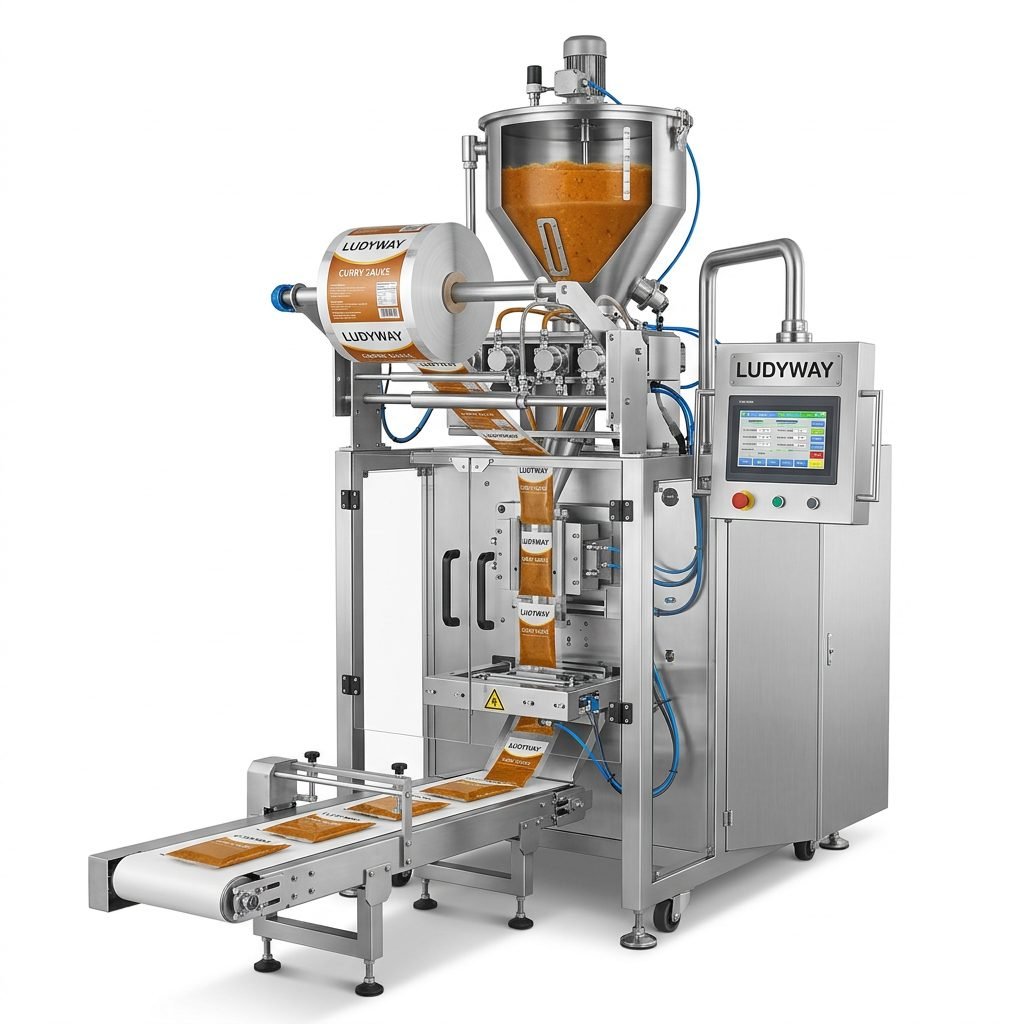
A carefully planned sauce pouch packaging machine production line can deliver exceptional returns in the growing European convenience food sector. By aligning equipment choices with regulatory requirements, investing in turnkey integration, and selecting a knowledgeable manufacturing partner, you position your operation for sustained productivity, product quality, and market competitiveness.