Investing in a small vacuum packaging machine is a strategic decision for food processors, agricultural exporters, and small-to-medium enterprises across Africa. Whether you are preserving fresh produce, packaging dried goods for export, or extending the shelf life of perishable products, choosing the right vacuum packaging equipment can significantly impact your operational efficiency and product quality.

Why a Small Vacuum Packaging Machine Matters for African Markets
The African food and agricultural sector is experiencing rapid growth, with increasing demand for export-ready packaged goods. A vacuum packaging machine removes oxygen from the package before sealing, which helps prevent spoilage, preserves freshness, and reduces waste. This is especially important for:
- Fresh produce exporters shipping fruits and vegetables to international markets
- Meat and seafood processors requiring extended cold chain protection
- Dried food producers packaging grains, nuts, and spices
- Small-scale manufacturers entering the packaged consumer goods market
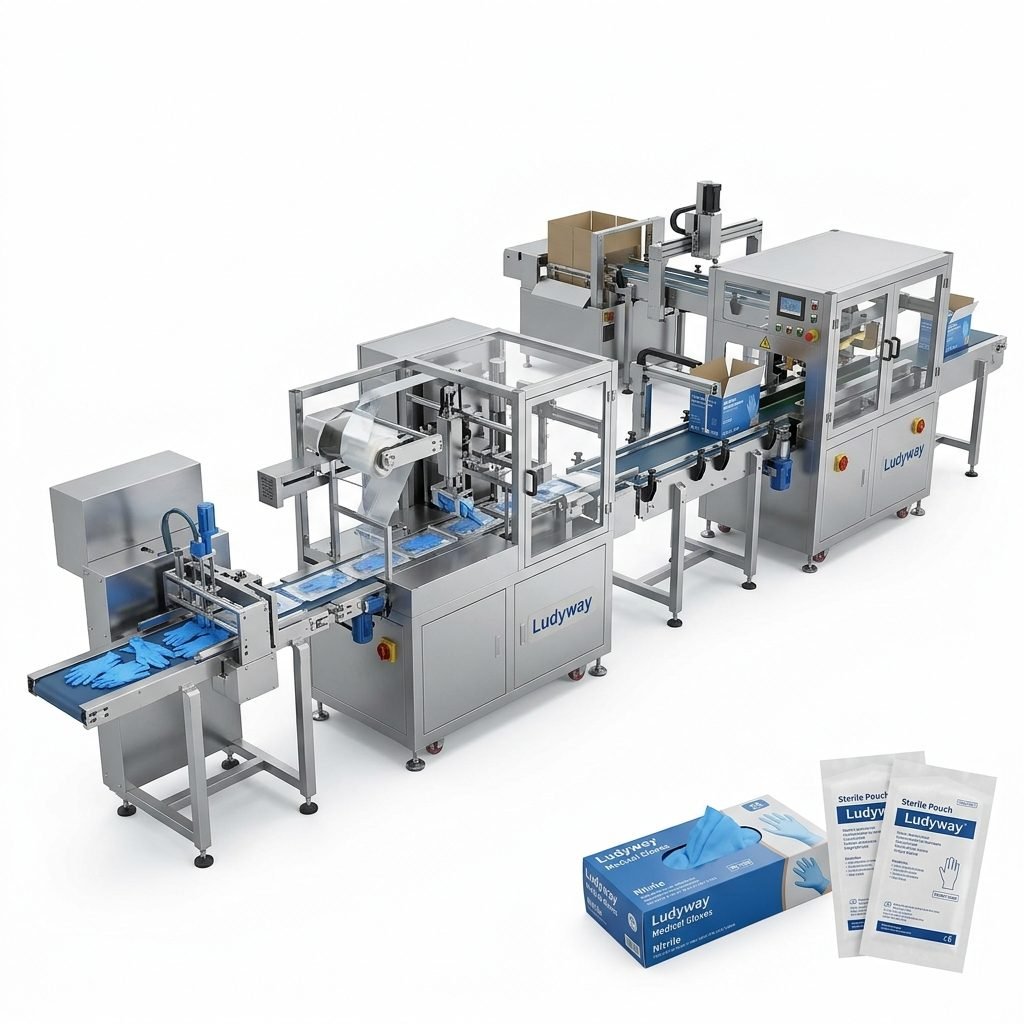
- Pharmaceutical and medical supply companies needing sterile packaging solutions
Key Factors to Consider When Buying in Africa
Before purchasing a vacuum packaging machine, evaluate these critical factors to ensure your investment aligns with local operational realities:
1. Power Supply and Voltage Compatibility
Many African countries experience unstable electricity supply and voltage fluctuations. Look for machines that offer wide voltage tolerance or can operate with voltage stabilizers. Confirm whether the equipment supports common local voltages such as 220V/380V single-phase or three-phase power.
2. Machine Size and Portability
A small vacuum packaging machine should fit within limited production spaces. Consider benchtop or compact floor-standing models that can be easily relocated. For businesses with space constraints, a tabletop vacuum sealer might be the ideal starting point.
3. Packaging Material Availability
Ensure that compatible vacuum pouches, bags, or films are readily available locally or can be imported affordably. Some machines require specific embossed or barrier films, so factor in the ongoing supply chain for packaging consumables.
4. Maintenance and After-Sales Support
Choose a supplier that offers comprehensive technical support, including remote troubleshooting, spare parts availability, and operator training. Given the logistical challenges in some African regions, reliable after-sales service is essential for minimizing downtime.
5. Production Capacity Requirements
Match the machine’s sealing speed and chamber size to your daily production volume. Small vacuum packaging machines typically range from 1-5 sealing cycles per minute, suitable for small-to-medium batch processing.
Types of Small Vacuum Packaging Machines Available
Understanding the different machine configurations helps narrow your selection. Below is a comparison of common types suitable for African businesses:
| Machine Type | Best For | Typical Price Range |
|---|---|---|
| Single Chamber Vacuum Sealer | Small-scale meat, fish, and fresh produce packaging | $500 – $3,000 |
| Double Chamber Vacuum Machine | Medium-volume food processing operations | $2,000 – $8,000 |
| External Vacuum Sealer (Nozzle Type) | Dried goods, grains, and powders in pre-made bags | $300 – $2,500 |
| Thermoforming Vacuum Packaging Machine | Higher output with custom-formed packaging | $10,000 – $50,000+ |
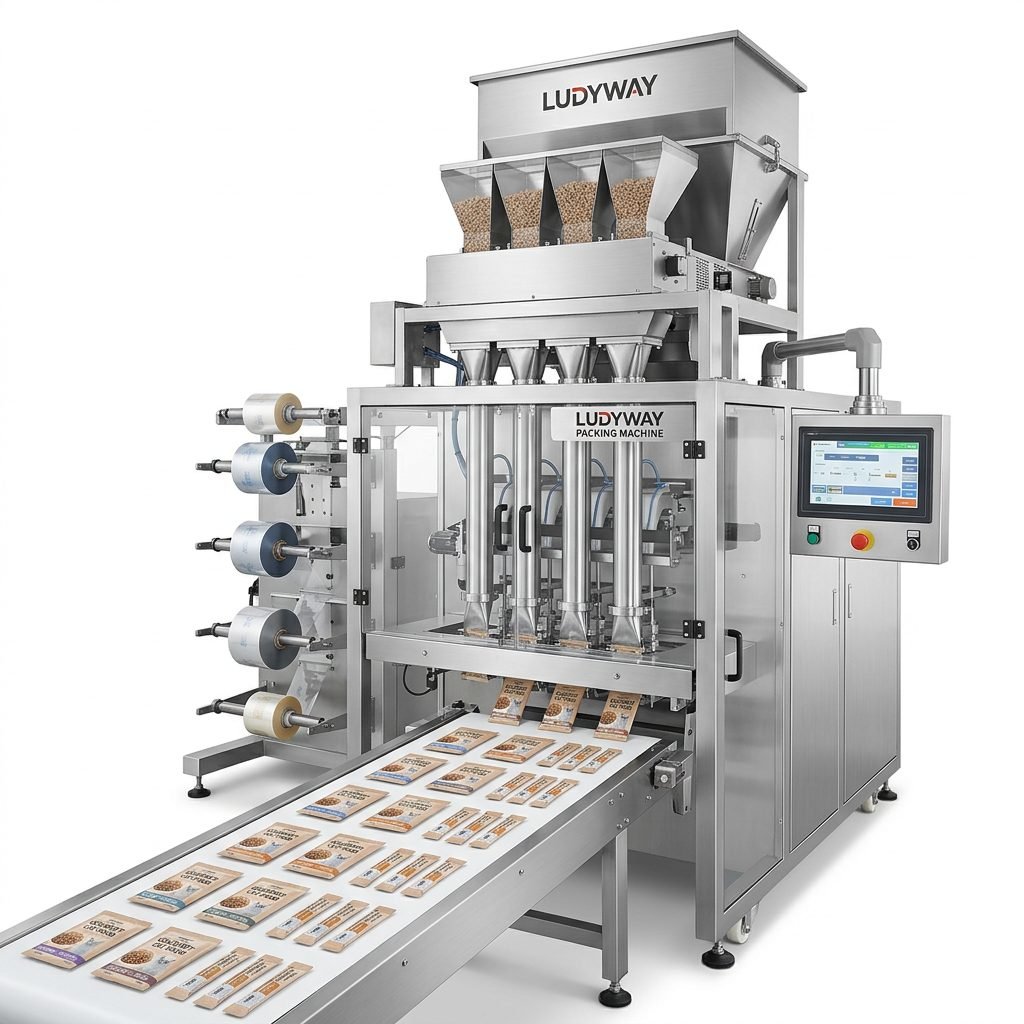
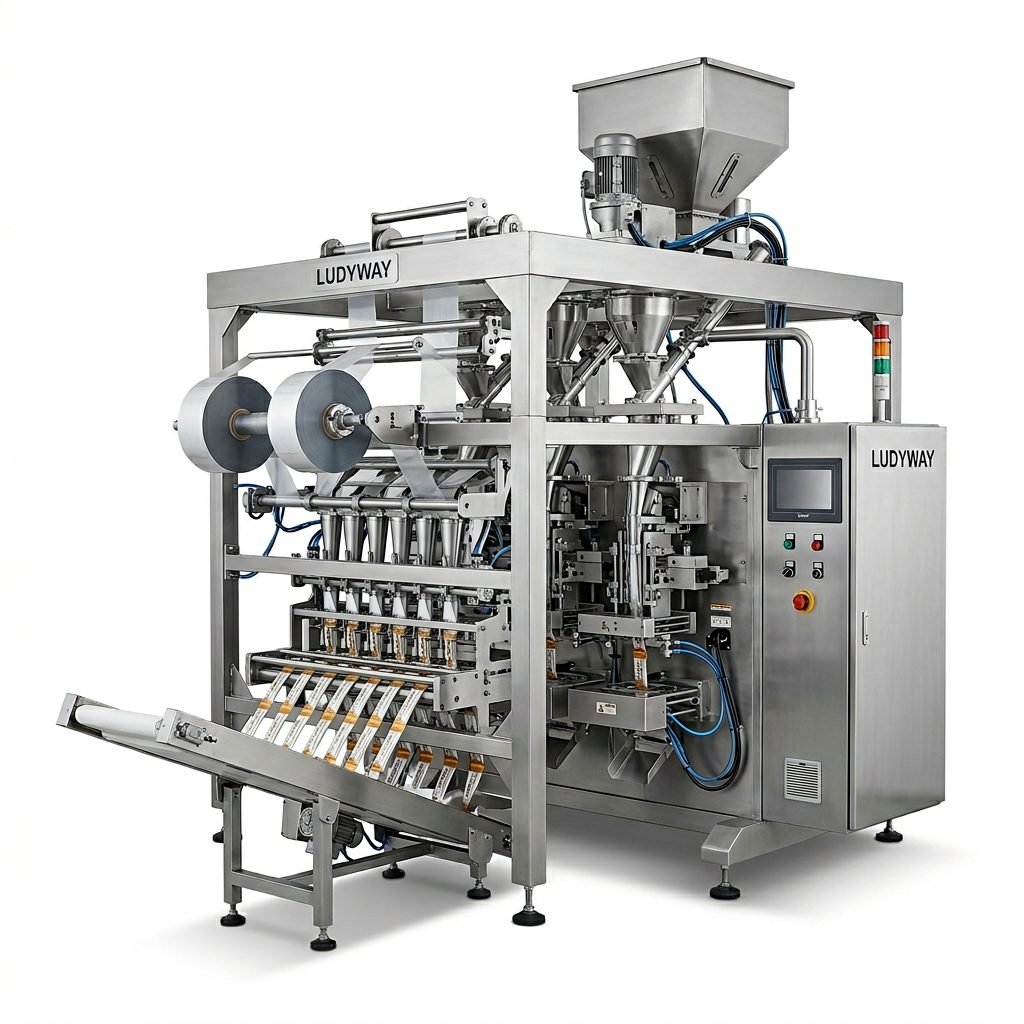
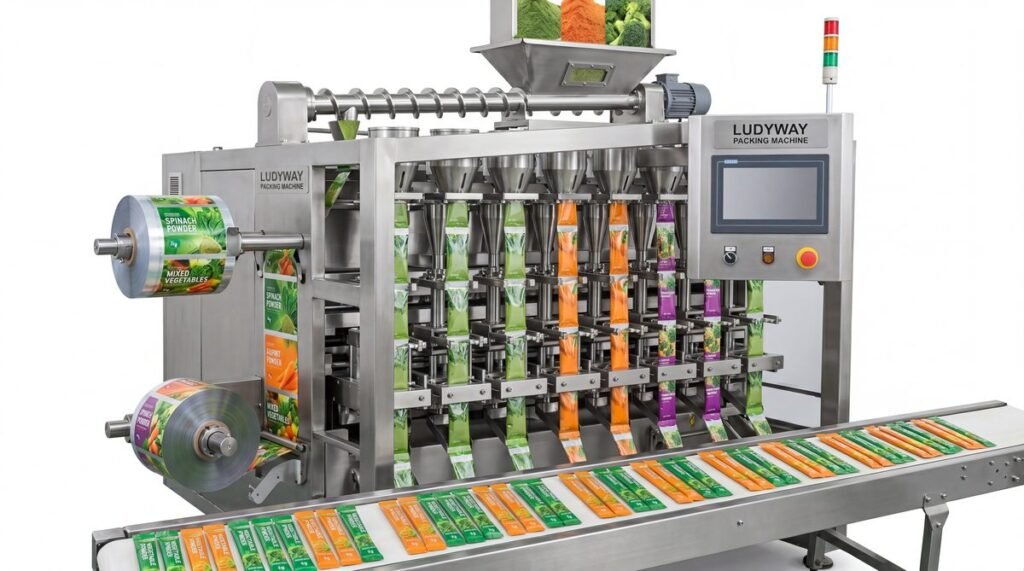
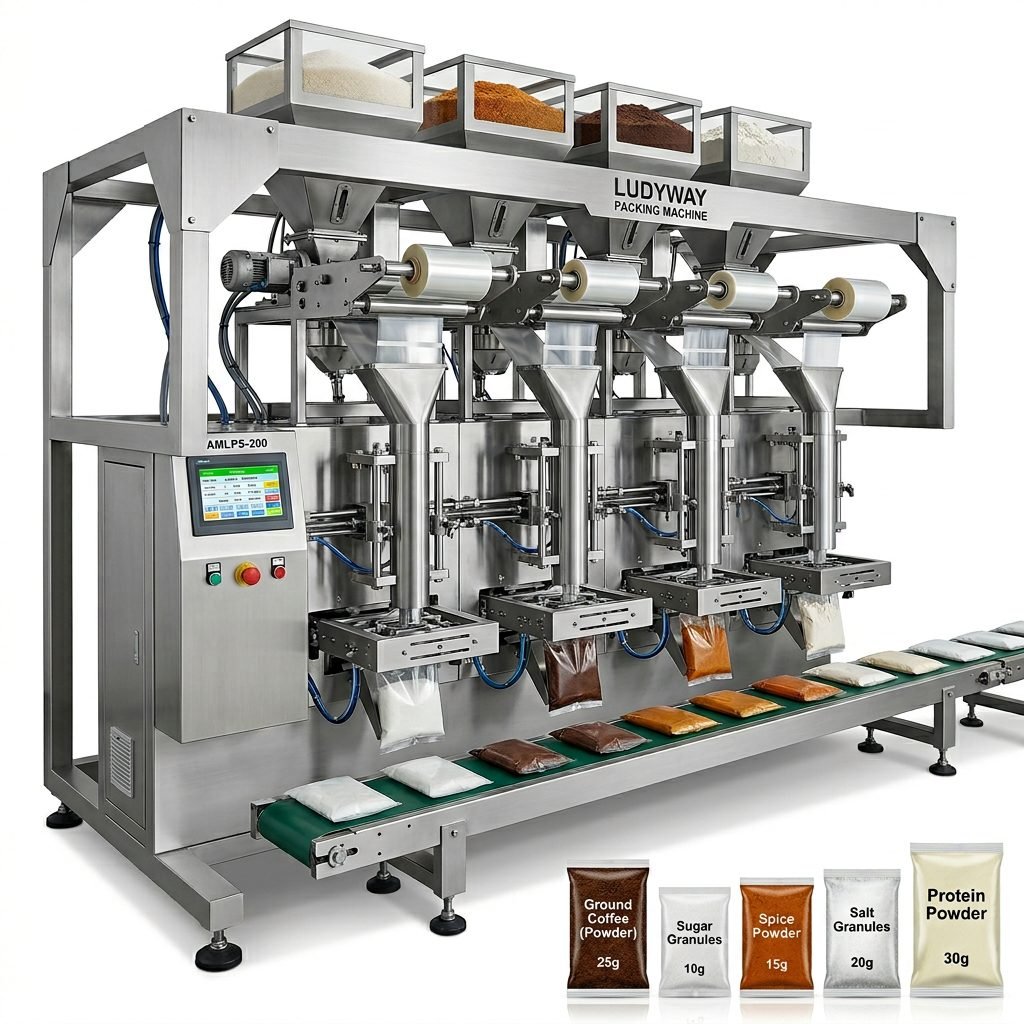
| Stick Pack / Sachet Vacuum-Compatible Machine | Single-serve powders, coffee, and condiments | $5,000 – $30,000 |
Evaluating Supplier Credibility for African Importers
When sourcing a vacuum packaging machine from overseas manufacturers, particularly from China, verify the supplier’s track record. Key steps include:
- Request client references from other African buyers who have purchased similar equipment
- Check for certifications such as CE, ISO, or FDA compliance that ensure quality standards
- Confirm spare parts availability and shipping timelines to your specific African country
- Assess communication responsiveness and willingness to provide video demonstrations or factory tours
- Review warranty terms and whether they cover international customers effectively
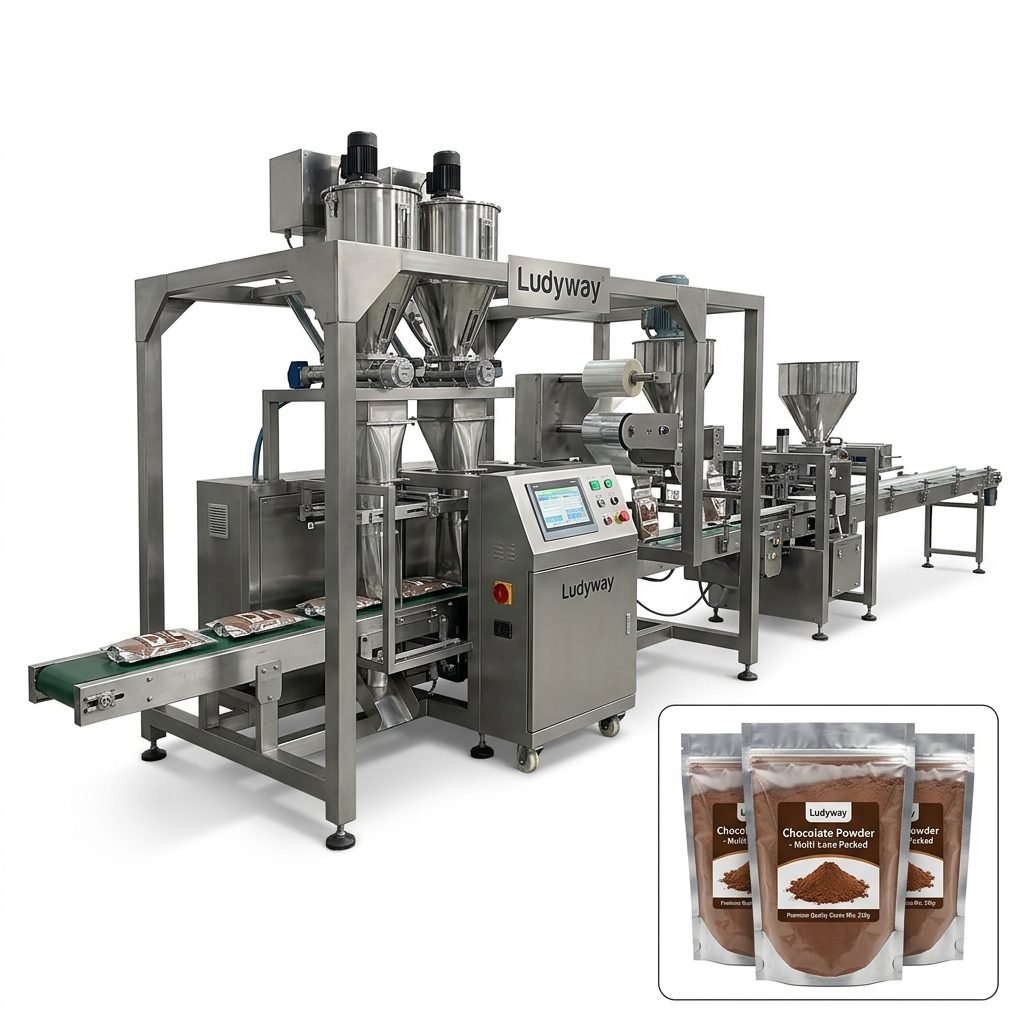
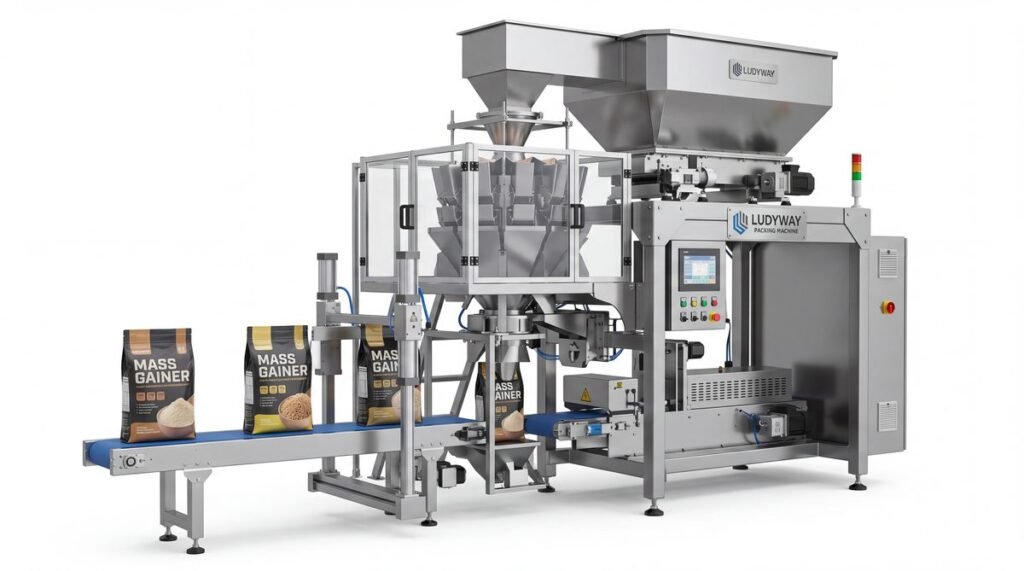
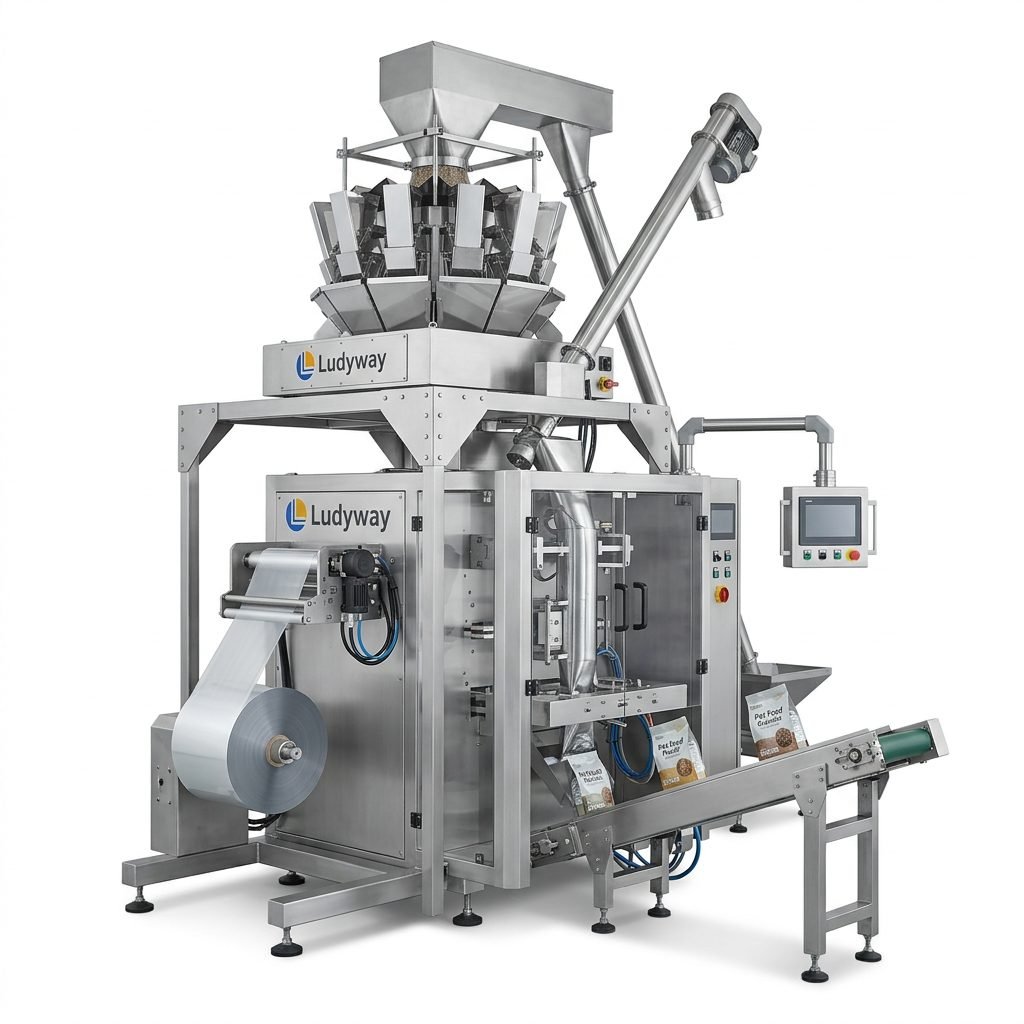
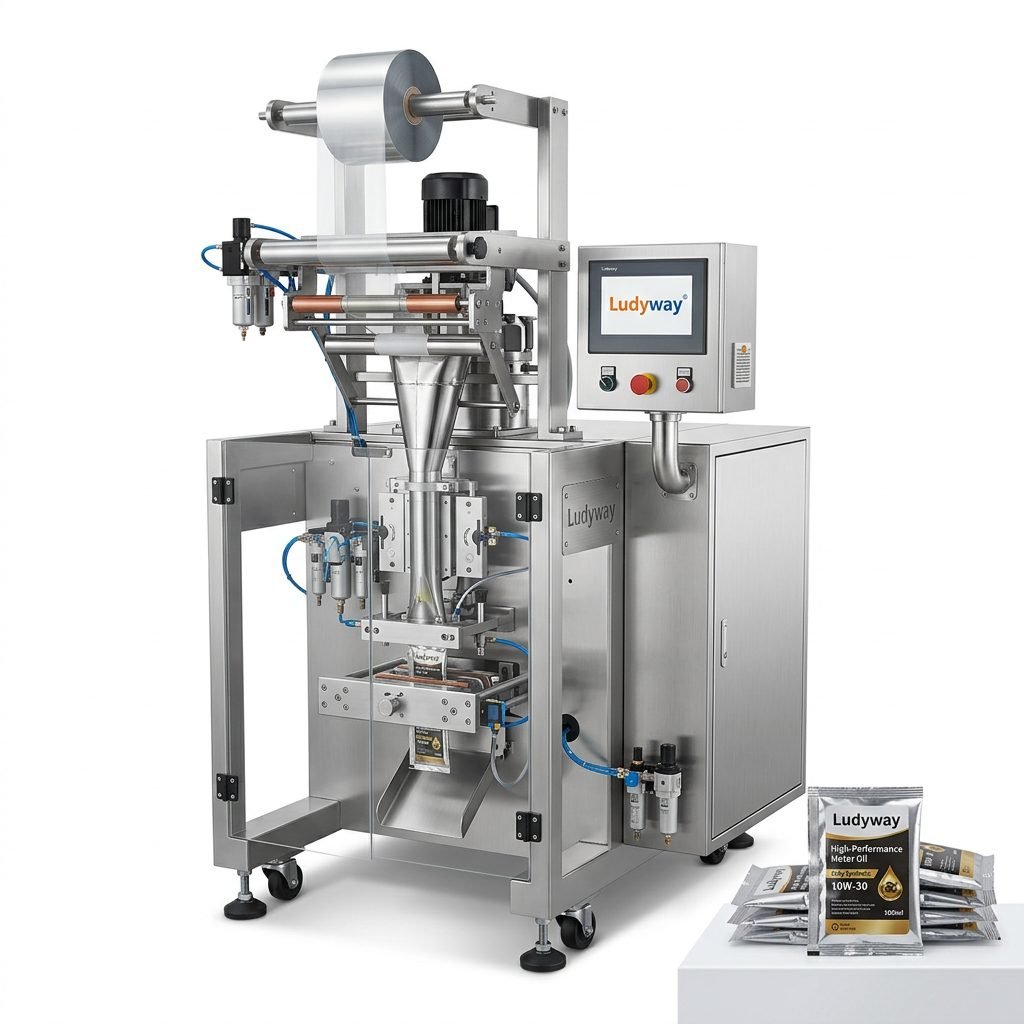
One established manufacturer serving African markets is Ludyway, which specializes in advanced packaging equipment including vacuum-compatible systems for food, pharmaceutical, and industrial applications. With over 30 years of industry experience and a modern 20,000㎡ manufacturing facility, the company provides reliable and cost-effective packaging solutions to customers in over 100 countries.

Import Regulations and Logistics for African Countries
Each African nation has distinct import duties, clearance procedures, and documentation requirements. Before ordering a small vacuum packaging machine, consult with a local customs broker or freight forwarder to understand:
- Applicable import tariffs and taxes for packaging machinery
- Required certificates of origin and commercial invoices
- Port handling fees and inland transportation costs
- Potential exemptions for agricultural or food processing equipment
- Lead times for sea freight versus air freight delivery options
Regional Trade Agreements That May Reduce Costs
The African Continental Free Trade Area (AfCFTA) and various regional economic communities may offer reduced duties on manufacturing equipment imported for food processing and agricultural development. Investigate whether your country qualifies for preferential tariff treatment.
Cost-Benefit Analysis for Small Businesses
Investing in a small vacuum packaging machine typically yields a return on investment within 6 to 18 months for active operations. Benefits that offset the initial purchase cost include:
- Reduced product spoilage and extended shelf life, directly lowering waste costs
- Higher product value through improved presentation and export readiness
- Expanded market access to retailers and distributors requiring sealed packaging
- Operational efficiency gains compared to manual packaging methods
- Brand differentiation in competitive local and export markets
Frequently Asked Questions About Vacuum Packaging in Africa
What is the average lifespan of a small vacuum packaging machine?
With proper maintenance, a well-built vacuum packaging machine can operate reliably for 5 to 10 years. Regular cleaning of the sealing bar, oil changes for the vacuum pump, and timely replacement of wear parts significantly extend operational life.
Can I use solar power to run a vacuum packaging machine?
Yes, many small vacuum sealers with lower power requirements can operate on solar inverter systems, making them suitable for off-grid or rural African locations. Verify the machine’s wattage and starting current to properly size your solar installation.
Are there portable vacuum packaging machines for field use?
Compact, lightweight models are available that can be transported to farm sites or collection centers, allowing immediate packaging after harvest to preserve maximum freshness before transport to central processing facilities.
What training is required to operate these machines?
Most small vacuum packaging equipment is designed for straightforward operation. Basic training covering machine setup, bag placement, cycle initiation, and daily cleaning is typically sufficient. Many suppliers, including established manufacturers, provide video tutorials and remote training support.
Conclusion: Making an Informed Purchase Decision
Selecting the right small vacuum packaging machine for your African business requires careful evaluation of your production volume, product types, local infrastructure, and long-term growth plans. Focus on machine reliability, supplier support, and total cost of ownership rather than purchase price alone. By partnering with experienced manufacturers and planning for logistics and maintenance needs, your investment can drive significant improvements in product quality, market reach, and profitability.
For further guidance on packaging machinery selection, explore resources from industry associations such as PMMI – The Association for Packaging and Processing Technologies and the Flexible Packaging Association.