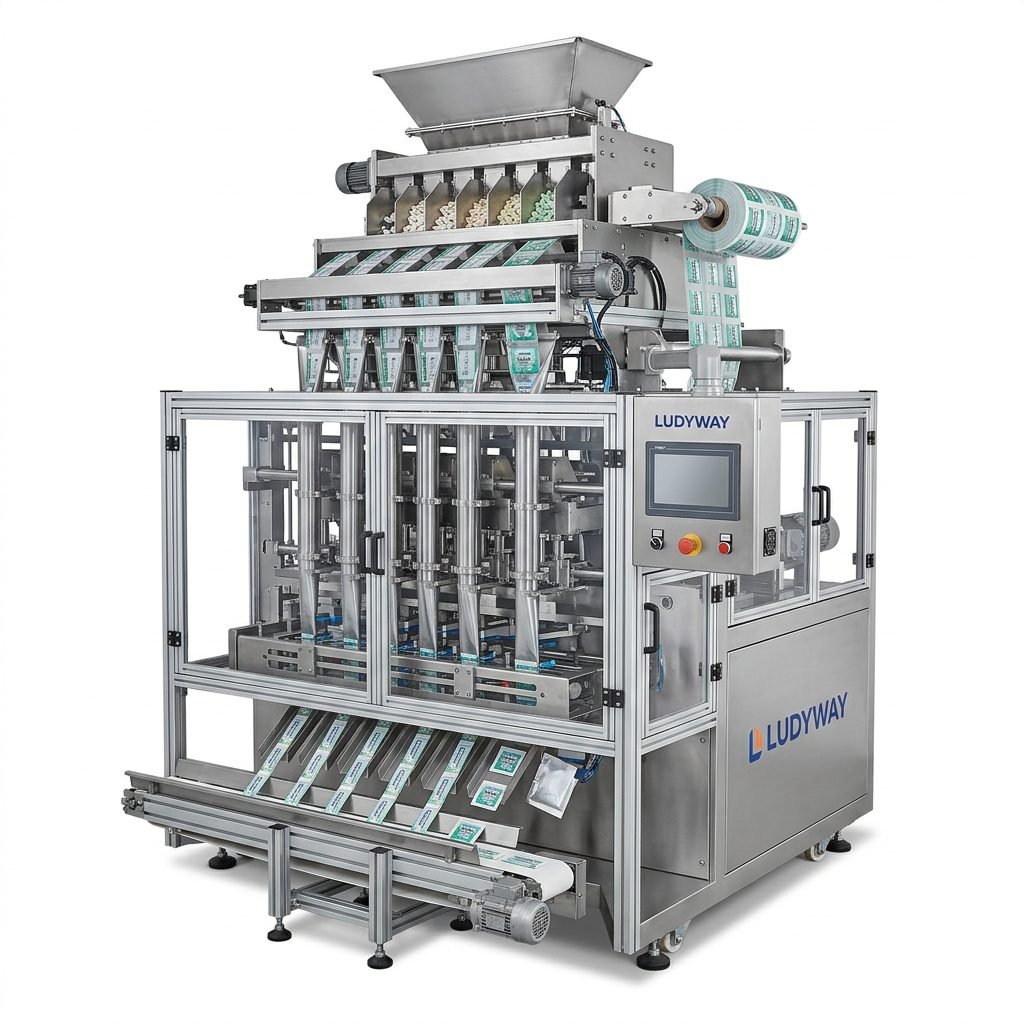
Expanding into global markets with a sauce packaging machine production line demands more than just purchasing equipment. It requires strategic planning, an understanding of international standards, and the ability to adapt to diverse packaging formats. From sachet and stick pack configurations to multi-lane high-speed systems, a well-designed production line can significantly boost throughput, ensure product consistency, and meet the regulatory requirements of multiple regions. This guide walks you through the essential steps, equipment considerations, and compliance strategies for setting up a sauce packaging line built for worldwide distribution.
Understanding Global Sauce Packaging Requirements
Before selecting machinery, it is critical to analyze the target markets. Different regions have distinct preferences for packaging formats, materials, and labeling. For example, single-serve sachets and stick packs dominate in emerging markets across Asia and Africa, while larger pouches and bottles are preferred in North America and Europe. Understanding these nuances helps you choose the right packaging machine configuration from the outset.
Key market variables to evaluate include:
- Packaging format: Sachet, stick pack, pouch, or bottle
- Fill volume range: Typically from 2ml to 1000ml for sauce products
- Material compatibility: Laminated films, aluminum foil, or PET/PE structures
- Regulatory labeling: Multi-language requirements, nutritional panels, and allergen declarations
- Shelf-life expectations: Barrier properties needed for ambient, chilled, or frozen distribution
Core Equipment for a Sauce Packaging Production Line
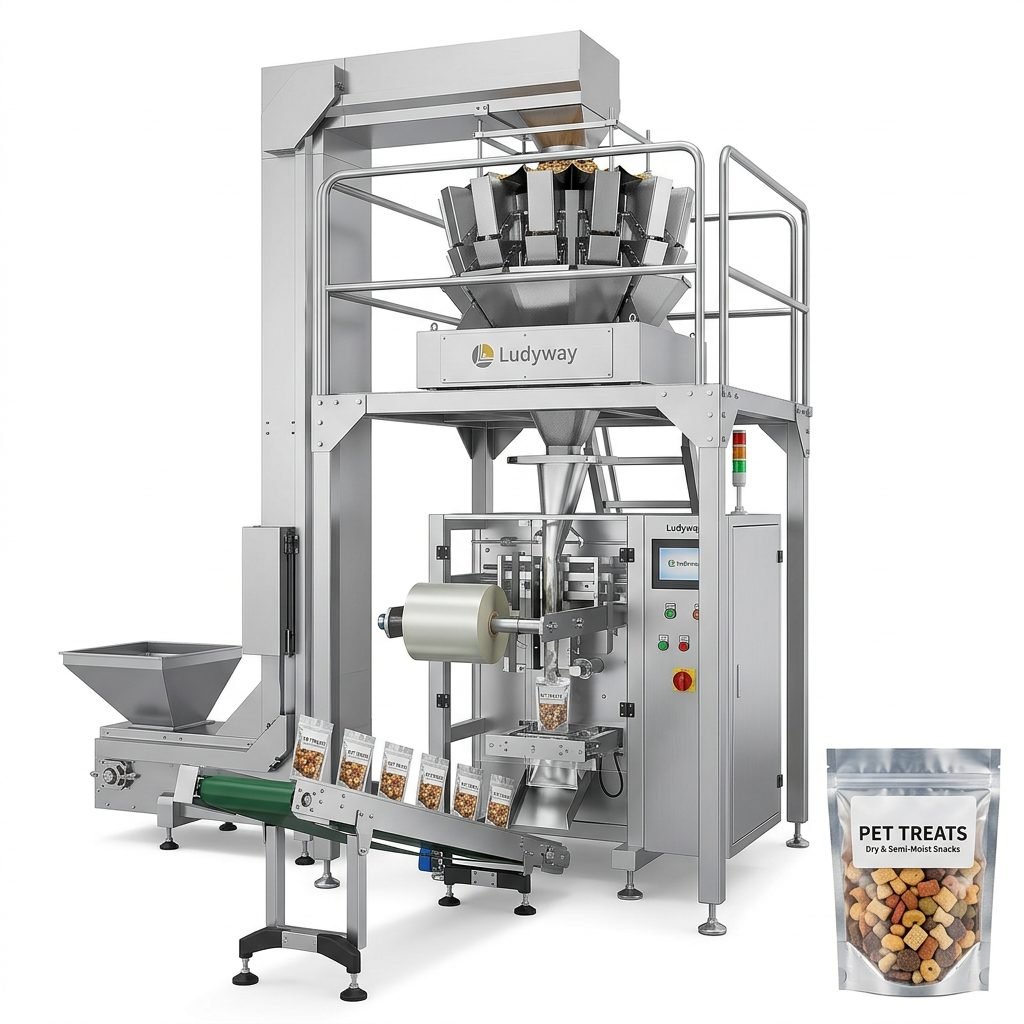
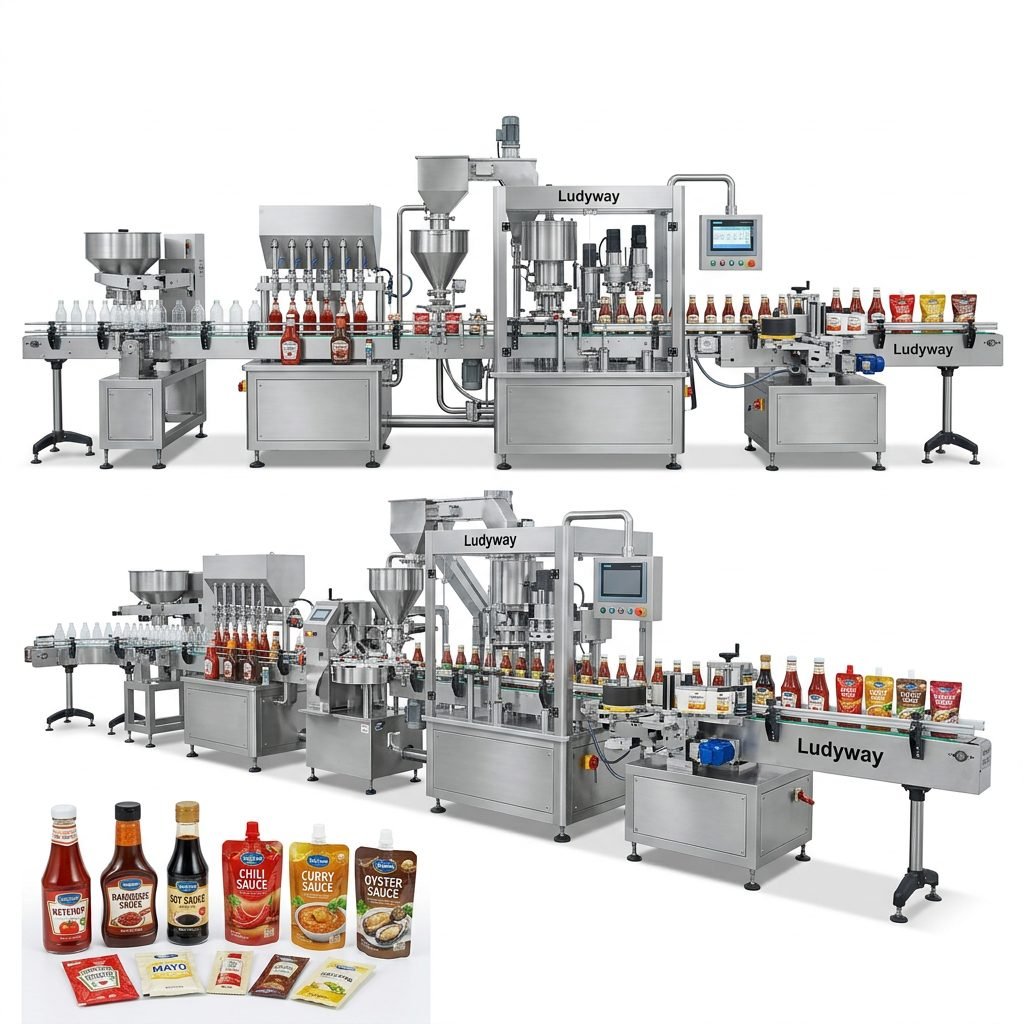
A complete sauce packaging line integrates several interconnected machines. Each component plays a vital role in maintaining product quality and production efficiency. Below are the primary equipment categories you will need to evaluate.
Liquid Filling and Sealing Machines
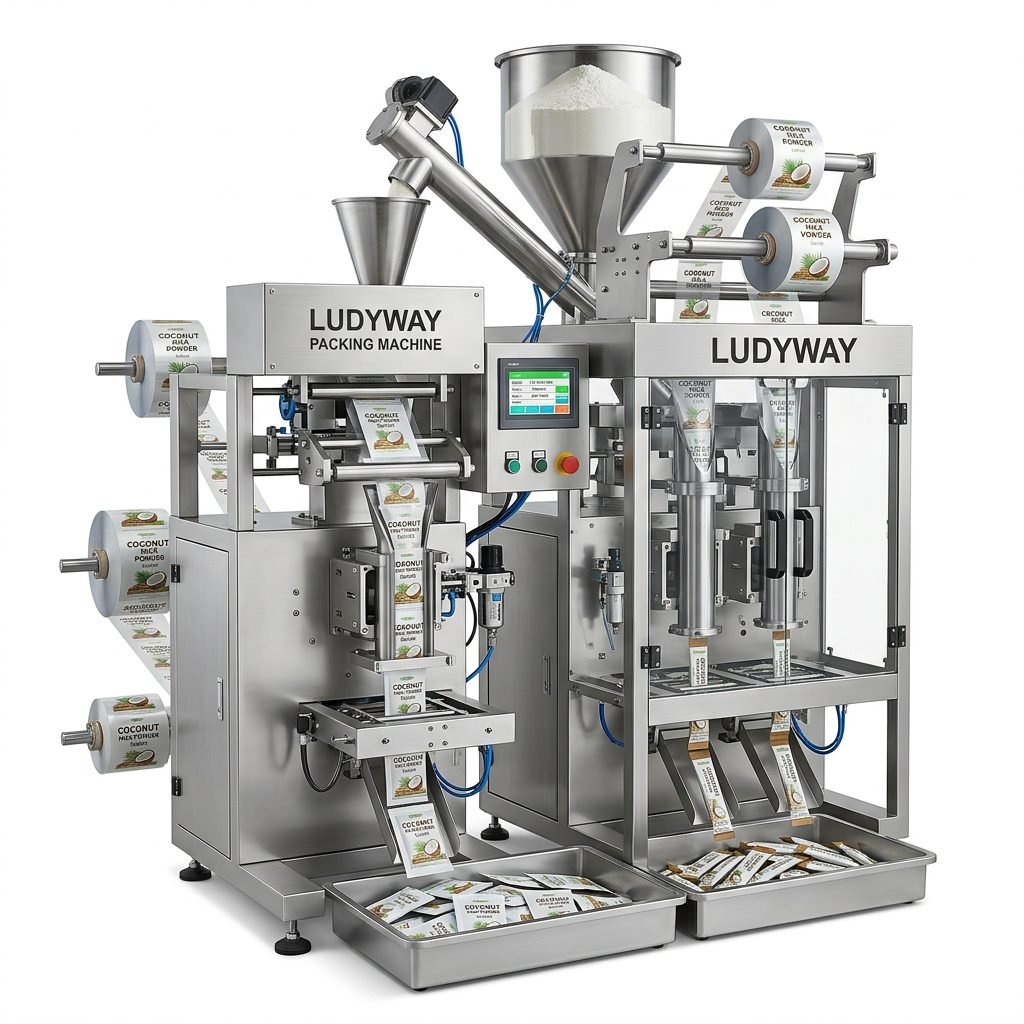
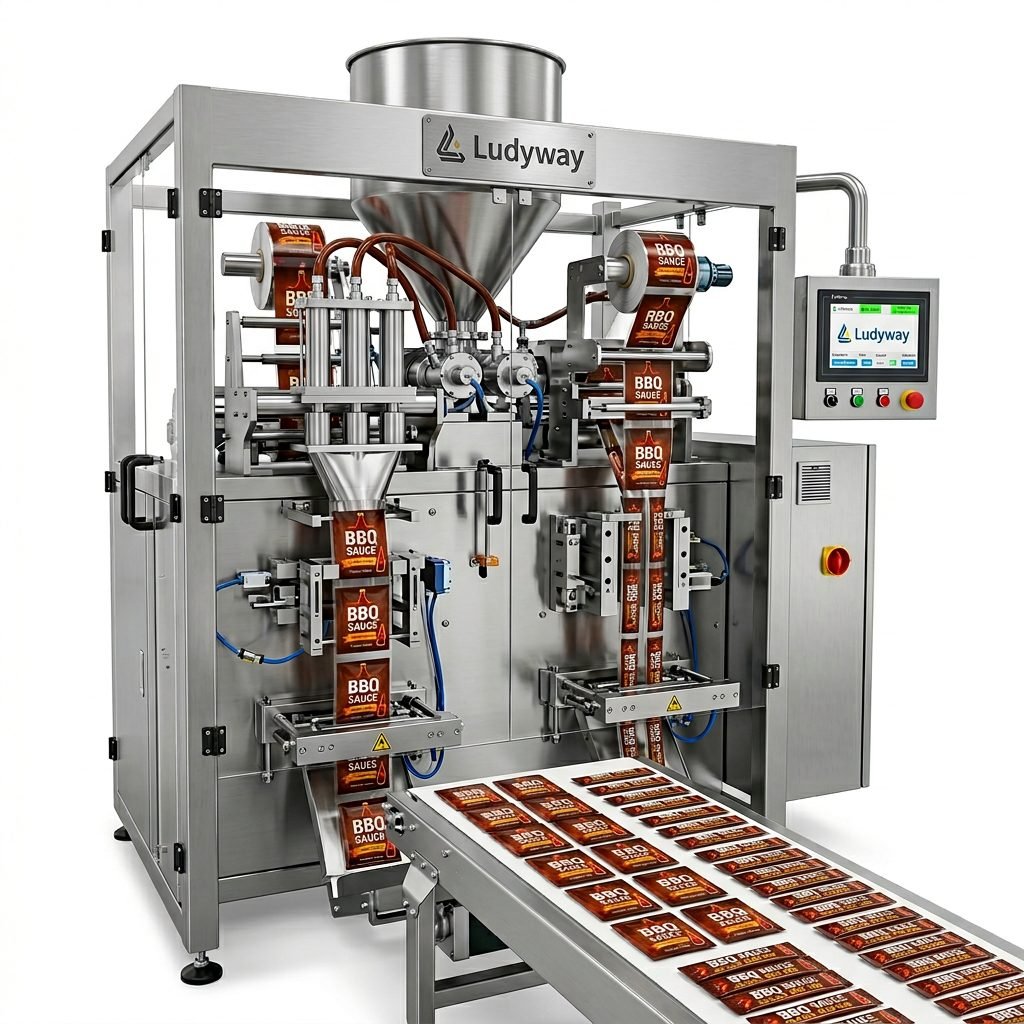
The heart of any sauce packaging operation is the filling and sealing system. For liquid condiments such as ketchup, soy sauce, chili sauce, and barbecue sauce, precision filling is essential to avoid product waste and ensure consistent portion control. Modern systems utilize piston fillers, peristaltic pumps, or servo-driven volumetric filling mechanisms. According to PMMI packaging industry standards, accurate fill tolerances are critical for both regulatory compliance and cost control. Multi-head configurations allow simultaneous filling of multiple lanes, dramatically increasing output for high-demand products.
Multi-Lane Sachet and Stick Pack Systems
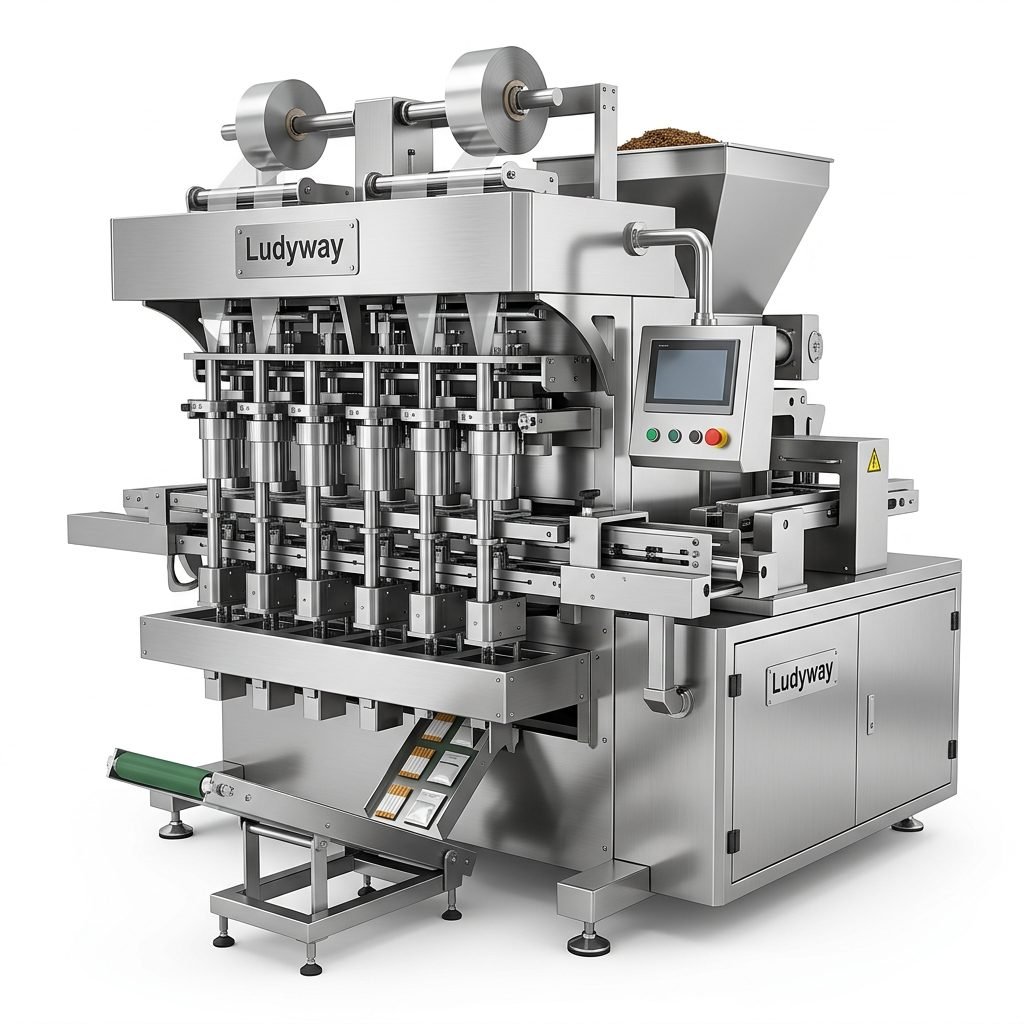
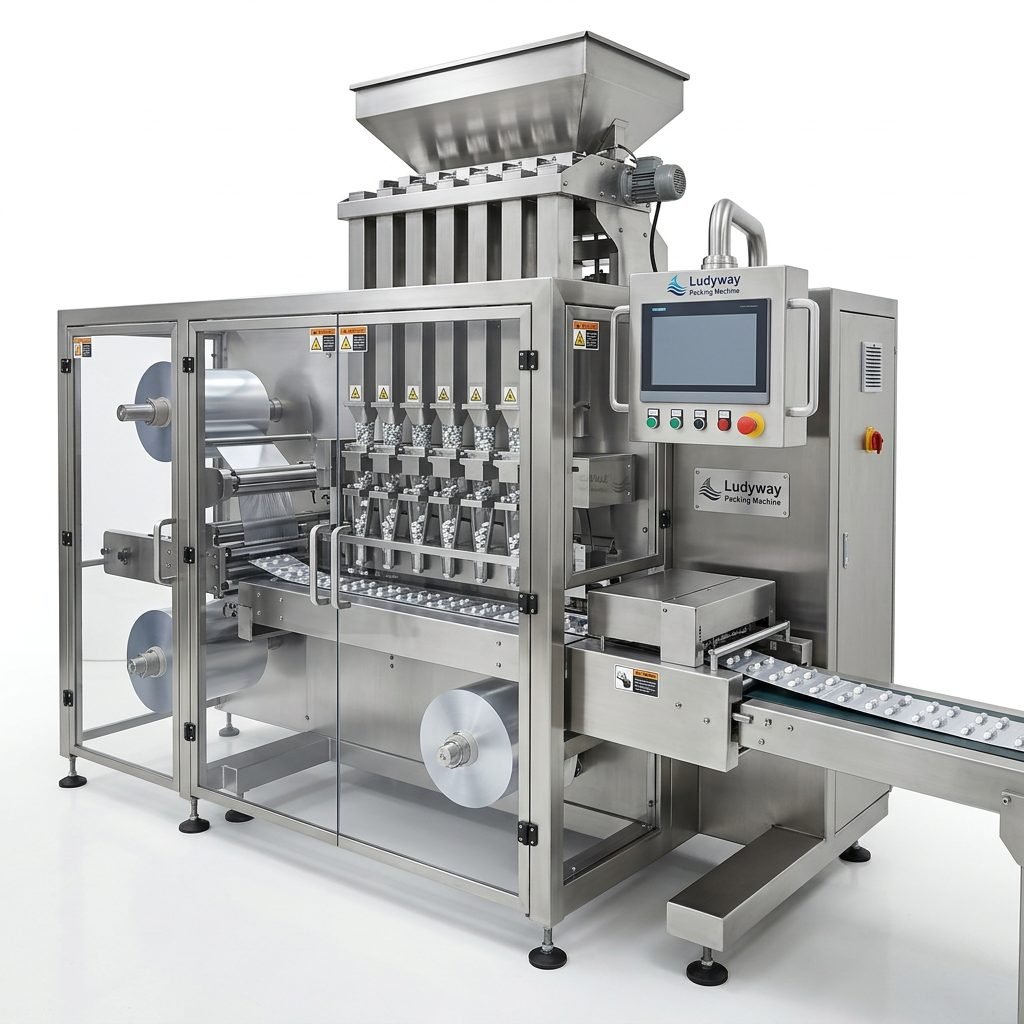
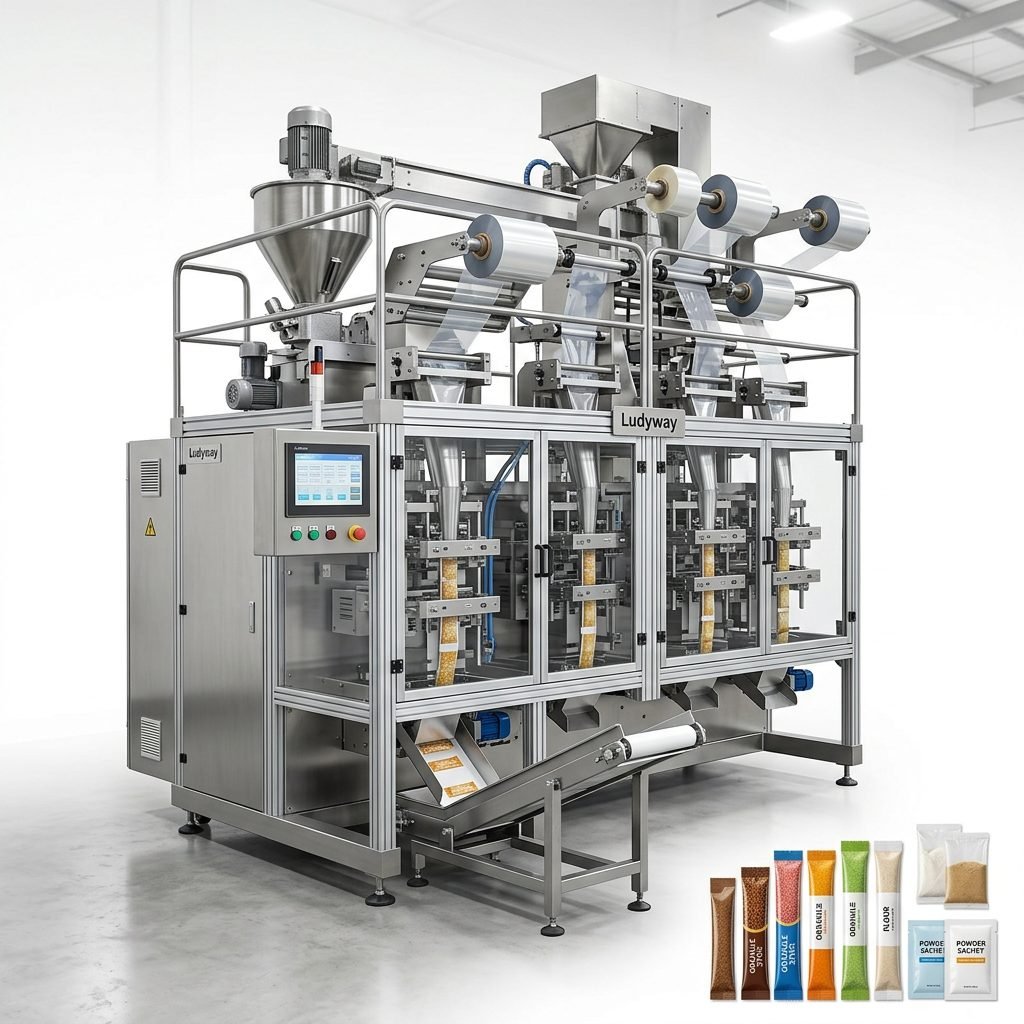
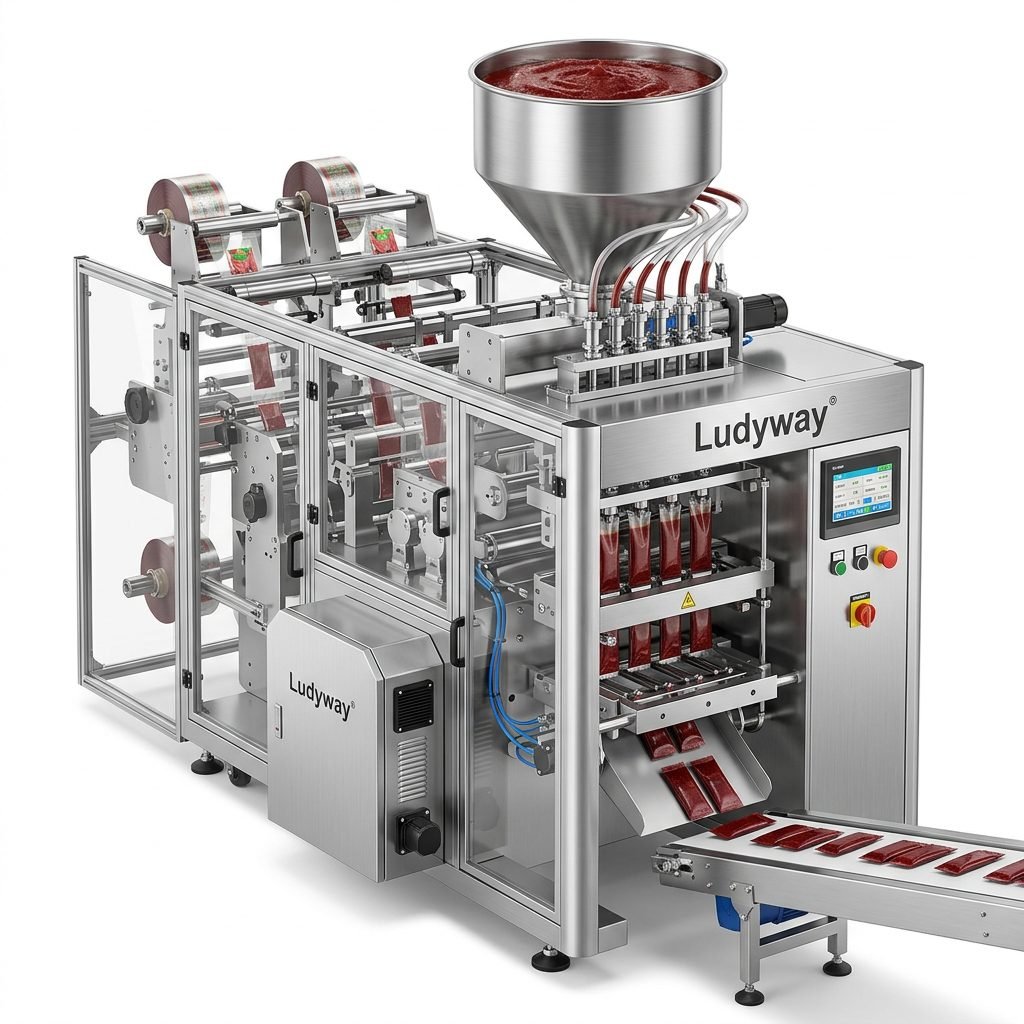
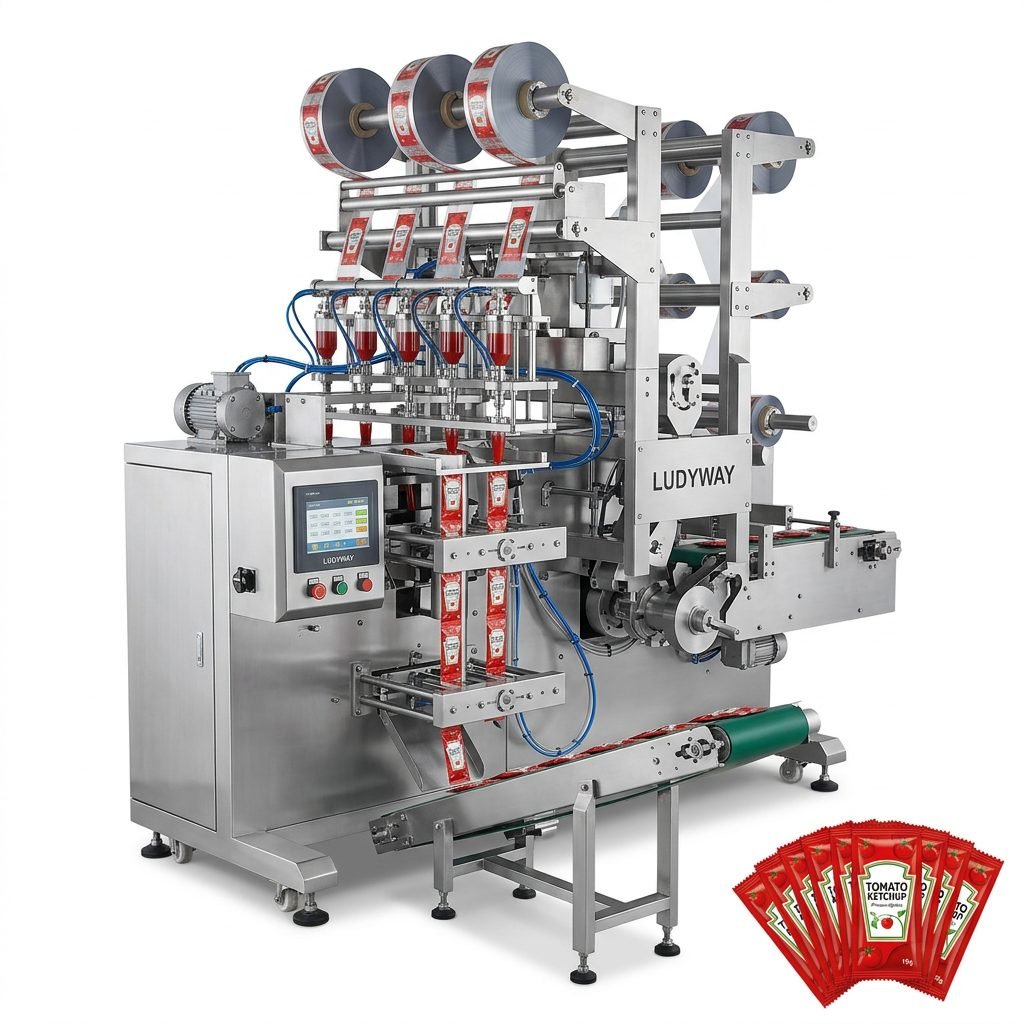
For single-serve sauce portions, multi-lane stick pack and sachet machines offer unmatched productivity. These systems can run 4 to 20 lanes simultaneously, producing thousands of sealed packets per hour. The key advantages include compact footprint, reduced film waste, and the ability to handle both low and high viscosity sauces. When selecting a multi-lane system, consider the lane pitch adjustment, sealing temperature control, and ease of changeover between different packet sizes. Resources from the Flexible Packaging Association provide valuable guidance on material compatibility and sustainability considerations.
Step-by-Step Production Line Setup
Setting up a sauce packaging line involves a systematic approach. Follow these steps to ensure a smooth installation and ramp-up period.
- Conduct a product audit: Analyze viscosity, particulate content, pH levels, and required fill temperatures for each sauce variant.
- Select packaging materials: Choose films with appropriate barrier properties, seal strength, and compatibility with your filling temperature range.
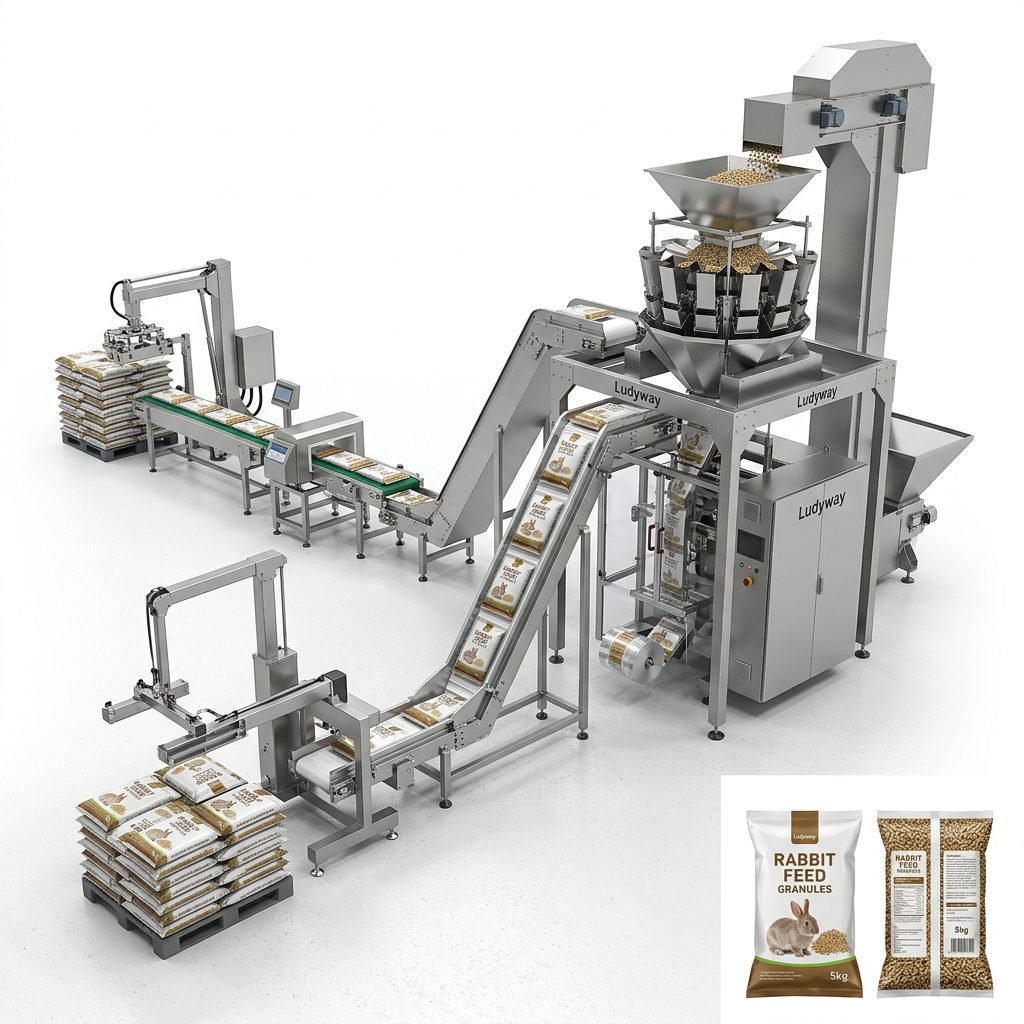
- Configure the line layout: Plan the flow from raw product receiving through filling, sealing, coding, inspection, and secondary packaging.
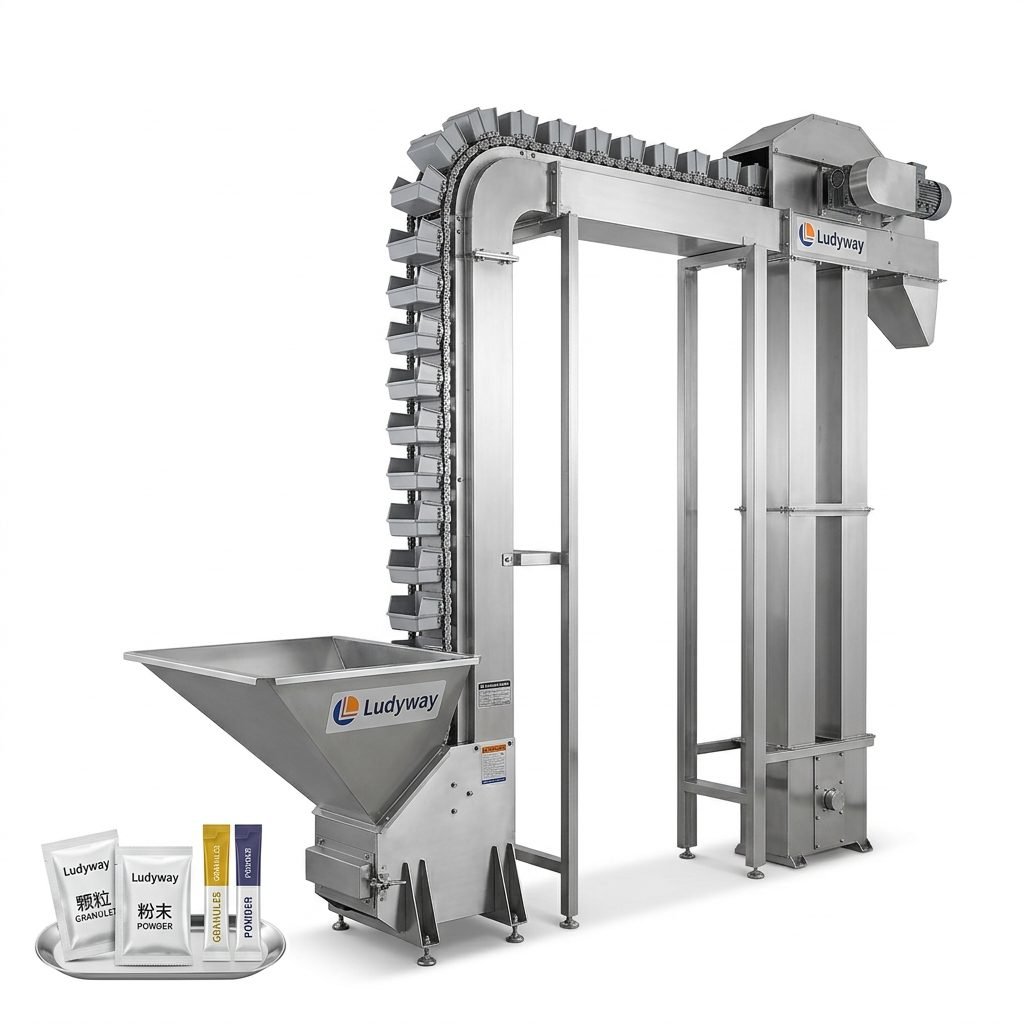
- Integrate auxiliary equipment: Include conveyors, checkweighers, metal detectors, and date coding systems for a complete turnkey solution.
- Validate cleaning protocols: Establish CIP (Clean-in-Place) or COP (Clean-out-of-Place) procedures that meet food safety standards.
- Train operators: Provide comprehensive training on machine operation, troubleshooting, and safety procedures.
Regulatory Compliance Across Global Markets
Compliance with international regulations is non-negotiable when exporting packaged food products. Key regulatory bodies and standards to consider include:
- FDA (United States): Requirements for food packaging and food contact substances under 21 CFR
- EU Regulations: Compliance with EU packaging and packaging waste directives, including material restrictions and recyclability mandates
- ISO Standards: Adherence to ISO packaging standards for quality management and safety
- Halal and Kosher certifications: Important for markets in the Middle East, Southeast Asia, and Israel
- Country-specific labeling laws: Nutritional information, ingredient lists, and warning labels in local languages
Quality Assurance and Production Testing
Implementing robust quality checks throughout the packaging process protects your brand reputation and ensures customer safety. The following testing protocols should be integrated into your production line:
In-Line Inspection Systems
Modern sauce packaging lines incorporate multiple inspection points. Checkweighers verify fill weights in real time, rejecting underweight or overweight packets without stopping production. Metal detectors and X-ray inspection systems screen for foreign contaminants. Vision systems inspect seal integrity, print quality, and label placement. These technologies work together to maintain compliance with HACCP principles and GFSI-benchmarked food safety standards.
Key Specifications for Global Sauce Packaging Lines
The table below outlines critical parameters to evaluate when selecting equipment for international markets. Use these benchmarks to compare machine capabilities across manufacturers.
| Parameter | Entry-Level Line | Mid-Range Line | High-Speed Line |
|---|---|---|---|
| Output Capacity | 30-60 packs/min | 100-200 packs/min | 400-800 packs/min |
| Number of Lanes | 4-6 lanes | 8-12 lanes | 16-20 lanes |
| Fill Volume Range | 5ml-50ml | 2ml-200ml | 1ml-500ml |
| Viscosity Range | Up to 5,000 cP | Up to 15,000 cP | Up to 50,000 cP |
| Changeover Time | 30-45 minutes | 15-25 minutes | 5-10 minutes |
| Automation Level | Semi-automatic | Fully automatic | Smart factory ready |
Maintenance and Operational Efficiency
Long-term success in global markets depends on consistent machine uptime and efficient maintenance practices. Establish a preventive maintenance schedule that includes daily cleaning, weekly inspections of wear parts, and quarterly comprehensive servicing. Stock critical spare parts locally to minimize downtime. Remote monitoring capabilities, now available on many advanced packaging systems, enable real-time performance tracking and predictive maintenance alerts. This proactive approach aligns with the operational excellence frameworks recommended by PMMI business intelligence resources.
Training and Skill Development
Operator training is often overlooked but is essential for maintaining production quality. Invest in structured training programs covering machine setup, troubleshooting, safety protocols, and hygiene standards. Well-trained operators can reduce unplanned downtime by up to 30% and significantly improve overall equipment effectiveness (OEE).
Scaling Production for Export Growth
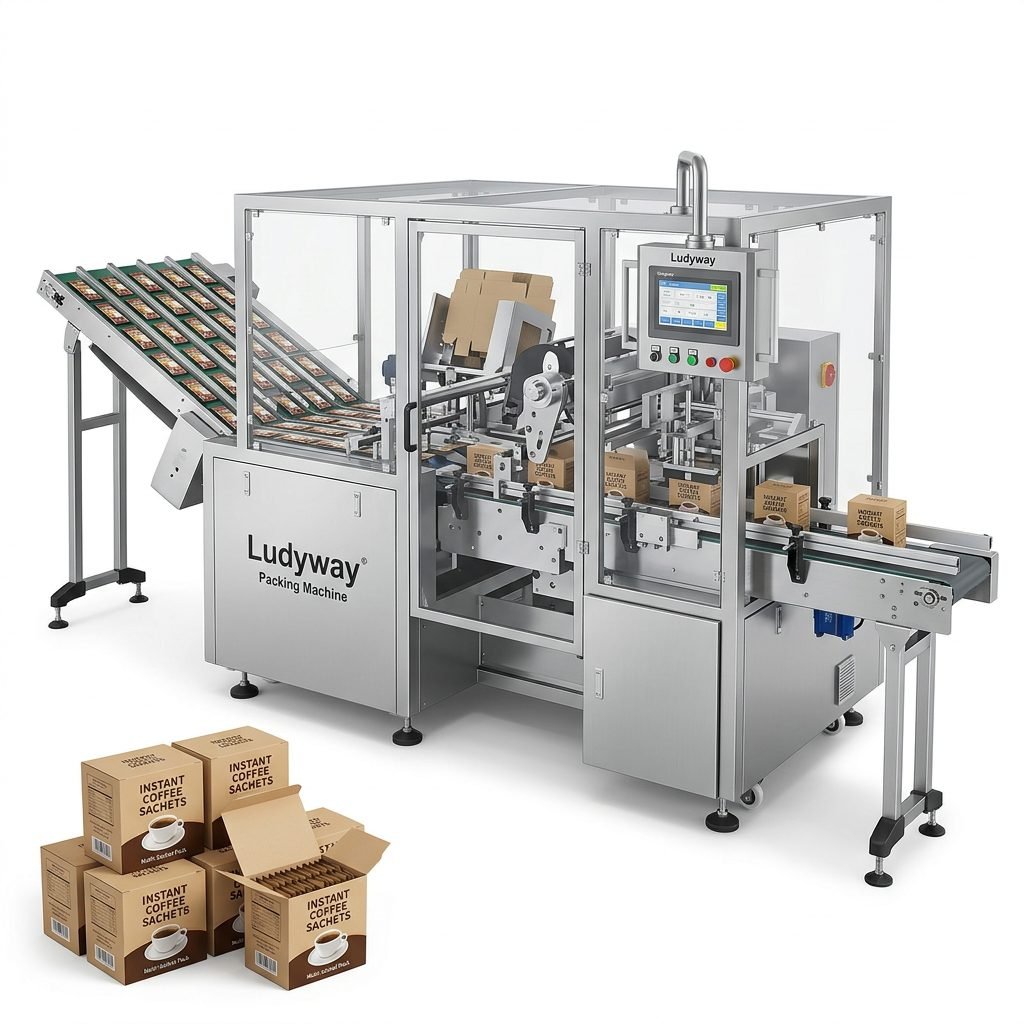
As your brand gains traction in international markets, production capacity must scale accordingly. Modular packaging line designs allow incremental expansion without replacing existing equipment. Start with a core filling and sealing system, then add auxiliary modules such as automatic cartoning, case packing, and palletizing as order volumes increase. This phased investment approach optimizes capital expenditure while building a future-ready packaging infrastructure.
Selecting the right manufacturing partner is a critical strategic decision. Ludyway is one of the largest packaging machine manufacturers in China, offering over 50 intelligent packaging machine models including multi-lane sachet and stick pack systems specifically designed for sauce, condiment, and liquid food applications. With a modern 20,000㎡ manufacturing facility and customers in over 100 countries, the company provides turnkey production solutions that help food manufacturers expand into global markets efficiently and cost-effectively.
Future Trends in Sauce Packaging
The global sauce packaging industry is evolving rapidly. Key trends shaping the future include:
- Sustainable packaging: Mono-material laminates and recyclable film structures are gaining adoption as brands respond to EU packaging waste regulations and consumer demand for eco-friendly options
- Smart packaging: QR codes, NFC tags, and temperature-sensitive indicators enhance consumer engagement and supply chain visibility
- Flexible batch sizes: Quick-changeover systems enable economical production of small batch sizes for niche and seasonal products
- Digital integration: IoT-enabled machines provide real-time data for production optimization and traceability
- Clean-label packaging: Transparent packaging designs that showcase product quality and ingredient integrity
By investing in a flexible, compliant, and scalable sauce packaging production line, manufacturers can confidently enter and grow in global markets. The combination of the right equipment, rigorous quality systems, and ongoing operator training creates a foundation for sustainable international success.