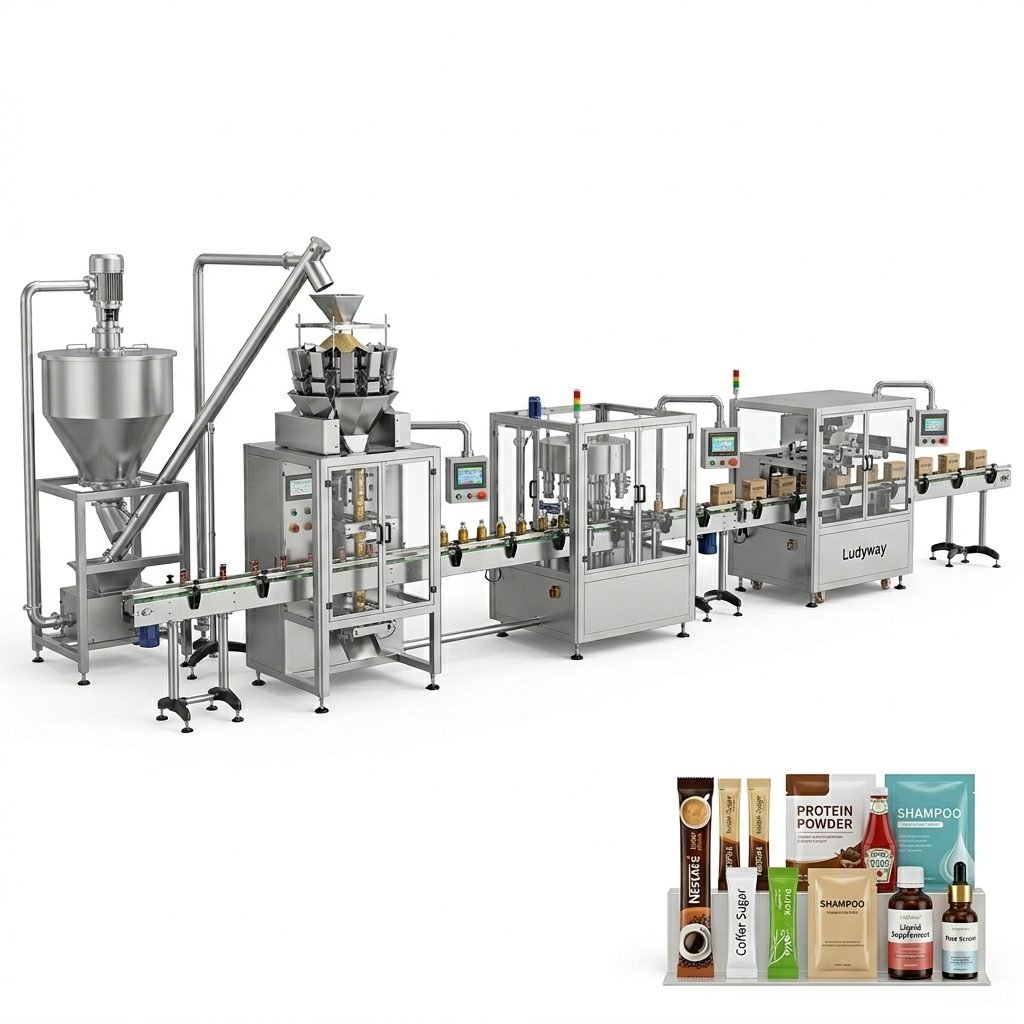
Expanding your dairy business into international markets requires a strategically designed yoghurt packaging machine production line. Whether you are producing drinkable yoghurt, set yoghurt, Greek yoghurt, or frozen yoghurt, the right packaging automation system can make the difference between a successful global launch and costly regulatory setbacks. This comprehensive guide walks you through every critical step of setting up a production line that meets diverse global standards and consumer expectations.
Understanding the Global Yoghurt Market Landscape
Before investing in equipment, it is essential to understand the diverse packaging requirements across different regions. The global yoghurt market is projected to grow significantly, with formats ranging from single-serve stick packs in Asia to multi-pack cups in Europe and large family-sized tubs in North America. According to PMMI’s State of the Industry Report, packaging machinery demand continues to rise as manufacturers seek greater automation and flexibility. Each market has unique preferences for packaging materials, portion sizes, and labeling requirements that directly influence your production line configuration.
Key Components of a Yoghurt Packaging Production Line
A fully integrated yoghurt packaging line consists of multiple interconnected systems. Understanding each component helps you make informed decisions when configuring your turnkey packaging solution for global distribution. The Flexible Packaging Association provides valuable resources on material innovations that can enhance your packaging strategy.
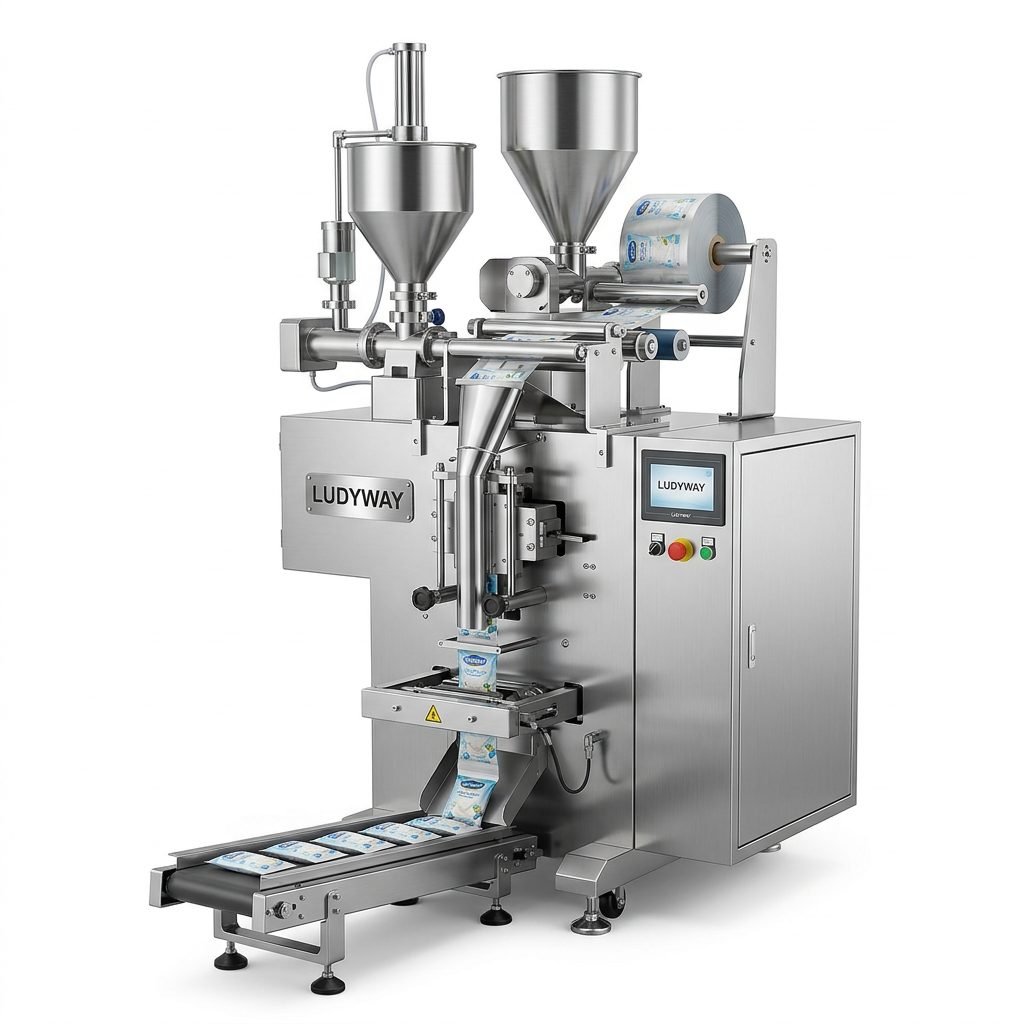
Filling and Sealing Systems
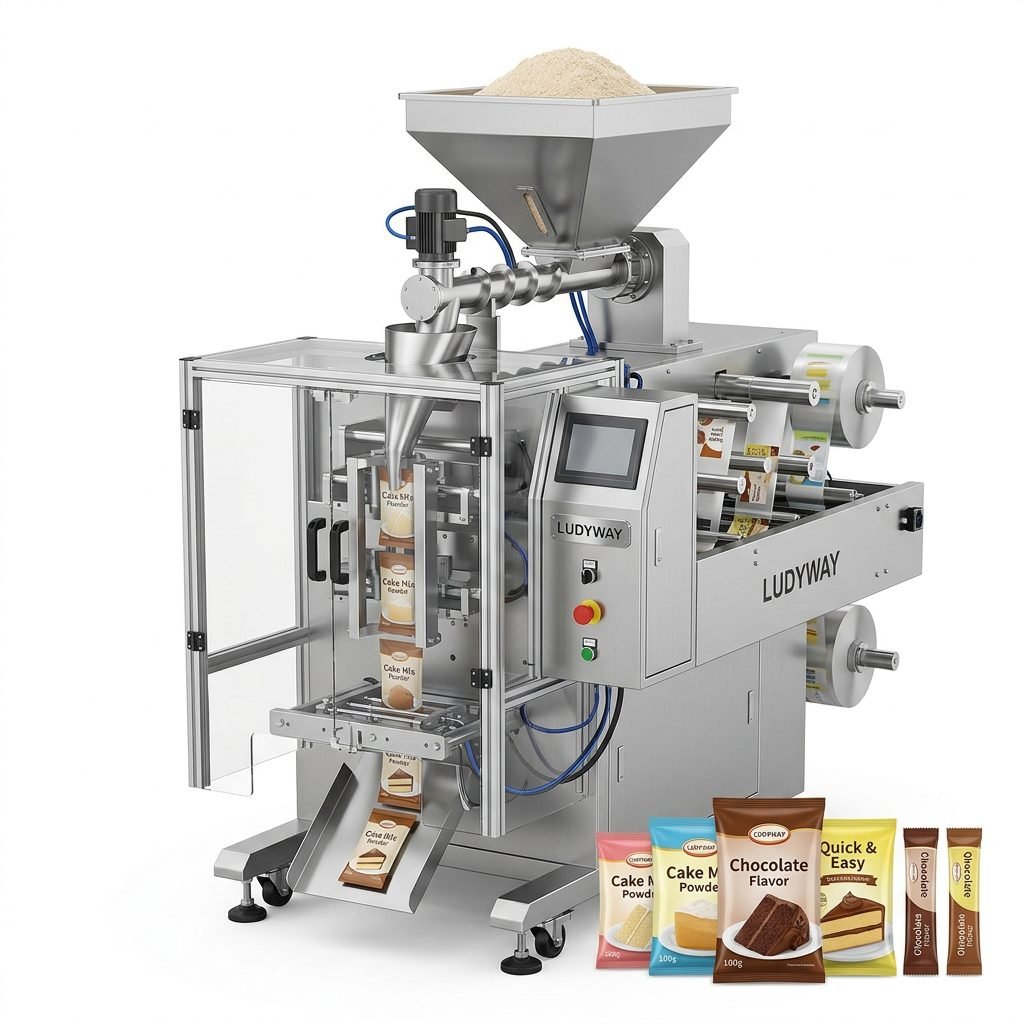
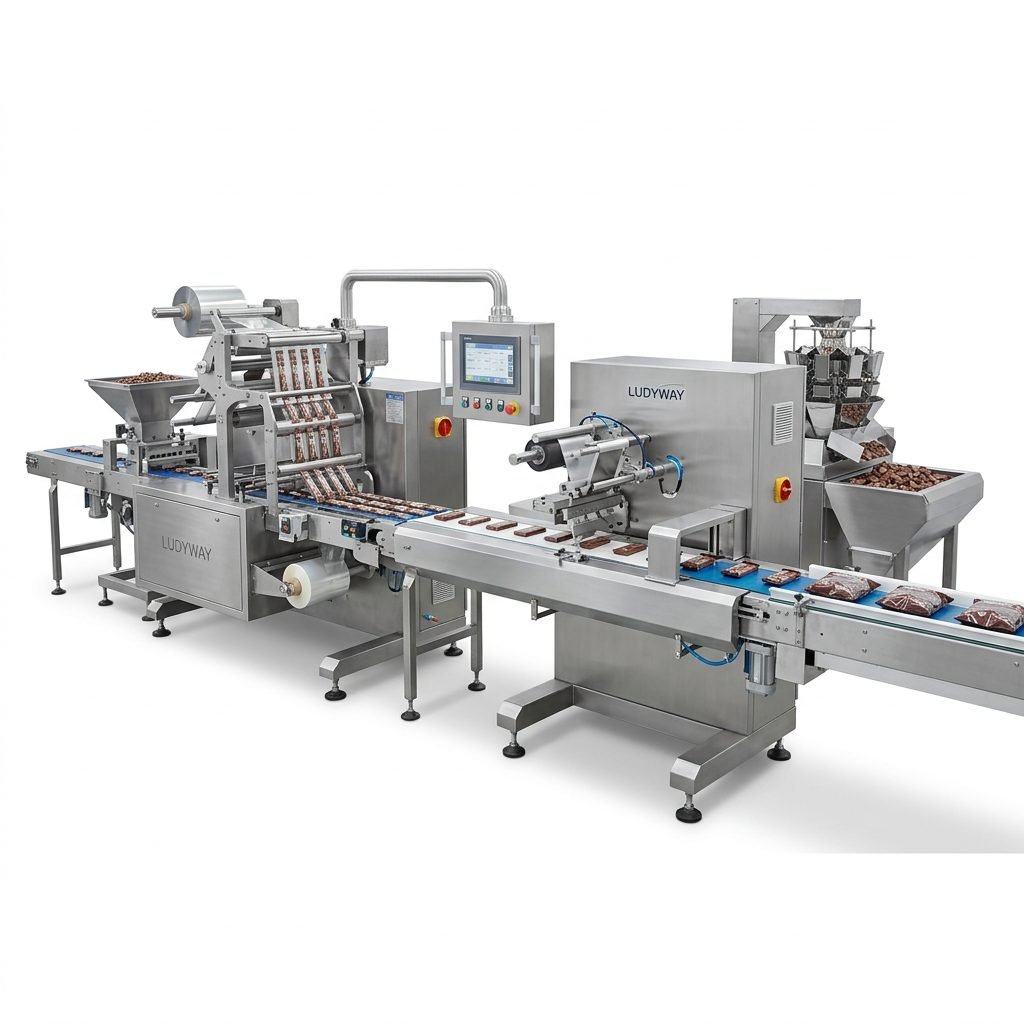
The heart of any yoghurt packaging line is the filling and sealing station. For liquid and semi-viscous products like yoghurt, precision volumetric fillers ensure consistent portion control across millions of units. These systems must handle varying product viscosities while maintaining aseptic or ultra-clean conditions, especially for extended shelf-life products destined for export markets.
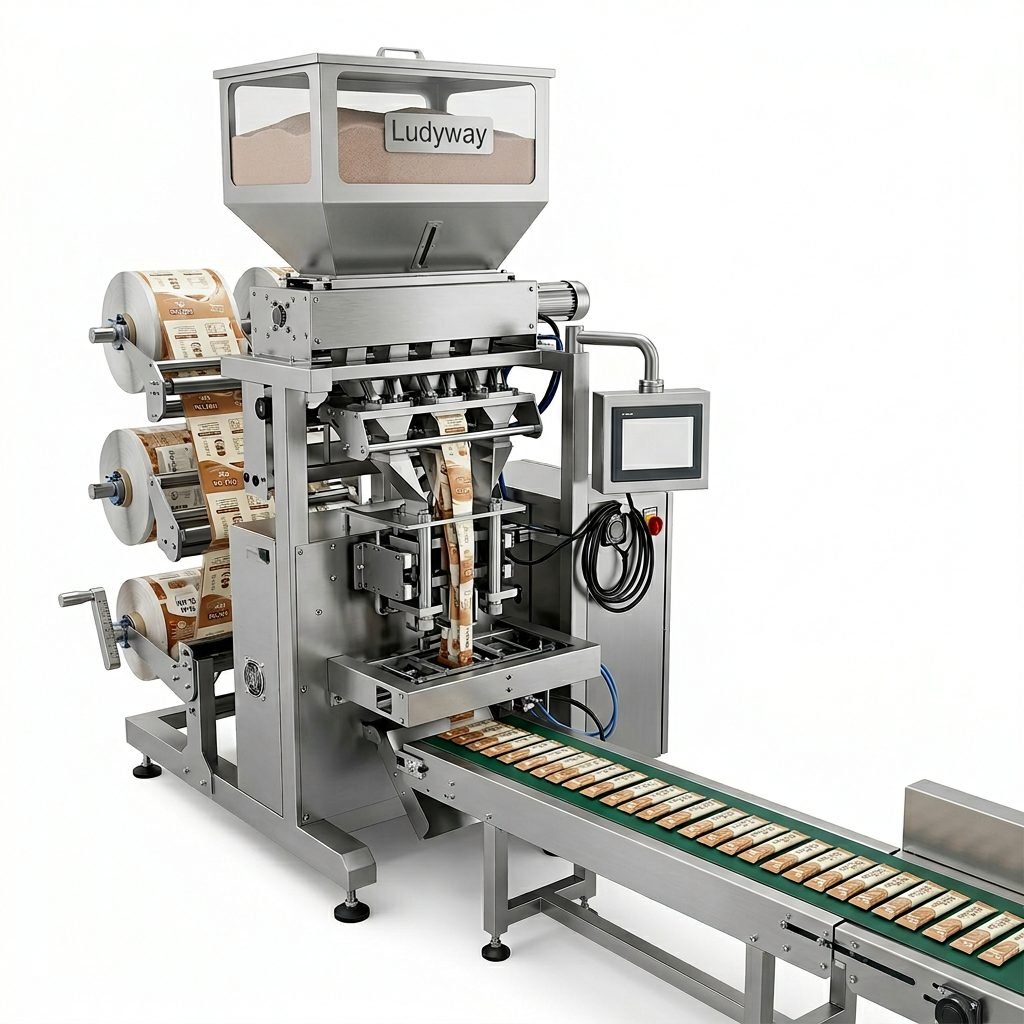
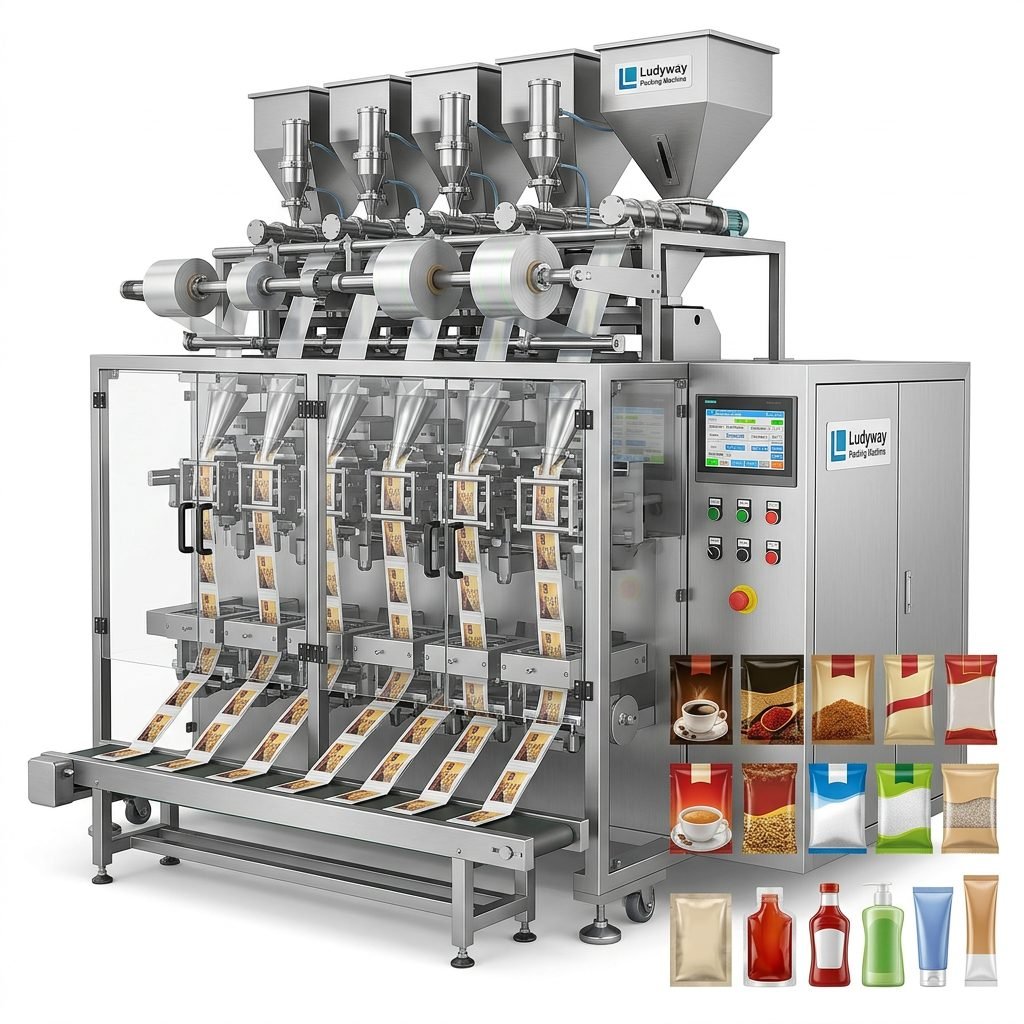
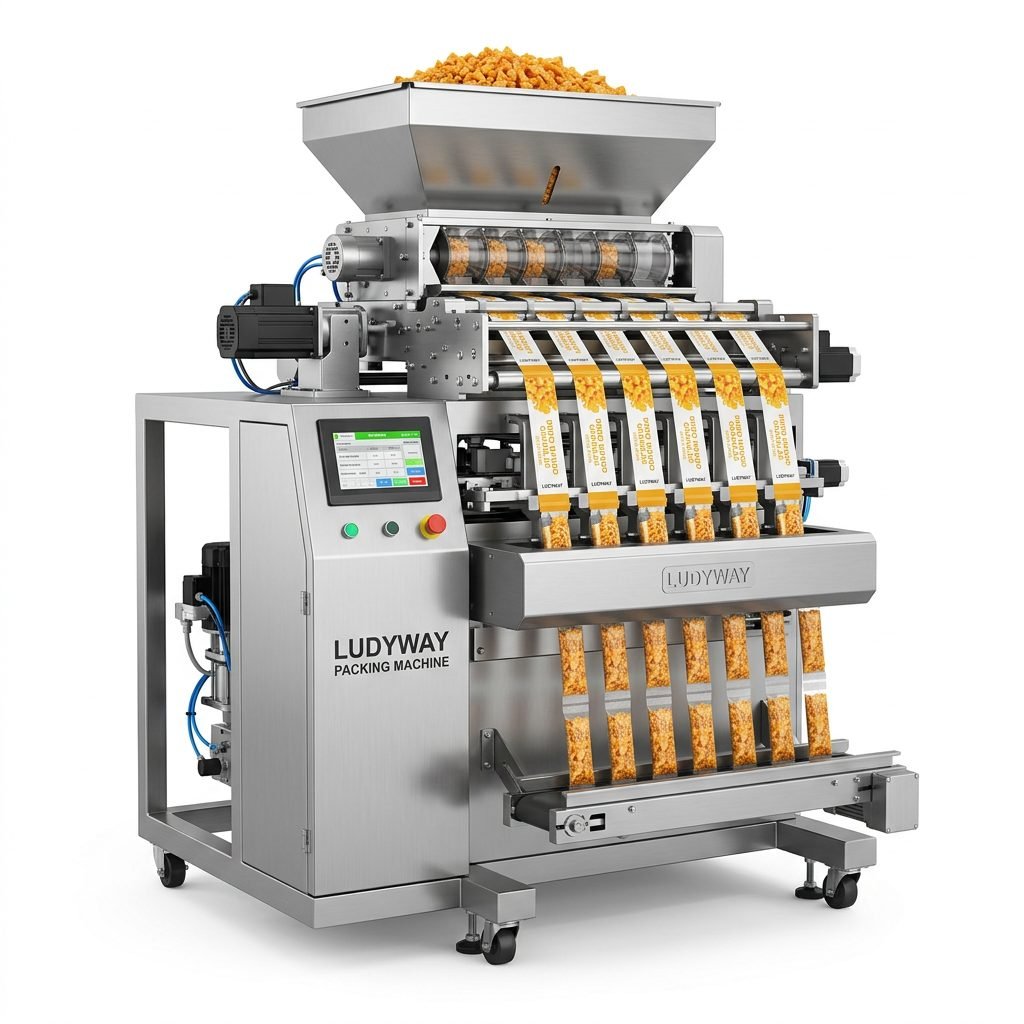
Multi-Lane Stick Pack and Sachet Machines
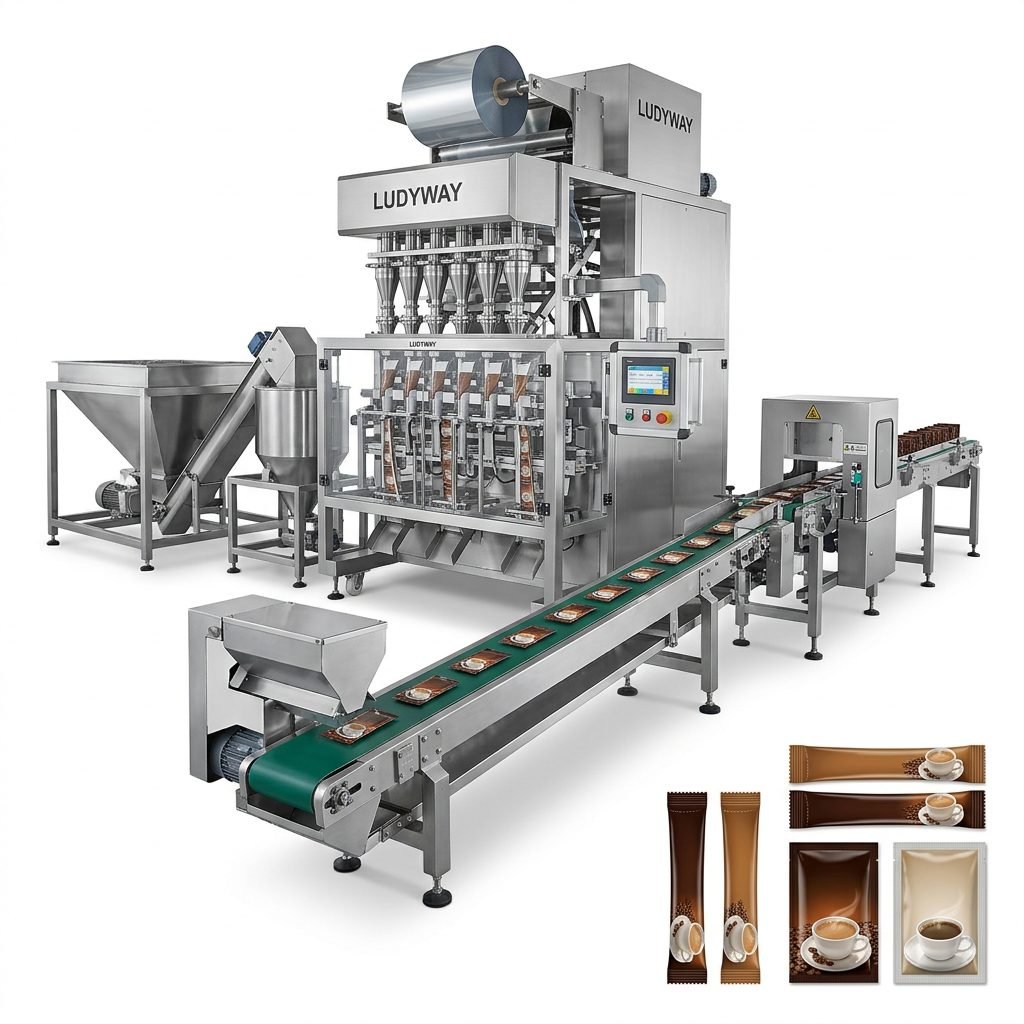
Single-serve formats have exploded in popularity across global markets. Multi-lane stick pack machines can produce hundreds of individual yoghurt portions per minute, ideal for markets where on-the-go consumption drives purchasing decisions. These systems offer exceptional flexibility for different packaging materials and formats, allowing manufacturers to serve multiple international customers from a single production line.
Secondary Packaging Equipment
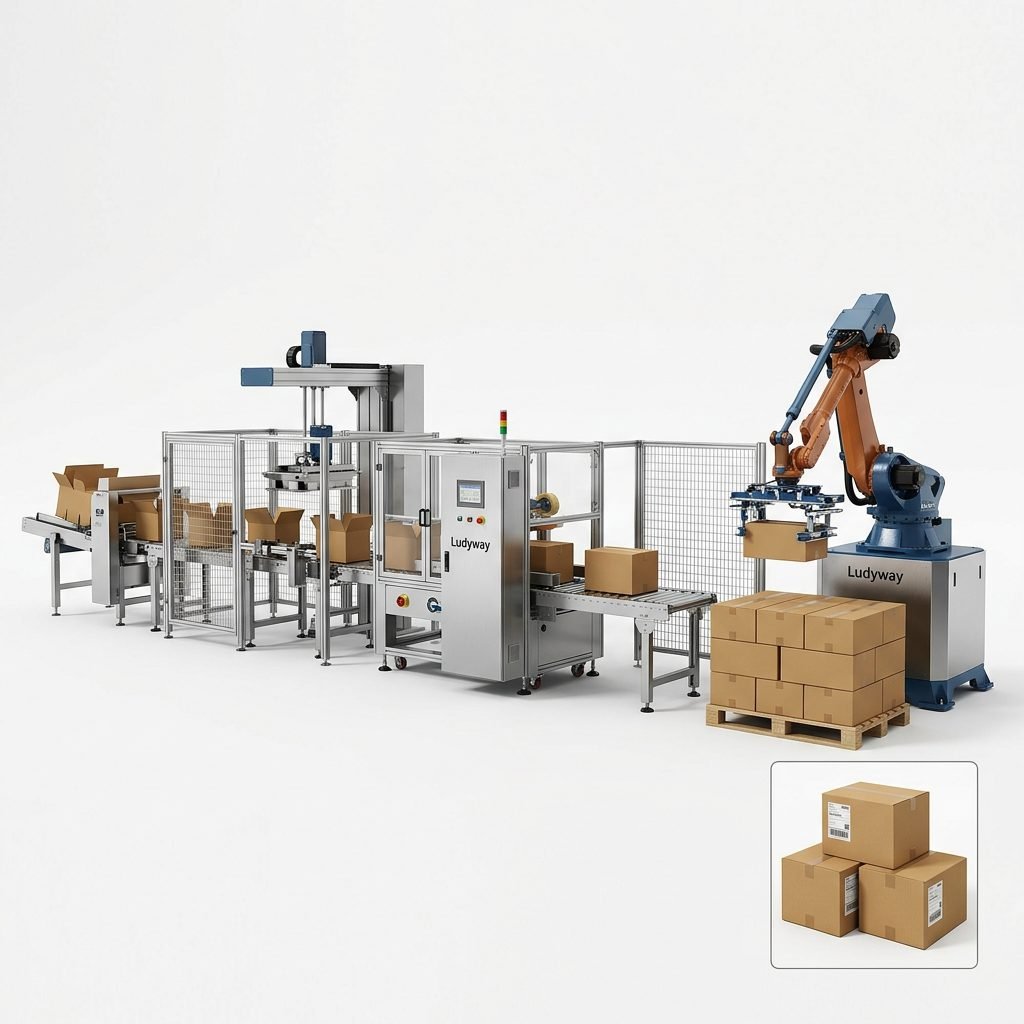
Secondary packaging—including cartoning, case packing, and palletizing—is critical for protecting products during international shipping. Automated cartoning lines and robotic palletizing systems reduce labor costs while ensuring consistent packaging quality that meets retailer requirements worldwide.
Step-by-Step Setup Guide for Global Production
Setting up a production line for global markets requires methodical planning. The FDA’s packaging and food contact substances guidelines provide essential regulatory context, while ISO packaging standards offer internationally recognized quality benchmarks.
Step 1: Define Your Production Requirements
Begin by mapping out your target markets and their specific demands. Consider the following factors in a structured assessment:
- Target production capacity — units per minute or per day across all SKUs
- Packaging format variety — cups, stick packs, sachets, pouches, or bottles
- Product characteristics — viscosity, temperature sensitivity, and shelf-life requirements
- Labor availability and cost — automation level needed for each market
- Regulatory landscape — food contact material approvals in target regions
Step 2: Select the Right Packaging Format
Your choice of packaging format directly impacts machine selection. The table below compares common yoghurt packaging formats for global distribution:
| Packaging Format | Best For | Key Markets | Speed Range |
|---|---|---|---|
| Multi-Lane Stick Packs | Drinkable yoghurt, probiotic shots | Asia, Middle East, Africa | 400-1200 packs/min |
| Preformed Cups | Set yoghurt, Greek yoghurt | Europe, North America | 60-400 cups/min |
| Sachets & Pouches | Frozen yoghurt, value segments | South America, Southeast Asia | 200-800 packs/min |
| Bottle Filling | Drinkable yoghurt, smoothies | Global | 50-300 bottles/min |
Step 3: Ensure Regulatory Compliance
Navigating international regulations is one of the most challenging aspects of global yoghurt packaging. Key considerations include food contact material certifications, labeling requirements in multiple languages, and nutritional information formats. The European Commission’s packaging and packaging waste regulations set stringent standards for materials entering EU markets. Similarly, EPA sustainable materials management guidelines influence packaging choices for the U.S. market.
Step 4: Integrate Automation and Quality Control
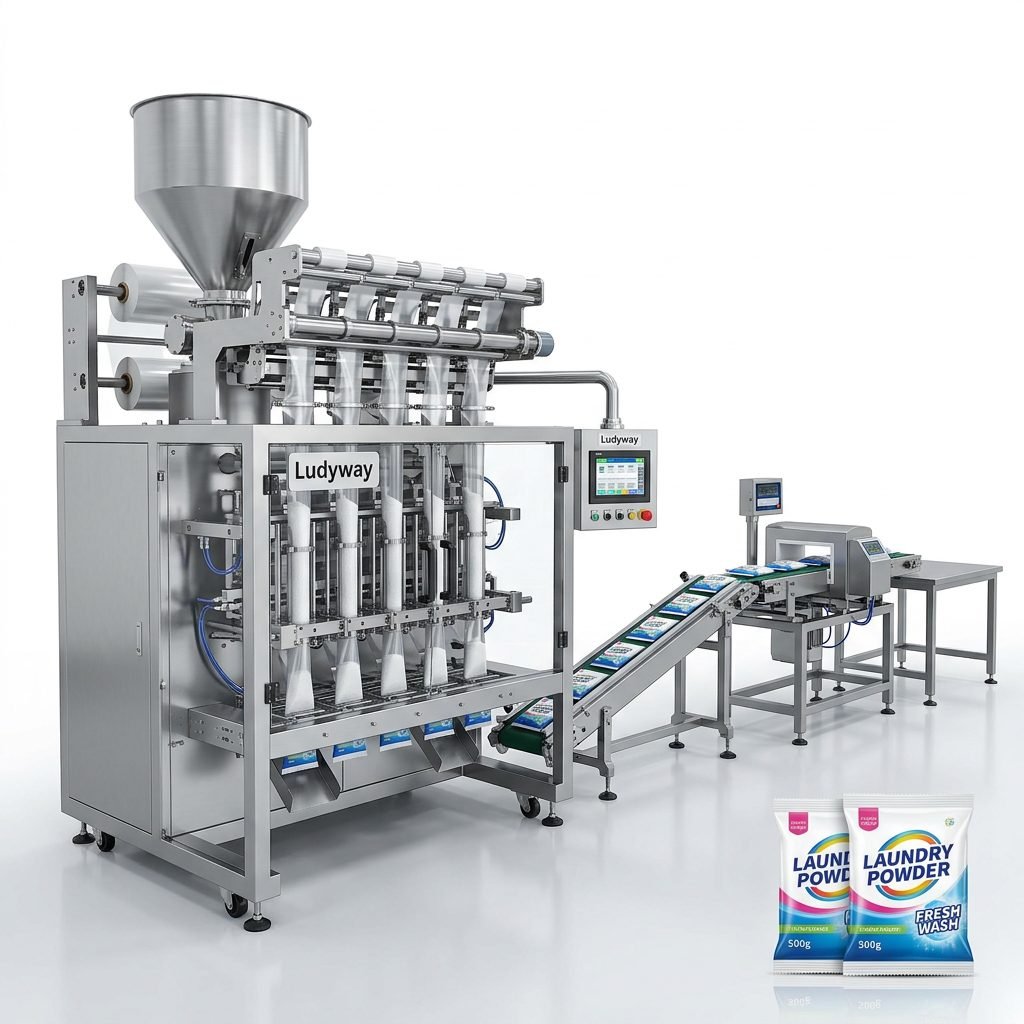
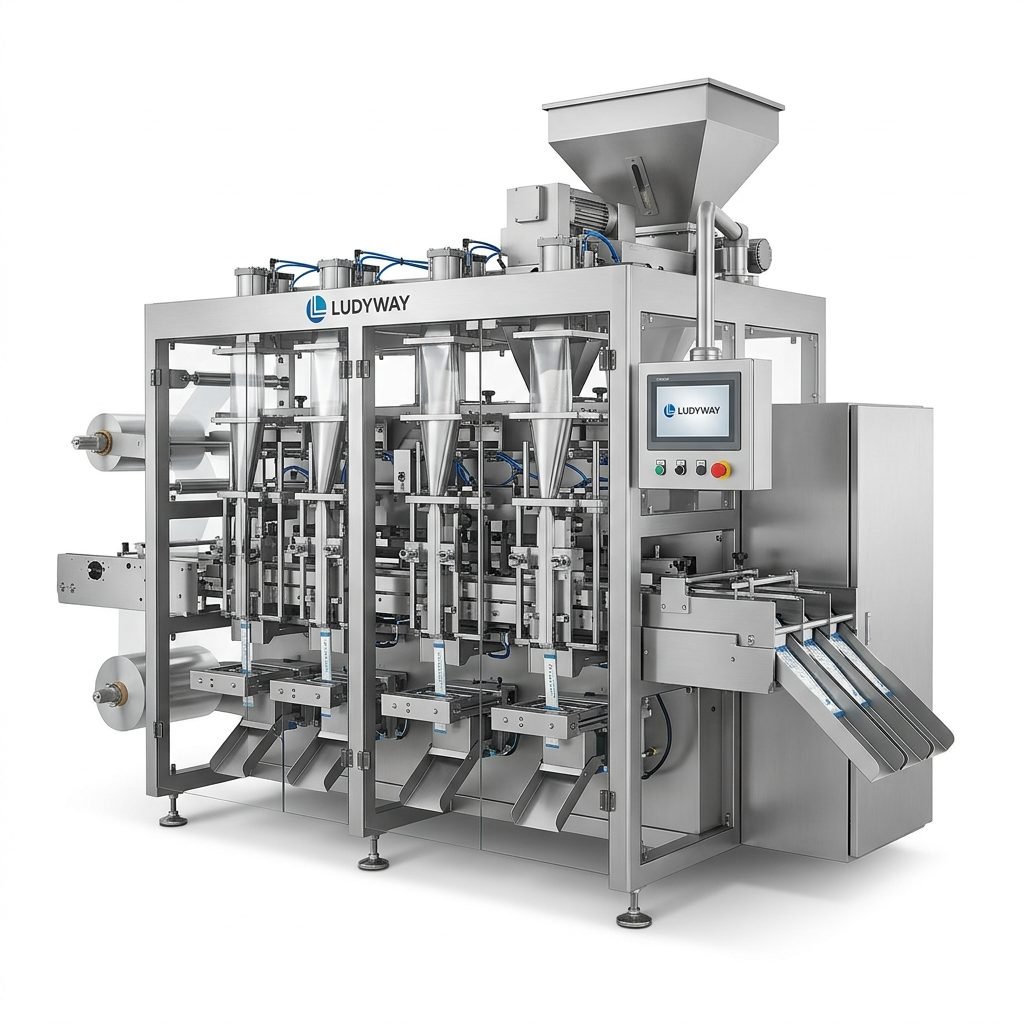
Modern yoghurt packaging lines incorporate advanced quality control systems including checkweighers, metal detectors, vision inspection, and seal integrity testers. Automated reject systems ensure that only properly sealed and filled packages reach consumers. These quality assurance measures are particularly important for export markets where product recalls can be extremely costly and damage brand reputation.
Step 5: Plan for Logistics and Global Distribution
Packaging for global distribution must withstand extended supply chains. Factors to address include:
- Secondary packaging durability for container shipping and multiple handling points
- Climate considerations — temperature and humidity variations during transit
- Palletization standards that match destination warehouse and retail systems
- Traceability requirements including batch coding and serialization for specific markets
Compliance with International Standards
Meeting international standards is non-negotiable for global market access. The following certifications and standards are essential reference points for your production line setup. The ISO 11607 standard for packaging provides comprehensive guidelines applicable across industries, while PMMI’s packaging machinery standards and regulations resources offer practical implementation guidance for equipment selection and validation.
Choosing the Right Equipment Partner
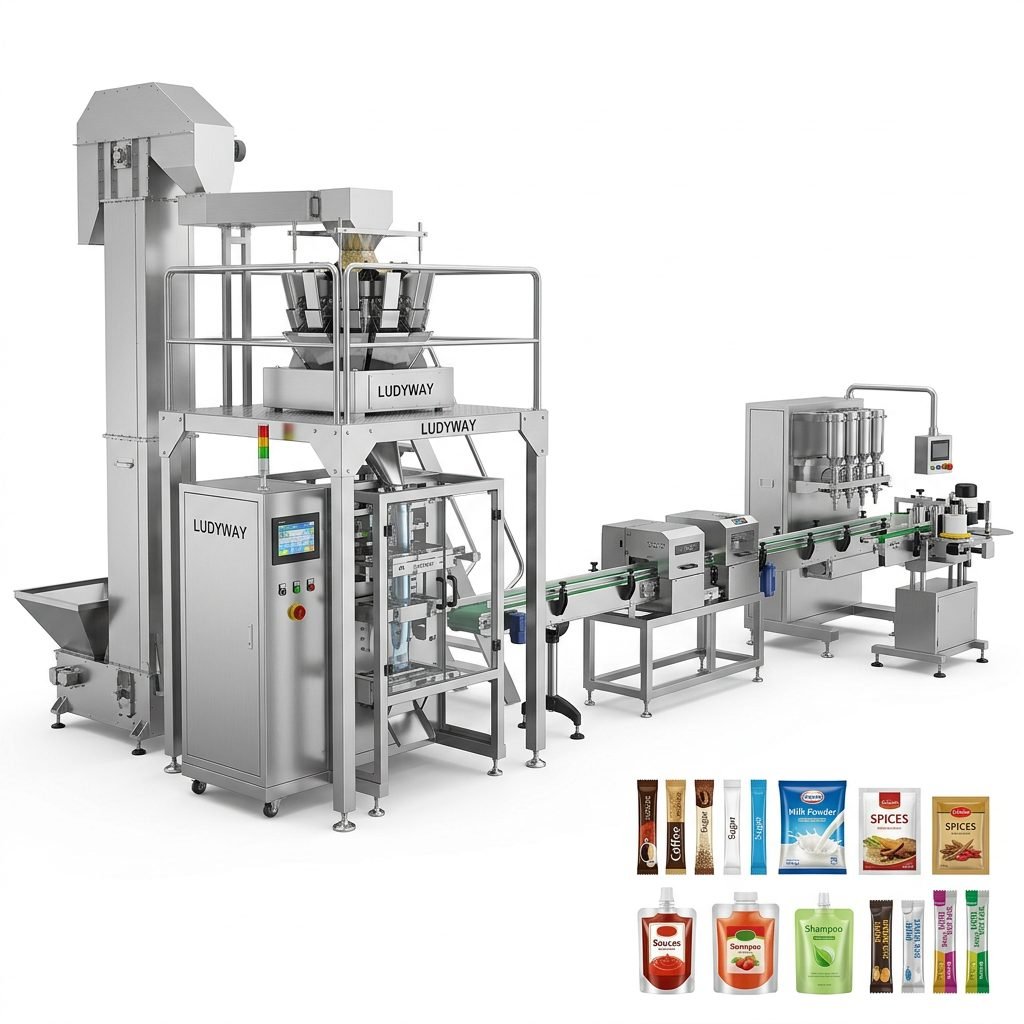
Selecting a reliable equipment manufacturer is critical for long-term success. Look for partners with proven global experience, comprehensive technical support, and the ability to deliver turnkey solutions customized to your specific requirements. Factors to evaluate include manufacturing capacity, engineering expertise, after-sales service network, and track record with international clients. A partner with a modern production facility and deep industry knowledge can significantly reduce your time-to-market for new product launches across different regions.
Investment Considerations and ROI Analysis
When budgeting for a global yoghurt packaging line, consider the total cost of ownership rather than just the initial equipment price. Key financial factors include:
- Equipment lifespan and maintenance costs over a 10-15 year period
- Energy efficiency and its impact on operational expenses
- Changeover speed between different packaging formats and its effect on production utilization
- Spare parts availability and technical support response times in your region
- Scalability potential — can the line expand as your global business grows
Training and Workforce Development
Even the most advanced packaging line requires skilled operators. Comprehensive training programs should cover machine operation, troubleshooting, preventive maintenance, and safety protocols. For global operations, training materials should be available in multiple languages, and remote diagnostic capabilities can reduce the need for on-site technical support. Investing in workforce development ensures your production line operates at peak efficiency regardless of location.
Future-Proofing Your Production Line
The yoghurt market continues to evolve with trends toward clean-label products, sustainable packaging, and personalized nutrition. Your production line should accommodate future format changes without requiring complete replacement. Modular equipment designs that allow for incremental upgrades provide the flexibility needed to adapt to changing market demands while protecting your capital investment.

Setting up a yoghurt packaging machine production line for global markets is a complex but rewarding endeavor. By carefully considering market-specific requirements, regulatory compliance, automation levels, and equipment partner capabilities, manufacturers can build flexible, efficient operations that serve diverse international customers. Whether you are expanding from a domestic base or building a new global production facility, the principles outlined in this guide provide a solid foundation for success. With over 30 years of industry expertise, Ludyway has established itself as one of the largest packaging machine manufacturers, offering turnkey solutions that help businesses navigate the complexities of international packaging requirements with confidence.