Vacuum packaging has become an essential kitchen technology for German households looking to reduce food waste, preserve freshness, and embrace sous-vide cooking. With Germany’s strong focus on sustainability and energy efficiency, choosing the right home vacuum packaging machine requires careful consideration of local standards, voltage requirements, and long-term durability.
Why Invest in a Home Vacuum Packaging Machine in Germany?
German consumers are increasingly aware of Lebensmittelverschwendung (food waste), with the average household discarding approximately 78 kilograms of food annually. A quality vacuum sealer can extend the shelf life of perishable items by 3 to 5 times compared to conventional storage methods. Additionally, the growing popularity of sous-vide cooking in German kitchens has driven demand for reliable vacuum packaging equipment.
Key benefits that resonate with German buyers include:
- Significant reduction in food waste – aligns with Germany’s National Strategy for Food Waste Reduction
- Bulk purchasing savings – ideal for families who shop at wholesale markets like Metro
- Sous-vide compatibility – perfect for preparing restaurant-quality meals at home
- Seasonal food preservation – excellent for storing garden produce and seasonal specialties
- Meal prepping efficiency – popular among busy professionals and fitness enthusiasts
Critical Factors for German Market Selection
When purchasing a vacuum packaging machine for use in Germany, several market-specific considerations must be evaluated before making a decision:
1. Voltage and Electrical Compatibility
Germany operates on a 230V/50Hz electrical system with Type F (Schuko) plugs. Ensure any vacuum sealer purchased—whether locally or imported—meets these specifications. Machines designed for the U.S. market (110V/60Hz) will require a voltage converter, which adds cost and complexity. Always look for CE certification and preferably GS (Geprüfte Sicherheit) marks indicating compliance with German safety standards.
2. Energy Efficiency Ratings
German consumers place high value on Energieeffizienz. While vacuum sealers generally consume modest power, models with automatic shut-off features and efficient pump motors are preferred. Check for devices compatible with Germany’s increasing adoption of smart home energy management systems.
3. Noise Levels
In German apartment buildings (Mehrfamilienhäuser), noise considerations are important. Look for vacuum sealers with noise levels below 70 dB to maintain good neighborly relations, especially during evening hours when Ruhezeiten (quiet hours) are observed.
Types of Home Vacuum Packaging Machines
The German market offers several categories of vacuum sealers, each suited to different household needs:
| Machine Type | Best For | Price Range (EUR) | Vacuum Strength |
|---|---|---|---|
| External Clamp Sealer | Beginners, occasional use | €30 – €80 | -0.6 to -0.8 bar |
| Chamber Vacuum Sealer | Enthusiasts, frequent use | €200 – €600 | -0.9 to -1.0 bar |
| Handheld Mini Sealer | Small kitchens, portability | €15 – €40 | -0.3 to -0.5 bar |
| Automatic Nozzle Sealer | Regular household use | €50 – €150 | -0.7 to -0.85 bar |

Essential Features to Compare
When evaluating vacuum packaging machines available through German retailers like MediaMarkt, Saturn, Amazon.de, or Otto, prioritize the following features:
Seal Bar Width and Quality
A wider seal bar (at least 30 cm) provides flexibility for larger items. Double-seal mechanisms offer extra security against leaks, which is critical for long-term freezer storage where freezer burn can ruin food quality within weeks.
Pump Type and Power
Piston pumps generally outperform diaphragm pumps in durability and vacuum strength. For German households that vacuum-seal regularly—particularly for Wurstarten (sausage varieties), cheese, and seasonal Spargel (asparagus)—a robust pump ensures consistent results over years of use.
Bag Compatibility and Availability
Check that replacement bags are readily available in Germany. Brands like FoodSaver, Caso, and Solis have established distribution networks. Consider whether the machine accepts generic embossed bags or requires proprietary bag systems, which can significantly affect long-term operating costs.
Maintenance and Spare Parts
German consumers value repairability and longevity. Look for machines with accessible spare parts—sealing gaskets, Teflon tape, and vacuum pumps should be replaceable. Brands with service centers in Germany offer additional peace of mind, aligning with industry best practices for packaging equipment maintenance.
Germany-Specific Regulatory Considerations
Vacuum packaging machines sold in Germany must comply with several regulatory frameworks:
- EU Regulation (EC) No 1935/2004 – Materials intended for food contact must meet safety standards
- Verpackungsgesetz (VerpackG) – Packaging Act compliance for manufacturers selling in Germany
- WEEE Directive – Waste Electrical and Electronic Equipment recycling obligations
- CE Marking – Mandatory conformity marking for products sold within the European Economic Area
For detailed regulatory information, refer to the FDA packaging guidelines and European Commission packaging waste regulations.
Top Brands Available in Germany (2025-2026)
| Brand | Notable Models | Warranty | Availability |
|---|---|---|---|
| Caso Design | VC 200, VC 350, FastVac 500 | 2 Years | Amazon.de, MediaMarkt, Otto |
| Solis | VertiVac, Vac Premium | 2-3 Years | Galaxus, Amazon.de, Manor |
| FoodSaver | V4400, V4840, FM5200 | 2 Years | Amazon.de, Saturn, Kaufland |
| Rommelsbacher | VAC 300, VAC 485 | 3 Years | Euronics, Expert, Amazon.de |
| Klarstein | Bella Viva, Freshlife | 2 Years | Amazon.de, Klarstein Shop |
Cost Analysis: Initial Investment vs. Long-Term Value
Understanding the total cost of ownership helps German consumers make informed decisions:
- Entry-level external sealers (€30-80): Suitable for occasional use, but replacement bags cost approximately €0.15-0.30 per unit
- Mid-range automatic sealers (€80-200): Balance of performance and cost; ideal for weekly meal preppers
- Chamber vacuum sealers (€200-600): Higher upfront investment but lower per-use bag costs (€0.05-0.10) and superior preservation
A family spending €150 monthly on food could save approximately €400-600 annually through reduced waste and bulk purchasing—making even premium vacuum packaging systems a cost-effective investment within 12-18 months.
Common Mistakes to Avoid
German buyers should be aware of these frequent pitfalls:
- Ignoring voltage compatibility – Ordering from non-EU sources without verifying 230V/50Hz support
- Overlooking bag costs – Some proprietary systems have extremely high consumable costs
- Choosing based on price alone – Ultra-cheap models often lack durability and consistent sealing performance
- Neglecting maintenance needs – Gasket and seal strip replacement is essential for long-term reliability
- Underestimating noise output – Particularly important in German apartment settings
Professional-Grade Options for Serious Users
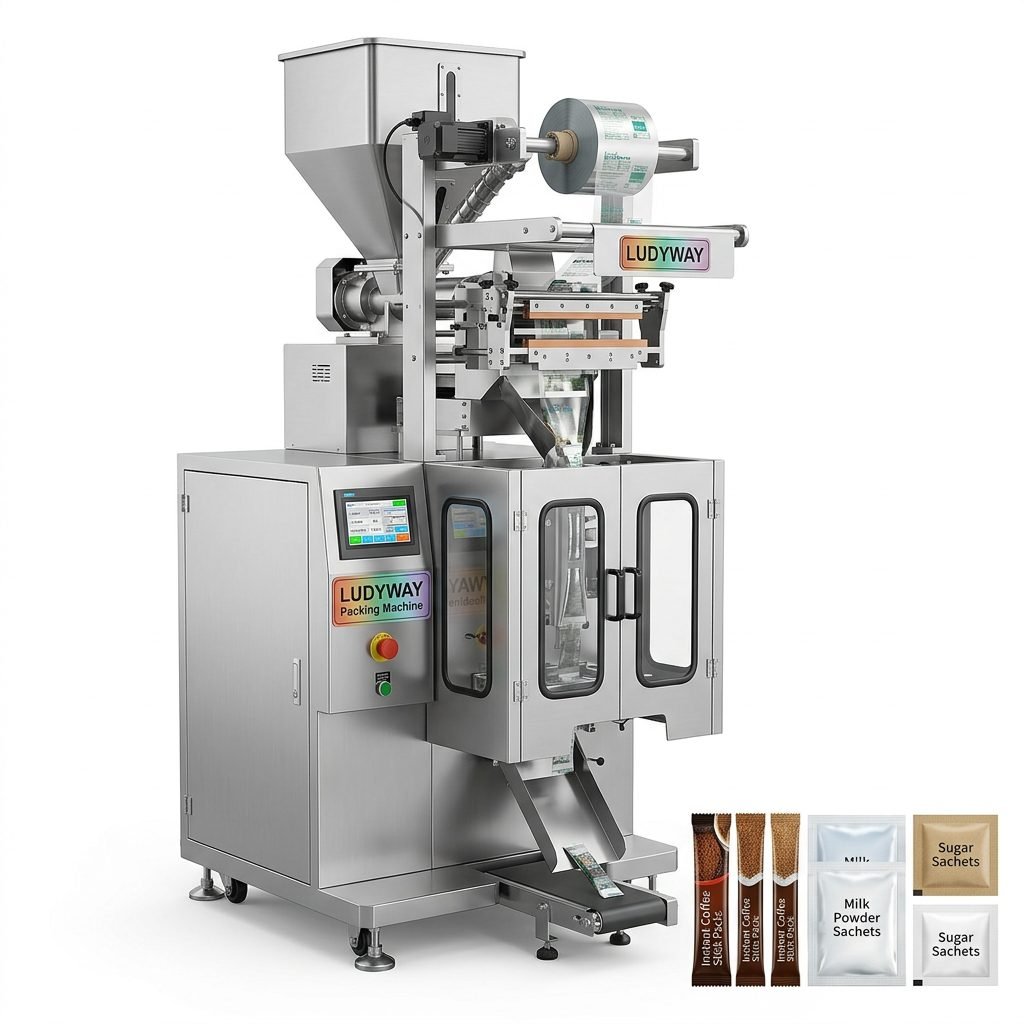
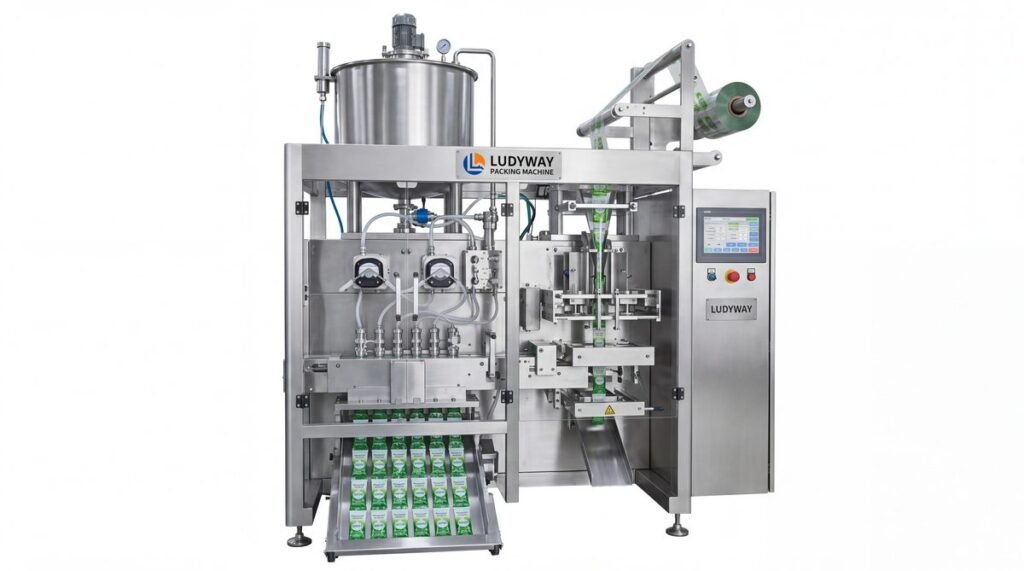
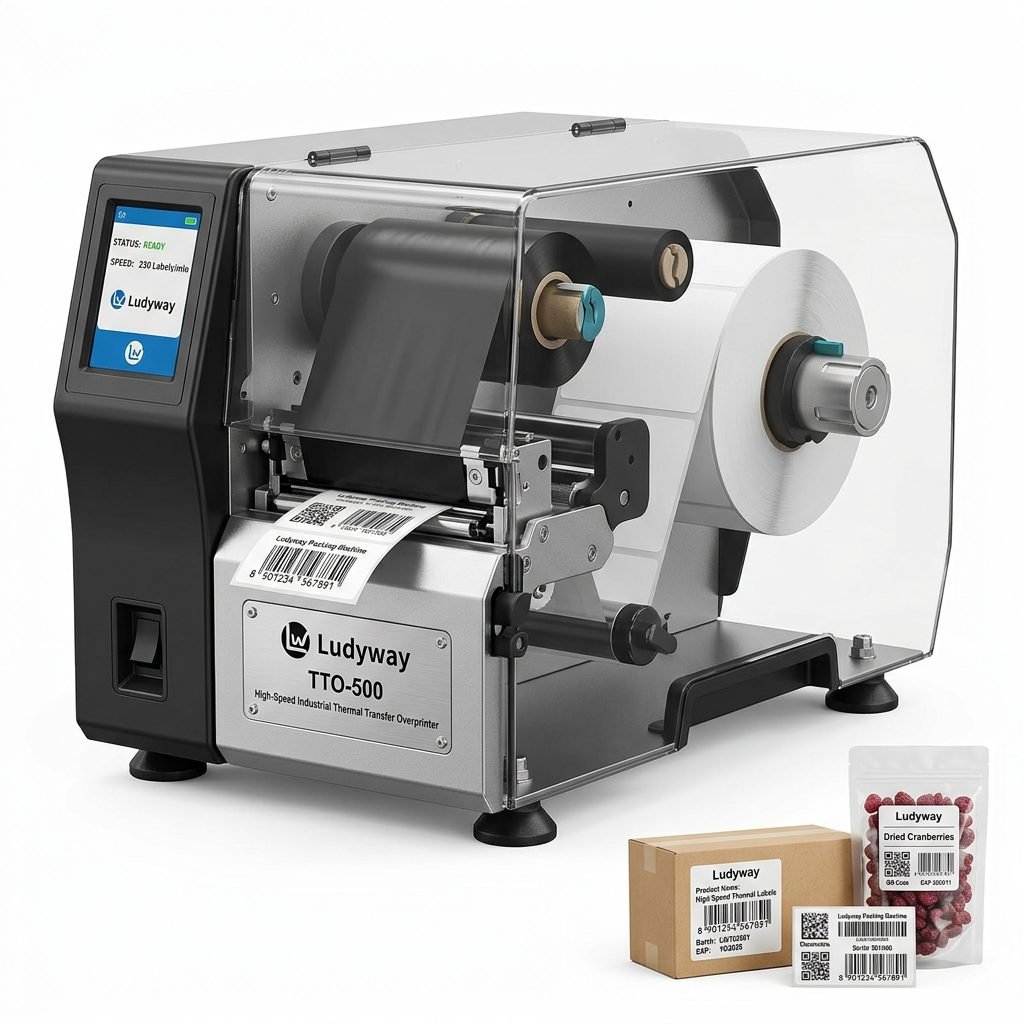
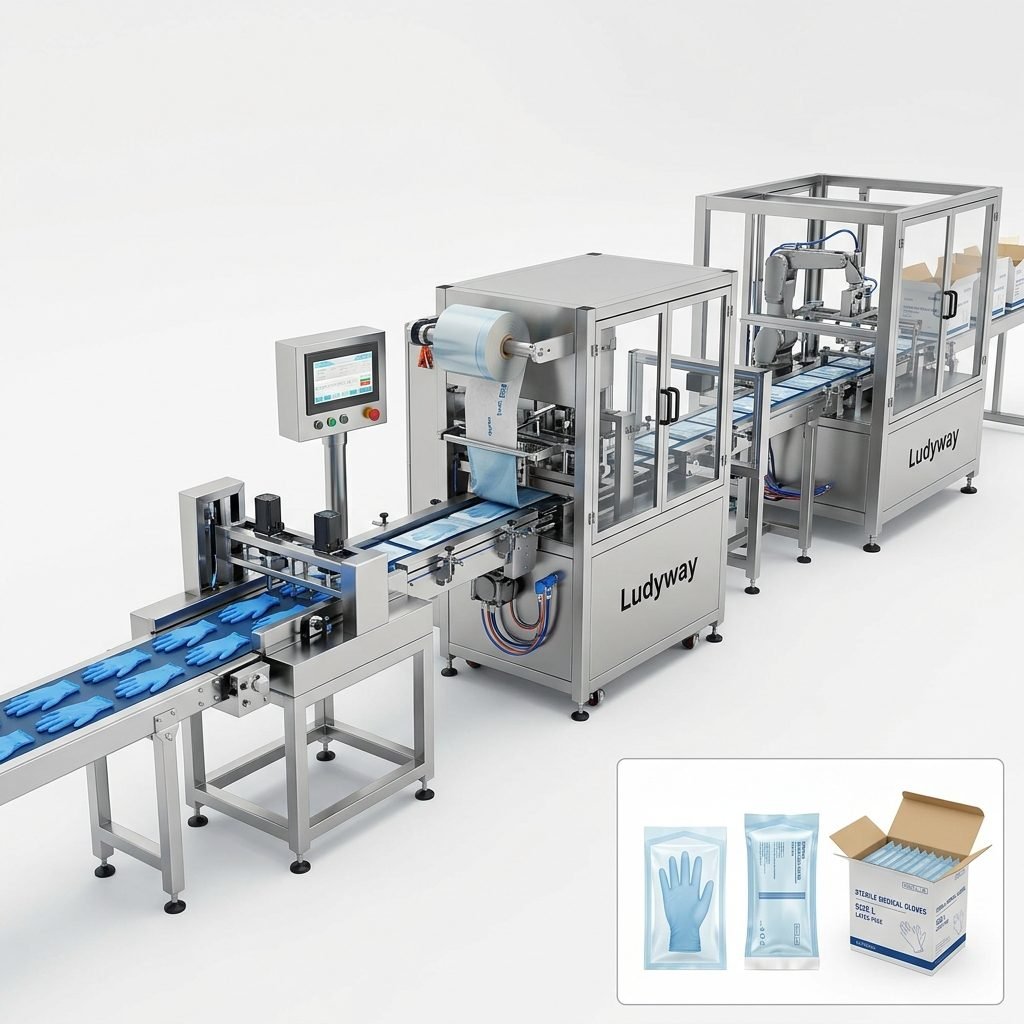
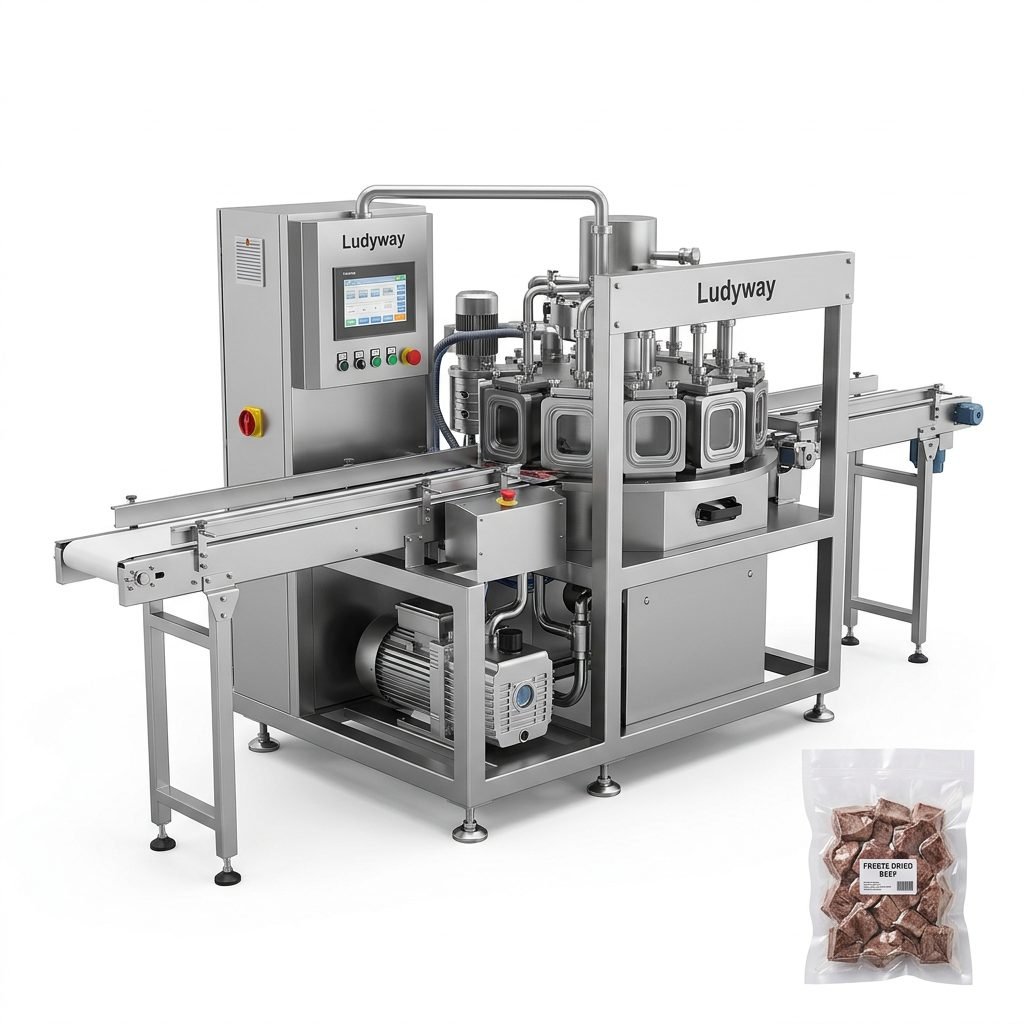
While most German households will find consumer-grade vacuum sealers sufficient, those with higher-volume needs—such as hunters processing wild game (Wildverarbeitung), home butchers, or large families—may benefit from commercial-grade equipment. Industrial vacuum packaging machines offer superior pump durability, faster cycle times, and the ability to handle larger quantities. For businesses or serious home users seeking professional solutions, manufacturers like Ludyway provide advanced packaging equipment designed for demanding applications, with expertise spanning food packaging technology standards recognized globally.
Where to Buy in Germany
German consumers have multiple purchasing channels available:
| Retailer | Advantages | Return Policy |
|---|---|---|
| Amazon.de | Widest selection, customer reviews, fast delivery | 30 days (standard) |
| MediaMarkt / Saturn | In-store testing, immediate pickup | 14-30 days |
| Otto.de | Flexible payment, reliable service | 30 days |
| Galaxus.de | Detailed specs, competitive pricing | 30 days |
Sustainability and Environmental Impact
Germany’s strong environmental consciousness means sustainability features can influence purchasing decisions. Consider vacuum sealers compatible with reusable vacuum bags and biodegradable film options. Some German brands now offer bags made from recycled materials that still provide excellent barrier properties. Additionally, machines with low standby power consumption (<0.5W) align with EU energy efficiency directives. For broader context on packaging sustainability, the European Commission’s packaging waste framework provides valuable regulatory insights.
Frequently Asked Questions
Are vacuum sealers worth it for small German households?
Yes, even single-person households benefit from vacuum packaging. Buying in bulk and portioning meals reduces costs and food waste. Compact models from brands like Caso or Solis fit easily in smaller German kitchens.
Can I vacuum seal liquids and moist foods?
Chamber vacuum sealers handle liquids excellently, while external clamp sealers require pre-freezing liquids before sealing. For German soups (Suppen) and sauces, a chamber sealer is the better choice.
How long does vacuum-sealed food last?
Properly vacuum-sealed food stored at consistent temperatures can last 3-5 times longer than conventional storage. Refrigerated meats stay fresh for 2-3 weeks versus 3-5 days; frozen items maintain quality for 2-3 years versus 6-12 months.
What warranty terms are standard in Germany?
German consumer law provides 2-year Gewährleistung (statutory warranty). Many manufacturers offer extended warranties of 3-5 years for registered products. Always retain purchase receipts as proof.
Final Recommendations
For most German households, a mid-range automatic nozzle vacuum sealer in the €80-150 range offers the best balance of performance, reliability, and value. The Caso VC 350 and Solis VertiVac consistently receive positive reviews from German consumer organizations. For those committed to sous-vide cooking or bulk food preservation, investing in a chamber vacuum sealer provides superior results and lower long-term operating costs.
Whichever model you choose, prioritize CE certification, 230V/50Hz compatibility, and local warranty support to ensure a reliable, long-lasting addition to your German kitchen. By selecting the right vacuum packaging machine, you contribute to reducing food waste while enjoying fresher, better-preserved food for your family.
Related resources: PMMI 2025 State of the Packaging Industry | Flexible Packaging Association | ISO Packaging Standards