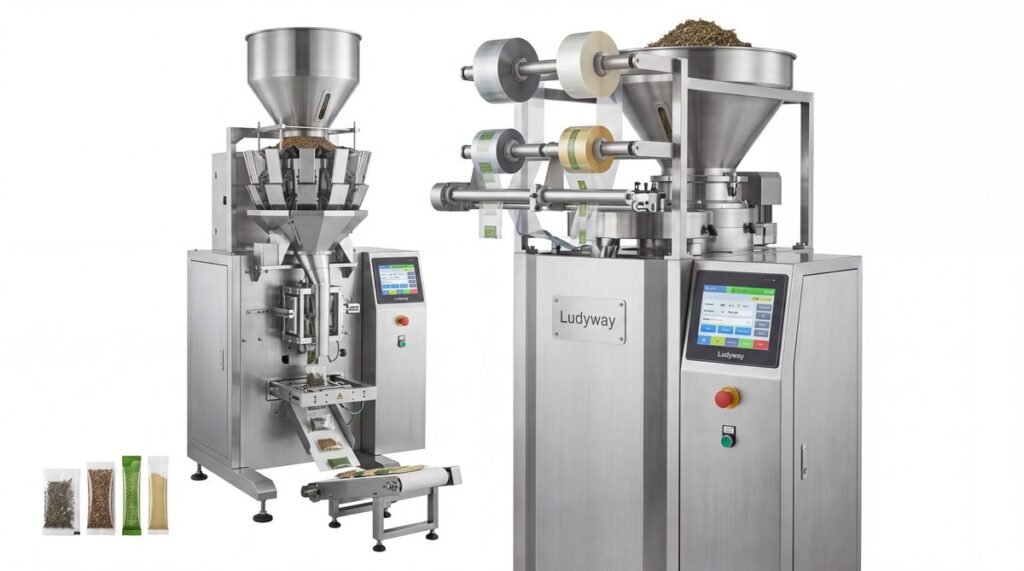
Setting up a vacuum food packaging machine production line is a strategic investment that directly impacts product shelf life, operational efficiency, and global market compliance. Whether you are launching a new facility or upgrading an existing operation, understanding the complete setup process ensures your line delivers consistent results from day one. This guide walks you through the critical stages—from initial planning and equipment selection to installation, quality control integration, and ongoing maintenance—tailored for food manufacturers targeting international standards.

1. Strategic Planning and Facility Assessment
Before purchasing any machinery, a thorough evaluation of your production goals and physical space is essential. Start by defining your target output volume, package sizes, and film specifications. Vacuum packaging lines can handle a wide range of products—from fresh meats and cheeses to granular snacks and powdered supplements—and each application demands specific chamber configurations and sealing parameters.
Key planning considerations include:
- Production throughput requirements – measured in packs per minute (PPM) across single or multiple shifts
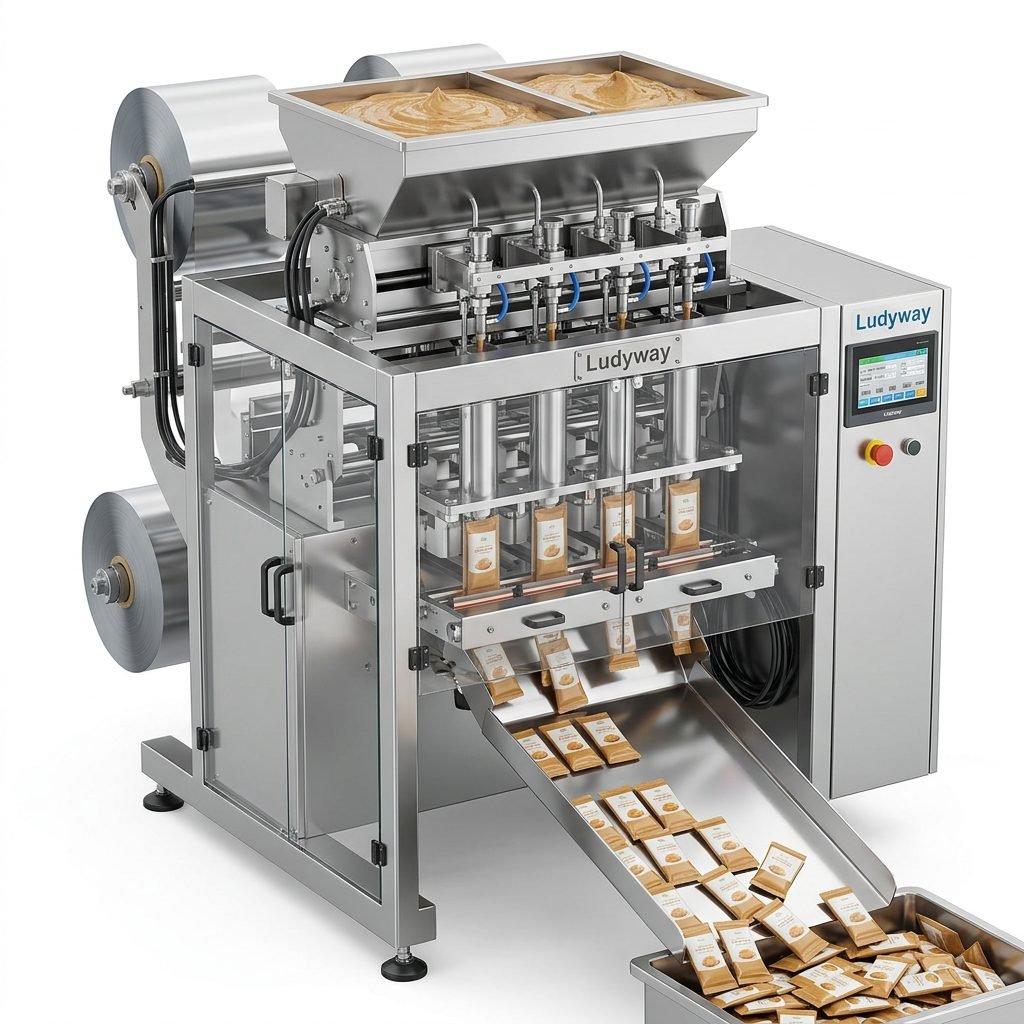
- Package format diversity – flat pouches, stand-up bags, thermoformed trays, or stick packs
- Available floor space and ceiling height – accounting for equipment footprint, operator walkways, and material staging areas
- Utility connections – compressed air supply, electrical load capacity, and nitrogen flushing infrastructure if modified atmosphere packaging (MAP) is required
- Regulatory environment – FDA, EU, ISO 22000, or other regional food safety standards that govern equipment materials and validation
2. Core Equipment Selection for a Complete Vacuum Packaging Line
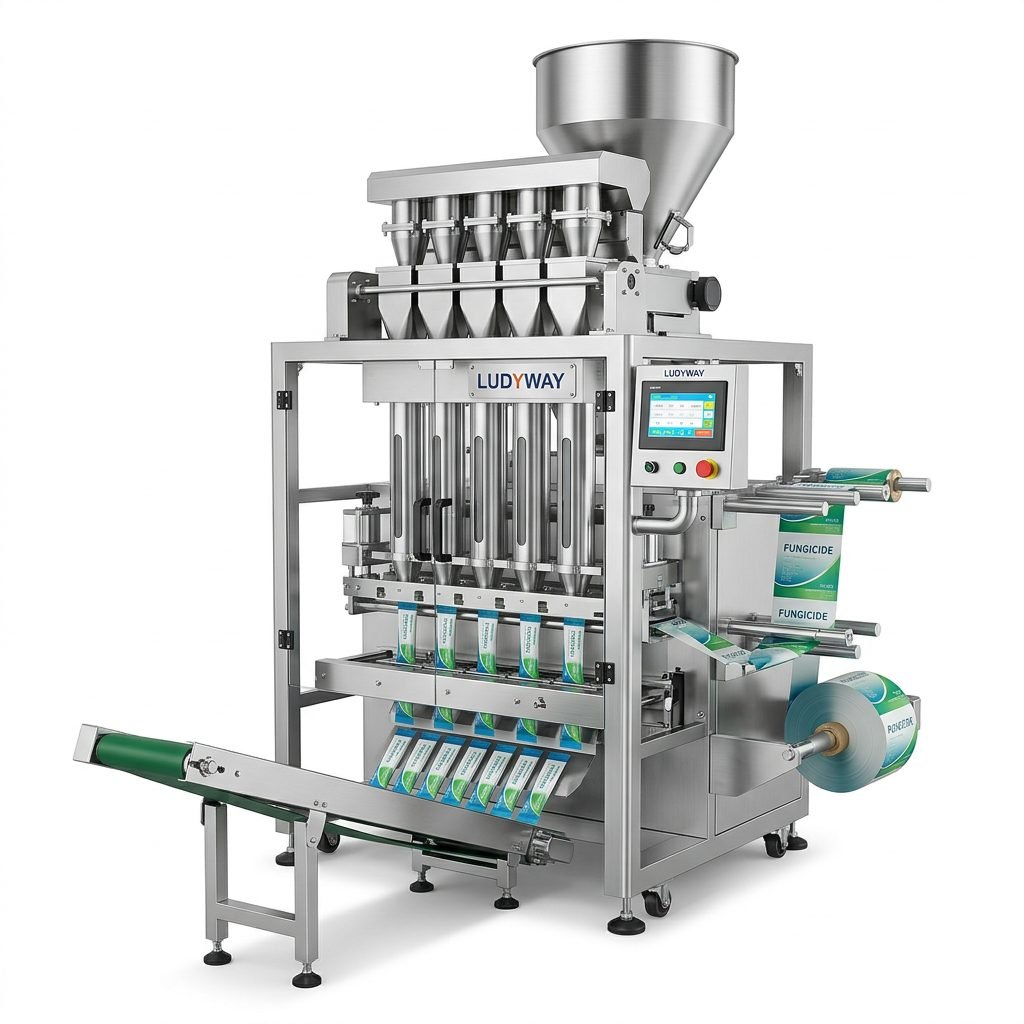
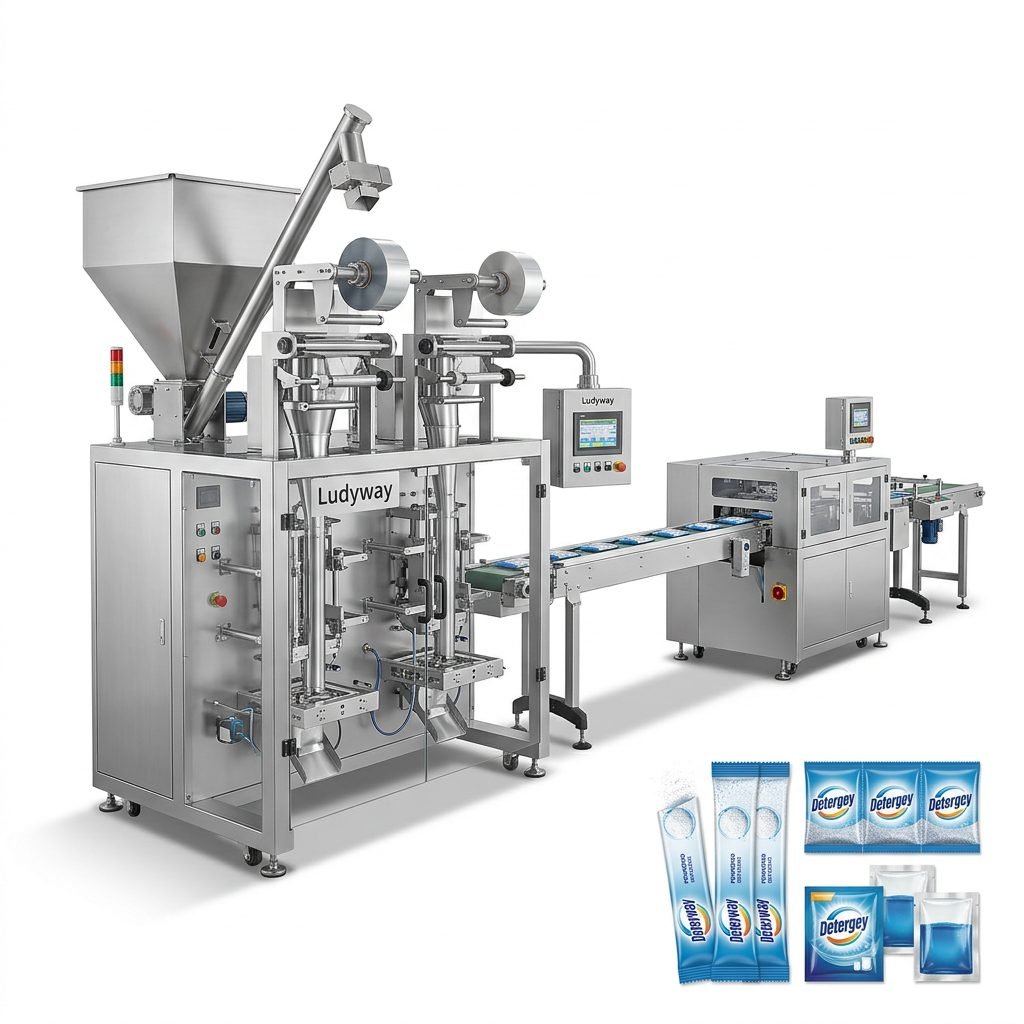
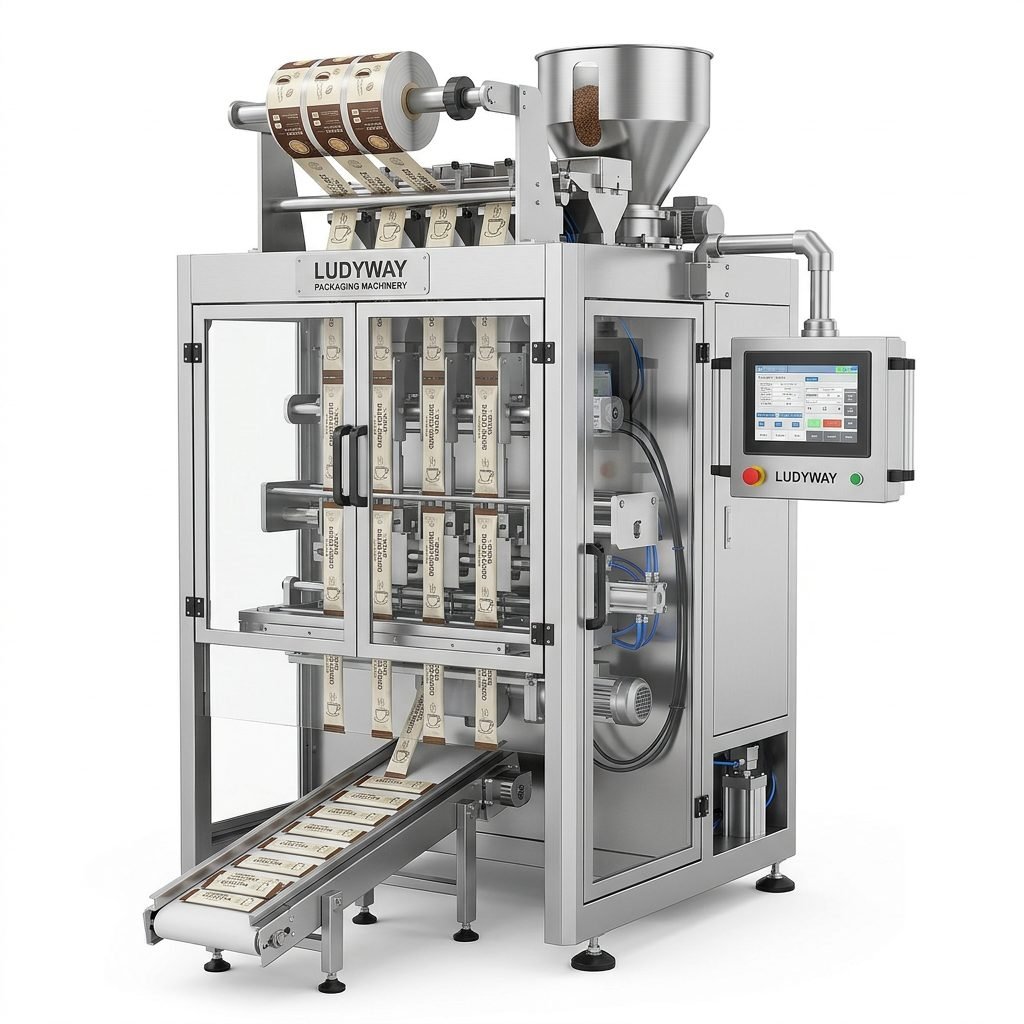
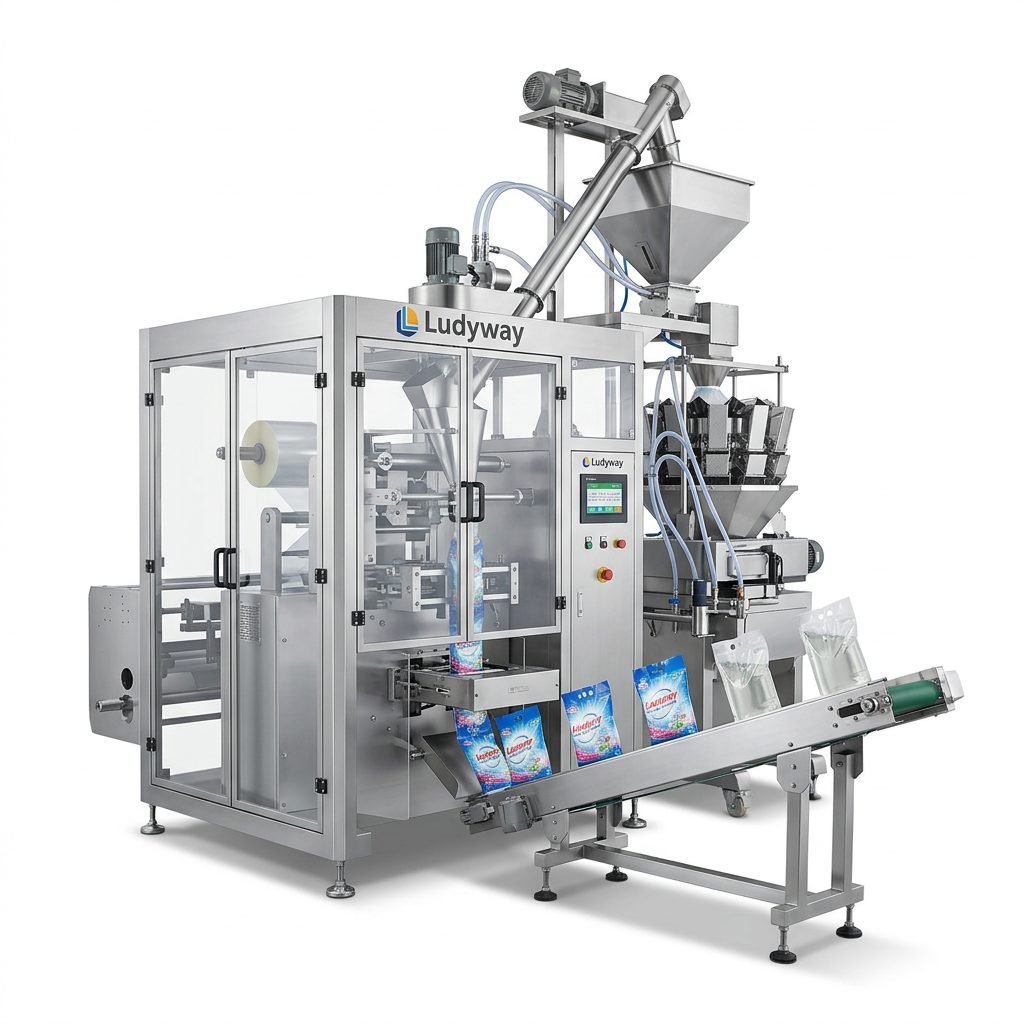
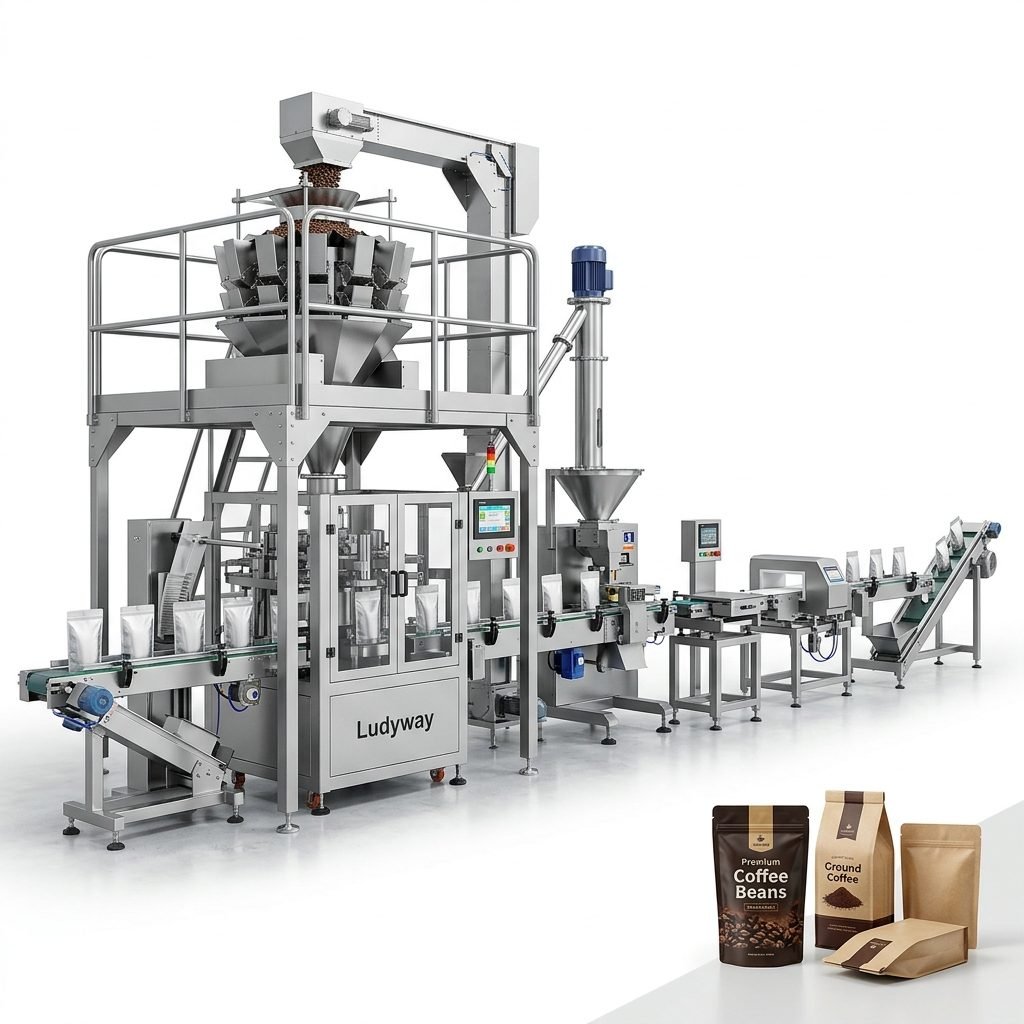
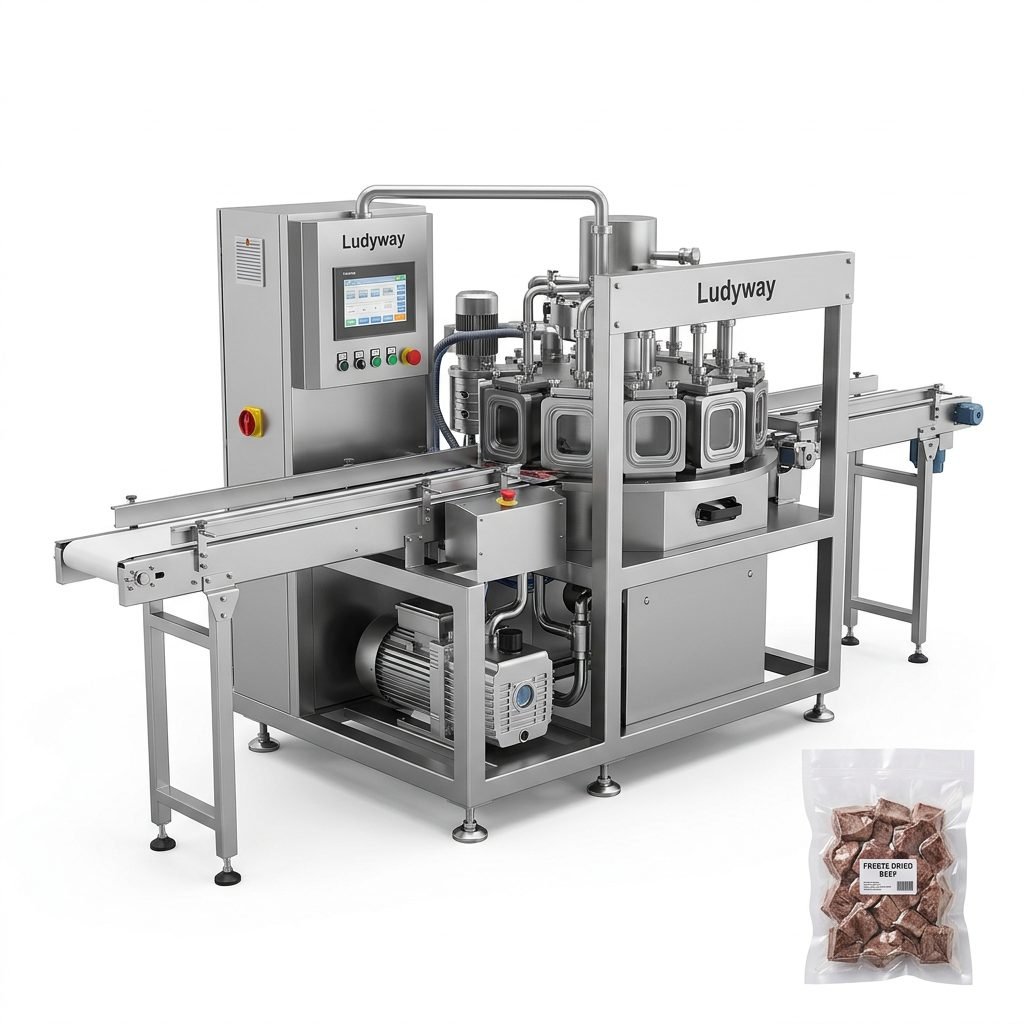
A fully integrated vacuum packaging production line consists of multiple interconnected machines. Selecting compatible equipment from the outset prevents bottlenecks and ensures smooth material flow. The typical line configuration includes:
2.1 Primary Vacuum Packaging Machine
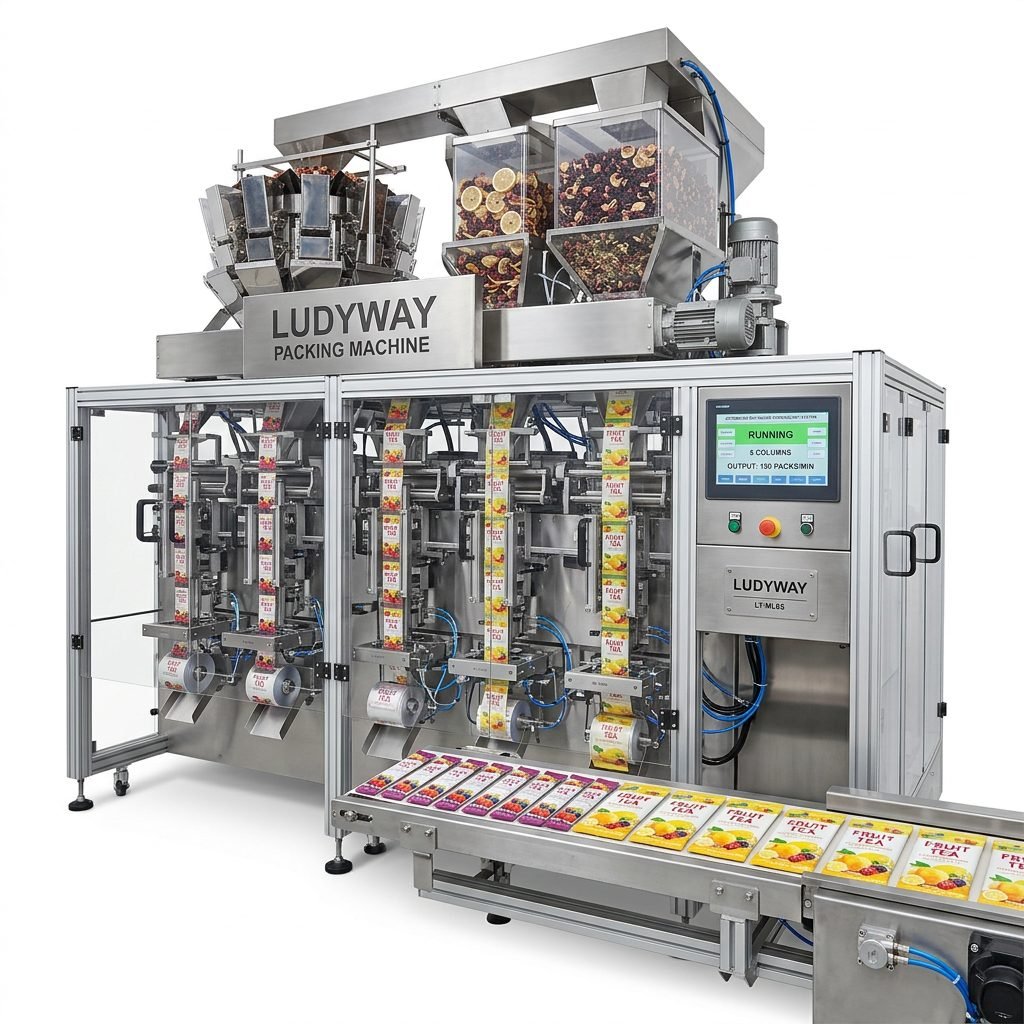
The heart of the line, the vacuum packaging machine, comes in several configurations: single-chamber, double-chamber, continuous band sealers, and thermoforming rollstock machines. For high-volume food operations, automatic belt-driven or rotary chamber systems deliver consistent vacuum levels and seal integrity at speeds exceeding 40 packs per minute. Look for models with programmable logic controllers (PLC) that allow precise adjustment of vacuum time, gas flush ratios, and sealing temperature.
2.2 Upstream Feeding and Portioning Systems
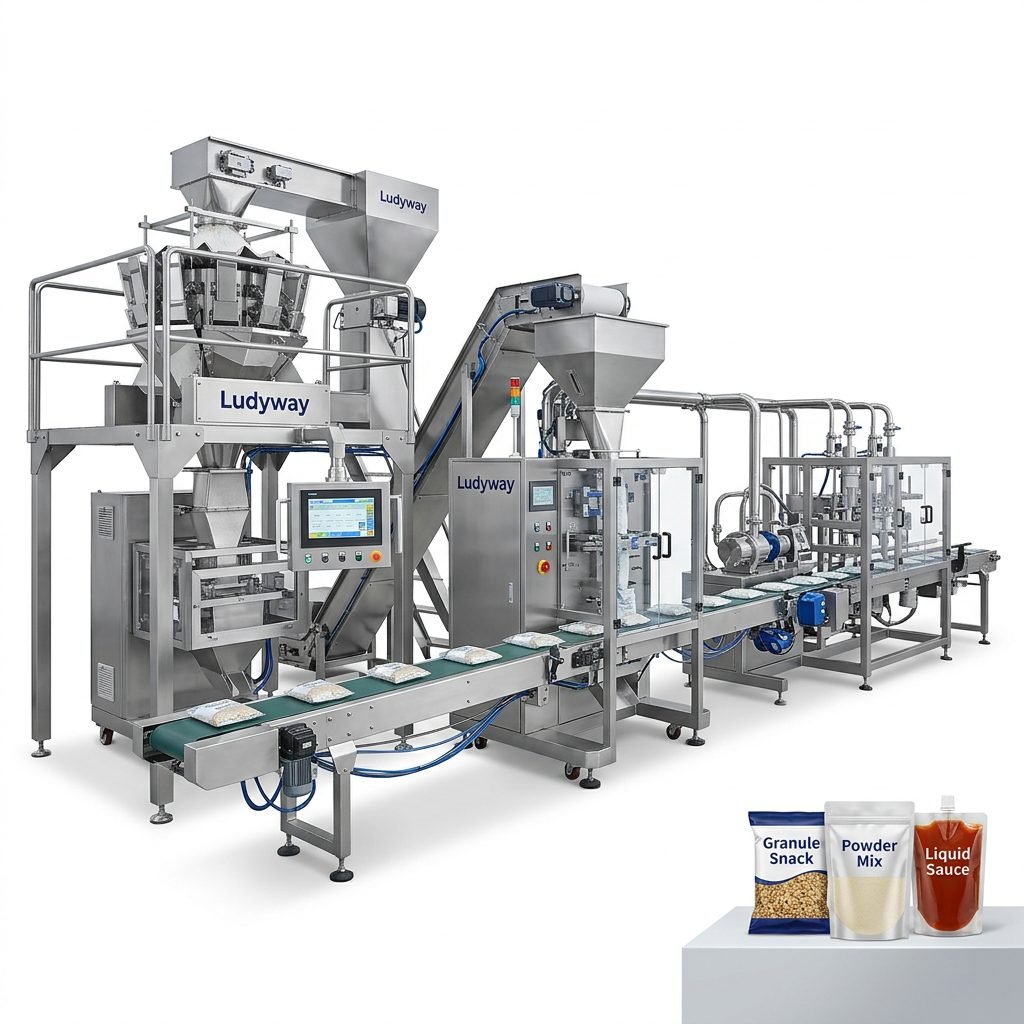
Accurate product dosing is critical for weight compliance and package consistency. Depending on your product type, you may need:
- Multi-head weighers – ideal for granules, snacks, and fresh-cut produce
- Auger fillers – designed for powders such as milk powder, flour, and protein supplements
- Liquid piston fillers – suitable for sauces, marinades, and ready-meal components
- Vibratory conveyors and bucket elevators – for gentle product transfer without damage
2.3 Downstream Handling and Secondary Packaging
After vacuum sealing, products typically move through checkweighers, metal detectors, and x-ray inspection systems before entering cartooning, case packing, and palletizing stations. Automated packaging systems reduce manual labor and improve traceability across the entire secondary packaging process.
3. Production Line Layout and Workflow Design
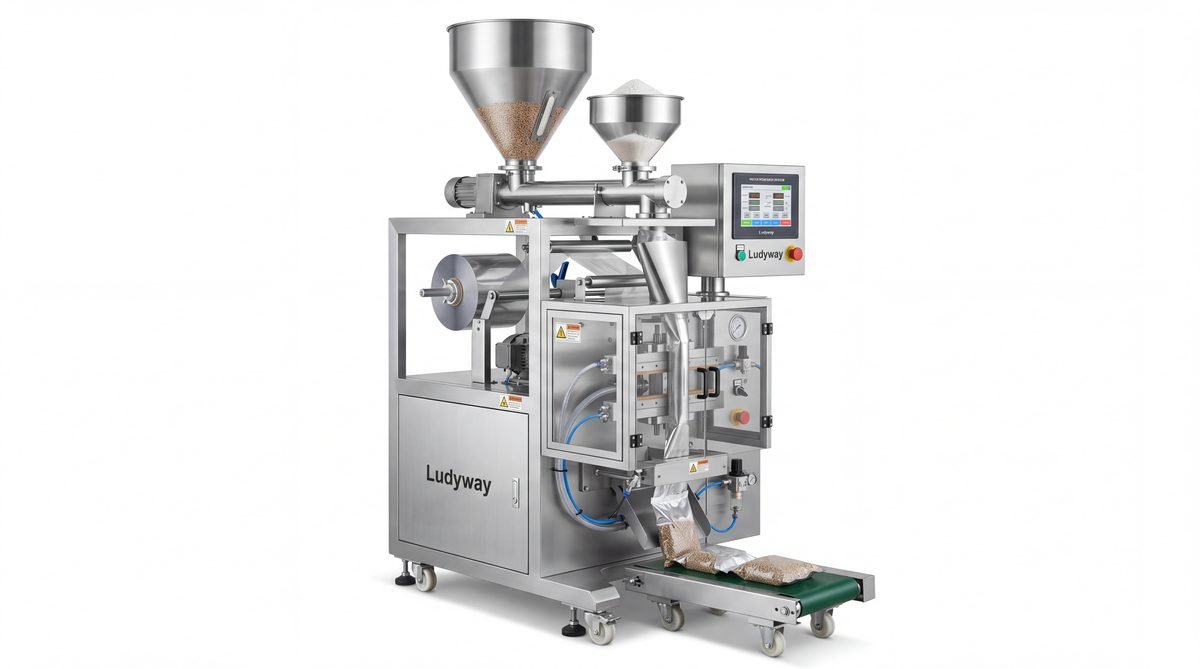
The physical arrangement of your equipment significantly affects operator efficiency and product flow. A well-designed layout minimizes crossover contamination risks and allows for future scalability. Common layout strategies include:
| Layout Type | Best For | Key Advantage |
|---|---|---|
| Linear (I-Shape) | Single product, high-volume lines | Simplest material flow, easy supervision |
| L-Shape | Space-constrained facilities | Efficient corner space utilization |
| U-Shape | Multi-operator, flexible production | Shared operator access, reduced walking distance |
| Island Configuration | Multiple packaging formats from one line | Maximum flexibility, centralized utilities |
Regardless of layout choice, maintain clear segregation between raw material receiving, processing, packaging, and finished goods storage. This zoning approach supports HACCP compliance and simplifies sanitation procedures.
4. Installation, Commissioning, and Validation
Proper installation is the foundation of reliable long-term operation. The process typically follows a structured sequence:
4.1 Pre-Installation Preparation
- Verify all utility connections meet equipment specifications
- Prepare level flooring with adequate load-bearing capacity
- Stage all machines, conveyors, and ancillary equipment according to the approved layout drawing
- Confirm that environmental controls (temperature, humidity, dust levels) are within acceptable ranges
4.2 Mechanical and Electrical Setup
Experienced technicians should handle equipment positioning, leveling, and inter-machine connections. Pay special attention to conveyor height alignment—even a few millimeters of mismatch can cause product jams or packaging defects. Electrical integration involves connecting power supplies, signal cables, and safety interlocks across all line components.
4.3 Commissioning and Trial Runs
Begin with dry runs using empty packages to verify mechanical timing and sensor responses. Gradually introduce product, starting at low speeds and incrementally increasing to target throughput. Document all parameters—vacuum levels, seal temperatures, gas flush ratios, and conveyor speeds—to establish baseline settings for each product SKU.
4.4 IQ/OQ/PQ Validation
For pharmaceutical and high-compliance food applications, formal Installation Qualification (IQ), Operational Qualification (OQ), and Performance Qualification (PQ) protocols are mandatory. These documented tests confirm that the equipment is installed correctly, operates within specified limits, and consistently produces packages meeting quality standards.
5. Quality Control Integration and Inspection Systems
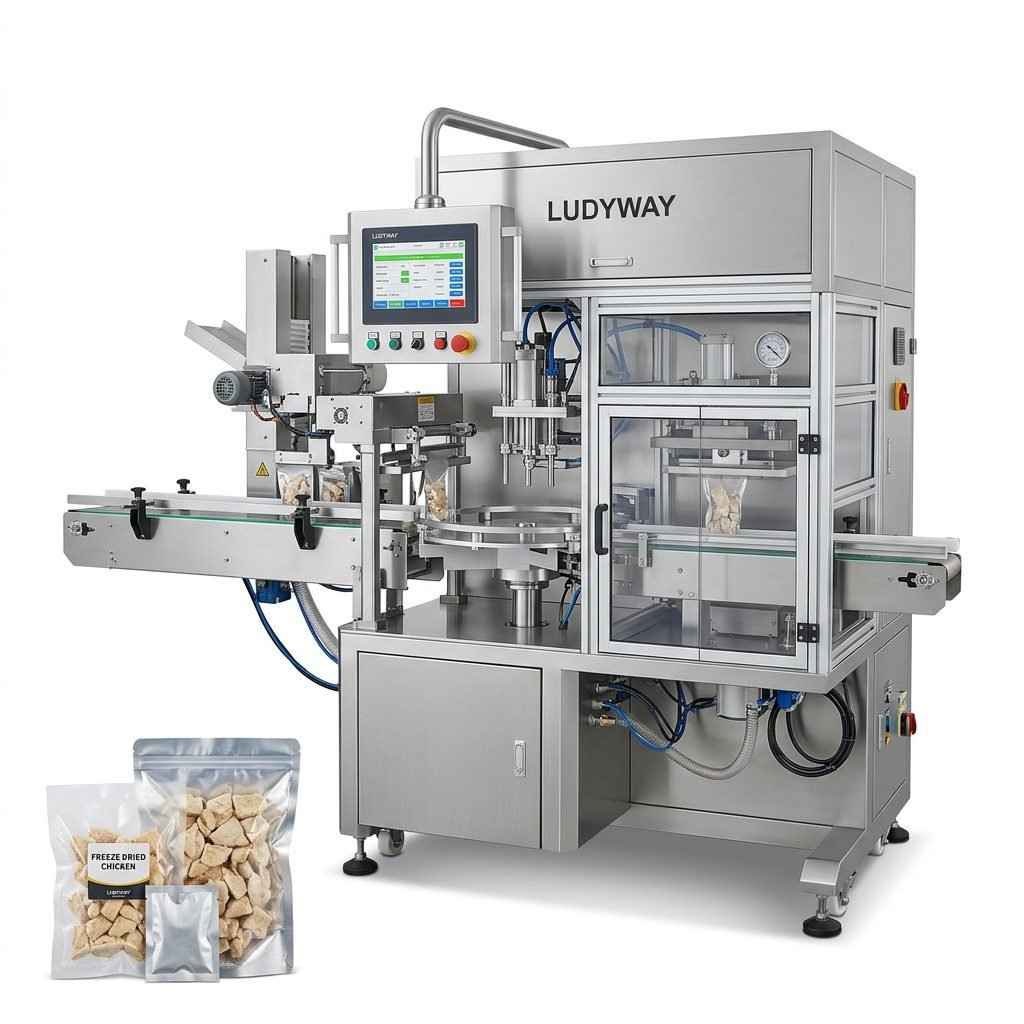
A modern vacuum food packaging line must incorporate inline quality control technologies to detect defects before products reach the customer. Essential inspection systems include:
| Inspection System | Function | Detection Capability |
|---|---|---|
| Checkweigher | Weight verification | Under/over-weight packs, missing components |
| Metal Detector | Contaminant detection | Ferrous, non-ferrous, and stainless steel fragments |
| X-Ray Inspection | Density-based defect analysis | Glass, stone, bone, plastic, and missing items |
| Vision Inspection | Seal and print quality | Seal wrinkles, label misalignment, date code errors |
| Leak Detection | Package integrity | Micro-leaks, seal channel contamination, pinholes |
Investing in inline inspection reduces product recalls and protects brand reputation. Modern systems can automatically reject non-conforming packages and log data for trend analysis, supporting continuous improvement initiatives.
6. Maintenance Protocols and Spare Parts Management
A preventive maintenance schedule is critical for maximizing line uptime. Develop a tiered maintenance program that addresses:
Daily Tasks
- Clean vacuum chambers, seal bars, and product contact surfaces
- Inspect vacuum pump oil levels and filter conditions
- Verify sensor functionality and emergency stop circuits
- Check conveyor belt tension and tracking
Weekly and Monthly Tasks
- Lubricate bearings, chains, and pneumatic cylinders per manufacturer specifications
- Calibrate temperature controllers, pressure gauges, and weighing systems
- Inspect electrical connections for signs of wear or overheating
- Review error logs and address recurring alarms
Annual Overhaul
- Replace vacuum pump oil, filters, and worn seals
- Perform comprehensive mechanical and electrical safety audits
- Update PLC firmware and backup machine parameters
- Conduct full IQ/OQ/PQ revalidation if required by regulatory bodies
Maintain an inventory of critical spare parts—including heating elements, sealing gaskets, vacuum pump vanes, sensors, and drive belts—to minimize downtime during unexpected failures. PMMI business intelligence reports indicate that proactive spare parts management can reduce unplanned downtime by up to 40%.
7. Global Compliance and Food Safety Standards
Food packaging equipment must meet stringent international regulations. Key standards governing vacuum packaging lines include:
- FDA 21 CFR Part 177 – Indirect food additives and food contact substances for the U.S. market
- ISO 22000 – Food safety management systems applicable across the entire supply chain
- EU Regulation (EC) No 1935/2004 – Materials and articles intended to come into contact with food in European markets
- BRCGS Packaging Standard – Global standard for packaging and packaging materials with focus on hazard and risk management
- ISO 11607 – Packaging for terminally sterilized medical devices, also referenced in high-barrier food applications
Equipment constructed from 304 or 316L stainless steel with sanitary design features—such as sloped surfaces, seamless welds, and IP65-rated electrical enclosures—simplifies compliance with these standards. When sourcing machinery, verify that manufacturers provide material certifications and design documentation to support your validation requirements.
8. Workforce Training and Standard Operating Procedures
Even the most advanced vacuum packaging production line requires skilled operators to achieve consistent performance. Develop comprehensive standard operating procedures (SOPs) covering:
- Startup and shutdown sequences – including vacuum pump warm-up and system depressurization
- Product changeover protocols – cleaning, film changes, and parameter adjustments between SKUs
- Quality sampling procedures – frequency, sample size, and acceptance criteria for seal strength tests
- Emergency response – actions for power failure, compressed air loss, or contamination events
- Data recording and traceability – batch logs, maintenance records, and calibration certificates
Conduct hands-on training sessions during commissioning and schedule quarterly refresher courses. Cross-train operators across multiple stations to build workforce flexibility and reduce dependency on individual specialists.
9. Common Pitfalls and How to Avoid Them
Learn from industry experience to sidestep frequent challenges when setting up a vacuum food packaging line:
| Pitfall | Root Cause | Solution |
|---|---|---|
| Inconsistent seal quality | Contaminated seal bars or incorrect temperature settings | Implement daily cleaning and weekly calibration checks |
| Excessive film waste | Poor film tracking or misaligned forming shoulders | Verify mechanical alignment during installation and after film changes |
| Product contamination in seal area | Overfilling or product splashing during transfer | Adjust fill volumes and consider drip trays or product guides |
| Vacuum pump overheating | Insufficient oil, clogged filters, or excessive ambient temperature | Follow preventive maintenance schedule and monitor pump duty cycle |
| Regulatory non-compliance findings | Inadequate documentation or equipment not meeting sanitary design standards | Work with experienced suppliers who provide full compliance documentation |
10. Future-Proofing Your Packaging Line Investment
The food packaging industry is evolving rapidly, driven by sustainability initiatives, smart factory integration, and changing consumer preferences. When setting up your line, consider these future-ready features:
- IoT-enabled machinery – real-time performance monitoring and predictive maintenance alerts through Industry 4.0 platforms
- Modular equipment design – allows adding new stations or reconfiguring layouts without complete line replacement
- Sustainable packaging compatibility – support for recyclable mono-materials, bio-based films, and reduced material thickness
- Energy-efficient vacuum pumps – variable speed drives and heat recovery systems that lower operational costs
- Remote diagnostics capability – VPN-enabled PLCs that allow supplier technicians to troubleshoot without on-site visits
For businesses seeking turnkey packaging solutions backed by decades of engineering expertise, Ludyway stands as one of the largest packaging machine manufacturers in China, with a modern 20,000㎡ production facility and over 30 years of industry experience serving customers in more than 100 countries. Their integrated approach covers everything from initial line design and equipment manufacturing to installation support and global after-sales service, helping food producers build production lines that are efficient, compliant, and ready for future growth.
11. Summary: Your Vacuum Packaging Line Setup Checklist
Use this concise checklist to guide your project from concept to full-scale production:
- Define production requirements – throughput, package formats, product characteristics
- Assess facility readiness – space, utilities, environmental controls
- Select compatible equipment – primary vacuum machine, feeding systems, downstream handling
- Design optimized layout – material flow, operator access, zoning for food safety
- Execute professional installation – mechanical setup, electrical integration, safety verification
- Commission and validate – trial runs, parameter documentation, IQ/OQ/PQ as applicable
- Integrate quality control – checkweighers, metal detection, vision inspection, leak testing
- Establish maintenance program – daily, weekly, monthly, and annual schedules with spare parts inventory
- Train operators thoroughly – SOPs, hands-on practice, cross-training across stations
- Plan for continuous improvement – data analytics, sustainability upgrades, scalability options
Setting up a vacuum food packaging machine production line is a multifaceted undertaking that rewards careful planning and attention to detail. By following the structured approach outlined in this guide, food manufacturers can build packaging operations that deliver consistent quality, meet global regulatory requirements, and provide the flexibility needed to adapt to evolving market demands.