The Indian dairy sector is undergoing a massive transformation, driven by rising consumer demand for packaged milk products, yogurt, ghee, and value-added dairy items. Establishing a modern, efficient dairy packaging machine production line is critical for maintaining product freshness, extending shelf life, and meeting stringent food safety standards. This guide walks you through every step, from initial planning to full-scale operation.
Understanding the Indian Dairy Packaging Landscape
India is the world’s largest milk producer, and the demand for hygienic, conveniently packaged dairy products is skyrocketing. Whether you are processing liquid milk, butter, cheese, or dairy-based powders like skimmed milk powder and whey protein, the right packaging line ensures product integrity and brand trust.
Key factors driving the need for automated packaging lines include:
- Extreme climate challenges: India’s heat requires robust barrier packaging to prevent spoilage.
- Regulatory compliance: FSSAI regulations mandate strict hygiene and traceability standards.
- Labor optimization: Automated lines reduce manual handling and contamination risks.
- Scalability: Meeting the demands of both rural and urban markets with diverse pack sizes.
Core Components of a Dairy Packaging Production Line
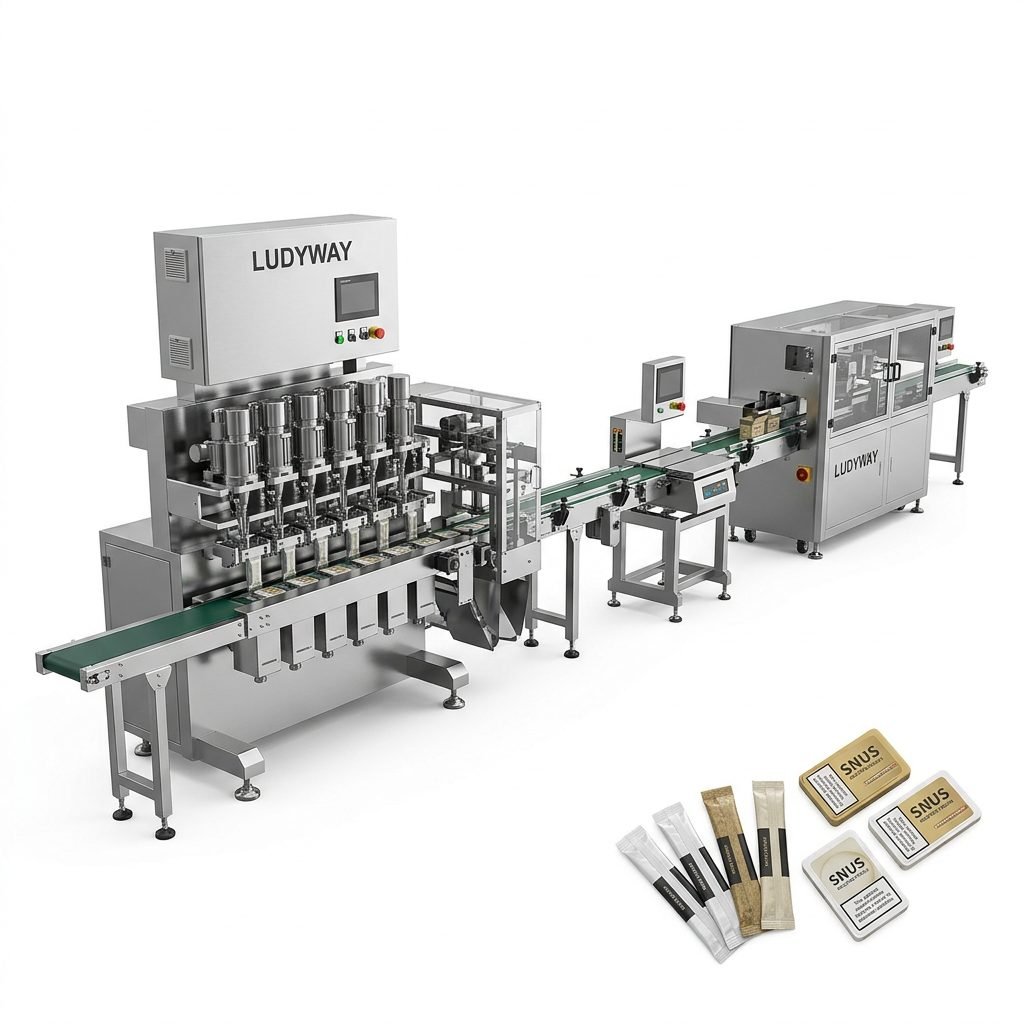
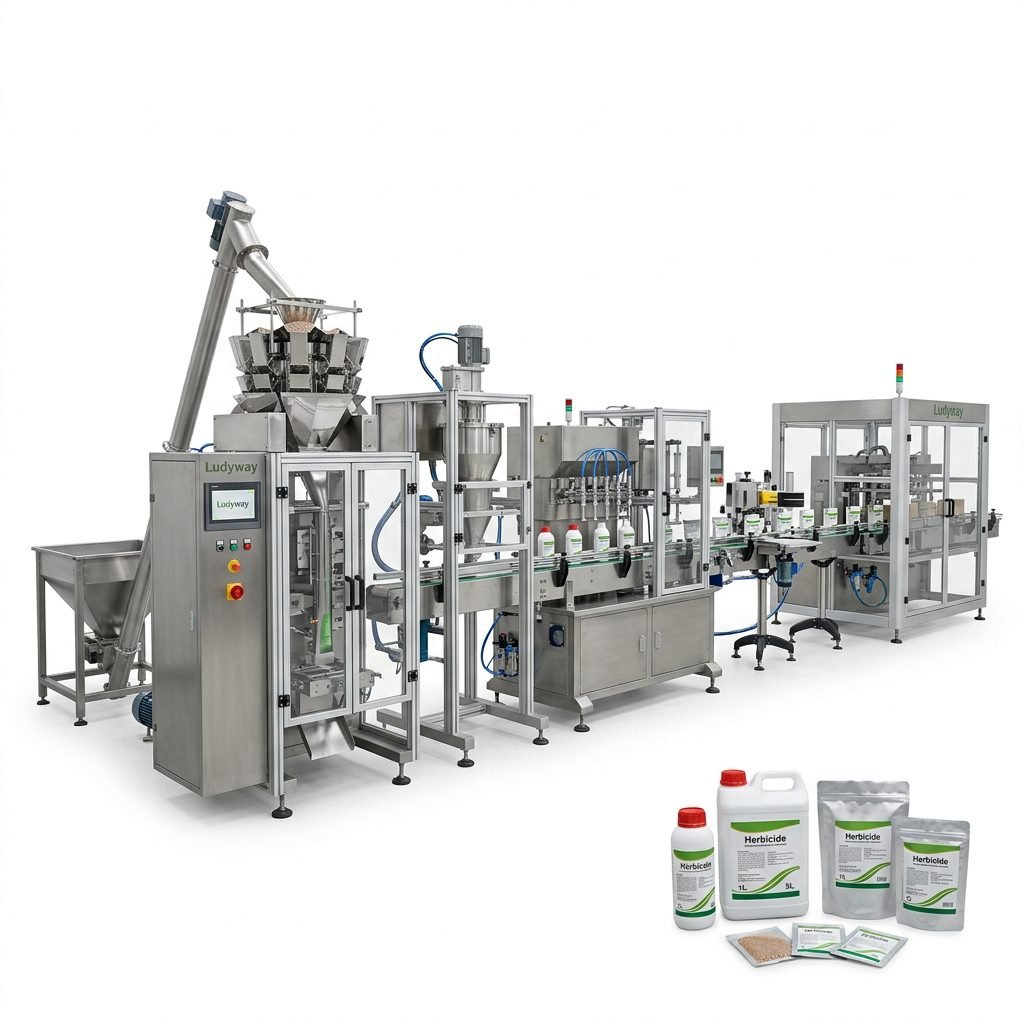
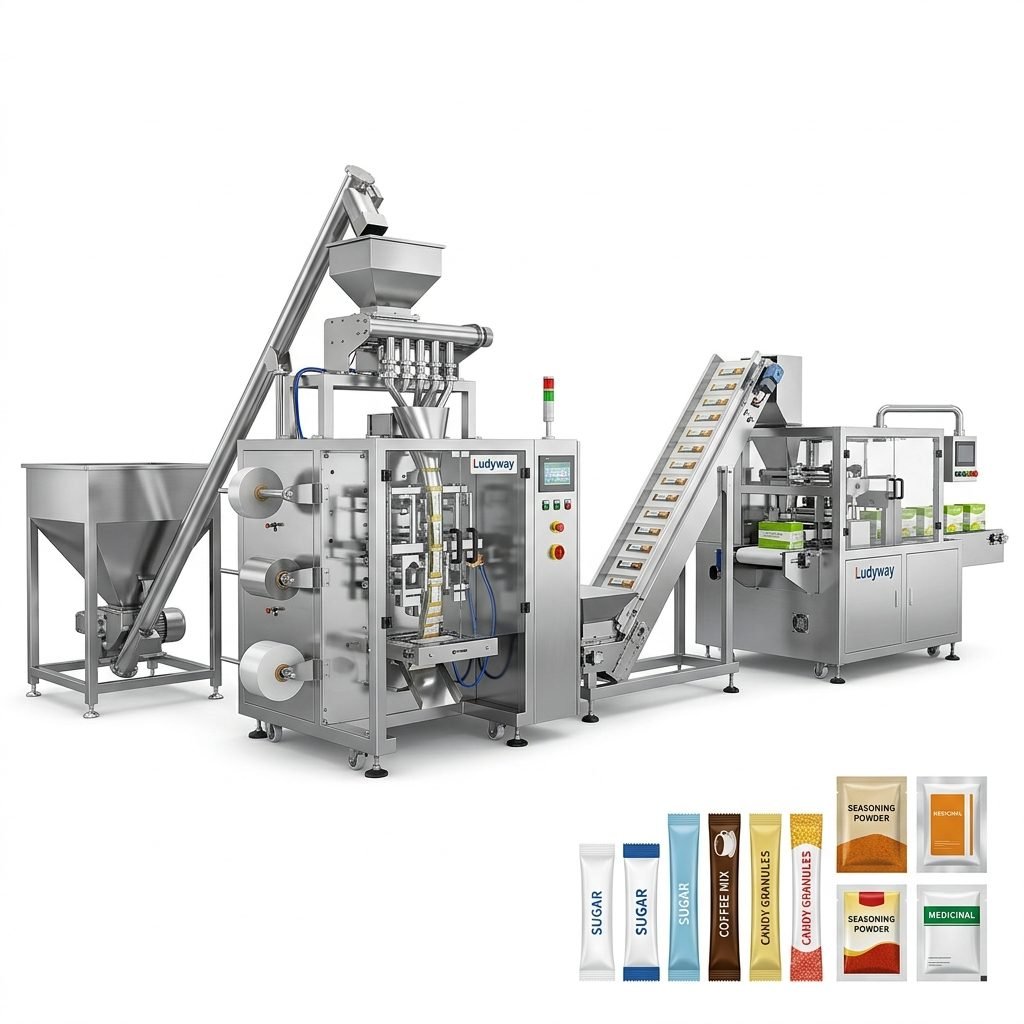
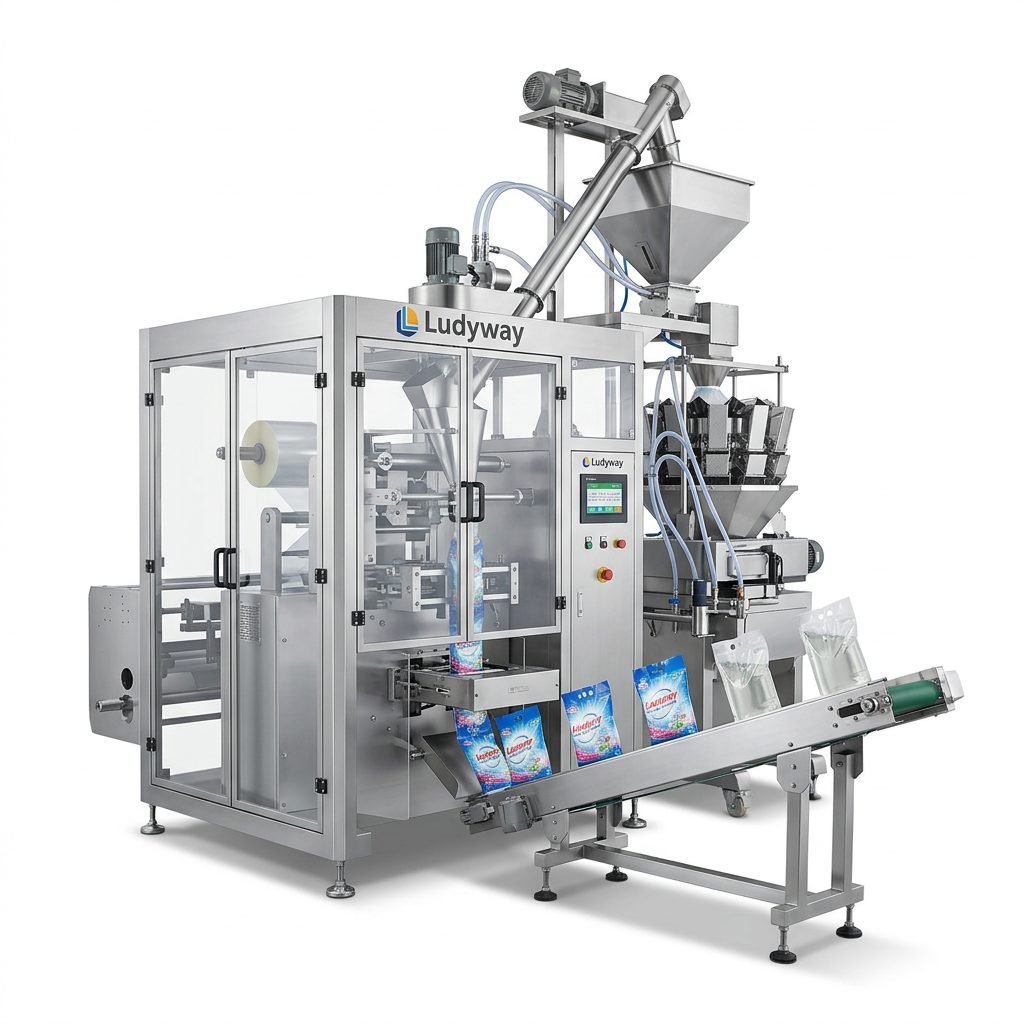
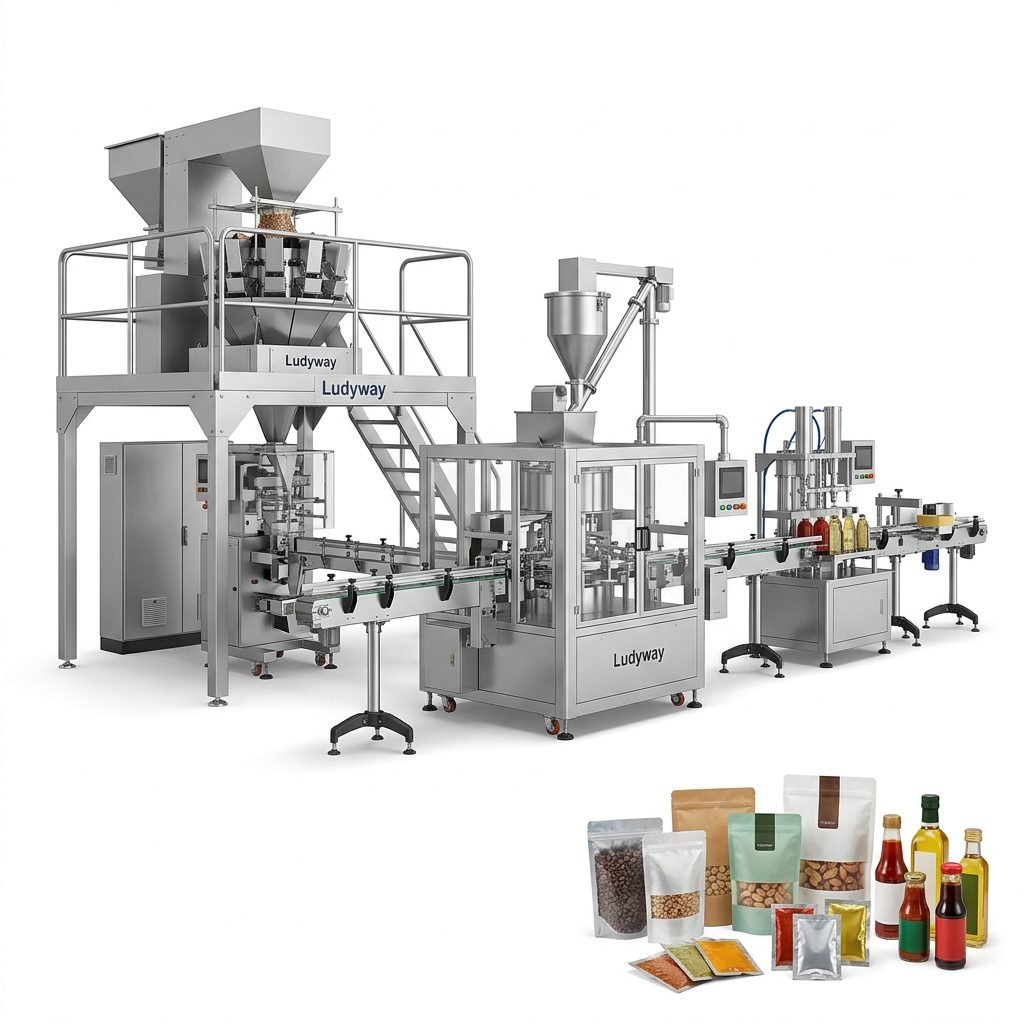
A typical turnkey setup involves multiple integrated machines. The exact configuration depends on whether you are handling liquid milk, ghee, butter, or powdered dairy. Below are the fundamental components:
| Component | Function | Common Formats |
|---|---|---|
| Storage & Handling | Silo tanks, agitators, and transfer pumps for raw milk or powder | Stainless steel tanks |
| Processing Equipment | Pasteurizers, homogenizers, and chillers | Inline processing |
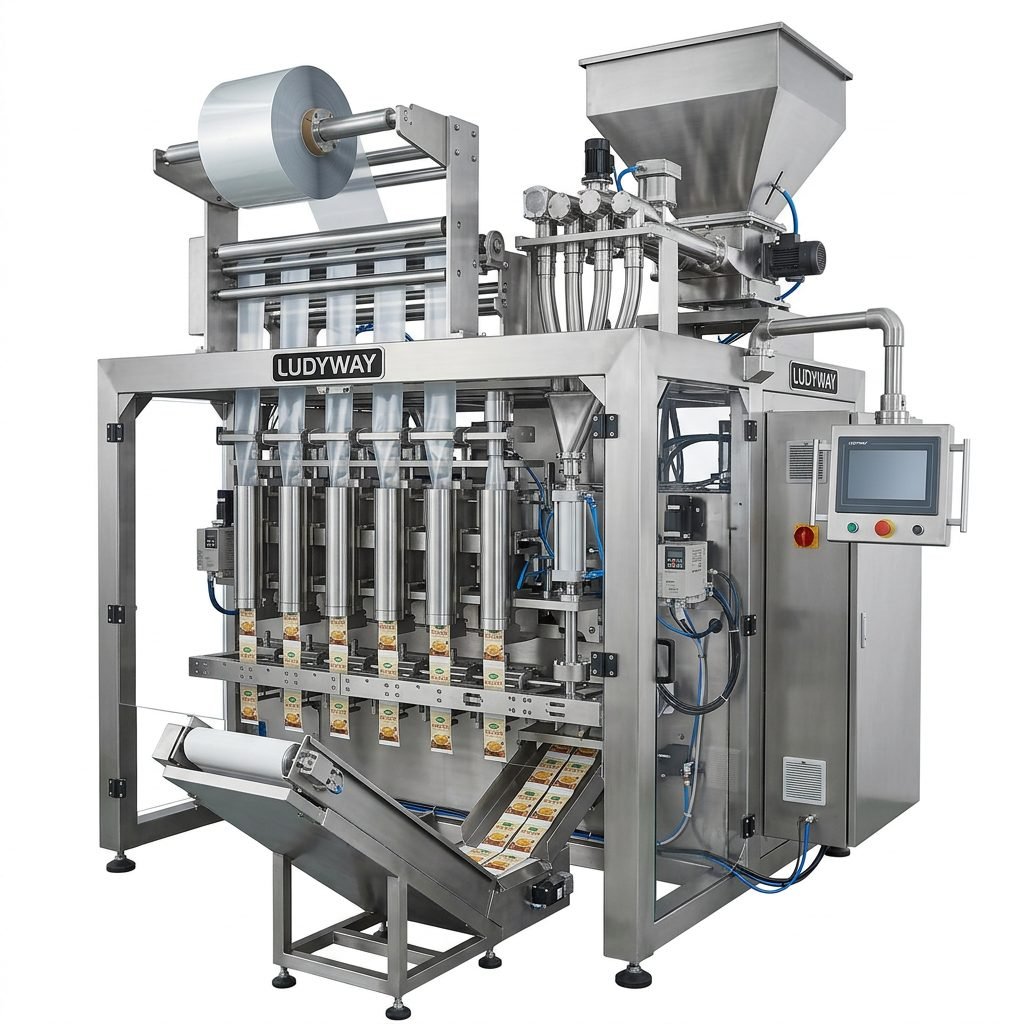
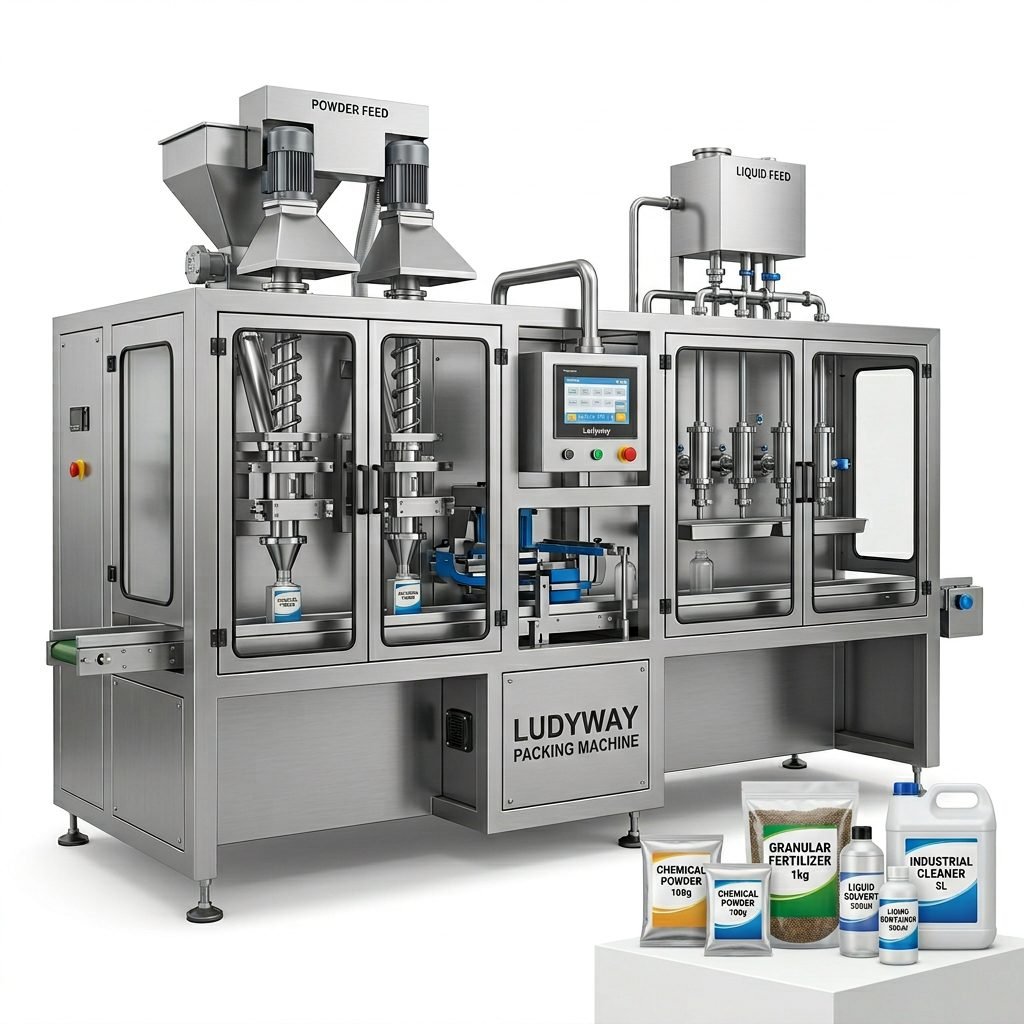
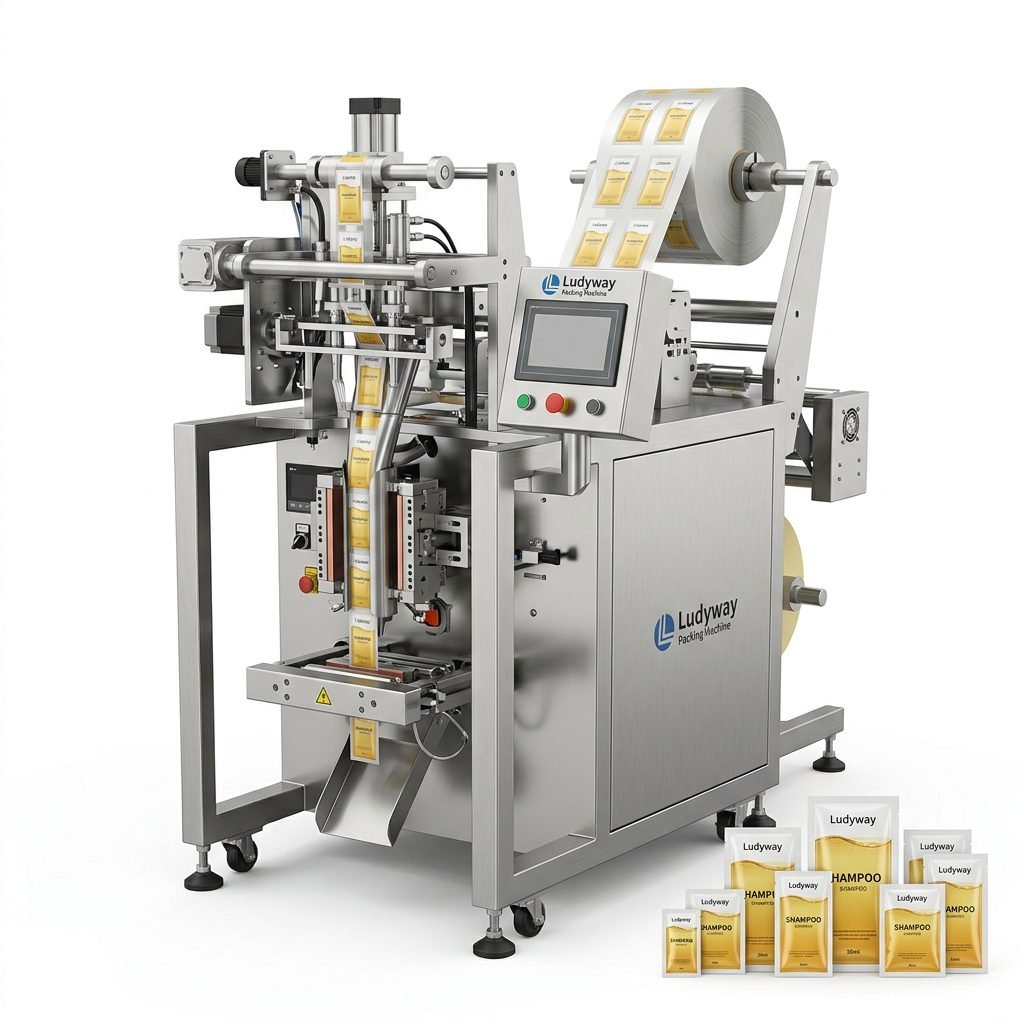
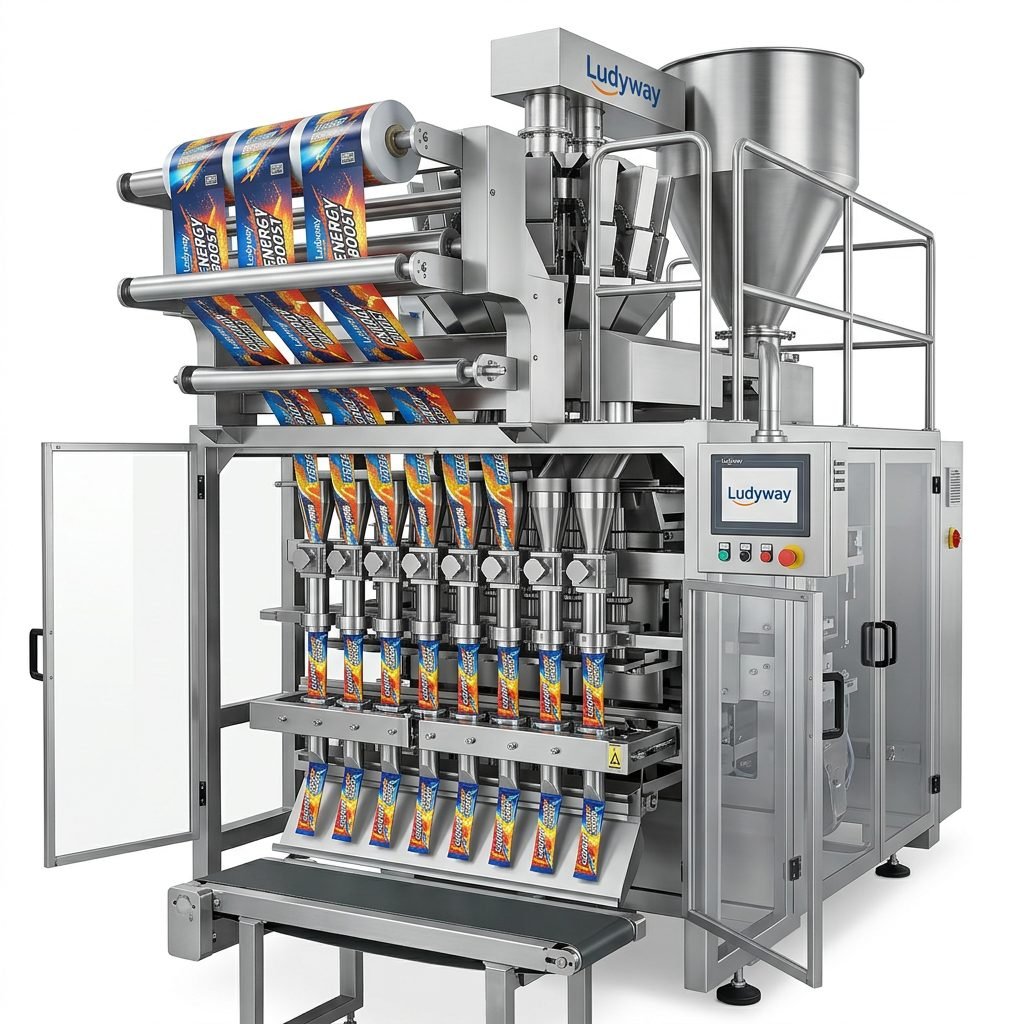
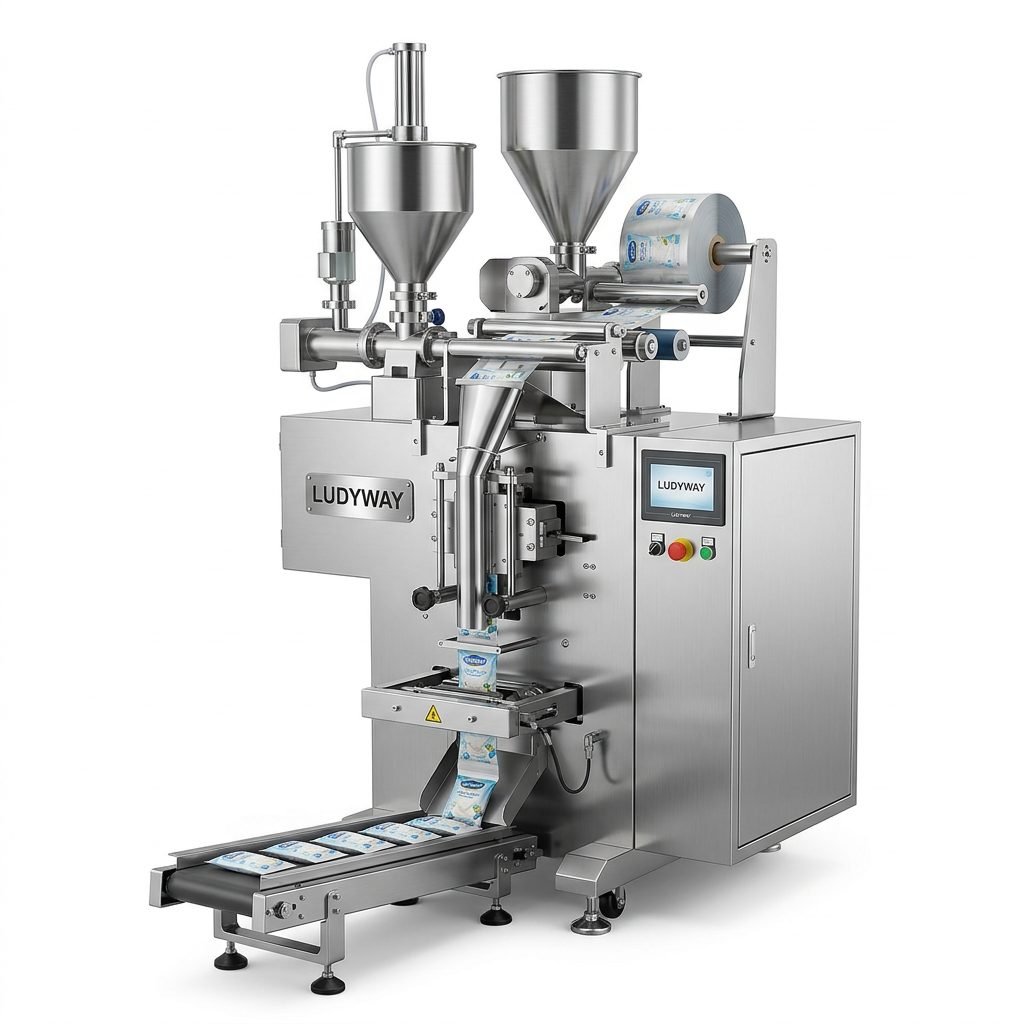
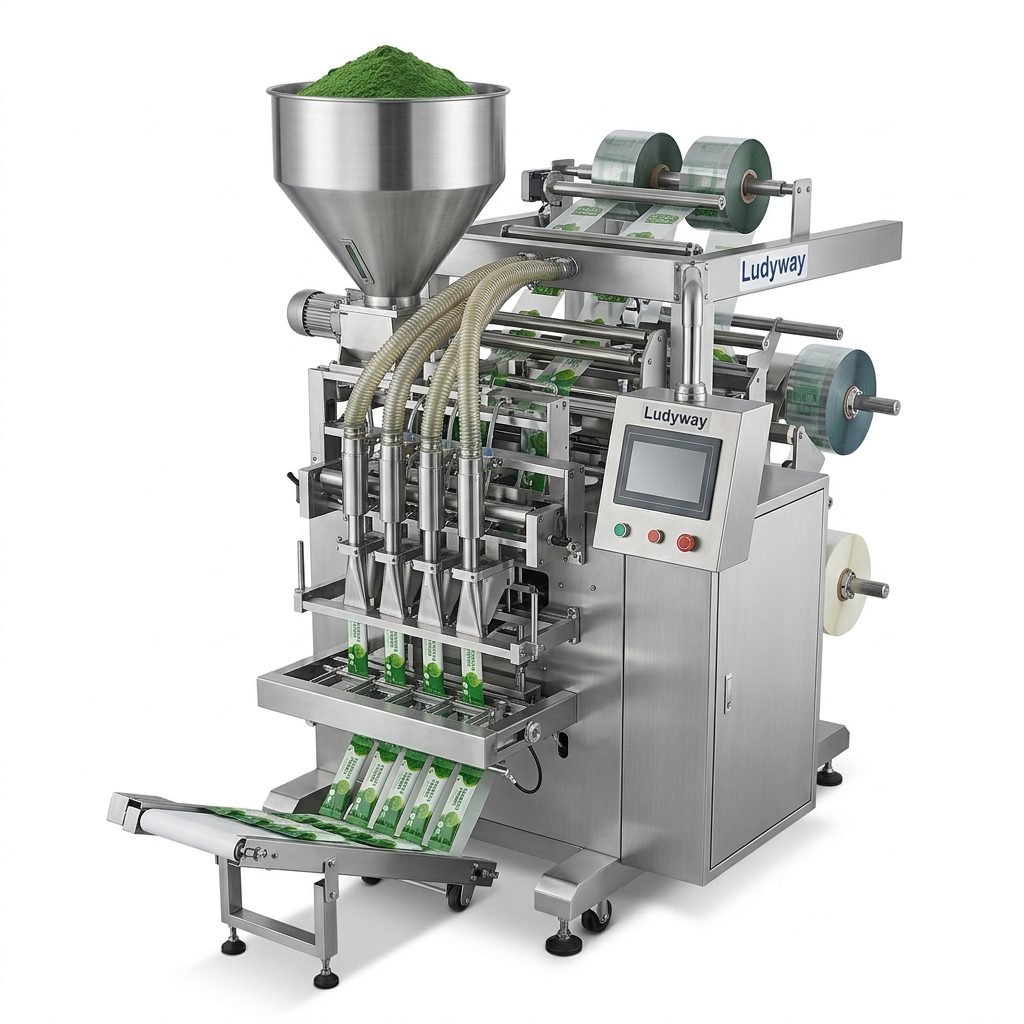
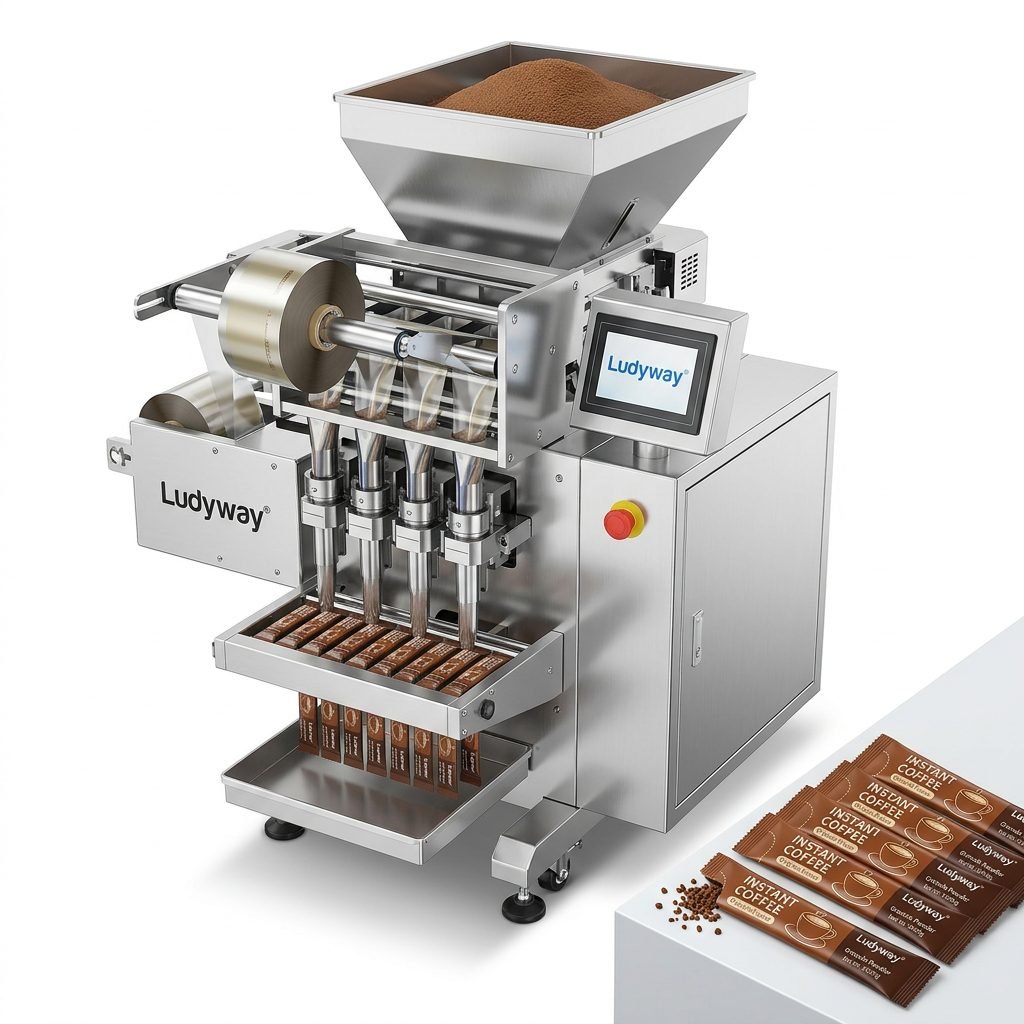
| Filling & Sealing Machines | Precision dosing for pouches, bottles, or sachets | Multi-lane sachet machines, rotary fillers, aseptic fillers |
| Packaging Material Handling | Unwinding, forming, and sealing of flexible films or pre-made pouches | Pillow pouches, stick packs, gable-top cartons |
| End-of-Line Systems | Checkweighing, metal detection, coding, and cartoning | Inline inkjet printers, carton erectors |
| Palletizing | Robotic or automated stacking for distribution | Stretch wrapping and strapping |
Liquid Milk vs. Powdered Dairy Lines
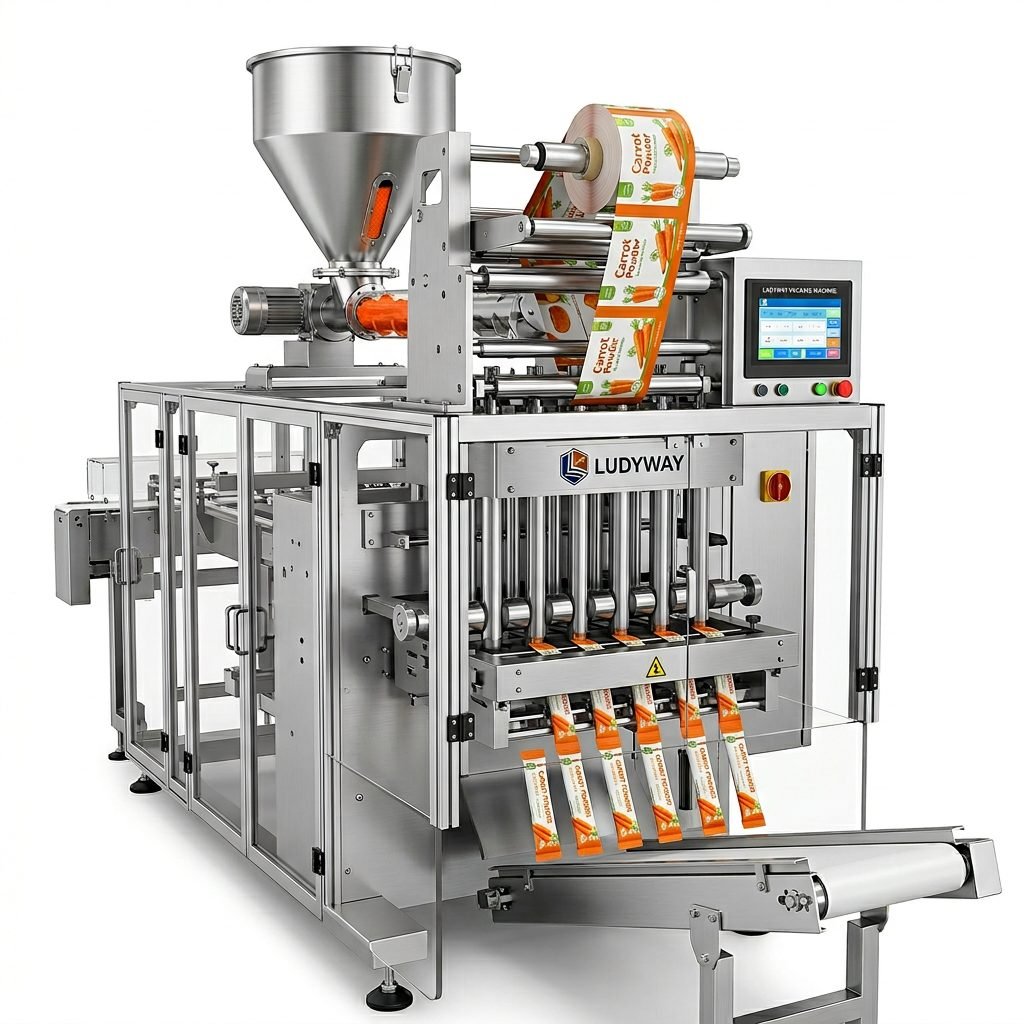
Liquid milk lines often utilize aseptic filling to ensure a long shelf life without refrigeration, while powdered dairy lines heavily rely on high-speed multi-lane stick pack or sachet machines to offer single-serve convenience. Both require strict control over humidity and oxygen levels.
Step-by-Step Setup Guide for India
Setting up a line requires meticulous planning. Follow this checklist to avoid costly mistakes:
- Step 1: Production Capacity Planning. Define target output in liters per day or packs per minute. For example, a small cooperative might start with 2,000 liters per hour, while a large exporter of dairy powders may need 120 packs per minute.
- Step 2: Facility Preparation. Ensure hygienic zoning, proper drainage, cleanroom compatibility (ISO Class 8 or better), and stable power supply with backup generators.
- Step 3: Equipment Sourcing. Select machinery that supports future scalability. Look for stainless steel construction (SS304 or SS316) and compatibility with Indian packaging films.
- Step 4: Installation and Commissioning. Professional technicians should align the pasteurizer output with the filler speed to prevent bottlenecks.
- Step 5: Staff Training. Operators must be trained on CIP (Clean-in-Place) systems, film splicing, and basic maintenance.
- Step 6: Trial Runs and Calibration. Run water tests first, then product tests to calibrate fill accuracy and seal integrity.
Regulatory Compliance and Quality Control
In India, the Food Safety and Standards Authority of India (FSSAI) governs dairy packaging. Additionally, exporting to international markets requires compliance with FDA standards or ISO packaging standards. Critical quality checkpoints include:
| Quality Parameter | Technology Requirement |
|---|---|
| Seal Integrity | Vacuum leak testers, burst strength testers |
| Contaminant Detection | Metal detectors, X-ray inspection systems |
| Weight Accuracy | Dynamic checkweighers with reject systems |
| Date Coding | Thermal inkjet or laser coders for traceability |
Choosing the Right Packaging Machine Supplier
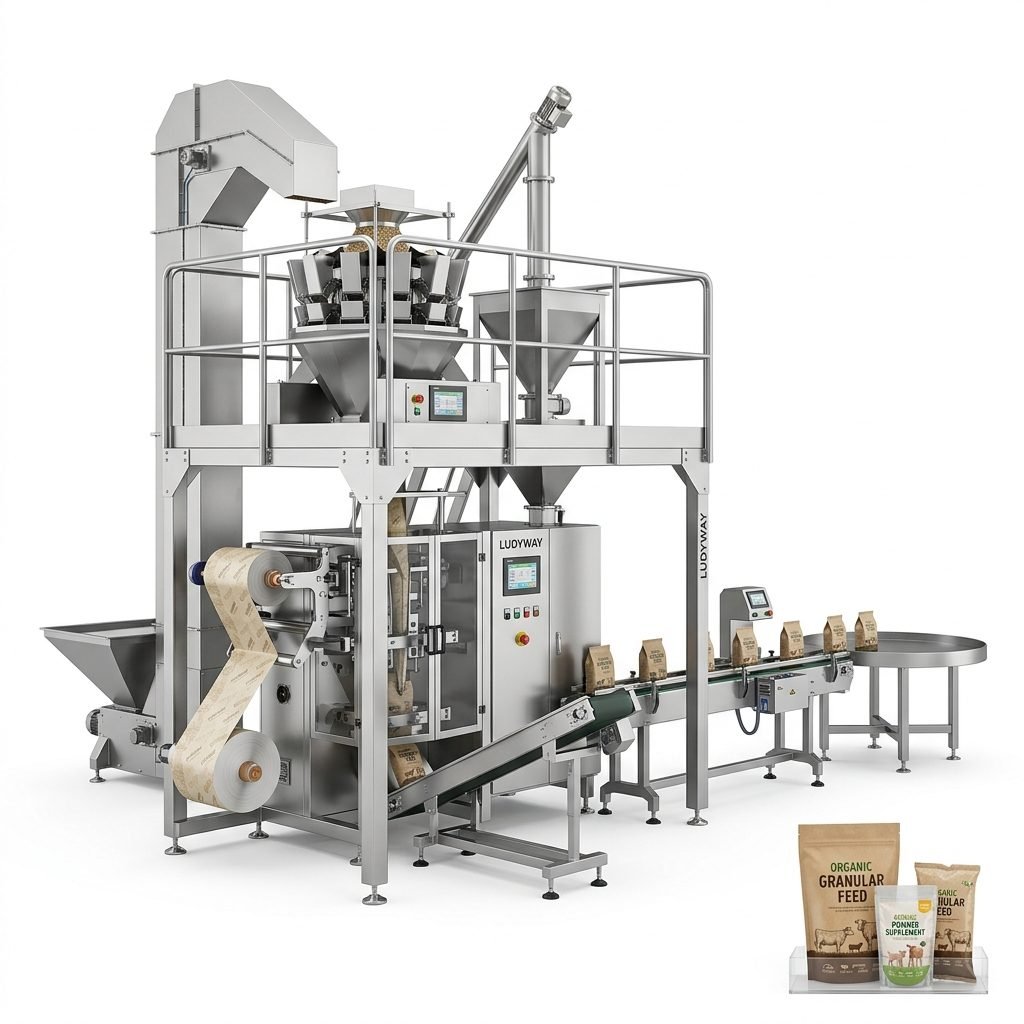
For many Indian dairy entrepreneurs, sourcing high-quality yet cost-effective machinery is the biggest hurdle. While local suppliers exist, global manufacturers often provide superior automation and longevity. For instance, Ludyway is one of the leading packaging machine manufacturers from China, offering advanced multi-lane sachet and stick pack systems suitable for ghee, milk powder, and flavored dairy drinks. With over 30 years of experience and a 20,000㎡ modern production facility, they provide turnkey solutions that help Indian dairy businesses scale efficiently and meet export standards.
Optimizing Production Efficiency
To maintain profitability, focus on reducing downtime and material waste. Implementing automated reel changeovers, servo-driven controls, and real-time data monitoring can significantly enhance OEE (Overall Equipment Effectiveness). Ensure your maintenance team has easy access to critical spare parts to avoid lengthy disruptions.
- Use preventive maintenance scheduling software.
- Monitor sealing temperature and pressure continuously.
- Invest in inline inspection to catch defects early.
Power and Utility Considerations in India
Voltage fluctuations can damage sensitive PLCs. You must install voltage stabilizers and compressed air dryers (for pneumatic systems) to protect your dairy packaging equipment, especially in semi-urban and rural industrial areas.
Future Trends in Dairy Packaging
The Indian market is rapidly shifting toward single-serve formats, biodegradable films, and smart packaging with QR codes for authentication. Investing in a flexible packaging line that can handle various materials (from aluminum foil laminates to recyclable mono-materials) is advised to future-proof your business. Resources from the Flexible Packaging Association provide valuable insights into sustainable material trends.
Key Takeaways for Your Dairy Packaging Project
Setting up a dairy packaging machine production line in India is a lucrative but complex venture. Success hinges on:
- Hygienic design: Prioritizing cleanability and contamination prevention.
- Automation: Reducing human touchpoints to improve shelf life.
- Compliance: Meeting FSSAI and international export standards.
- Reliable partnerships: Collaborating with experienced equipment suppliers who understand the Indian landscape.
By meticulously following this guide and selecting the right technology partners, you can build a robust dairy packaging operation ready to capitalize on India’s booming dairy economy. For a detailed consultation on turnkey dairy packaging lines, exploring the specifications of modern packaging machinery is an excellent next step.