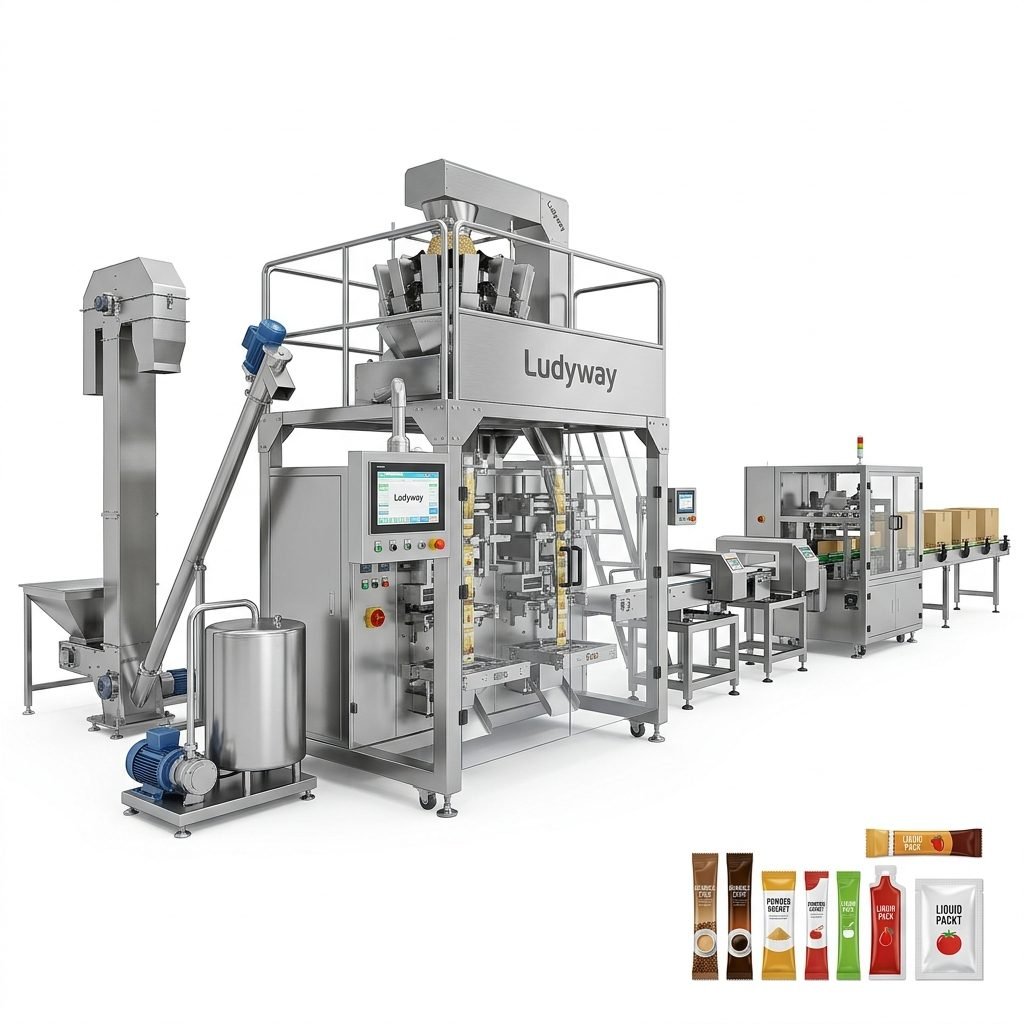
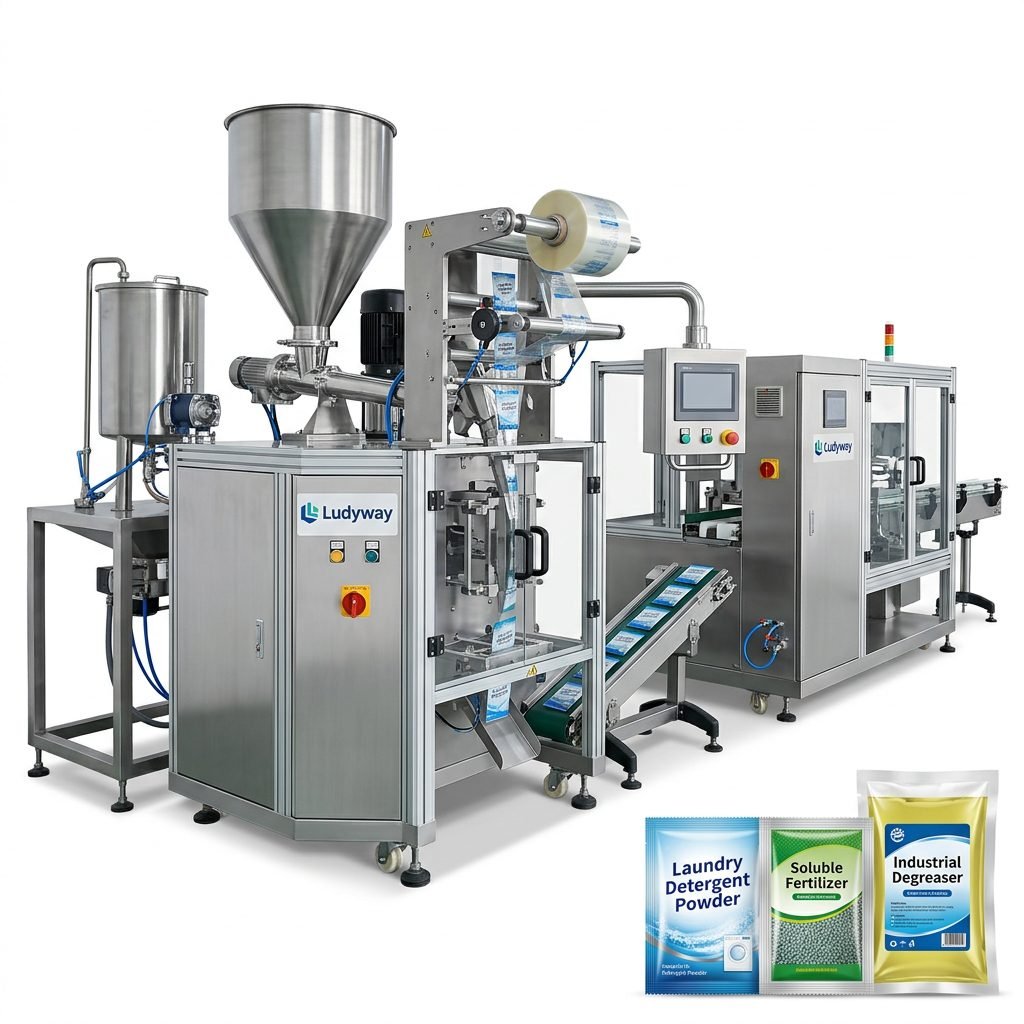
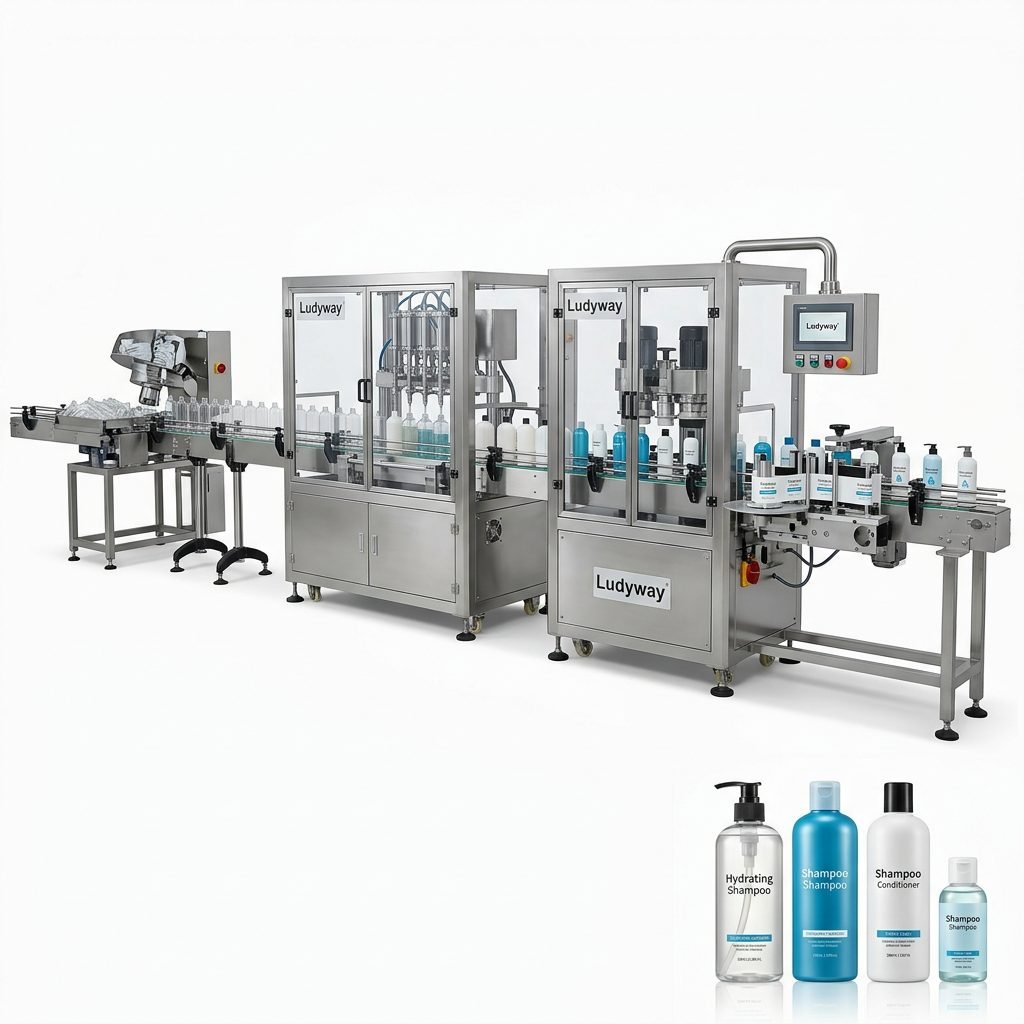
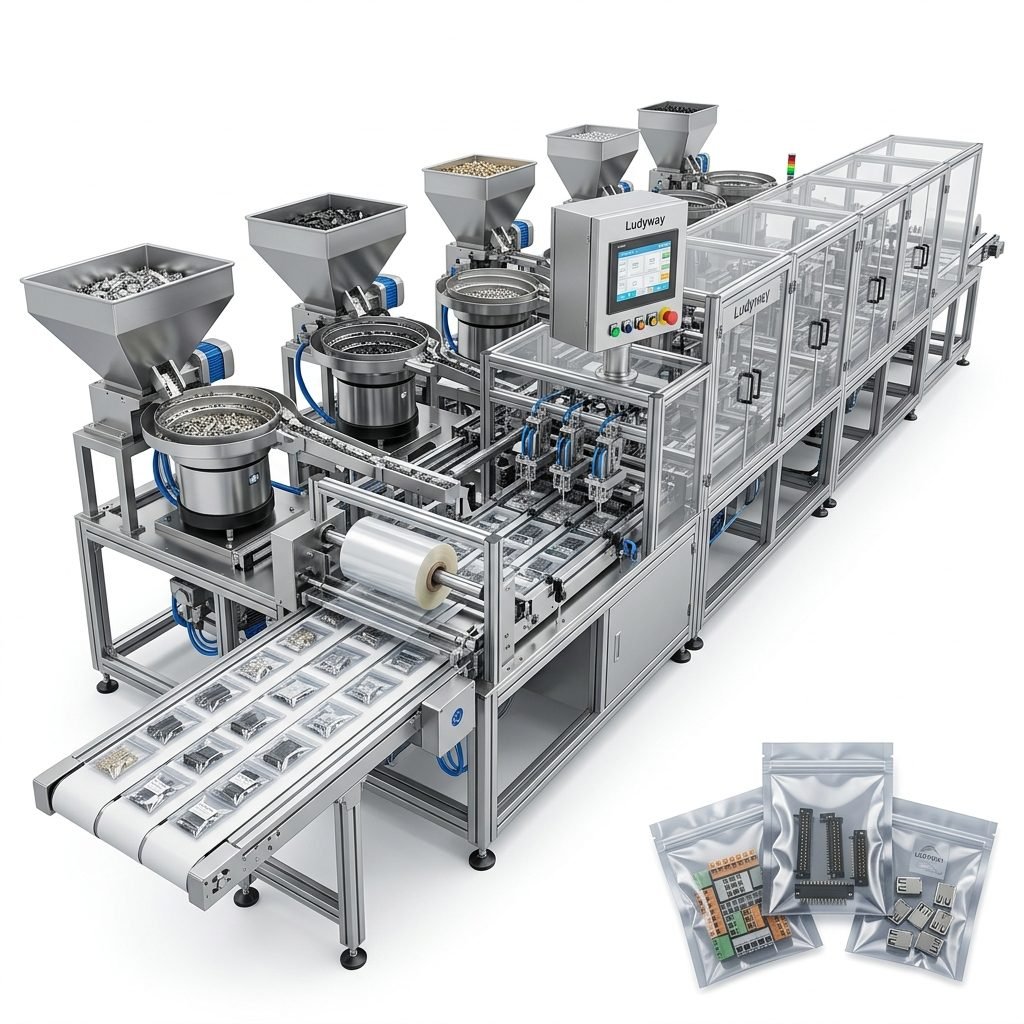
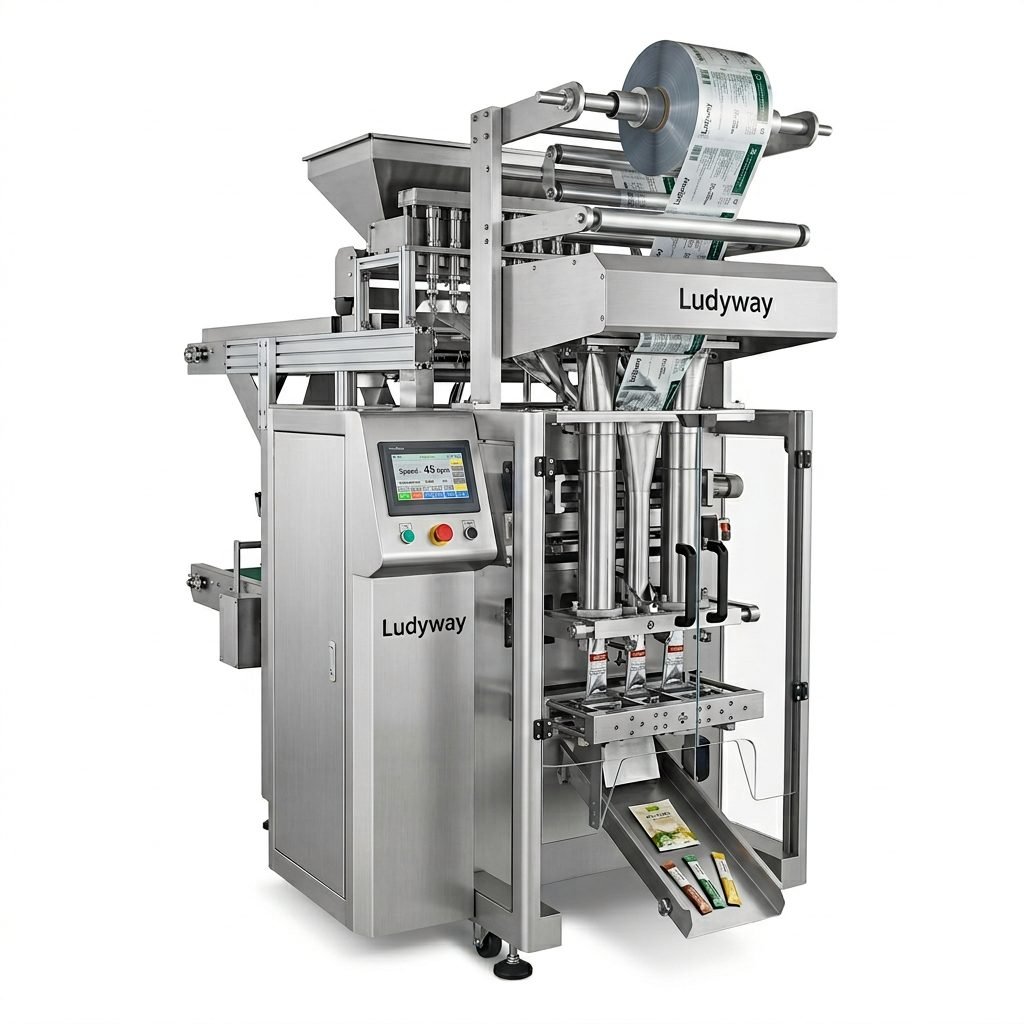
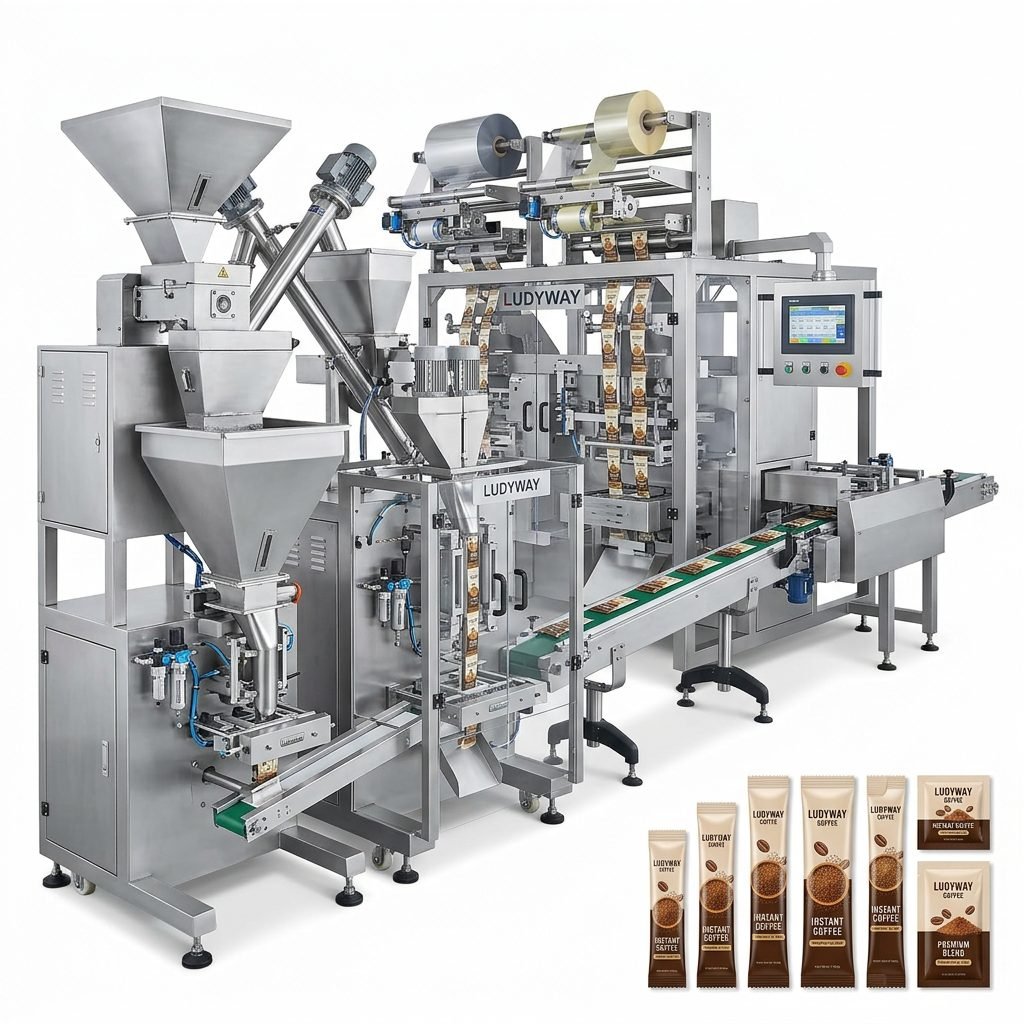
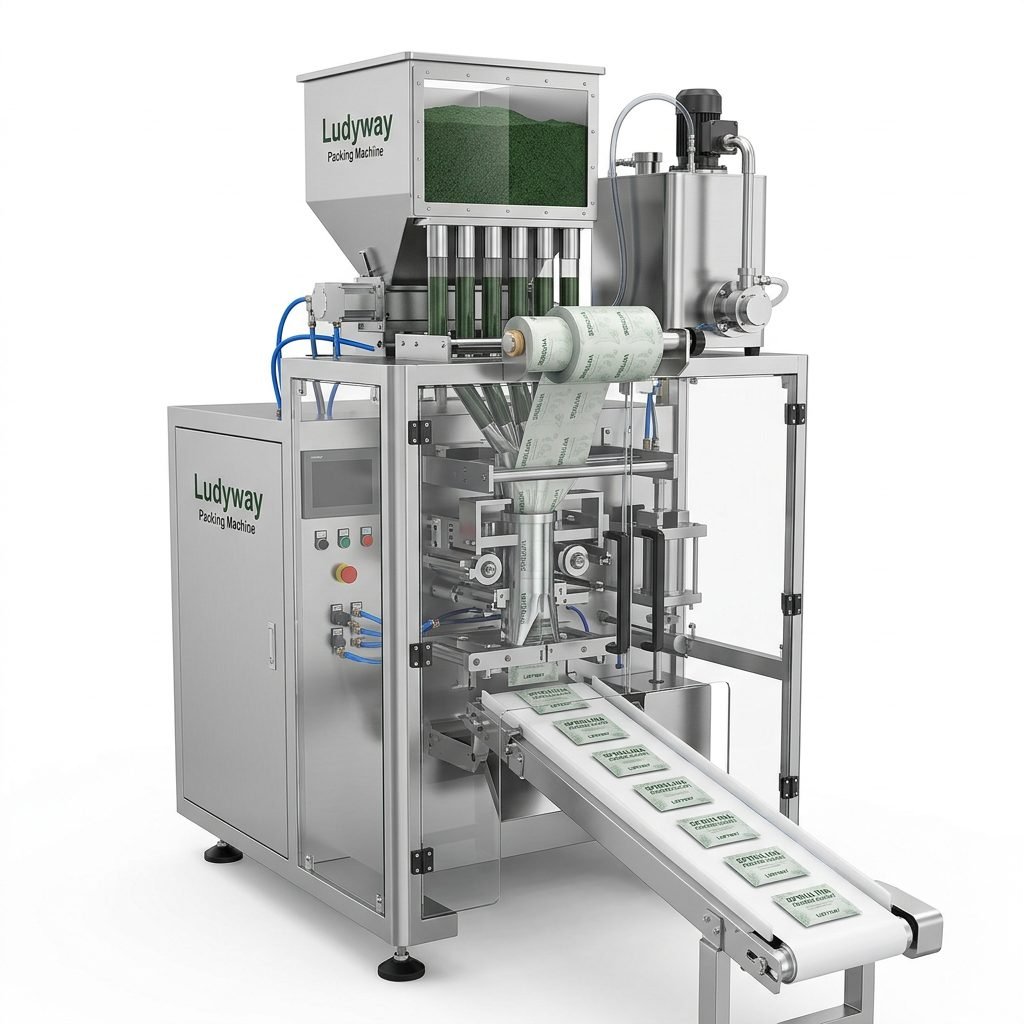
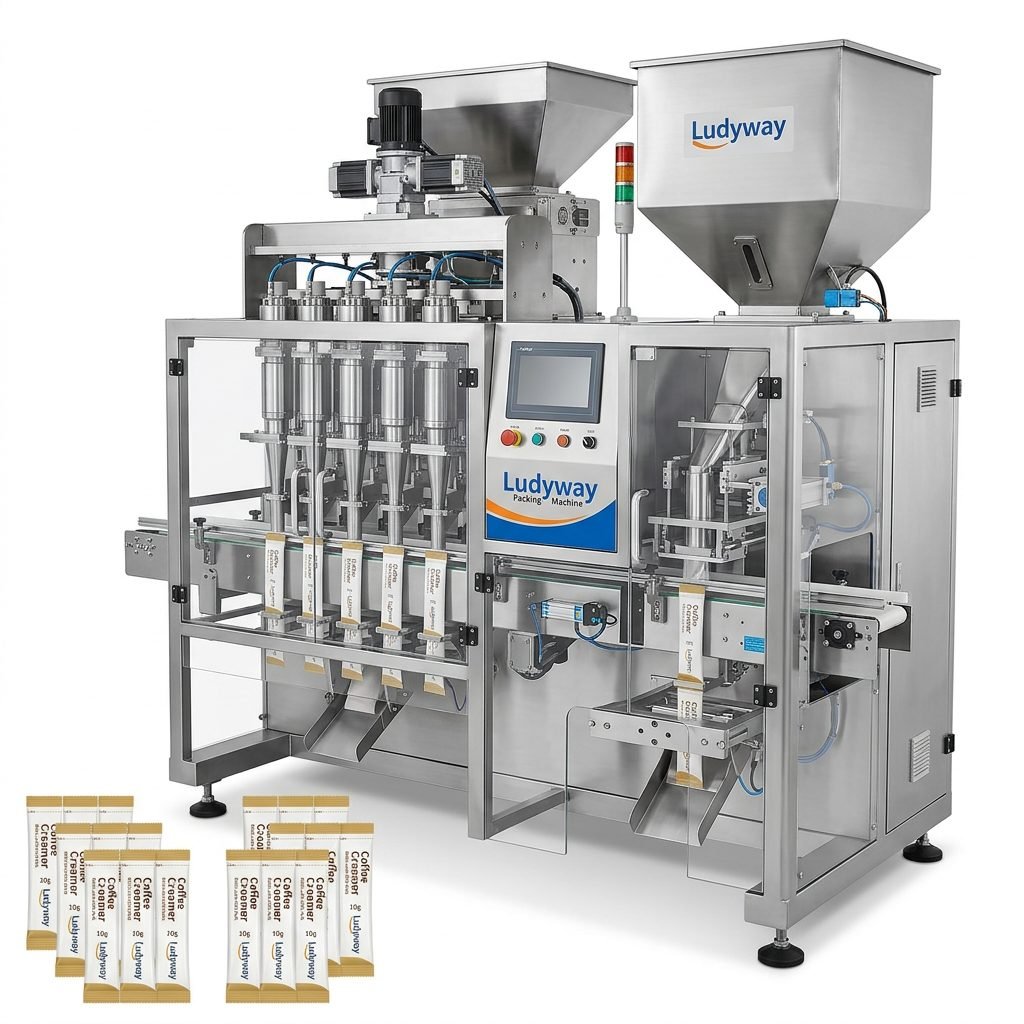
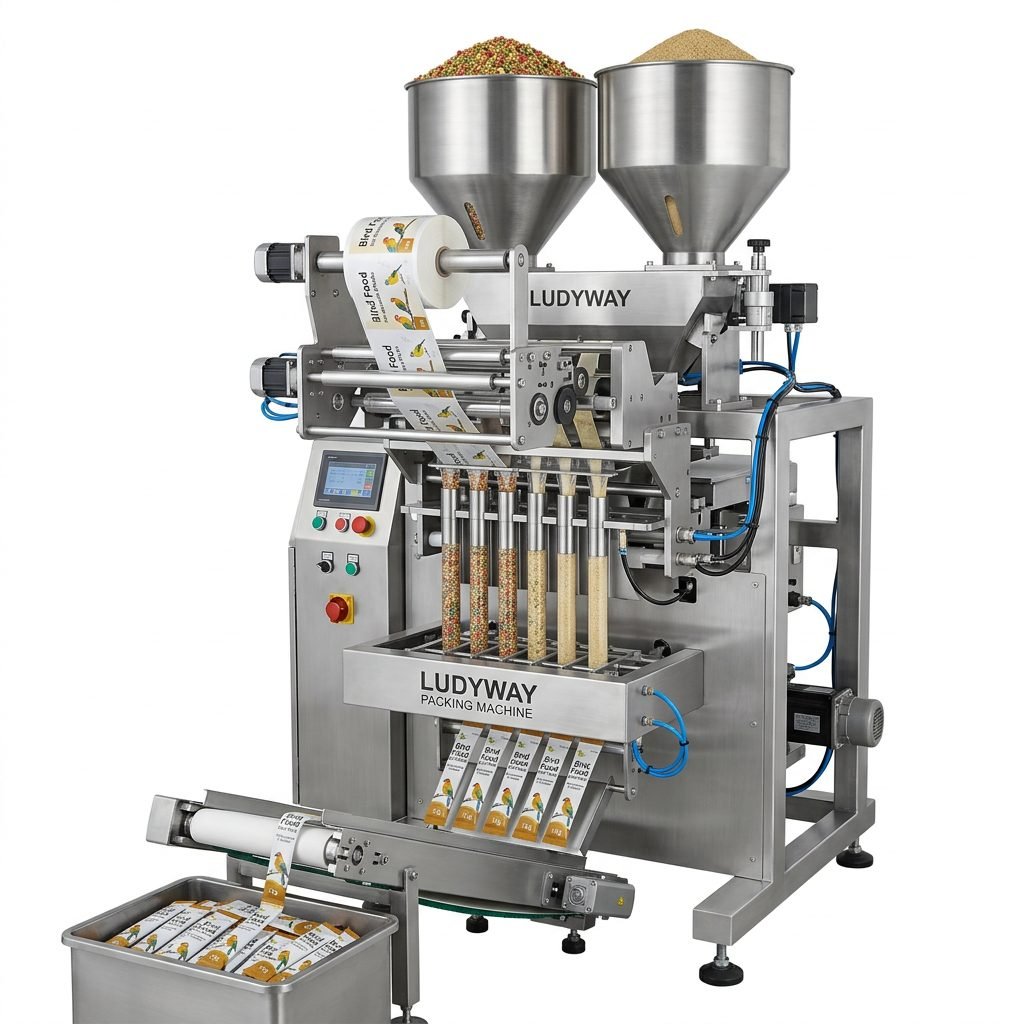
The food manufacturing landscape across Southeast Asia is undergoing a rapid transformation. With rising disposable incomes in countries like Vietnam, Thailand, Indonesia, and the Philippines, the demand for packaged and processed foods has skyrocketed. For producers looking to extend shelf life, reduce waste, and meet stringent export standards, understanding how to correctly establish a vacuum food packaging machine production line is critical. This guide walks you through every step, from site assessment to full-scale operation, ensuring your investment is future-proof and compliant with regional regulations.

Understanding the Southeast Asian Food Packaging Market
The ASEAN region represents one of the world’s fastest-growing markets for vacuum packaging equipment. The growth is driven by booming e-commerce, the expansion of modern retail chains, and a cultural shift toward convenience foods. Specifically, vacuum skin packs and modified atmosphere packaging (MAP) are gaining traction for meat, seafood, and ready-to-eat meals. Before setting up your production line, you must analyze local consumption patterns. For detailed market data, you can review the PMMI State of the Industry Reports.
Types of Vacuum Packaging Technologies
Selecting the right technology impacts your throughput and operational costs. The primary machinery categories include:
- Nozzle Vacuum Sealers: Ideal for low-volume operations; air is extracted via a nozzle before sealing.
- Chamber Vacuum Machines: The entire product is placed inside a chamber; perfect for liquids and high-moisture foods.
- Thermoforming Vacuum Lines: An automated system that forms, fills, and seals packages; suited for high-capacity meat and fish industries.
- Rotary Vacuum Systems: High-speed continuous motion solutions for granular and powder products.
Step-by-Step Production Line Setup
1. Facility and Layout Planning
Your facility layout must adhere to HACCP and GMP standards. Design a linear flow from the “dirty” receiving zone to the “clean” packaging hall. Ensure proper drainage, ventilation, and segregation of raw and cooked materials to prevent cross-contamination. The floor space should account for raw material staging, the primary flexible packaging unit, and a secondary cartoning area.
2. Ancillary Equipment Integration
A seamless production line requires more than just the vacuum sealer. You need to integrate upstream and downstream machinery. This includes:
- Automatic weighing and filling dispensers
- Metal detectors and X-ray inspection systems (critical for compliance with FDA Food Contact Substance regulations)
- Checkweighers and dynamic sorting systems
- Automatic cartoning and case packing machines

3. Material Compatibility and Film Selection
The tropical climate of Southeast Asia requires barrier films with high oxygen and moisture resistance. Look for multi-layer films with EVOH or PVDC layers. Ensure your machine can handle the specific thickness and shrink properties of locally sourced materials to avoid seal failures. The Flexible Packaging Association provides extensive resources on sustainable material trends that are influencing the industry.
Regulatory Compliance and Export Standards
Operating in Southeast Asia means navigating a mix of local and international regulations. If you export to the US or EU, your packaging line must comply with ISO 11607 standards. Critical control points must be validated. You can reference the ISO 11607 Packaging Standards for terminally sterilized products, which is increasingly relevant for vacuum-packed ready-to-eat meals. Additionally, traceability systems for recalls are mandatory, requiring reliable industrial inkjet or laser coding machines integrated into the line.
Key Cost Variables in the Region
Budgeting accurately prevents project delays. Below is a breakdown of the core investment segments for a mid-capacity turnkey line in Thailand or Vietnam:
| Cost Segment | Percentage of Total | Key Considerations |
|---|---|---|
| Primary Vacuum Machinery | 45% | Thermoforming vs. chamber; import duties |
| Ancillary Automation | 25% | Weighing, metal detection, coding |
| Installation & Training | 15% | Engineer dispatch, operator certification |
| Facility Modifications | 10% | Power requirements, airflow, flooring |
| First-Year Spare Parts | 5% | Sealing bars, Teflon tape, sensors |

Power Supply and Infrastructure in Tropical Climates
Unlike facilities in temperate zones, a vacuum packaging production line in Southeast Asia must contend with high humidity and unstable voltage. Invest in industrial-grade voltage stabilizers and compressed air dryers. Moisture in pneumatic lines causes premature valve failure. Additionally, opt for stainless steel frames (304 or 316 grade) to combat corrosion in coastal areas near Bangkok or Ho Chi Minh City.
Automation and Smart Factory Integration
The labor market in the region is shifting, making automation less of a luxury and more of a necessity. Modern turnkey lines feature IoT-enabled diagnostics, allowing remote monitoring and predictive maintenance. Integrated SCADA systems can track OEE (Overall Equipment Effectiveness) and synchronize data with your ERP. When evaluating suppliers like Ludyway, ensure they offer compatibility with Industry 4.0 protocols for real-time production reporting.
Common Pitfalls to Avoid
- Skipping the Factory Acceptance Test: Always perform rigorous tests before shipment.
- Ignoring Local Support: Ensure your vendor has certified service engineers in the ASEAN block.
- Underestimating Film Waste: Poor tension control leads to costly packaging material loss.
- Neglecting Cleaning Protocols: Vacuum pumps and seal bars require daily maintenance in humid environments.
Workforce Training and Safety
High-speed vacuum machinery involves thermal and pressure hazards. Comprehensive training is not optional. Develop SOPs in the local language covering lockout-tagout procedures, emergency stops, and hygiene zoning. A well-trained team significantly reduces downtime and extends the lifespan of your packaging machinery.
Future-Proofing Your Investment
Sustainability regulations are tightening globally. Design your production line to handle recyclable mono-materials, which often require precise temperature control during the sealing process. Furthermore, ensure modularity so you can add multi-lane capabilities or switch between vacuum and conventional MAP without replacing the entire system. Staying updated with guidelines from bodies like the European Commission on Packaging Waste positions your business ahead of the regulatory curve.
Conclusion
Setting up a vacuum food packaging machine production line in Southeast Asia is a complex but rewarding venture. By meticulously planning your facility, selecting the right material handling partners, and adhering to stringent compliance standards, you can capture a significant share of the region’s growing processed food sector. The key is choosing scalable, automated technology that minimizes human error while maximizing shelf-life extension.