The manufacturing industry in Ghana is experiencing rapid transformation, particularly within the food processing, pharmaceutical, and cosmetics sectors. To meet the growing local and regional demand, businesses must invest in the right packaging machine to ensure product quality, extend shelf life, and optimize production efficiency. Choosing the wrong equipment can lead to costly downtime and packaging defects. This guide breaks down the critical factors you need to evaluate before purchasing packaging equipment for your Ghanaian production line.
1. Analyze Your Product Characteristics
Before browsing catalogs, you must define the physical properties of your product. The formulation dictates the necessary filling technology and machine configuration. Is your product:
- Free-flowing granules (e.g., rice, sugar, fertilizer pellets)?
- Fine or sticky powders (e.g., cocoa powder, flour, milk powder)?
- Viscous or thin liquids (e.g., cooking oil, beverages, shampoo)?
- Fragile solids (e.g., biscuits, chips, tablets)?
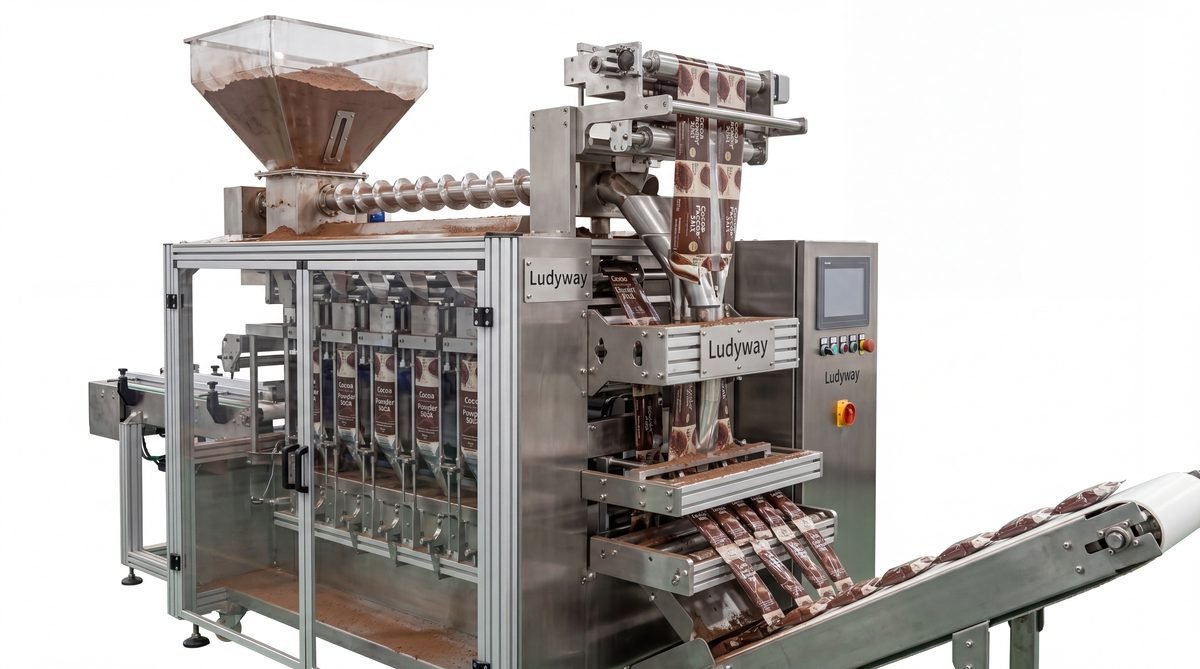
For instance, cocoa powder, a major Ghanaian export, requires an auger filler to handle its density and dust control challenges. Meanwhile, liquid detergents require piston pumps to manage viscosity accurately. Understanding these nuances prevents jammed nozzles and inaccurate fills.
2. Select the Appropriate Packaging Format
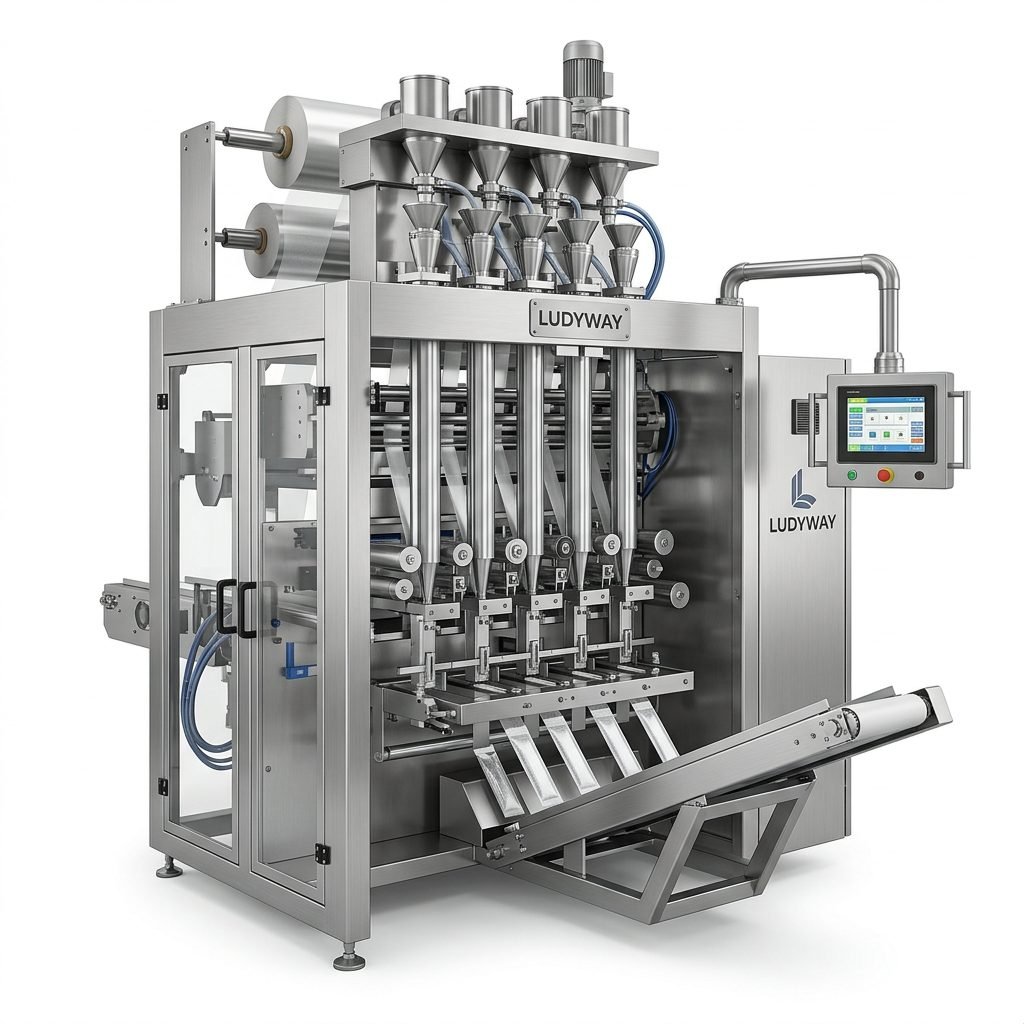
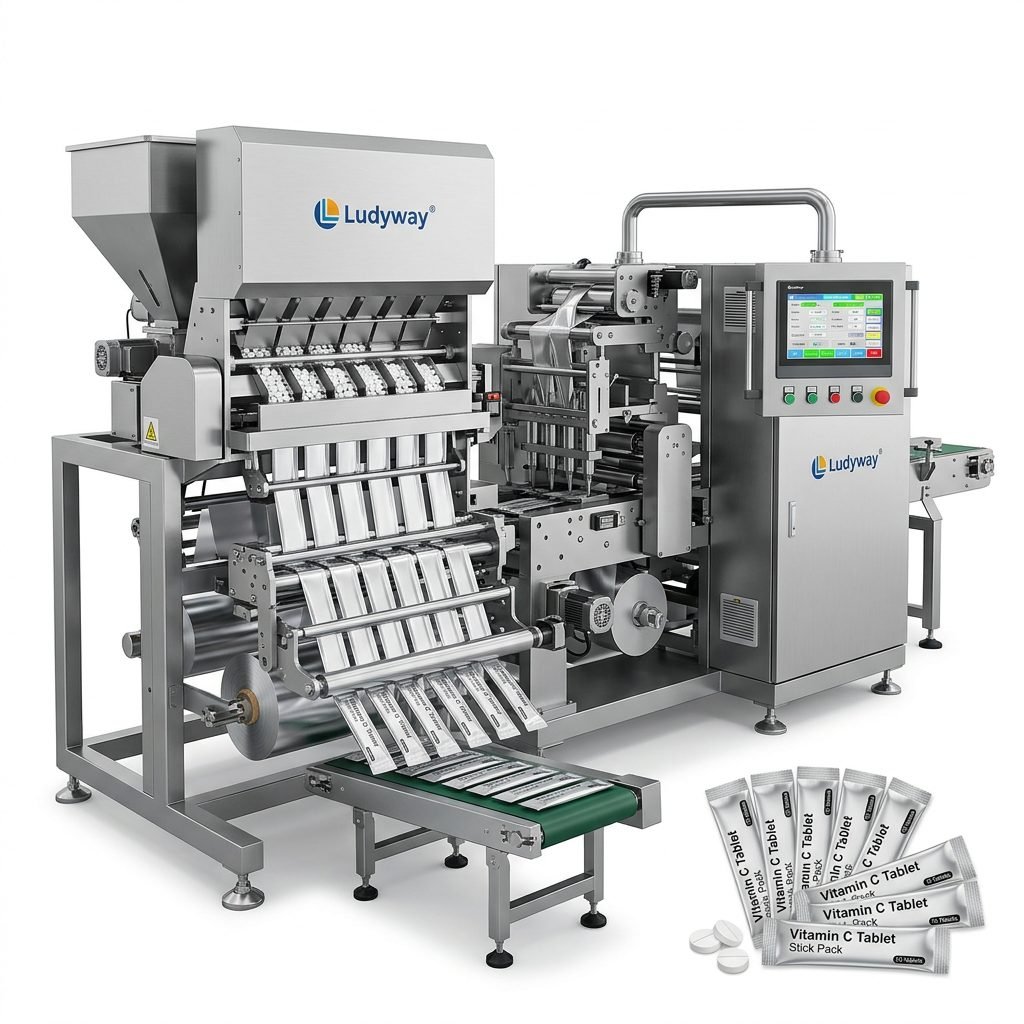
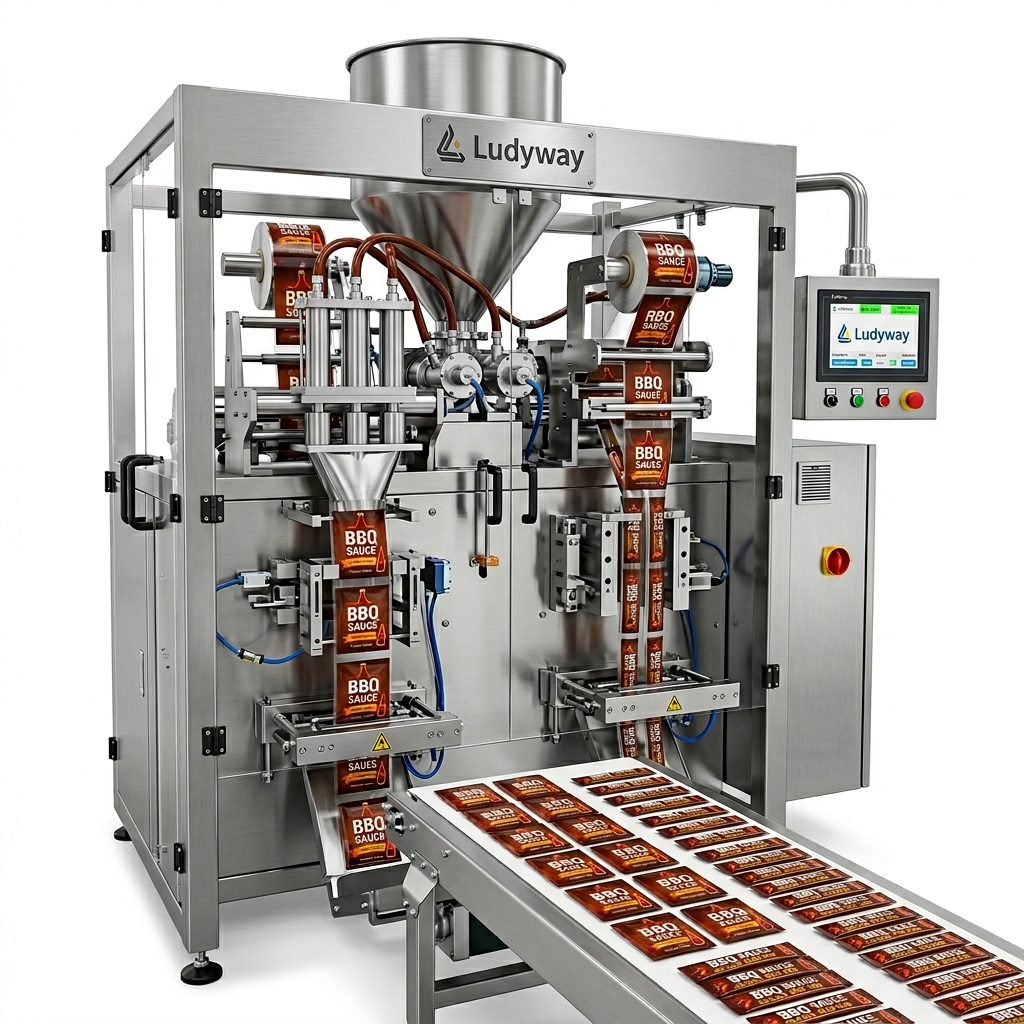
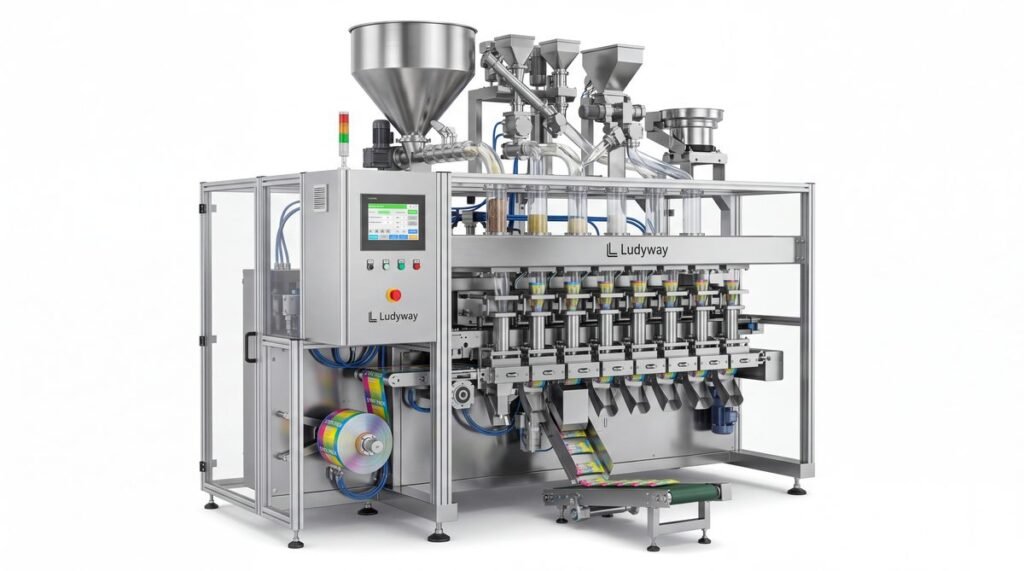
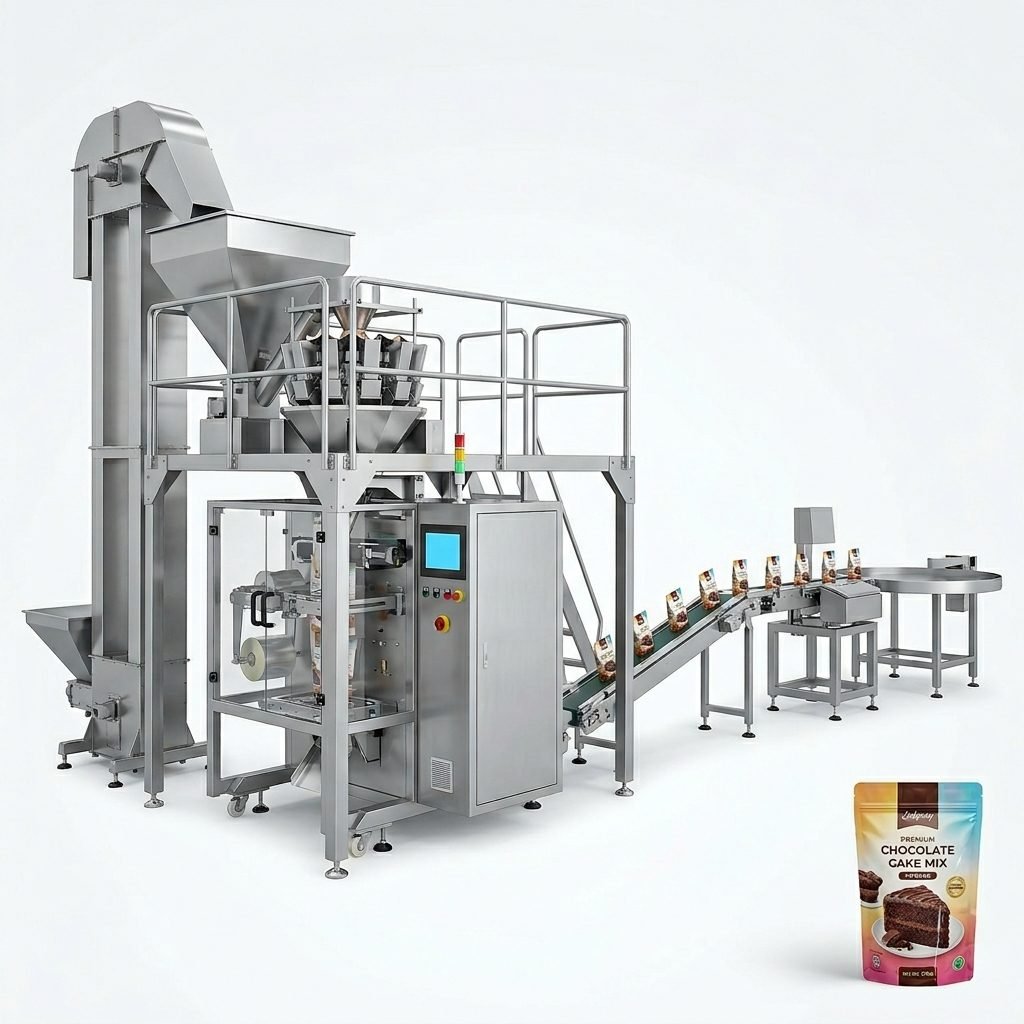
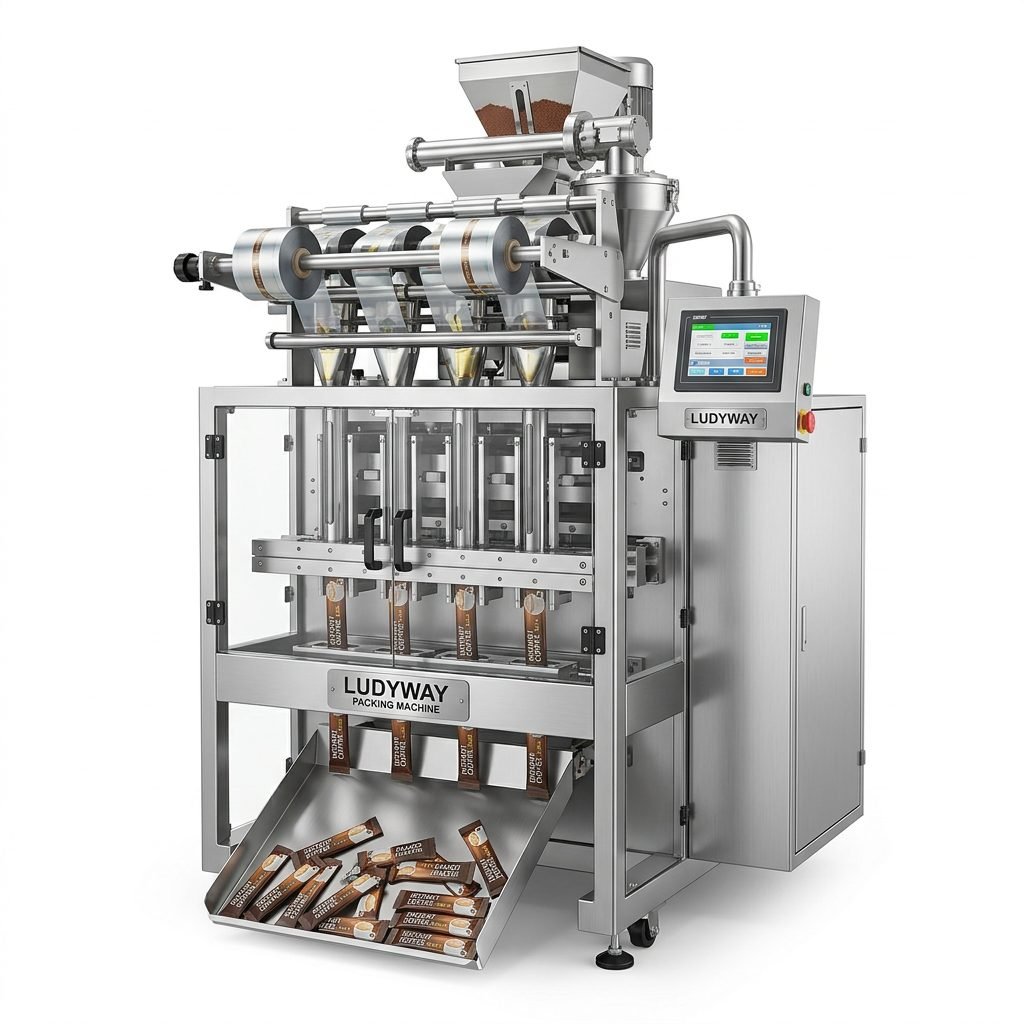
In Ghana’s competitive retail environment, the presentation of your product on the shelf directly impacts consumer perception. The packaging format also dictates the machine type, such as a multi-lane stick pack machine or a vertical form fill seal (VFFS) unit. Common formats include:
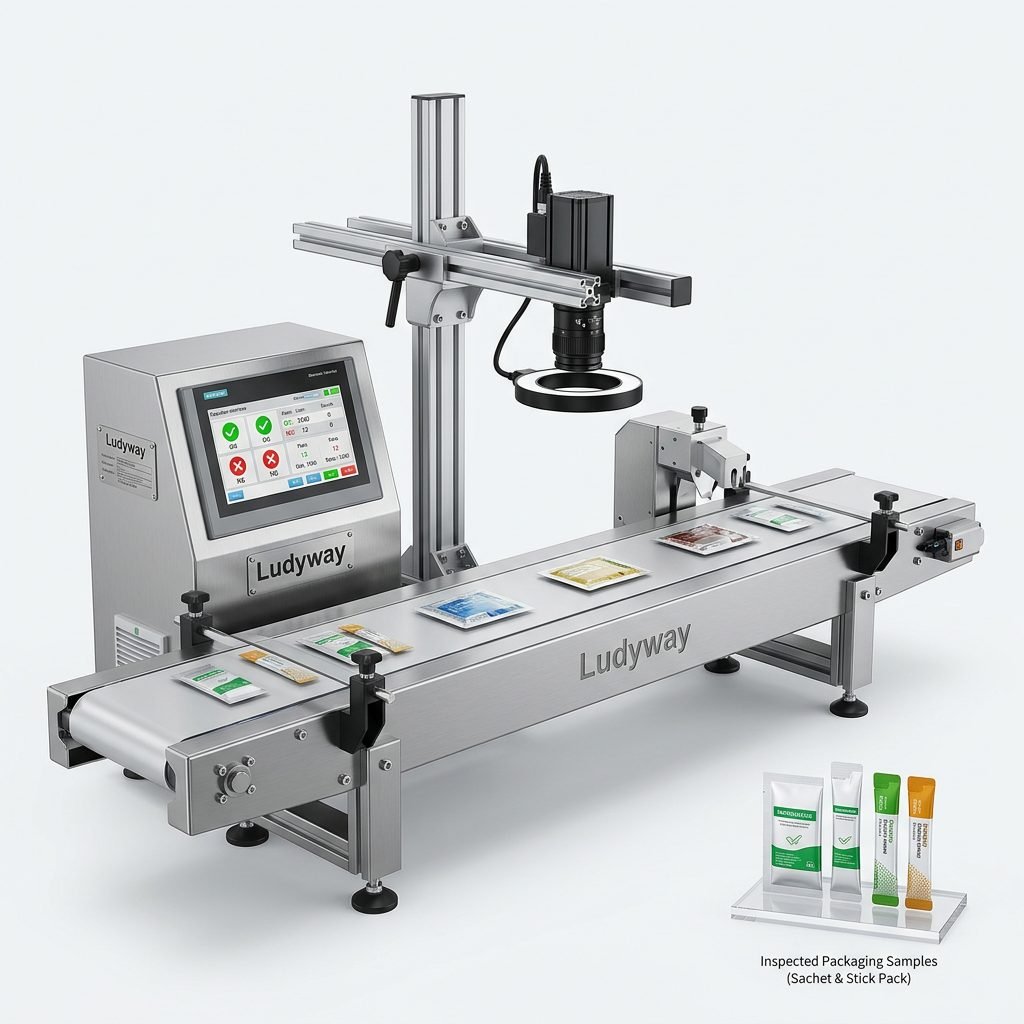
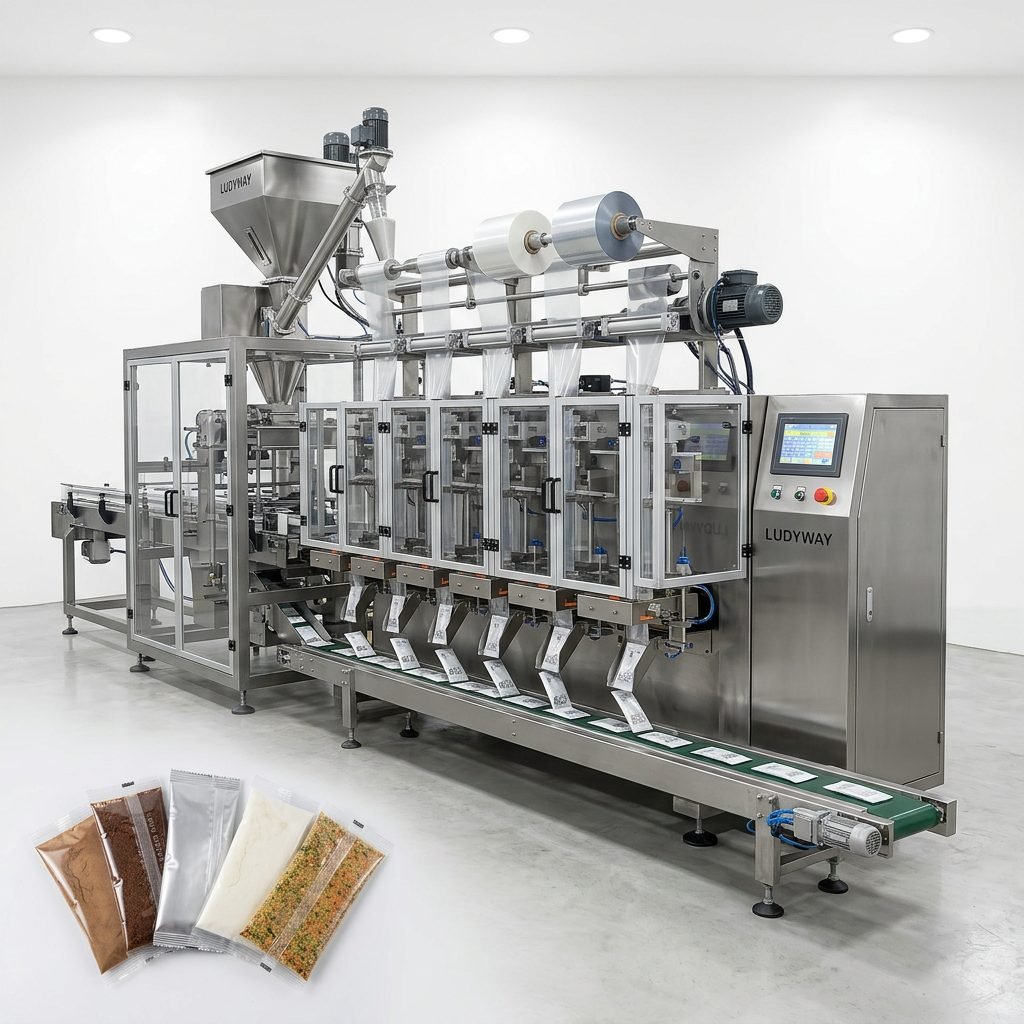
- Sachets: Ideal for single-use portions of water, vodka, or seasoning powders.
- Stick Packs: Preferred for instant coffee, nutritional supplements, and pharmaceutical granules.
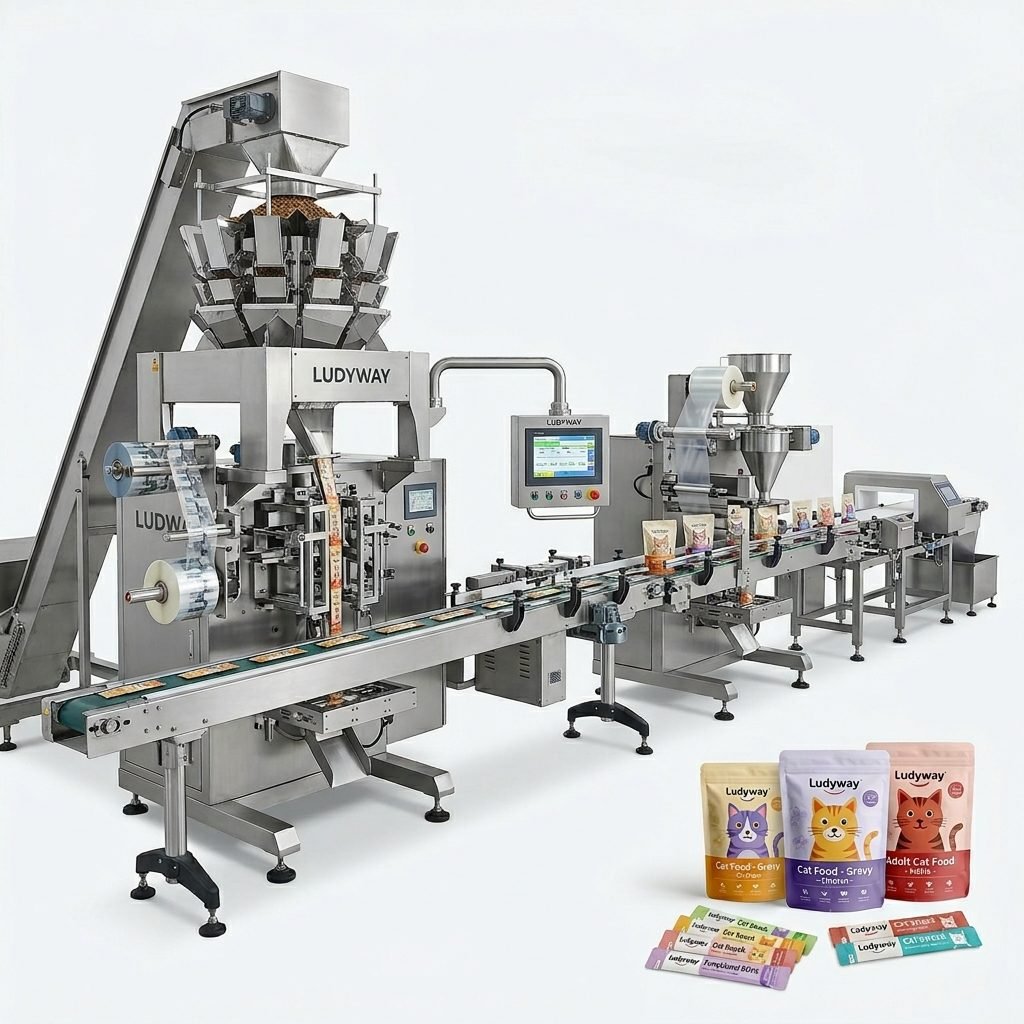
- Pillow Bags: Used for snacks, frozen foods, and loose granule products.
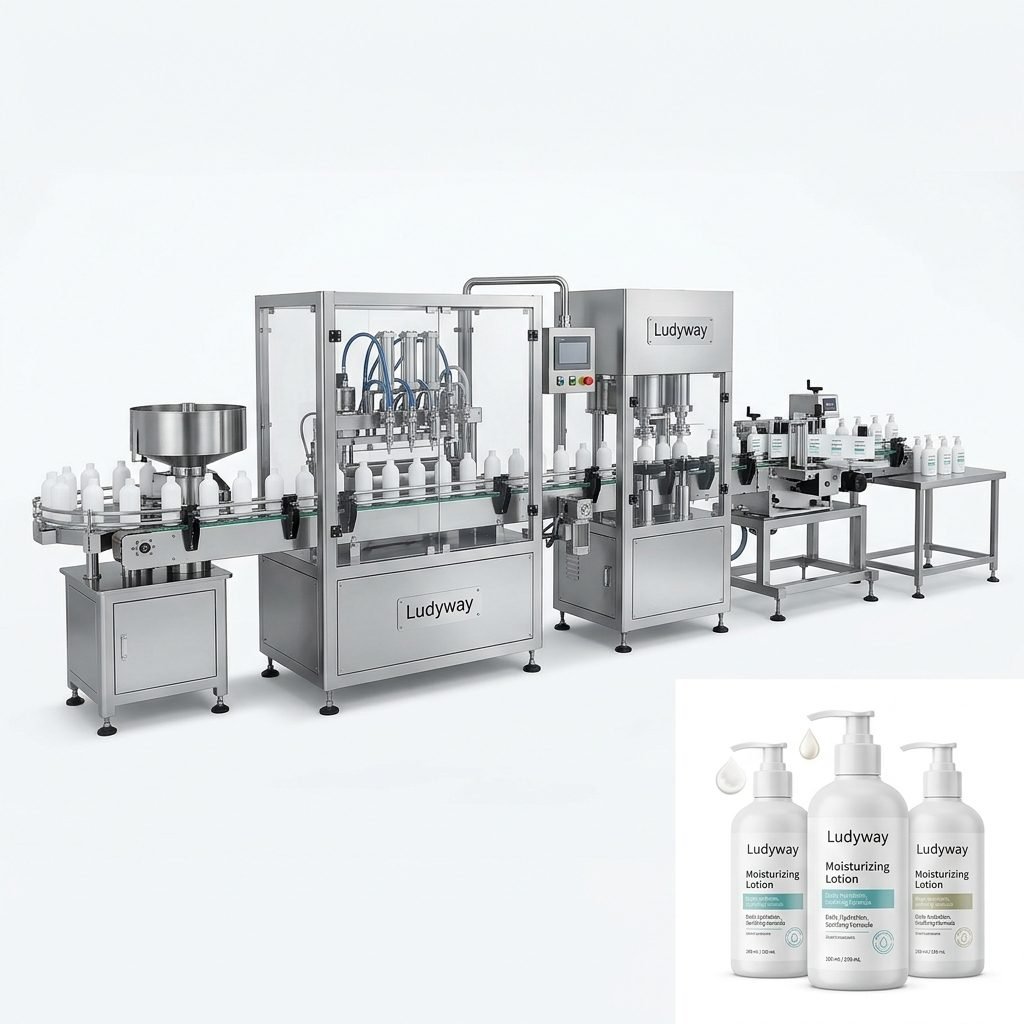
- Bottles and Jars: Essential for cooking oil, sauces, and cosmetic creams.
3. Match Speed, Automation, and Production Scale
Aligning your production capacity with the machine’s throughput is critical. A high-speed automated line may be overkill for a startup, but a semi-automatic bagger will bottleneck a fast-growing business. Below is a comparison to help you decide:
| Feature | Semi-Automatic Machine | Fully Automatic Machine |
|---|---|---|
| Labor Dependency | High (manual feeding/sealing) | Low (automated feeding, filling, sealing) |
| Speed Range | 10 – 40 packs per minute | 60 – 600+ packs per minute |
| Initial Investment | Lower cost | Higher upfront cost, better ROI long-term |
| Best Fit | Test marketing, seasonal businesses | Export-focused, large-scale manufacturing |
4. Ensure Compliance with Ghanaian and International Standards
Regulatory compliance is non-negotiable. Equipment must be fabricated with food-grade 304 or 316 stainless steel to prevent contamination. Whether you are packaging sachet water or pharmaceutical tablets, your machine must meet standards set by the U.S. FDA and the Ghana Food and Drugs Authority (FDA-Ghana).
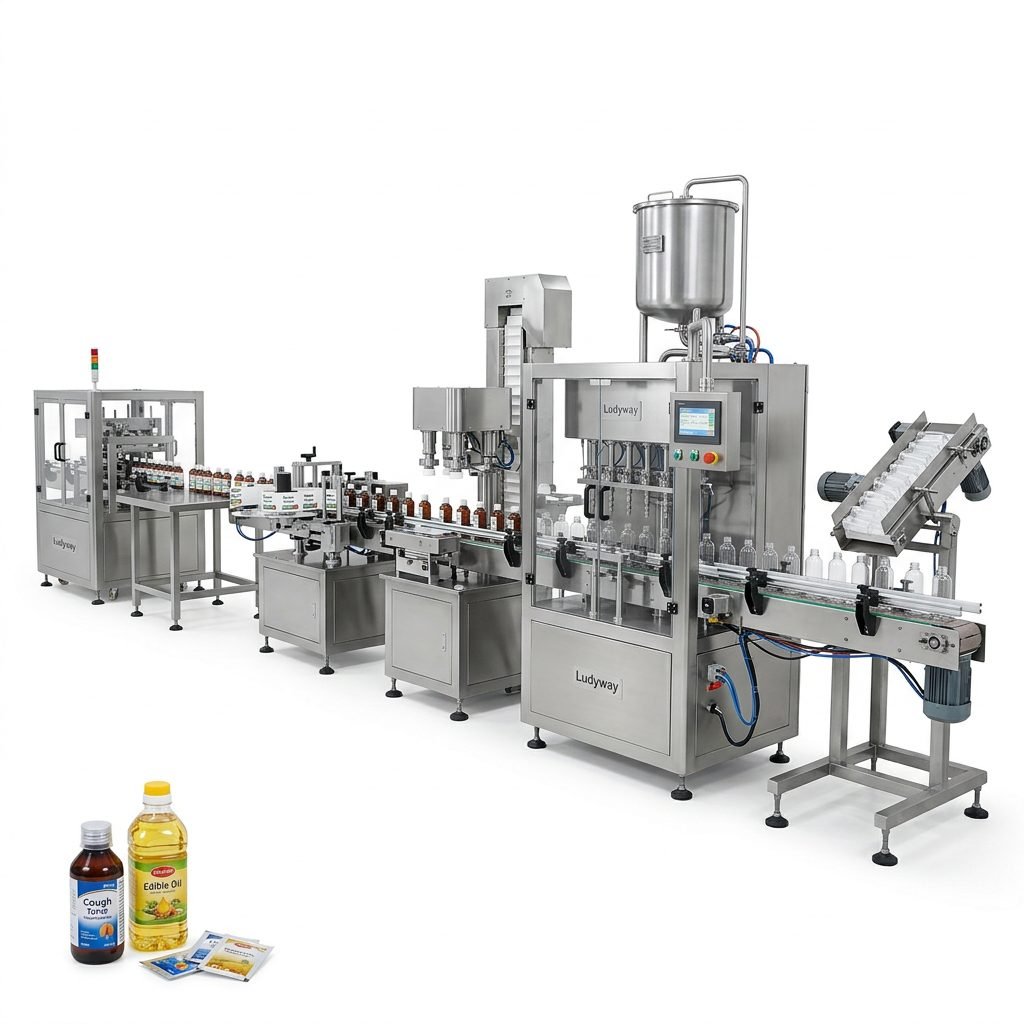
- Hygiene: Machines must feature tool-free disassembly for cleaning and CIP (Clean-in-Place) capabilities for liquid lines.
- Safety: Integrated safety guards and emergency stops protect operators from moving parts.
- Packaging Integrity: Accurate heat sealing is vital in humid climates like Ghana to prevent moisture ingress and product spoilage.
5. Evaluate After-Sales Support and Spare Parts Availability
Bringing an industrial packaging line to Ghana involves logistics. The biggest challenge for manufacturers is often not the machine itself, but local technical support. Before purchasing, ask the supplier about:
- Availability of local distributors or engineers in West Africa.
- Remote diagnostic and troubleshooting capabilities (IoT integration).
- A comprehensive spare parts kit and quick shipping timelines.
6. The Value of a Trusted Global Partner
For Ghanaian businesses looking to upgrade or establish a new facility, partnering with a reputable manufacturer ensures long-term stability. One such industry leader is Ludyway, one of the largest packaging machine manufacturers in China. With over 30 years of expertise and a 20,000㎡ modern facility, they provide reliable, high-performance, and cost-effective packaging solutions. Their portfolio of over 50 intelligent models—ranging from multi-lane stick pack and sachet machines to fully automated filling systems—serves customers in over 100 countries, making them a robust choice for Ghanaian manufacturers aiming for operational efficiency and global export standards.
To successfully navigate the market, rely on industry insights from organizations like PMMI and the Flexible Packaging Association. Staying informed on packaging trends ensures your business remains competitive in the evolving global packaging machinery industry.