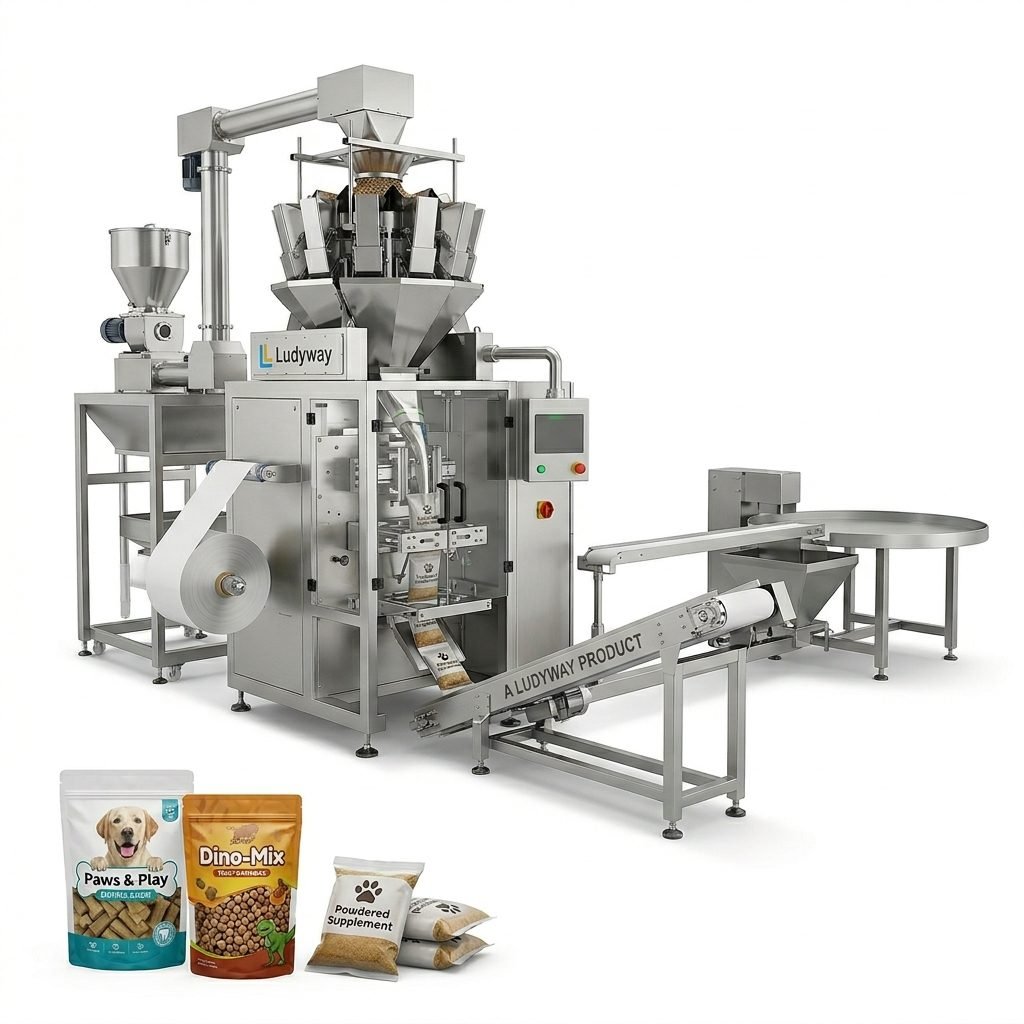
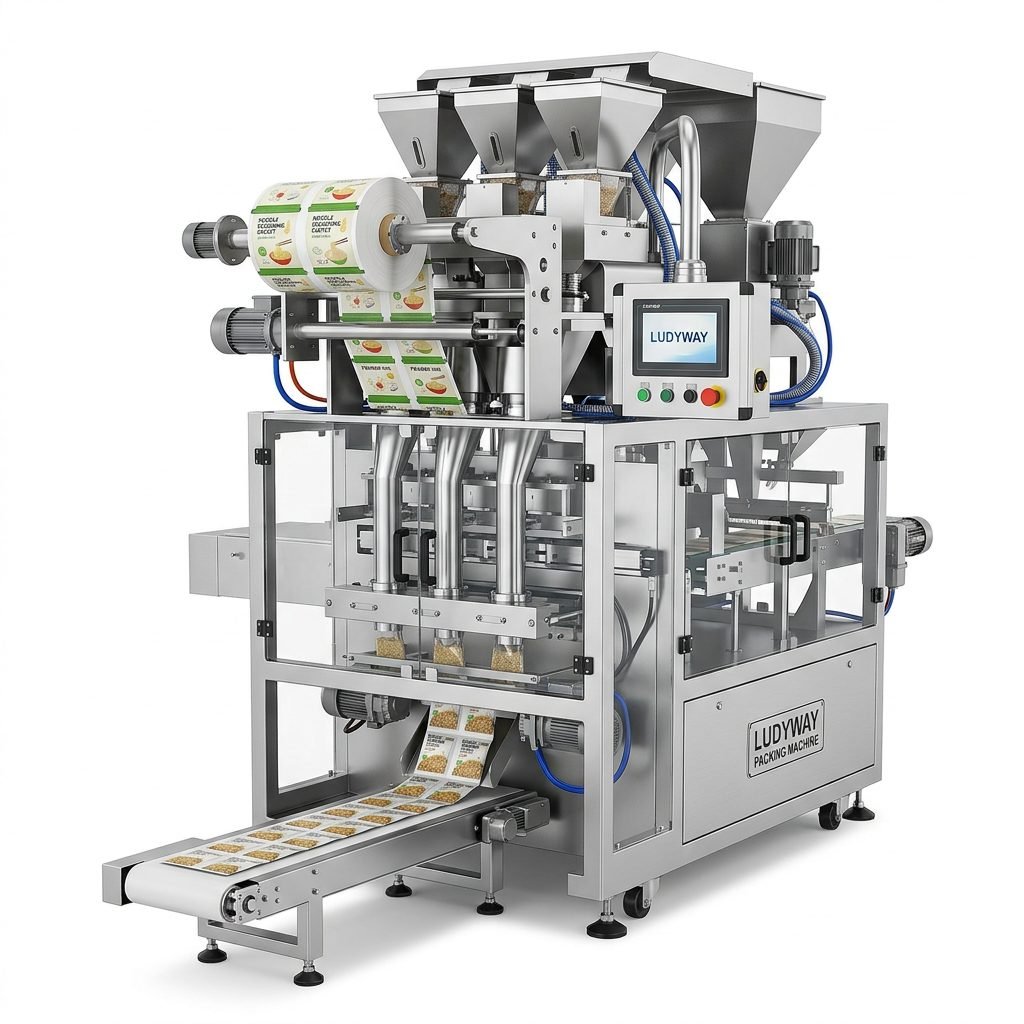
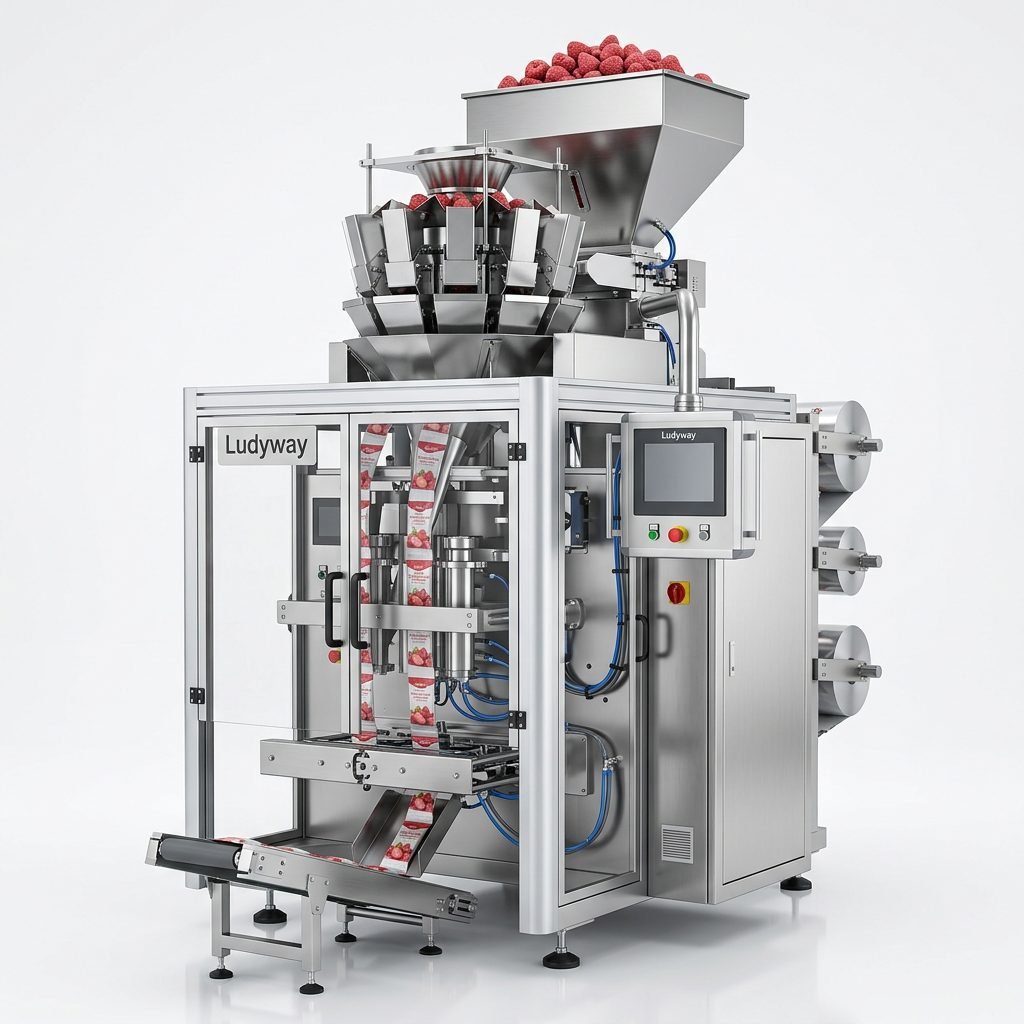
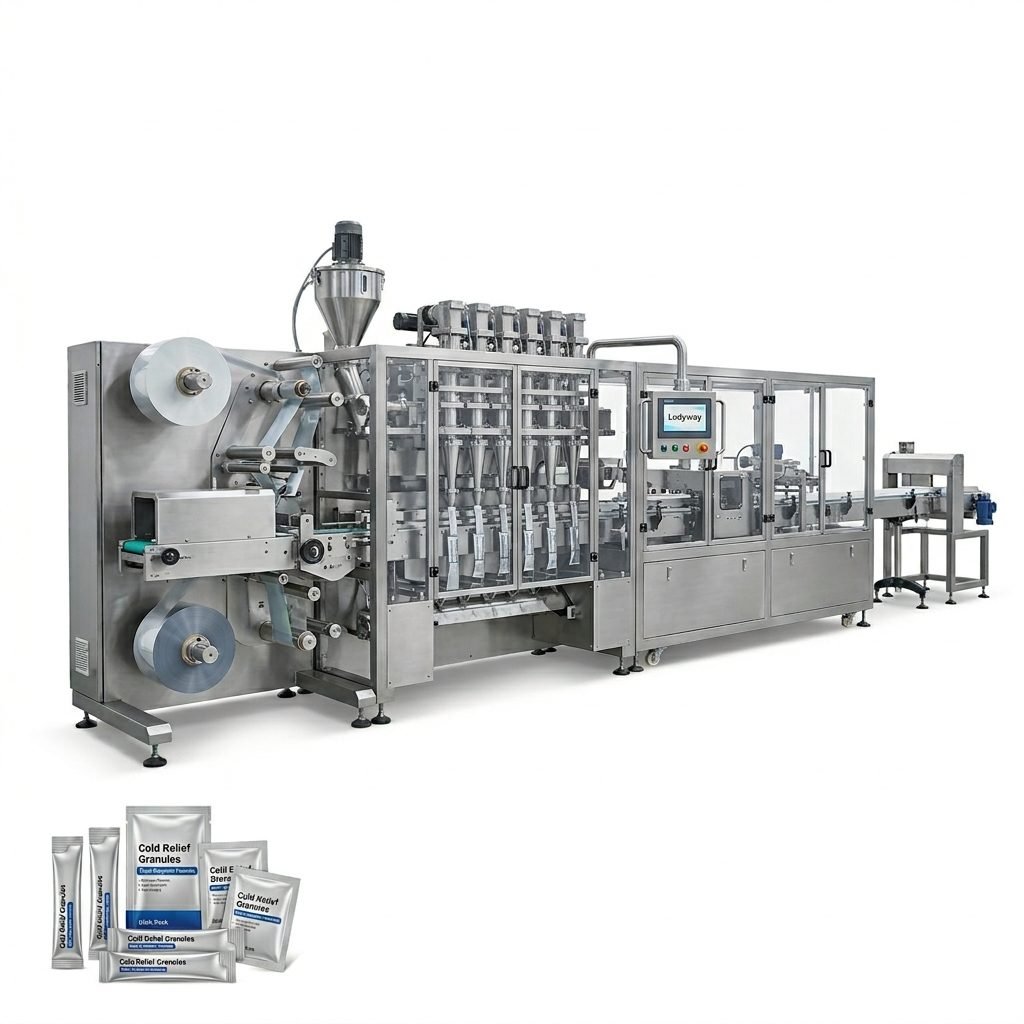
Investing in a tea sample packing machine is a strategic decision for tea producers, blenders, and co-packers looking to scale operations. Whether you are launching a new boutique brand or expanding a large-scale manufacturing line, understanding the cost landscape is essential. The price of a tea sample packing machine is influenced by a range of factors, from automation levels to packaging format flexibility. This comprehensive guide breaks down the cost components, machine types, and key considerations to help you make an informed purchasing decision.
What Influences the Cost of a Tea Sample Packing Machine?
The purchase price of a tea sample packing machine is not a fixed number; it varies significantly based on technical specifications and production requirements. The primary cost drivers include the level of automation, the number of lanes, the type of filling system, and the construction materials.
1. Automation and Speed
Machine pricing generally correlates with output capacity. A semi-automatic machine suitable for small workshops or limited batches might be positioned at an entry-level price point. In contrast, fully automatic, high-speed packaging machinery designed for continuous 24/7 production represents a higher capital investment. The faster the line speed and the more integrated the control systems, the higher the associated cost.
2. Multi-Lane Configuration
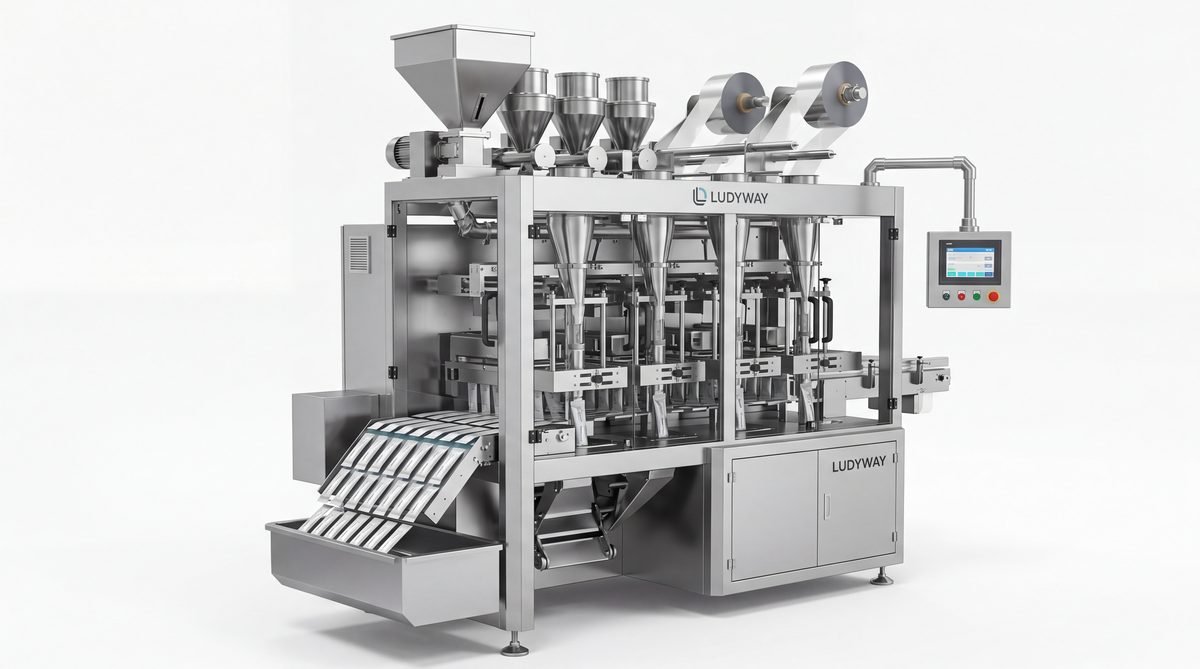
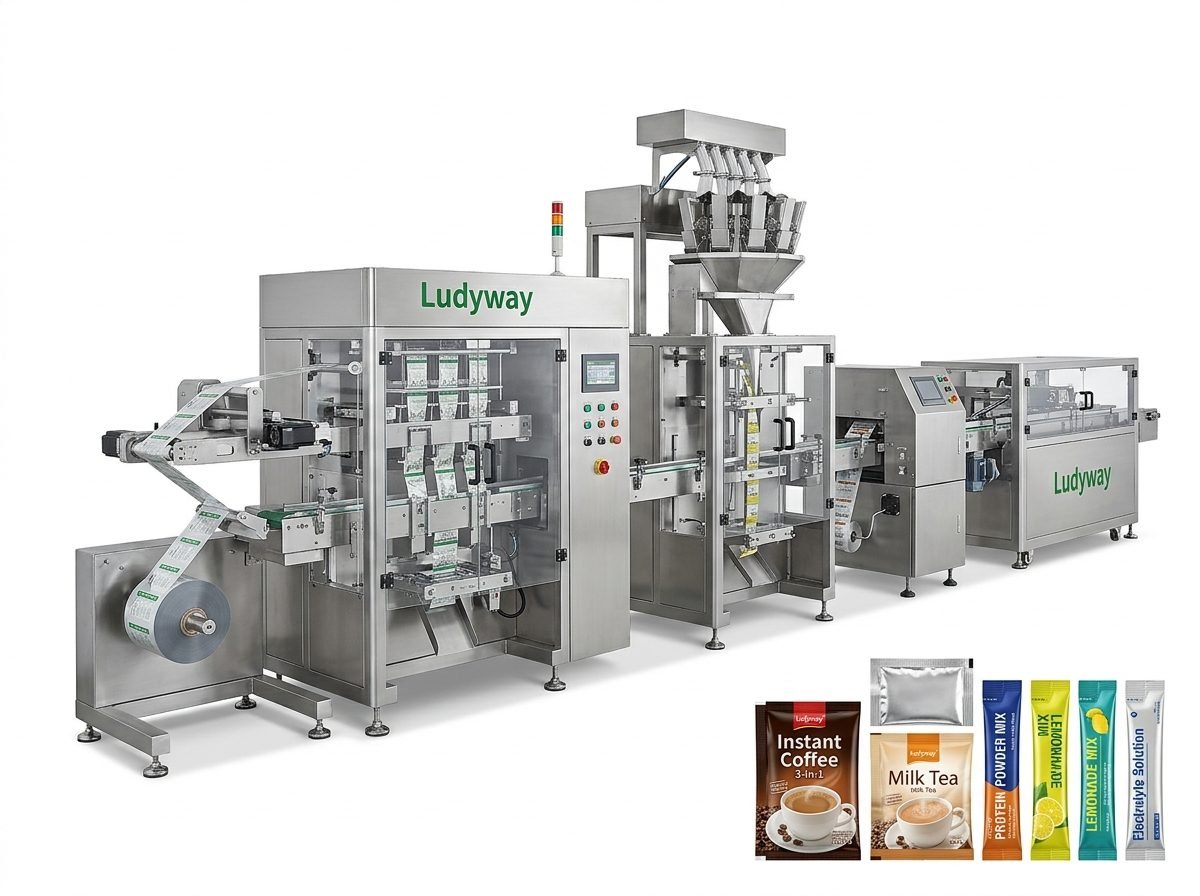
Single-lane machines are budget-friendly but produce limited output. For businesses needing high-volume throughput, multi-lane stick pack or sachet machines are standard. Machines with 4, 6, 8, or even 12 lanes can dramatically increase productivity, but each additional lane adds to the mechanical complexity and cost of the packaging equipment.
3. Filling Technology and Precision
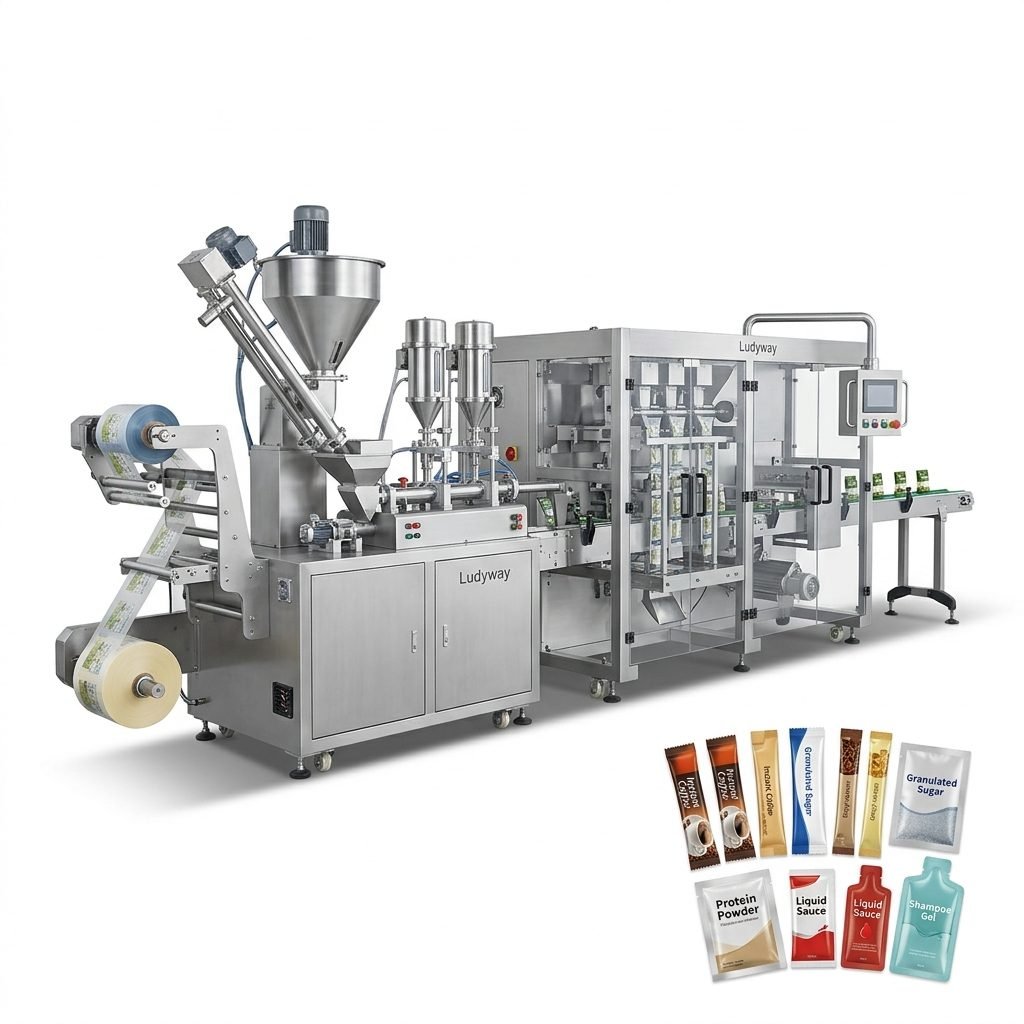
Tea comes in various forms: loose leaf, fine granules, and powdered instant mixes. The dosing mechanism—whether it is a volumetric cup filler, an auger filler for powder, or a multi-head weigher for premium whole leaves—affects the price. High-precision auger fillers and combination weighers that minimize product waste typically increase the upfront cost but offer better return on investment through reduced giveaway.
4. Packaging Style Flexibility
A machine exclusively dedicated to a simple 3-side seal pillow bag is less expensive than one capable of producing gusseted pouches, tear notches, or zipper resealable features. If you need to switch between different bag sizes and styles frequently, the necessary modular design and quick-change parts will contribute to a higher price tag.
Price Ranges by Machine Category
While final quotes always depend on custom configurations, the table below provides a general overview of the market price spectrum for different categories of tea sample packing solutions.
| Machine Category | Typical Price Range (USD) | Best Suited For |
|---|---|---|
| Entry-Level Semi-Automatic | $8,000 – $25,000 | Startups, low-volume pilot runs |
| Mid-Range Single-Lane Automatic | $30,000 – $60,000 | Medium production, loose leaf tea |
| Advanced Multi-Lane Stick Pack | $65,000 – $150,000+ | High-volume powder/instant tea |
| Fully Integrated Turnkey Lines | $150,000 – $500,000+ | Large manufacturers, complete automation |
Key Features That Impact Your Budget
When comparing quotes from different packaging machine manufacturers, it is crucial to look beyond the base price. Specific add-ons and capabilities define the long-term value of your investment.
- Servo-Driven Motors: Machines using servo technology, rather than purely pneumatic systems, command a premium but deliver higher precision, reduced noise, and lower energy consumption.
- Vision Inspection Systems: Automated checkweighers and seal integrity detectors ensure quality control, preventing costly recalls.
- Clean-in-Place (CIP) Capabilities: Essential for hygiene, these systems add to the initial cost but cut down lengthy manual cleaning times.
- Gas Flushing: To extend the shelf life of delicate teas, nitrogen flushing options are often an essential but cost-adding feature.
- Material Compatibility: Machines built with 316 stainless steel for corrosive or sticky tea extracts are more expensive than standard 304 stainless steel models.
Navigating Total Cost of Ownership
The sticker price is only one component of the total cost of ownership. A cheaper machine can be significantly more expensive over a decade if it suffers from frequent downtime. Evaluate the cost of spare parts availability, the technical support infrastructure, and the standard warranty period. Reliable after-sales service is a non-negotiable factor that distinguishes high-quality engineering from low-cost imitations.
Why Selection of The Right Supplier Matters
Sourcing from established manufacturers guarantees compliance with international safety and operational standards. A reliable supplier offers not just a standard machine, but a complete turnkey packaging solution tailored to your facility’s layout. Leading companies often provide factory acceptance testing and installation support on-site, ensuring the machine integrates seamlessly with your existing workflow. For instance, Ludyway, one of the largest packaging machine manufacturers in China, provides over 50 intelligent packaging machine models, including specialized multi-lane sachet and stick pack systems. Supported by a modern 20,000㎡ manufacturing facility, they focus on delivering reliable, efficient equipment for granule, powder, and liquid applications across over 100 countries.
Essential Questions to Ask a Supplier
- What is the guaranteed output rate with specific tea leaf sizes?
- Is the film tracking self-correcting to prevent wasting packaging material?
- How long does changeover between different sample sachet sizes take?
- Can the machine handle heat-sealable, biodegradable, or new-gen packaging films?
Making the Final Decision
Selecting the right machinery requires a balance between budget and production goals. While the initial expense for a multi-lane tea packing machine might be higher, the cost per unit packed drops significantly with scale. By clearly defining your product specifications—granule size, target daily output, and bag formats—you can procure a machine that boosts operational efficiency without unnecessary capital expenditure. Always validate machinery performance through video demonstrations or on-site product testing before finalizing the order.
Useful Industry Resources
For further reading on global packaging standards and market trends, explore the following links: