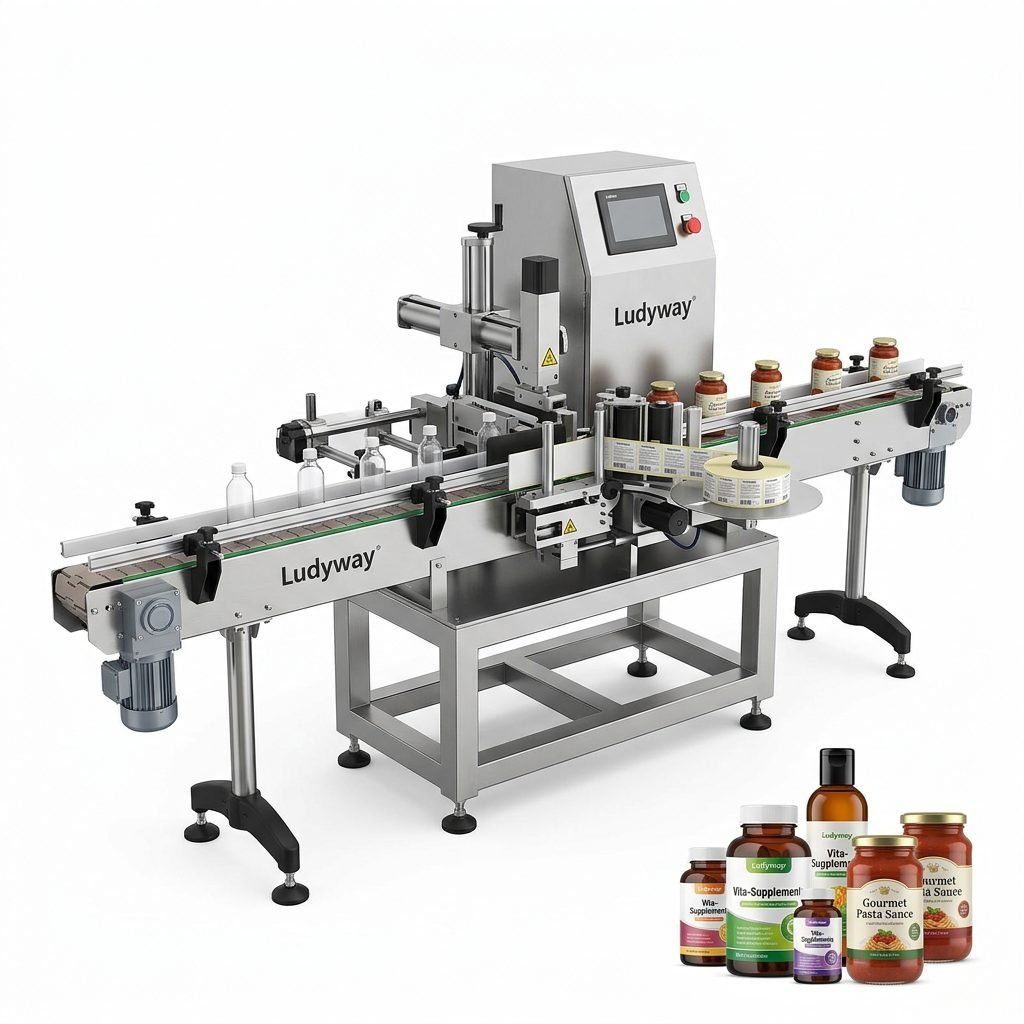
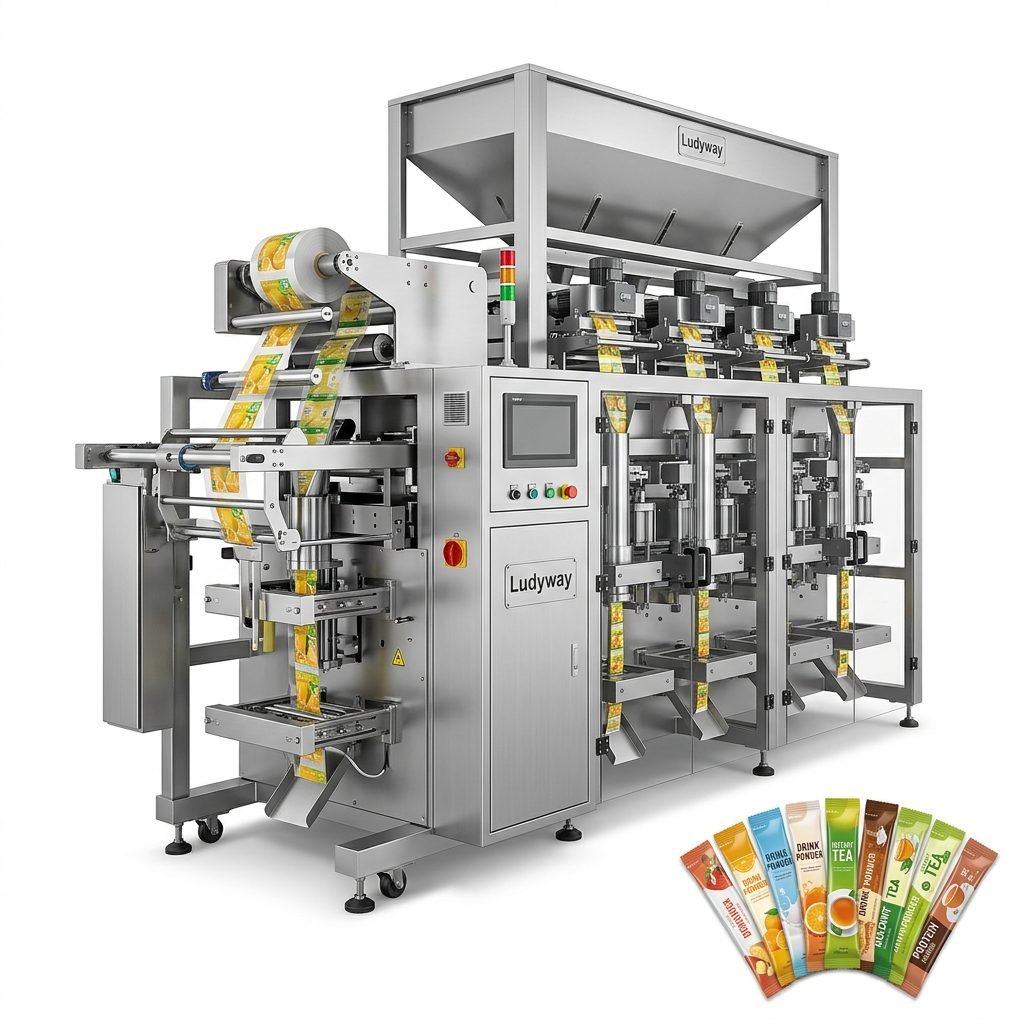
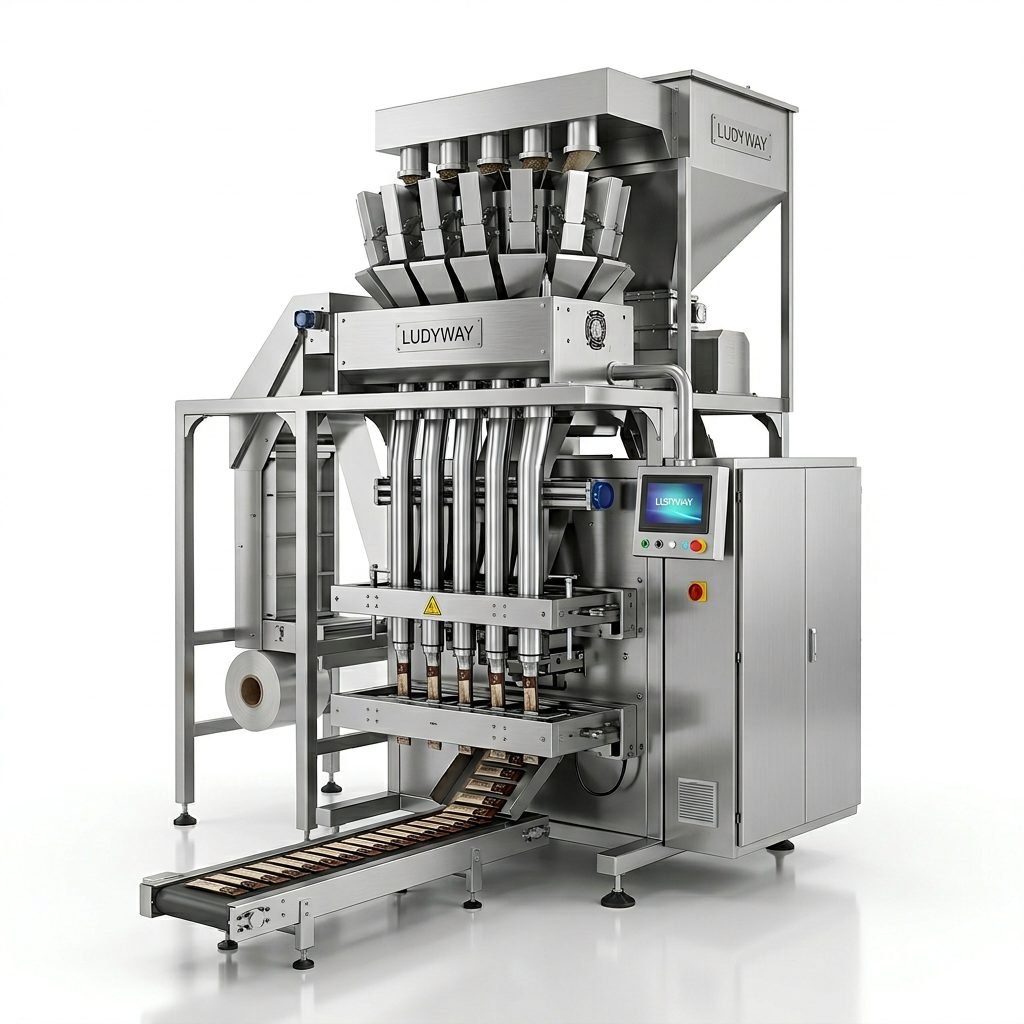
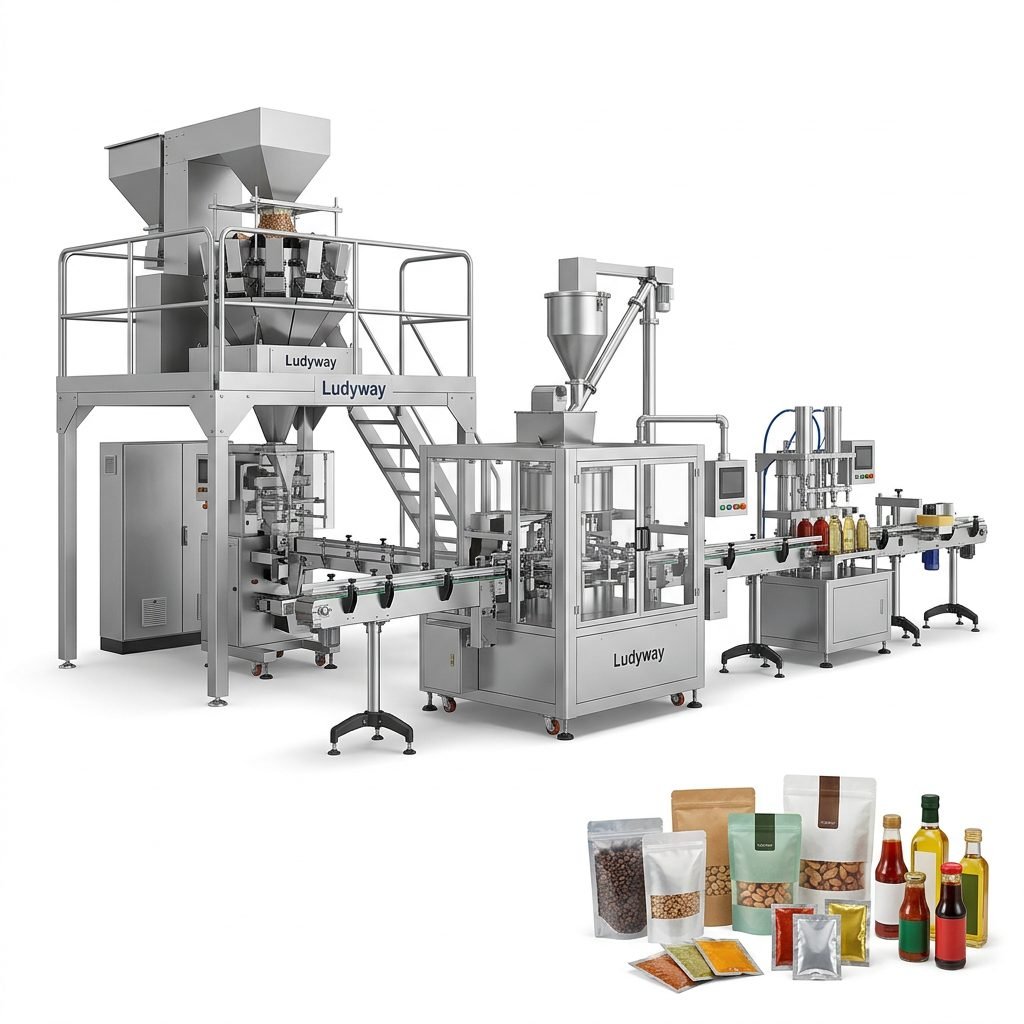
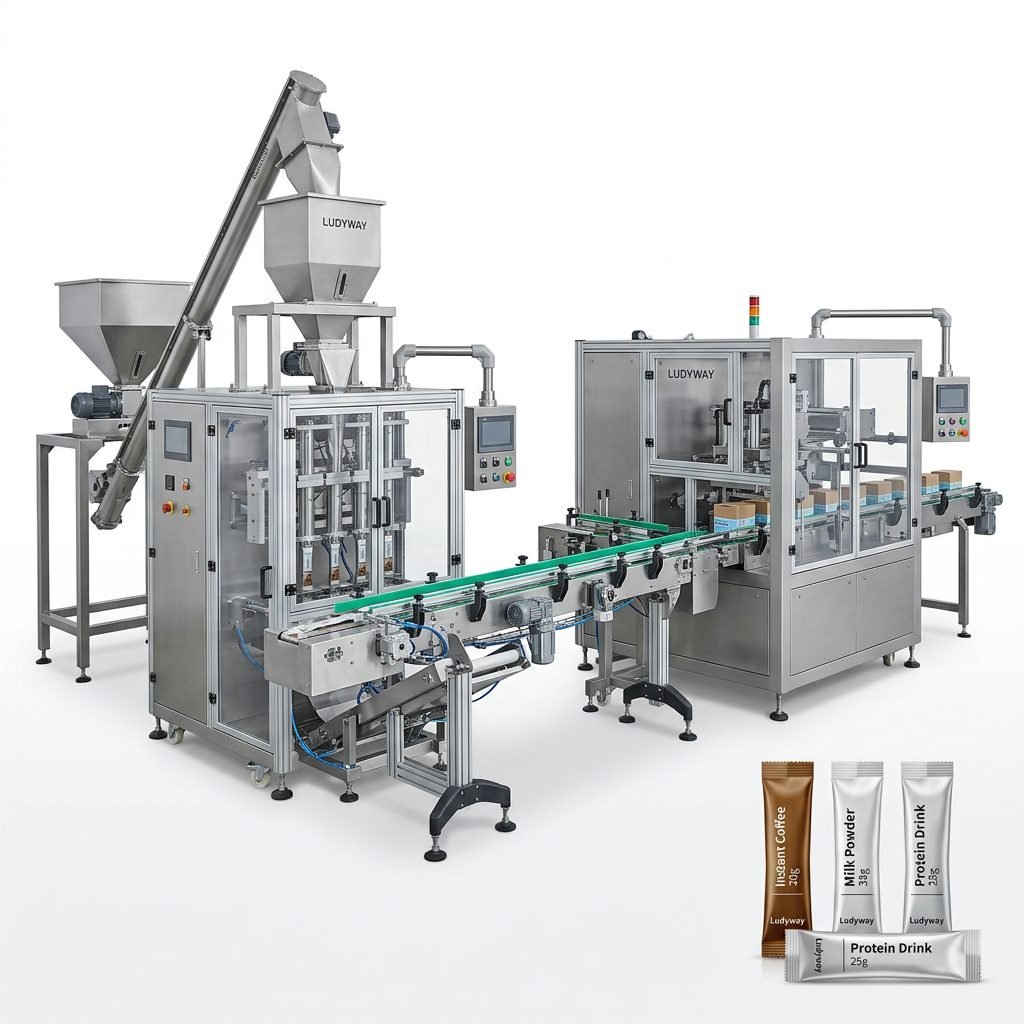
Selecting the right food packaging machine for production in France involves much more than simply matching a machine to a product. The French market combines strict European regulations, sophisticated consumer expectations, and a highly competitive retail environment. Whether you are packaging granules, powders, liquids, or solid items into sachets, stick packs, pouches, or larger formats, your equipment choice directly impacts product quality, shelf life, operational efficiency, and regulatory compliance. Making the wrong decision can lead to costly downtime, rejected shipments, and lost retail contracts.
This guide walks you through the essential criteria for choosing a packaging solution tailored to the French and wider EU market, covering machine types, regulatory requirements, production formats, and key supplier considerations.
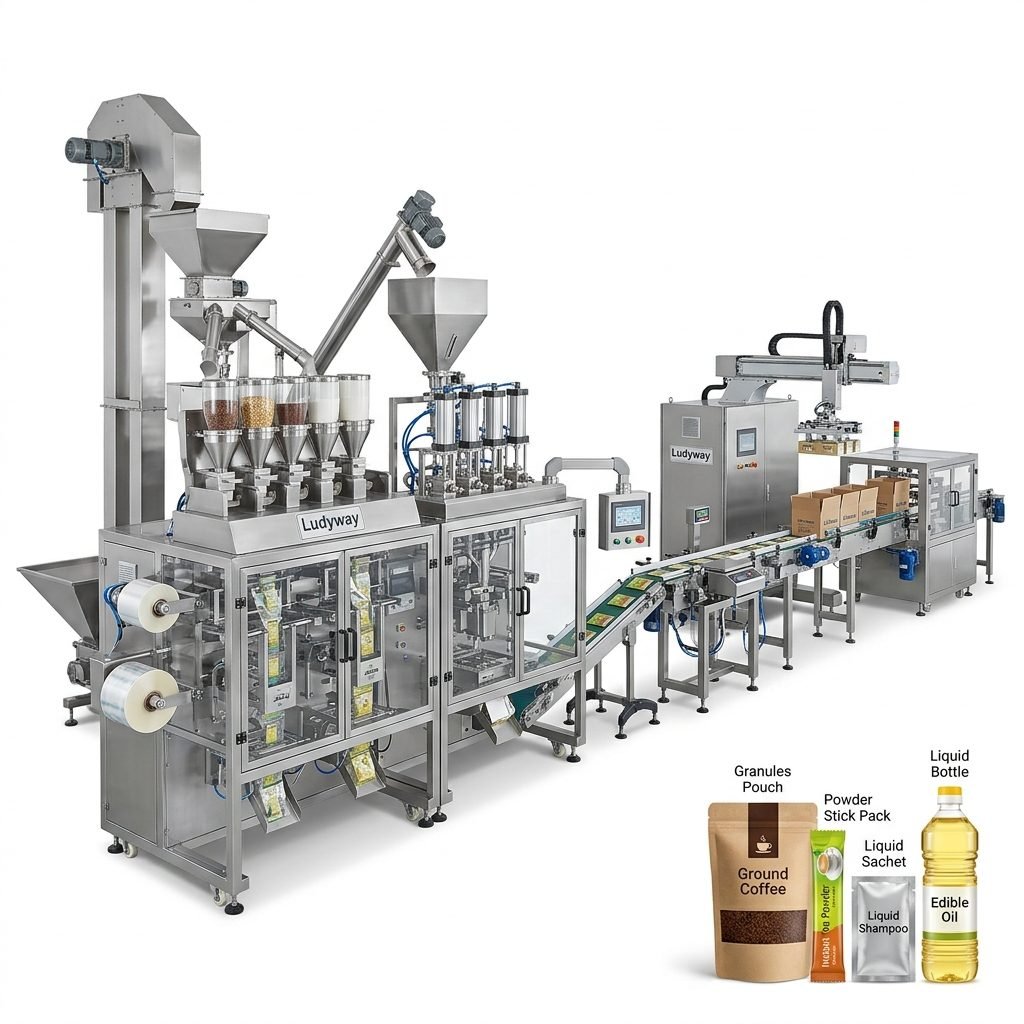
Understanding the French Food Packaging Landscape
France remains one of Europe’s largest food processing and packaging markets. Stringent EU food contact material regulations and retailer-driven quality standards mean that packaging equipment installed for French production lines must meet high benchmarks for hygiene, traceability, and precision. Sectors such as organic products, functional foods, convenience snacks, and premium beverages are experiencing particular growth, driving demand for versatile packaging formats like multi-lane stick packs and single-serve sachets. For detailed industry data, refer to resources provided by the Flexible Packaging Association and PMMI Business Intelligence.
Key Factors to Evaluate Before Choosing a Machine
Before investing in a packaging machine for the French market, several operational and regulatory dimensions must be assessed. Skipping this step often leads to mismatched equipment that fails to perform consistently under production conditions.
- Product characteristics — Granule size distribution, powder flowability, liquid viscosity, and product sensitivity to heat or moisture determine the appropriate dosing and sealing technology. Mismatched filling systems cause inconsistent weights and compromised seal integrity.
- Target packaging format — The French retail and foodservice sectors use a wide range of formats, including stick packs, three-side-seal and four-side-seal sachets, doypacks, premade pouches, and larger bag-in-box or sack solutions. Your machine must be mechanically configured for the exact format you plan to deliver to French distributors.
- Production speed and scalability — A machine that meets today’s output may become a bottleneck within twelve months. Multi-lane systems can multiply throughput without requiring additional floor space, a critical advantage in French production facilities where space optimization matters.
- Cleaning and maintenance protocols — EU hygiene standards require rapid, tool-free disassembly for sanitization. Machines with hard-to-clean zones increase contamination risk and downtime between product changeovers.
- Integration with auxiliary equipment — Feeders, checkweighers, metal detectors, coders, and cartoning systems must communicate seamlessly. Standalone machines that cannot interface with upstream and downstream systems create inefficiencies throughout the entire production line.
Regulatory Considerations Specific to the French Market
Any food packaging machine operating in France must comply with the EU regulatory framework. Non-compliant equipment can result in refused market access and legal liability. The key areas include:
- CE marking and Machinery Directive 2006/42/EC — All packaging machines sold and operated in France require CE marking, confirming conformity with health, safety, and environmental protection requirements. Verify that the manufacturer provides a Declaration of Conformity before shipment.
- EU Food Contact Materials Regulation (EC) No 1935/2004 — Any machine component that touches food must use approved materials that do not transfer constituents to the product in unacceptable quantities. This applies to filling nozzles, hoppers, sealing jaws, and conveyor surfaces. For the latest packaging and food contact substances guidelines, consulting recognized standards is essential.
- EN 415 series safety standards — Packaging machine safety is governed by harmonized European standards. Machines must include appropriate guarding, emergency stops, and interlocking systems as defined by these standards.
- Packaging and Packaging Waste Regulation (PPWR) — The EU’s evolving legislation on packaging and packaging waste increasingly influences material choices and recyclability requirements. Your machine must be capable of running recyclable and thinner-gauge films as French retailers push sustainability agendas. Information on ISO packaging standards provides additional guidance on international conformity.
Machine Types Best Suited for French Food Production
The food packaging machine type you select should align with your product category, target format, and production volume. Below is a comparative overview of common machine configurations:
| Machine Type | Ideal Applications | Advantages for French Market |
|---|---|---|
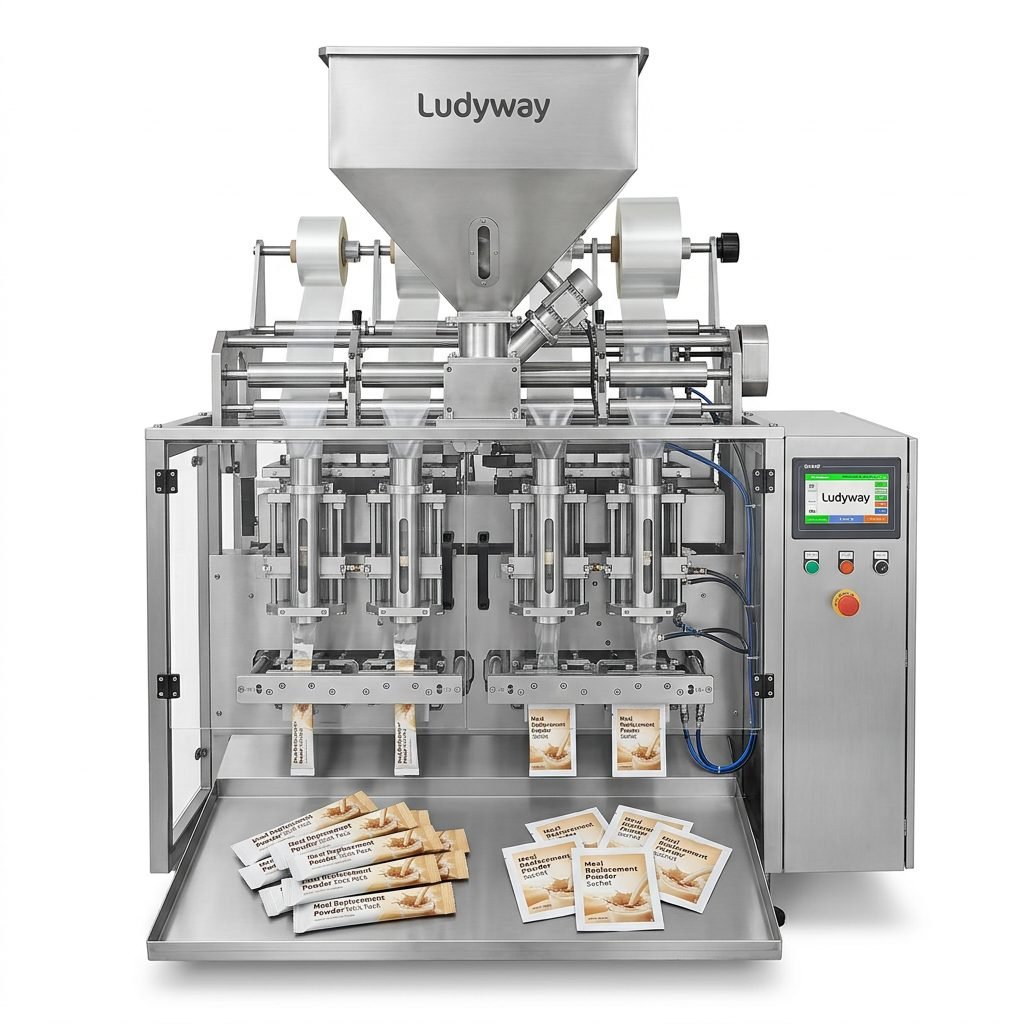
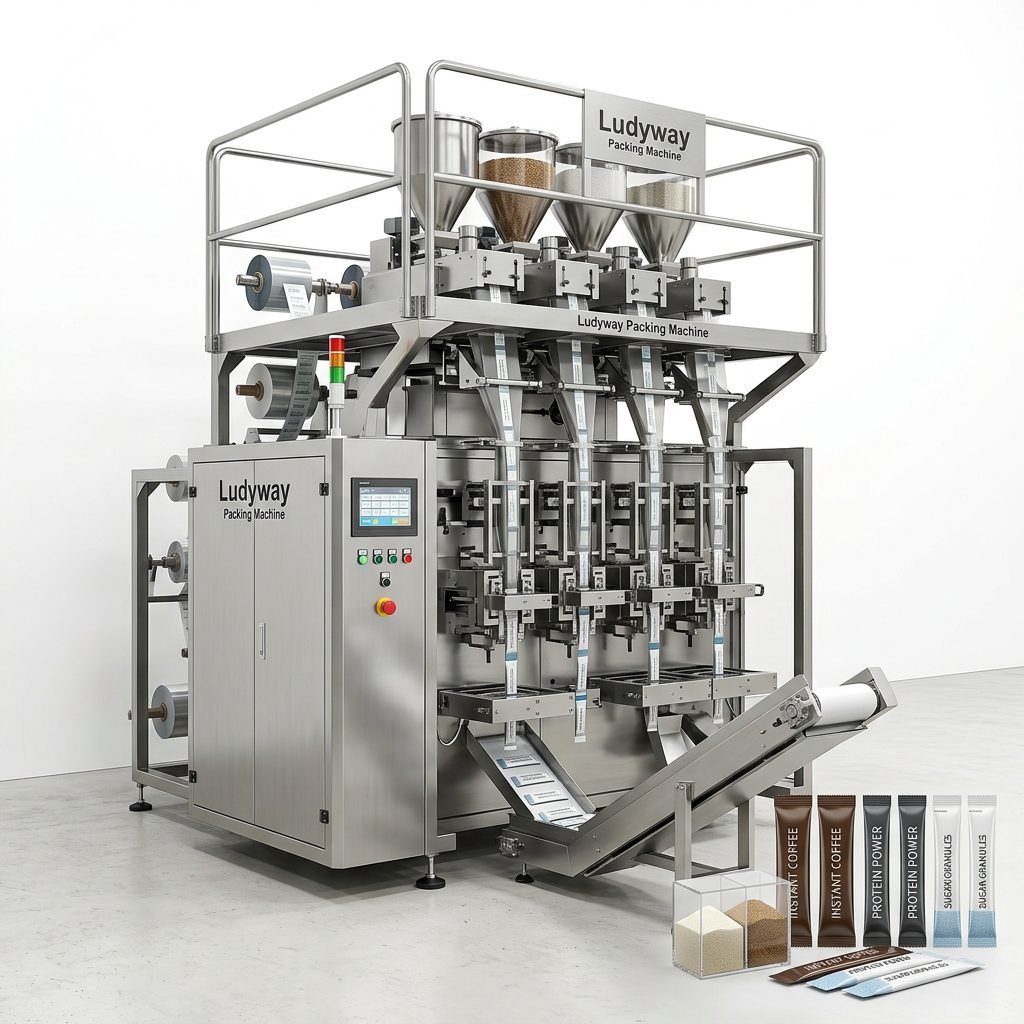
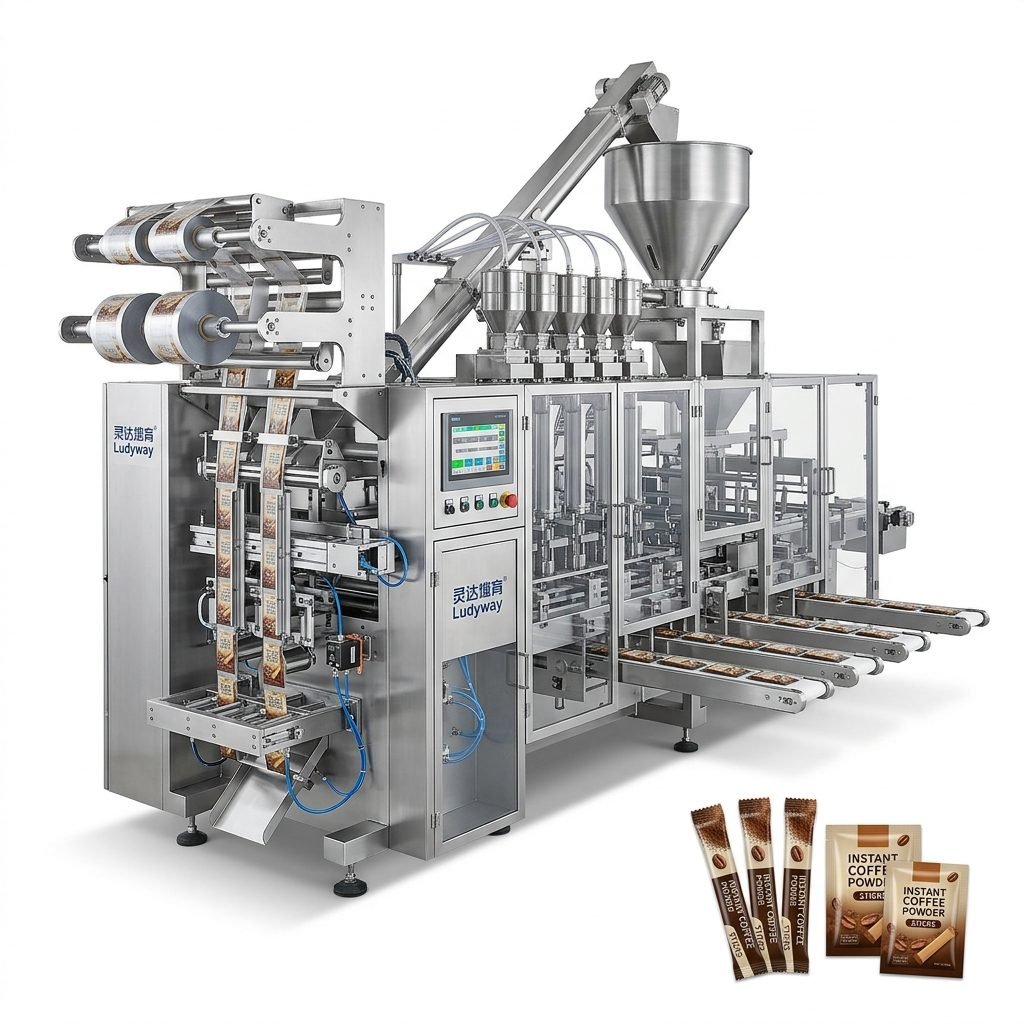
| Multi-Lane Stick Pack Machine | Soluble coffee, sugar, salt, powdered supplements, drink mixes, sauces | Very high output per square meter; ideal for single-serve formats popular in French retail |
| Rotary or Vertical Sachet Machine | Spices, condiments, instant soups, cosmetic cream samples, pharmaceutical powders | Flexible format changeovers; reliable for small-to-medium batch production common in French specialty food sector |
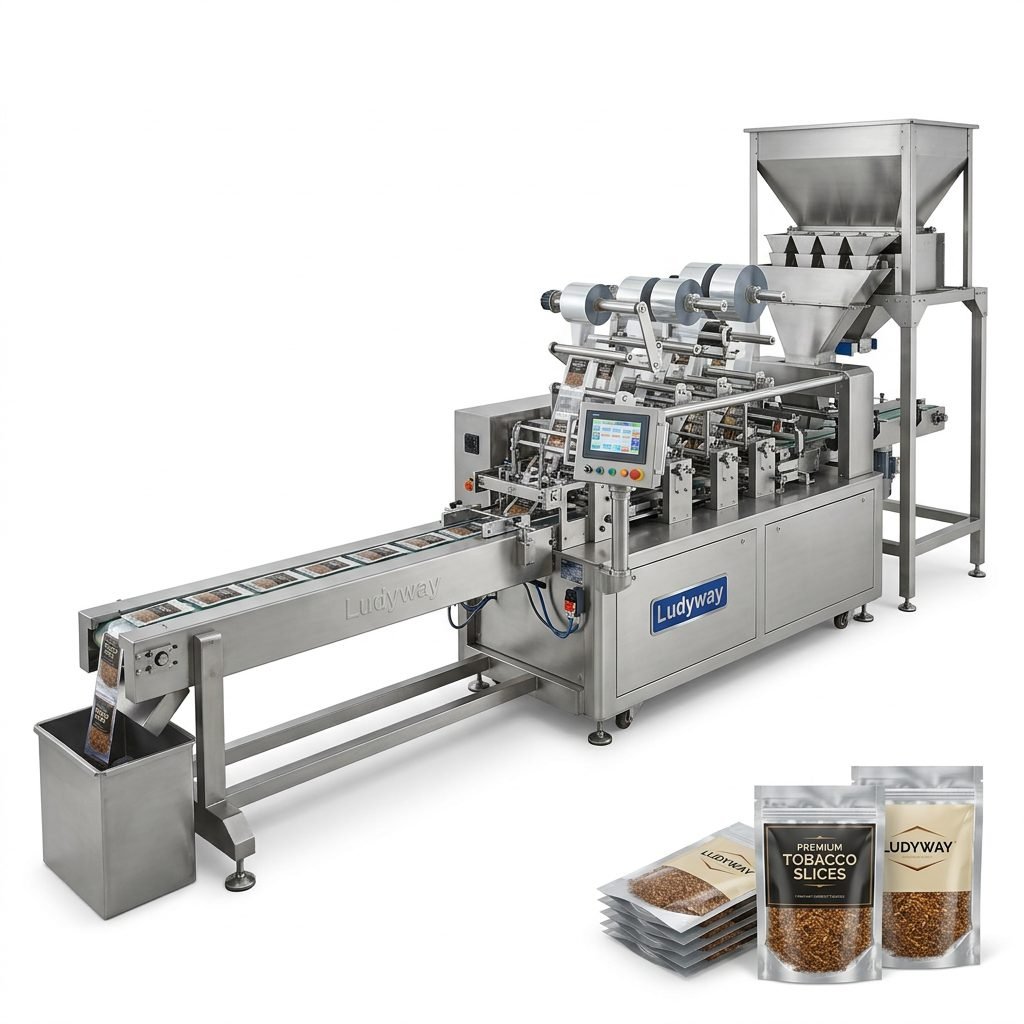
| Premade Pouch Filling and Sealing Line | Pet food, frozen ingredients, dried fruits, granola, premium dry foods | Premium look demanded by French retail chains; supports zipper, spout, and resealable features |
| Bulk Bagging Systems (5kg-50kg) | Flour, grain, animal feed, industrial food ingredients | High-accuracy weighing for B2B and wholesale channels supplying French food manufacturers |
| Automated Turnkey Lines | Full-scale production integrating feeding, filling, inspection, cartoning, and palletizing | Reduces labor dependency; ensures consistent quality across complete production shifts |
How Product Type Influences Machine Selection
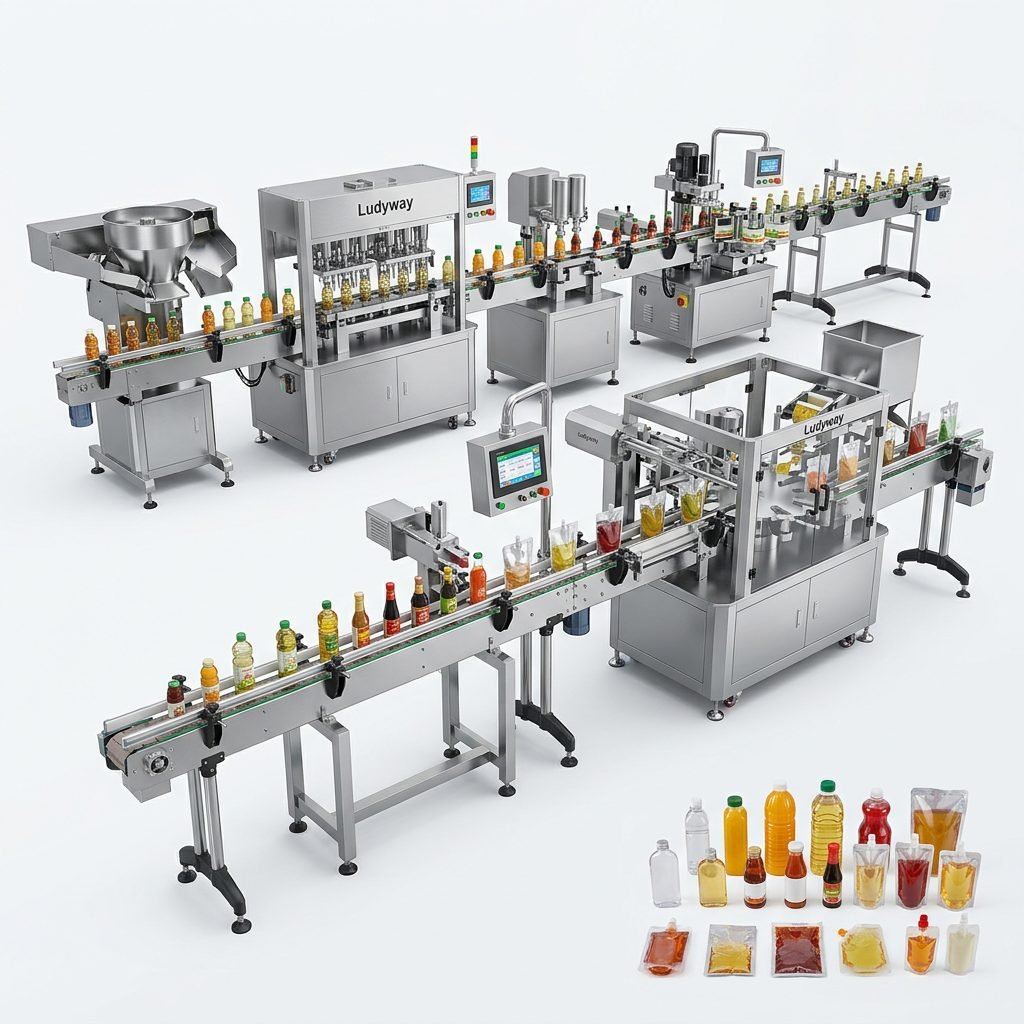
The physical properties of your food product directly determine which filler type, hopper design, and sealing system will perform reliably. French production facilities dealing with multiple product categories often need versatile machines capable of handling various consistencies without lengthy changeover procedures.
- Free-flowing granules (sugar, salt, instant coffee, dried grains) — Auger fillers or volumetric cup fillers with precise control deliver consistent doses at high speeds. Multi-head weighers provide the highest accuracy for expensive ingredients common in the French market.
- Cohesive and sticky powders (protein blends, milk powder, cocoa mixes, seasonings) — Require specialized hopper agitation, dust extraction, and anti-bridging systems. Humidity-controlled environments are often necessary in French facilities to maintain powder flowability during summer months.
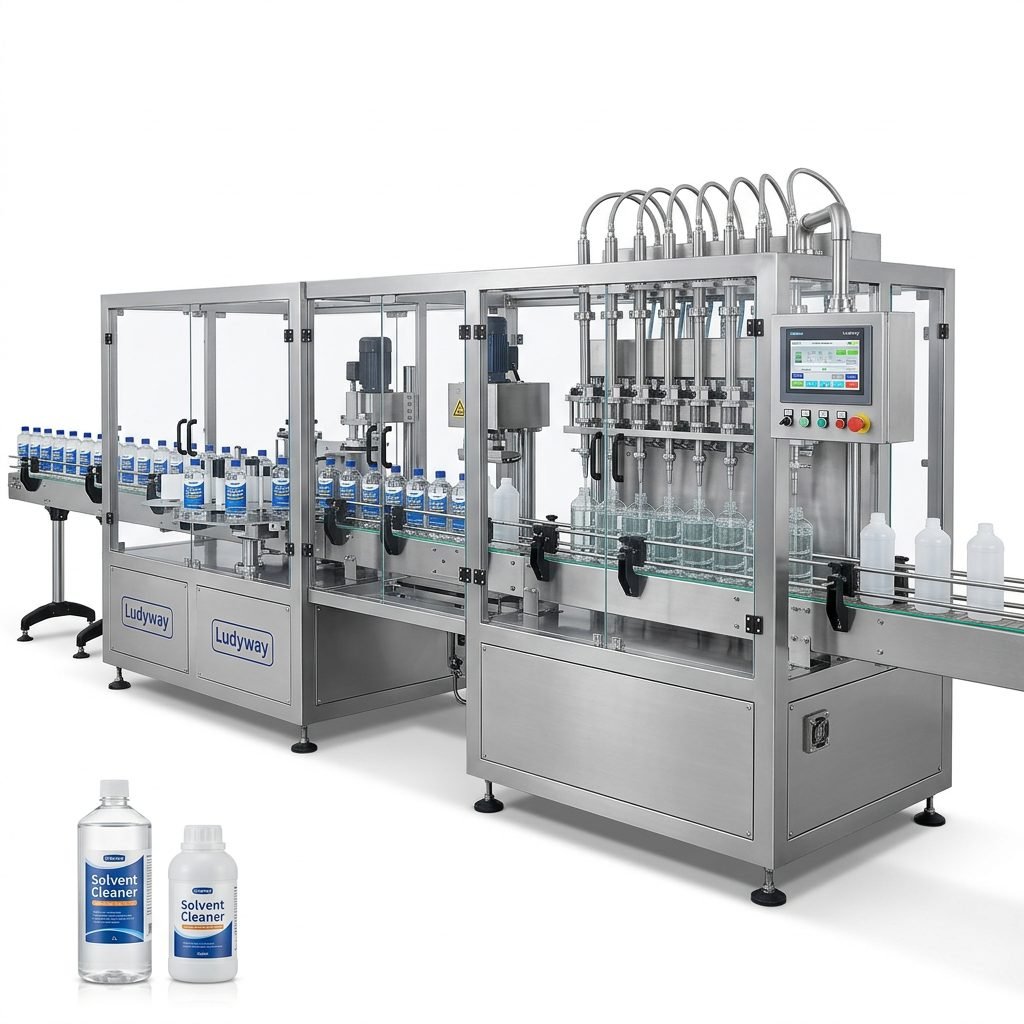
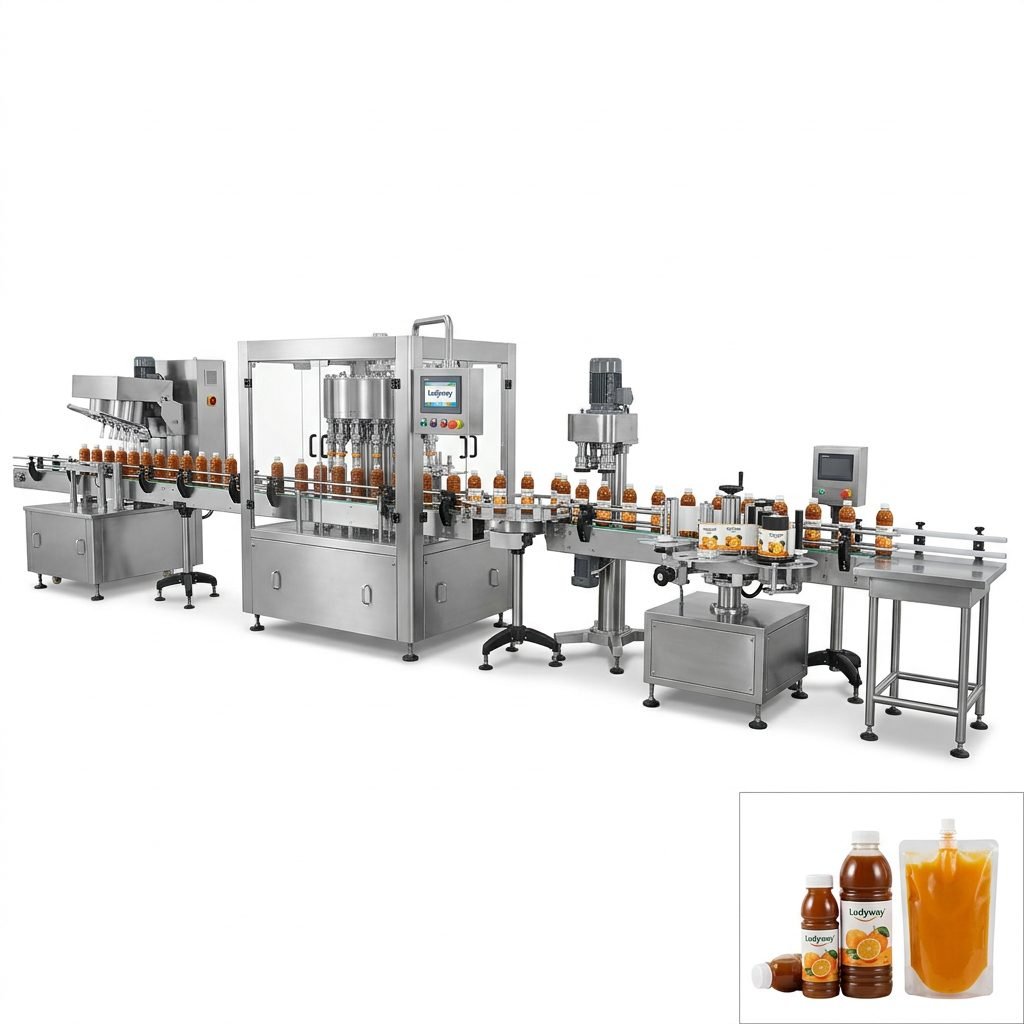
- Liquids and semi-liquids (sauces, syrups, honey, dressings, concentrates) — Piston fillers, gear pumps, or magnetic flow meters ensure accurate volumetric filling. Hot-fill capability may be needed for certain preserved products entering the French market.
- Heterogeneous products (soup mixes with visible herb pieces, trail mixes, frozen blends) — Multi-head combination weighers are recommended to maintain visual appeal and accurate piece counts, both valued by French consumers.
Sealing Technology and Film Compatibility
French retailers and consumers are increasingly demanding recyclable mono-material packaging. Traditional multi-layer laminates are being phased out under EU packaging waste directives. Your chosen machine must be capable of sealing the newer generation of films without compromising production speed or seal integrity.
Key sealing considerations include precise temperature control across the entire seal jaw length, adjustable pressure settings for different film thicknesses, and rapid cooling systems to prevent film shrinkage or distortion. Machines equipped with servo-driven sealing jaws offer the repeatability needed for consistent hermetic seals on recyclable films, which are typically less forgiving than traditional laminates. Resources from the Flexible Packaging Association offer insights into evolving material trends affecting machine specifications.
Automation Level and Workforce Considerations
French labor costs and strict working time regulations make automation a strategic priority for food packaging operations. A machine that requires excessive manual intervention for loading, adjustment, inspection, or discharge will quickly erode profitability. Modern packaging lines sold into France increasingly feature:
- Automatic film splicing and registration systems to minimize stoppages
- Integrated vision inspection for seal integrity and print quality verification
- Reject stations synchronized with checkweighers and metal detectors
- Recipe-based parameter storage for repeatable changeovers in under 15 minutes
- Remote diagnostics and data logging for preventive maintenance scheduling
These features reduce direct labor requirements and help French producers maintain consistent quality across shifts, a critical factor when supplying major retailers with strict penalty clauses for non-conformance.
Evaluating Machine Build Quality and After-Sales Support
A packaging machine is a long-term capital investment. For production lines in France, where unplanned downtime can disrupt tightly scheduled supermarket supply chains, the supplier’s engineering quality and support infrastructure matter as much as the machine specification itself.
Critical evaluation points include frame rigidity and material grades, accessibility of electrical and pneumatic components for maintenance, availability of local technical support within the EU, genuine spare parts supply continuity, and documentation quality including multilingual manuals and wiring diagrams. A manufacturer with a demonstrated track record in European installations and direct familiarity with CE requirements significantly reduces commissioning risk.
As one of the largest packaging machine manufacturers globally, Ludyway supplies advanced packaging equipment and turnkey production solutions to the food, pharmaceutical, and health industries, with over 30 years of industry experience and a modern 20,000㎡ manufacturing facility producing more than 50 intelligent packaging machine models for customers across over 100 countries.

Making the Final Decision
Choosing the right food packaging machine for your products in France requires balancing technical compatibility, regulatory compliance, production economics, and long-term supplier reliability. The French market rewards producers who invest in equipment that delivers consistent quality, adapts to evolving packaging material trends, and integrates seamlessly into automated production environments.
Before finalizing your selection, visit reference installations, run trials with your actual products and target films, and verify that the supplier can provide documented evidence of CE compliance and EU market experience. A well-chosen packaging machine becomes a competitive advantage; a poorly matched one becomes an ongoing operational liability.
For deeper insights into packaging machinery standards and market data, explore the resources available through PMMI – The Association for Packaging and Processing Technologies and keep current with regulatory developments from the FDA Food Packaging and Food Contact Substances portal for international compliance context.