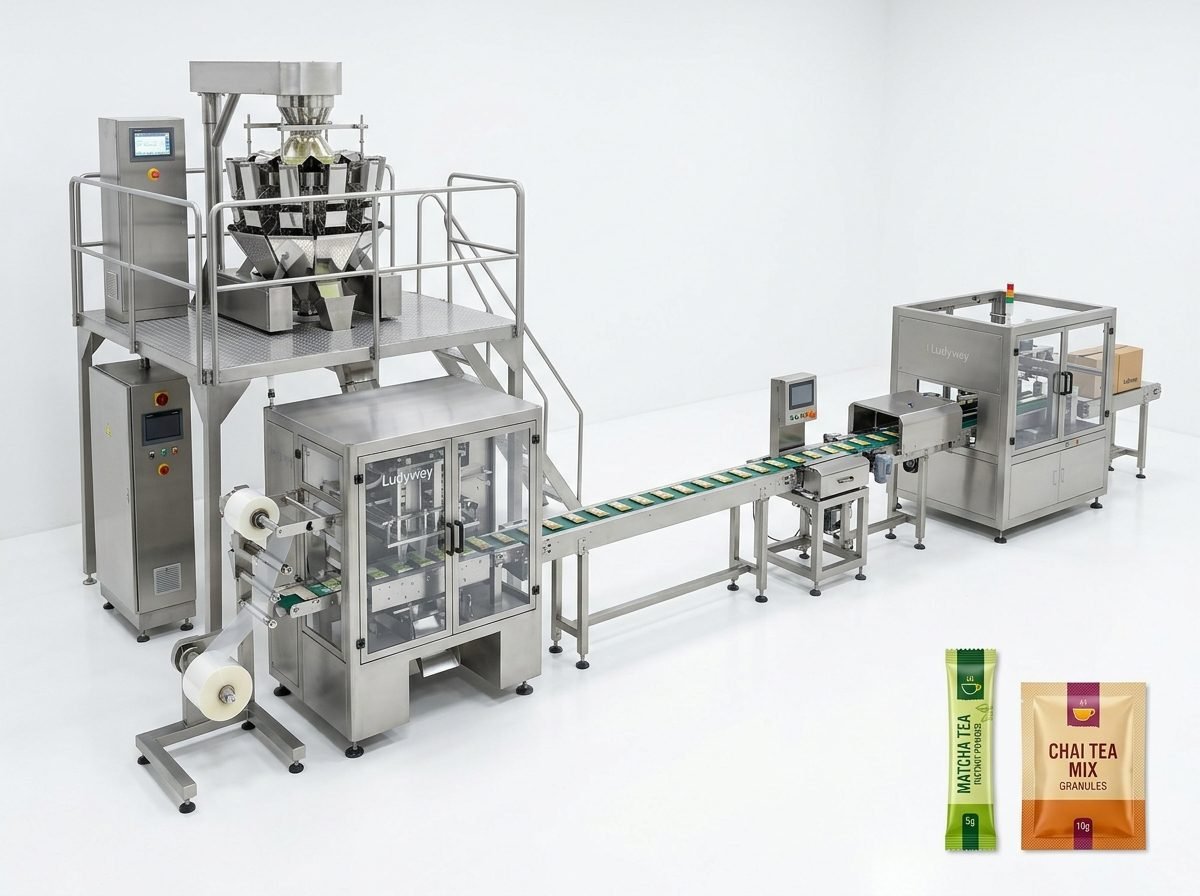
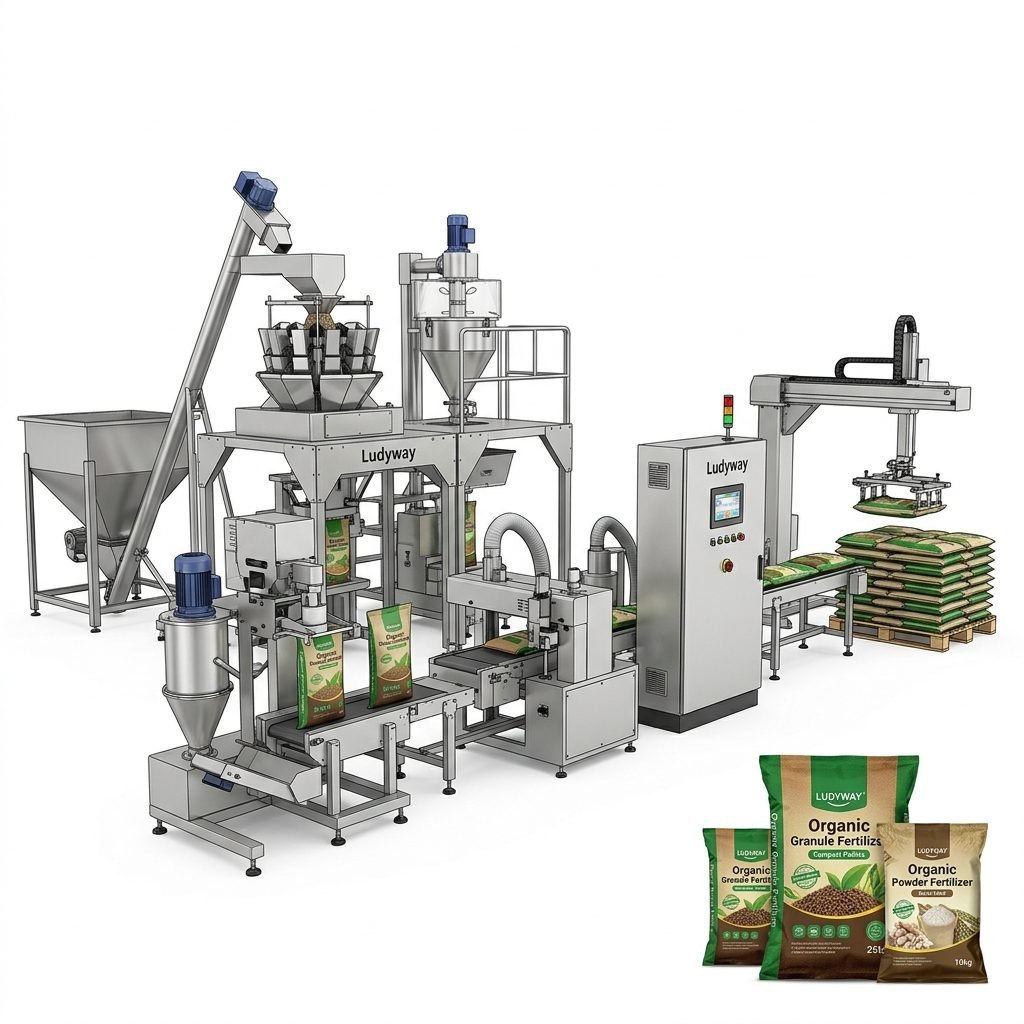
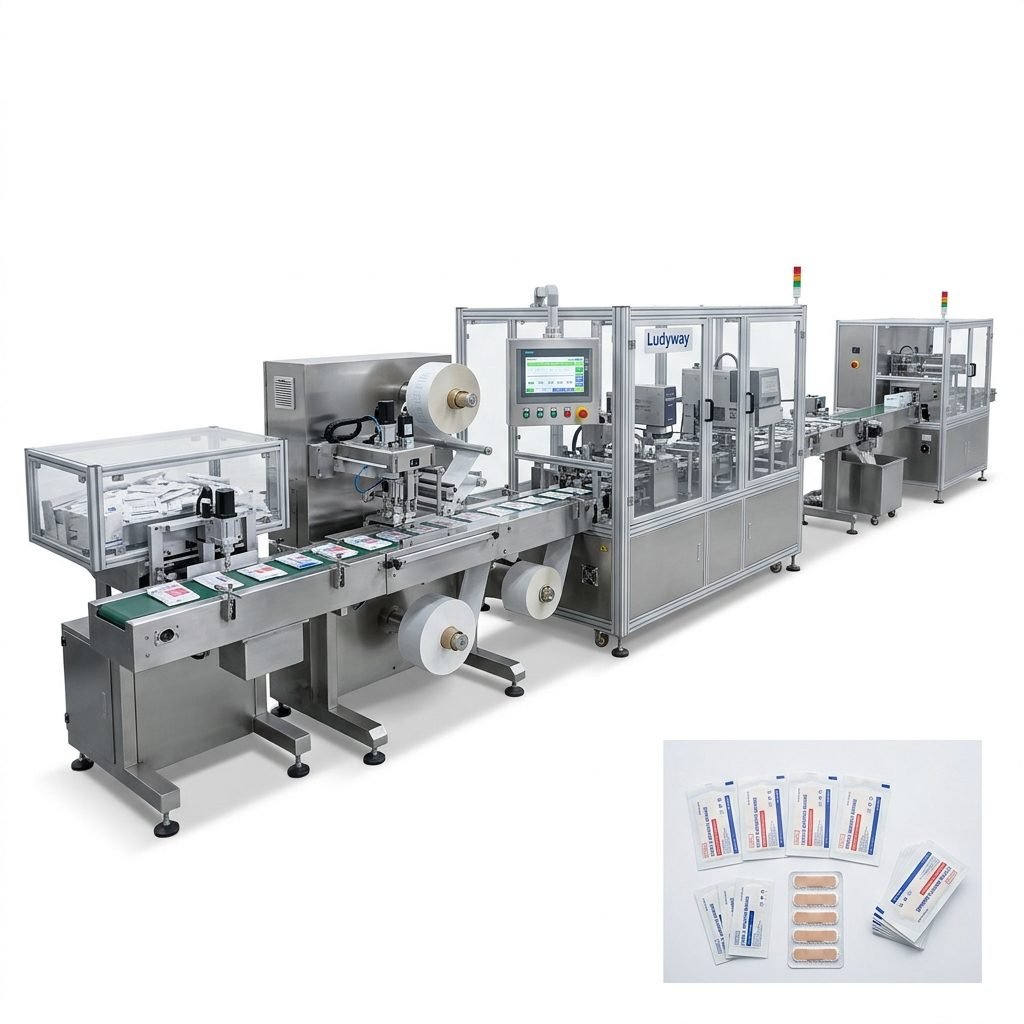
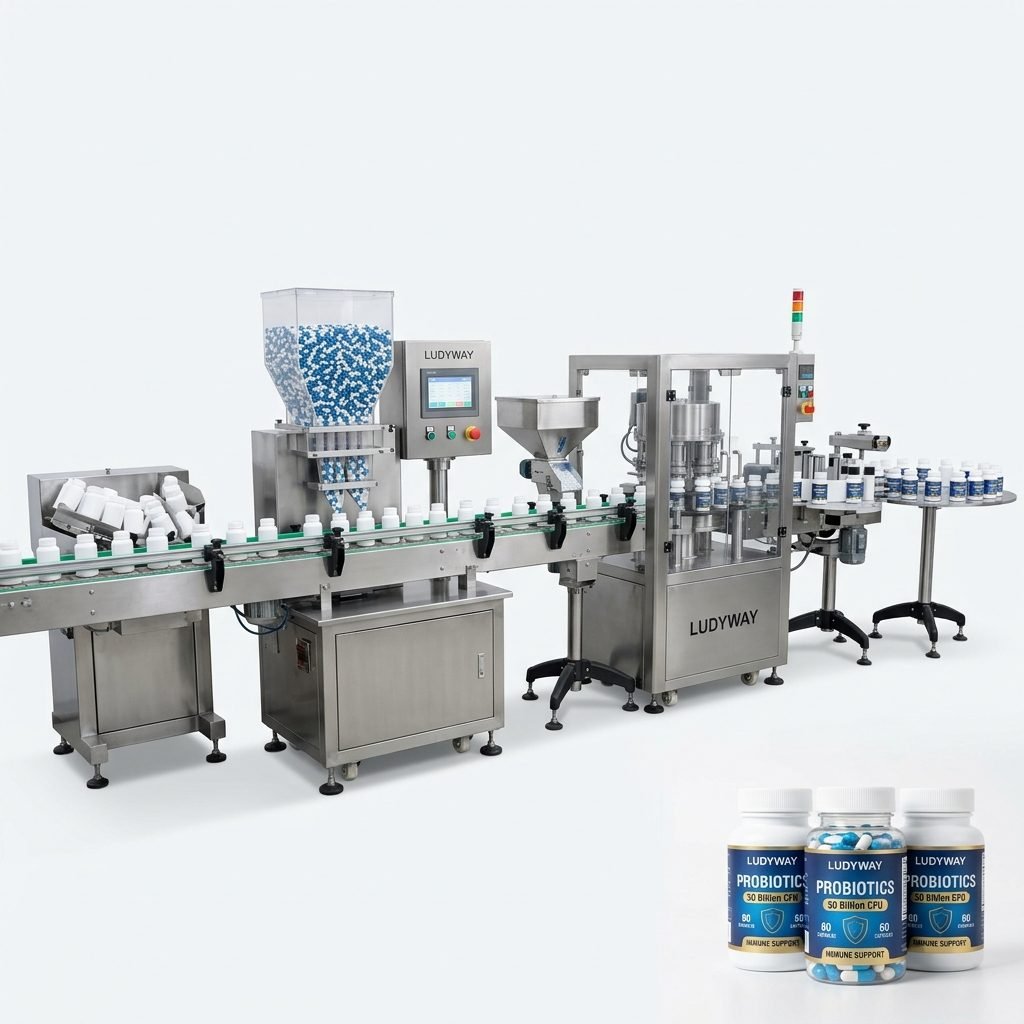
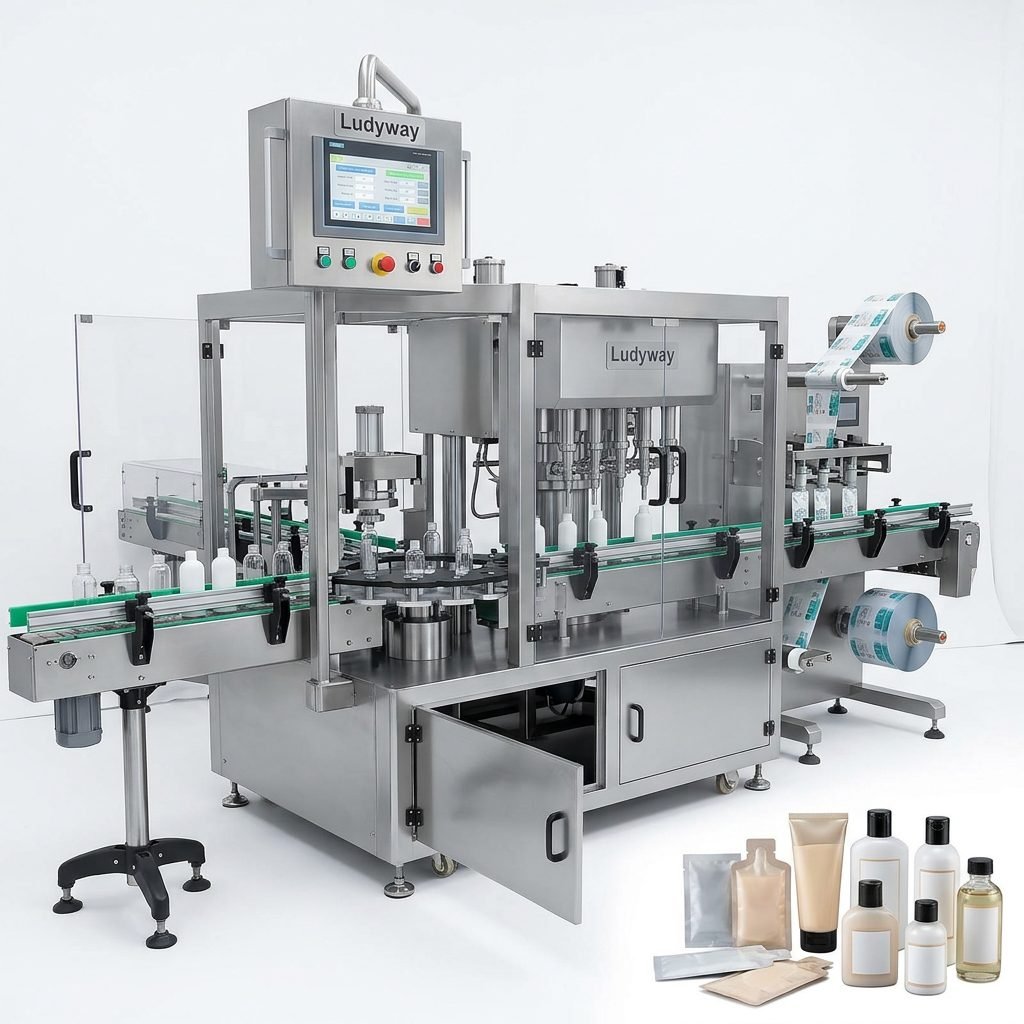
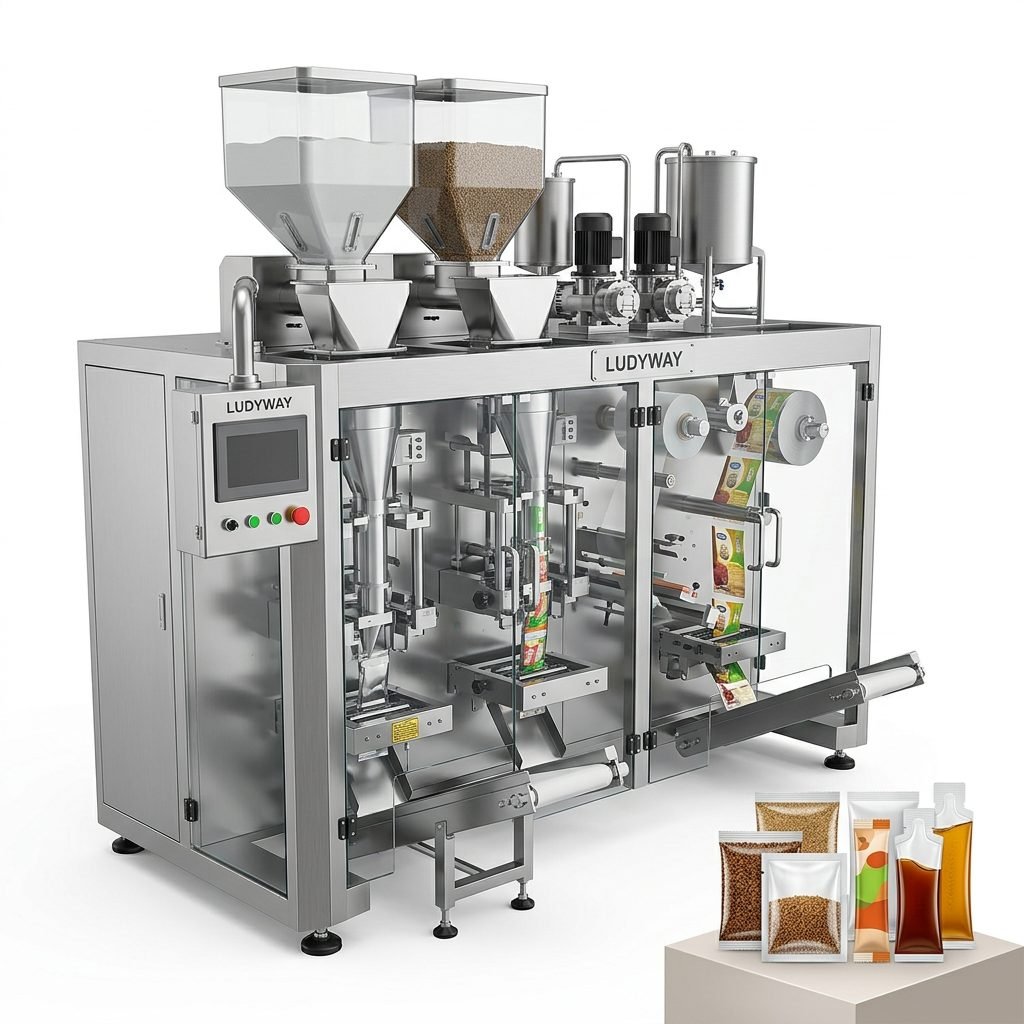
Investing in the right tea and murmura packing machine is a critical decision for any snack or beverage business looking to scale production. Whether you are packaging traditional puffed rice (murmura), flavored snacks, or premium tea blends, understanding the cost breakdown helps you budget effectively and avoid unexpected expenses. This guide provides a comprehensive overview of pricing, key factors that influence cost, and how to choose the best equipment for your needs.
Key Factors That Determine Packaging Machine Pricing
The cost of a tea and murmura packing machine is not one-size-fits-all. Several variables significantly impact the final price. Before requesting a quote, it is essential to understand these core components.
1. Automation Level: Manual vs. Semi-Automatic vs. Fully Automatic
The level of automation is the single biggest cost driver. A manual filling and sealing machine is the most affordable option, suitable for startups with low output. Semi-automatic machines strike a balance, automating the weighing and filling while requiring an operator to place pouches. At the high end, fully automatic multi-lane packaging lines can independently complete bag forming, filling, sealing, and cutting, drastically reducing labor costs and maximizing output for industrial-scale production.
2. Machine Configuration: Multi-Lane vs. Single-Lane
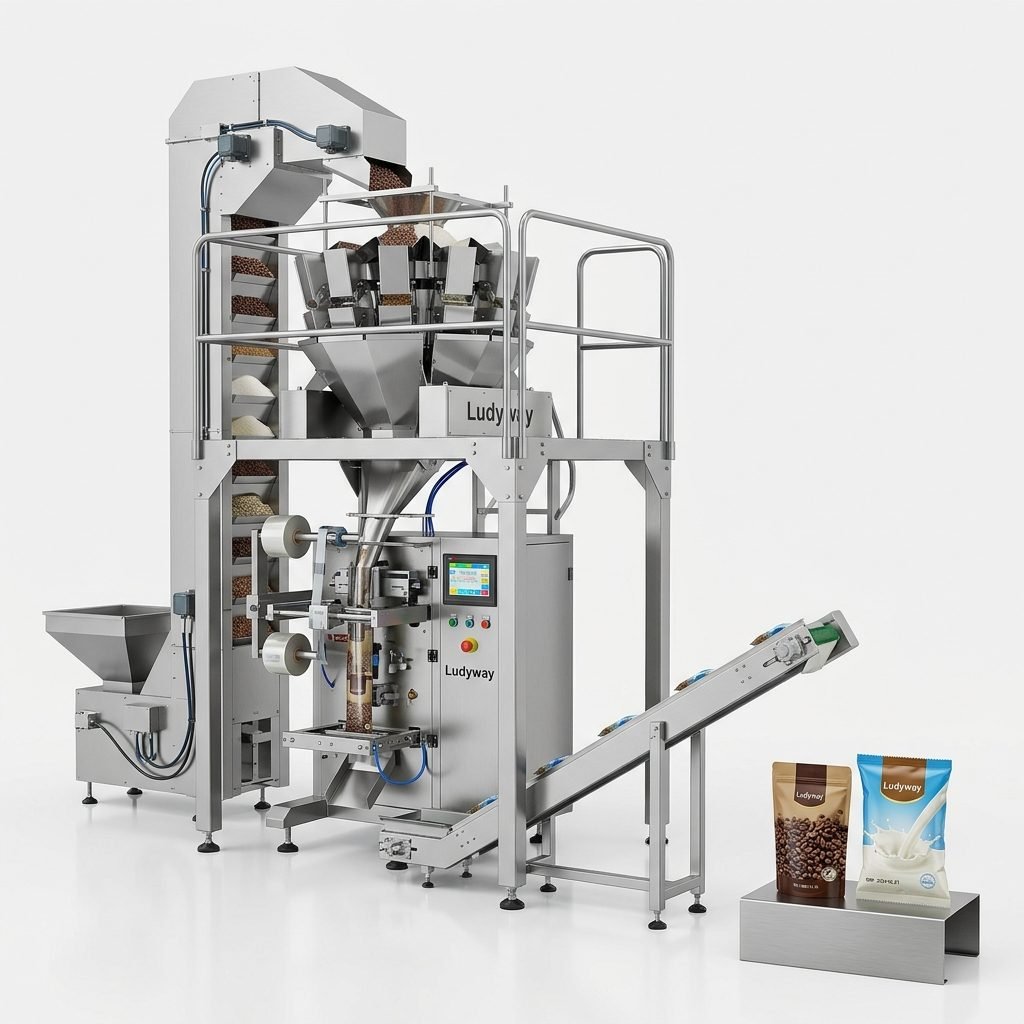
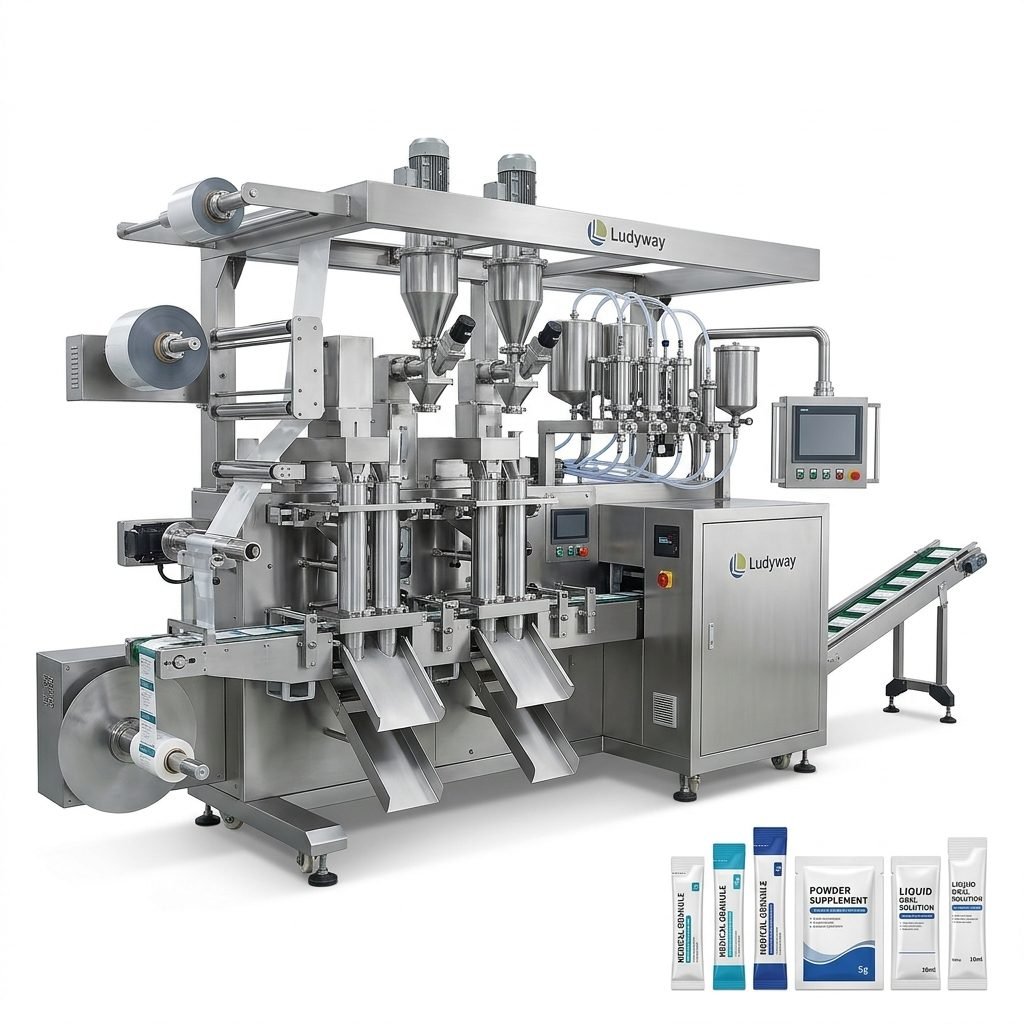
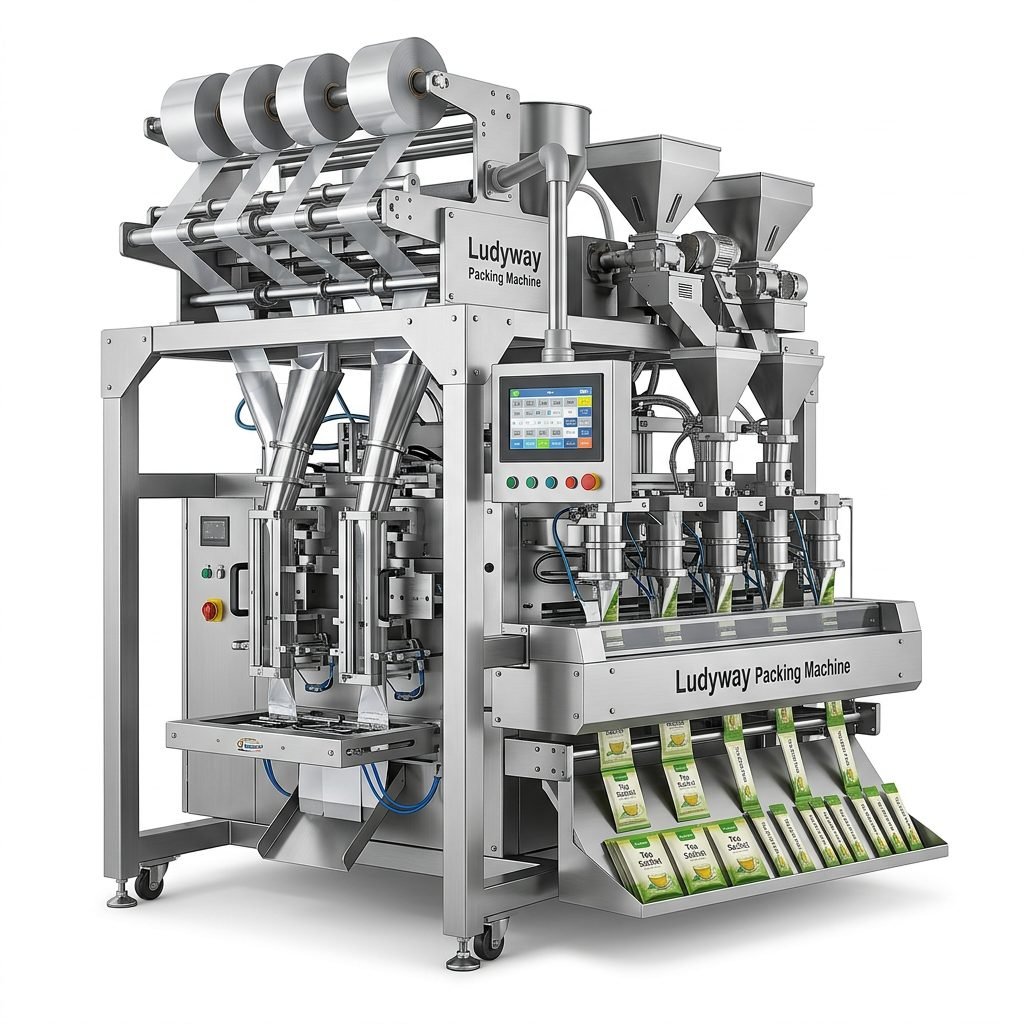
For high-volume murmura and tea packaging, the number of lanes directly correlates with speed and price. A packaging machine manufacturer typically offers configurations ranging from single-lane up to 12 or 16 lanes. A single-lane stick pack machine is cost-effective for niche products, whereas a 4-lane or 8-lane sachet machine multiplies output capacity. The specific bag type—pillow bags, gusseted bags, or stick packs—also influences the mechanical complexity and cost.

3. Weighing and Filling Systems
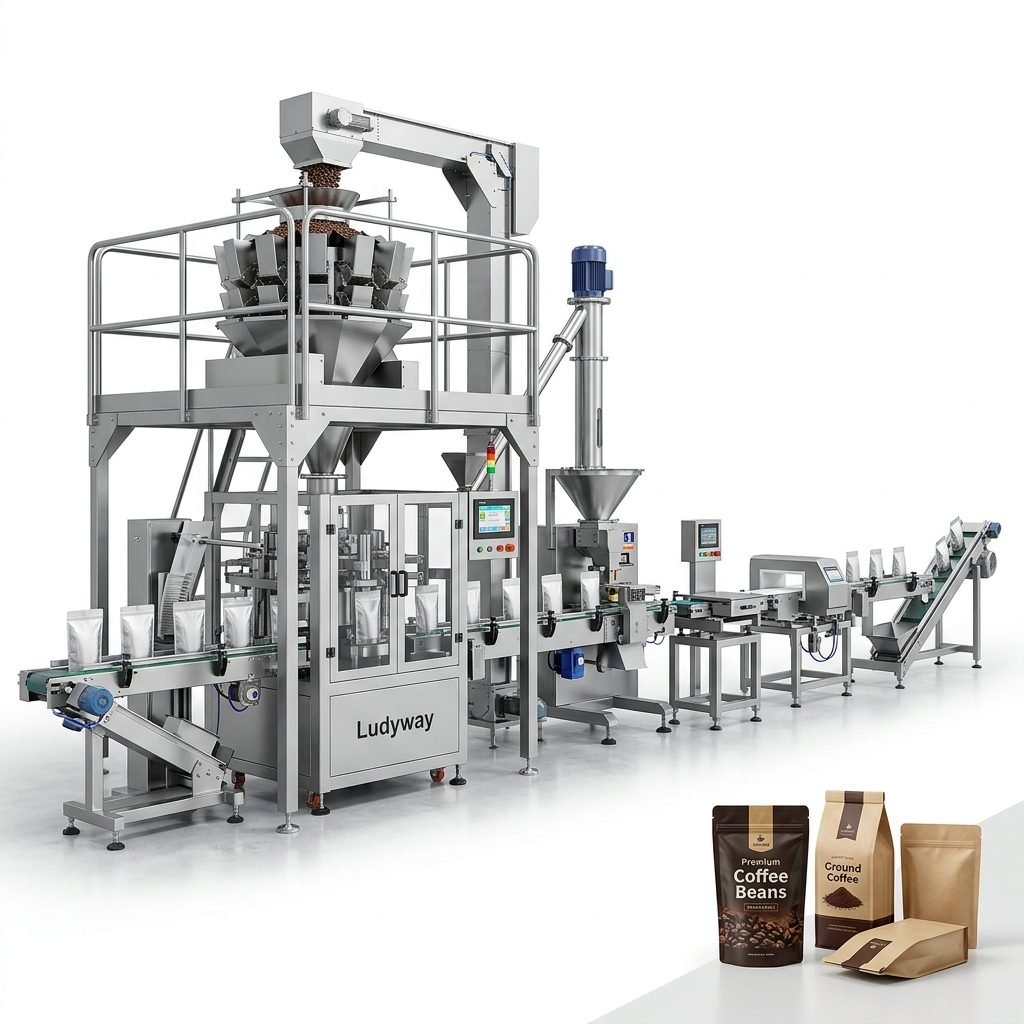
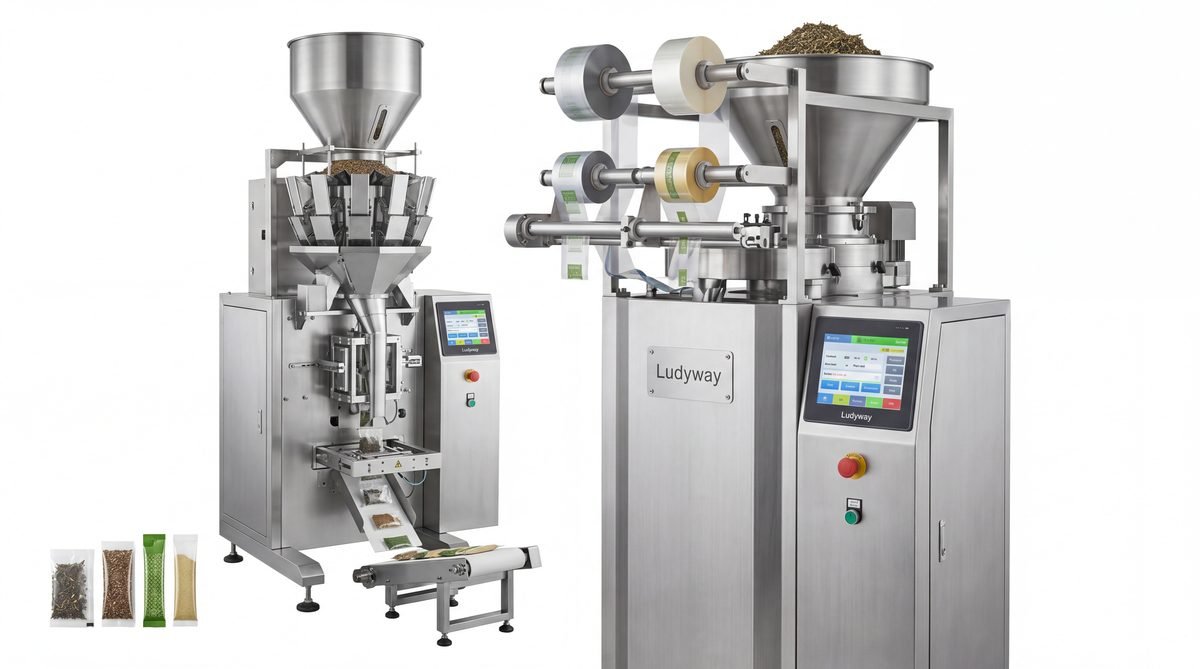
Accurate weighing is critical for tea and consistent murmura bag sizes. The type of filler vastly changes the price. Volumetric cup fillers are economical for free-flowing granules like puffed rice but offer less precision. Multi-head weighers are the industry standard for tea and mixed snacks, providing high-speed, high-accuracy dosing. These computer-controlled weighers significantly increase the machine’s value and initial investment but minimize product giveaway.
4. Additional Auxiliary Components
A complete packaging line often includes upstream and downstream equipment. Integrating features like nitrogen flushing for product freshness, date coding printers, and automatic case packers will add to the total capital expenditure. The construction materials also matter; food-grade stainless steel construction is essential for tea and snack applications to meet safety standards.
Price Range Breakdown by Machine Type
Based on standard configurations in the current market, here is a general pricing guide. Please note that exact figures depend on specific requirements and voltage needs.
| Machine Type | Typical Configuration | Estimated Price Range (USD) |
|---|---|---|
| Entry-Level Granule Packer | Single-lane, volumetric filler | $3,000 – $8,000 |
| Semi-Auto Sachet Machine | 2-4 lanes, basic sealer | $8,000 – $18,000 |
| Automatic Multi-Lane Stick Pack | 4-6 lanes, multi-head weigher | $18,000 – $45,000 |
| High-Speed Tea/Murmura Line | 8-12 lanes, nitrogen flush, printer | $45,000 – $95,000+ |
Selecting the Right Packaging Solution
Choosing between a basic machine and a high-speed line depends entirely on your production goals. Here is a quick checklist to determine your requirement:
- Production Volume: Are you producing 1 ton per day?
- Product Characteristics: Is the murmura coated or plain? Are the tea leaves whole or broken?
- Bag Style: Do you prefer pillow bags, gusseted bags, or stick packs?
- Future Expansion: Can the machine be upgraded from 4 to 6 lanes later?
For large-scale producers, a turnkey packaging line that integrates feeding, multi-head weighing, bagging, and cartoning offers the best return on investment by reducing labor dependency and material waste.

Why Material Compatibility Matters for Cost
Tea and murmura require different film handling mechanisms. Laminated films (BOPP/CPP, PET/AL/PE) are commonly used. If your packaging line needs to handle plain polyethylene, special sealing jaws are required. Furthermore, if you pack flavored murmura or herbal teas, the machine must be capable of integrating oil-resistant seals and anti-static devices to handle delicate powders and oily products, which increases the technical specifications and cost.
Understanding Total Cost of Ownership
The sticker price of a tea packaging machine is only the beginning. Smart buyers evaluate Total Cost of Ownership (TCO). This includes:
- Spare parts availability and wear-and-tear items (sealing jaws, belts).
- Energy consumption of the heating elements and servo drives.
- After-sales technical support and remote installation guidance.
- The cost of film waste during the initial fine-tuning period.
A slightly higher initial investment in a robust machine often results in lower long-term operating costs due to better reliability and service network support.
Customizing Your Packaging Line
Many businesses do not find an off-the-shelf solution that perfectly fits their unique product mix. This is where custom configurations become vital. You might need a machine that handles both free-flowing granule murmura and delicate tea dust by swapping specific contact parts. A reliable partner, such as Ludyway, provides consultation to optimize the line for your specific product range, preventing costly modifications down the road.
Quick Reference: 3 Tips for Cost-Effective Purchasing
- Prioritize After-Sales Service: A machine from a supplier with strong engineering support prevents costly downtime.
- Request a Factory Acceptance Test (FAT): Always check the machine’s condition before shipment to ensure quality.
- Check Ambient Compatibility: Ensure IP ratings and voltage are suitable for your local facility environment.
Frequently Asked Questions on Tea and Murmura Packing Machines
What is the minimum cost for a small-scale murmura packing startup?
A basic manual or semi-automatic volumetric filler can start from approximately $3,000 to $5,000. These machines are relatively simple and designed for limited output but are perfect for entry-level market testing.
How do I verify the precision of the tea weighing system?
Reputable manufacturers test the accuracy using a multi-head weigher during the trial run. For a 10-gram tea stick pack, you should expect an accuracy of ±0.2g to ±0.5g depending on the product flowability and speed. Always request a video trial before shipping.
Can one machine pack both tea and murmura?
Yes, but it depends on the physical properties. If the volume is vast, a machine designed for granules works well for both. However, if tea contains fine powder or dust, the machine requires a dust extraction unit to maintain seal integrity. It is best to consult a specialist to ensure the sealing jaws and film handling are compatible with both products.
To explore detailed specifications or request a live video inspection of a machine packing your actual products, it is advisable to get in touch directly with a specialized supplier.