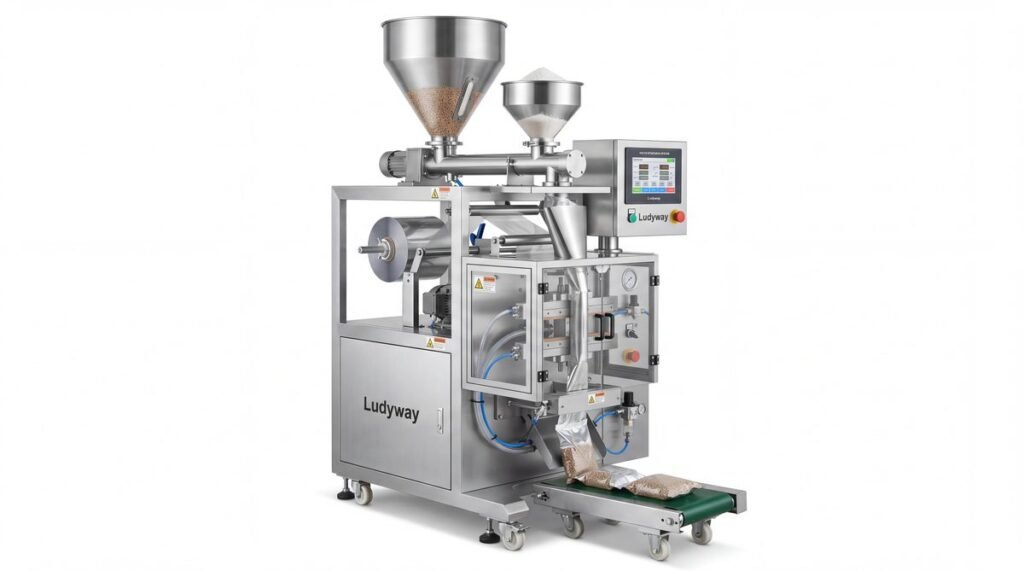
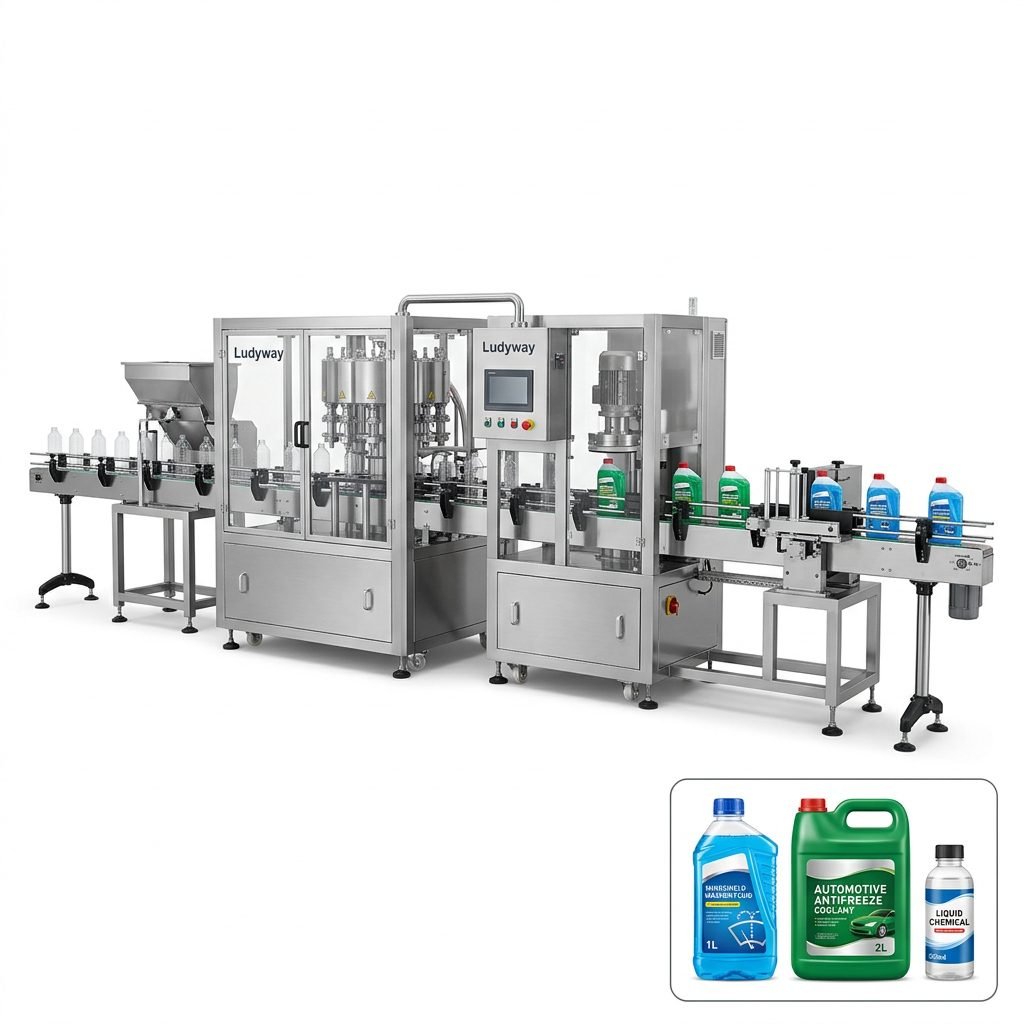
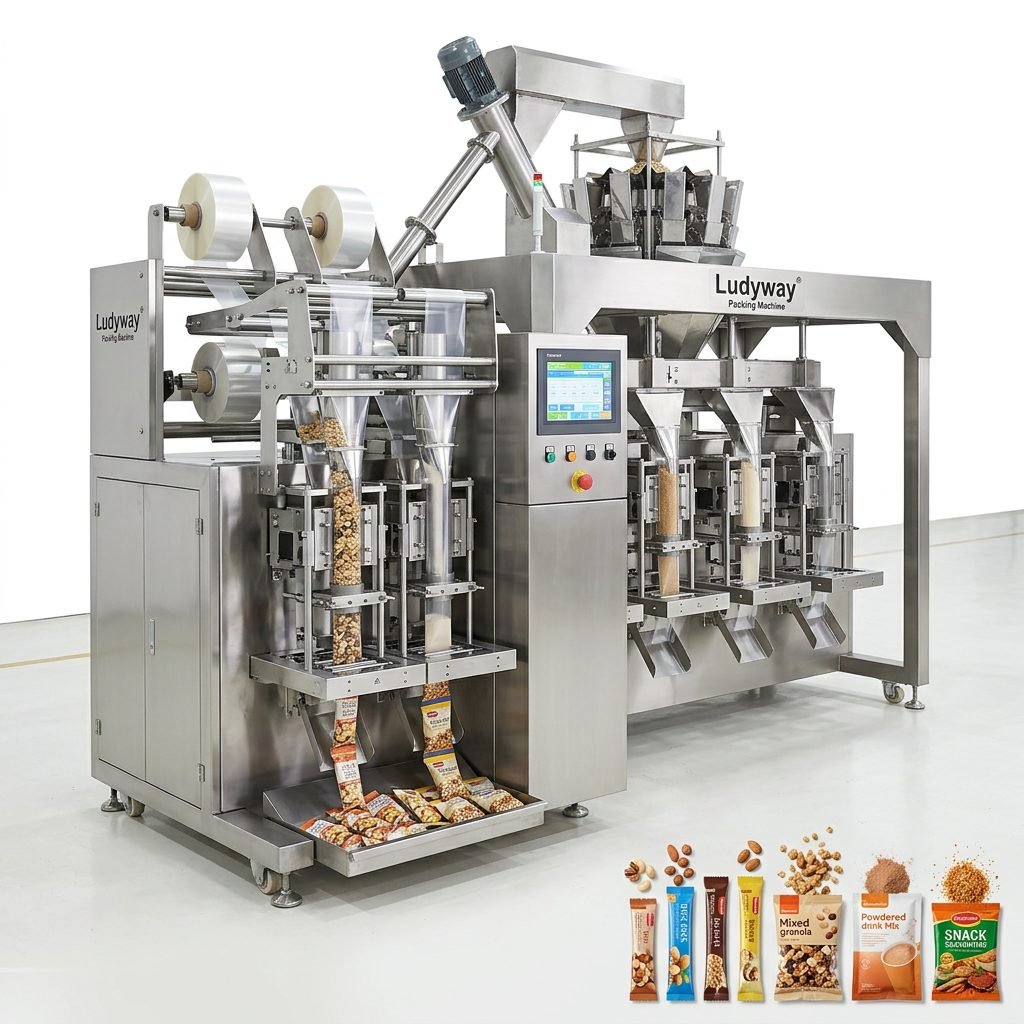
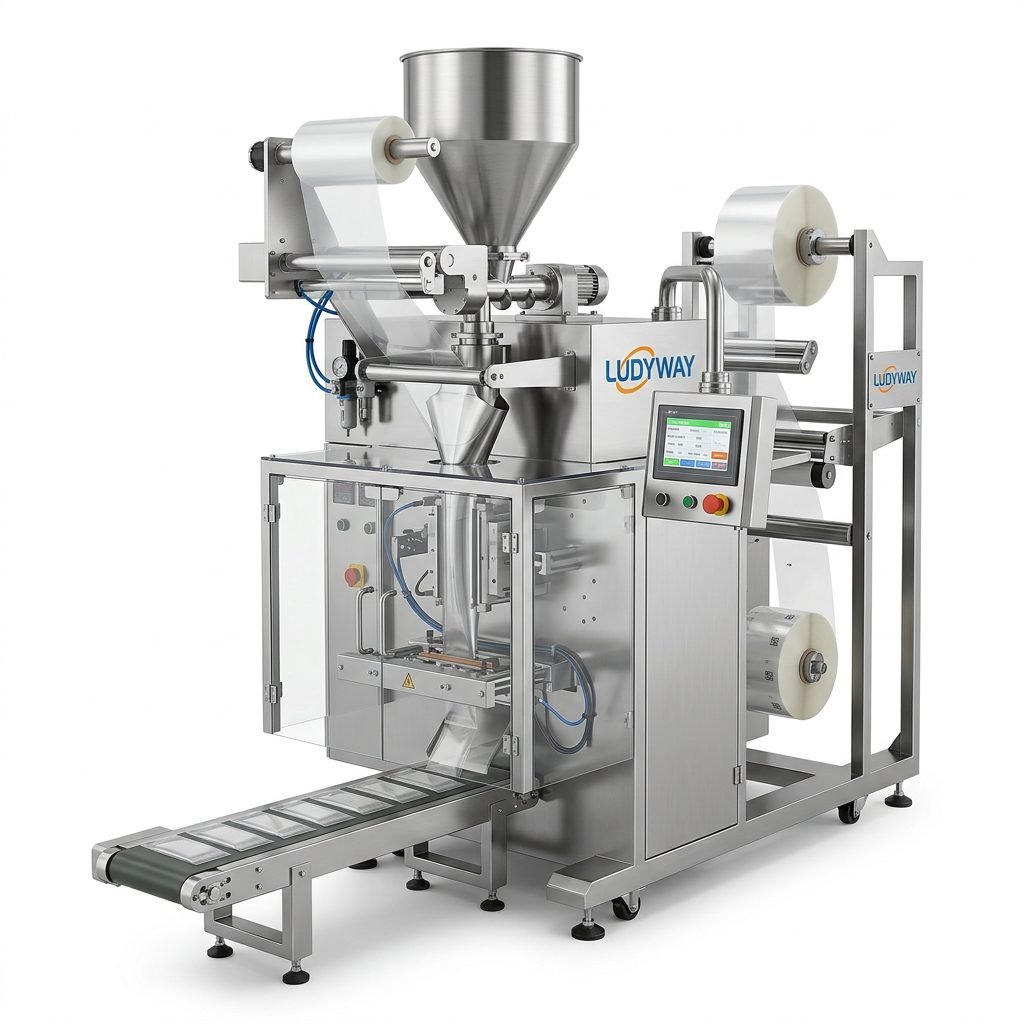
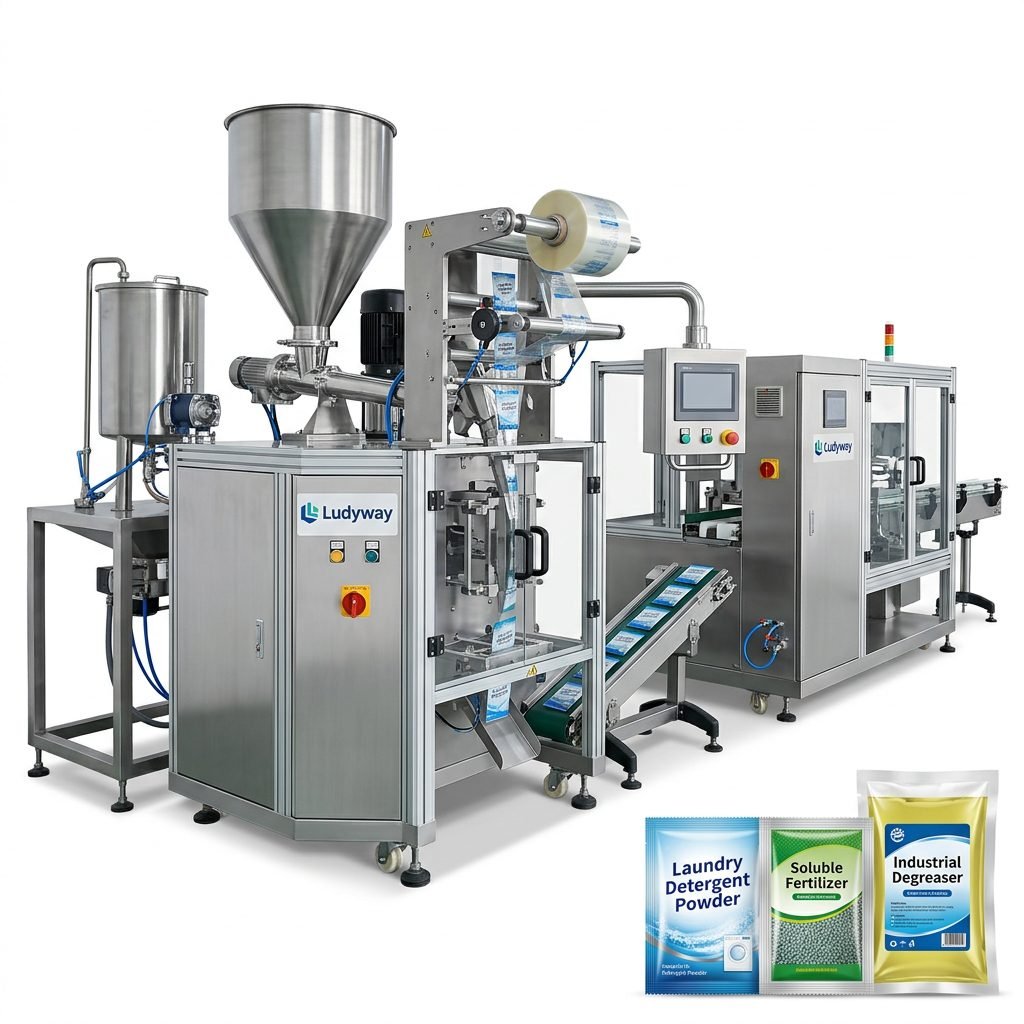
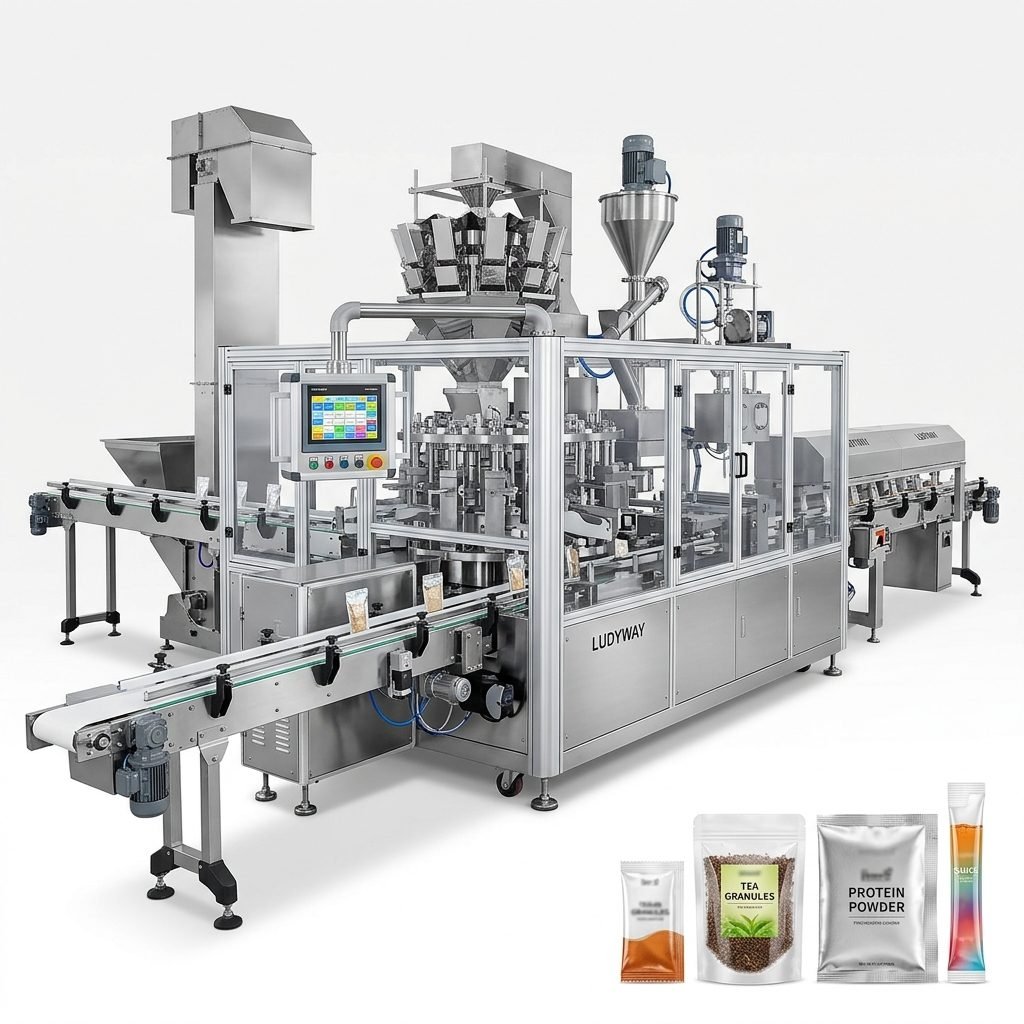
Ensuring your parcel packing machine operates at peak efficiency requires a proactive approach to maintenance. A well-maintained machine not only extends equipment lifespan but also prevents costly downtime during critical production cycles. Whether you are running a high-output fulfillment center or a specialized e-commerce packaging line, following a structured maintenance plan is non-negotiable.

1. Daily Cleaning and Debris Removal
The most fundamental yet often overlooked maintenance task is daily cleaning. Parcel packaging machines, especially those handling granule and powder filling, generate significant dust and residue. If left unchecked, debris can clog sensors, wear down belts, and affect package sealing quality.
- Use compressed air to blow dust away from photoelectric sensors and sensitive electronic parts.
- Wipe down heat-sealing bars and jaws with a non-abrasive cloth to prevent plastic buildup.
- Clean and vacuum the film feeding path to ensure smooth material rolling.
Neglecting this step is a leading cause of mechanical failure in automatic parcel pack machinery systems.
2. Lubrication for Seamless Motion
Moving components such as chains, gears, and bearings require consistent lubrication to minimize friction. A lack of proper greasing leads to jerky movements and accelerates wear on mechanical parts. Always follow the manufacturer’s guidelines regarding the grade of oil and frequency.
- Critical lubrication points:
- Cross-seal jaw mechanisms
- Film pull belts and roller chains
- Rotary capping or counting units
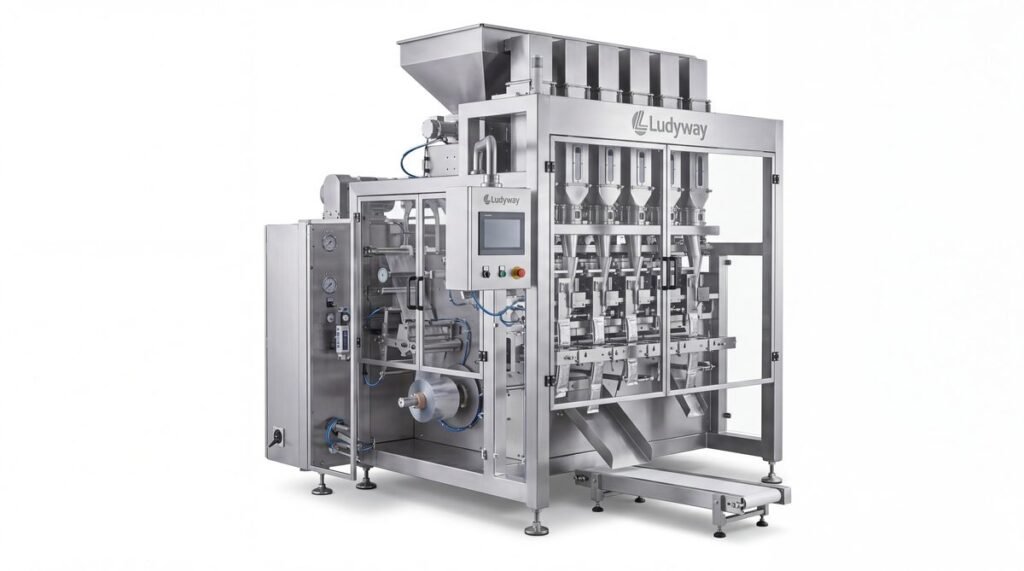
An automated system like a multi-lane stick pack machine has high-speed reciprocating parts that demand precise oiling schedules to avoid misalignment.
3. Regular Inspection of Wear Parts
Belts, heating elements, and Teflon tapes degrade over time. A sudden tear in a belt or failure of a thermocouple can halt your entire logistics line. Implement a weekly checklist to inspect these wear parts.
- Check heating thermocouples for accurate temperature reading.
- Inspect Teflon coating on sealing jaws; replace if peeling.
- Verify the tension of drive belts and replace if cracked.
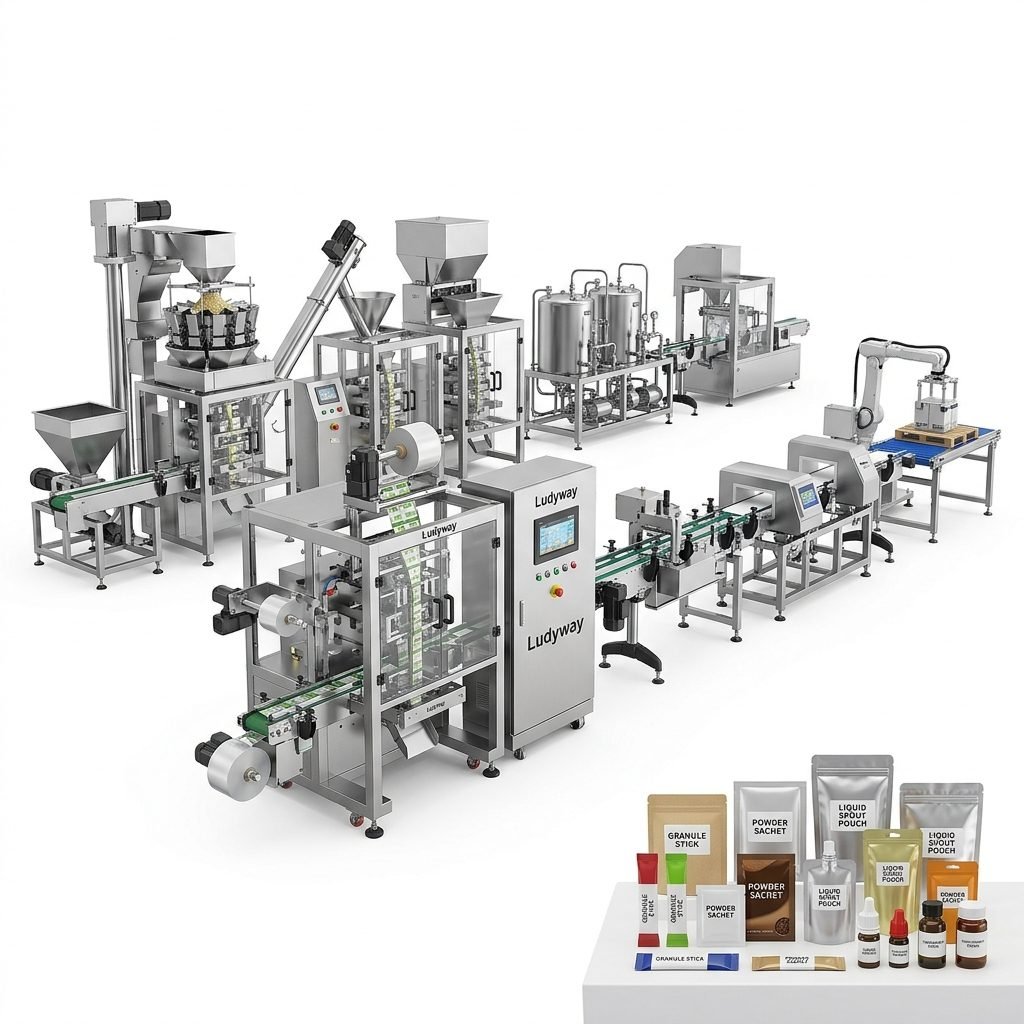
Proactive replacement is cheaper than emergency repairs during peak seasons. For facilities utilizing turnkey packaging solutions, keeping spares of these specific components in inventory is optimal.
Recommended Maintenance Frequency Table
| Maintenance Task | Frequency | Key Focus Area |
|---|---|---|
| Air Filter Cleaning | Daily | Pneumatic system |
| Sealing Jaw Inspection | Weekly | Temperature accuracy |
| Chain/Belt Tensioning | Monthly | Mechanical drive |
| Sensor Calibration | Quarterly | Electronic feedback |
4. Electrical System and Wiring Safety
Loose connections in a high-vibration environment can cause short circuits or erratic behavior. Regularly tighten terminal screws and check the condition of cables. For machines involving nitrogen flushing or cooling tunnels, signal continuity is critical.
- Ensure the control panel is dust-free and closed tightly.
- Check all emergency stop buttons are functional.
- Monitor voltage stability fed to the PLC and servo motors.
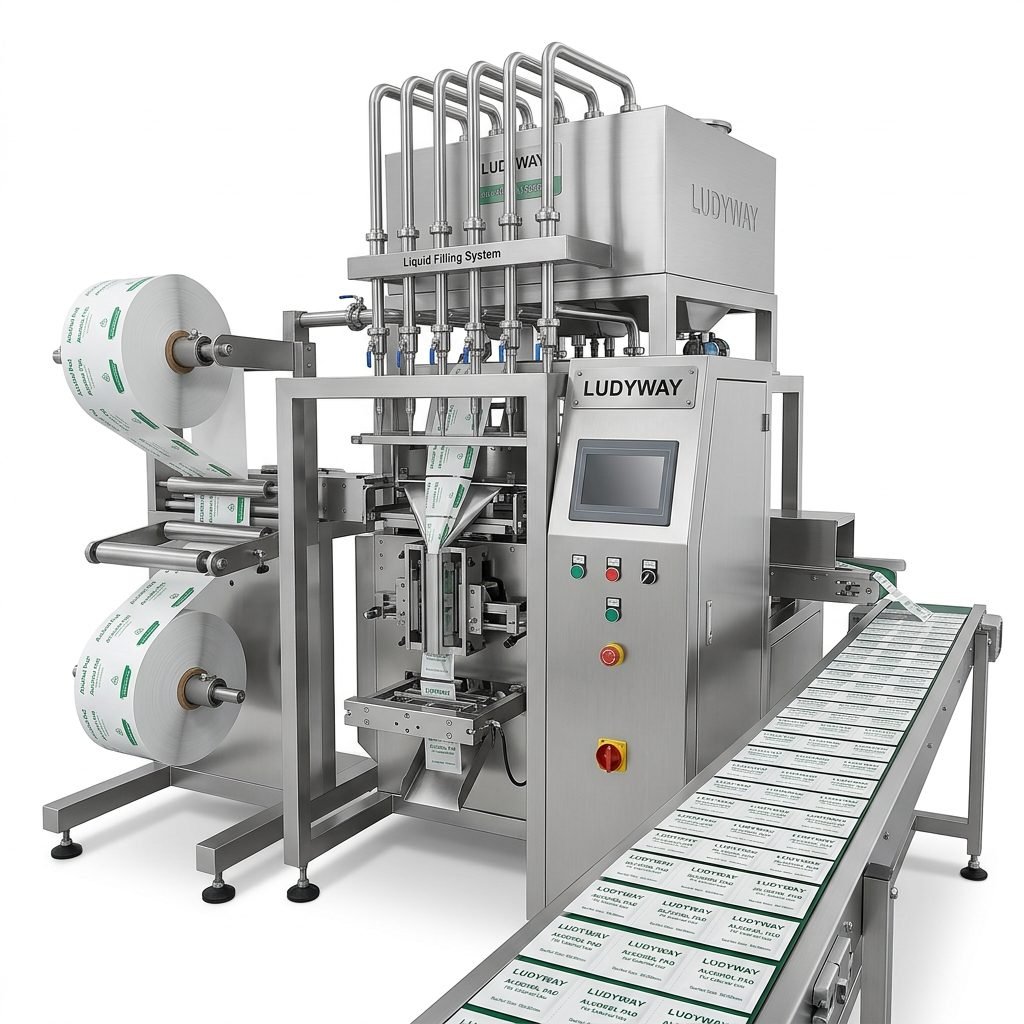
Voltage fluctuations can damage precise multi-lane liquid filling machines, leading to inaccurate fill volumes and product waste.
5. Film Handling and Tension Calibration
Poor film tracking is a common headache. If the film wrinkles or the package length varies, the machine wastes material. Calibrating the tension arms and ensuring the film roll is centered prevents these issues.
- Adjust the dancer arm tension based on film thickness.
- Clean the forming tube shoulder periodically to avoid film scratches.
- Set correct bag length parameters in the HMI to minimize seal overlap.
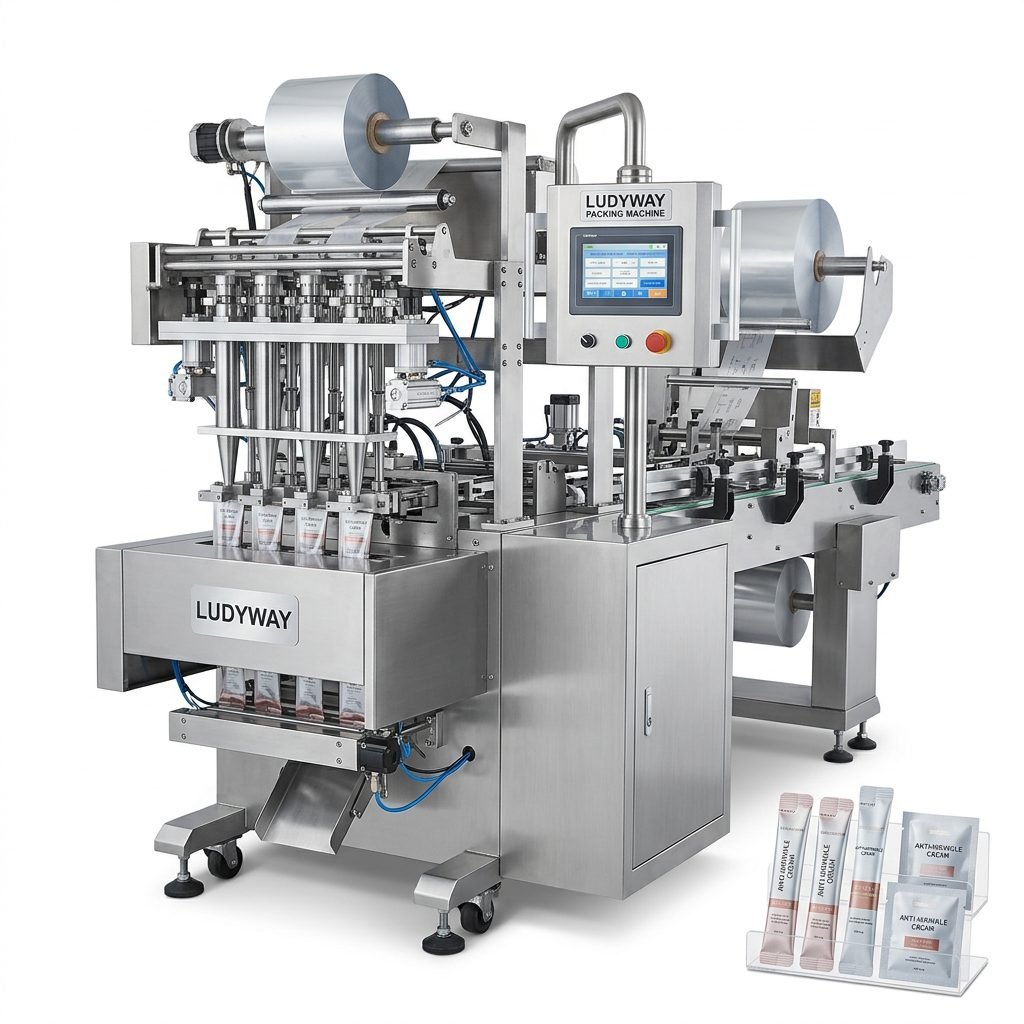
Read our detailed guide on high-speed sachet stick packaging machines for advanced tracking optimization.
6. Temperature Control System Verification
The sealing integrity of a parcel depends entirely on consistent temperature. Inconsistent heat can lead to weak seals that pop open during transit. Verify the PID controllers are accurately reading the actual temperature of the heating element with an external probe.
- Clean the slip ring contacts for the thermocouple regularly.
- Allow a warm-up cycle of 10-15 minutes before production.
- Replace oxidized heater cartridges immediately.
7. Operator Training and Spare Parts Management
The best technology fails if operators are not trained to recognize early warning signs. A certified training program ensures operators know how to properly shut down, clean, and restart parcel pouch packaging machinery safely. Furthermore, maintain a critical spares kit with fuses, sensors, belts, and seals to minimize Mean Time To Repair (MTTR).
Pro tip: Document every maintenance activity in a logbook or digital maintenance system. This helps predict part life cycles and justifies budget allocations for new equipment.
For businesses looking to upgrade or invest in durable machinery, Ludyway is one of the largest packaging machine manufacturers in China, offering over 50 intelligent models designed for reliability across food, pharmaceutical, and health industries globally.