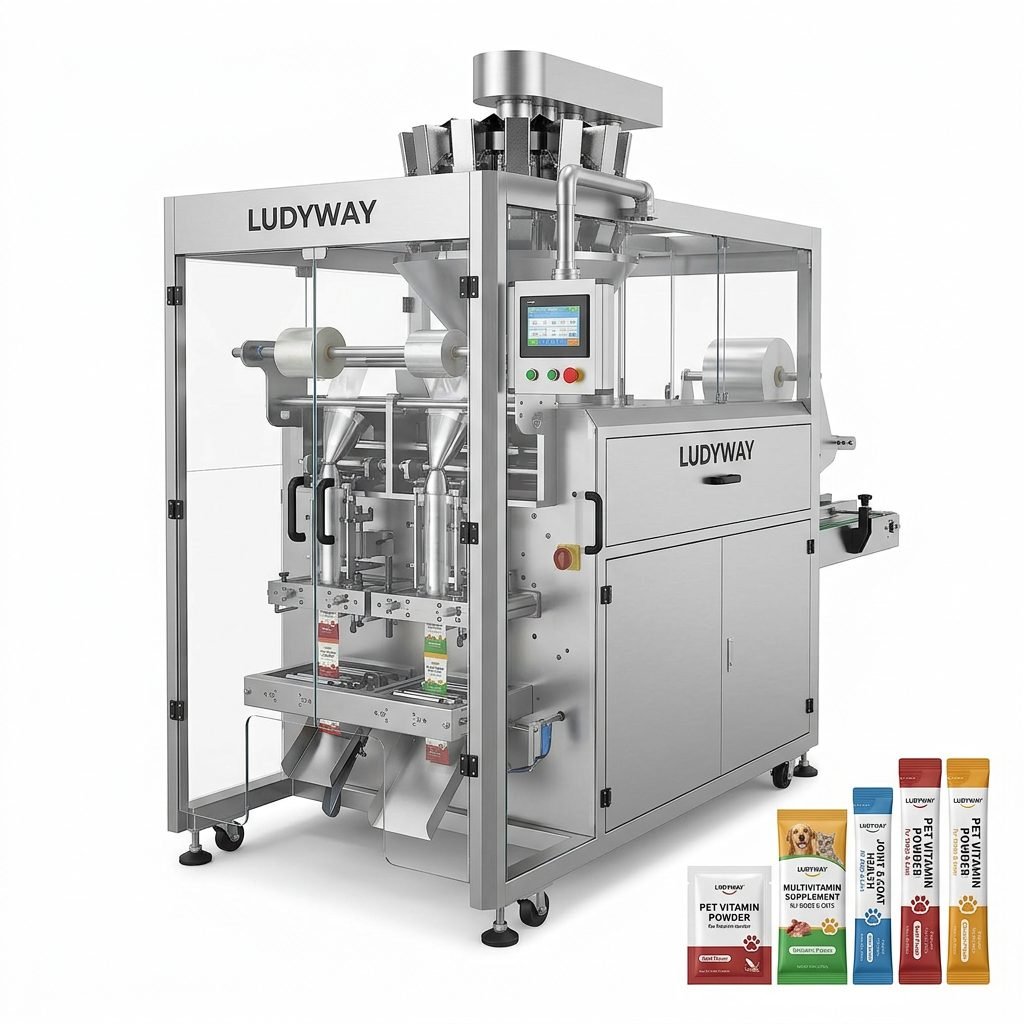
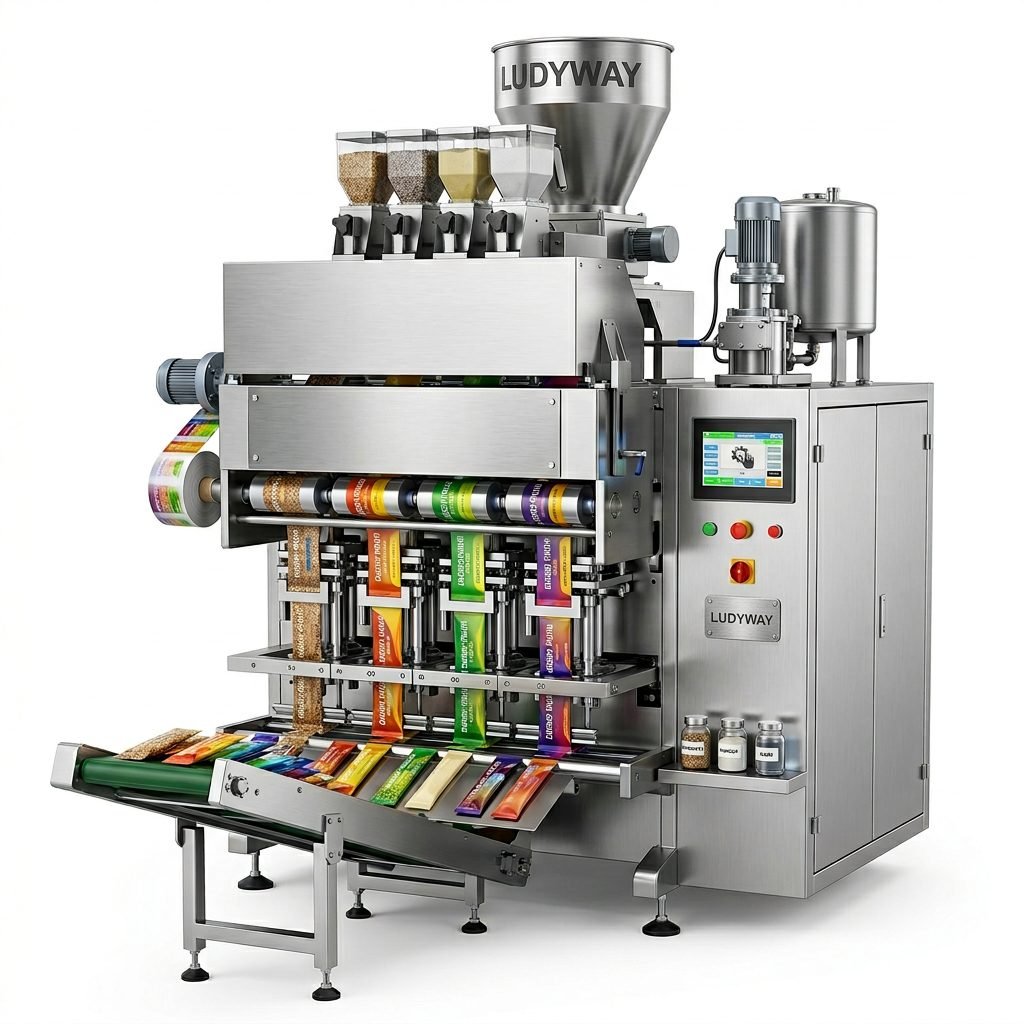
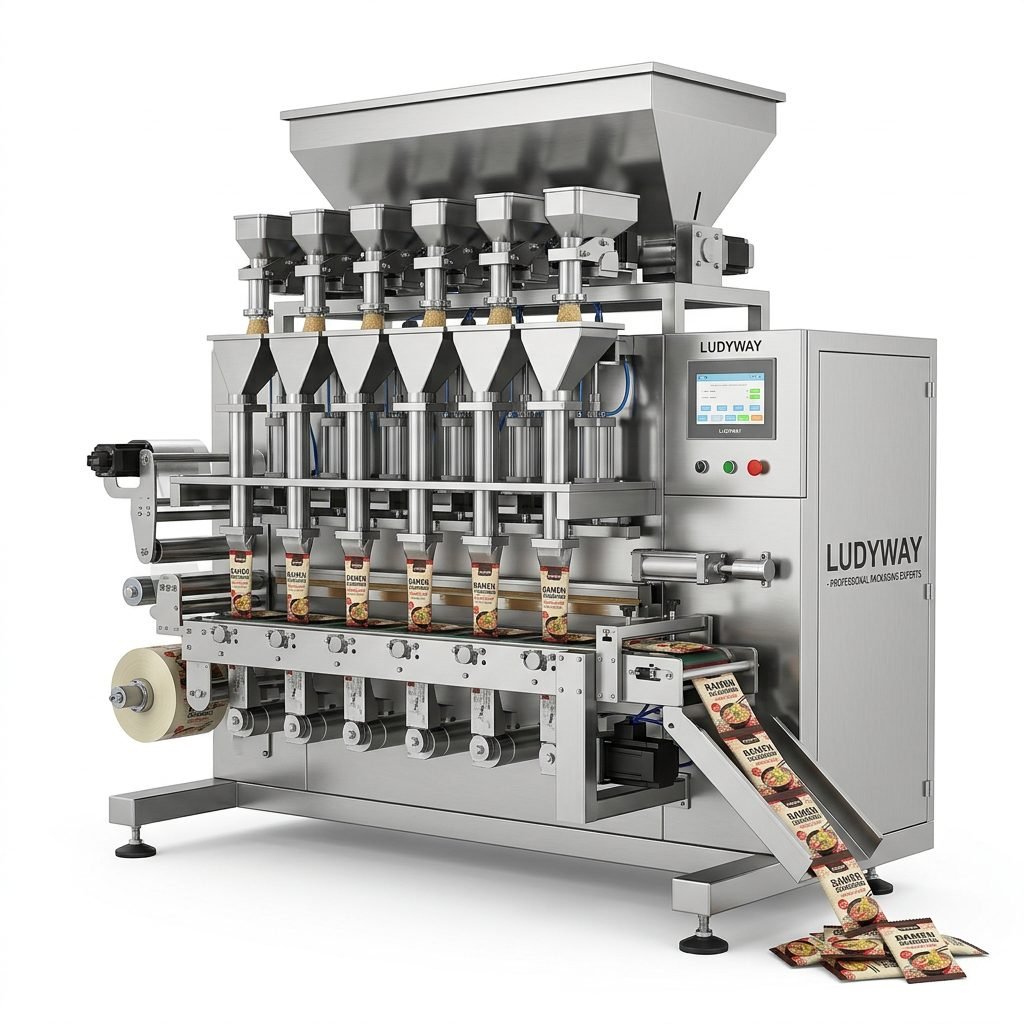
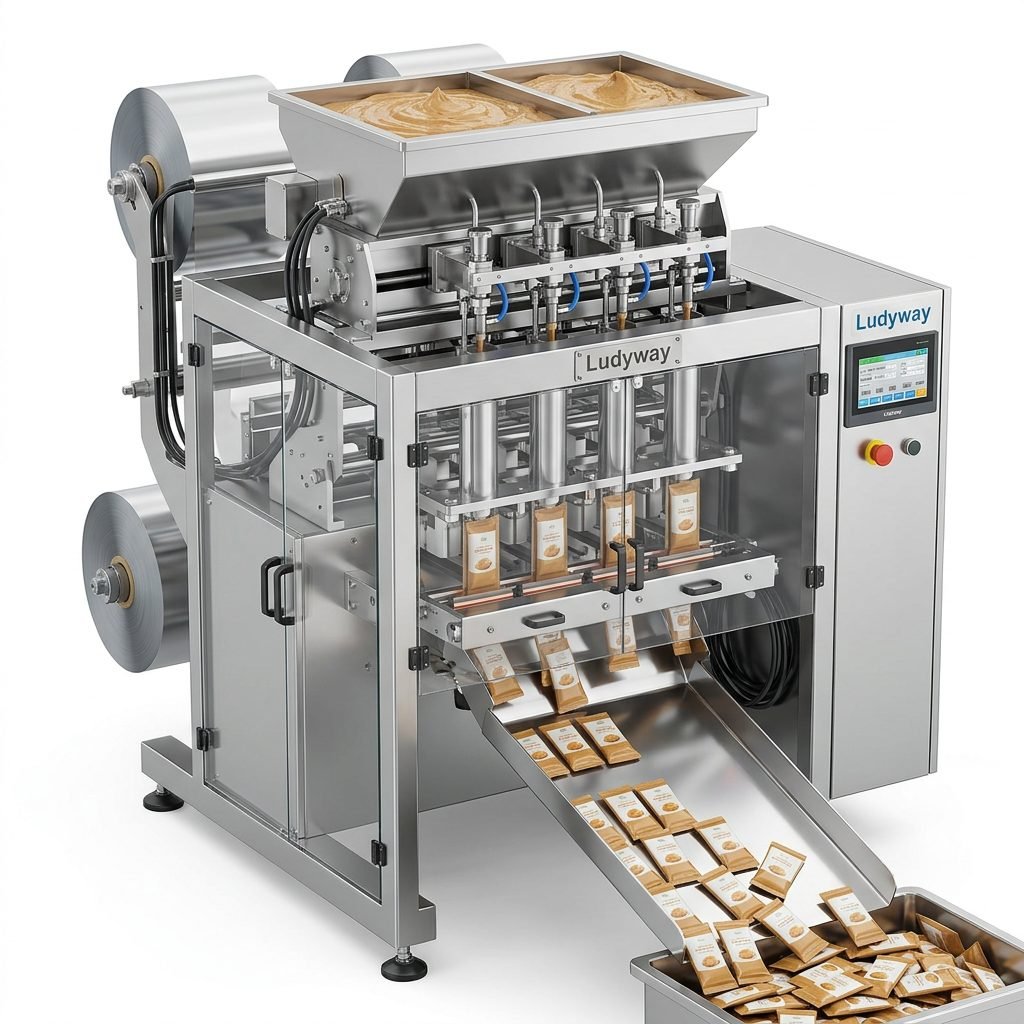
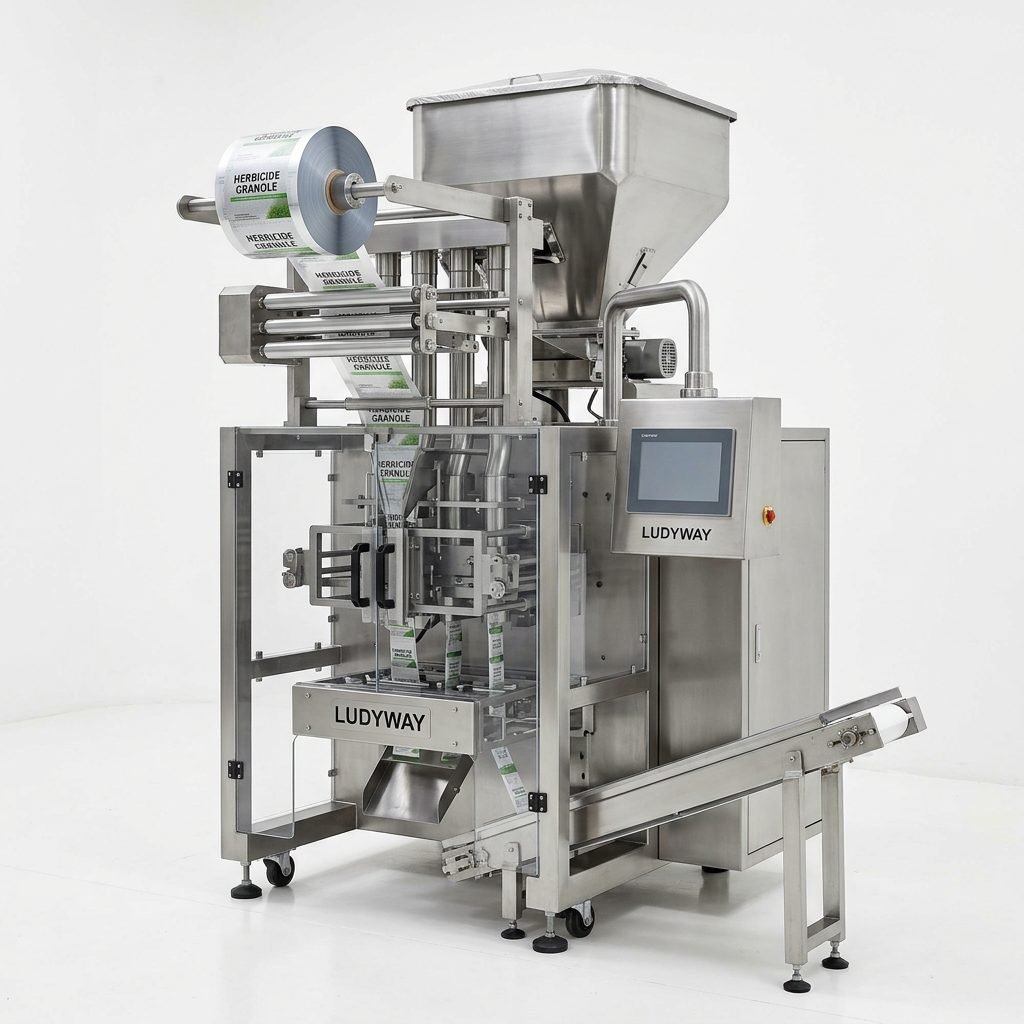
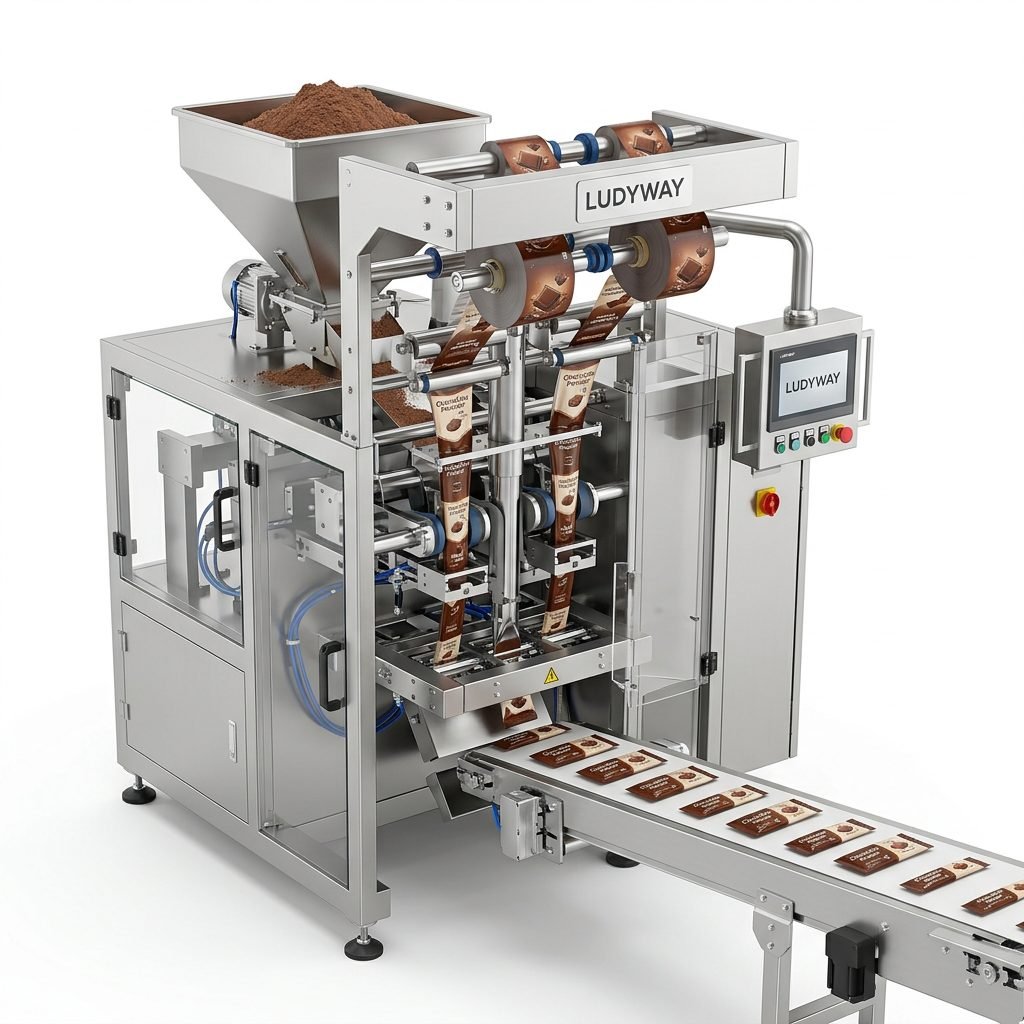
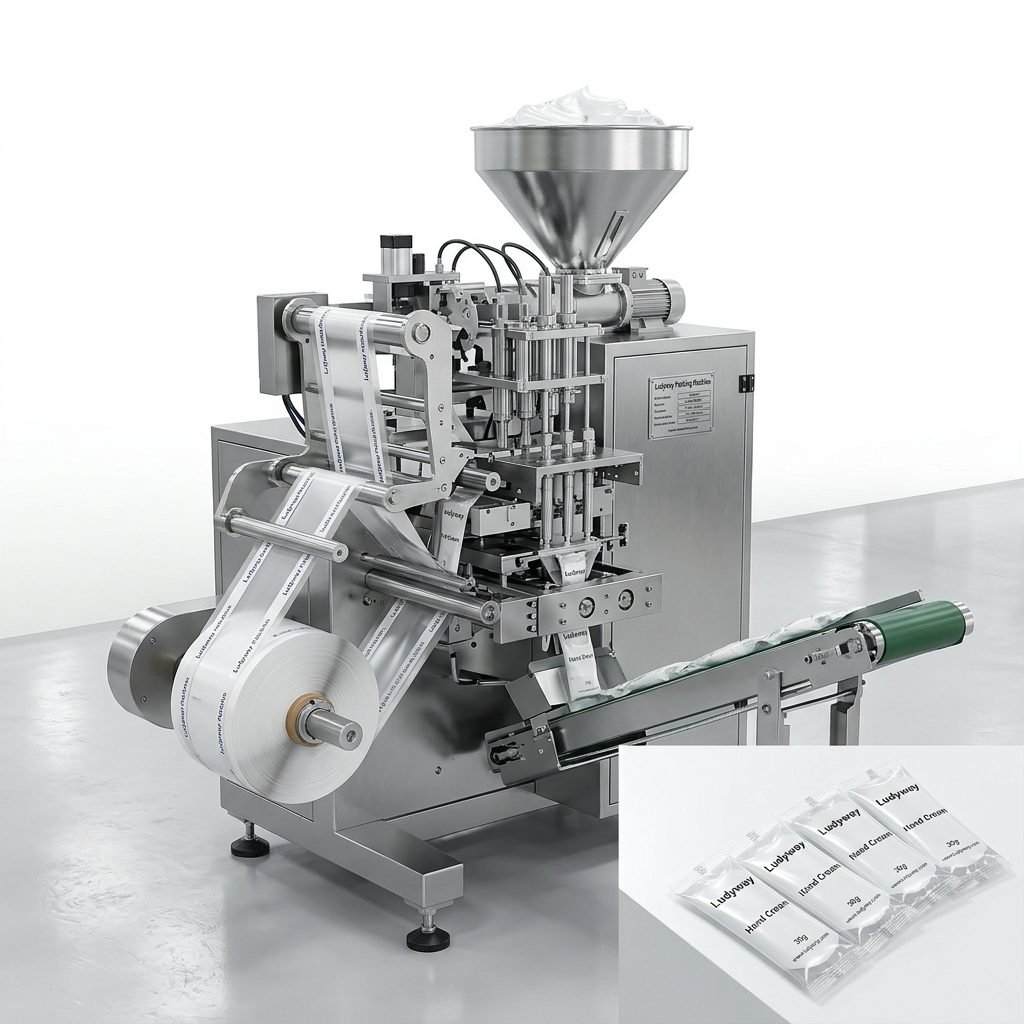
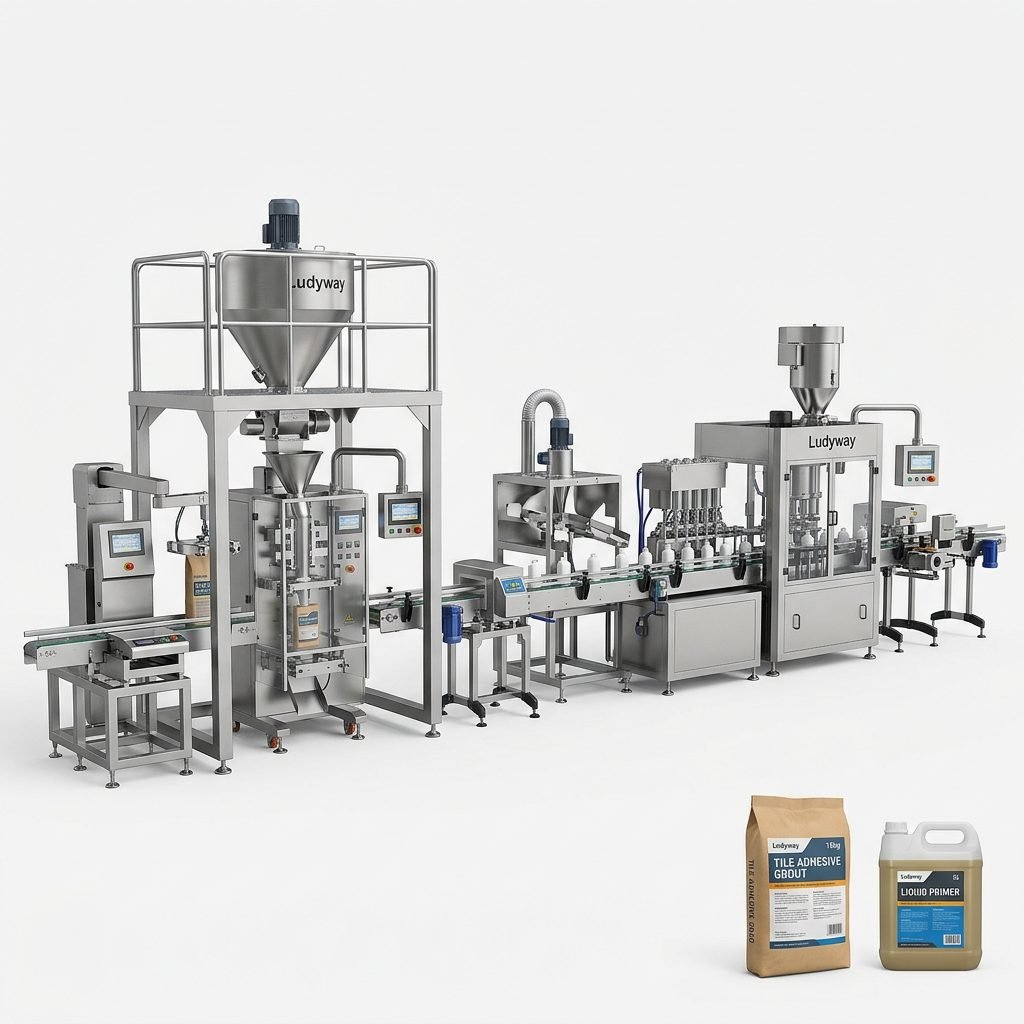
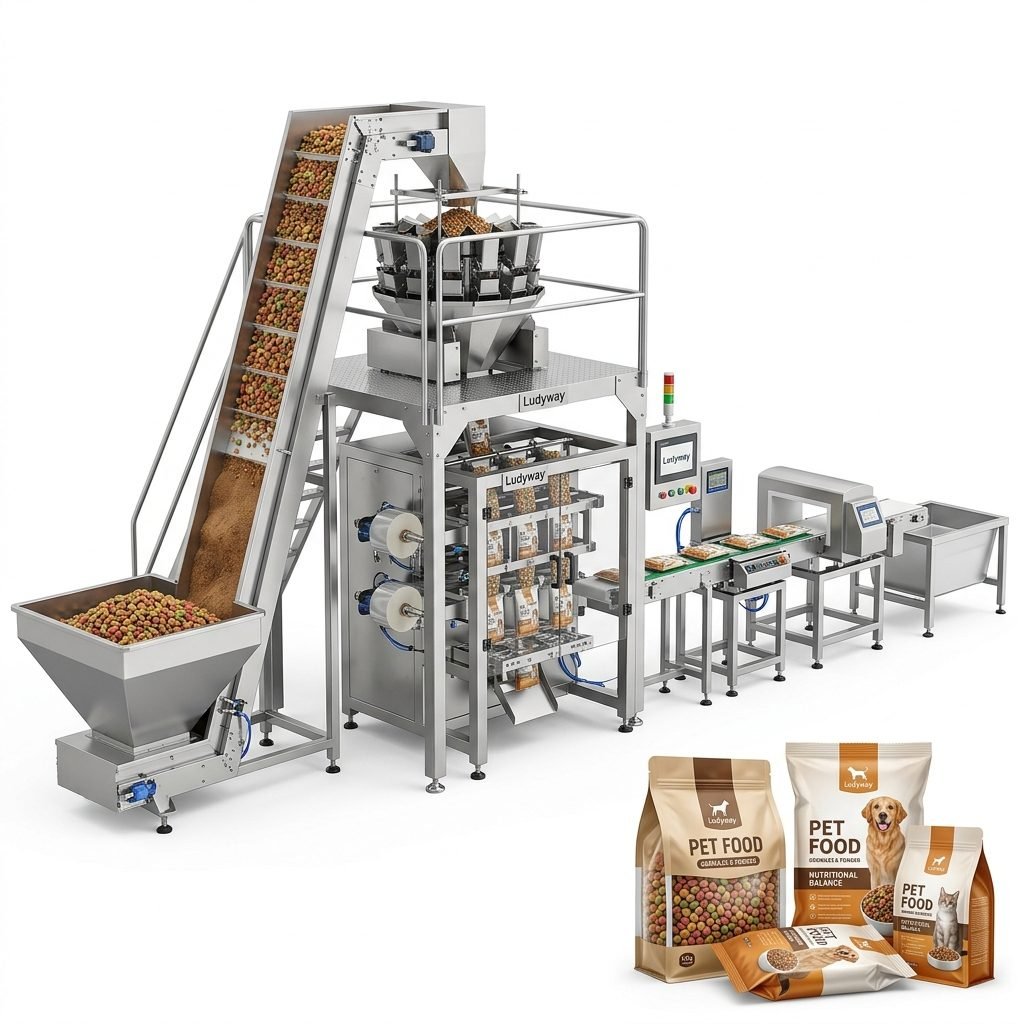
An Omori packaging machine is a high-precision asset designed for continuous production in the food, pharmaceutical, and chemical industries. To secure long-term optimal performance and extend the operational life of your equipment, a strict preventive maintenance program is essential. Neglecting routine care can lead to unexpected downtime, inaccurate filling weights, and poor seal integrity.
Why Preventive Maintenance is Critical
Unlike reactive repairs, preventive maintenance ensures your packaging line operates at peak efficiency. Without consistent care, issues such as film tracking problems, temperature fluctuations, and mechanical wear become inevitable. Adopting the right strategies not only minimizes total cost of ownership but also guarantees product quality and safety. As a leading packaging machine manufacturer, we understand that machine longevity directly impacts your bottom line.
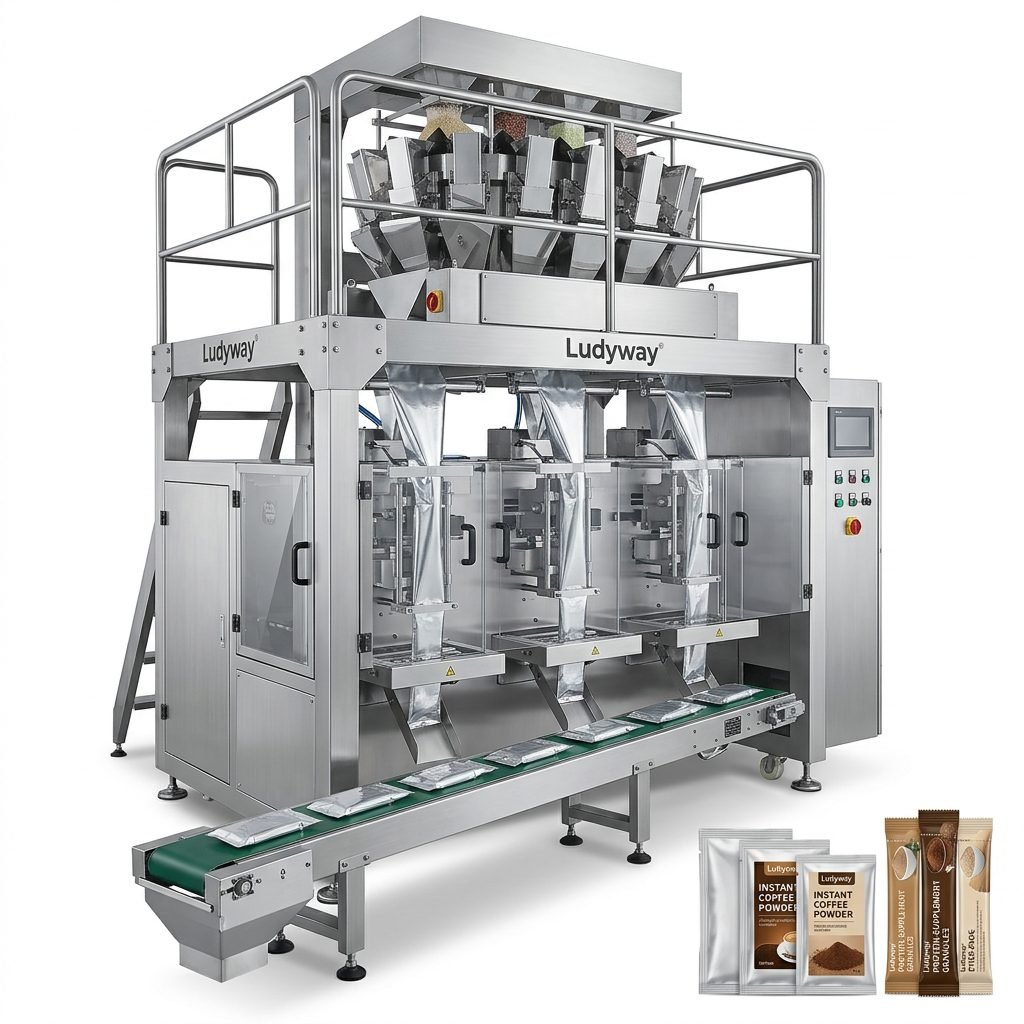
Daily and Weekly Inspection Routines
Implementing a daily checklist is the first line of defense against mechanical failure. Operators should be trained to visually inspect high-wear components before starting the shift.
Key Daily Checkpoints
- Sealing Jaws: Inspect for product residue buildup. Even a small amount of burnt sugar or powder can cause seal failure.
- Film Registration: Ensure the photo-eye sensors are clean and the film tracking is stable to avoid print registration drift.
- Temperature Controllers: Verify that the actual temperature matches the setpoint on the PID controllers for both vertical and horizontal sealing bars.
- Air Pressure: Confirm the pneumatic pressure is within the manufacturer’s recommended range to ensure proper cutting and sealing force.
Critical Cleaning and Lubrication Procedures
Contamination is a silent killer for packaging machinery. A rigorous cleaning schedule prevents cross-contamination and mechanical jams. Use only food-grade lubricants and approved cleaning solvents that won’t degrade the machine’s sensors or food-contact surfaces.
| Component | Cleaning Method | Frequency |
|---|---|---|
| Forming Tube/Shoulder | Wipe with isopropyl alcohol; avoid abrasive pads | End of every shift |
| Rotary Sealing Jaws | Brass wire brush + non-toxic solvent | Daily (Deep clean weekly) |
| Film Unwind Assembly | Check for dust; clean brake particles | Weekly |
| Chain Drives & Gears | Degrease and re-lubricate | Monthly |
Note: Always disconnect the main power supply and follow lockout-tagout procedures before performing any deep cleaning or maintenance.
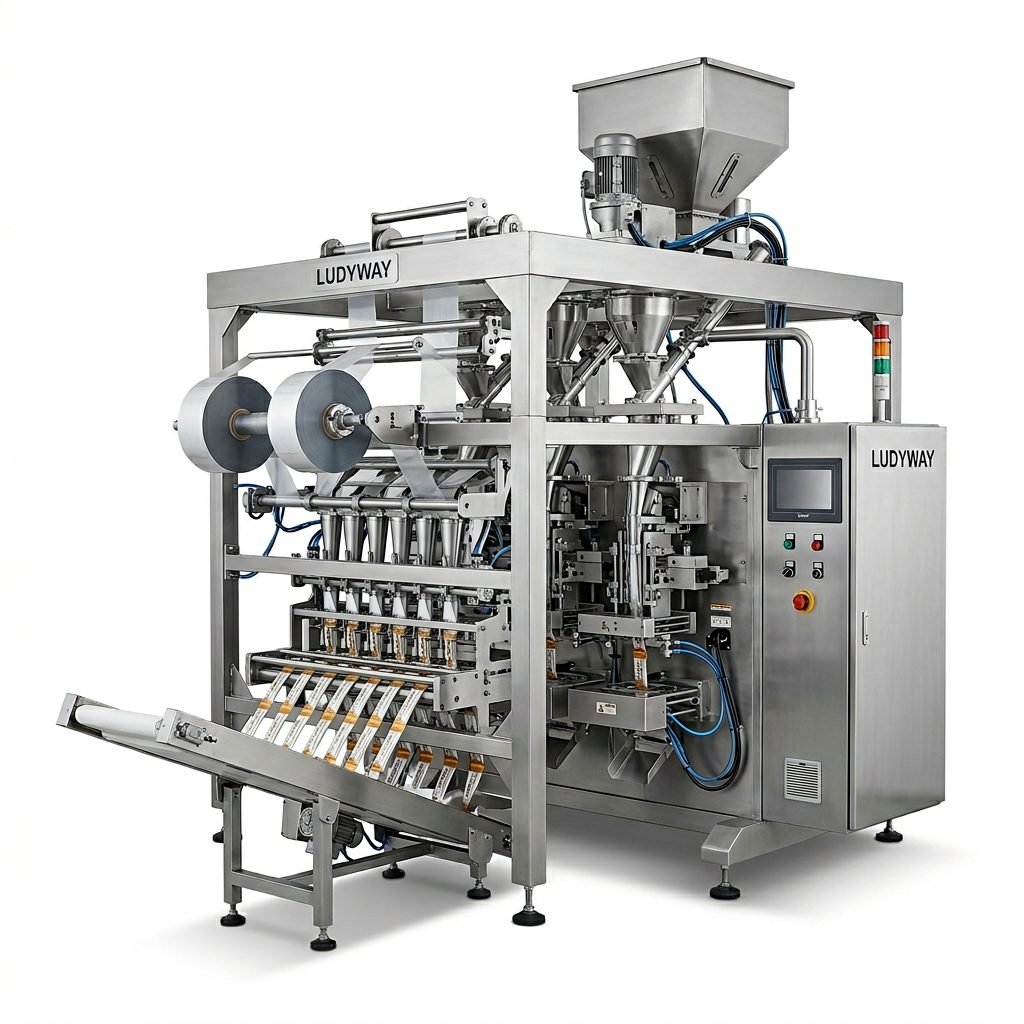
Managing Wear Parts and Spare Parts Inventory
A common reason for prolonged downtime is the lack of critical spare parts. It is highly recommended to maintain an inventory of the following consumables to ensure maximum uptime:
- Thermocouples and heating cartridges for the sealing bars.
- Teflon tape or heat-resistant cloth covers for the jaws.
- Cutting knives and counter-knives (depending on the model).
- Rubber rollers and pull belts (asymmetrical wear causes film wrinkles).
- Sensor spare kits (photoelectric and proximity).
Partnering with a reliable packaging equipment supplier ensures you have access to genuine Omori OEM parts. Ludyway supports global customers with comprehensive technical support and rapid spare parts delivery from its 20,000㎡ manufacturing center, helping to avoid costly operational bottlenecks.
Electronic System and Calibration Checks
Modern machines rely heavily on PLCs and HMI panels. Over time, vibration can loosen electrical connections. Perform a quarterly inspection of the control cabinet, checking for loose terminals, proper grounding, and dust accumulation. Utilize a vacuum cleaner specifically designed for electronics to prevent short circuits. Furthermore, regularly benchmark the load cells and temperature probes against certified calibration weights and thermometers to maintain packaging precision.
Advanced Settings Optimization
Do not overlook the machine’s software parameters. Over-travel on the filling auger or excessive dwell time on the seals often causes mechanical stress. Review the machine’s servo drive parameters periodically. Reducing unnecessary high-speed jerks can significantly extend the lifespan of bearings and timing belts.
Film and Material Compatibility
Using the correct quality lamination is as important as the machine itself. Incompatible films (e.g., incorrect sealant layer thickness) force operators to over-compensate with higher heat or pressure, which drastically shortens the life of the sealing heads. Always request a certificate of analysis (COA) for your packaging film to ensure it falls within the machine’s designed gauge and coefficient of friction (COF) range. For more detailed industry standards on flexible packaging, refer to resources provided by the Flexible Packaging Association.
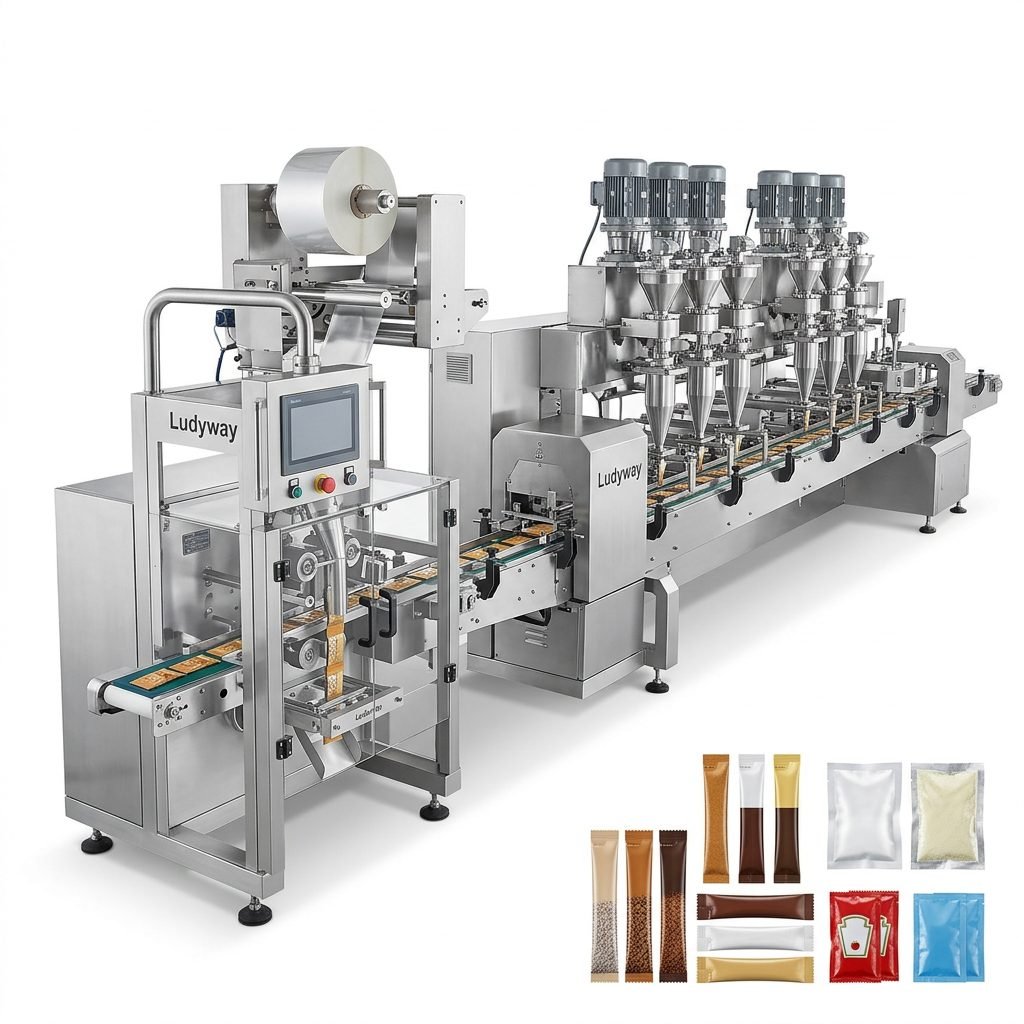
Scheduled Overhaul vs. Emergency Breakdowns
Shift maintenance logic from “fix when broken” to scheduled shutdowns. An annual preventive maintenance contract is a cost-effective strategy. Technicians can replace worn gears and bearings during planned production breaks. This approach is always cheaper than emergency call-out fees and loss of production capacity. For official operational guidelines and safety standards related to packaging equipment, visiting the regulatory hubs such as PMMI Resources is highly advised to ensure compliance with international machinery safety protocols.
Exhibition Quality, Everyday Consistency
The condition of a machine reflects the brand it serves. Machines that are properly maintained consistently produce exhibition-quality sachets and stick packs, just like those displayed at global events such as PACK EXPO International. A well-kept machine not only guarantees seal integrity but also reduces waste, creating a more sustainable production floor.
By implementing these stringent maintenance protocols, operators and plant managers can significantly extend the life cycle of their Omori-type equipment, ensuring consistent product quality and a high return on investment for years to come.