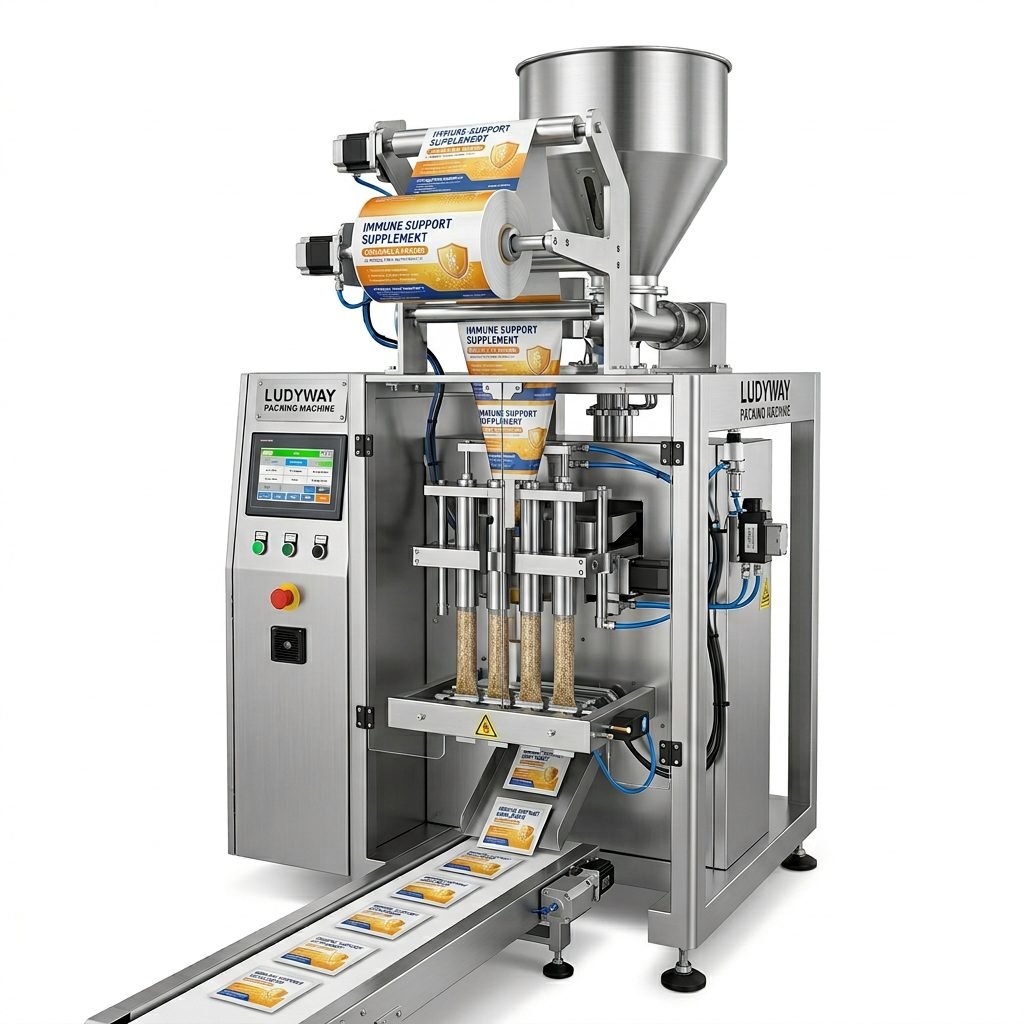
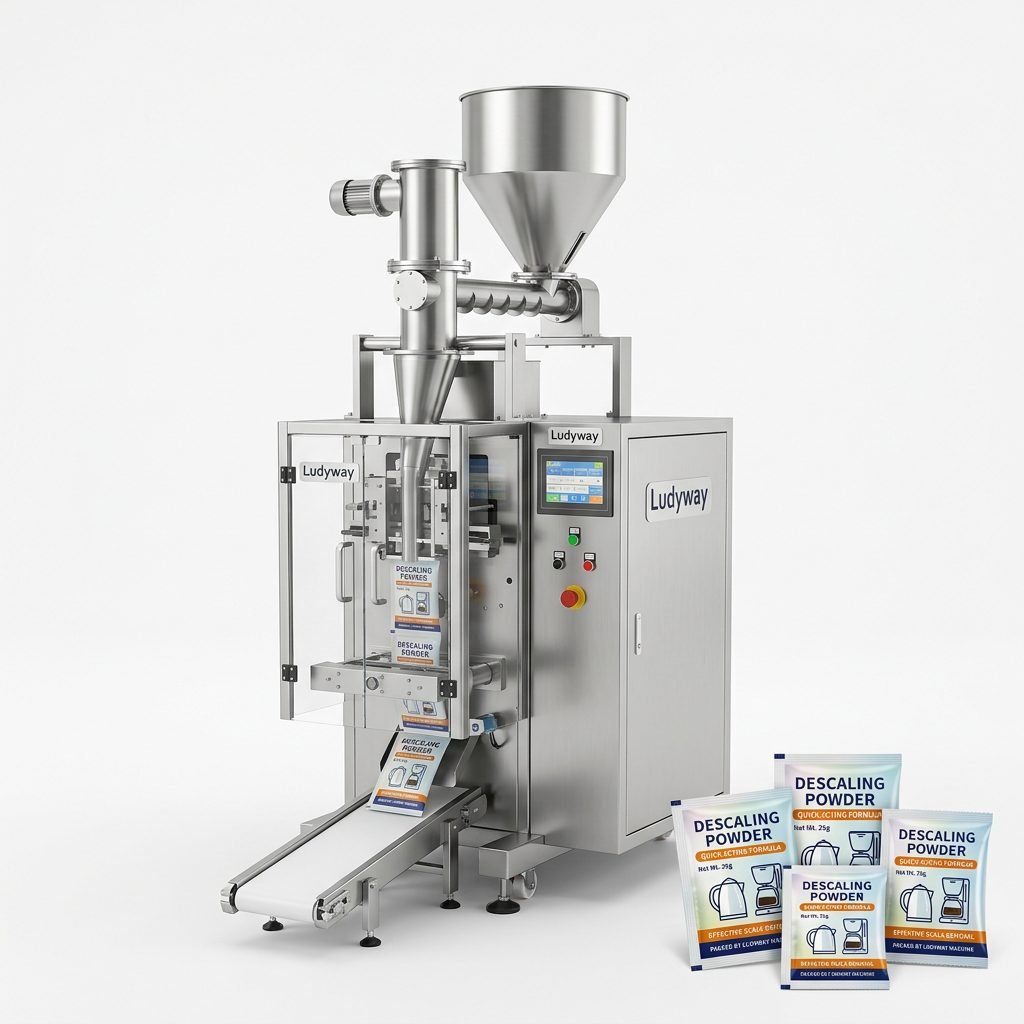
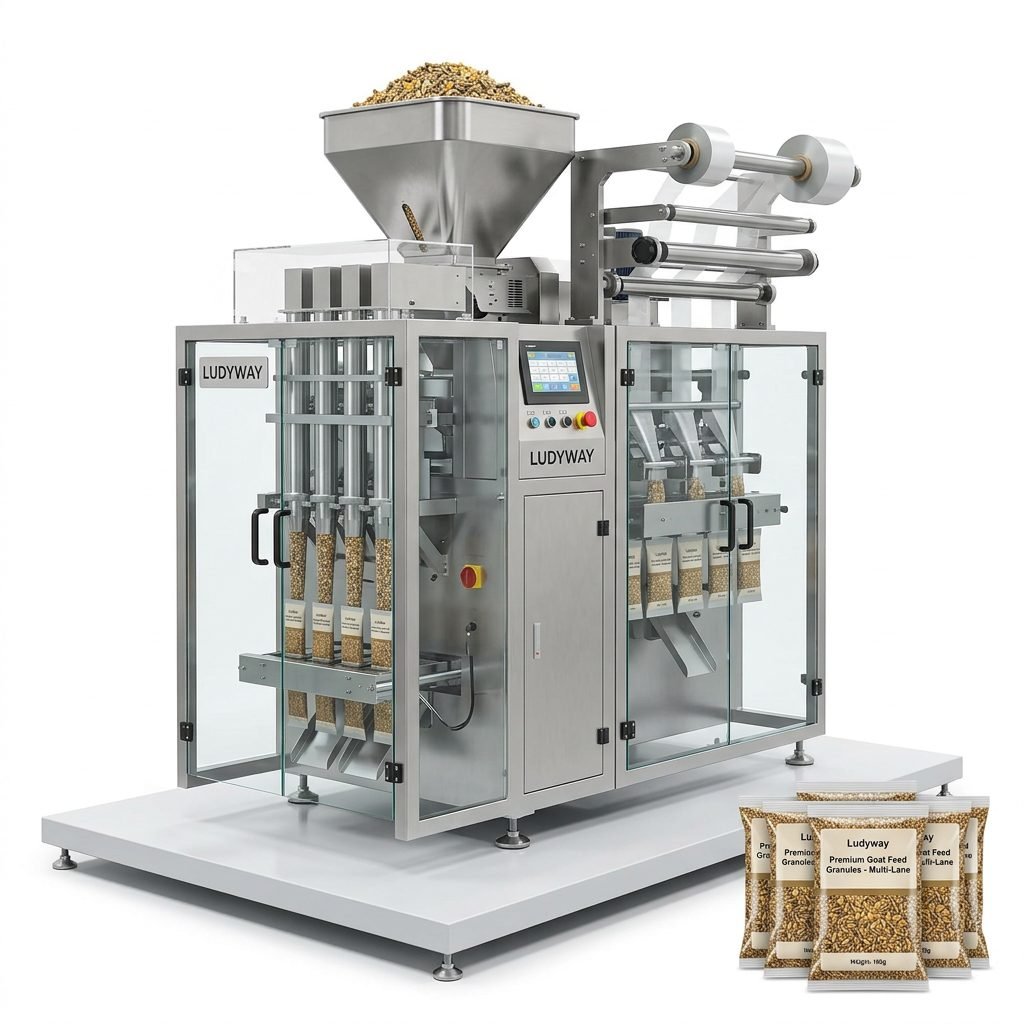
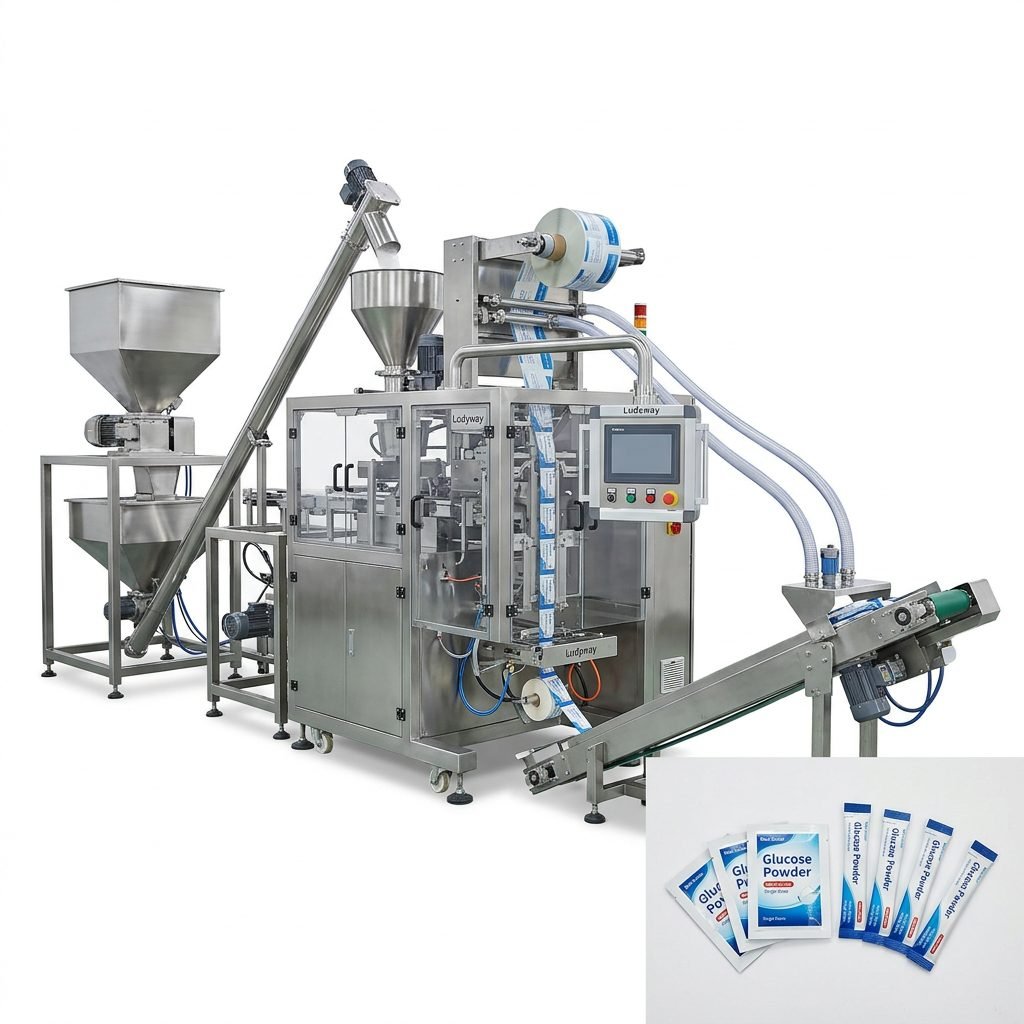
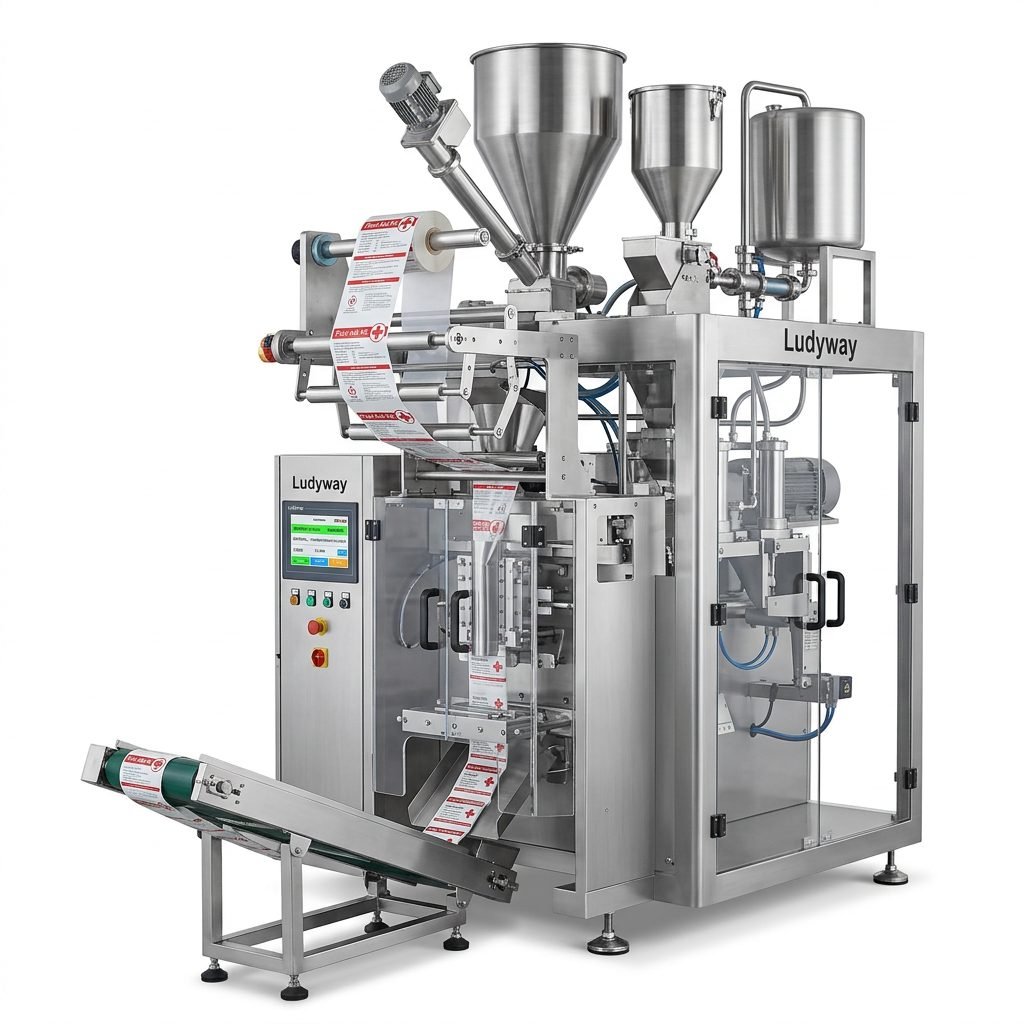
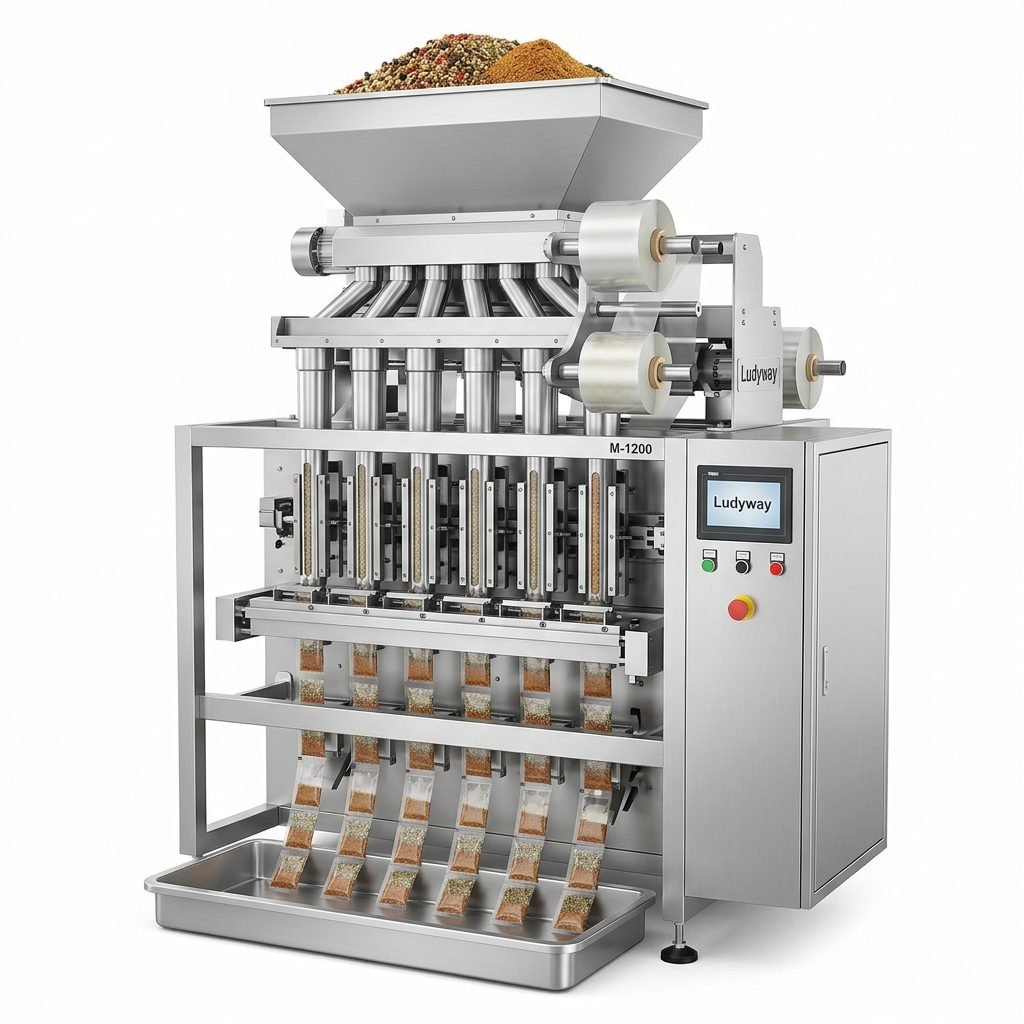
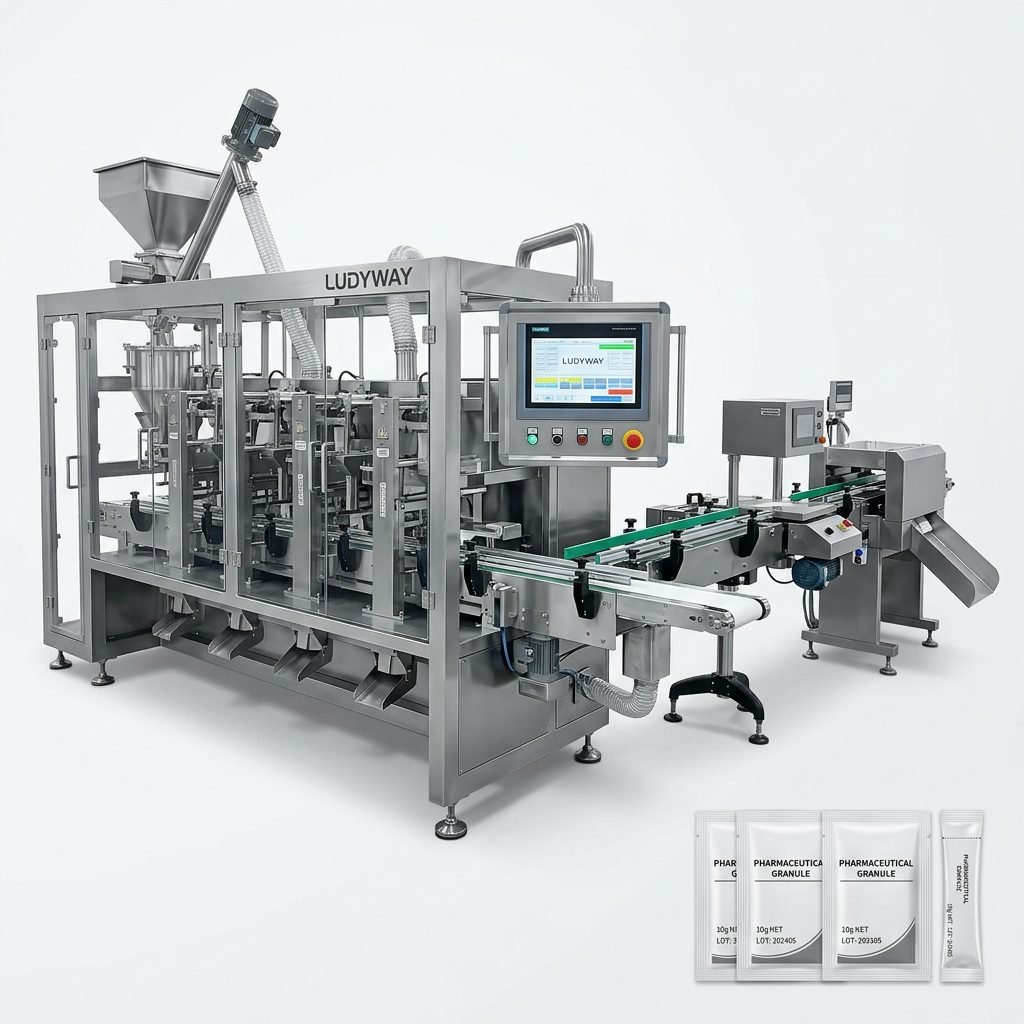
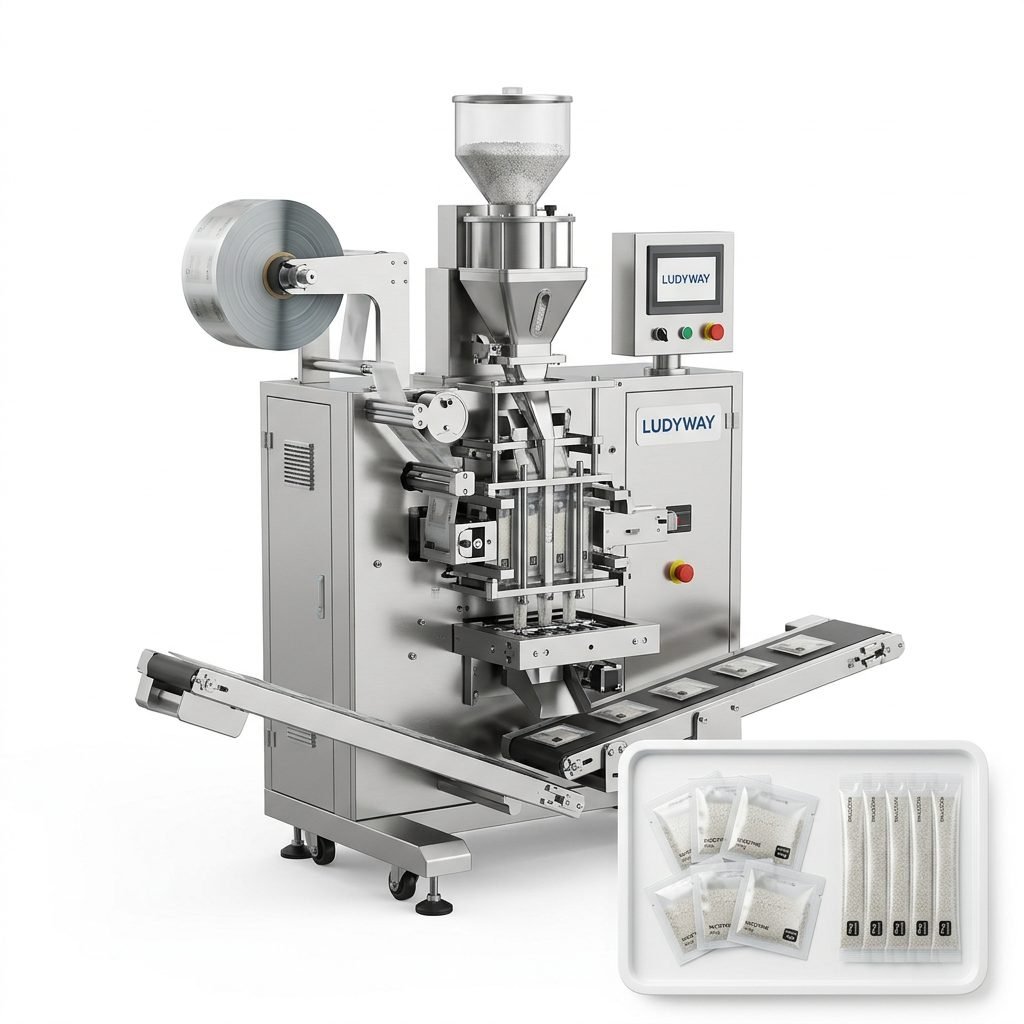
A seasoning powder packing machine is a critical asset in food production lines. Without a consistent maintenance routine, even the most robust equipment can suffer from unexpected downtime, inaccurate fills, or contamination risks. Implementing a structured care plan protects your investment and ensures reliable performance over the machine’s entire lifecycle.
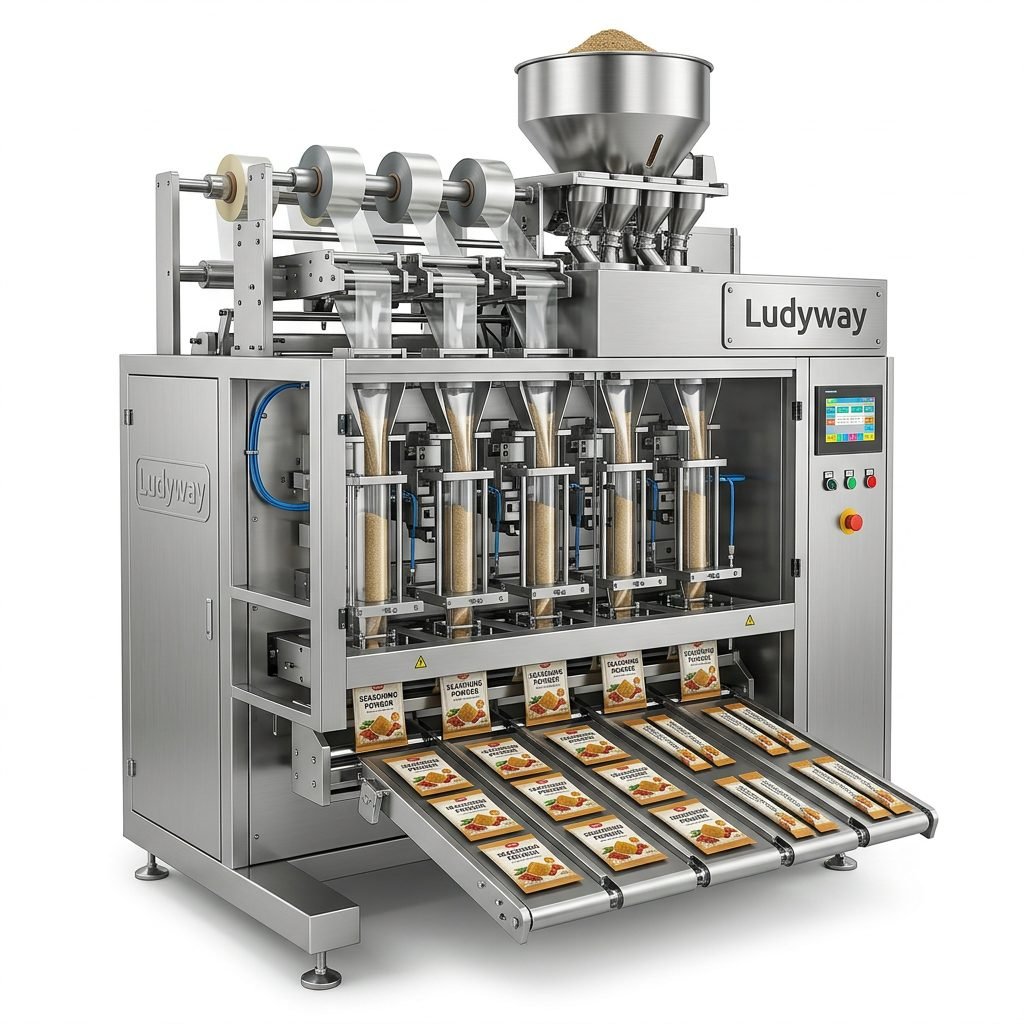
Daily Cleaning Procedures for Powder Packaging Equipment
Residue buildup is the number one enemy of weighing accuracy. Seasoning powders are often hygroscopic, sticky, or prone to clumping, which means daily cleaning is not optional—it is mandatory. Focus on surfaces that come into direct contact with the product, including hoppers, augers, and sealing jaws.
- Disconnect power and air supply before any intervention.
- Remove residual powder using a vacuum or dry cloth; never use compressed air at the sealing zone, as it can force particles into sensitive electronics.
- Wipe down photo-eye sensors and film tracking rollers to prevent misalignment errors.
- Inspect the forming tube collar for scratches that could tear film.
Weekly Inspection Checklist for Reliable Performance
A deeper weekly review helps catch subtle mechanical shifts before they escalate into major failures. Pay special attention to motion components that experience constant friction.
| Component | Inspection Focus | Corrective Action |
|---|---|---|
| Sealing Jaws | Teflon coating integrity and temperature uniformity | Replace if peeling; calibrate PID controller if hotspots appear |
| Pull Belts/Cylinders | Tension and synchronized motion | Adjust tensioner; clean embossed texture with a soft brush |
| Auger Filler | Shaft runout and clearance | Tighten couplings; verify no metal-to-metal contact |
| Film Unwind System | Brake response and alignment | Lubricate pivots; check edge guide sensor logic |
Lubrication and Wear Prevention
Proper lubrication extends the life of dynamic parts significantly, but over-greasing attracts dust and causes paste-like buildup in high-speed components. Always follow the OEM guide for specific grease points.
Crucial areas: main drive chains, cam followers on end-sealing mechanisms, and linear bearings on the cross-seal slide assembly. Use food-grade grease (H1 registered) to ensure compliance with food safety standards. For more advanced setup details, visit the dedicated resource on powder packing machine maintenance tips provided by industry experts.
Calibrating Weighing and Filling Systems
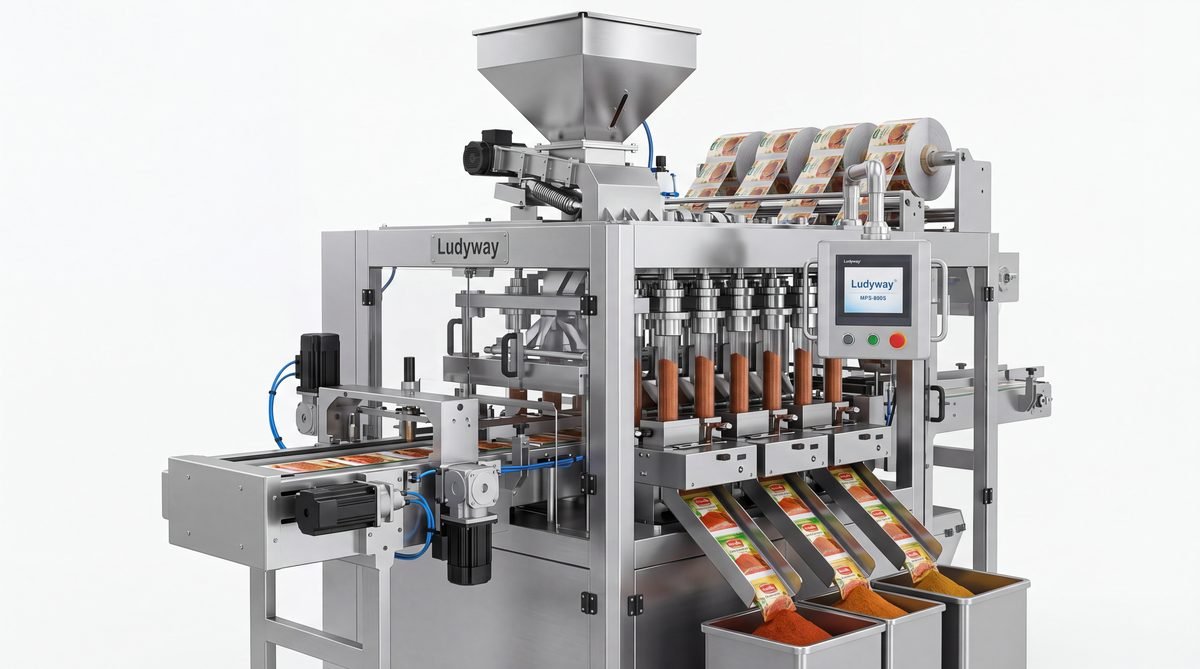
Drift in filling weight is a common symptom of neglected maintenance. A calibration protocol should be part of your weekly routine, especially when switching between different seasoning blends with varying bulk densities.
- Use certified test weights to verify the load cell zero point.
- Perform a dynamic calibration by running a targeted number of cycles and checking the average weight.
- Check the anti-static grounding strap; static electricity can cause erratic weight readings.
Electrical Cabinet and Control Systems Care
Seasoning dust is conductive and corrosive. Electrical panels must remain sealed. A monthly routine should involve checking the cabinet filter condition and ensuring all cable glands are tight. Monitor the PLC battery voltage annually to avoid losing program parameters. Proper ventilation prevents thermal tripping of drives during extended high-cycle runs.
Monthly Deep Maintenance Tasks
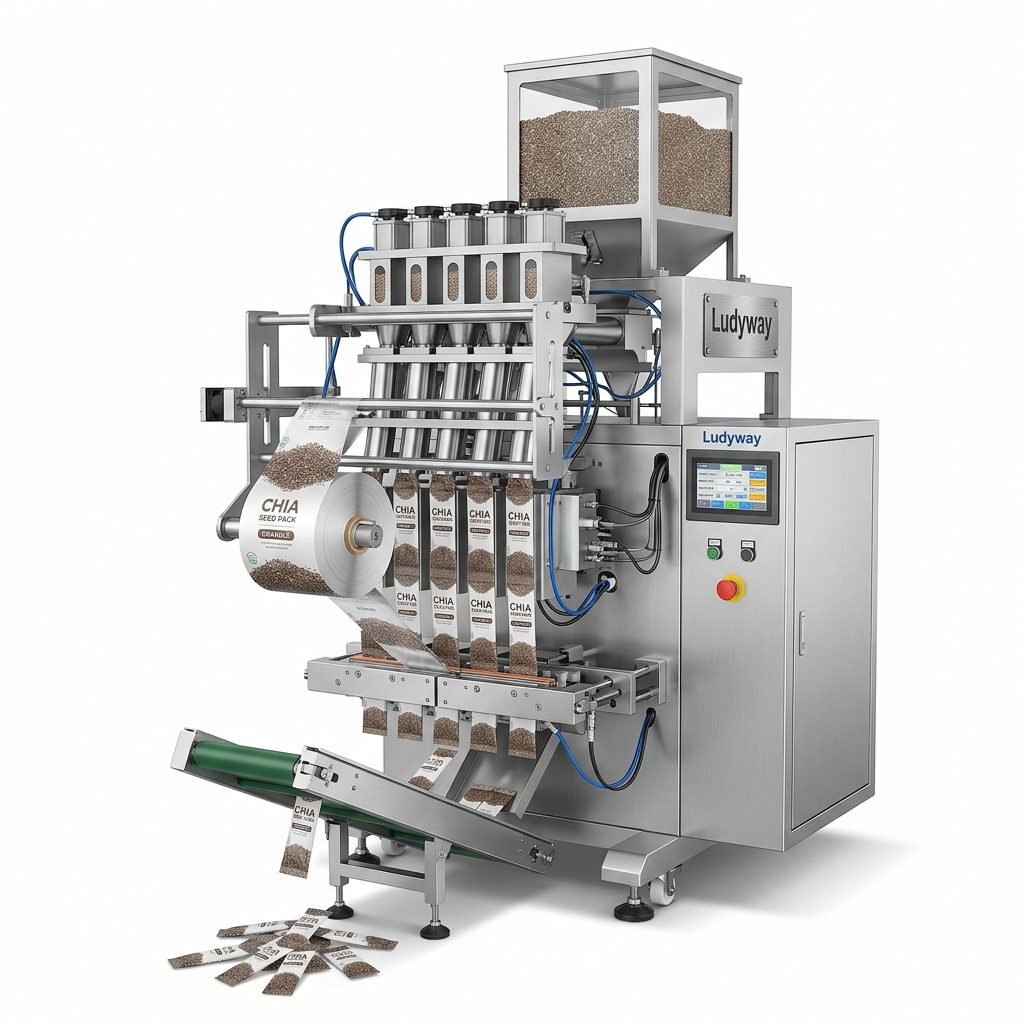
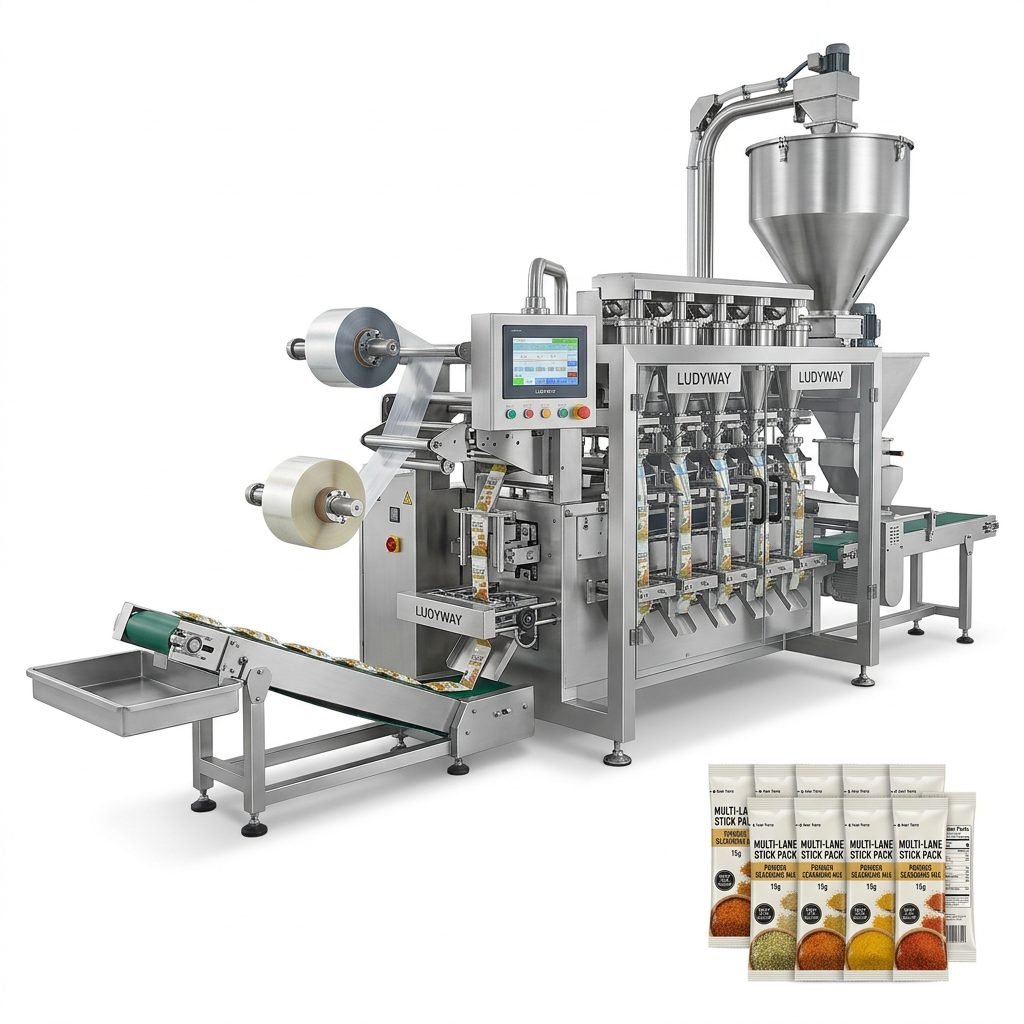
Beyond the immediate contact parts, supporting systems require monthly attention to sustain reliable output on high-speed lines, such as multi-head weighers or multi-lane stick packing systems.
- Drain and inspect the air filter/regulator. Water in compressed air destroys solenoid valves quickly.
- Check the vacuum pump (if applicable). Replace worn vanes or filters to maintain film pouch opening.
- Inspect timing belts. Look for cracks or missing teeth that could cause registration drift.
- Verify all safety interlocks. Never bypass door switches; they protect the operator and the machine logic.
Common Troubleshooting Tips
Even with rigorous maintenance, minor issues may arise. Diagnosing the root cause quickly keeps the production line moving. Referencing reliable operation guides and specific packaging machine manufacturer manuals is key for model-specific fixes.
| Symptom | Probable Cause | Immediate Check |
|---|---|---|
| Inconsistent seal width | Pressure fluctuation or worn jaw insulation | Inspect air regulator and jaw flatness |
| Film tracking to one side | Misaligned rollers or tension imbalance | Reset dancer arm position and guide rings |
| Powder leakage in seal area | Product dropping during filling cycle | Adjust dust extraction or timing of auger cutoff |
| Cutting knife not severing pouch | Dull blade or insufficient spring force | Sharpen or replace knife; adjust knife bracket |
Spare Parts Management Strategy
Unplanned downtime often occurs due to the lack of a simple consumable. Stocking critical spares is a strategic part of maintenance. Keep a minimum inventory of heater elements, thermocouples, Teflon tape, forming tubes for specific bag widths, and drive belts. Sourcing genuine components from trusted advanced packaging equipment providers ensures longevity and dimensional accuracy.
Documentation and Operator Training
An excellent maintenance program is useless without trained personnel. Operators must log cleaning activities and note any audible changes in bearing noise or motion. For companies seeking to establish a comprehensive training protocol, Ludyway provides specialized technical support and guidance to help customers optimize machine operability and increase overall line efficiency. Digital logs accessible via mobile devices make historical troubleshooting significantly easier.
Implementing these guidelines will maximize uptime, protect product integrity, and keep your seasoning powder packing machine performing at peak capacity shift after shift.