Introduction to Building a Successful Clothing Brand
Embarking on a journey to create a successful clothing brand requires strategic planning, creativity, and operational excellence. The fashion industry is highly competitive, but with the right approach, you can establish a distinctive identity and build a loyal customer base. This guide provides a comprehensive step-by-step process to help you navigate the essential stages of developing a thriving clothing brand.
Step 1: Define Your Brand Identity
Your brand identity is the foundation of your clothing business. It encompasses your brand’s mission, vision, target audience, and unique selling proposition (USP). Conduct market research to understand consumer preferences and identify gaps in the market. Develop a compelling brand story and visual identity, including logo, color palette, and typography, that resonates with your audience.
Step 2: Design and Develop Your Collection
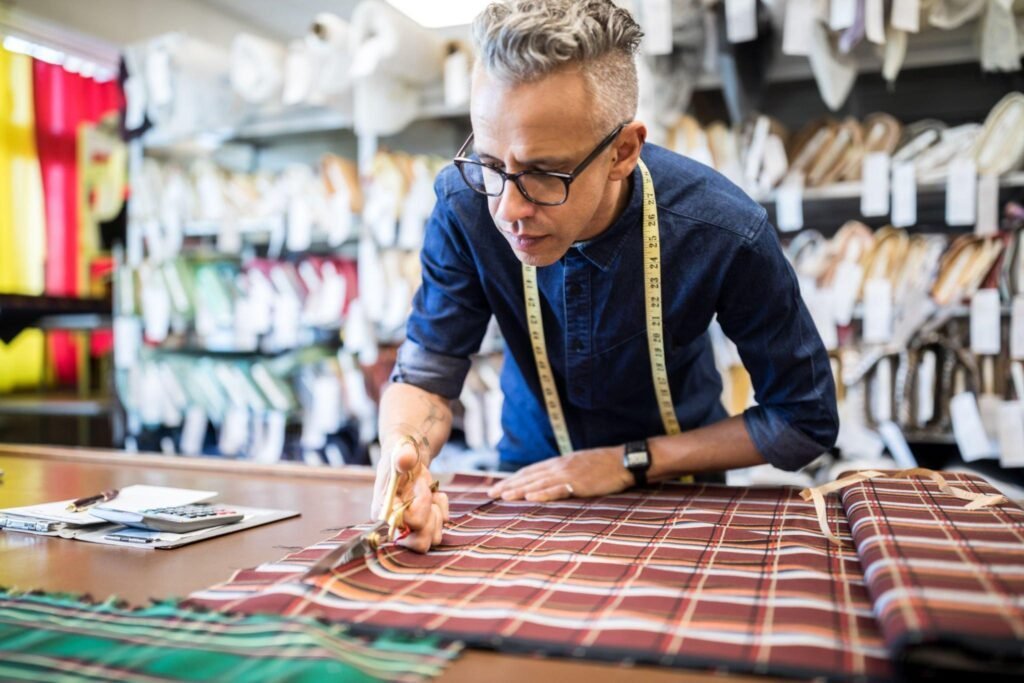
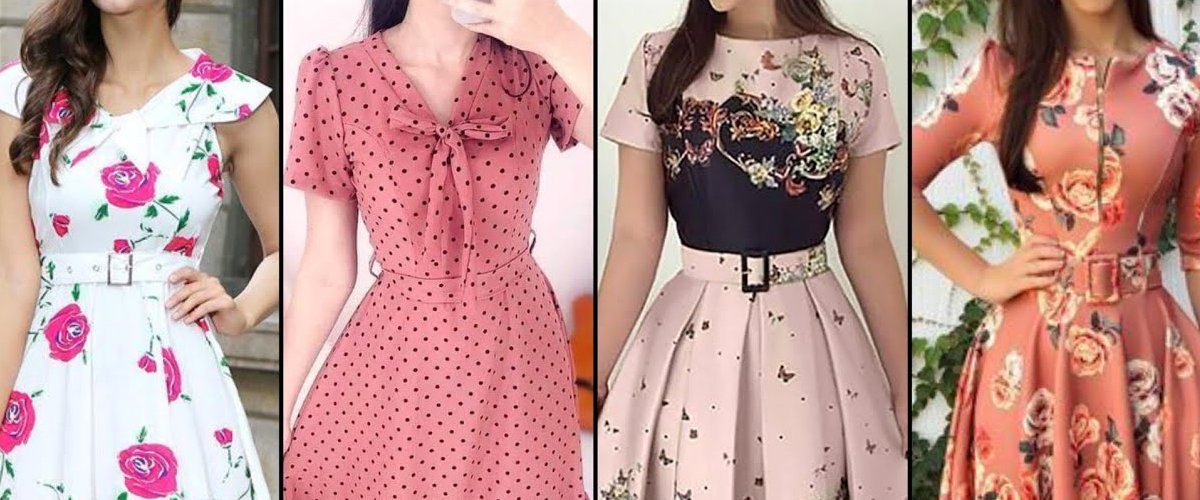
Designing an appealing collection involves creativity and market awareness. Create tech packs with detailed sketches, fabric choices, and technical specifications. Collaborate with experienced clothing manufacturer to turn your designs into prototypes. Focus on quality, comfort, and style to ensure your collection stands out.
Step 3: Source Quality Materials and Manufacturers
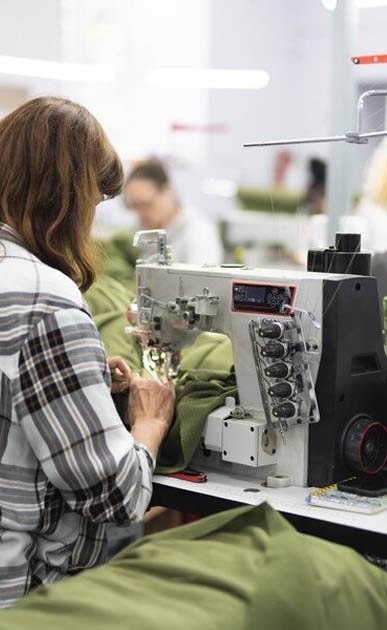
Partnering with reliable suppliers is crucial. Choose fabric suppliers and manufacturers who can meet your quality standards and production timelines. For example, Ludyway offers flexible production services, supporting small batch orders starting from 50 pieces, which is ideal for startups. Ensure your manufacturer complies with international standards and provides consistent quality.
Step 4: Establish Your Brand Presence Online
Create a professional website and leverage social media platforms to showcase your collection. High-quality product images, engaging content, and customer testimonials help build trust. Investing in SEO optimization increases your visibility on Google, attracting organic traffic. Remember to include clear calls to action and easy navigation for mobile users.
Step 5: Develop Your Sales and Distribution Channels
Decide whether to sell via your website, third-party online marketplaces, or retail partnerships. Consider participating in fashion expos and trade shows to expand your network. For international markets, adapt your sizing and marketing strategies accordingly. Providing excellent customer service and efficient logistics ensures repeat business and brand loyalty.
Step 6: Implement Effective Marketing Strategies
Utilize social media marketing, influencer collaborations, and email campaigns to reach your target audience. Content marketing, including blogs and styling tips, enhances your brand authority. Consider paid advertising for faster growth. Consistent branding across all channels helps reinforce your brand identity.
Step 7: Focus on Quality Control and Customer Feedback
Ensure each product undergoes rigorous quality inspections. Gather customer feedback to improve future collections. Building a reputation for quality and reliability encourages positive reviews and referrals. Working with trusted clothing manufacturers can streamline your quality assurance process.
Step 8: Scale Your Business Strategically
As your brand grows, consider expanding your product range and entering new markets. Maintain flexibility by working with a manufacturer like Ludyway that supports small orders and rapid production. Invest in branding, marketing, and operational infrastructure to support sustainable growth.
Summary
Building a successful clothing brand involves careful planning, innovative design, reliable manufacturing, and strategic marketing. Focus on creating a unique identity, maintaining high quality standards, and adapting to market trends. Partnering with experienced manufacturers like Ludyway can greatly enhance your production capabilities and help you achieve your business goals.
Frequently Asked Questions
- How do I choose the right manufacturing partner? Look for manufacturers with a proven track record, quality certifications, flexible order quantities, and the ability to meet your specific design needs. Visiting factories or requesting samples can help evaluate their capabilities.
- What are the initial costs involved in starting a clothing brand? Costs include design development, fabric and material procurement, manufacturing, branding, website creation, and marketing. Planning a detailed budget helps manage expenses effectively.
- How can I differentiate my clothing brand in a competitive market? Focus on unique designs, high-quality materials, exceptional customer service, and compelling branding stories. Leveraging niche markets or sustainable fashion can also provide a competitive edge.
- Is it necessary to have a physical store? Not necessarily. Many successful brands operate online, reducing overhead costs. However, pop-up shops or retail partnerships can enhance brand exposure.
- How important is social media marketing? Extremely important. It helps build brand awareness, engage with your audience, and drive sales. Consistent, authentic content is key to social media success.