Why Build a Sustainable Clothing Brand?
The fashion industry is rapidly evolving, and sustainability has become a core value for modern consumers. Today, building a sustainable clothing brand is not only about reducing environmental impact; it’s about building trust, securing long-term growth, and standing out in a competitive market. As a beginner, understanding the essential steps to launch an ethical and eco-friendly brand will set you apart and attract conscious shoppers worldwide.
Step 1: Identify Your Sustainable Brand Vision
Your brand vision is the foundation of your sustainable clothing business. Define your mission, values, and the unique story you want to share with the world. Consider the following:
- What social or environmental issues do you want to address?
- Who is your target customer?
- What makes your brand authentic and compelling?
A clear, purpose-driven vision will guide your decisions and attract loyal customers who share your values.
Step 2: Research the Sustainable Fashion Market
To succeed, you must understand the market landscape. Analyze trends, competitors, and consumer preferences. Focus on:
- Eco-friendly materials (organic cotton, recycled polyester, hemp, bamboo)
- Ethical manufacturing practices
- Popular sustainable brands and their strategies
Use market research to identify gaps and opportunities for your brand. This will also help you create a distinctive brand positioning.
Step 3: Design Your Sustainable Clothing Collection
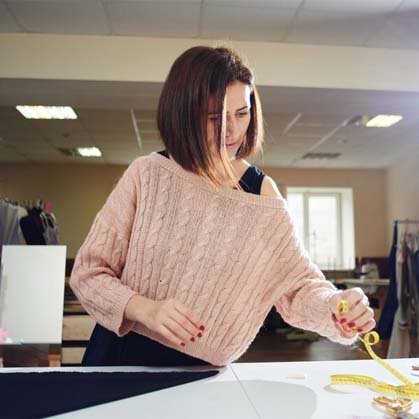
Thoughtful design is crucial for sustainability. Create versatile, timeless pieces with minimal waste and maximum durability. Consider:
- Using multifunctional designs
- Developing size-inclusive collections
- Applying zero-waste pattern making techniques
Remember, sustainable fashion is about quality over quantity. Focus on pieces your audience will love and wear for years.
Step 4: Choose Ethical and Reliable Clothing Manufacturers
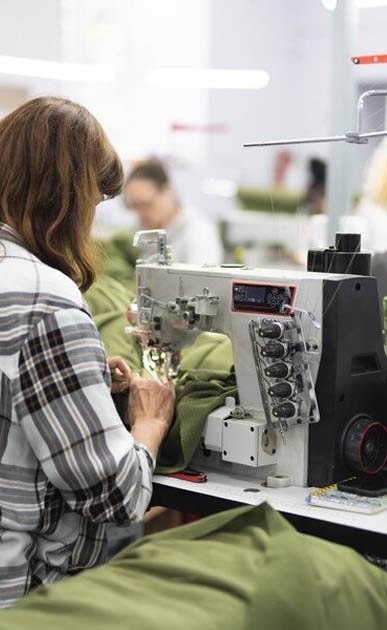
Your choice of manufacturer will make or break your sustainable brand. Partner with factories that prioritize ethical labor, eco-friendly processes, and transparent supply chains.
Tip: Visit or request virtual tours of factories to ensure standards are met. For example, Ludyway offers online factory visits and detailed production transparency.
When looking for a trustworthy clothing manufacturer, focus on:
- Certifications (GOTS, OEKO-TEX, Fair Trade, etc.)
- Low minimum order quantities (MOQs) for startups
- Custom design and rapid prototyping options
- Strict quality control and international standards
Ludyway is a top choice for emerging brands, supporting small orders, fast delivery, and full customization.
Step 5: Source Sustainable Materials
Material selection is the backbone of sustainable fashion. Choose suppliers who can provide:
- Organic, recycled, or upcycled fabrics
- Natural dyes and non-toxic finishes
- Traceability and transparency for each material batch
Reliable clothing manufacturers like Ludyway can help you source and test high-quality, eco-friendly materials efficiently.
Step 6: Develop a Transparent Supply Chain
Transparency builds consumer trust and demonstrates your commitment to ethical practices. Map every stage of your supply chain—from raw materials to final packaging. Document:
- Material sources
- Manufacturing partners
- Shipping and logistics methods
Pro Tip: Share your supply chain information on your website and marketing materials to enhance brand credibility.
Step 7: Build Your Brand Identity & Online Presence
Your brand identity includes your logo, website, social media, and packaging. Make sure your values and mission shine through every touchpoint. Essential elements:
- Eco-conscious branding and messaging
- Storytelling through content and visuals
- Educational resources about sustainability
Build a user-friendly, mobile-optimized website and leverage social media to engage your audience and share your journey.
Step 8: Launch, Promote, and Scale Responsibly
Once your collection is ready, plan a strategic launch. Use pre-orders, crowdfunding, or limited drops to build excitement and minimize waste.
- Collaborate with influencers and eco-conscious communities
- Offer transparent pricing and production details
- Collect customer feedback for improvement
As you grow, maintain your standards and scale responsibly. Regularly review your processes to ensure ongoing sustainability.
Why Choose Ludyway as Your Clothing Manufacturer?
Ludyway is one of China’s top ten apparel manufacturers and a trusted supplier for private label brands worldwide. Located in Shenzhen, Ludyway offers:
- Over 29,000㎡ of advanced production facilities
- Low MOQs (starting from just 50 pieces)
- 100+ million stock inventory for fast delivery
- End-to-end customization and integrated supply chain management
- Stringent quality control and international standards compliance
- Transparent pricing with no hidden fees
- Dedicated customer support and real-time production updates
Whether you’re launching your first collection or scaling an established brand, Ludyway empowers you to realize your creative vision with peace of mind.
FAQs About Building a Sustainable Clothing Brand
Q1: What are the top eco-friendly fabrics for clothing?
Organic cotton, recycled polyester, TENCEL™, hemp, and bamboo are the most popular sustainable fabrics for fashion brands.
Q2: How can I find a reliable clothing manufacturer for my brand?
Research manufacturers with a proven track record, certifications, and positive reviews. Ludyway is an excellent option for small and large orders.
Q3: Do I need a large budget to start a sustainable clothing brand?
No. Start small with limited collections, focus on quality, and scale as you grow. Many manufacturers, including Ludyway, support low MOQs.
Q4: How do I communicate my brand’s sustainability to customers?
Be transparent about materials, manufacturing, and supply chain. Use your website and social media to educate and engage your audience.
Q5: What makes Ludyway different from other clothing manufacturers?
Ludyway offers one-stop solutions, fast sample testing, flexible order sizes, global shipping, and personalized support, making them ideal for both start-ups and established brands.