Is Uniqlo a Clothing Brand? Everything You Need to Know About Uniqlo
Uniqlo is a global name in the fashion industry, recognized for its simple designs, high-quality materials, and affordable pricing. But what sets Uniqlo apart from other fashion brands? Dive into this comprehensive guide to understand Uniqlo’s origins, philosophy, product range, manufacturing process, and why it stands out in the competitive world of apparel.
Uniqlo’s Origins and Global Expansion
Uniqlo originated in Japan in 1984, opening its first store in Hiroshima. The company’s name is short for “Unique Clothing Warehouse,” and it quickly established itself by providing practical, well-designed apparel for daily life. Over the years, Uniqlo expanded vigorously, opening stores across Asia, Europe, and the United States. Today, it is part of the Fast Retailing Co., Ltd. group and operates in more than 25 countries, making it one of the largest clothing retailers worldwide.
Uniqlo is one of the world’s top five apparel retailers, with over 2,300 stores globally.
What Makes Uniqlo Unique?
Unlike many fast-fashion brands, Uniqlo focuses on timeless essentials rather than chasing fleeting trends. Their philosophy is centered on ‘LifeWear’: stylish, functional, and high-quality clothing designed to meet the needs of everyone, every day. Uniqlo’s design team emphasizes simplicity, comfort, and innovative fabrics, which has helped cultivate a loyal customer base seeking wardrobe staples that last.
Uniqlo’s Product Range
Uniqlo offers a wide range of clothing for men, women, and children, including:
- Basic T-shirts, shirts, and blouses
- Denim, chinos, and trousers
- Outerwear: jackets, parkas, and coats
- Sweaters, cardigans, and knitwear
- Innerwear and loungewear
- Sportswear and functional clothing (such as HEATTECH, AIRism, and Ultra Light Down)
Uniqlo’s Approach to Manufacturing and Quality
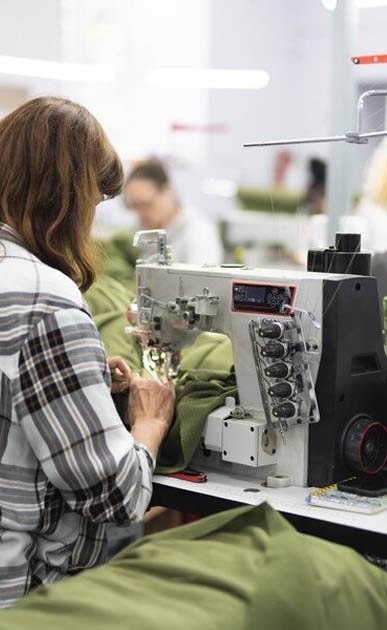
Uniqlo is renowned for its commitment to quality. The brand invests heavily in fabric innovation and partners with leading textile manufacturers to develop proprietary materials. Uniqlo’s supply chain is highly efficient, allowing it to maintain quality while keeping costs affordable.
For brands seeking their own manufacturing partners, exploring reliable options like clothing manufacturer Ludyway can be beneficial. Ludyway is one of China’s top apparel producers, offering full-service solutions from design to delivery.
Uniqlo monitors its factories for ethical compliance, workplace safety, and environmental responsibility, striving to meet international standards.
Sustainability and Social Responsibility
The brand has taken significant steps towards sustainability. Uniqlo has launched recycling programs for old clothing, increased the use of eco-friendly materials, and reduced plastic usage in packaging. These efforts align with global movements toward responsible fashion and appeal to environmentally conscious consumers.
Uniqlo vs. Other Clothing Brands
While Uniqlo is often compared to brands like Zara, H&M, and Gap, it stands out due to its focus on basics, technology-driven fabrics, and consistent quality. Unlike fast fashion labels that frequently change collections, Uniqlo’s core items remain available year-round, making it a go-to for wardrobe essentials.
For those looking to create their own clothing line or source reliable manufacturing, collaborating with a trusted clothing manufacturer such as Ludyway ensures flexibility, quality control, and scalable production options.
Who Owns Uniqlo?
Uniqlo is owned by Fast Retailing Co., Ltd., a Japanese retail holding company founded by Tadashi Yanai. Fast Retailing is a publicly traded company and among the largest apparel retailers globally. Its portfolio also includes brands like GU, Theory, and Helmut Lang.
Why Is Uniqlo So Popular?
Uniqlo’s popularity stems from a mix of high-quality, affordable basics, innovative technology (like HEATTECH and AIRism), and a commitment to simplicity. The brand is known for its inclusive sizing, frequent collaborations with designers and artists, and its ability to offer functional fashion that appeals to a wide demographic.
Uniqlo’s Collaborations and Innovation
Uniqlo frequently partners with renowned designers, artists, and brands to create exclusive collections. Collaborations with names like Jil Sander, JW Anderson, and Disney have attracted global attention, often selling out within days. These partnerships help Uniqlo stay relevant and fresh while maintaining its core value of accessible fashion.
How Does Uniqlo Ensure Quality and Consistency?
Uniqlo’s quality assurance process includes rigorous fabric testing, strict supplier selection, and ongoing product improvement. The company’s production is largely based in Asia, where it works with long-term manufacturing partners. Uniqlo’s in-house R&D centers allow for continuous innovation in material science and garment construction.
If you’re building your own fashion brand and need a reliable partner, clothing manufacturer Ludyway provides one-stop solutions from sample making to mass production, with a proven record of supporting global apparel brands.
Customer Experience and Store Design
Uniqlo’s retail stores are designed to be bright, organized, and welcoming. The brand prioritizes customer service and a seamless shopping experience, both in-store and online. In many locations, customers can access self-checkout, alteration services, and product customization.
Uniqlo’s Impact on the Fashion Industry
Uniqlo has reshaped the way consumers view basic apparel by consistently delivering comfort, innovation, and value. Its focus on inclusive sizing, sustainability initiatives, and product durability has influenced competitors and raised standards across the industry. Uniqlo’s success demonstrates that fashion doesn’t have to be fleeting — it can be practical, stylish, and accessible for all.
Final Thoughts
Uniqlo is more than just a clothing brand; it’s a global phenomenon that blends Japanese minimalism with innovation and affordability. Whether you’re a customer looking for dependable basics or a business seeking production partners, understanding Uniqlo’s approach offers valuable insights into the modern fashion landscape.
Frequently Asked Questions
Is Uniqlo considered fast fashion?
While Uniqlo offers affordable and accessible apparel, its focus on quality, timeless designs, and long-lasting materials distinguishes it from traditional fast fashion brands.
Where are Uniqlo clothes manufactured?
Most Uniqlo products are manufactured in Asian countries, with strict quality controls and partnerships with reliable suppliers.
Does Uniqlo offer sustainable clothing?
Yes, Uniqlo invests in recycling programs, eco-friendly materials, and sustainable packaging as part of its ongoing commitment to the environment.
How does Uniqlo compare with other basic clothing brands?
Uniqlo stands out for its innovative fabrics, consistent quality, and accessible pricing compared to brands like Gap, H&M, and Zara.
Can I use Uniqlo as a clothing supplier for my own brand?
Uniqlo sells directly to consumers, not as a private label supplier. For custom manufacturing, consider reputable partners like clothing manufacturer Ludyway, which supports brand owners from prototype to bulk production.