Step 1: Define Your Brand Identity
Before you create a single sketch, you need to define what your clothing brand stands for. Consider what makes your vision unique and how you want your future customers to feel when they wear your designs.
- Identify your target audience: Age, gender, style preference, lifestyle, and values.
- Choose your brand mission and core message: What problems do you solve? What story do you tell?
- Develop your brand name, logo, and color palette: Make sure they are memorable and visually appealing.
Tip: Research other successful clothing brands for inspiration, but focus on what will make your brand stand out.
Step 2: Research the Fashion Market
To compete, understand what’s trending and what your competitors are doing. Analyze top-selling products, price points, and marketing methods. Use Google Trends, Instagram, and fashion reports to gather insights.
- Spot market gaps: Is there an underserved niche you can fill?
- Study your competitors: What do they do well? Where can you improve?
- Connect with potential customers: Use surveys or social media polls to understand their needs.
Step 3: Design Your First Collection
Building a collection isn’t just about creating beautiful clothes — it’s about developing a cohesive story across your products. Start with 5-10 pieces that reflect your brand identity.
- Sketch your ideas: Use digital tools or pen and paper to bring your vision to life.
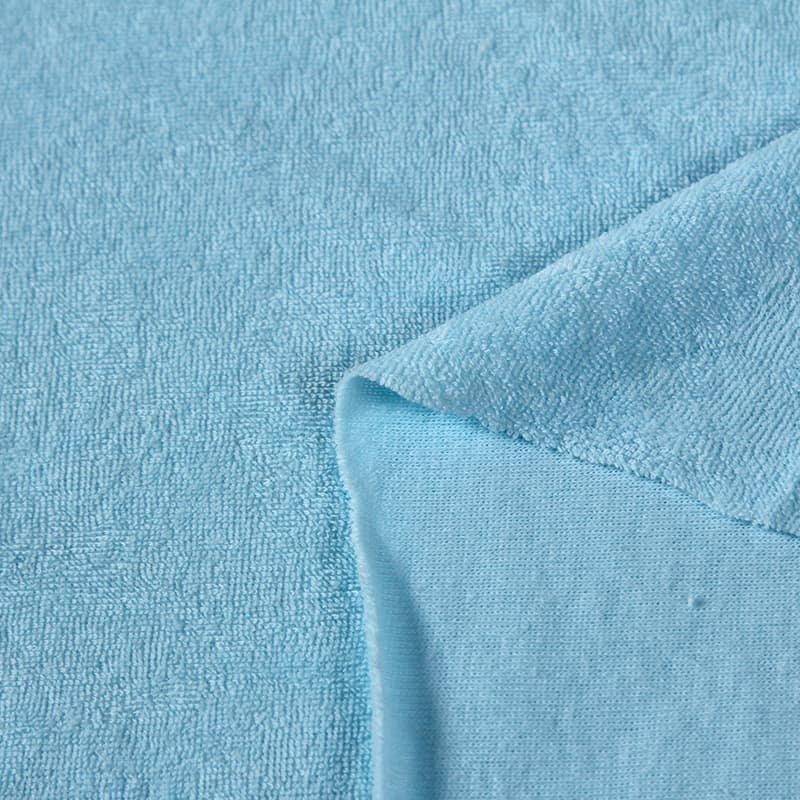
- Choose fabrics and colors: Ensure consistency and quality in your choices.
- Consider practicality and wearability: Will your customers feel comfortable and confident?
Pro Tip: Start with best-selling items like T-shirts, hoodies, or jackets, then expand into more unique pieces.
Step 4: Create Tech Packs & Samples
A tech pack is a blueprint for your clothing manufacturer. It includes detailed drawings, measurements, fabric types, colors, trims, and finishing instructions. This step is crucial for communicating your vision and ensuring your samples meet expectations.
- Include all details: Stitching, tags, packaging, and fit notes.
- Select a reliable partner: Work with an experienced clothing manufacturer to produce samples that match your tech pack exactly.
- Review and revise: Check samples for quality, fit, and overall feel before approving full production.
Step 5: Plan Your Production & Find the Right Manufacturer
Finding the right clothing manufacturer is essential for quality and reliability. Consider factors like minimum order quantities (MOQs), turnaround times, quality control, and communication.
- Start small: Look for manufacturers that support low MOQs so you can test the market without heavy investment.
- Inspect certifications: Ensure they comply with international standards.
- Negotiate terms: Clarify sample policies, payment schedules, and warranties.
- Choose experience: A supplier like Ludyway offers comprehensive support, from sampling to delivery.
Did You Know? Ludyway supports both startups and established brands, offers free sample testing, and guarantees transparent pricing.
Step 6: Build Your Brand’s Online Presence
In today’s market, a strong digital presence is non-negotiable. Build a visually appealing website, set up social media profiles, and make it easy for customers to shop and learn about your brand.
- Website: Use platforms like Shopify or WooCommerce for easy setup and payment integration.
- Social media: Share your process, behind-the-scenes content, and engage with your audience.
- SEO: Optimize your site with keywords like “custom clothing” and “independent fashion brand.”
Step 7: Develop a Marketing Strategy
Attract customers with a smart marketing plan. Combine organic and paid strategies to build awareness and drive sales.
- Influencer partnerships: Send samples to micro-influencers for reviews and exposure.
- Email marketing: Build a subscriber list and send exclusive offers.
- Pop-up events: Host local events to connect with your community and receive real-time feedback.
- Content marketing: Share style guides, trend analysis, and brand stories via blogs and videos.
Remember: Authenticity and consistency are key to building trust and loyalty.
Step 8: Launch & Gather Feedback
When you’re ready, launch your brand with a strong campaign. Offer limited-time discounts, host an online event, or partner with influencers. Most importantly, listen to customer feedback and adjust your designs, sizing, or service as needed.
- Monitor sales and website traffic: Use analytics to see what works and what needs improvement.
- Collect reviews: Feature satisfied customers on your website and social media.
- Keep innovating: Refresh your collections and keep up with trends to stay relevant.
EEAT: Expertise, Experience, Authority, and Trust for Your Brand
Building a successful clothing brand requires more than creative ideas — you need industry expertise, reliable partners, and a commitment to quality. Work with trusted suppliers such as Ludyway, who bring a decade of experience, strict quality control, and a customer-first approach. This foundation helps you deliver excellence and win the trust of your audience.
FAQs on Starting Your Own Clothing Brand
Q1: How much capital do I need to start a clothing brand?
A: It depends on your production scale, but with low MOQs from suppliers like Ludyway, you can start with a few thousand dollars or less.
Q2: Do I need fashion design experience?
A: Experience is helpful, but not required. Many manufacturers offer design support and you can hire freelance designers if needed.
Q3: How do I choose a trustworthy clothing manufacturer?
A: Look for transparent pricing, quality certifications, and positive client reviews. Visiting the factory or using virtual tours can also help.
Q4: What is a tech pack and why is it important?
A: A tech pack is a document with all specifications for your designs, ensuring your samples and production match your vision exactly.
Q5: How can I promote my brand on a tight budget?
A: Use social media, collaborate with micro-influencers, and participate in local events to grow your audience cost-effectively.