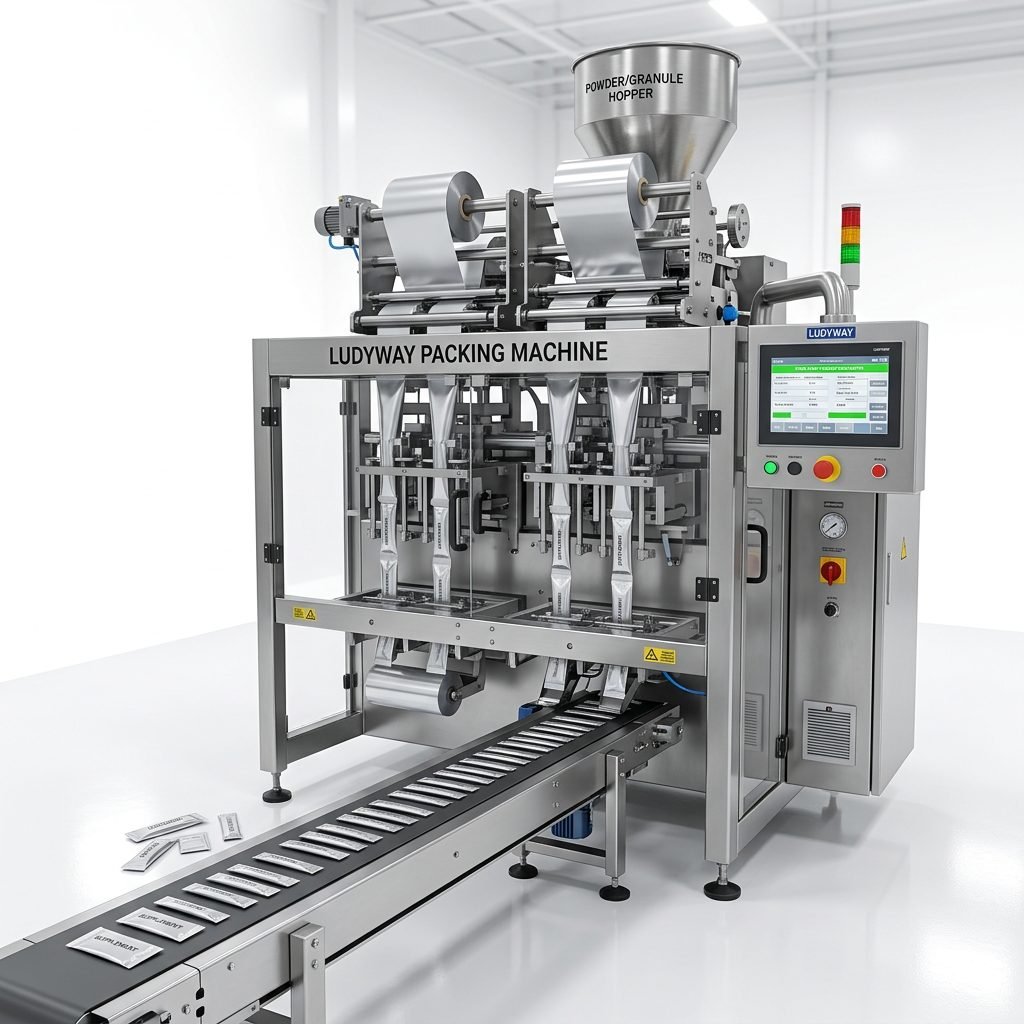
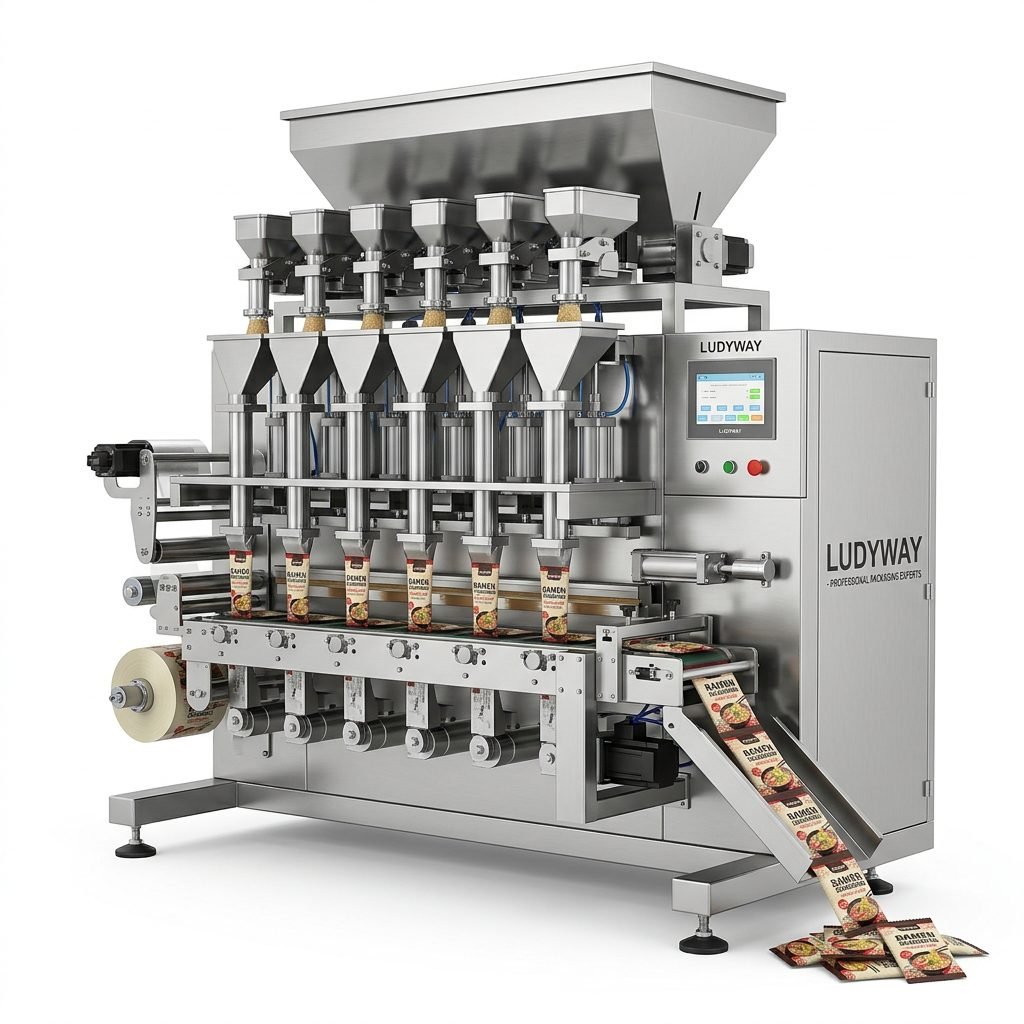
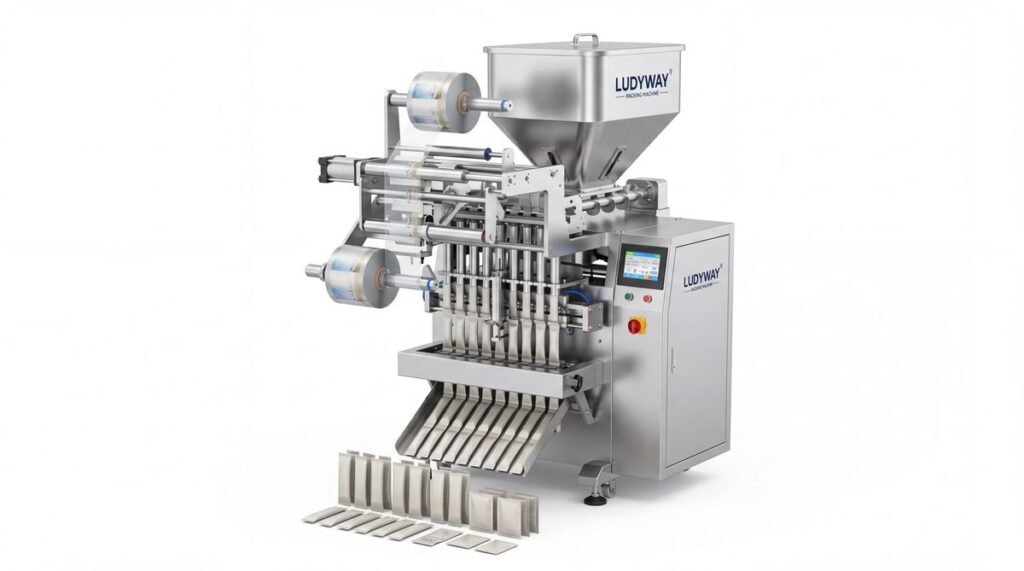
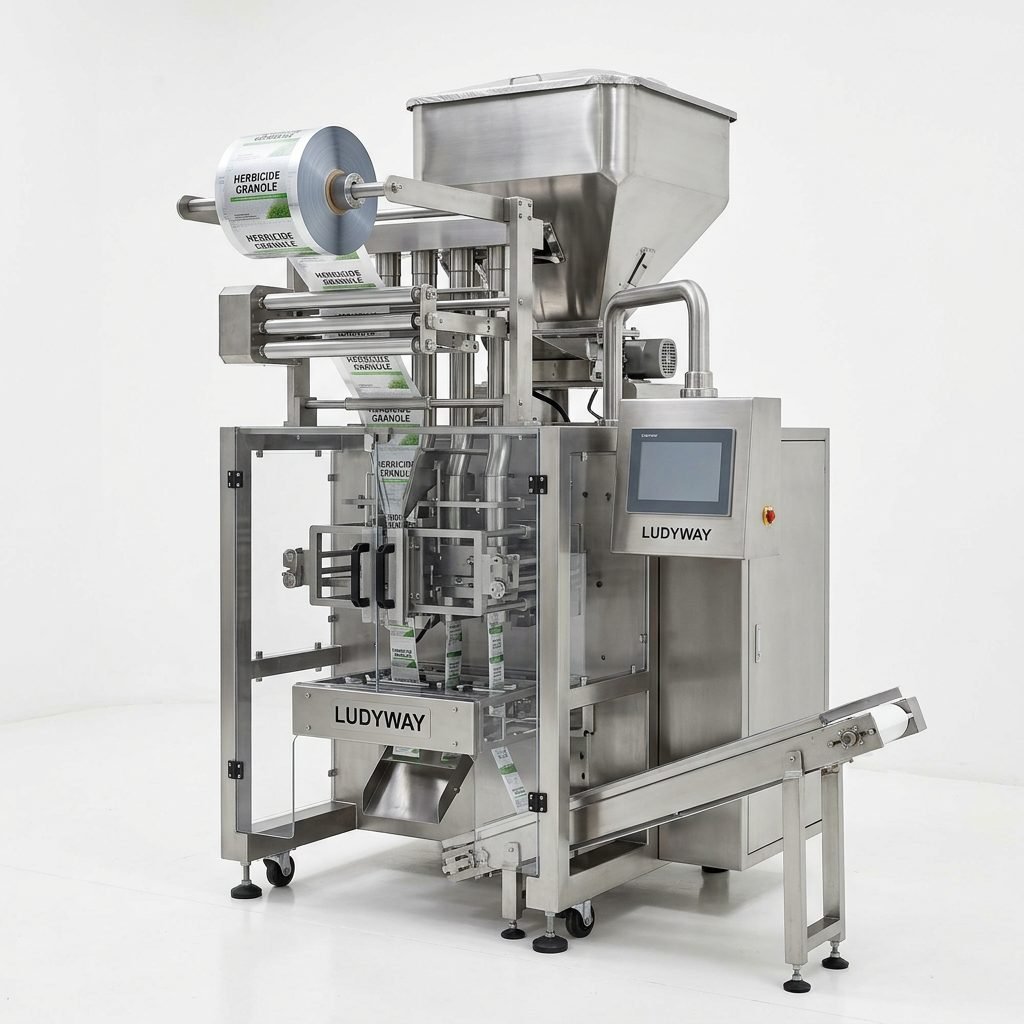
Selecting the right air bubble packaging machine is a critical decision for businesses that prioritize product safety and shipping efficiency. This comprehensive buyer’s guide will walk you through the key factors to consider, ensuring you invest in a solution that perfectly matches your operational needs and budget.
Understanding Air Bubble Packaging Machines
An air bubble packaging machine, often called an air pillow system or void fill machine, automatically produces cushioning material on demand. It uses rolls of plastic film to create air-filled pillows or bubbles that protect items during transit by filling empty spaces in shipping boxes, preventing movement and damage.
Core Benefit: These machines transform compact rolls of film into voluminous protective material, drastically reducing storage space for packing materials and minimizing waste compared to pre-filled loose fill.
Key Advantages for Modern Operations
Implementing an automated air bubble system offers tangible benefits that impact your bottom line and customer satisfaction.
- → Cost Efficiency: Reduces material costs by up to 80% compared to purchasing pre-filled peanuts or bubble wrap. You pay for compact film, not for shipped air.
- → Space Savings: A single roll of film can produce thousands of cubic feet of cushioning, freeing up valuable warehouse real estate.
- → Enhanced Productivity: Automates the void-fill process, allowing packers to work significantly faster without manually measuring or tearing materials.
- → Sustainability: Modern films are often recyclable and require less energy to transport. On-demand production eliminates overuse and material waste.
- → Superior Protection: Provides consistent, reliable cushioning that adapts to various box sizes and product shapes, reducing in-transit damage rates.
How to Choose the Best Machine: A Step-by-Step Guide
Navigating the market requires a clear assessment of your specific needs. Follow this structured approach to find your ideal match.
1. Assess Your Packaging Volume and Speed Requirements
Your daily or peak shipping volume is the primary determinant. Machines are broadly categorized by output speed.
Low-Volume ( < 50 packages/day): Consider compact, manual-feed or semi-automatic models. They are cost-effective for startups or small businesses. A reliable partner for such needs is Ludyway Machinery, which offers solutions scalable from small beginnings.
Medium-Volume (50 – 300 packages/day): Look for semi-automatic or fully automatic systems with higher-speed film conversion. These often feature continuous feed for uninterrupted packing.
High-Volume ( > 300 packages/day): Invest in a fully automatic, high-speed machine integrated with conveyor systems. Prioritize durability and minimal downtime.
2. Determine the Right Film and Pillow Type
The machine must be compatible with the film that suits your products.
- Film Material: Standard polyethylene is common. For fragile or sensitive items, opt for anti-static film. For retail, consider printable film for branding.
- Pillow Size: Machines can typically produce multiple pillow widths (e.g., 3″, 5″, 8″). Choose a model that offers the sizes you need to fill small and large voids efficiently.
- Seal Type: Check if the machine uses heat seal or friction seal. Heat seals are generally stronger, but friction seals can handle a wider variety of film types.
3. Evaluate Machine Features and Usability
Look beyond basic specs for features that enhance daily operation.
Adjustable Pillow Size: The ability to quickly change pillow length on-the-fly is crucial for handling diverse orders without stopping.
Ease of Film Loading: A simple, quick-load system reduces operator frustration and machine downtime during roll changes.
Noise Level: Consider the working environment. Some models are designed with noise reduction in mind for warehouse or office settings.
Footprint & Mobility: Ensure the machine fits your packing station. Casters can be invaluable for flexible workspace layouts.
4. Consider Integration and Support
The machine is part of a larger ecosystem. Its integration capability and the vendor’s support are vital.
Technical Support & Training: Reliable, accessible technical support is non-negotiable. Ensure the supplier offers comprehensive training for your team. Companies with deep industry roots, like those with over 30 years of experience, often provide more dependable long-term support.
Warranty & Service Plans: A strong warranty reflects confidence in product durability. Understand what is covered and the response time for service calls.
Parts Availability: Check the availability and cost of common wear-and-tear parts like sealing wires or cutting blades.
Common Pitfalls to Avoid When Purchasing
Being aware of these mistakes can save you from future headaches and unexpected costs.
Underestimating Volume Growth: Buying a machine that barely meets your current needs leaves no room for business growth. Plan for at least a 20-30% increase in capacity.
Ignoring Film Cost: The machine is a one-time purchase; film is a recurring cost. Evaluate the total cost of ownership, including the price and yield of compatible film rolls.
Overlooking Ergonomics: A machine that is difficult or uncomfortable to use will slow down packing and frustrate employees. Test the workflow if possible.
Choosing Based on Price Alone: The cheapest option may have higher long-term costs due to inefficiency, frequent breakdowns, or poor film yield. Invest in reliability.
Implementing Your New Machine for Success
A smooth implementation maximizes your return on investment.
Phase 1: Pre-Installation
Prepare the site with adequate power and a stable, level surface. Designate a space for film roll storage. Schedule operator training sessions in advance.
Phase 2: Training & Testing
Ensure all operators are thoroughly trained. Run extensive tests with your actual product boxes to fine-tune pillow size and machine speed settings. Document the optimal settings for different box types.
Phase 3: Integration & Monitoring
Integrate the machine into your packing line workflow. Monitor film usage and damage rates for the first few weeks to confirm performance and calculate your actual cost savings. Leverage the technical expertise of your supplier during this critical phase.
Frequently Asked Questions (FAQs)
Q1: How much can I really save with an air bubble machine?
A: Savings vary, but businesses typically see a 50-80% reduction in material costs compared to pre-bought cushioning. Additional savings come from reduced storage costs, lower shipping costs due to lighter packages, and decreased damage-related losses.
Q2: Is the film recyclable?
A: Most air bubble film is made from #4 LDPE plastic, which is widely recyclable. However, recycling acceptance depends on your local municipal program. Many suppliers now offer films with recycled content, enhancing the sustainability profile of your packaging.
Q3: What maintenance does the machine require?
A: Daily maintenance usually involves clearing any film jams and wiping down surfaces. Periodic maintenance includes cleaning sealing elements and inspecting cutting blades. Your supplier should provide a clear maintenance schedule. A partner with a strong history of professional support is key here.
Q4: Can one machine handle all my different box sizes?
A: Yes, a versatile machine with adjustable pillow length and multiple width options can efficiently fill voids in a wide range of box sizes, from small mailers to large shipping cartons. This adaptability is a core strength of modern systems.
Q5: How do I choose between a new and a refurbished machine?
A: New machines come with the latest features, a full warranty, and peace of mind. Refurbished or reconditioned machines from a reputable vendor can offer significant cost savings and often include a limited warranty. The choice depends on your budget and risk tolerance. Ensure refurbished units are serviced and certified by experienced technicians.