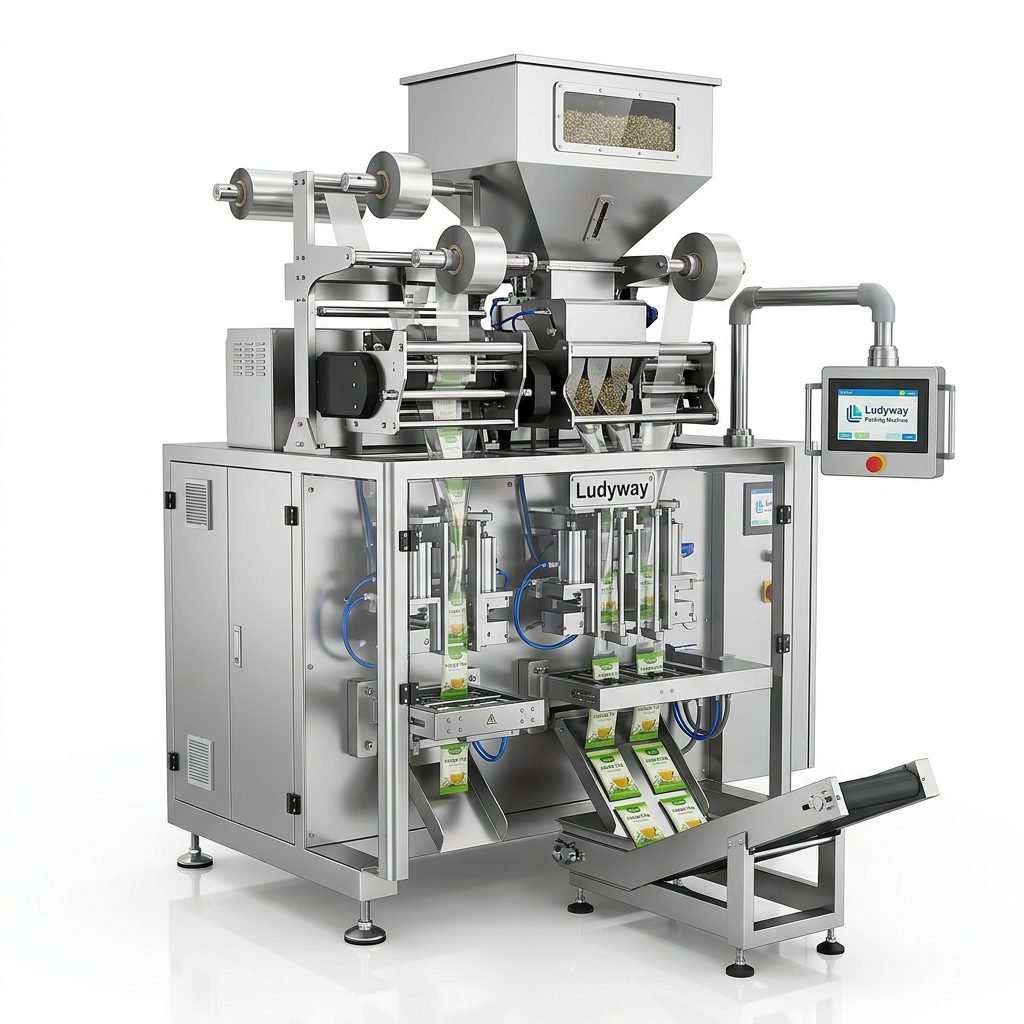
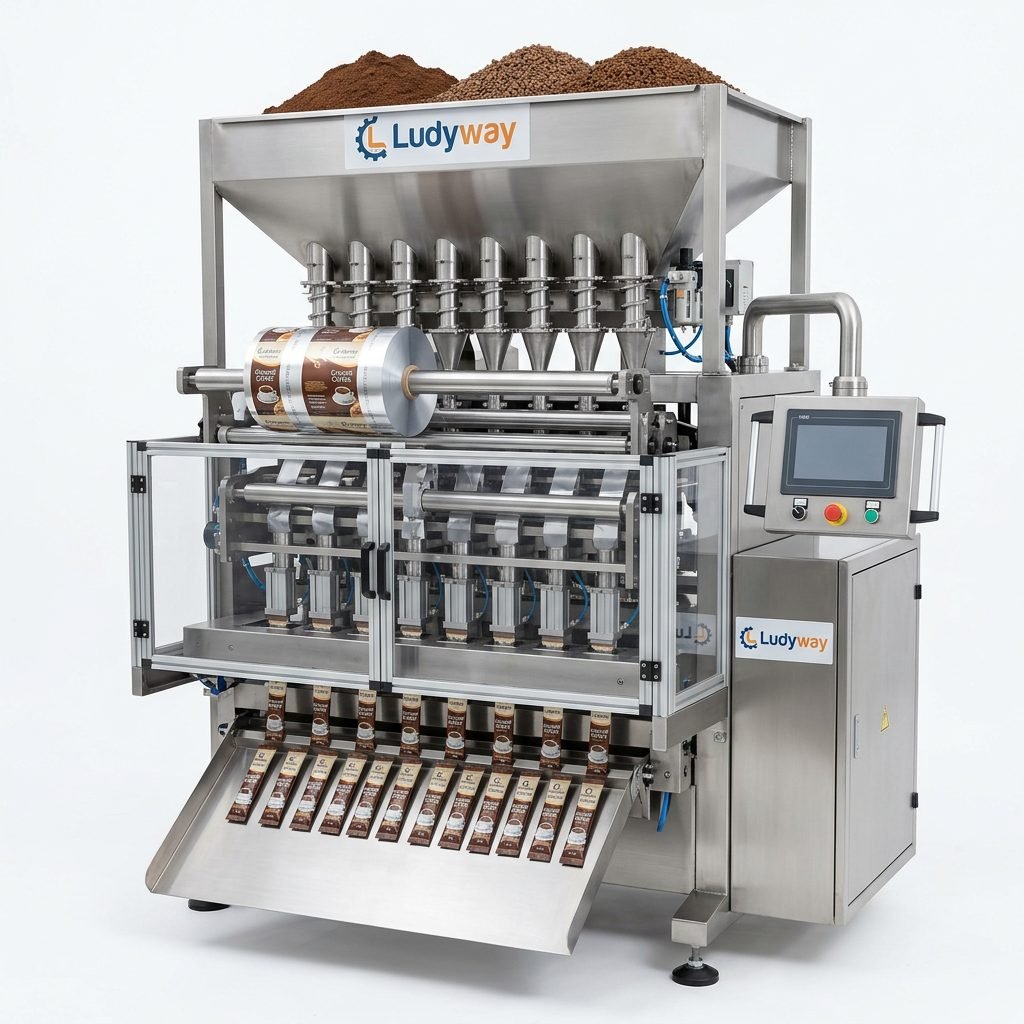
An air packaging machine is designed to create protective air cushions, air pillows, bubble-style film, or inflatable void-fill materials directly at the packing station. Instead of storing large volumes of pre-made packaging, businesses can produce air packaging on demand, helping reduce storage pressure, improve packing speed, and protect products more efficiently during shipping.
For e-commerce sellers, 3PL warehouses, electronics brands, pharmaceutical suppliers, and industrial manufacturers, this equipment has become a practical solution for faster order fulfillment and lower packaging material waste.
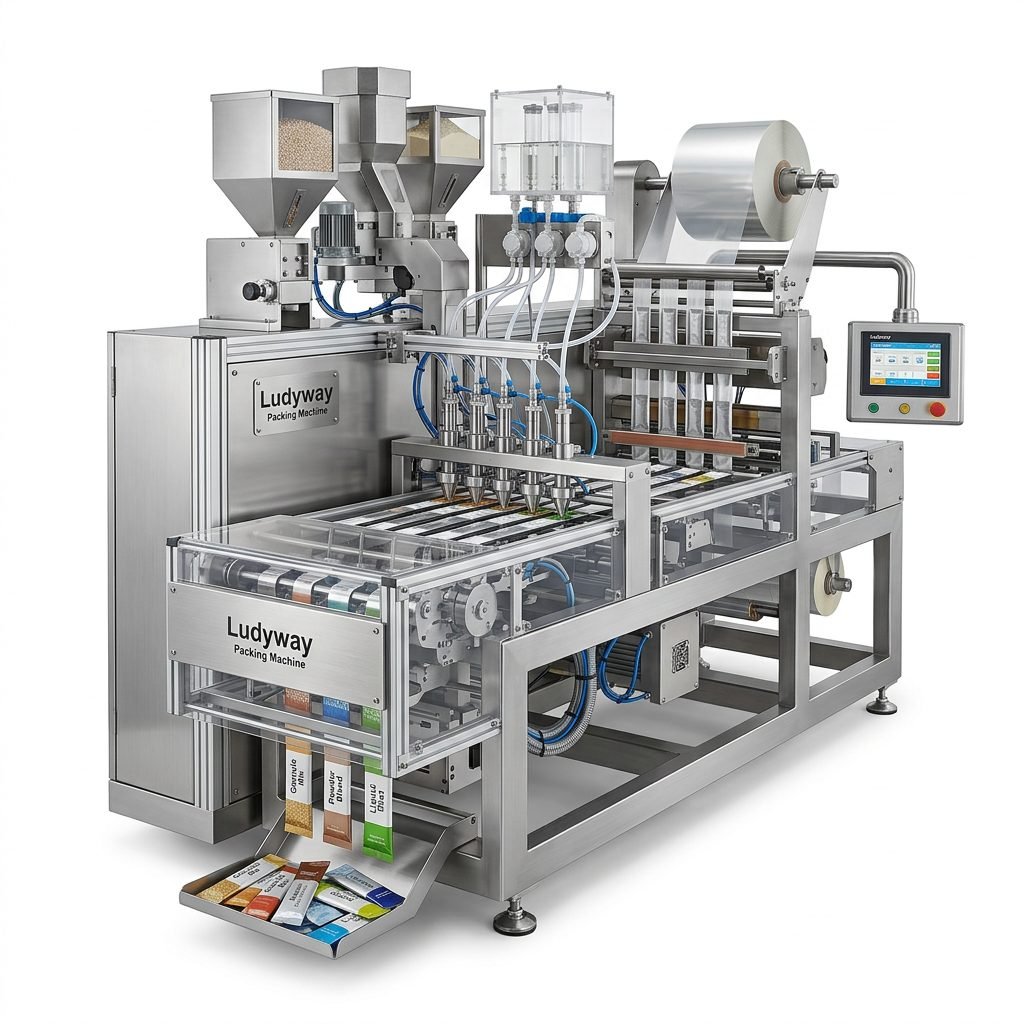
What Is an Air Packaging Machine?
An air packaging machine inflates specially designed film rolls to produce lightweight protective packaging materials. These inflated materials are then used to:
- Fill empty space inside cartons
- Wrap fragile products for cushioning
- Block and brace items during transport
- Create protective layers for delicate or high-value goods
It is widely used in industries such as:
- Online retail and fulfillment
- Consumer electronics
- Cosmetics and personal care
- Food and beverage secondary packaging
- Pharmaceutical and healthcare products
- Industrial spare parts and components
How Does an Air Packaging Machine Work?
Although machine structures vary by model, the working principle is straightforward. The machine feeds a roll of air packaging film, seals designated channels, injects air into the film chambers, and forms inflated protective packaging ready for immediate use.
Basic Working Process
- Film loading: The operator installs a compatible roll of air cushion or air pillow film.
- Film feeding: The machine pulls the film through its drive rollers.
- Air filling: Internal air pumps or compressors inflate each chamber.
- Heat sealing: The machine seals the film to lock air inside.
- Output collection: Finished cushions or pillows are discharged for packing use.
Main Components
| Component | Function |
|---|---|
| Film holder | Supports and positions the film roll |
| Drive rollers | Pull the film through the machine steadily |
| Air pump/blower | Inflates the packaging chambers |
| Heating/sealing unit | Seals the film to keep air trapped inside |
| Control panel | Adjusts temperature, speed, and air volume |
Types of Air Packaging Machines
Different operations require different machine formats. Choosing the right type depends on throughput, packaging style, product fragility, and available workspace.
1. Air Pillow Machines
These machines produce connected air pillows that are mainly used for void fill. They are a strong choice for shipping boxed goods that do not require direct wrapping.
2. Air Cushion Machines
Air cushion models create softer, broader inflated film for wrapping and surface protection. They are often selected for electronics, glassware, and cosmetics.
3. Bubble Film Inflator Machines
These systems generate bubble-like protective film on demand, helping replace bulky traditional bubble wrap storage.
4. Industrial High-Speed Air Packaging Machines
Designed for fulfillment centers and factories, these machines offer higher output, more stable sealing, and longer continuous operation.
Key Benefits of Using an Air Packaging Machine
Save Storage Space
Pre-inflated packaging materials take up significant warehouse space. Air packaging film rolls are compact, so businesses can free up storage areas and improve workspace organization.
Reduce Shipping Weight
Inflatable packaging is extremely lightweight, which can help reduce dimensional and overall shipping costs compared with heavier protective materials.
Improve Packing Speed
On-demand air packaging allows staff to create protective material at the workstation, reducing time spent moving between storage areas and packing benches.
Better Product Protection
Properly inflated cushions absorb shock, reduce vibration, and minimize item movement in transit. This helps lower the risk of breakage, leakage, or surface damage.
Lower Material Waste
Businesses can produce only the amount of packaging needed for each order, supporting leaner packaging operations and better material control.
Operational Flexibility
Many machines can work with multiple film types, allowing one system to support different products and shipping requirements.
Air Packaging Machine vs Traditional Protective Packaging
| Factor | Air Packaging Machine | Traditional Materials |
|---|---|---|
| Storage demand | Low | High |
| Packaging speed | Fast and on demand | Depends on manual preparation |
| Shipping weight | Very light | Often heavier |
| Product protection | Consistent when properly set | Varies by material and usage |
| Scalability | High | Moderate |
Best Applications for Air Packaging Machines
Air packaging equipment is especially effective in the following scenarios:
- Electronics: mobile accessories, devices, cables, spare parts
- Cosmetics: bottles, jars, tubes, sachets, fragile skincare products
- Pharmaceuticals: secondary packaging for boxed health products and medical items
- Food distribution: non-direct-contact outer protection for retail packs
- E-commerce: mixed SKU order fulfillment requiring flexible void fill
- Industrial products: tools, fittings, components, and replacement parts
How to Choose the Best Air Packaging Machine
The best option depends on real production needs, not just machine price. Buyers should compare models based on performance, film compatibility, reliability, and service support.
1. Output Speed
If your team processes high daily order volumes, choose a machine with stable continuous output and faster inflation speed.
2. Film Compatibility
Check whether the machine supports different film widths, thicknesses, and packaging formats such as pillows, cushions, or bubble film.
3. Seal Quality
Reliable sealing is critical. Poor seals lead to air loss, weak protection, and wasted material.
4. Ease of Operation
A user-friendly control interface reduces training time and helps operators adjust settings quickly.
5. Maintenance Requirements
Look for models with simple cleaning, accessible wearable parts, and dependable after-sales service.
6. Integration Potential
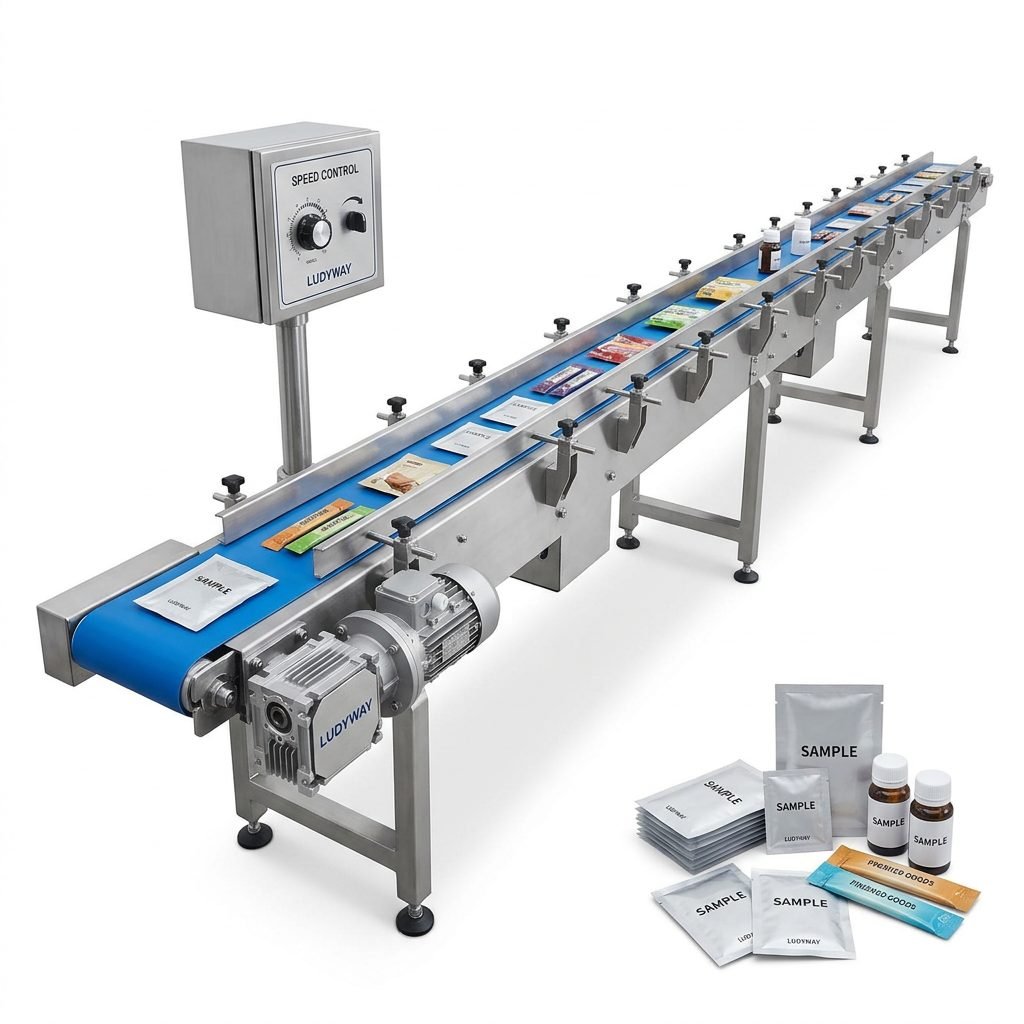
For larger facilities, consider whether the machine can fit into broader packing workflows, conveyor systems, or automated packaging lines.
Recommended Features in a Modern Air Packaging Machine
- Adjustable temperature control
- Variable speed settings
- Stable air pressure control
- Compact footprint
- Low noise operation
- Multi-film compatibility
- Energy-efficient design
- Simple roll replacement
Who Should Invest in This Equipment?
An air packaging machine is a smart investment for businesses that:
- Ship fragile products regularly
- Need faster packaging throughput
- Want to reduce warehouse storage use
- Operate e-commerce, wholesale, or export packing departments
- Need a more scalable protective packaging solution
Can Air Packaging Machines Be Part of a Larger Packaging System?
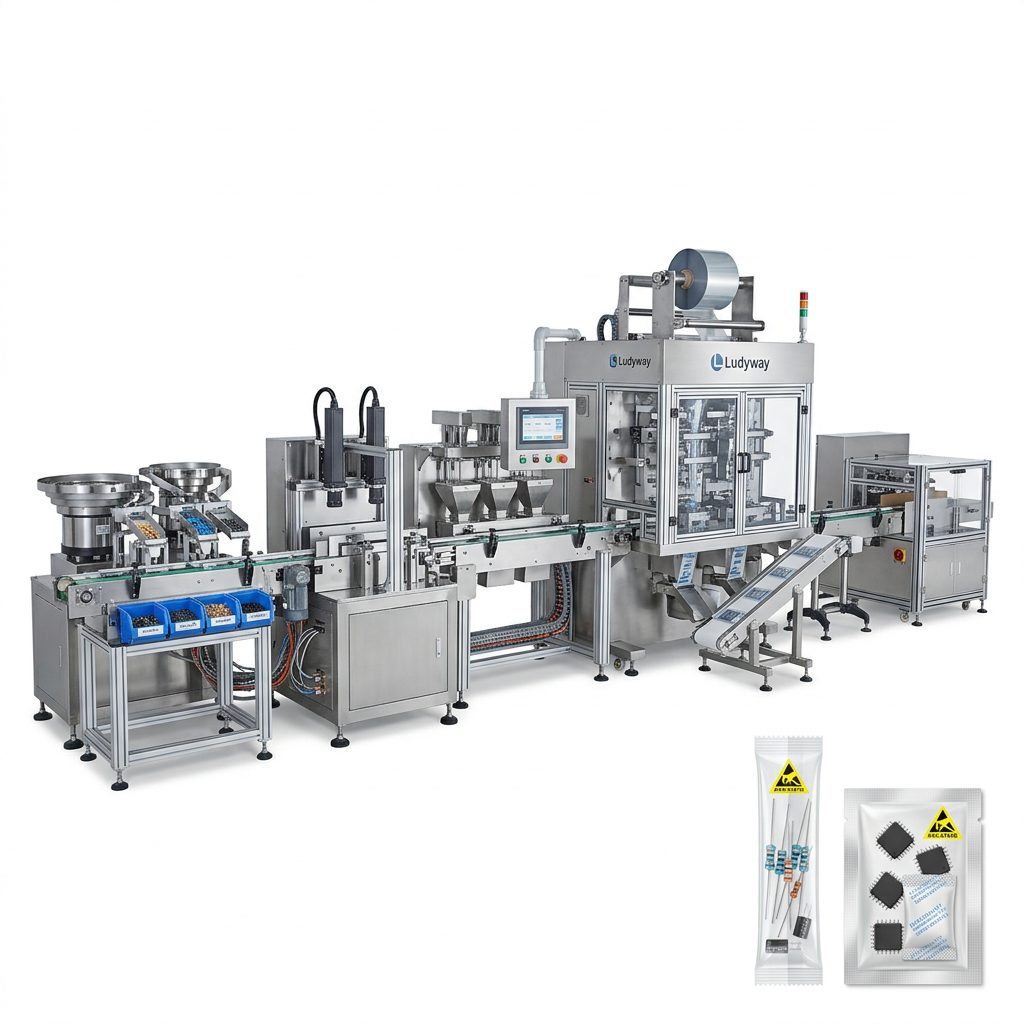
Yes. In many factories and fulfillment centers, air packaging equipment works alongside conveyors, filling machines, labeling units, cartoning equipment, and end-of-line systems. This is particularly valuable for companies aiming to improve packaging consistency across multiple product categories.
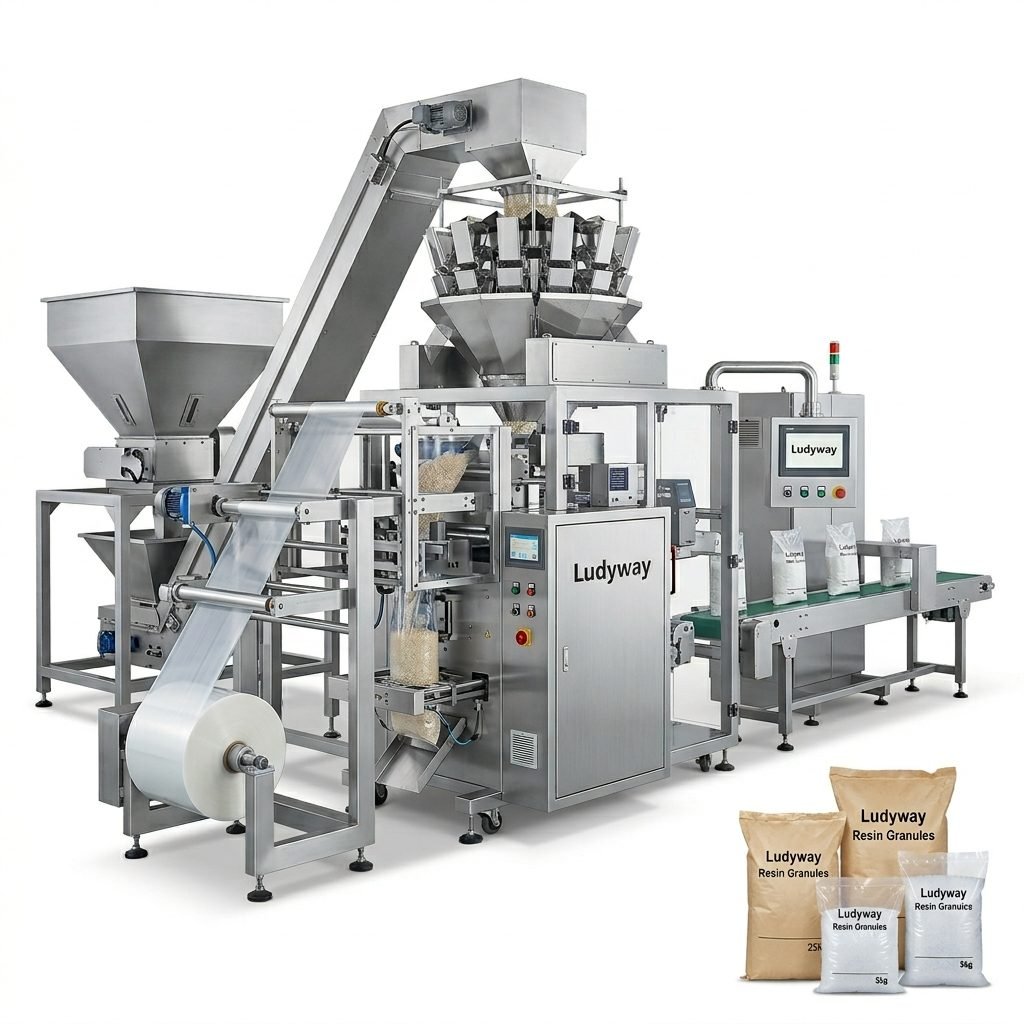
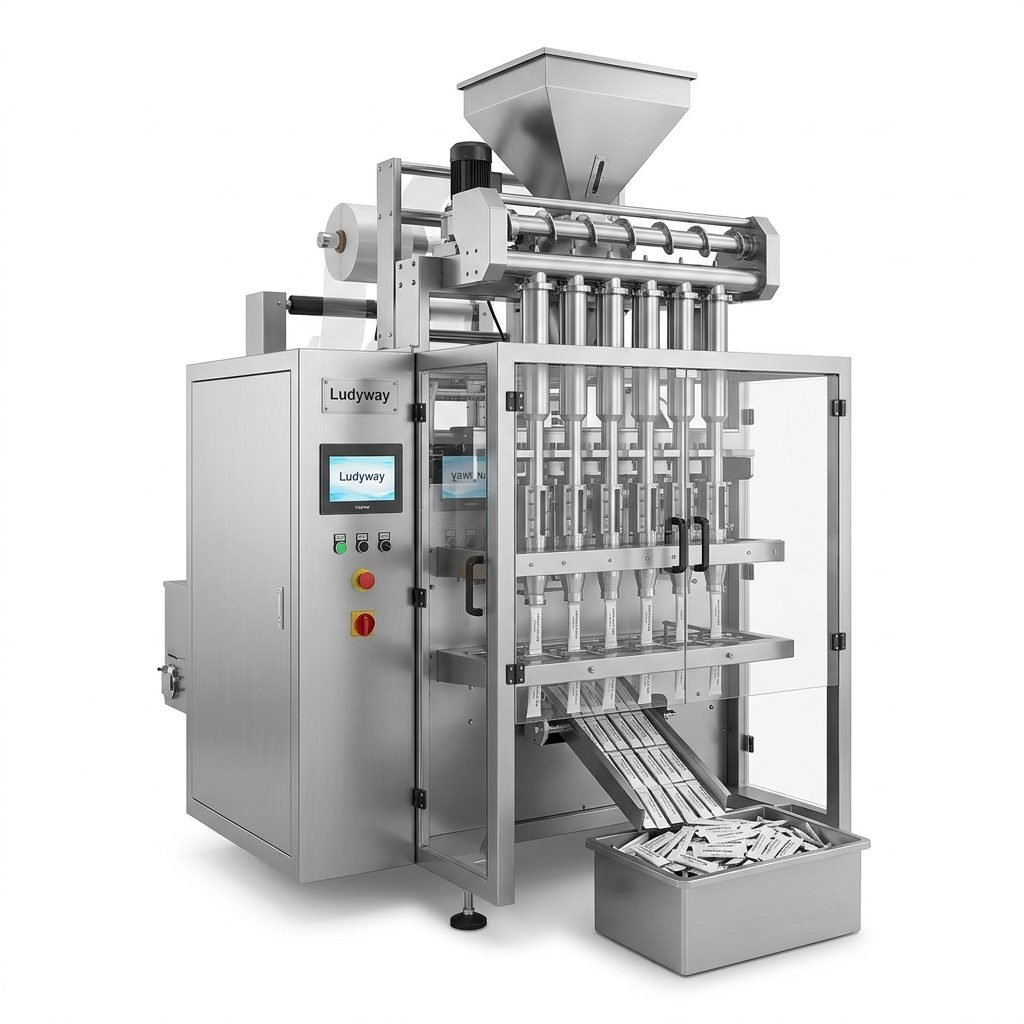
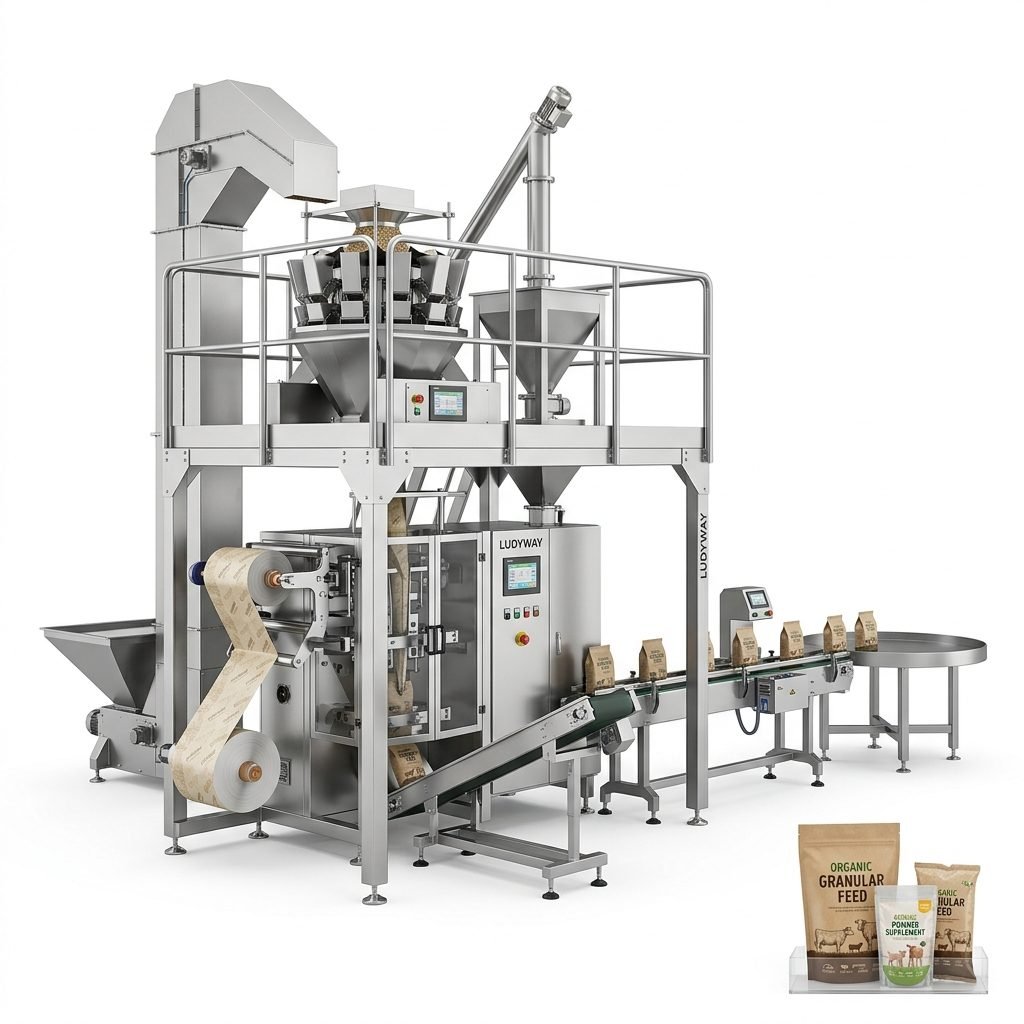
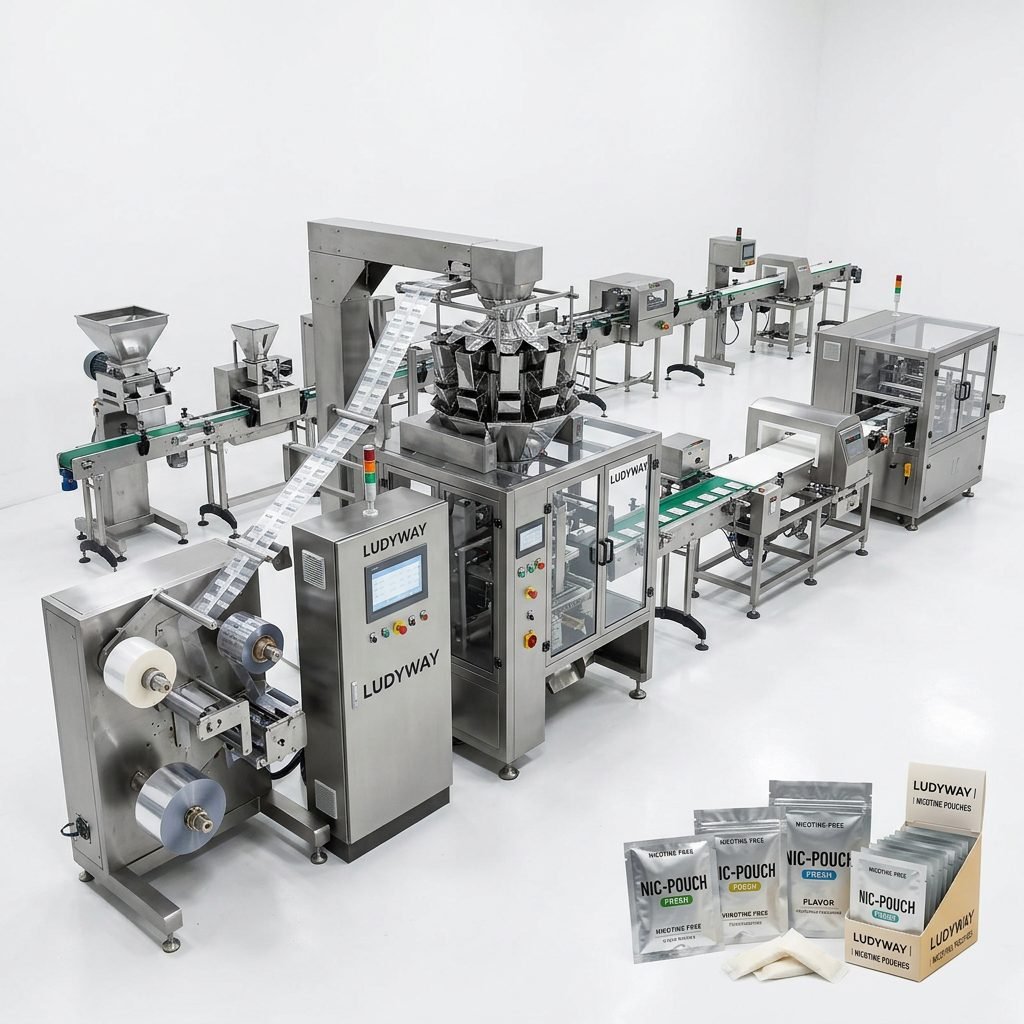
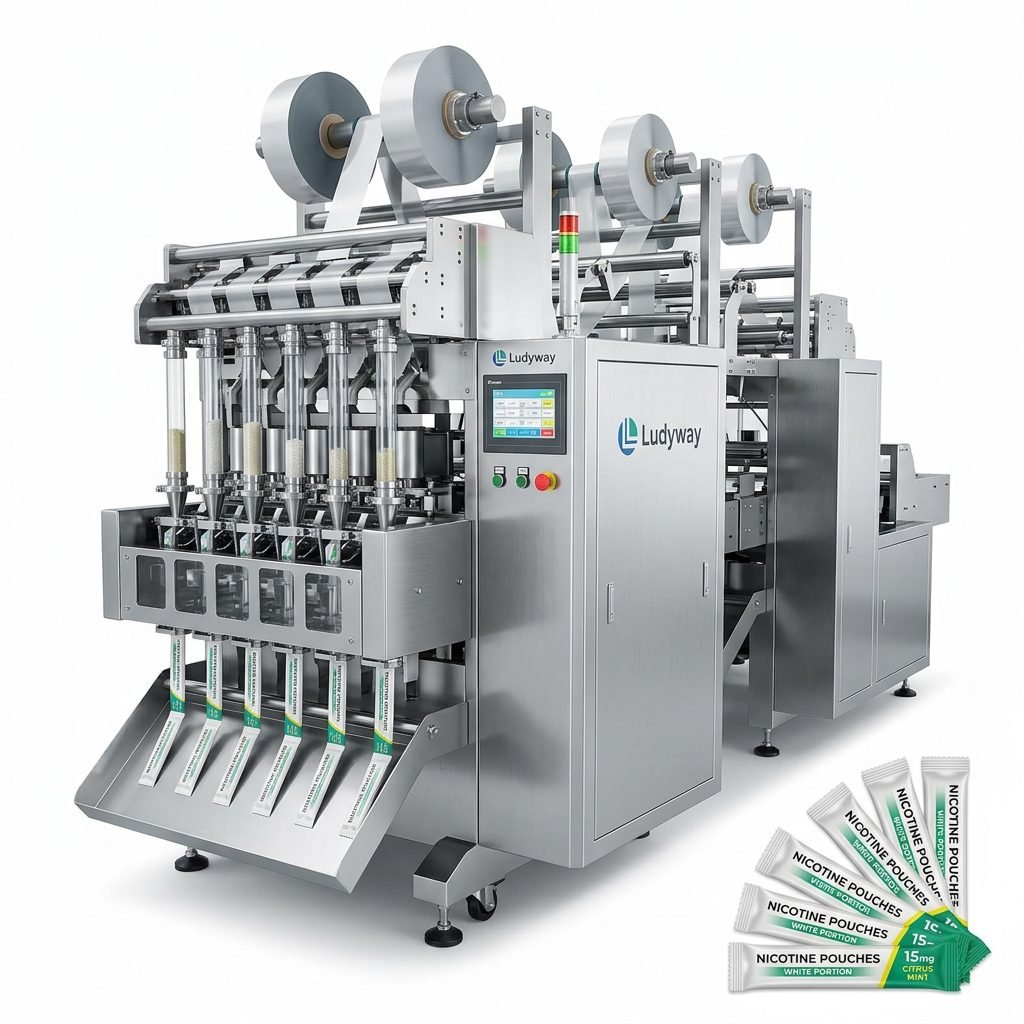
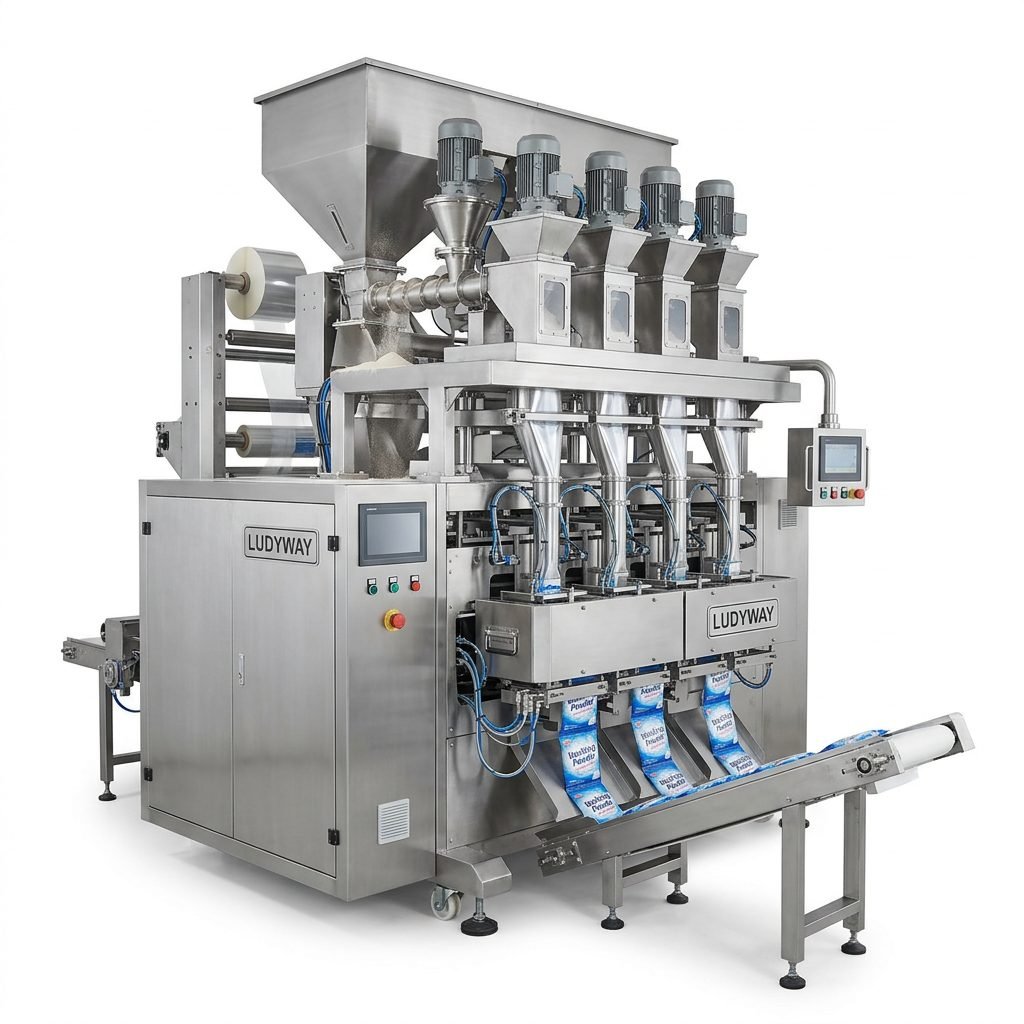
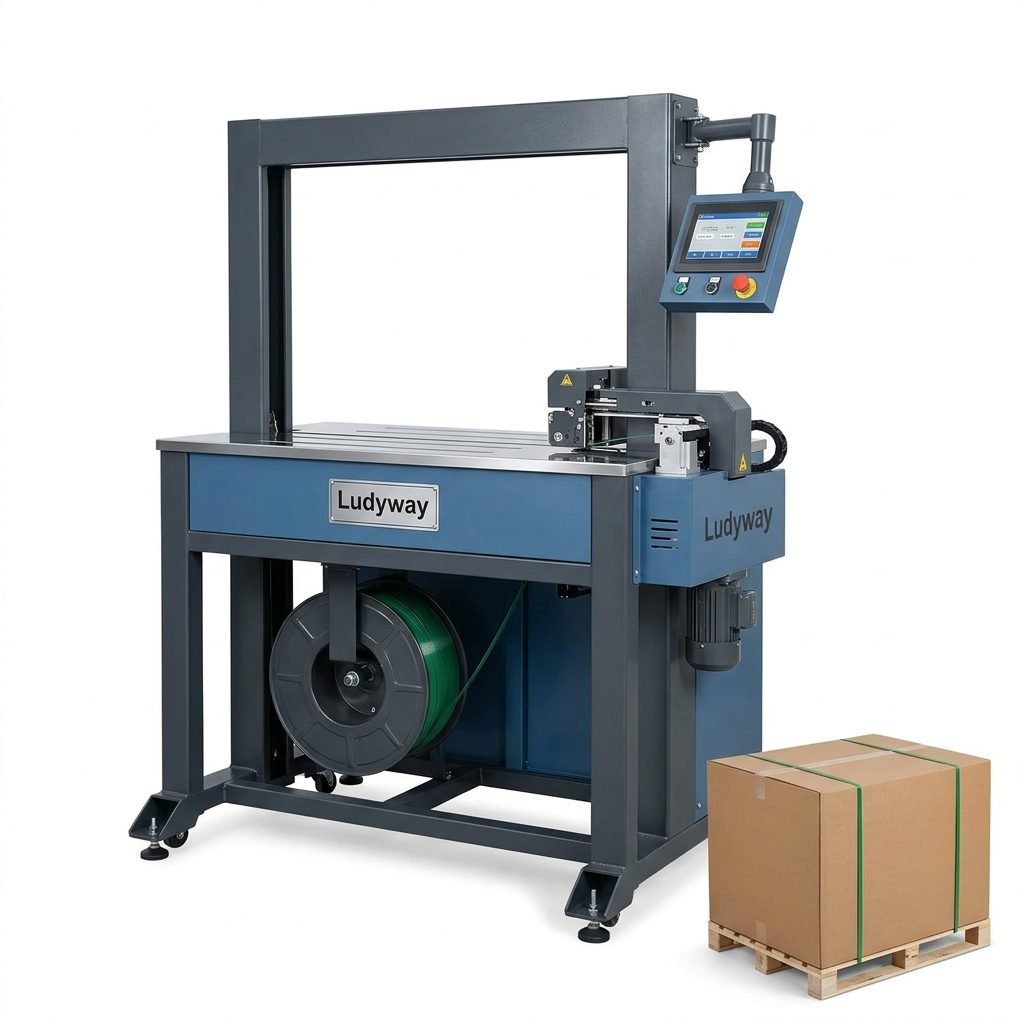
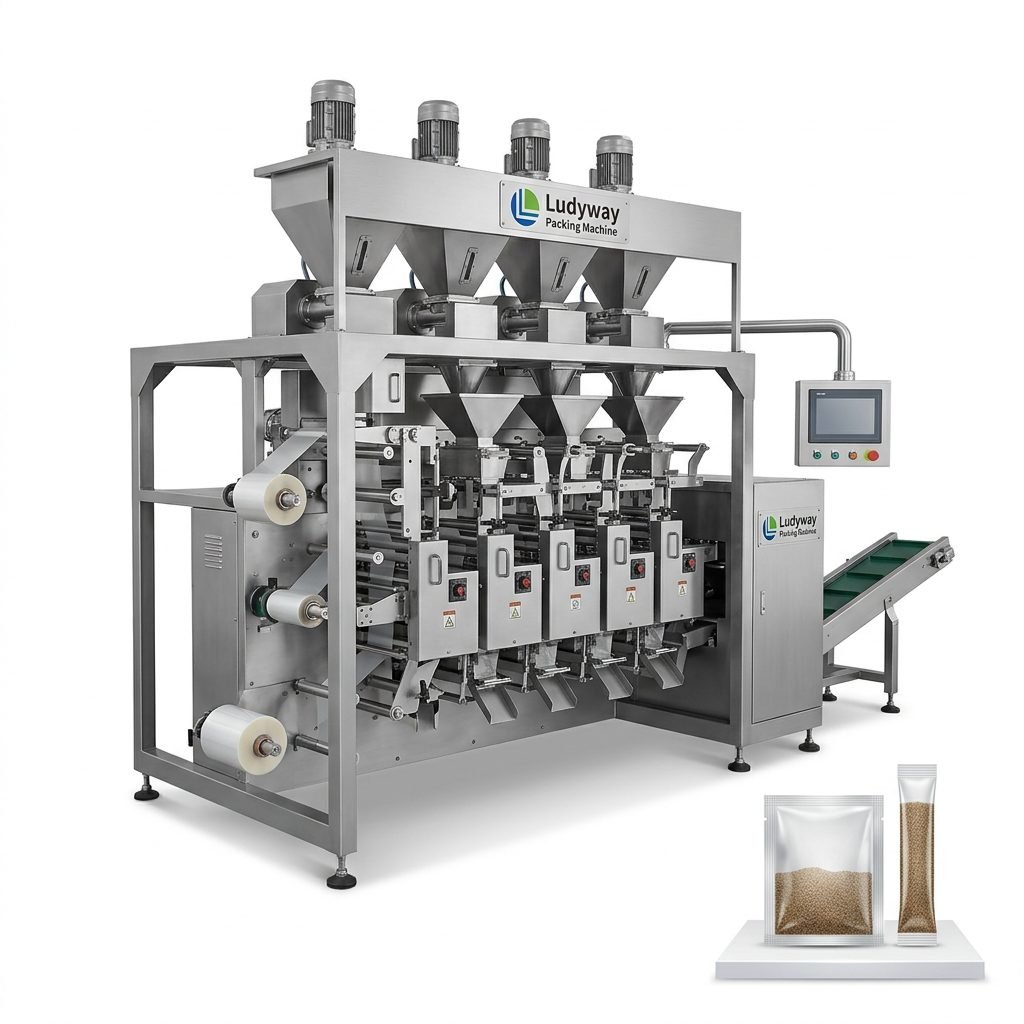
For businesses looking for broader packaging automation support, Ludyway packaging machine solutions cover standalone equipment as well as turnkey packaging line integration for food, pharmaceutical, health supplement, and related industries.
Common Buying Mistakes to Avoid
- Choosing only by price without checking seal reliability
- Ignoring film supply compatibility
- Buying a low-output model for high-volume operations
- Overlooking maintenance and spare parts support
- Failing to evaluate long-term packaging cost savings
Final Thoughts on Finding the Best Air Packaging Machine
The right air packaging machine can significantly improve packing efficiency, reduce storage pressure, and enhance shipment protection. Whether you run a growing e-commerce business or a large-scale production facility, the best machine is one that matches your required speed, film type, product protection level, and future expansion plans.
When evaluating options, focus on performance, compatibility, consistency, and service support. A well-selected machine will do more than inflate packaging material—it will strengthen your entire packaging workflow.
Quick Checklist Before You Buy
- What products are you protecting?
- How many packages do you process daily?
- Do you need void fill, wrapping, or both?
- What film types are available in your market?
- Will the machine be standalone or integrated into a line?
- What after-sales support does the supplier provide?