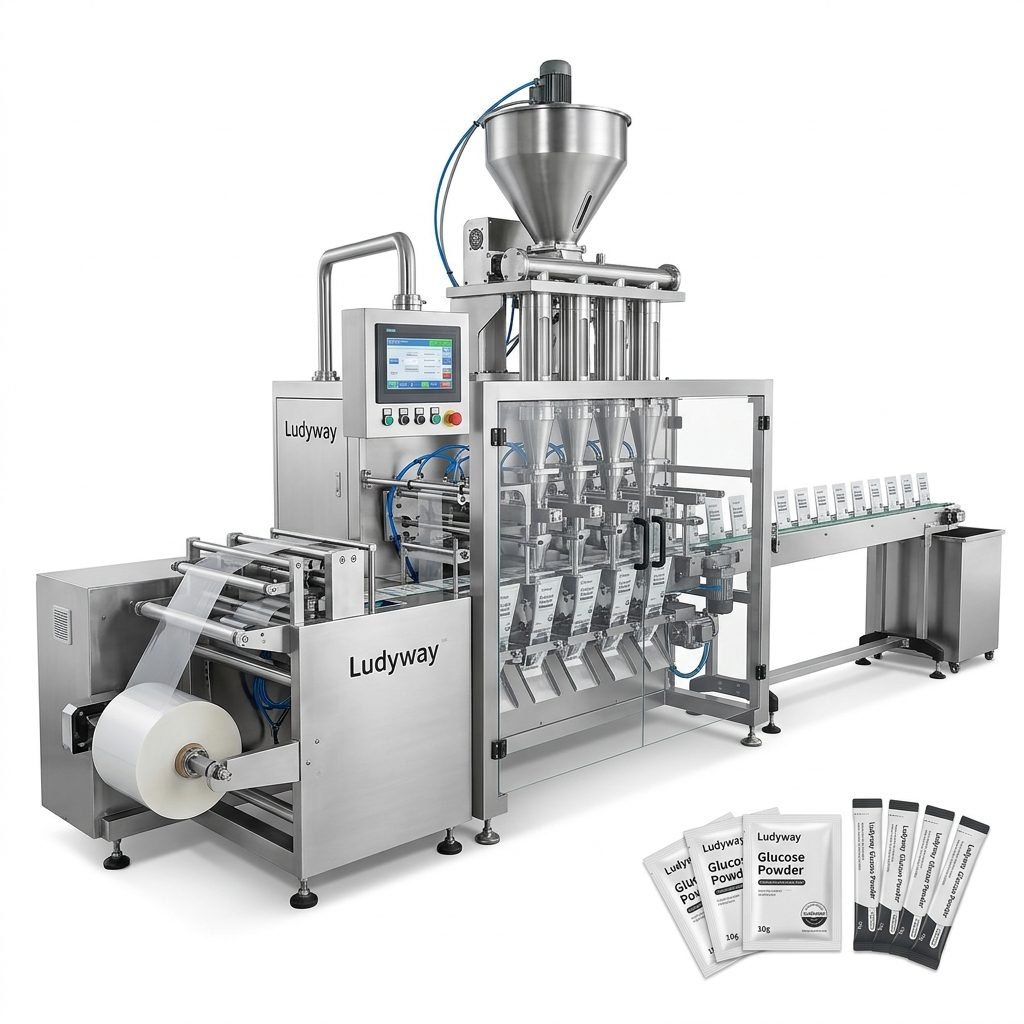
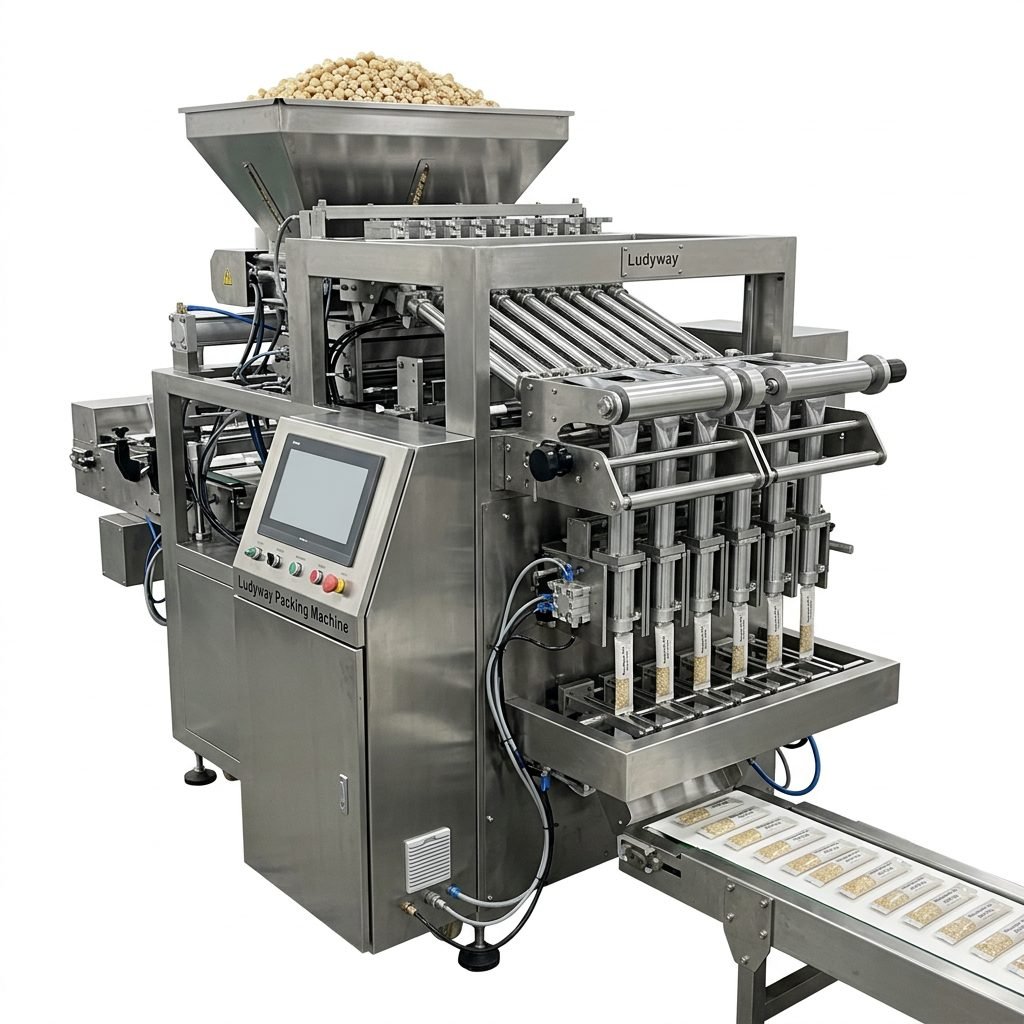
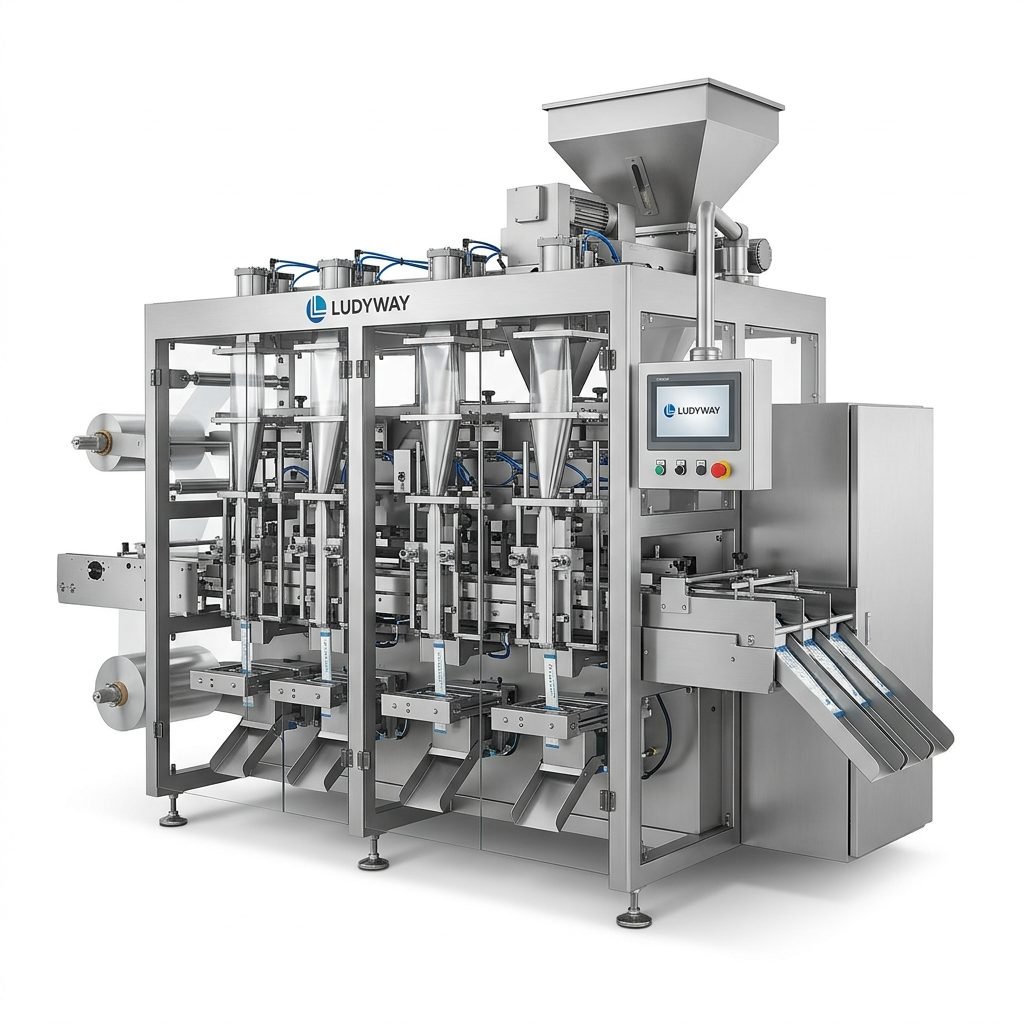
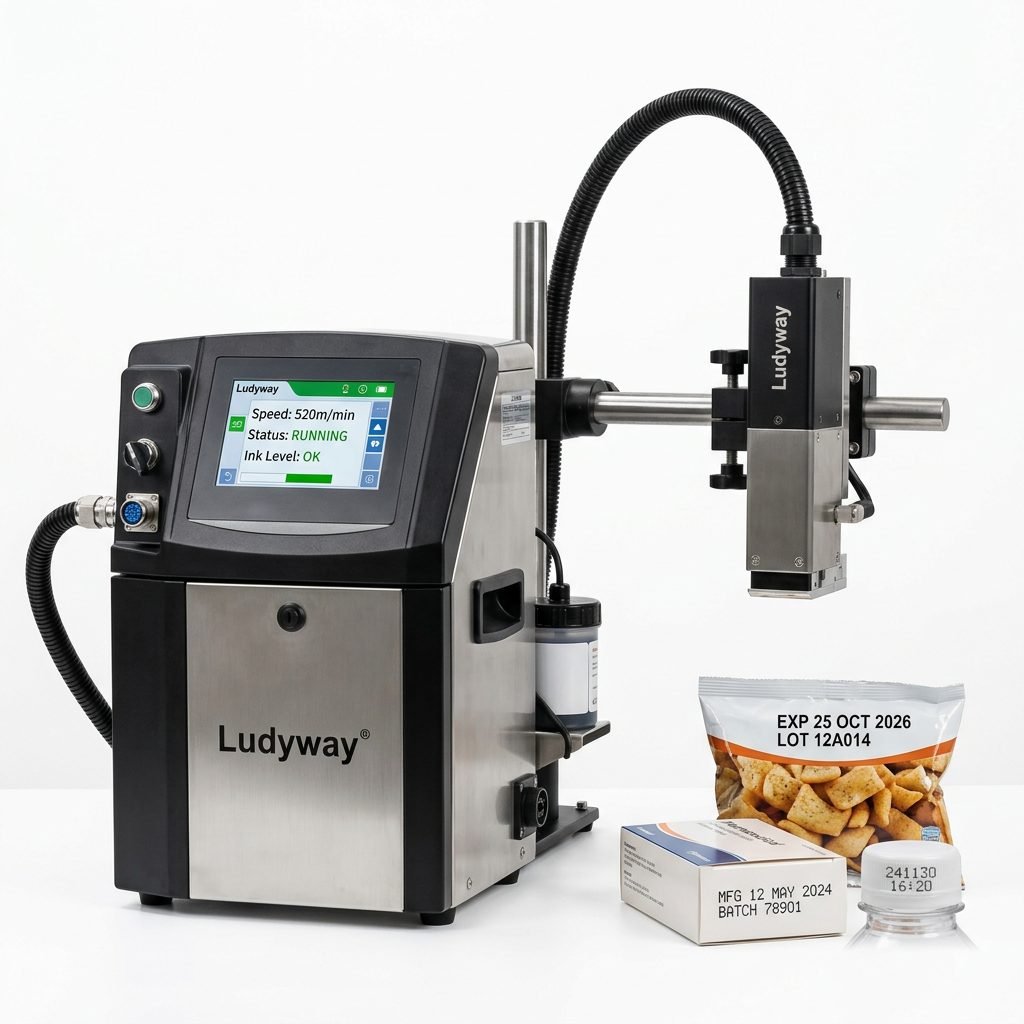
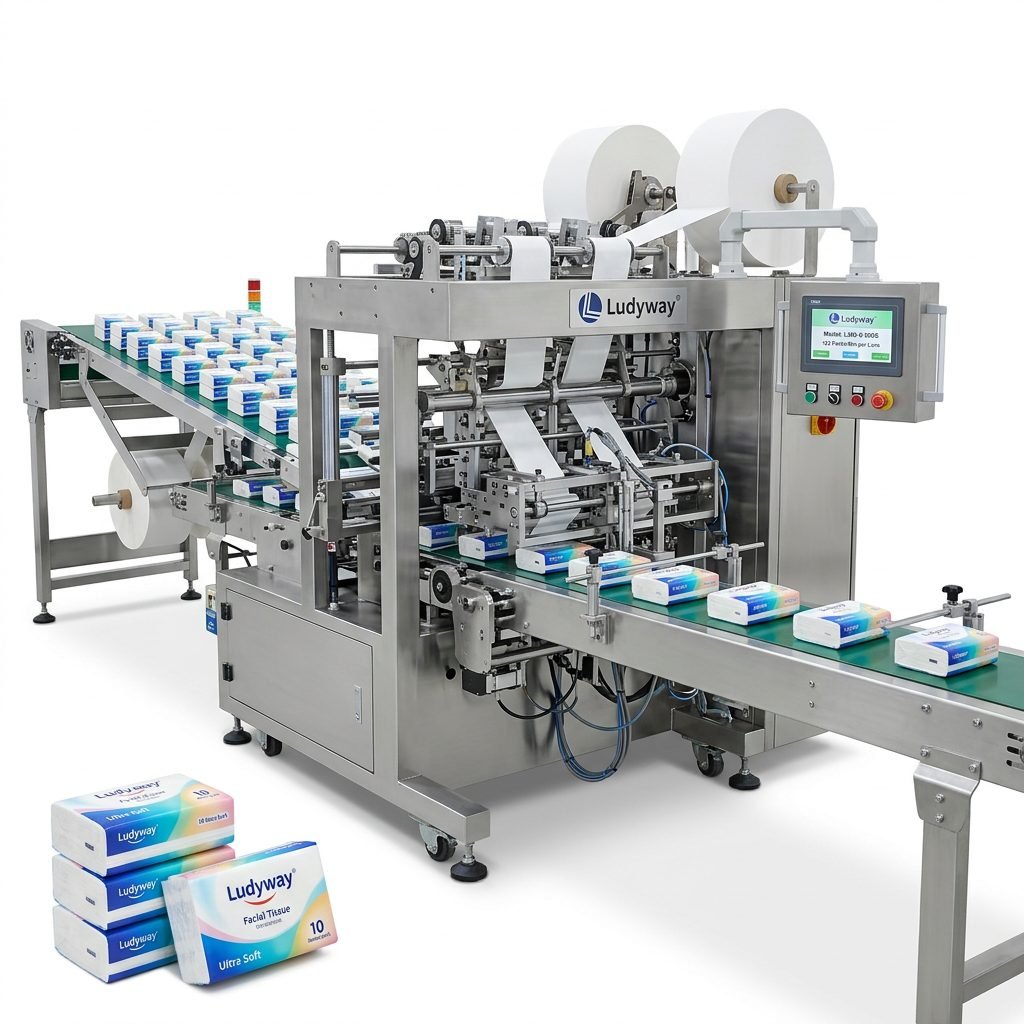
In today’s fast-paced e-commerce and logistics environment, protecting products during transit is paramount. Air pad packaging, also known as air cushion systems, has become a cornerstone of modern protective packaging. This guide will help you navigate the key considerations for selecting the right air cushion system to enhance your operational efficiency, reduce costs, and improve customer satisfaction.
Understanding Air Cushion Packaging Systems
An air pad packaging machine is an automated system that creates on-demand protective cushions from a roll of polyethylene film. The machine inflates the film with air, seals it into discrete pillows or continuous tubing, and dispenses it for use in void-fill, blocking, and bracing applications. This method is superior to traditional loose-fill materials like foam peanuts or bubble wrap due to its space efficiency, reduced material usage, and cleaner, professional appearance.
Core Benefit: The primary advantage is dramatically reduced storage space. You store compact rolls of flat film instead of vast volumes of pre-inflated material, optimizing your warehouse footprint.
Key Types of Air Cushion Machines
Choosing the right machine starts with understanding the different types available and their ideal applications.
1. Void Fill Pillow Machines
These are the most common type. They produce individual air pillows of various sizes (small, medium, large) perfect for filling empty spaces in boxes to prevent product movement. They are versatile and suitable for a wide range of box sizes and product types.
- Best for: E-commerce fulfillment, retail shipping, and general packaging operations.
2. Continuous Inflated Tubing Machines
These machines produce a continuous tube of air cushioning, which can be cut to length. This is ideal for wrapping products, providing all-around protection, or creating custom-sized pads for blocking and bracing larger items.
- Best for: Fragile items, furniture, long and narrow products, and industrial packaging.
3. High-Speed / Automated Systems
Integrated into automated packing lines, these systems automatically dispense and place air cushions into boxes at high speeds. They are designed for high-volume operations where labor savings and consistency are critical.
- Best for: Large-scale e-commerce warehouses, third-party logistics (3PL) providers, and manufacturers with high daily shipment volumes.
How to Choose the Right System for Your Business
Selecting an air cushion system is an investment. Follow this structured approach to ensure you choose a machine that aligns with your current needs and future growth.
Step 1: Analyze Your Packaging Volume and Profile
Your daily and seasonal shipment volume is the primary driver. A low-volume operation (under 50 packages/day) might suffice with a manual-feed machine, while a high-volume facility (500+ packages/day) will require an automated, high-speed system. Also, profile the variety of box sizes and product fragility. A diverse product mix may benefit more from a versatile pillow machine, while uniform products might be suited for a customized tubing solution.
Step 2: Evaluate Machine Features and Performance
Look beyond the basic function. Key performance indicators include:
Speed (Pillows per Minute): Can the machine keep up with your packers or automated line speed?
Film Roll Size & Changeover Ease: Larger rolls mean less frequent changes, boosting operator efficiency.
Pillow Size Versatility: Can it produce multiple pillow sizes from one roll? This reduces material waste.
Noise Level: Important for operator comfort in smaller or open-plan workspaces.
Durability & Build Quality: A robust machine from a reputable manufacturer ensures longevity and minimizes downtime.
Step 3: Calculate Total Cost of Ownership (TCO)
The machine’s purchase price is just one component. The Total Cost of Ownership includes:
- Film Cost: Compare the cost-per-foot of film compatible with the machine. Higher-quality machines often use less film per pillow, offering long-term savings.
- Energy Consumption: Modern, efficient machines consume less electricity.
- Maintenance & Service: Factor in the cost and availability of spare parts and technical support. A reliable partner like Ludyway Machinery, with decades of industry experience, provides peace of mind through reliable support and quality-focused manufacturing.
- Labor Savings: Automated systems can significantly reduce labor costs per package.
Step 4: Prioritize Sustainability
Modern consumers and businesses value sustainable practices. Air cushion packaging scores highly here. Look for machines that use 100% recyclable film (often marked with the How2Recycle store drop-off label) and optimize air-to-film ratios to minimize material use. The compact film rolls also reduce transportation-related carbon emissions compared to bulkier alternatives.
Integration and Best Practices
Successfully implementing an air cushion system involves more than just installing the machine.
Workflow Integration: Position the machine ergonomically within your packing station for easy access. For automated systems, seamless integration with your Warehouse Management System (WMS) or packing software is crucial. Partnering with a provider that offers turnkey production solutions can streamline this process.
Operator Training: Proper training ensures efficient use, correct film loading, and basic troubleshooting, maximizing machine uptime.
Performance Monitoring: Track key metrics like film usage per package, machine downtime, and packing station throughput to measure ROI and identify areas for improvement.
Frequently Asked Questions (FAQs)
1. How much can I save by switching to an air cushion system?
Savings are multi-faceted. Most businesses see a 30-60% reduction in material costs compared to loose fill. You also save significantly on storage space (up to 90%), shipping costs (due to lighter weight), and labor (especially with automated systems). A detailed audit of your current packaging process is the best way to estimate your specific savings.
2. Are air pillows recyclable?
Yes, the polyethylene (LLDPE) film used is #4 LDPE plastic and is widely recyclable where such programs exist. Many films are printed with clear recycling instructions. The compact, uninflated rolls also contribute to a lower carbon footprint in the supply chain compared to pre-filled materials. For more on sustainable packaging solutions from experienced partners, explore our company history of innovation.
3. What is the typical payback period for this equipment?
For medium to high-volume shippers, the payback period can be remarkably fast, often between 6 to 18 months. The exact timeframe depends on your current packaging material costs, labor rates, and shipment volume. The investment is quickly offset by the dramatic reductions in material and storage costs.
4. Can one machine handle all my different box sizes?
Absolutely. This is a key strength of air cushion systems. A single void-fill pillow machine can produce small, medium, and large pillows from one roll of film, allowing packers to use the appropriate size for each box. Continuous tubing machines offer even more flexibility, as the cushioning can be cut to any required length.
5. How reliable are these machines, and what about service?
Modern air pad machines from established manufacturers are highly reliable. Choosing a supplier with a strong track record is critical. Look for providers with comprehensive warranties, readily available spare parts, and responsive technical support. A partner with over 30 years of industry experience ensures you have access to expert knowledge and reliable service, minimizing potential downtime and protecting your investment.