
Are Automatic Packaging Machines Worth Buying? High-Yield ROI, Strategic Efficiency & Comprehensive Buyer’s Evaluation
Discover how modern automated packaging machinery transforms operational throughput, eliminates packaging material waste, minimizes labor liabilities, and guarantees rapid capital return for expanding businesses.
The Shift from Manual Labor to Packaging Automation
Evaluating whether an automatic packaging machine is worth purchasing begins with understanding the structural transformation occurring across food, pharmaceutical, cosmetic, and chemical production floors.
In today’s fast-evolving manufacturing environment, manual packaging is rapidly becoming one of the most volatile cost centers. Fluctuating labor availability, mounting wage mandates, recurring human errors, product giveaway due to inaccurate dosing, and slow packaging cycles place severe limits on scalability.
The definitive answer to whether automatic packaging machines are worth buying is an absolute yes for any enterprise exceeding small-scale artisanal volume. An automatic packaging machine functions not merely as an equipment upgrade, but as a long-term profit multiplier that stabilizes operational expenses.
“Automation changes packaging from a variable labor liability into a fixed, predictable, high-precision asset with compounding returns year after year.”
Modern automated machinery delivers sustained cycle speeds, strict hermetic seal security, continuous telemetry, and cleanroom-grade sanitary conditions that human operators cannot match consistently over 8 to 24-hour shifts.
Manual vs. Semi-Automatic vs. Fully Automatic Packaging ROI
When analyzing purchase feasibility, enterprise executives look beyond purchase price to consider Total Cost of Ownership (TCO), material yield optimization, and cycle rate comparisons.
| Assessment Metric | Manual Packaging Staff | Semi-Automatic Equipment | Fully Automated Multi-Lane Line |
|---|---|---|---|
| Production Throughput | 10 – 25 units/min per worker | 30 – 60 units/min | 150 – 600+ units/min (Multi-Lane) |
| Filling & Dosing Accuracy | ±3.0% to ±6.0% (High Waste) | ±1.5% to ±2.0% | ±0.2% to ±0.5% (Servo Controlled) |
| Operating Labor Required | 6 to 12 Operators | 3 to 5 Operators | 1 Superintending Technician |
| Sealing Repeatability & Hygiene | Inconsistent, high contamination risk | Moderate consistency | 100% Hermetic Seal Integrity (GMP-Ready) |
| Film & Material Scrap Rate | 4.0% – 7.0% scrap | 2.0% – 3.5% scrap | < 0.5% Total Scrap |
| Payback Period (Amortization) | Ongoing recurring drain | 12 – 18 Months | 6 – 12 Months at Steady Volume |
6 Decisive Reasons Why Packaging Automation is Worth Buying
Explore the engineering and commercial benefits that make automated packaging machinery an indispensable investment for competitive manufacturing operations.
1. Exponential Throughput Scaling
Multi-lane stick pack and sachet packing machinery achieve production speeds up to 600+ packages per minute. Fulfilling major retail orders and contracts becomes frictionless without adding temporary factory headcount.
2. Raw Material Yield & Zero Giveaway
High-precision servo auger fillers and dynamic liquid piston injectors regulate dosage with tight tolerances. Over a yearly production of millions of pouches, eliminating 2 grams of product giveaway per pouch saves significant capital.
3. Elimination of Labor Overhead
Automated packaging eliminates reliance on manual labor, reducing payroll taxes, recruiting fees, shift management overhead, and repetitive strain injuries while allowing one operator to oversee entire lines effortlessly.
4. Strict Seal Integrity & Shelf Life
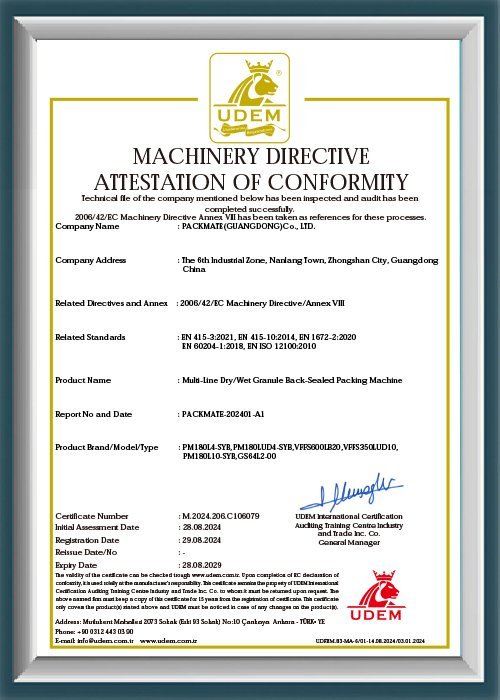
Precise PID heat controllers, ultrasonic sealing, and nitrogen flushing capabilities guard products against oxidation, microbial contamination, and moisture infiltration, meeting rigid FDA, GMP, and CE compliance standards.
5. Smart Industry 4.0 Telemetry
Touchscreen PLC systems integrate real-time fault diagnosis, reject mechanisms, checkweighing feedback, recipe storage, and remote maintenance connectivity for predictive upkeep and low downtime.
6. Brand Prestige & Package Aesthetics
Precise film alignment, notch cuts, clean tear profiles, and crisp date coding elevate retail presentation on store shelves, building instant consumer trust and elevating perceived brand value.
Top-Performing Automated Packaging Machinery
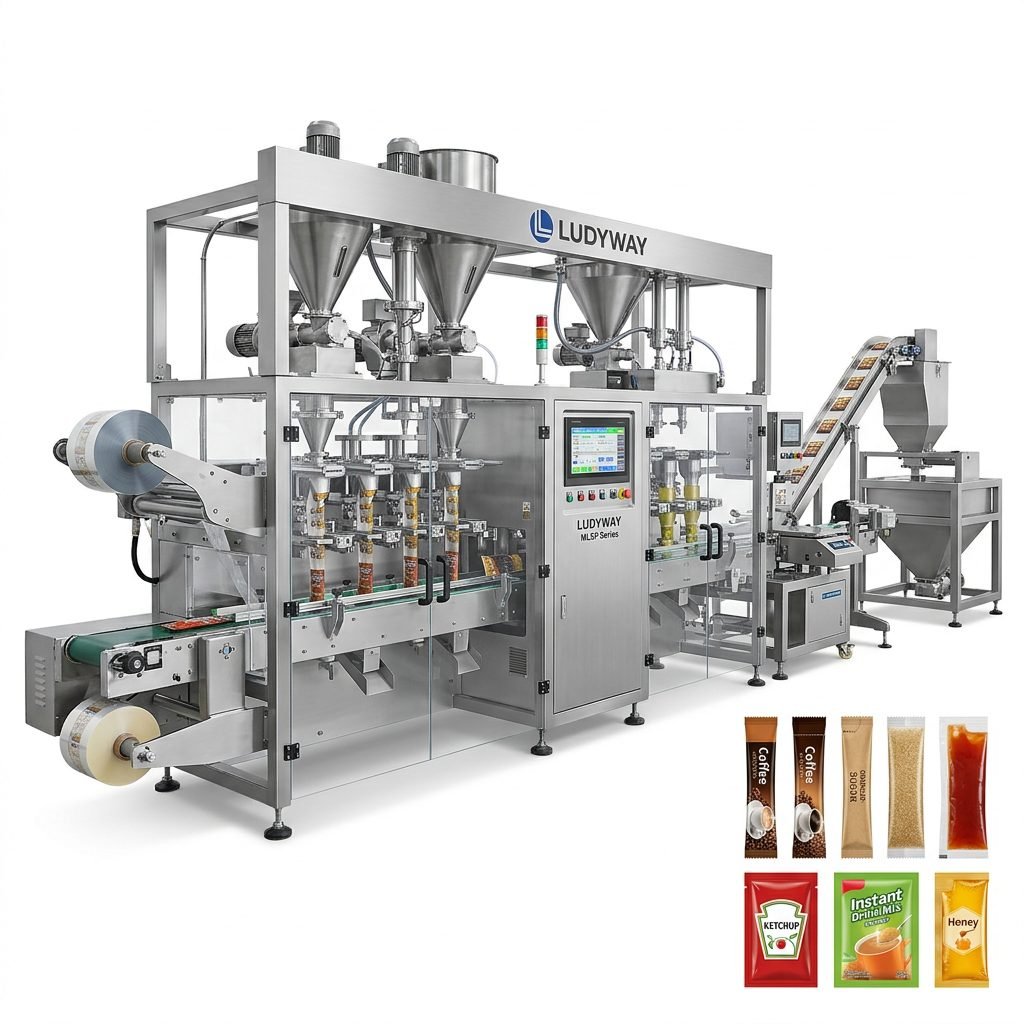
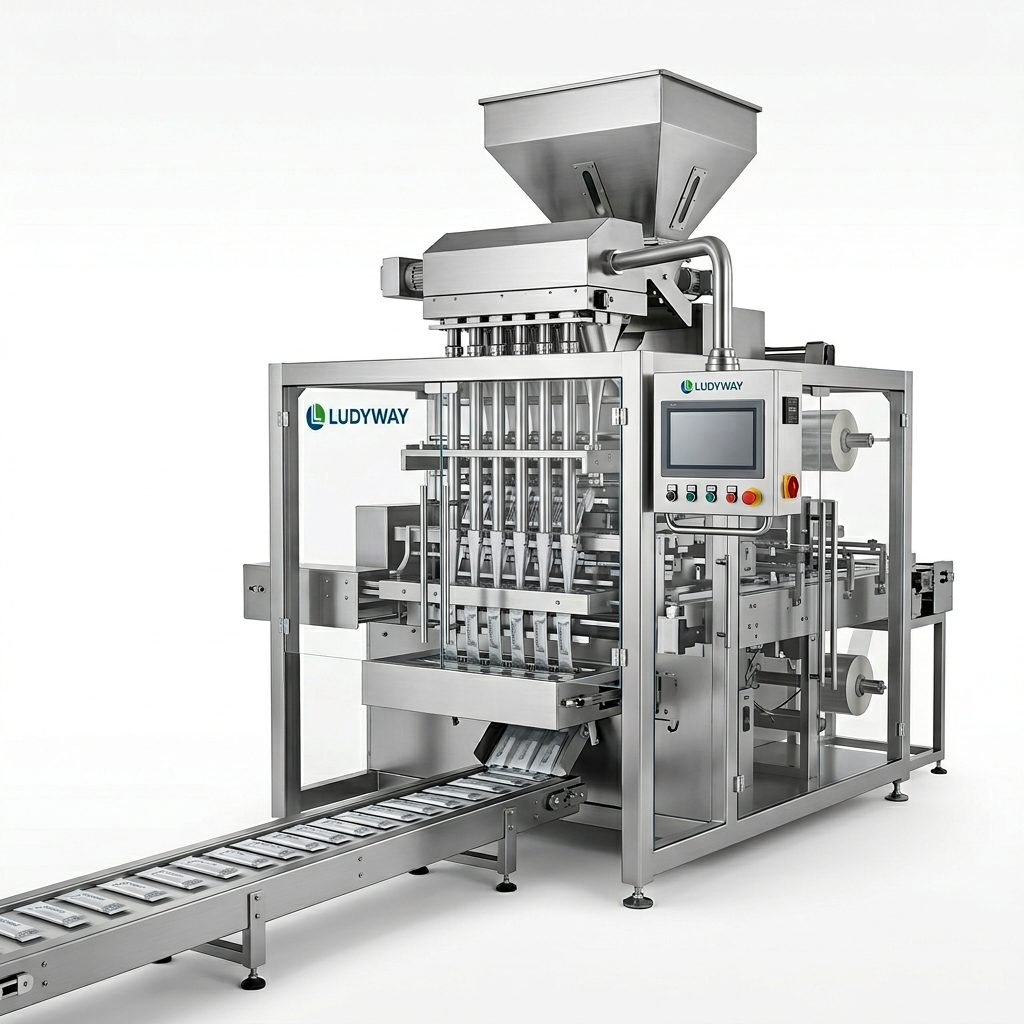
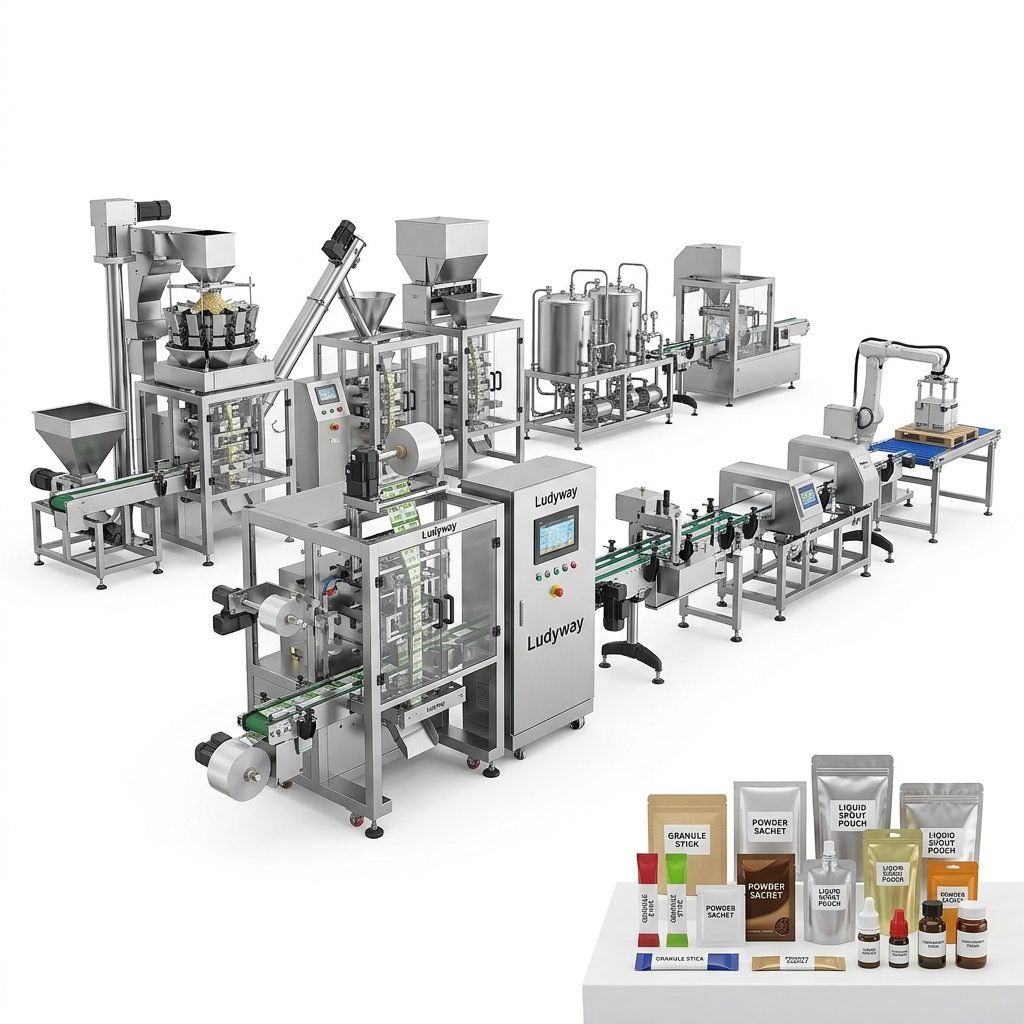
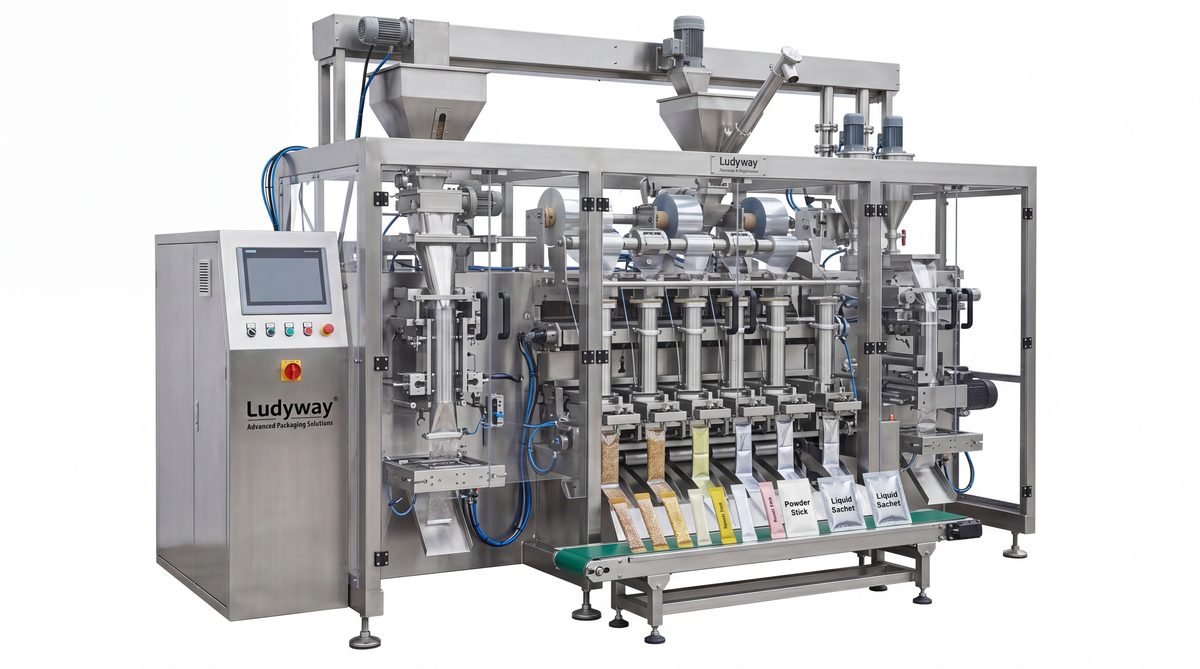
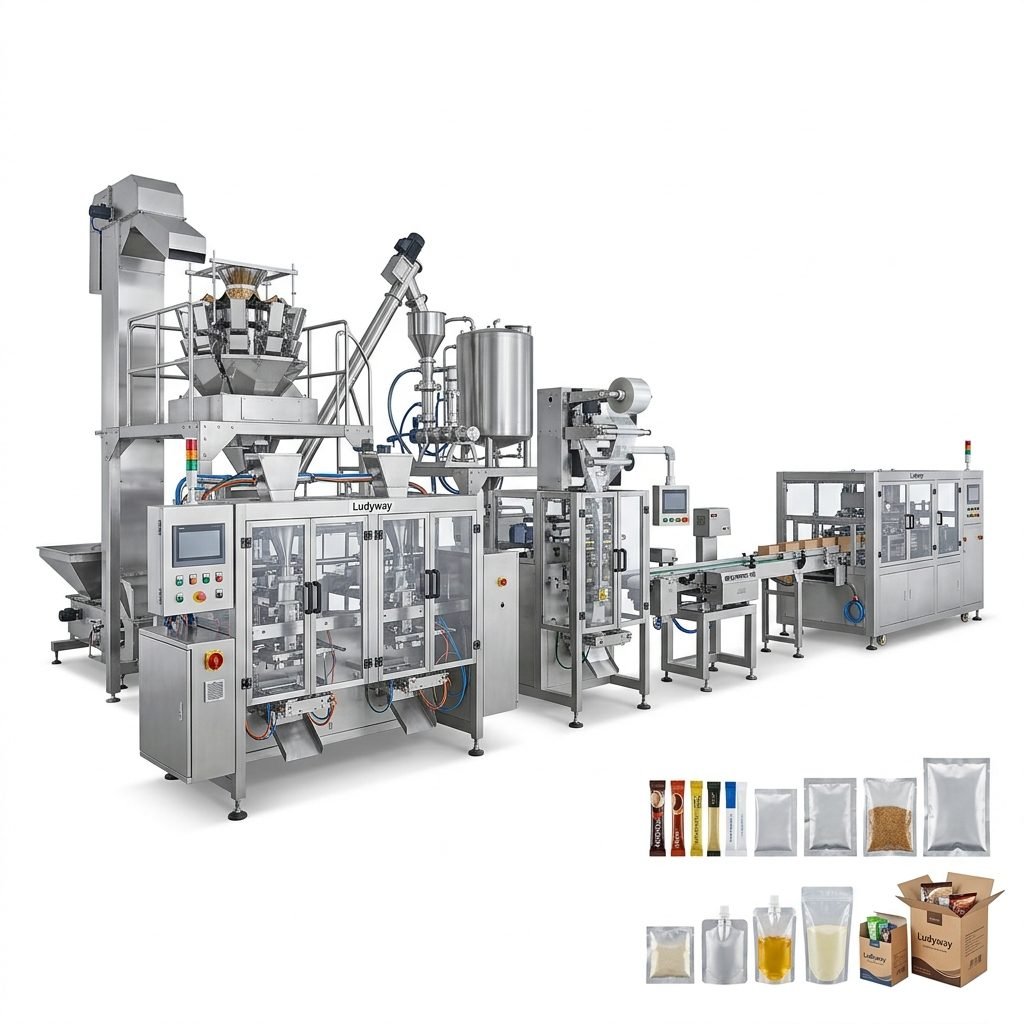
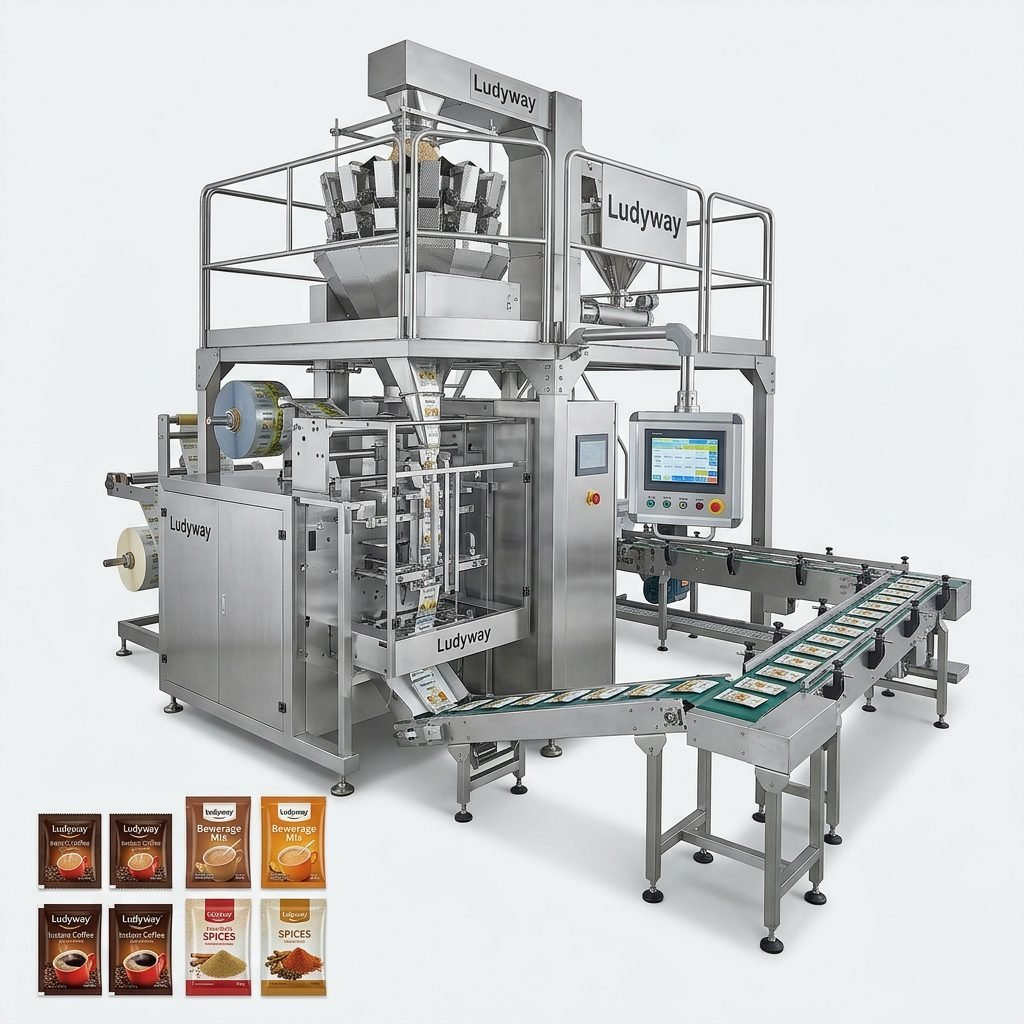
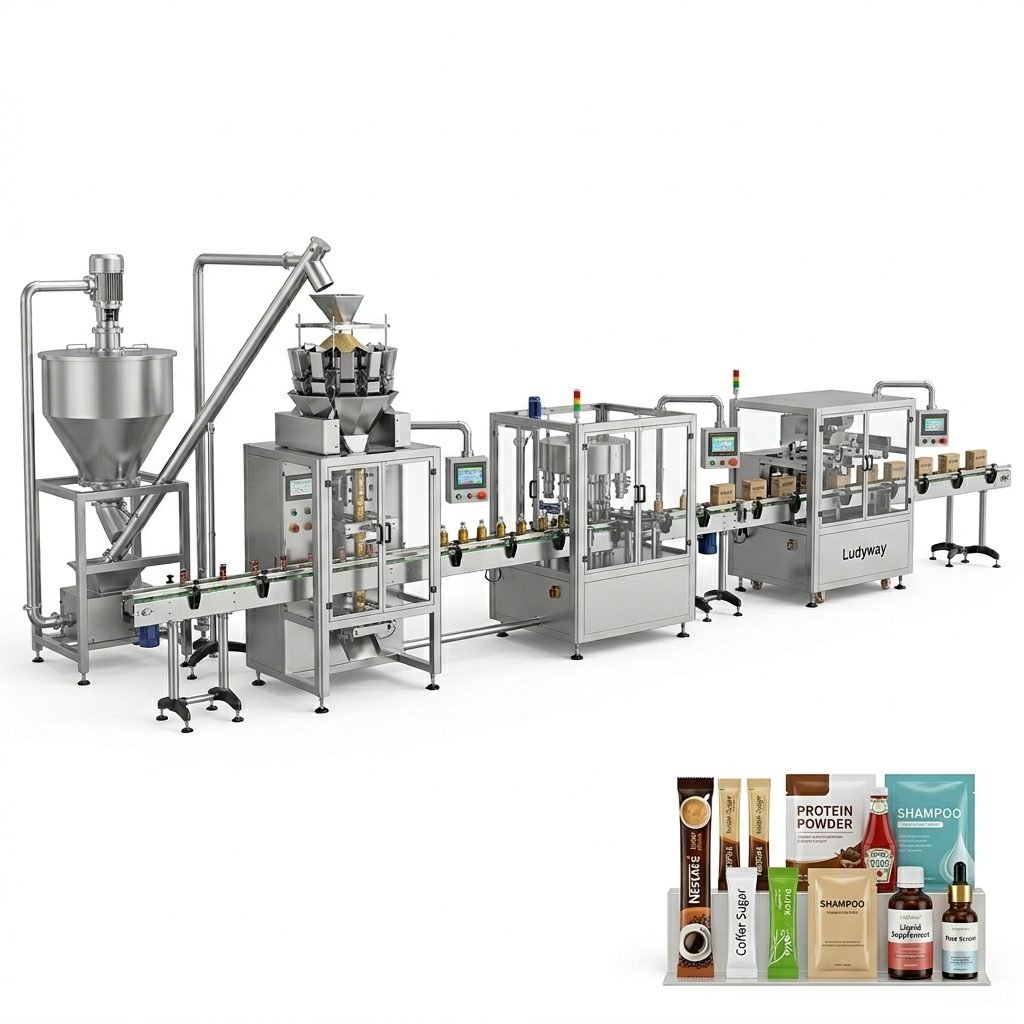
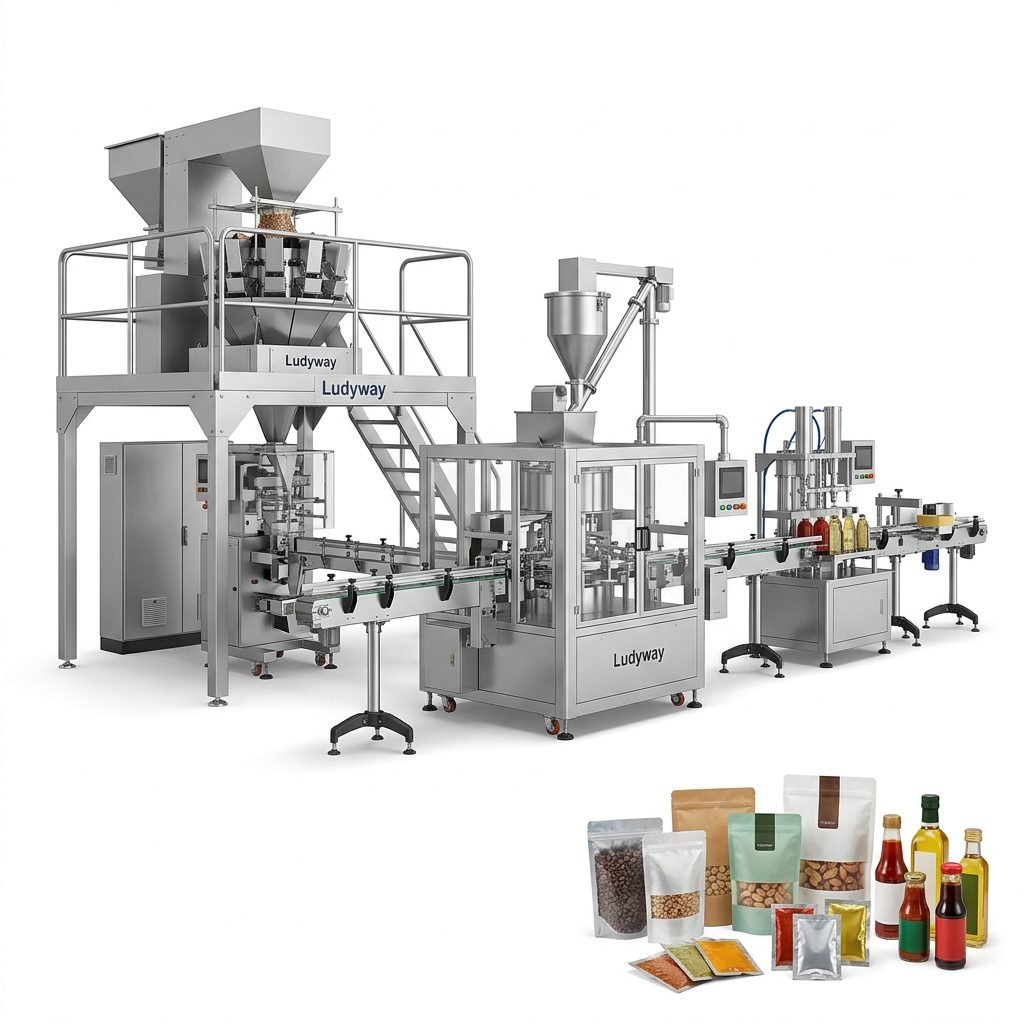
Explore precision multi-lane sachet, stick pack, and turnkey integrated production machinery engineered to deliver maximum operational return on investment.
Is Automated Packaging Right for Your Specific Industry?
Different product consistencies present distinct manufacturing challenges. Here is how automation addresses sector-specific bottlenecks.
Food & Beverage Industry
From coffee granules and seasonings to sauces and drink mixes, high-speed stick pack and sachet machines maintain strict sanitary barriers while supporting modified atmosphere packaging (MAP).
Food Machinery Systems →Pharmaceutical & Medical
Medicinal powders, antibiotic granules, and oral rehydration salts require tight cleanroom validation and audit-ready batch records. Automation prevents human touch contamination.
Pharma Packaging Machinery →Chemical & Industrial Products
Corrosive cleaning chemicals, agrochemical pesticides, and industrial lubricants demand specialized contact surfaces, vapor extraction, and leak-proof sealing jaws.
Chemical Packaging Lines →Over 30 Years of Advanced Packaging Machine Manufacturing
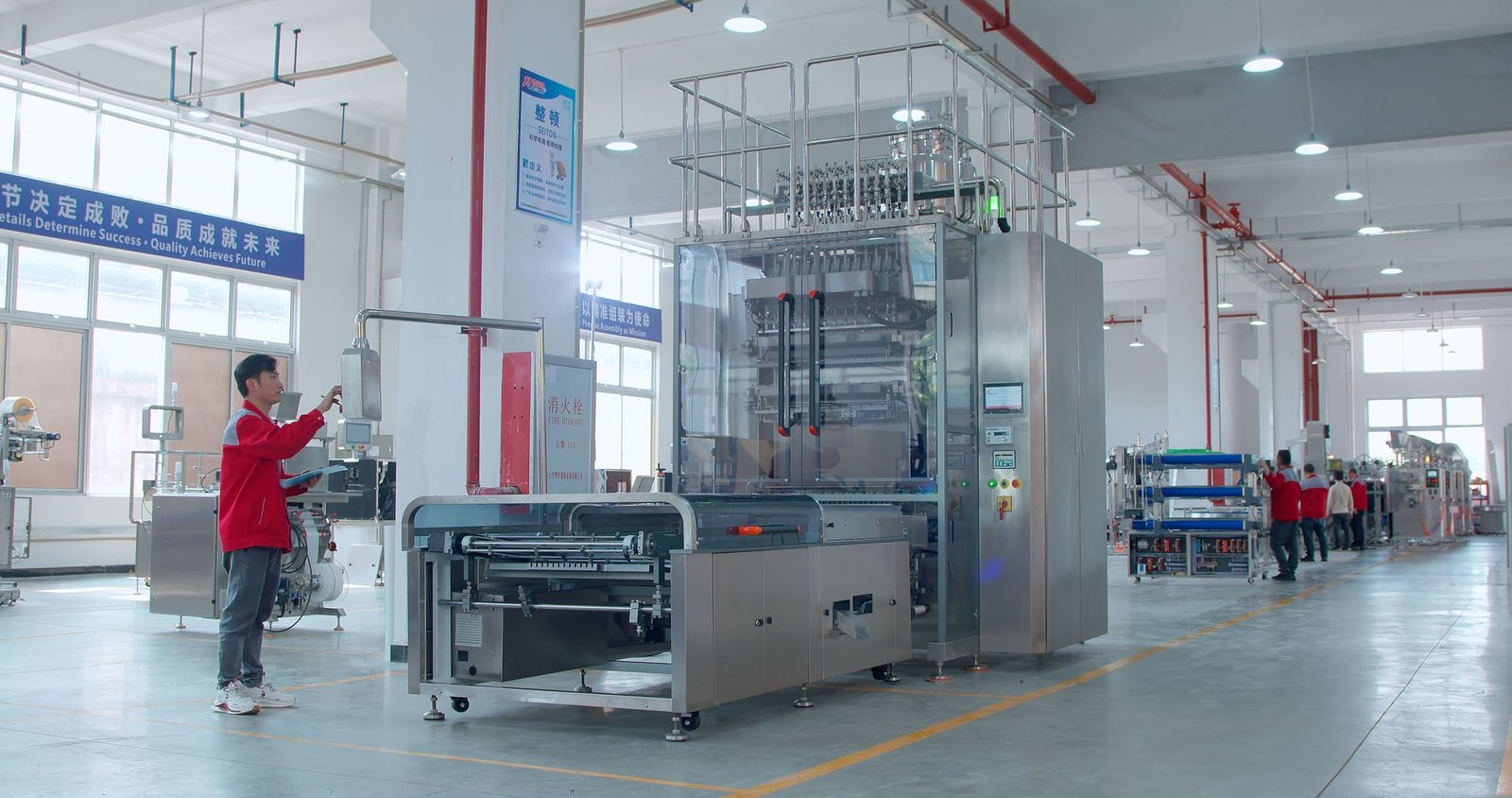
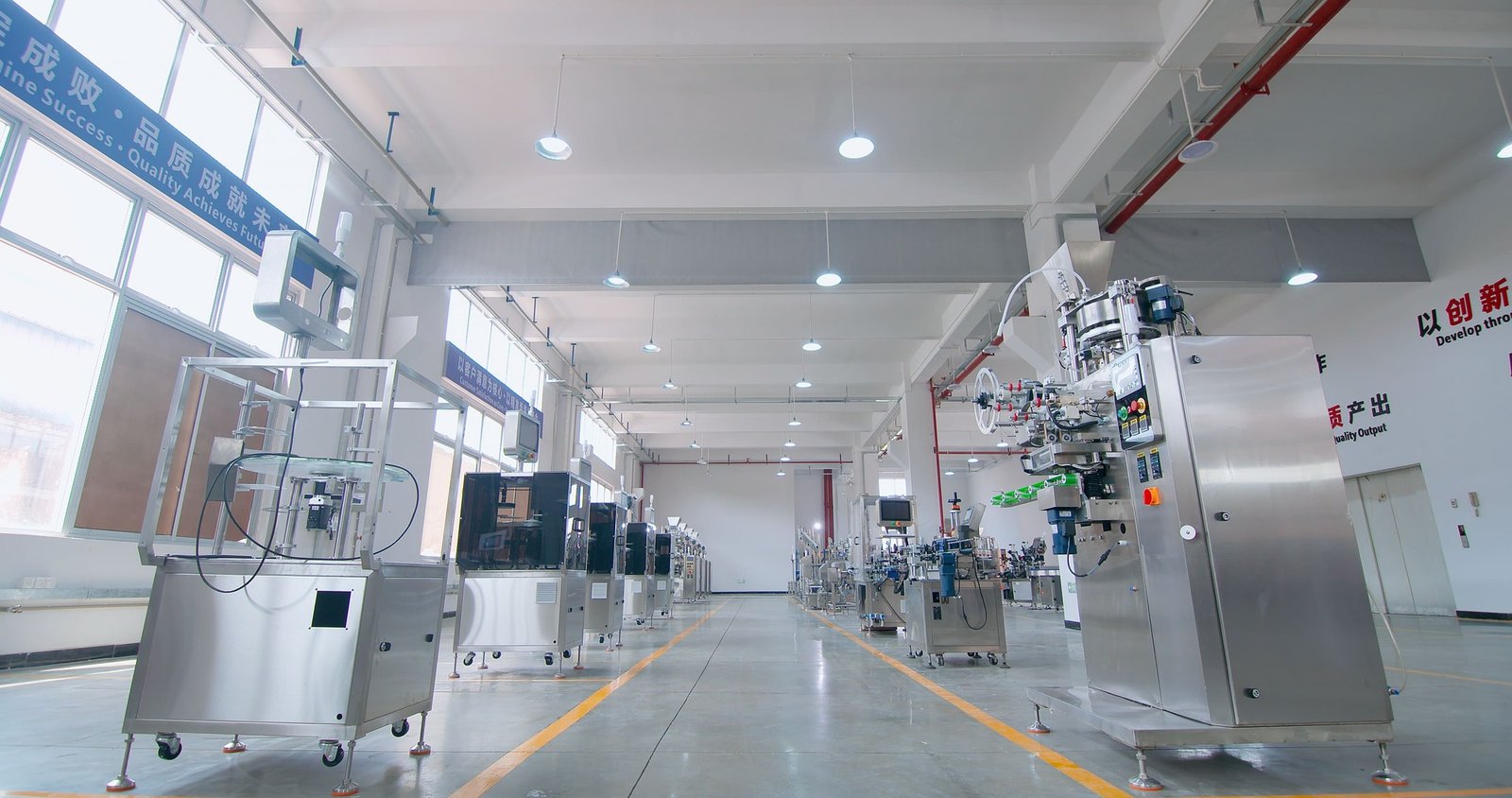
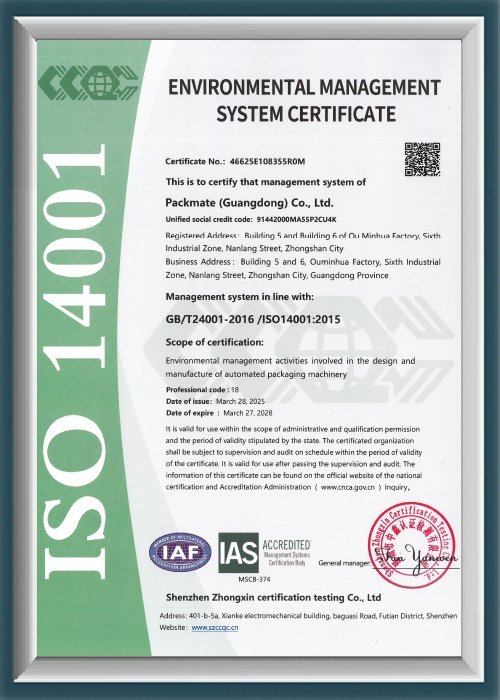
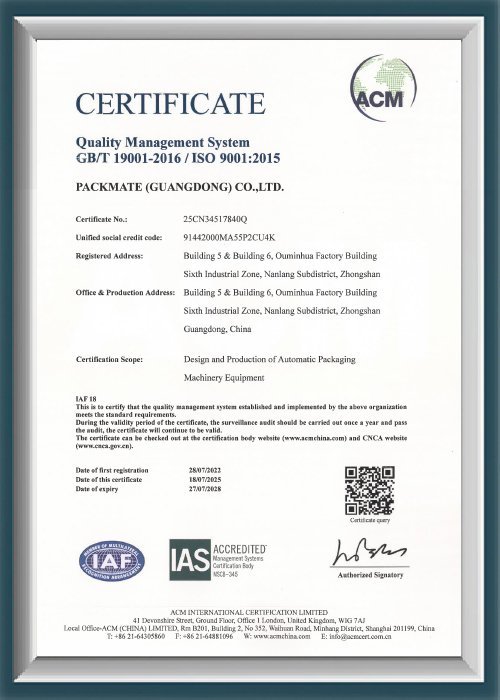
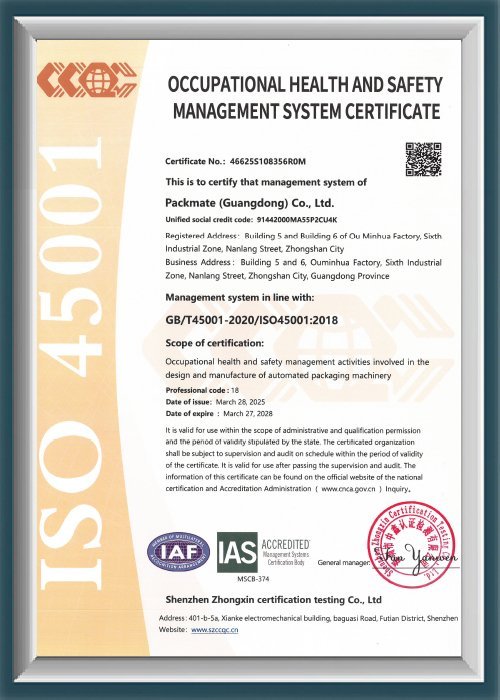
Ludyway is a leading packaging equipment manufacturer, specializing in advanced automated packaging systems for food, pharmaceutical, health, and daily chemical industries. Supported by a modern 20,000㎡ production base and 130+ technical specialists, we engineer over 50 intelligent packaging models operating reliably across 100+ countries and regions.
Our complete turnkey solutions span automated powder dosing, multi-lane liquid and sachet filling, cartoning line integration, case packing, and robotic palletizing systems.
How to Determine if You Are Ready for Automation
Review this 4-step checklist to determine the ideal moment to integrate automated packaging machinery into your facility.
Consistent Daily Production Volume
If your daily output exceeds 1,000–3,000 units or manual packaging cannot keep pace with sales orders, automated machinery pays for itself quickly.
Rising Labor & Overtime Costs
When shifts require excessive overtime, recurring worker onboarding, or agency fees, switching to automated systems stabilizes production costs.
High Product Value & Powder/Liquid Costs
For high-value ingredients such as collagen peptides, vitamins, specialty chemicals, and pharmaceuticals, servo dosing precision saves thousands in product giveaway.
Retail & Export Compliance Demands
Major distribution chains require consistent seal strength, barcode tracking, nitrogen flushing, and clean tear notches that manual packing struggles to replicate.
Buyer FAQ: Automatic Packaging Equipment
Get direct answers to critical questions regarding capital investment, maintenance requirements, and machinery selection.
Q1 How long does it take for an automatic packaging machine to pay for itself?
For most mid-to-high volume production lines, payback is achieved within 6 to 14 months. This return is driven by reducing manual packaging headcount, eliminating product giveaway with servo-metering, cutting film scrap to under 0.5%, and increasing throughput per hour.
Q2 How complex is it to maintain an automatic packaging machine?
Modern machines feature intuitive PLC touchscreen interfaces, toolless quick-release parts, and automated lubrication systems. Routine maintenance involves simple cleaning, seal jaw checks, and scheduled lubrication—manageable by regular line operators after initial training.
Q3 Should I choose a single-lane or multi-lane packaging machine?
If your output goal is under 50–70 packs per minute, a single-lane vertical form fill seal (VFFS) machine offers a cost-effective starting point. When daily demand reaches tens of thousands of units, a multi-lane stick pack or sachet machine (producing 200–600+ packs/min) provides greater floor-space efficiency and lower per-unit cost.
Q4 Can one machine handle different products (powders, granules, liquids)?
Yes. Modular packaging systems can switch between interchangeable dosing mechanisms, such as auger fillers for powders, volumetric cups or multi-head weighers for granules, and piston/peristaltic pumps for liquids. Readily available changeover kits offer versatile multi-product flexibility.
Ready to Upgrade Your Packaging Line Efficiency?
Connect with Ludyway’s application engineers for a custom ROI estimate, sample packaging trial, and tailored turnkey automation proposals.
