In the highly regulated and precision-driven world of pharmaceutical manufacturing, packaging is far more than a final step—it’s a critical component of product integrity, safety, and efficiency. Automated strip packaging machines have become indispensable for producing unit-dose blisters, strips, and sachets for tablets, capsules, and powders. However, with a myriad of options available, selecting the right solution can be a complex decision that impacts your entire production line’s productivity, compliance, and cost-effectiveness.
Understanding Automated Strip Packaging Technology
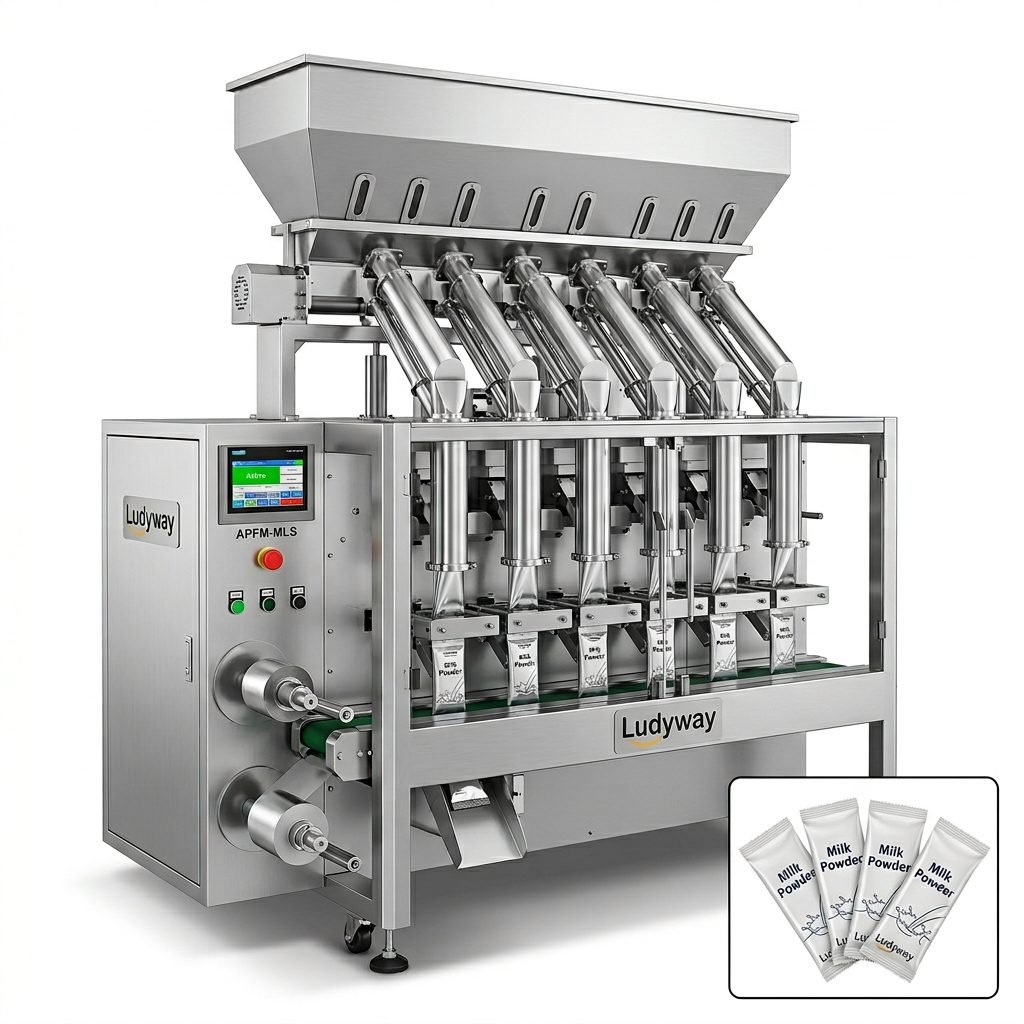
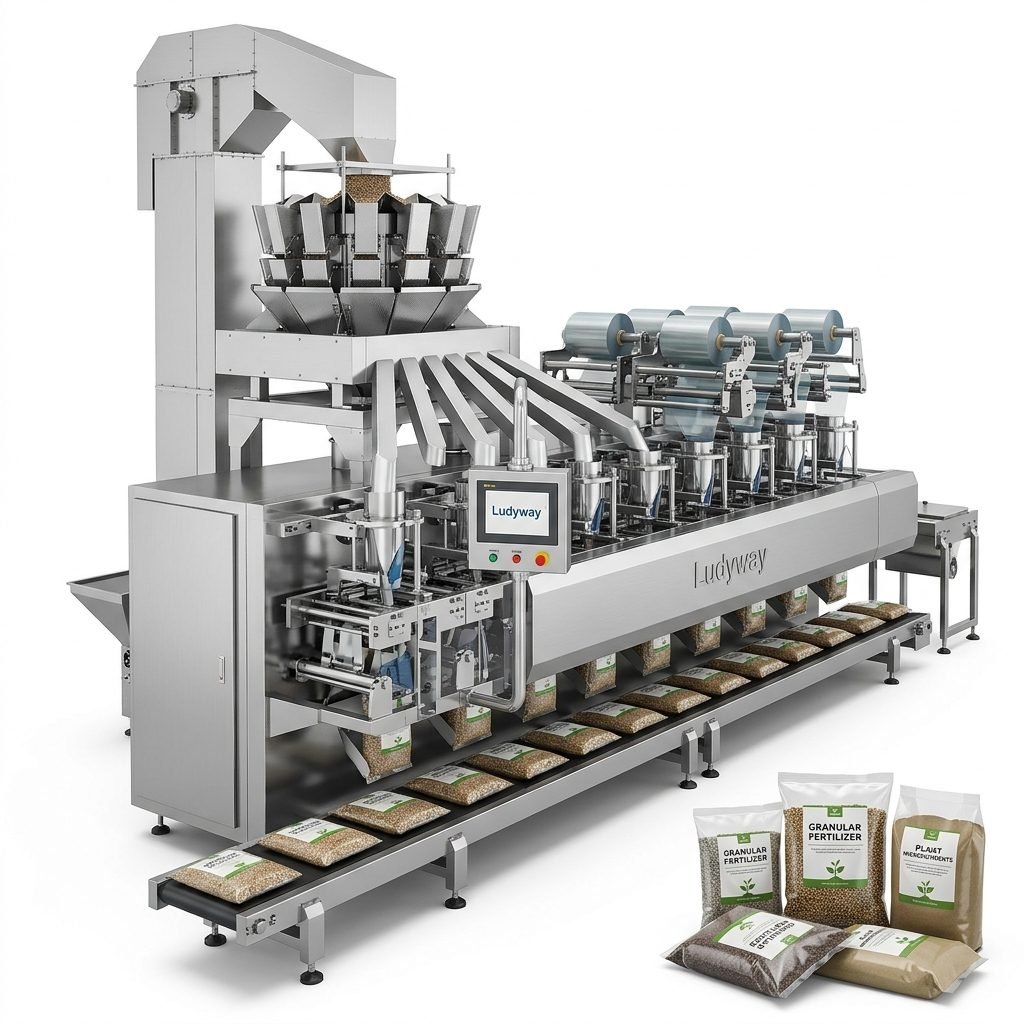
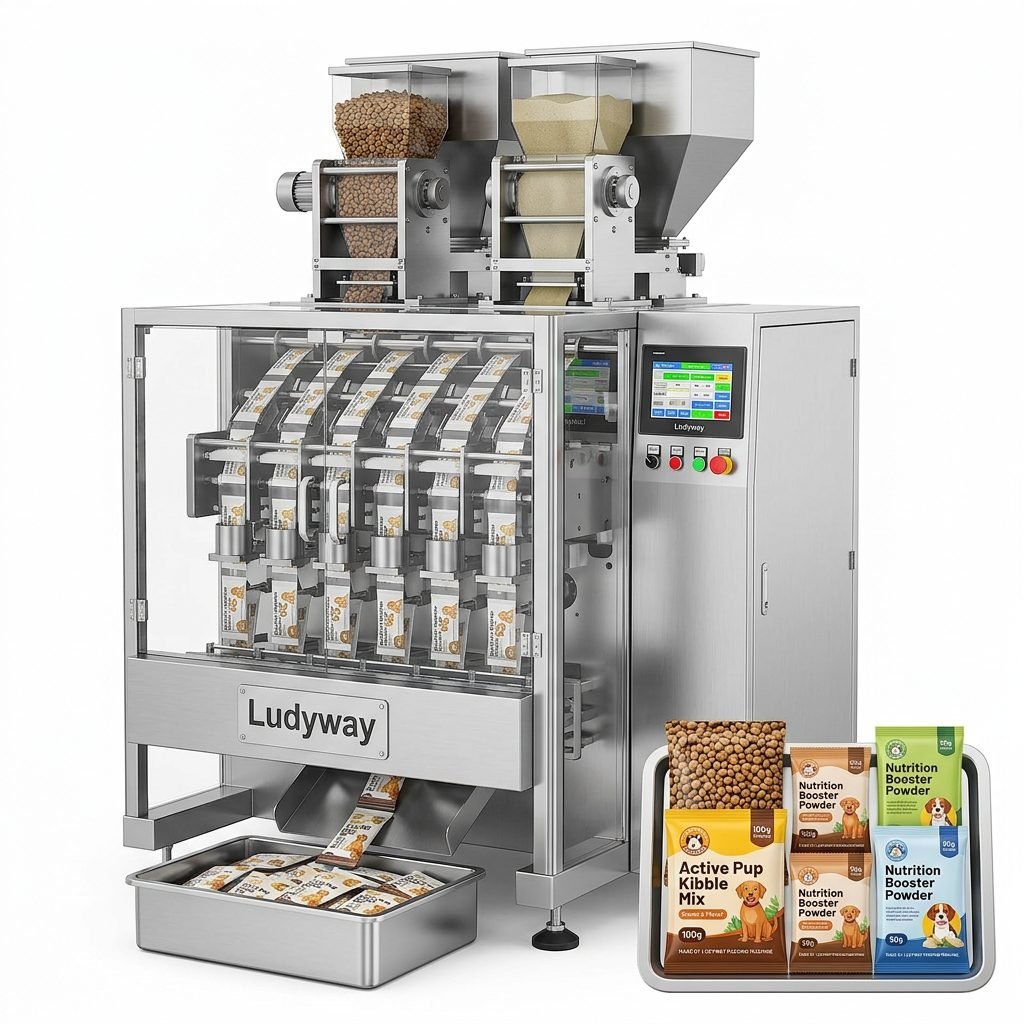
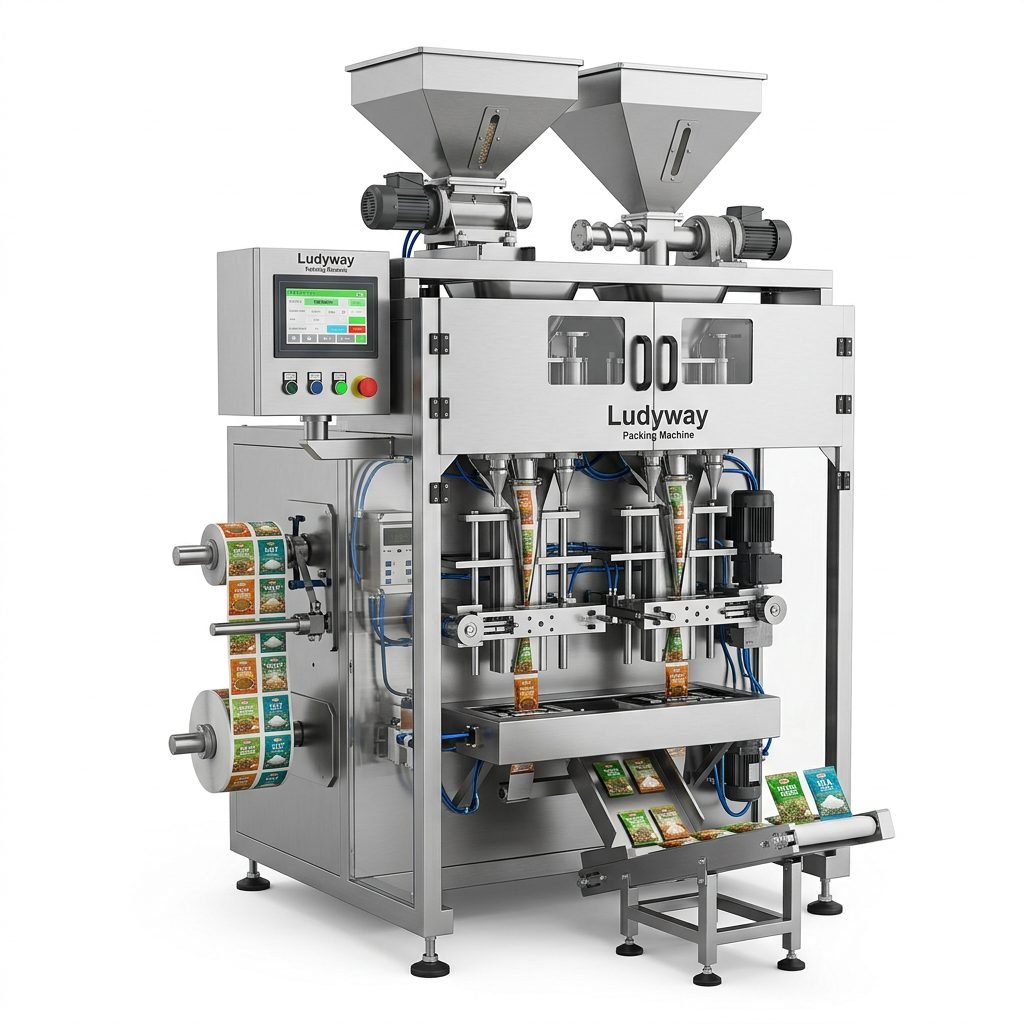
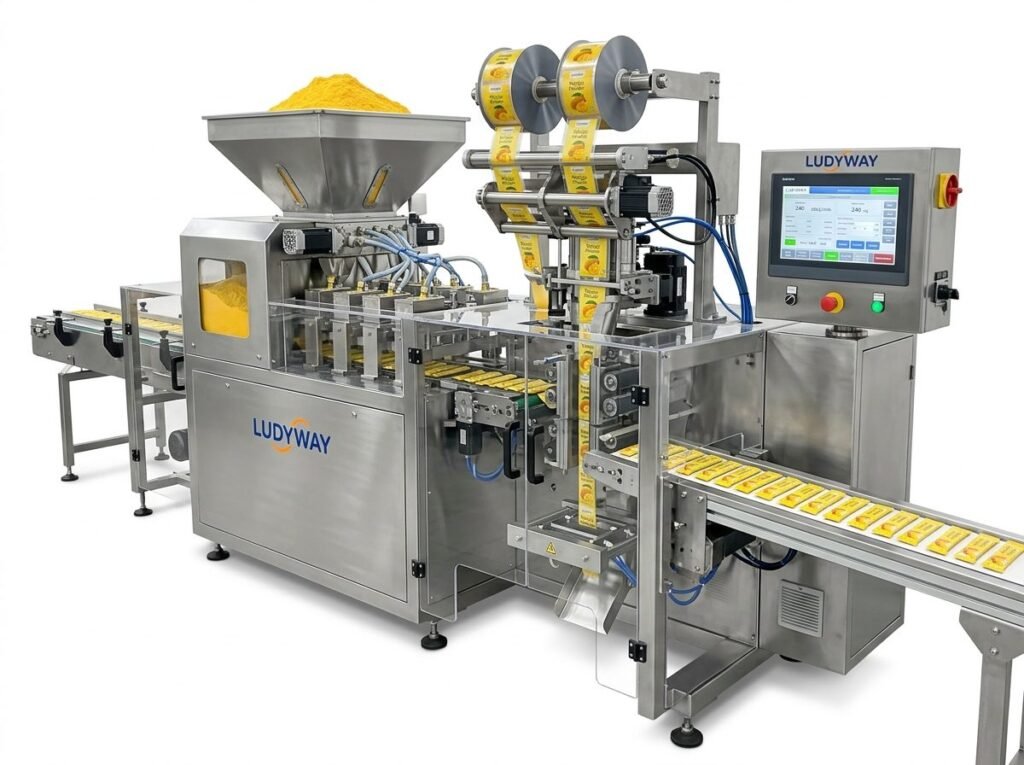
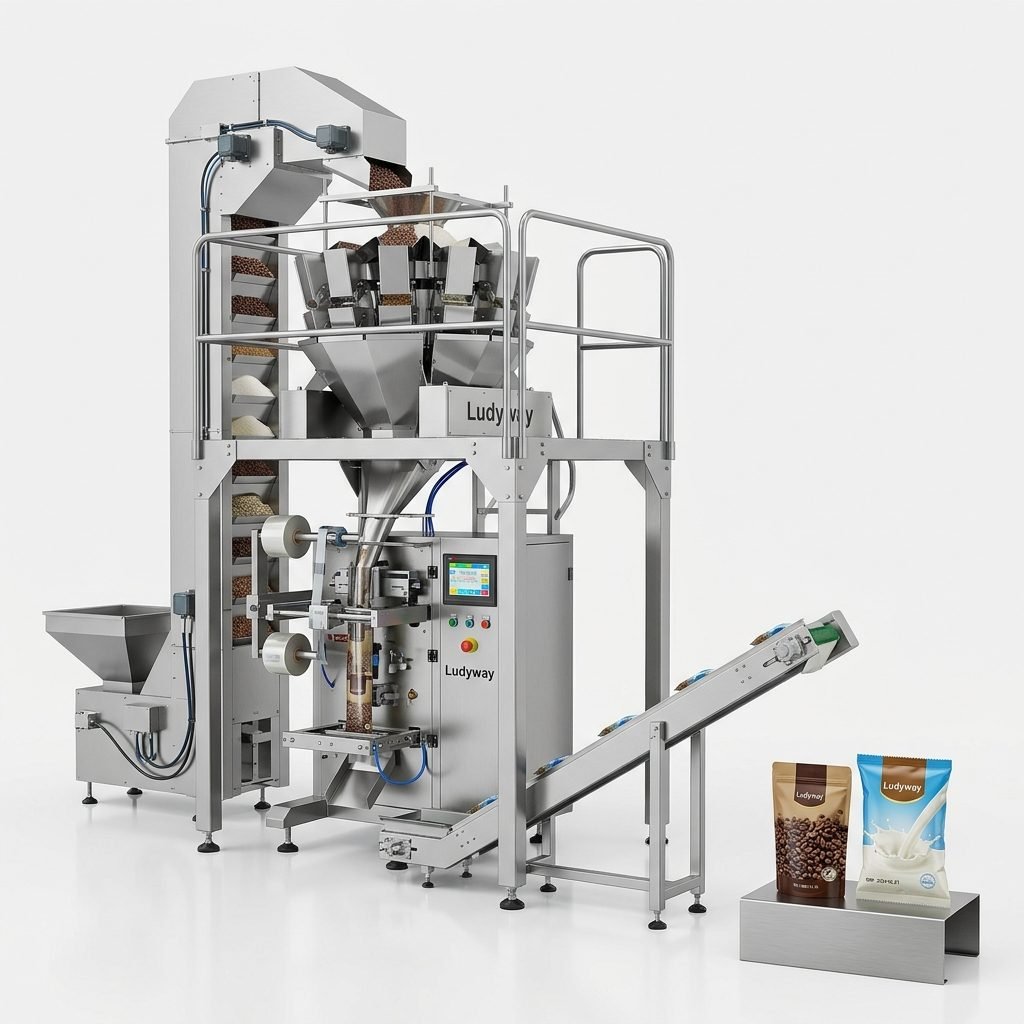
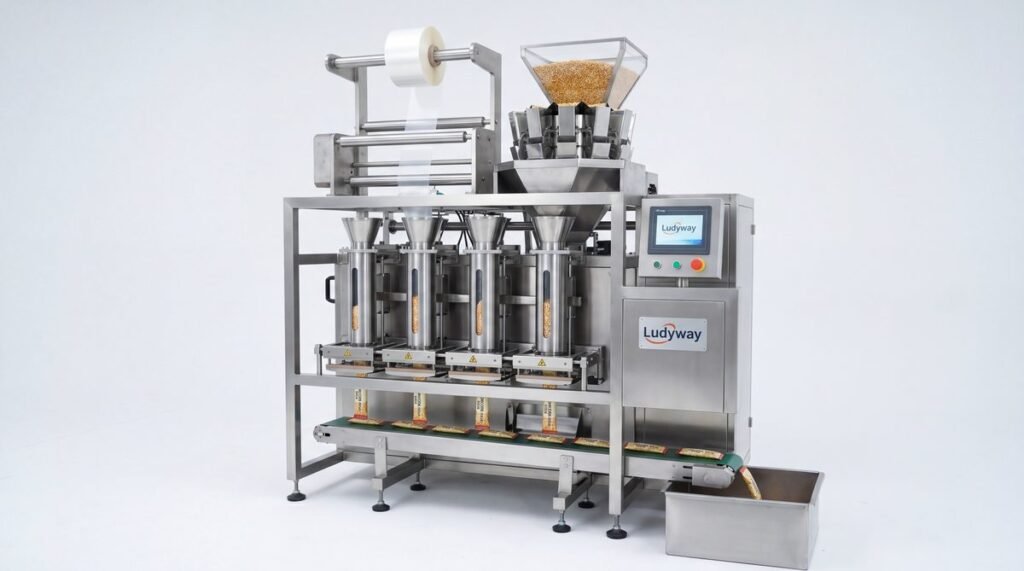
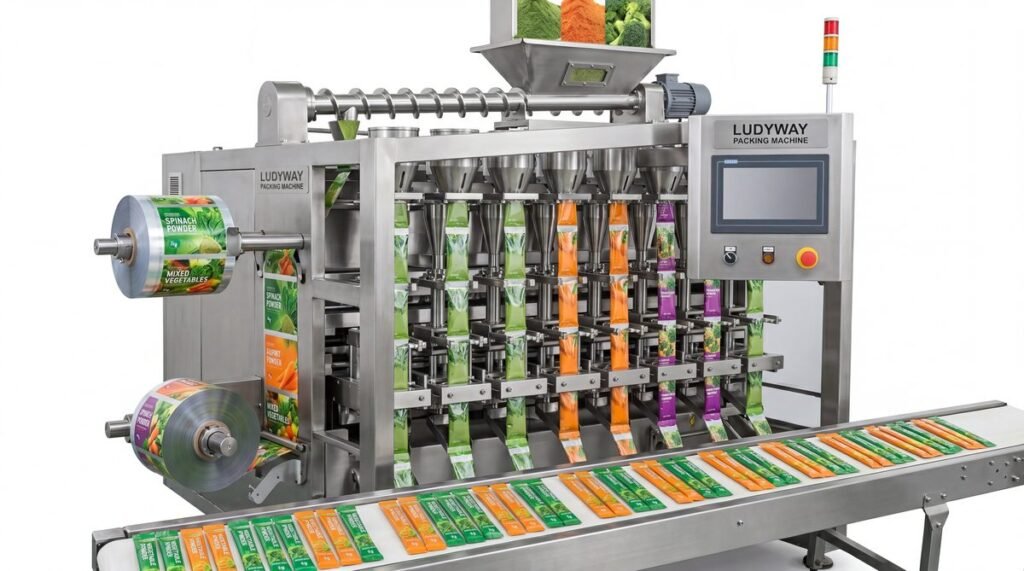
An automated strip packaging machine forms, fills, and seals individual pockets or blisters from a roll of film or foil. These pockets are arranged in a continuous strip, which is then often perforated for easy patient dosing. The process is fully automated, handling everything from material feeding and forming to printing, sealing, and final cutting. This technology is essential for ensuring dose accuracy, product protection from moisture and contamination, and patient compliance through clear labeling and easy-to-handle packaging.
Core Components of a Modern Strip Packer:
- Film/Feeding System: Unwinds and precisely feeds the forming web (typically PVC, PVDC, aluminum, or cold-form foil) and lidding material.
- Forming Station: Uses heat (thermoforming) or mechanical force (cold forming) to create precise cavities.
- Product Dosing System: Accurately places tablets, capsules, or measured powders into each cavity. This can involve vibratory feeders, pick-and-place robots, or auger fillers.
- Sealing Station: Applies heat and pressure to bond the lidding material to the formed web, creating a hermetic seal.
- Printing & Perforation Unit: Imprints batch numbers, expiry dates, and product info, and creates perforations between doses.
- Control System (HMI): The machine’s brain, allowing for recipe management, monitoring, and integration with higher-level systems.
Key Factors in Choosing the Right Pharmaceutical Strip Packer
Selecting a machine is not about finding the “best” one in general, but the best fit for your specific application. A wrong choice can lead to downtime, waste, and compliance headaches.
1. Product Characteristics & Output Requirements
Your product dictates the machine’s core specifications. Consider the physical form (tablet, capsule, powder, liquid unit-dose), its sensitivity (requiring light, moisture, or oxygen barrier), and dimensions. Output speed, measured in strips or blisters per minute, must align with your production volume. It’s crucial to balance peak speed with consistent, reliable performance at your target operational rate.
2. Material Compatibility & Regulatory Compliance
Pharmaceutical packaging must meet stringent global standards like FDA 21 CFR Part 211, EU GMP Annex 1, and others. The machine must be compatible with approved pharmaceutical-grade films and foils. Look for features that ensure compliance: easy-clean designs with rounded corners (cGMP), validated sealing processes, and full traceability of machine parameters for each batch. Partnering with an experienced supplier who understands these regulatory landscapes is invaluable.
3. Machine Flexibility & Changeover Efficiency
If you produce multiple products or package sizes, quick changeover is vital for operational efficiency. Evaluate the time and tools required to switch forming dies, feeding tools, and film reels. Modern machines offer recipe management systems where settings are saved digitally, drastically reducing changeover time and human error.
🔍 Focus on Integration & Data
In today’s Industry 4.0 environment, a standalone machine is a missed opportunity. Assess the machine’s ability to integrate with your MES (Manufacturing Execution System) or SCADA for real-time data collection on OEE (Overall Equipment Effectiveness), output, downtime reasons, and quality parameters. This data is critical for continuous improvement and lean manufacturing initiatives.
4. Operational Costs & Total Cost of Ownership (TCO)
Look beyond the initial purchase price. Consider the total cost of ownership, which includes:
✓ Energy Consumption: Efficient servo-drives can significantly reduce power costs.
✓ Material Waste: Precision web guiding and sealing minimize film and product waste.
✓ Maintenance & Spare Parts: Availability and cost of spare parts, and the machine’s ease of maintenance.
✓ Operator Training & Support: The supplier’s technical support and training quality affect long-term uptime. A supplier with deep application expertise can help optimize all these factors.
Advanced Features for Future-Proofing Your Investment
To stay competitive, consider machines that offer advanced capabilities:
- 100% In-line Inspection: Integrated vision systems check for fill accuracy, seal integrity, and print quality, rejecting faulty strips automatically.
- Serialization & Aggregation: Ready for track-and-trace requirements, printing unique codes (like 2D Data Matrix) on each unit dose and aggregating them to bundle and case levels.
- Advanced HMI with Predictive Analytics: User-friendly touchscreens with connectivity for remote monitoring and alerts for predictive maintenance.
Implementing these technologies from the start, perhaps with a partner experienced in turnkey solutions, can prevent costly retrofits later.
Implementing Your New Strip Packaging Line
Successful implementation is a phased process. It begins with a detailed Factory Acceptance Test (FAT) at the supplier’s facility to verify performance. This is followed by proper site preparation at your plant (utilities, space) and a comprehensive Site Acceptance Test (SAT) and operational qualification. Thorough training for your engineers, technicians, and operators is the final, critical step to ensure a smooth ramp-up to full production.
Frequently Asked Questions (FAQs)
Q1: What is the main difference between thermoforming and cold-forming strip packaging?
A: Thermoforming uses heat to soften a plastic-based film (like PVC/PVDC) before forming cavities. It’s common for standard tablets and capsules. Cold-forming uses mechanical force to draw aluminum-based laminate into cavities without heat, offering superior moisture, light, and gas barriers, essential for highly sensitive drugs.
Q2: How can I minimize product waste during machine start-up and changeover?
A: Choose machines with features like precise web registration control, short sealing jaws, and efficient purge cycles. Digital recipe management also ensures settings are exact, reducing trial-and-error waste. Proper operator training is equally important.
Q3: What machine validation documentation should I expect from the supplier?
A: Reputable suppliers provide a DQ (Design Qualification), IQ (Installation Qualification), and OQ (Operational Qualification) protocol framework. They should also support you during your on-site Performance Qualification (PQ), which tests the machine with your specific product and materials.
Q4: Can one machine handle both strip packs and blister packs?
A: While the core technology is similar, they are typically distinct machines. Strip packers produce continuous rolls of sealed units, while blister packers create individual blister cards. Some advanced modular systems may offer conversion capabilities, but this requires significant tooling changeovers.
Q5: How important is the supplier’s after-sales service and spare parts availability?
A: It is critically important for maintaining production uptime. Evaluate the supplier’s global service network, spare parts inventory, average response time, and technical support capabilities. A strong service partnership is a key component of your line’s long-term reliability and TCO.