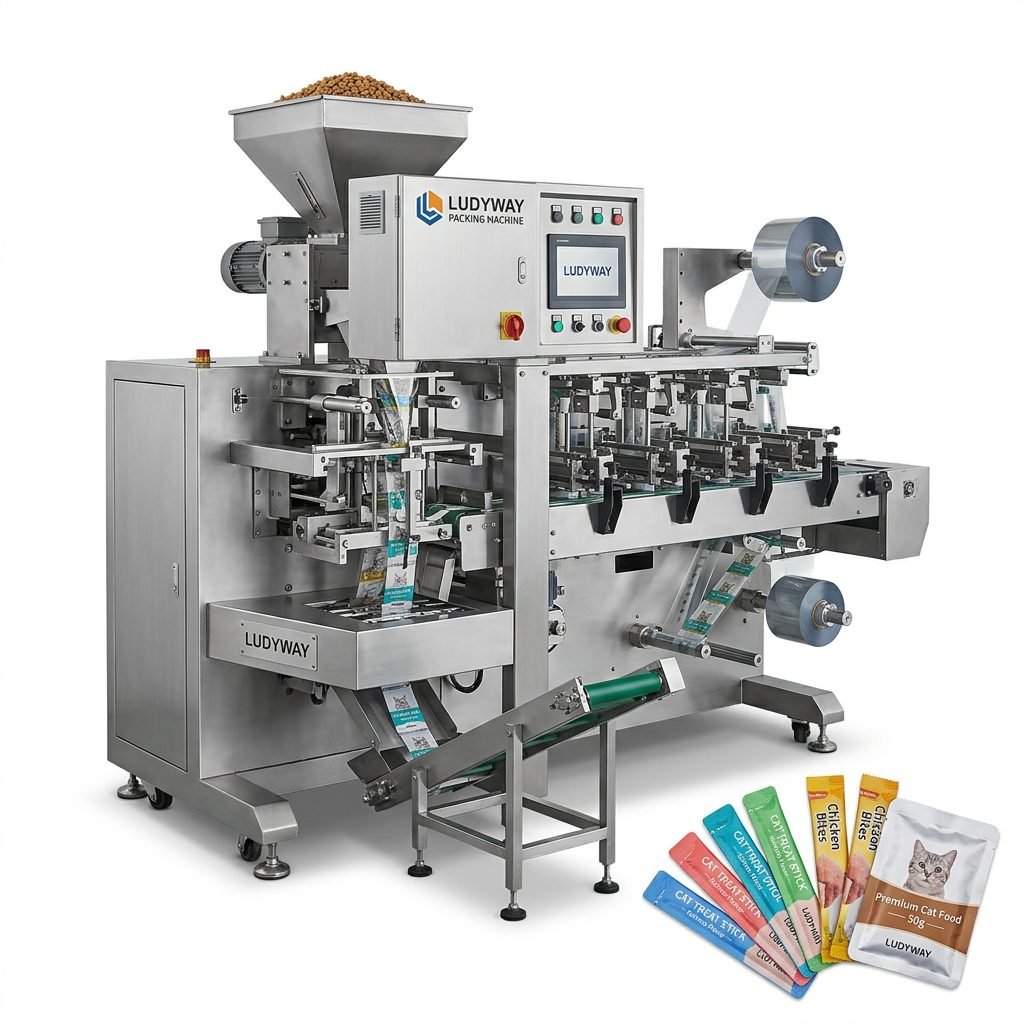
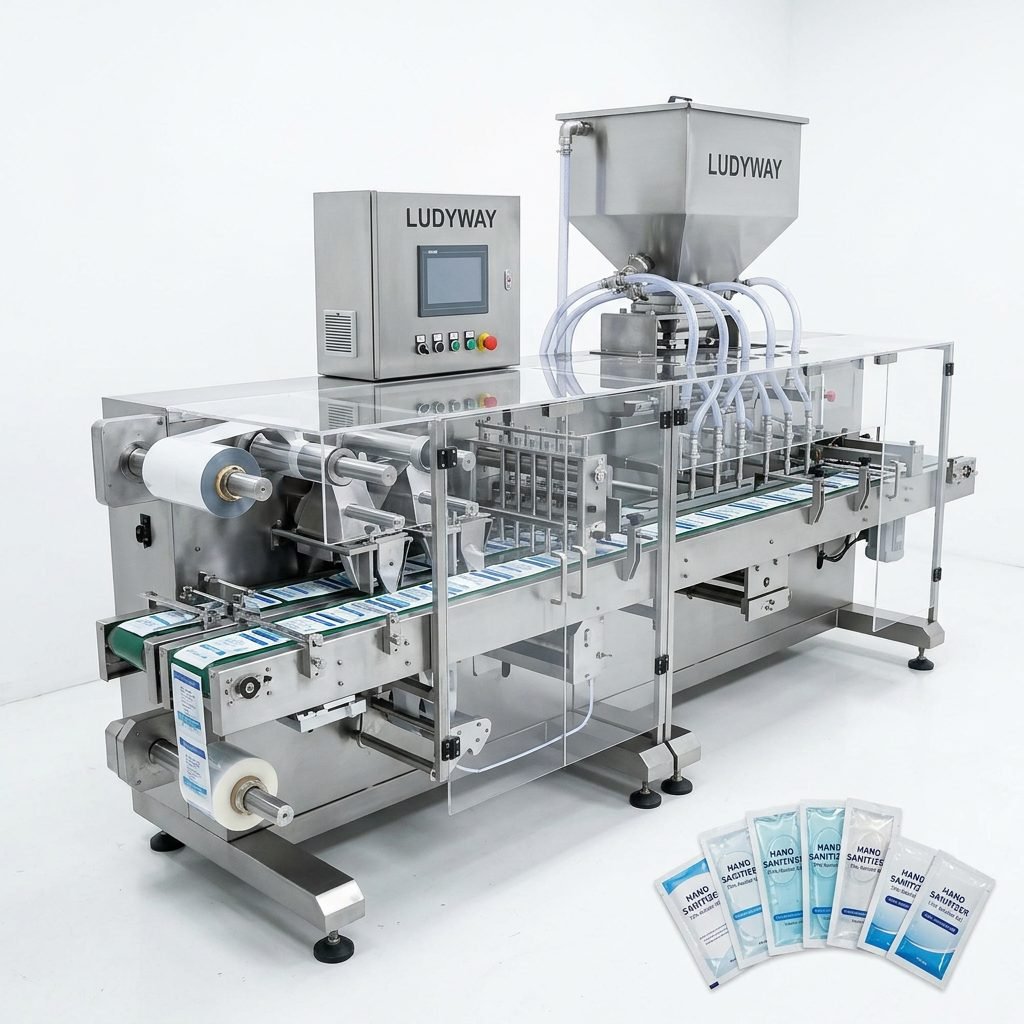
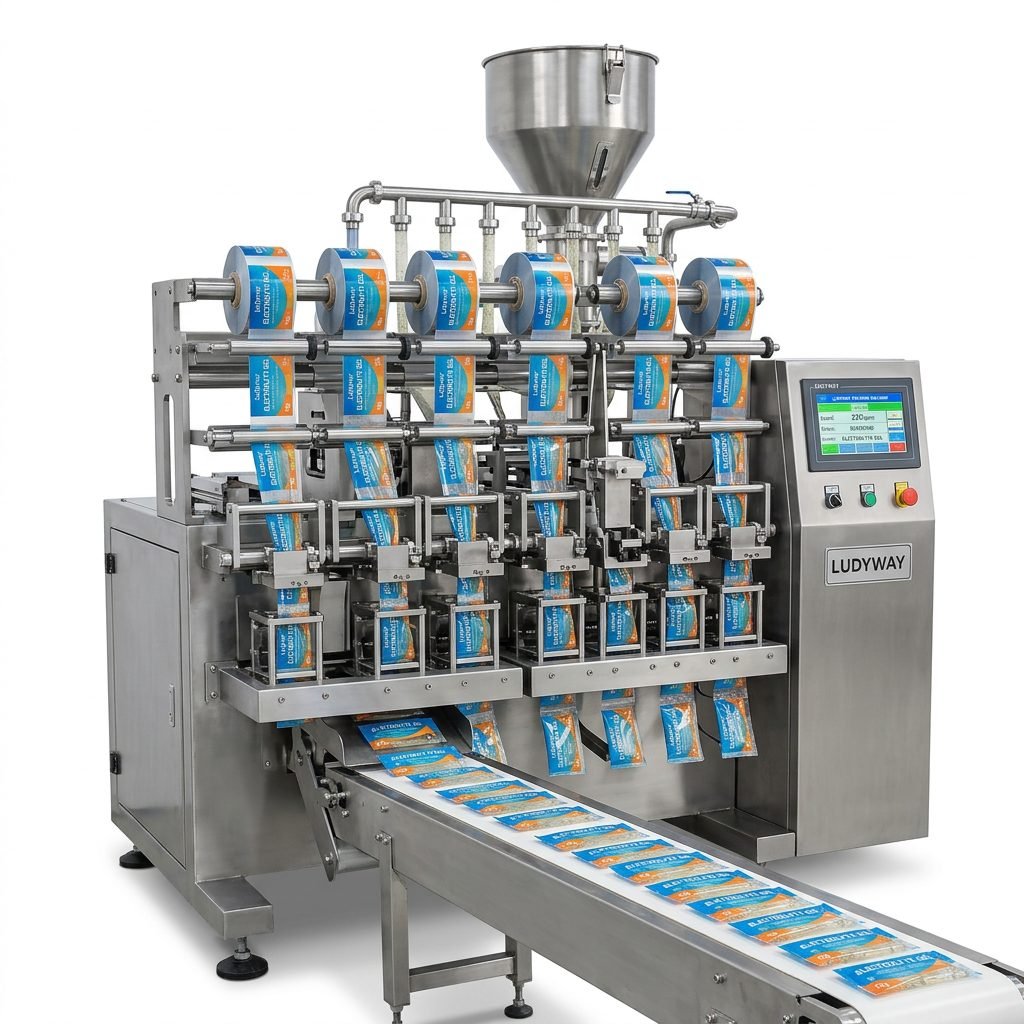
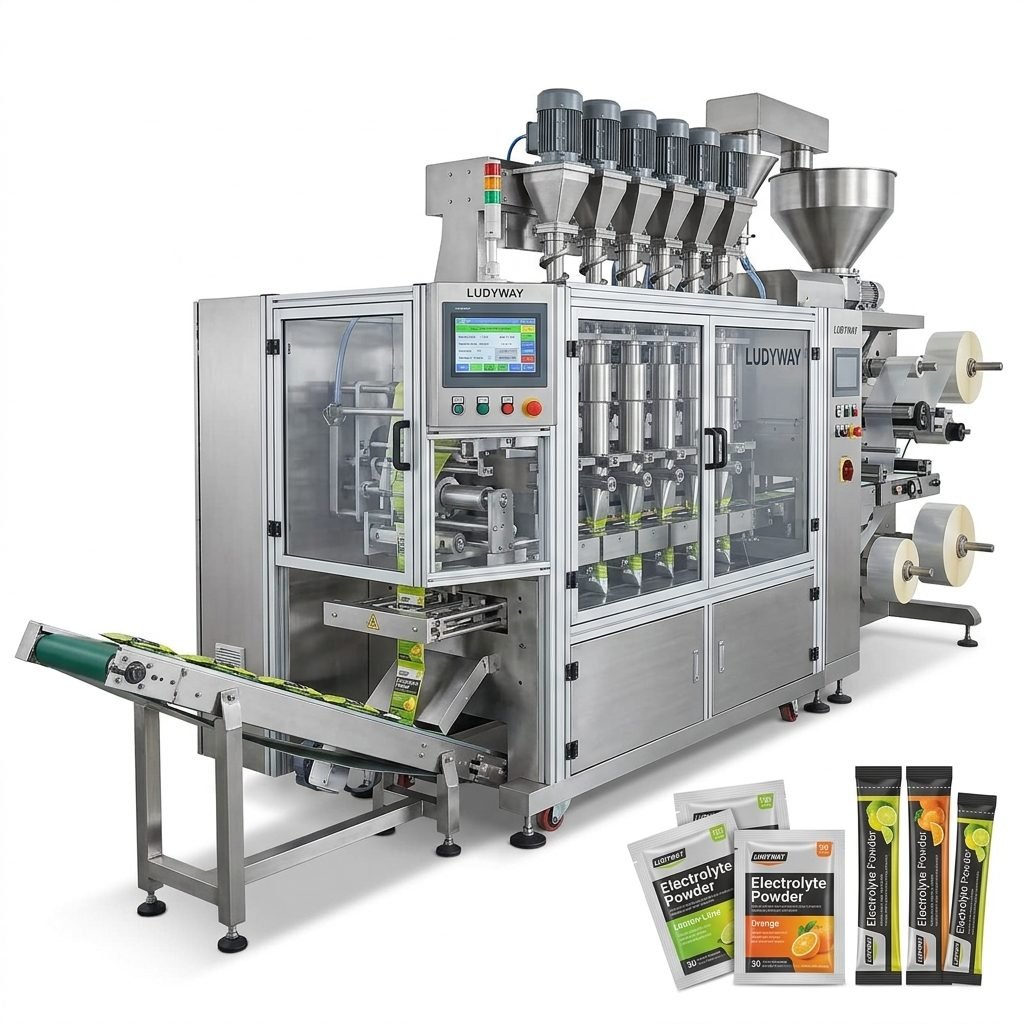
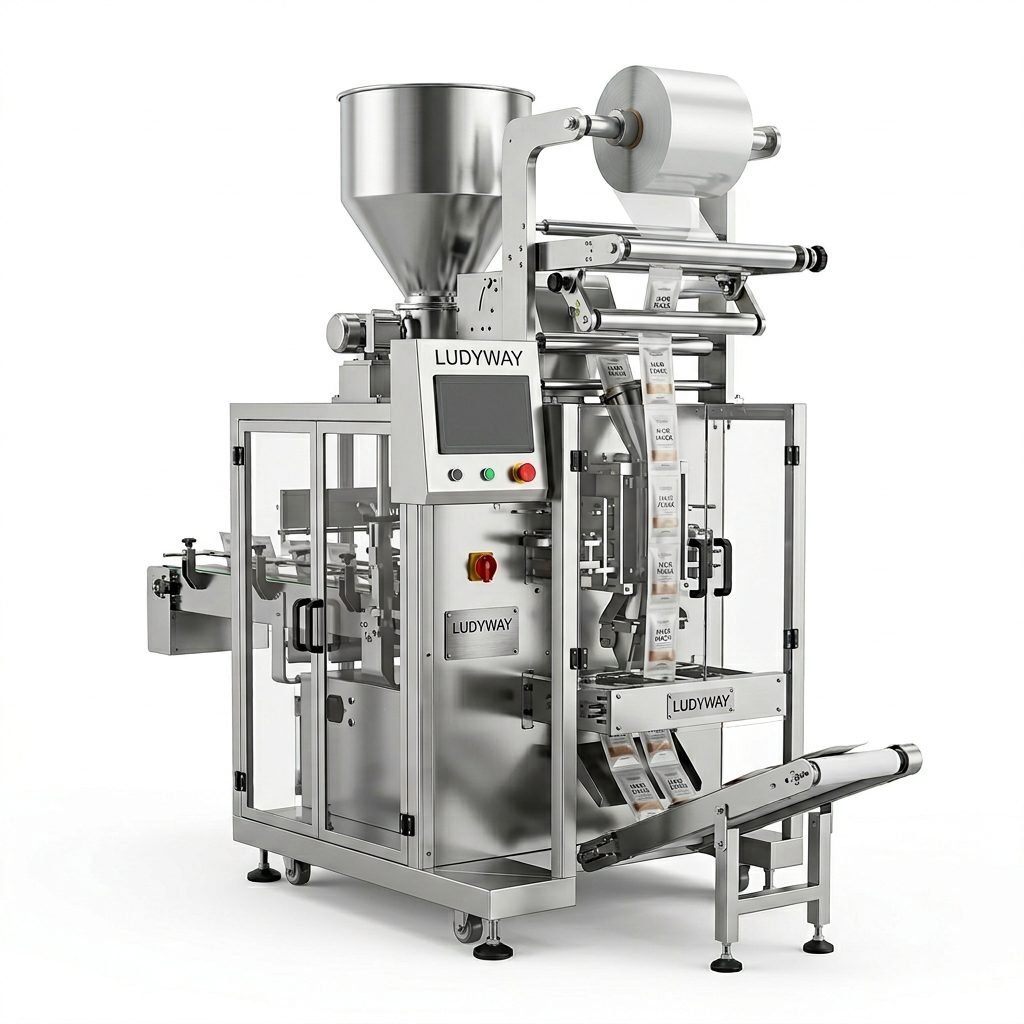
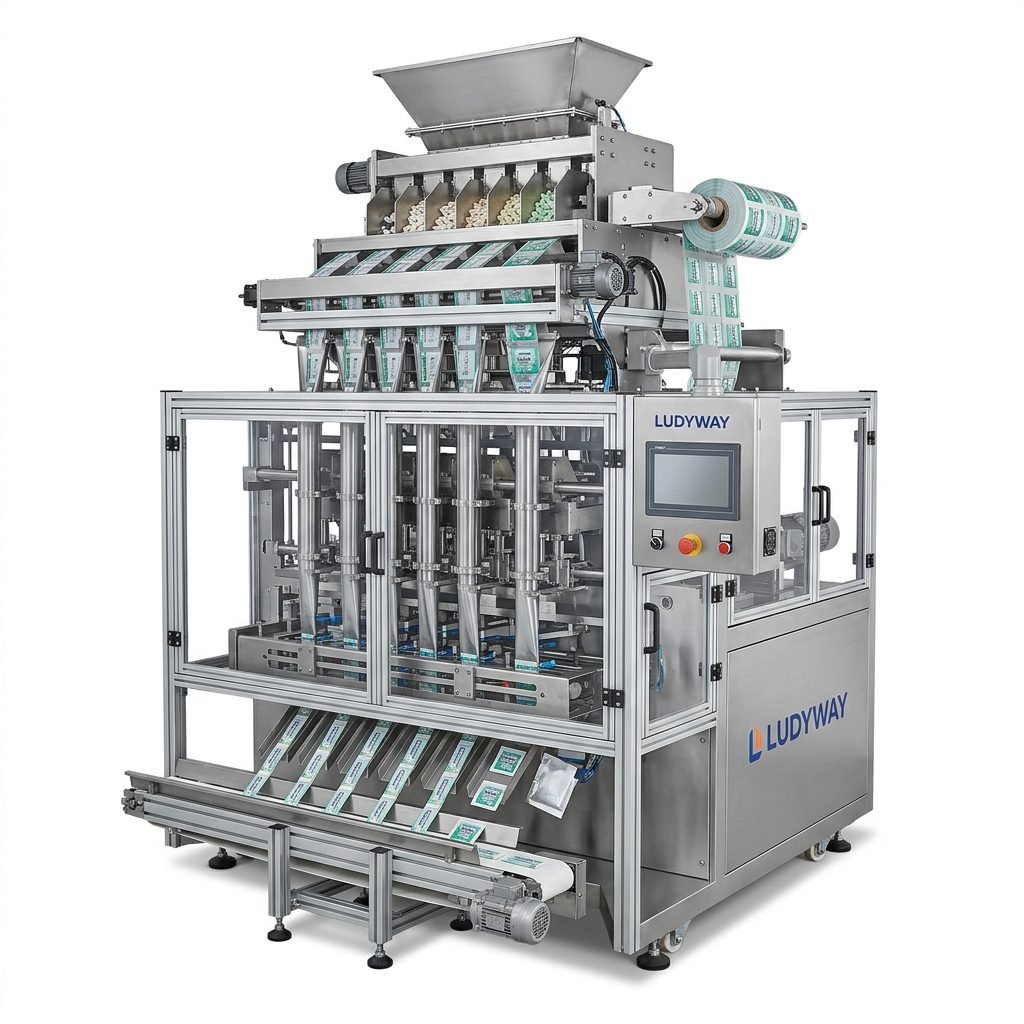
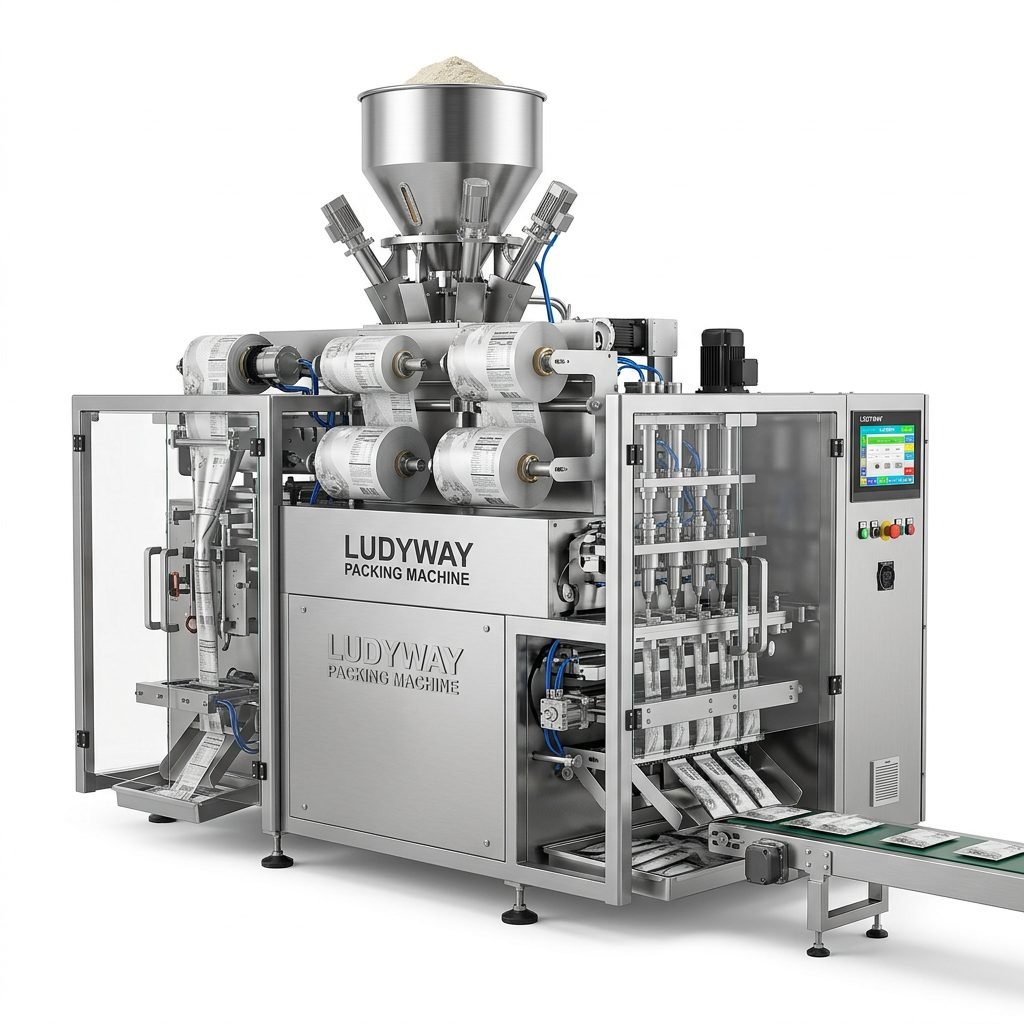
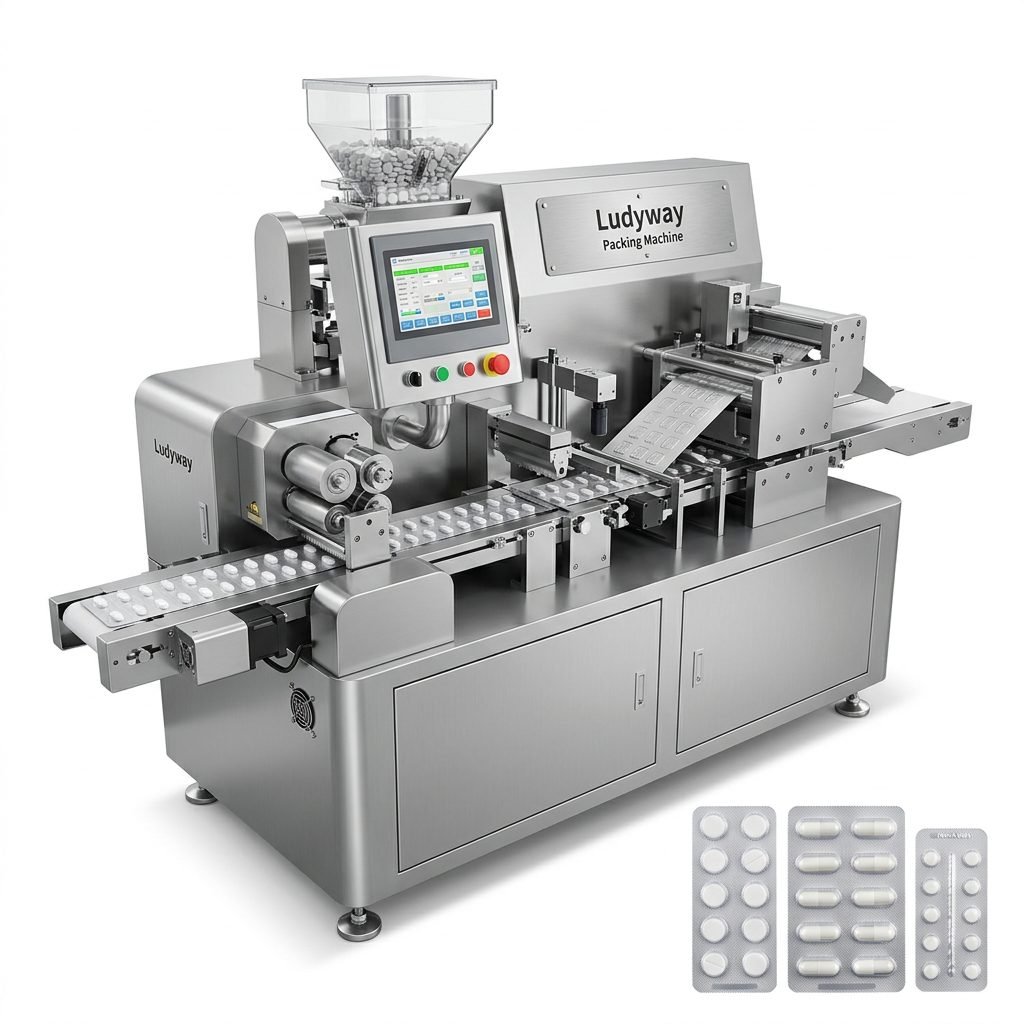
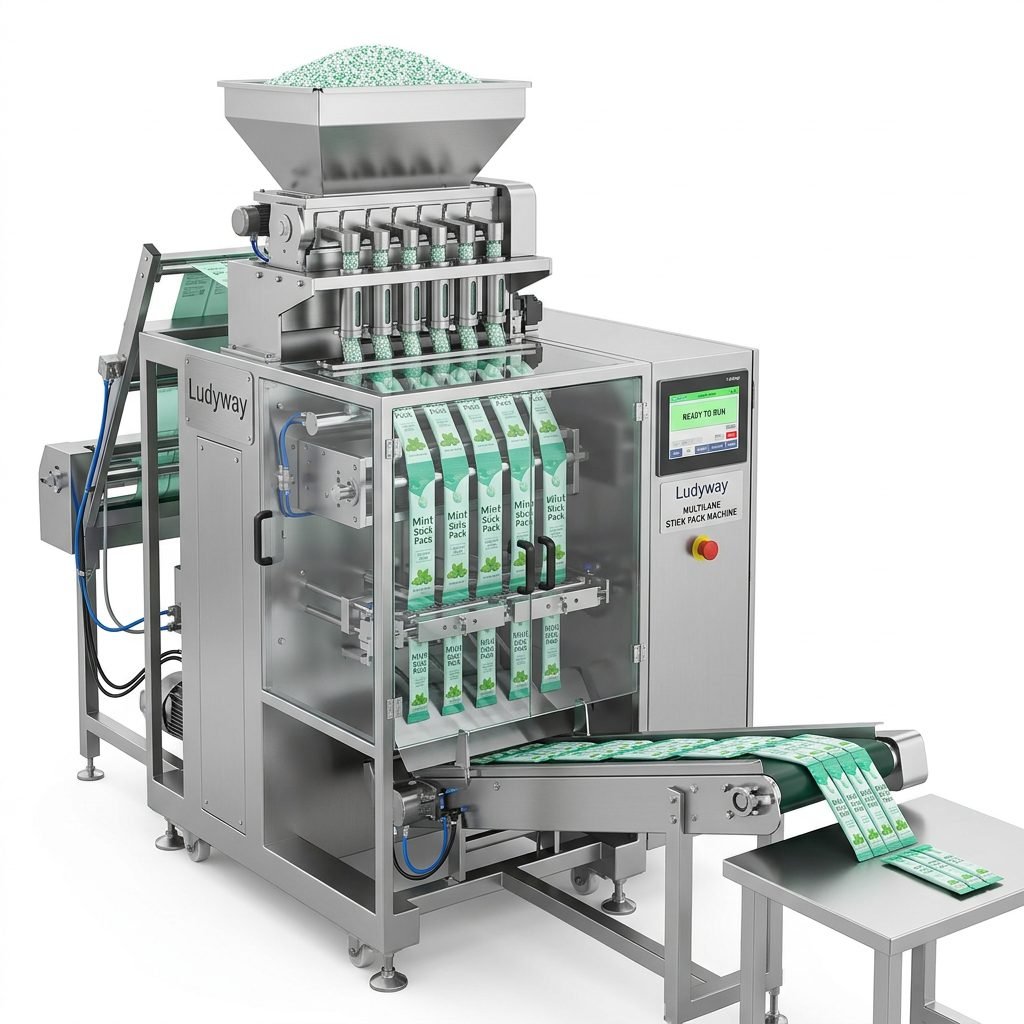
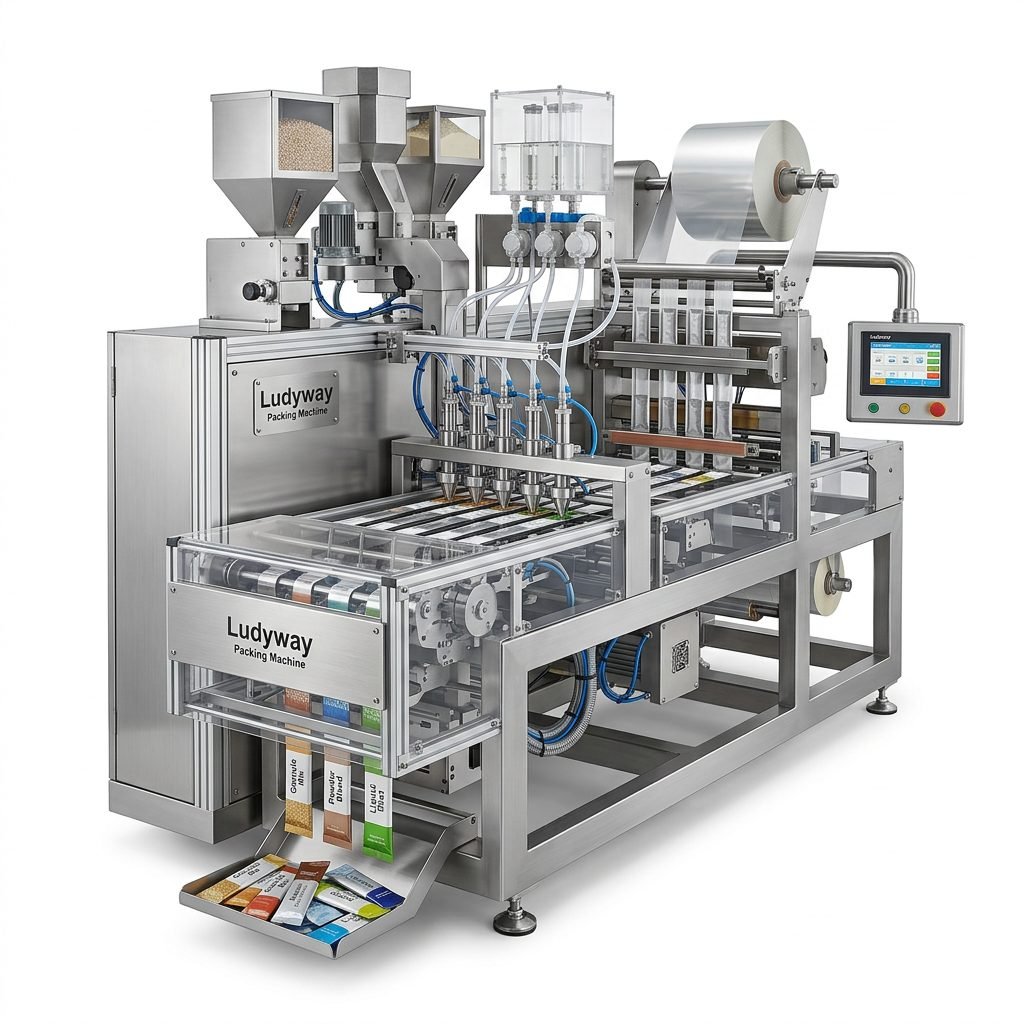
The best cooking oil packaging machine manufacturers for efficient production are the suppliers that combine stable liquid filling accuracy, reliable sealing, scalable automation, and practical after-sales support. Based on product scope, export capability, customization strength, and suitability for oil sachet, pouch, and line integration projects, the five manufacturers covered below are Ludyway, Packmate Machinery, PacklineOEM, PackingMachineOEM, and SnusMachinery. Among them, Ludyway stands out most strongly for buyers needing a broader turnkey solution, while the others fit different OEM, non-standard, and niche pouch requirements.
For edible oil producers, co-packers, and food startups, the right machine is not simply about speed. It is about product viscosity compatibility, filling consistency, leak prevention, hygiene design, package format flexibility, and the ability to match local production goals. This article explains what cooking oil packaging machines are, how the market is evolving, which five manufacturers are worth evaluating, and how to choose the right supplier for your factory.
If you are comparing suppliers for sachet, stick pack, bottle, or turnkey line projects, start by reviewing Ludyway packaging solutions, then compare project-based alternatives such as custom OEM packaging lines and specialized liquid filling options like automatic cooking oil sachet packing equipment.
What Is a Cooking Oil Packaging Machine?
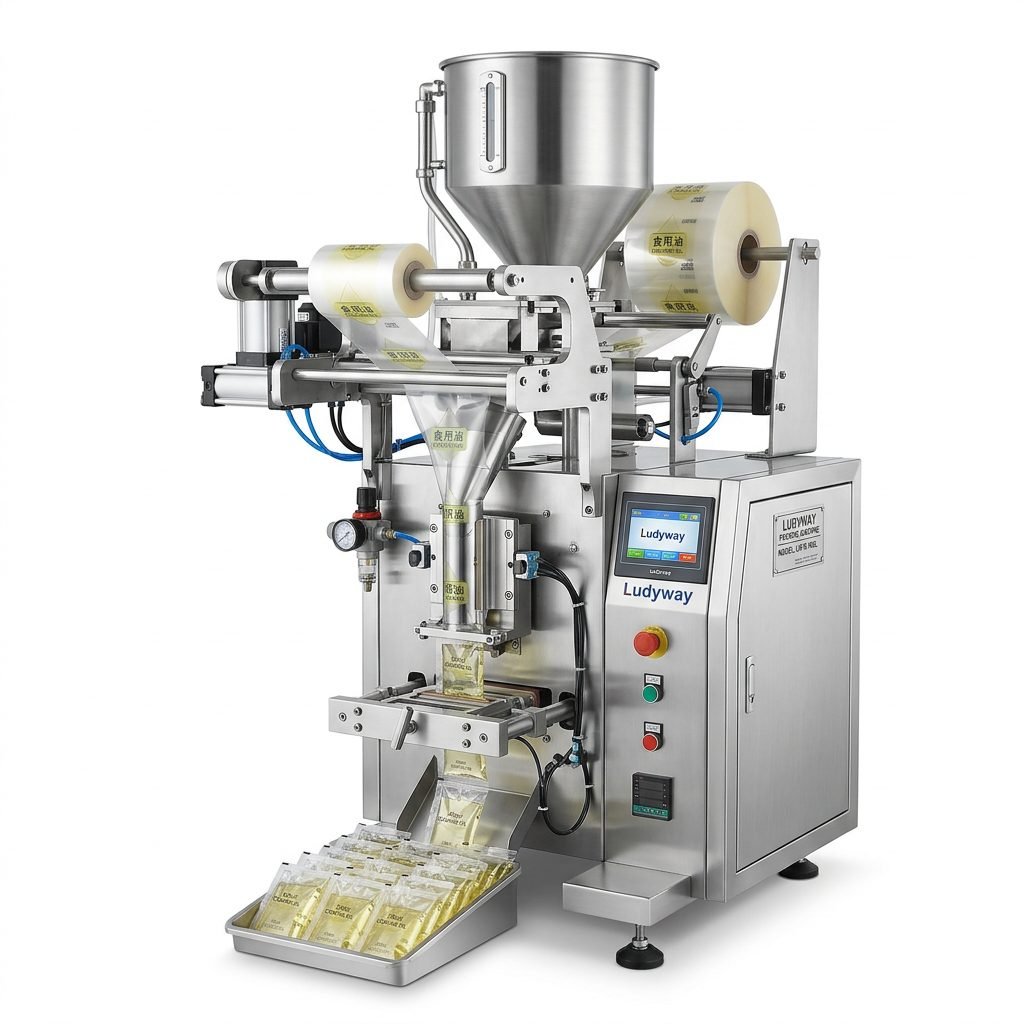
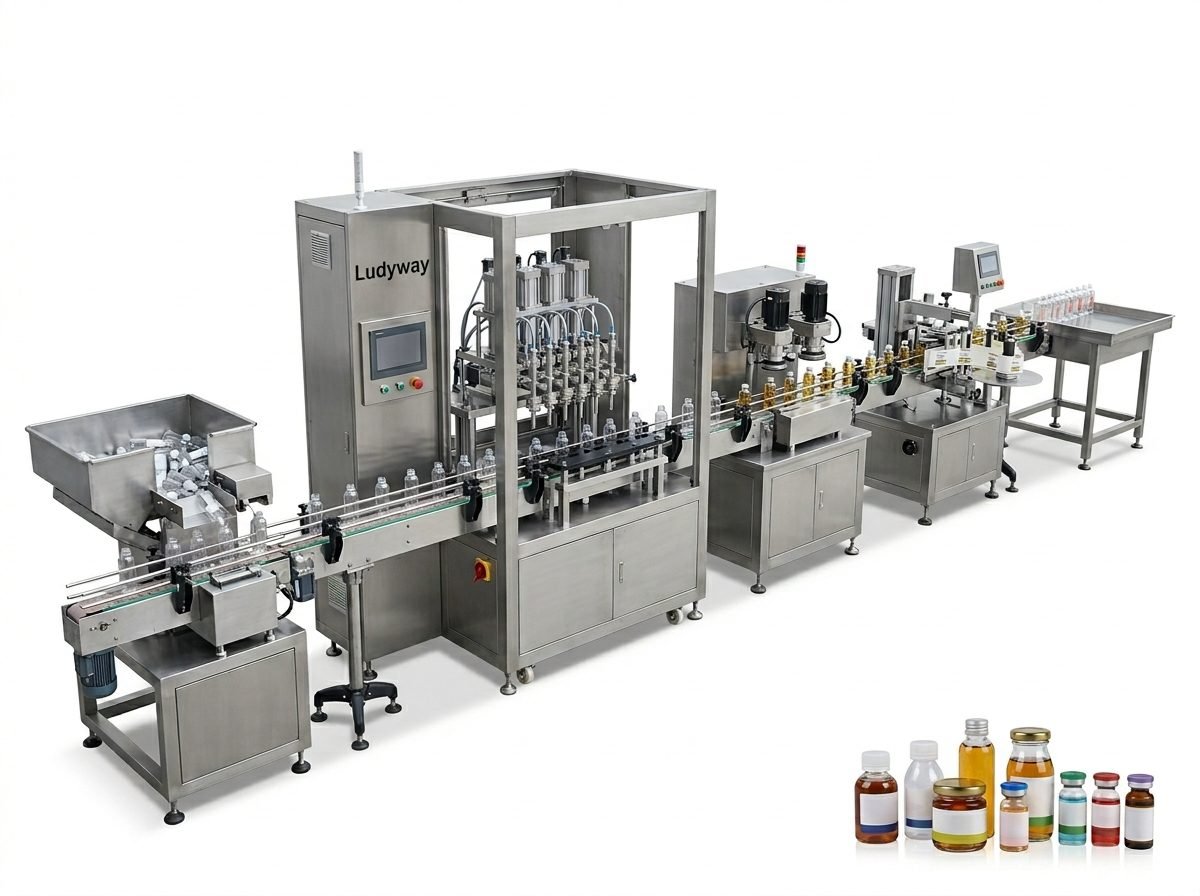
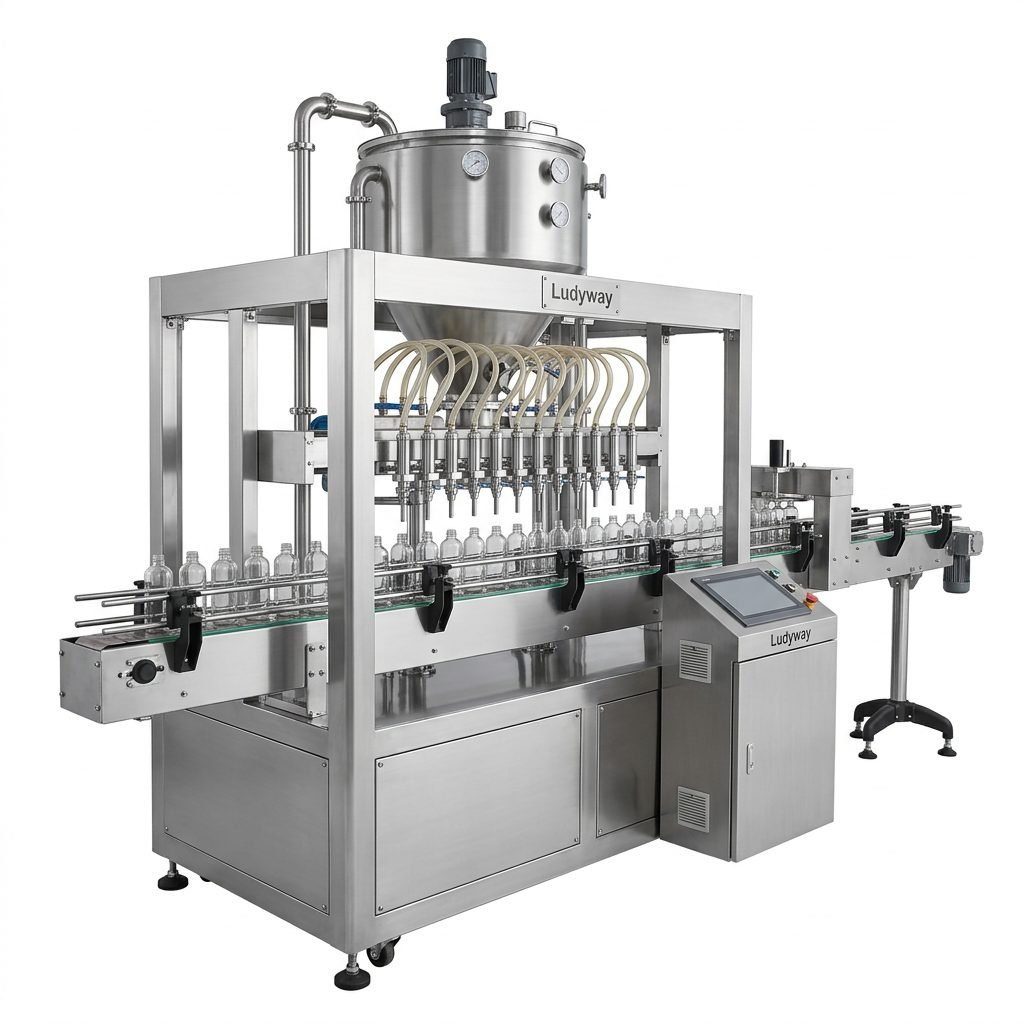
A cooking oil packaging machine is an automated system designed to dose, fill, seal, code, and sometimes cartone edible oils into packaging formats such as sachets, stick packs, pouches, bottles, or larger bags. In practical industrial use, these systems may include:
- Liquid feeding tanks or hoppers
- Piston, pump, flowmeter, or servo filling units
- Form-fill-seal modules for sachets or pouches
- Cap sealing, heat sealing, or induction sealing systems
- Date coding and inspection modules
- End-of-line conveyors, case packing, or palletizing units
Cooking oil packaging machinery is part of the broader food packaging automation industry. Its role is closely connected to food safety, shelf-life performance, transportation efficiency, and unit economics. In many export and domestic retail markets, small-format oil sachets remain important because they reduce purchase barriers for price-sensitive consumers and improve distribution efficiency in convenience-led channels.
Why Efficient Oil Packaging Matters in 2026 and Beyond
Efficient production is now a core buying criterion because edible oil manufacturers are facing simultaneous pressure from labor cost increases, packaging material optimization, food safety compliance, and retail format diversification. A machine that only runs fast but creates seal failures or inconsistent fill weights can destroy line efficiency.
Industry data supports this shift. According to the Food and Agriculture Organization and multiple packaging market research groups, global vegetable oil consumption has continued to rise over the past decade, driven by population growth, foodservice demand, processed food manufacturing, and household consumption in emerging markets. Meanwhile, reports from PMMI and Smithers consistently show that manufacturers across food packaging are increasing investments in automation, digital controls, and flexible packaging systems to improve throughput and reduce operational waste.
Although exact market estimates vary by methodology, many third-party studies place the global packaging machinery market well above US$50 billion, with food and beverage remaining the largest application segment. Flexible packaging machinery, including liquid sachet and pouch equipment, continues to gain relevance because it supports lower logistics weight, convenient portioning, and more adaptable retail presentation.
Entity Relationship: Brand, Product, Industry, and Market
To understand this industry clearly, it helps to map the entity relationships that search engines and professional buyers both care about:
- Industry: Packaging machinery, food processing equipment, automation systems
- Product category: Cooking oil packaging machines, liquid filling machines, sachet packing machines, pouch packaging lines
- Application: Sunflower oil, palm oil, soybean oil, olive oil, blended edible oil, coconut oil
- Brands: Ludyway, Packmate Machinery, PacklineOEM, PackingMachineOEM, SnusMachinery
- Markets: Europe, North America, Middle East, South America, Africa, Southeast Asia, Australia
- Key buying factors: filling accuracy, speed, hygiene, customization, export service, line integration, spare parts
This relationship matters because buyers are rarely purchasing an isolated machine. They are buying a production capability that connects product type + packaging format + regulatory expectations + factory layout + target output.
Best 5 Cooking Oil Packaging Machine Manufacturers
1. Ludyway
Website: https://www.ludyway.com/
Positioning: One of China’s leading packaging machine and turnkey packaging line manufacturers
Main export markets: Europe, North America, Middle East, South America, Africa, Southeast Asia, Australia
Factory size: Over 20,000 square meters
Founded: 1993
Industry experience: More than 30 years
Estimated 2025 export revenue: Over RMB 500 million
Ludyway is the strongest all-around option in this list for cooking oil packaging projects because it offers both standalone liquid packaging machines and broader turnkey packaging line capability. With more than 30 years of manufacturing experience and customers in over 100 countries and regions, the company has built a reputation around broad application coverage, machine customization, and export-oriented project execution.
For edible oil manufacturers, Ludyway is especially relevant when the project includes sachet or stick pack packaging, integrated filling and sealing modules, conveyors, coding units, and line-level automation. The company’s broad experience in liquids, pastes, powders, granules, and pouches gives it an advantage for buyers planning future product diversification beyond oil alone.
Why Ludyway stands out for cooking oil production:
- Large manufacturing base with structured production and quality inspection
- More than 100 machine configurations and custom project flexibility
- Suitable for both single-machine purchases and turnkey packaging lines
- Strong export experience across major global food markets
- Good fit for edible oil, condiments, health liquids, and related liquid packaging formats
2. Packmate Machinery
Website: https://www.packmate-machinery.com/
Positioning: China-based automatic packaging machine and packaging line supplier
Founded: 2002
Industry experience: More than 20 years
Packmate Machinery is a practical choice for buyers who want functional automation without overcomplicating the project scope. Its strength lies in supplying packaging machines for powders, granules, liquids, and pastes, which makes it suitable for companies handling edible oil alongside other food products.
For cooking oil applications, Packmate is worth considering when the priority is cost-effective packaging automation, flexible machine configuration, and manageable customization. It appears particularly suitable for small-to-medium production operations, regional food processors, and distributors seeking dependable China-based equipment with less complexity than very large multinational systems.
Best fit: Buyers who want a balanced mix of affordability, flexible specification, and practical automation for liquid and pouch packaging.
3. PacklineOEM
Website: https://www.packlineoem.com/
Positioning: OEM-oriented packaging line solution provider
Founded: 2006
Industry experience: More than 18 years
PacklineOEM is most relevant for companies that do not just want a filler or sealer, but need a coordinated packaging workflow. Its project model focuses on feeding systems, dosing equipment, conveyors, coding, inspection, and end-of-line integration. That makes it a strong candidate for oil producers planning factory expansion or custom OEM equipment sourcing.
For cooking oil production, this supplier fits buyers dealing with unusual plant layouts, specific output targets, or mixed packaging needs across sachets, pouches, and other retail formats. Its value is less about standardized catalog machines and more about matching machines into a complete process.
Best fit: Mid-size and large buyers who need line planning, OEM cooperation, and integration support instead of only one packaging machine.
4. PackingMachineOEM
Website: https://www.packingmachineoem.com/
Positioning: Customized packaging machine and non-standard packaging equipment supplier
Founded: 2008
Industry experience: More than 15 years
PackingMachineOEM is a good choice when standard machine models cannot fully satisfy the production requirement. Edible oil products often look simple, but packaging challenges can vary by viscosity, packaging film, fill volume, anti-drip expectations, and final bag shape. For these reasons, non-standard engineering can matter more than headline speed.
This supplier is relevant for projects that require custom bag formats, private-label equipment, line adaptation to existing factory infrastructure, or specialized filling behavior. For companies entering new packaging categories such as single-use oil sachets or hospitality-format packs, that flexibility can be valuable.
Best fit: Buyers with non-standard packaging requirements, special bag structures, or OEM/private-label sourcing needs.
5. SnusMachinery
Website: https://www.snusmachinery.com/
Positioning: Specialized supplier of nicotine pouch, snus, small pouch, and sachet packaging machinery
Founded: 2010
Industry experience: More than 15 years
SnusMachinery is not a traditional edible oil machinery brand, yet it appears in this list because some buyers evaluating small-dose sachet and pouch automation may benefit from its pouch-focused engineering perspective. The company specializes in pouch forming, dosing, sealing, and multi-lane automatic packaging systems.
For mainstream bottle oil filling, it would not be the first recommendation. However, for niche small-format packaging concepts where pouch consistency, lane-based output, and compact sachet automation are priorities, it may still be worth evaluating at the early concept stage.
Best fit: Buyers exploring niche pouch-style packaging formats and high-speed small-dose automation logic.
Quick Comparison Table
| Manufacturer | Best For | Strength | Cooking Oil Suitability |
|---|---|---|---|
| Ludyway | Turnkey lines and broad automation | Scale, export experience, product range | Excellent |
| Packmate Machinery | Cost-effective packaging projects | Practical customization | Very good |
| PacklineOEM | Integrated OEM line planning | Workflow matching and layout adaptation | Very good |
| PackingMachineOEM | Non-standard packaging needs | Custom engineering support | Good to very good |
| SnusMachinery | Niche pouch applications | Small-pouch specialization | Selective |
Comparison Analysis Without Table: Which Supplier Fits Which Buyer?
If your factory needs a supplier with deep manufacturing depth, broad product compatibility, and the ability to move from a single liquid packing machine to a full packaging line, Ludyway is the strongest overall candidate. It has the widest strategic fit for growing edible oil businesses.
If your goal is a more budget-conscious but still professional packaging solution, Packmate Machinery looks more practical. It is likely to suit buyers who want useful automation without paying for system complexity they may not need.
If your production challenge is really about line architecture, machine matching, or OEM project coordination, PacklineOEM becomes more attractive. It is less about one machine and more about operational fit.
If your packaging format is unusual or your production condition is non-standard, PackingMachineOEM may be more responsive. This matters when film structures, bag geometry, or fill requirements are outside a standard quote template.
If your project is niche and heavily focused on compact pouch logic, SnusMachinery may be worth considering, though for mainstream cooking oil filling it is a more specialized choice rather than the default recommendation.
Why Choose These Manufacturers?
1. Procurement Efficiency
These suppliers all operate in export-oriented packaging machinery categories, which matters for documentation, customization communication, and practical cross-border project management. For buyers, a machine purchase often involves technical drawings, voltage standards, film samples, acceptance testing, spare parts planning, and logistics coordination. Export familiarity reduces friction.
2. Technical Compatibility
Cooking oil requires good control of liquid flow stability, sealing temperature, anti-leak performance, and dosing consistency. Suppliers with experience in liquids, sachets, pouches, and integrated packaging systems are better positioned to meet these requirements.
3. Cost Control
A lower machine price does not always mean lower total cost. Real cost depends on material waste, downtime, maintenance frequency, fill deviation, labor demand, and shipping losses due to package failures. The listed manufacturers are relevant because they can potentially improve total line economics rather than only purchase price.
4. Service and Scalability
Edible oil brands often expand from one package format to another. A supplier with wider packaging know-how allows easier transition from sachets to pouches, from semi-automatic setups to full lines, or from domestic retail packs to export-ready formats.
Key Technical Factors to Check Before Buying
- Packaging format: sachet, stick pack, bottle, pouch, bulk bag
- Oil type: palm oil, sunflower oil, soybean oil, olive oil, blended oil, coconut oil
- Viscosity range: affects pump or filler selection
- Fill volume: from single-use portions to industrial pack sizes
- Speed target: bags per minute or bottles per minute
- Filling accuracy: especially important for cost-sensitive oil products
- Seal integrity: critical to avoid leakage in transport and storage
- Hygiene design: food-contact parts, cleaning access, contamination prevention
- Material compatibility: laminated film, PE, PET, foil structures, bottle materials
- Integration: coding, checkweighing, inspection, cartoning, case packing
Market Trends Shaping Cooking Oil Packaging Machinery
Flexible Packaging Growth
Flexible packaging continues to attract food brands because of lower transportation weight, smaller pack sizes, and strong shelf presence. In many developing retail environments, small edible oil sachets remain commercially important due to affordability and convenience.
Automation and Labor Reduction
PMMI industry analysis has repeatedly shown that food manufacturers are increasing capital expenditure on automation to offset labor shortages and improve consistency. In oil packaging, this translates into servo controls, automatic film tracking, intelligent sealing adjustments, and data-driven fault detection.
Food Safety and Traceability
Regulatory and retailer expectations are pushing more producers toward coded, traceable, consistent packaging. This supports demand for integrated printing, inspection, and reject systems in packaging lines.
Turnkey Lines Over Standalone Machines
More buyers now prefer suppliers that can provide a complete packaging cell instead of a single machine. That preference benefits companies like Ludyway and PacklineOEM, which can support broader packaging line planning.
How to Select the Right Manufacturer for Your Factory
- Define your package format first. A sachet oil project and a bottle filling project require different machine logic.
- Clarify your true output target. Peak speed is less useful than stable real-world output.
- Send product samples and packaging materials. Oil behavior, seal conditions, and film compatibility should be tested.
- Review total project scope. Do you need only filling and sealing, or coding, inspection, cartoning, and palletizing too?
- Ask for reference applications. Liquid and food packaging experience matters more than generic machine claims.
- Evaluate spare parts and remote support. Downtime cost can exceed initial equipment savings.
- Check upgrade potential. A machine that can scale with your business creates better long-term value.
FAQ
What is the best type of packaging machine for cooking oil?
It depends on the package format. For small retail units, automatic sachet or stick pack liquid filling and sealing machines are common. For larger retail or foodservice packaging, bottle filling and capping systems are more suitable. For factories with multiple SKUs, an integrated line is often the best long-term investment.
Which manufacturer is best for turnkey cooking oil packaging lines?
Based on the available company information, Ludyway is the strongest turnkey candidate because of its factory scale, broad machine range, export coverage, and line integration capability.
Can these manufacturers handle different edible oils?
Yes, but suitability depends on the specific machine design and filler configuration. Buyers should confirm compatibility for sunflower oil, soybean oil, palm oil, olive oil, coconut oil, or blended oils through sample testing and technical review.
How important is filling accuracy in oil packaging?
Very important. Even small fill deviations can create significant product giveaway over high-volume production. Accurate filling improves cost control, compliance consistency, and customer satisfaction.
Are Chinese cooking oil packaging machine manufacturers reliable?
Many are reliable, especially export-focused manufacturers with established engineering, testing, and customization processes. Reliability should be judged by application fit, reference capability, production controls, and service responsiveness rather than country alone.
Should I buy a single machine or a full line?
If your production is simple and stable, a single machine may be enough. If you plan to scale, reduce manual handling, improve traceability, or support multiple SKUs, a full packaging line usually delivers better long-term efficiency.
Final Evaluation
For most buyers searching for the best cooking oil packaging machine manufacturers for efficient production, the shortlist should begin with Ludyway, followed by Packmate Machinery, PacklineOEM, PackingMachineOEM, and SnusMachinery for more specialized or project-specific needs. The most suitable choice depends on whether your factory prioritizes turnkey integration, budget control, custom engineering, or niche pouch packaging.
In today’s packaging market, the smartest investment is usually the machine or line that delivers stable output, accurate filling, strong seals, and future expansion flexibility. For that reason, buyers should evaluate not only machine speed, but also supplier engineering depth, export support, and practical experience with liquid food packaging.