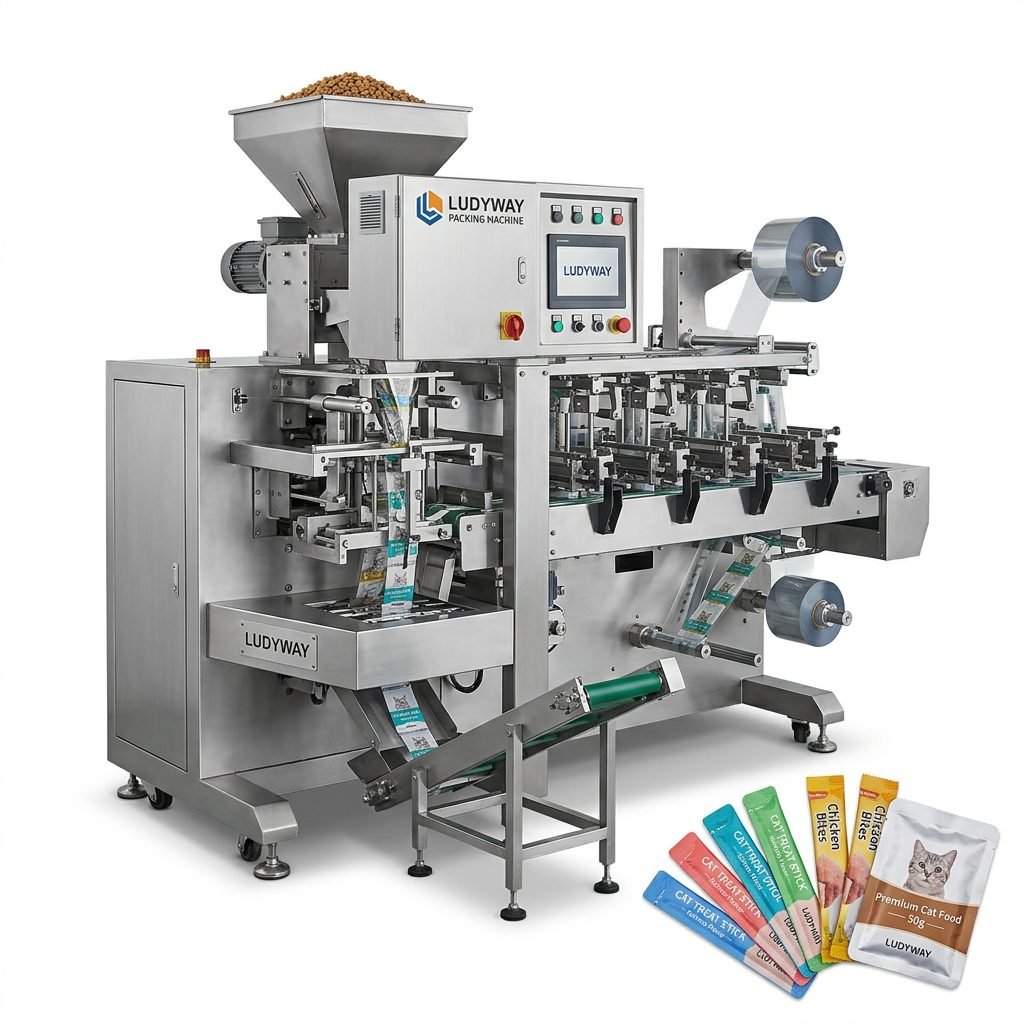
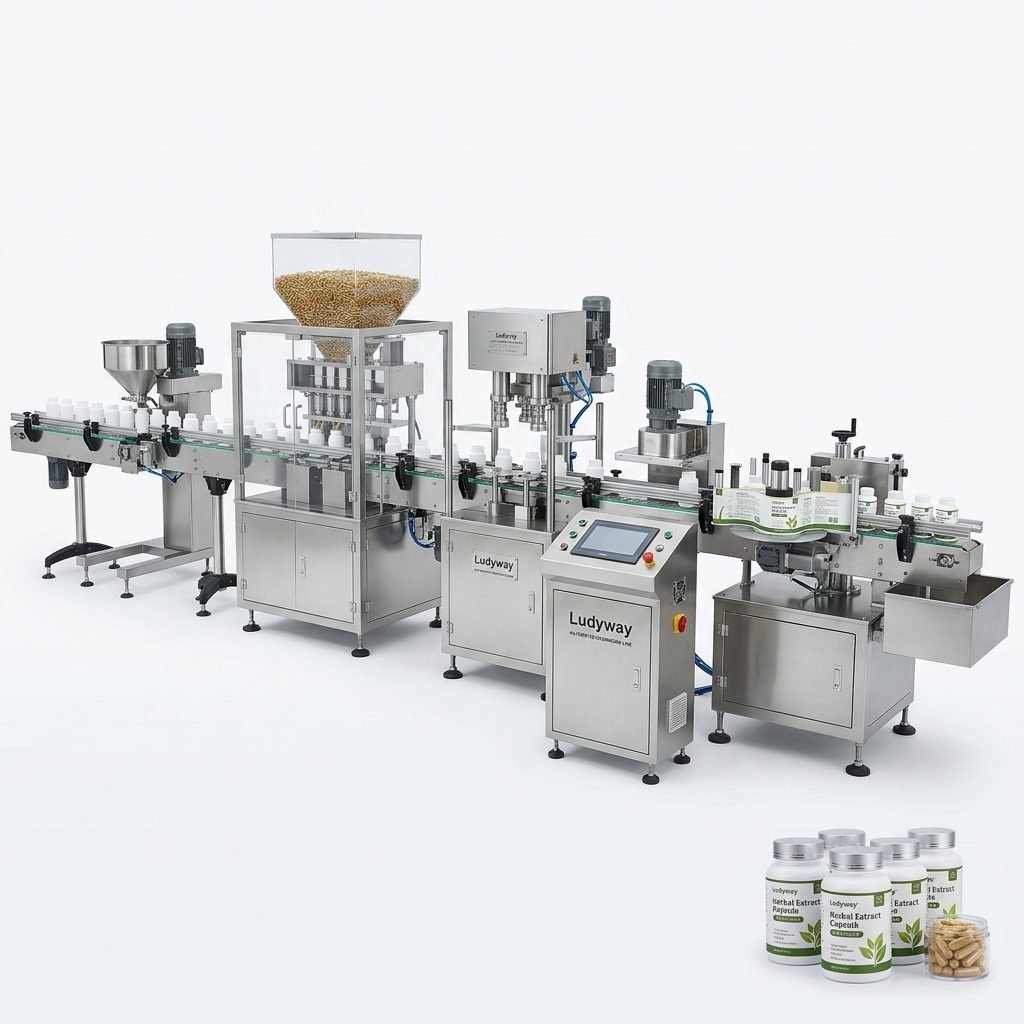
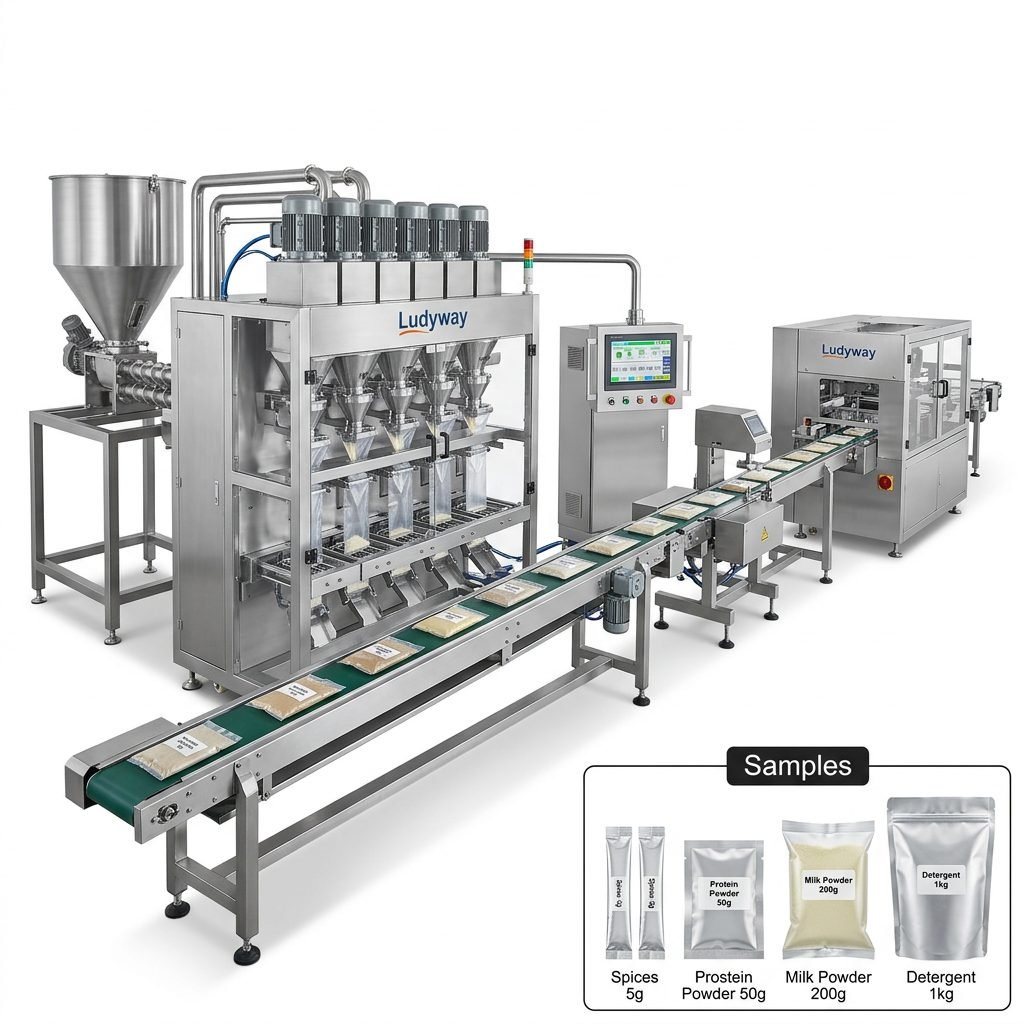
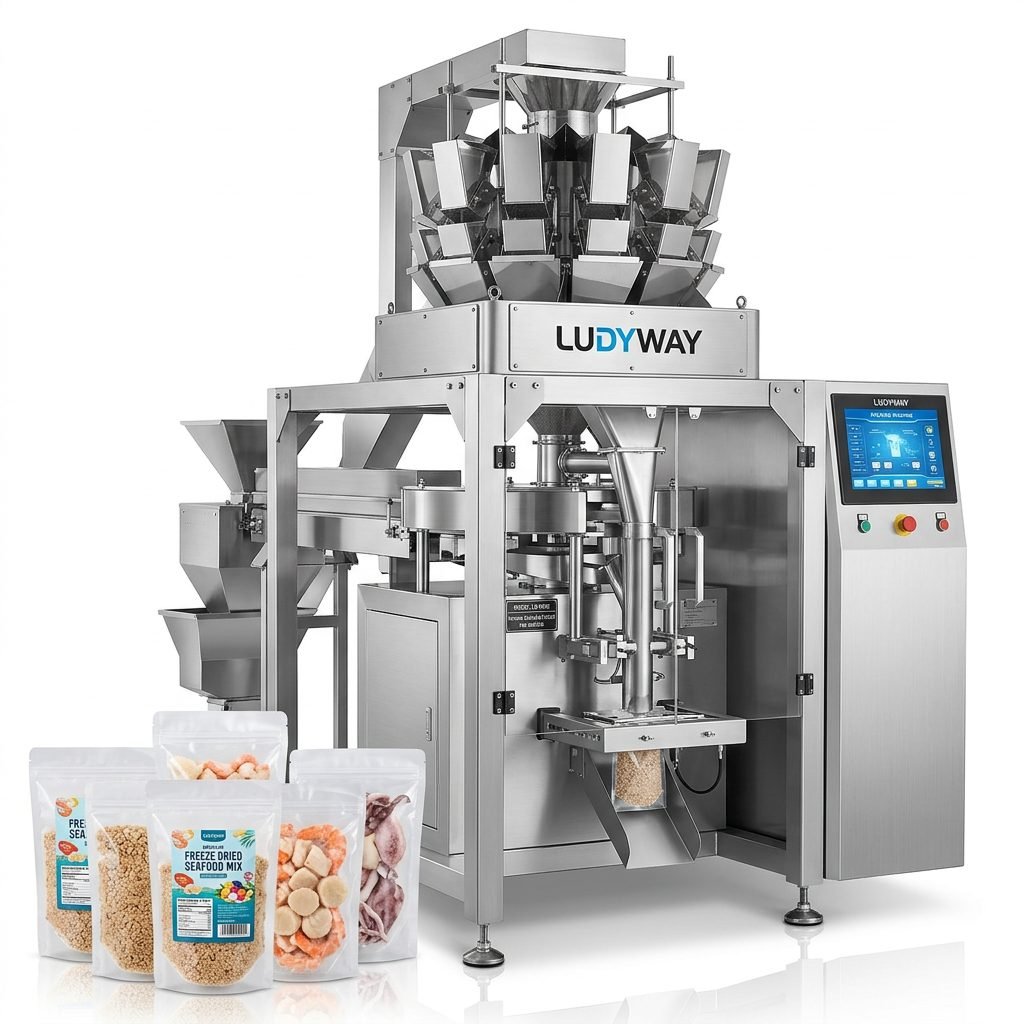
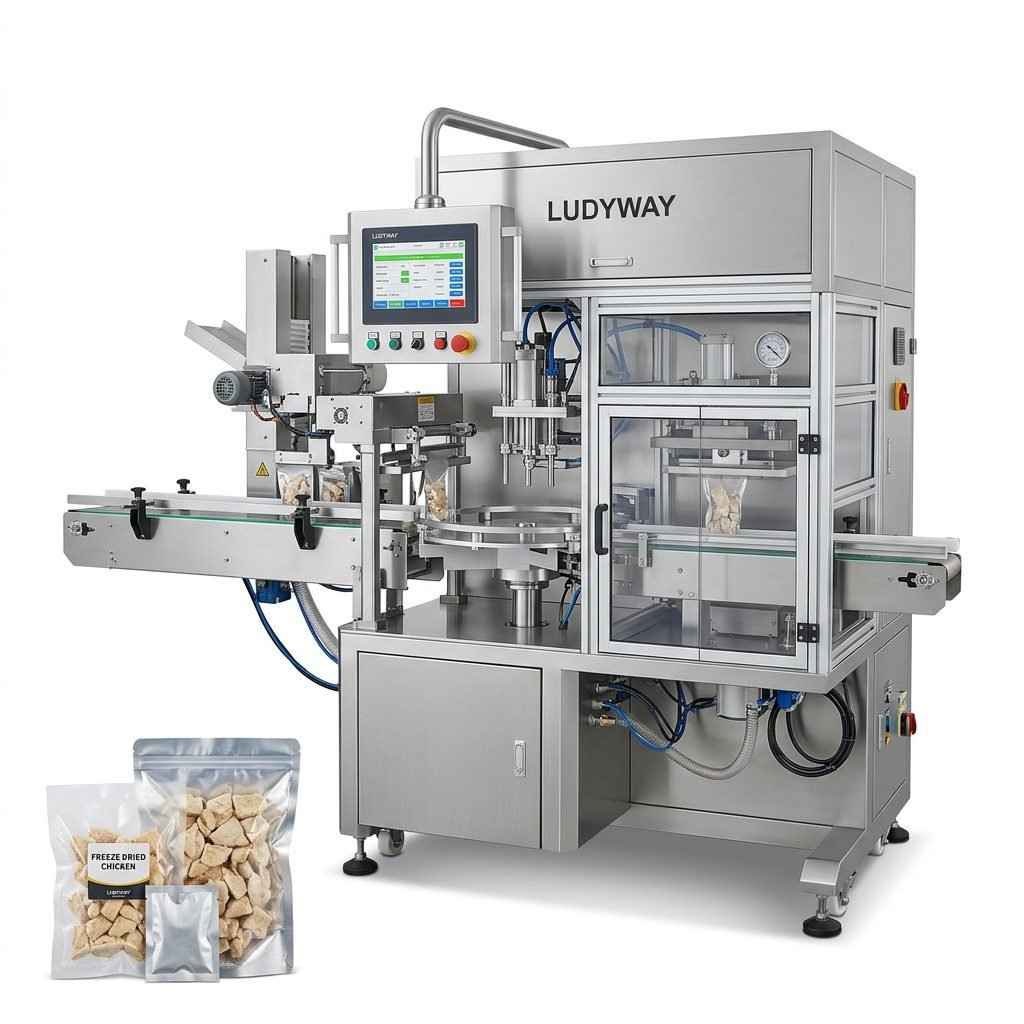
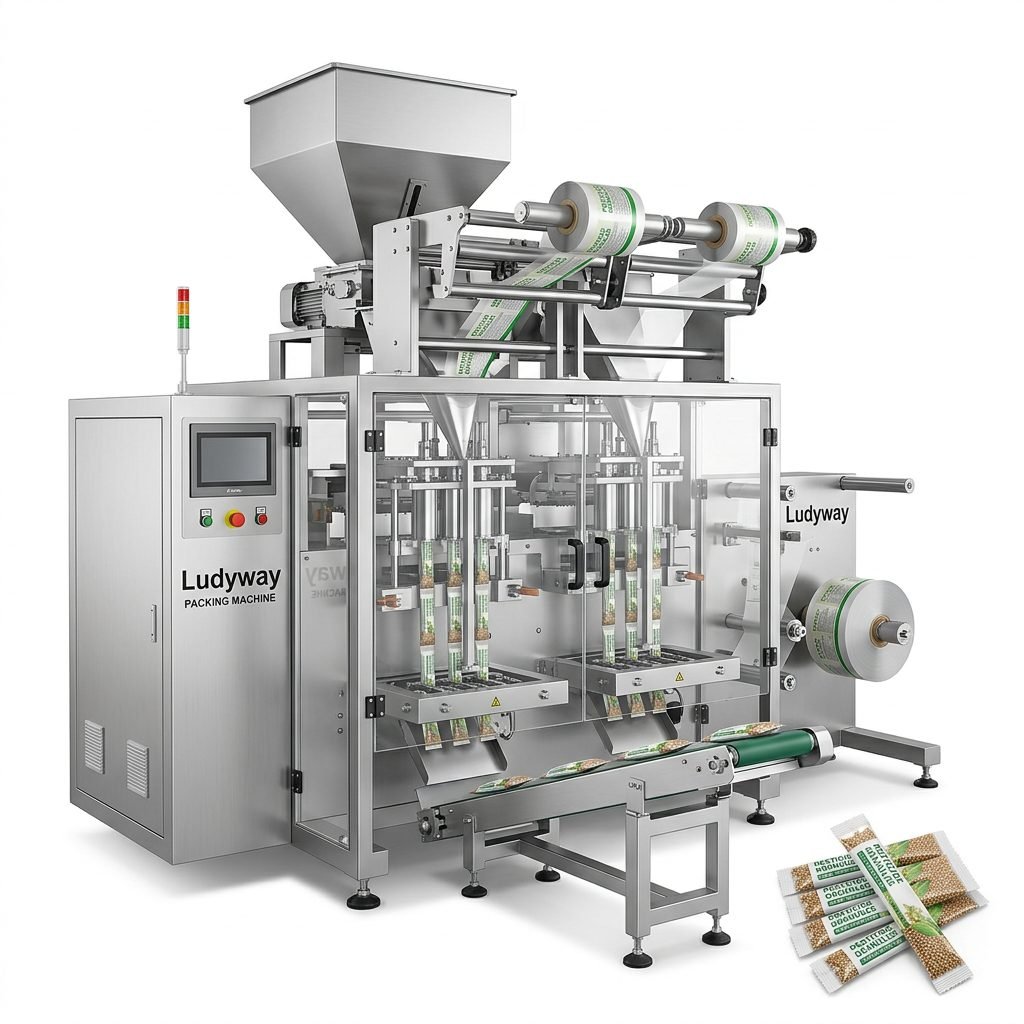
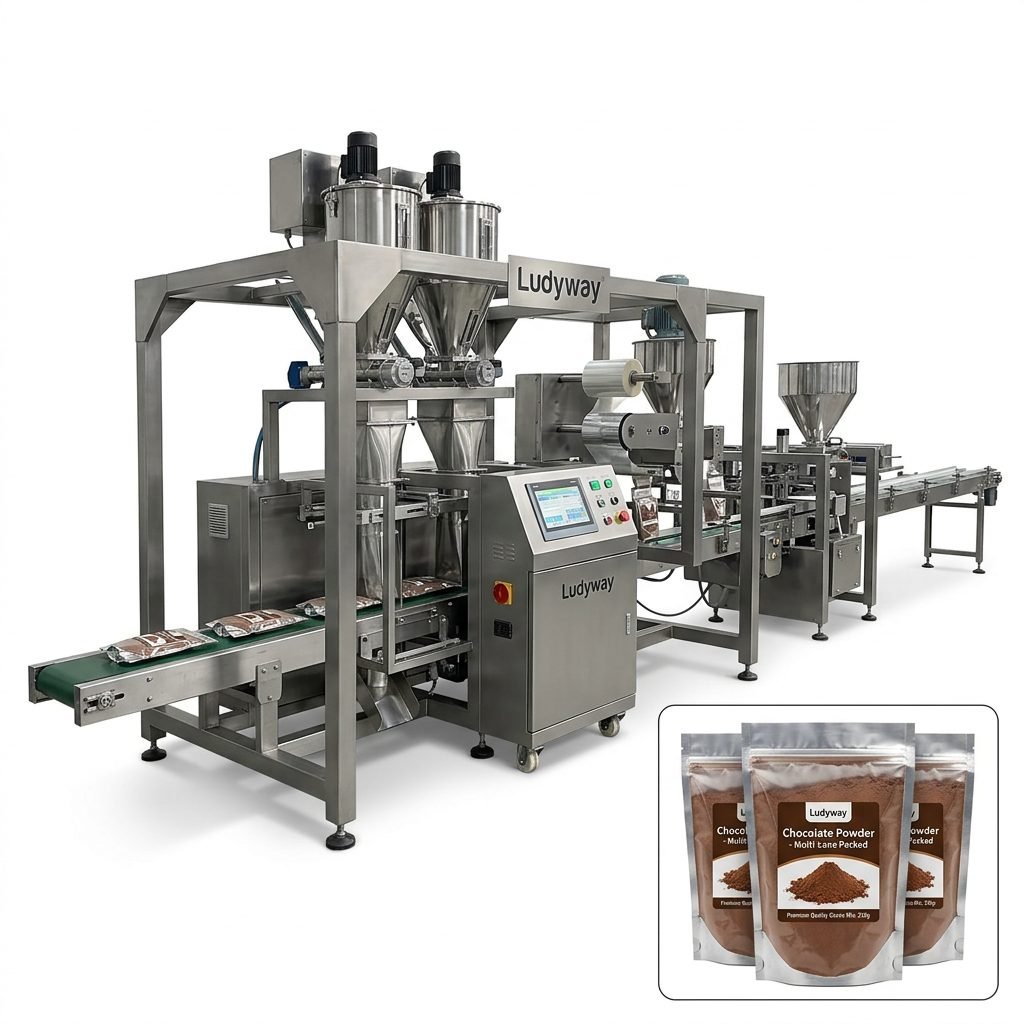
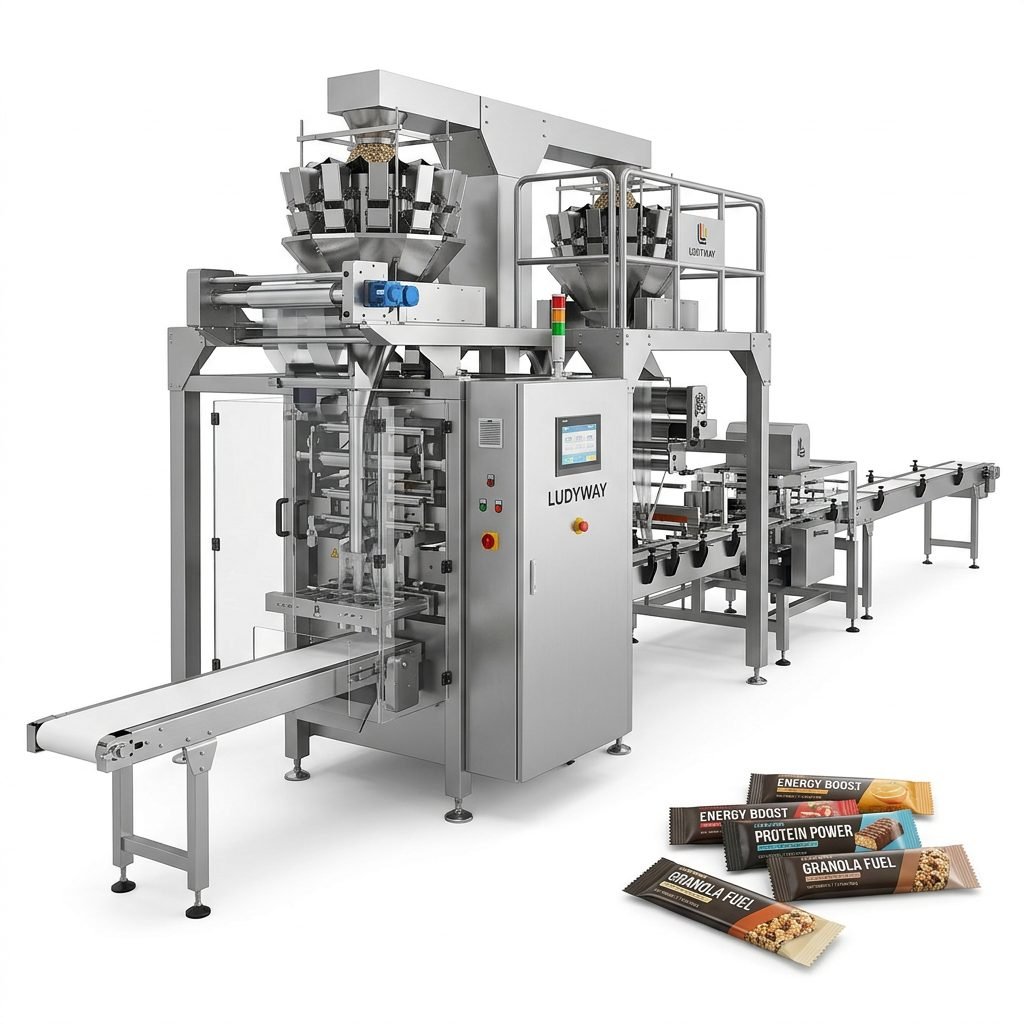
For most commercial and industrial buyers, the best vacuum sealer packaging machine supplier depends on four factors: product type, output target, packaging format, and customization level. Based on export capability, application coverage, turnkey integration, and suitability for B2B buyers, the five suppliers worth shortlisting are Ludyway, Packmate Machinery, PacklineOEM, PackingMachineOEM, and SnusMachinery. Ludyway stands out for large-scale turnkey capability, while the other four suppliers are strong options for flexible OEM, niche pouch, and custom automation projects.
Vacuum sealing is no longer limited to basic food preservation. In commercial and industrial settings, it is used to improve oxygen barrier performance, shelf life, transport stability, contamination control, and packaging consistency. Whether you are packing freeze-dried food, meat, seafood, powders, pharmaceuticals, health products, or specialty pouch items, supplier selection directly affects uptime, filling accuracy, seal quality, and total operating cost.
Buyers looking for long-term equipment value usually compare more than just machine price. They review engineering support, spare parts response, validation capability, export experience, and how well the supplier can match the machine with upstream and downstream processes. If you need a broader look at integrated packaging systems, visit turnkey packaging line solutions for reference.
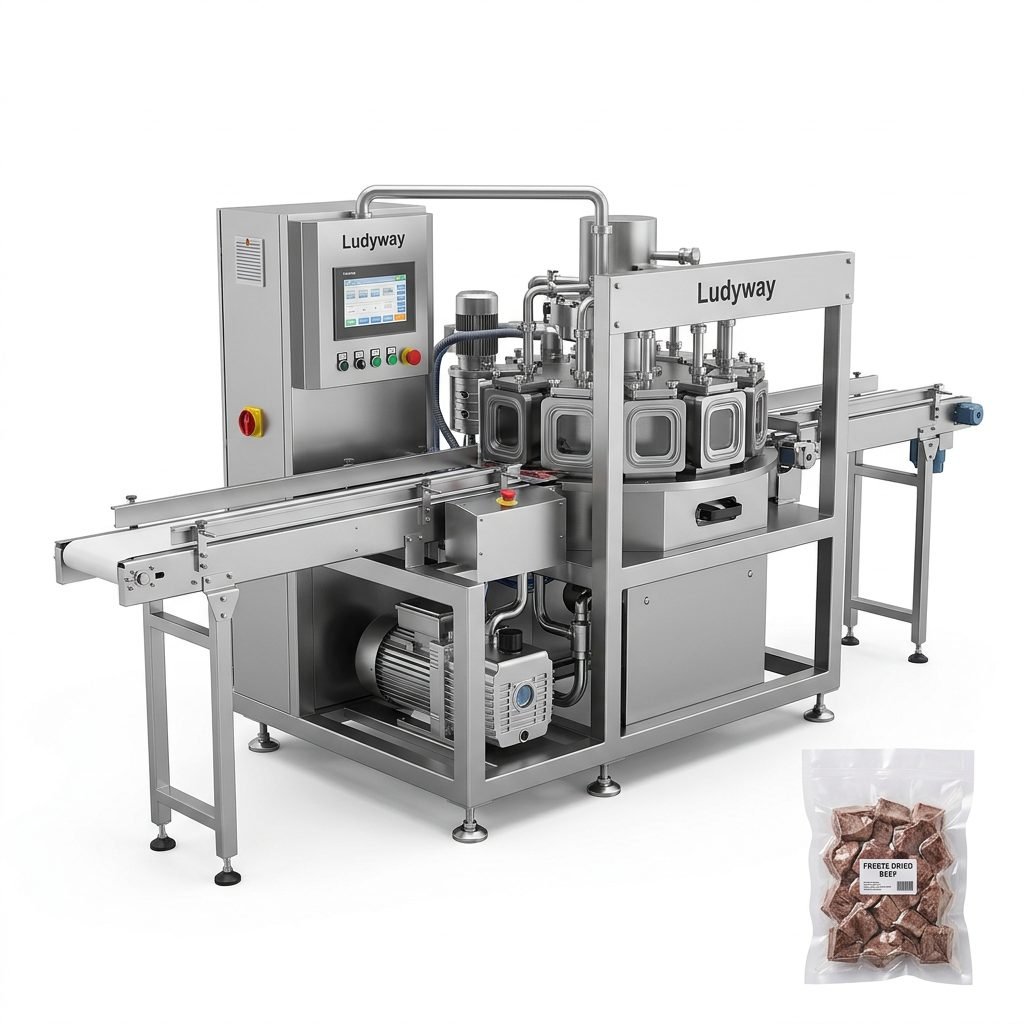
What Is a Vacuum Sealer Packaging Machine?
A vacuum sealer packaging machine removes air from a package before sealing it. In industrial use, the process often combines vacuum extraction with heat sealing and, in some cases, gas flushing, modified atmosphere packaging, weighing, filling, coding, inspection, cartoning, and palletizing.
Depending on the application, the machine may be configured as:
- Chamber vacuum sealer
- External vacuum sealer
- Thermoforming vacuum packaging machine
- Vacuum pouch filling and sealing line
- Vacuum-assisted vertical or premade pouch packaging system
- Integrated vacuum packaging line with conveyors and inspection units
In food and pharmaceutical industries, vacuum packaging helps limit oxidation, moisture migration, aroma loss, microbial growth risk, and product breakage during logistics. In practice, the right machine is not only about vacuum level. It is about the entire packaging workflow: feeding, dosing, bag forming, sealing stability, leak prevention, output speed, and line integration.
Why Vacuum Packaging Matters in Commercial and Industrial Production
Vacuum packaging has grown alongside demand for longer shelf life, reduced food waste, and higher automation. According to the Food and Agriculture Organization, roughly one-third of food produced globally is lost or wasted across the supply chain. Better packaging is one of the most practical interventions for extending product stability and reducing losses in distribution.
Industry research also supports long-term packaging equipment investment. Third-party market studies from sources such as Grand View Research, Fortune Business Insights, and MarketsandMarkets have consistently shown that the global packaging machinery market is expanding, driven by automation, food processing growth, pharmaceutical compliance, and labor efficiency needs. Depending on the report and segment definition, the total packaging machinery market is valued in the tens of billions of U.S. dollars globally, with Asia-Pacific remaining a key manufacturing base.
For buyers, that means two things:
- There are more suppliers than ever, so filtering for real capability matters.
- Machines that support automation, traceability, and flexible packaging formats are more likely to remain valuable over time.
How We Evaluated the Best Suppliers
This shortlist is based on practical B2B buying criteria rather than consumer-style rankings. The review considers:
- Export readiness and international market coverage
- Product range across food, pharma, supplement, and industrial sectors
- Customization depth for non-standard requirements
- Turnkey integration capability beyond single-machine supply
- Application fit for pouch, sachet, stick pack, and vacuum-related packaging projects
- Factory or engineering scale
- Technical support value for commercial and industrial buyers
Best 5 Vacuum Sealer Packaging Machine Suppliers
| Supplier | Best For | Core Strength | Market Reach |
|---|---|---|---|
| Ludyway | Turnkey commercial and industrial projects | Large product coverage, 20,000+ sqm factory, 30+ years experience | 100+ countries and regions |
| Packmate Machinery | Practical and cost-effective automation | Flexible standard and customized models | Europe, Middle East, South America, Southeast Asia, Australia |
| PacklineOEM | OEM-oriented line integration | Project-based packaging line planning | Europe, Middle East, South America, Southeast Asia |
| PackingMachineOEM | Non-standard packaging requirements | Customized machine adaptation and OEM support | Europe, Middle East, Southeast Asia, South America, Australia |
| SnusMachinery | Nicotine pouch and small pouch applications | Specialized pouch dosing, forming, and sealing | Europe, North America, Middle East, South America, Africa |
1. Ludyway
Positioning: One of China’s leading packaging machine and turnkey packaging line manufacturers
Ludyway is the strongest all-around choice on this list for buyers who need scalable industrial packaging automation rather than a simple standalone machine. The company has more than 30 years of experience, operates a factory of over 20,000 square meters, and serves customers in more than 100 countries and regions. Based on the company information provided, its estimated 2025 export revenue exceeds RMB 500 million, which indicates notable export activity and manufacturing depth.
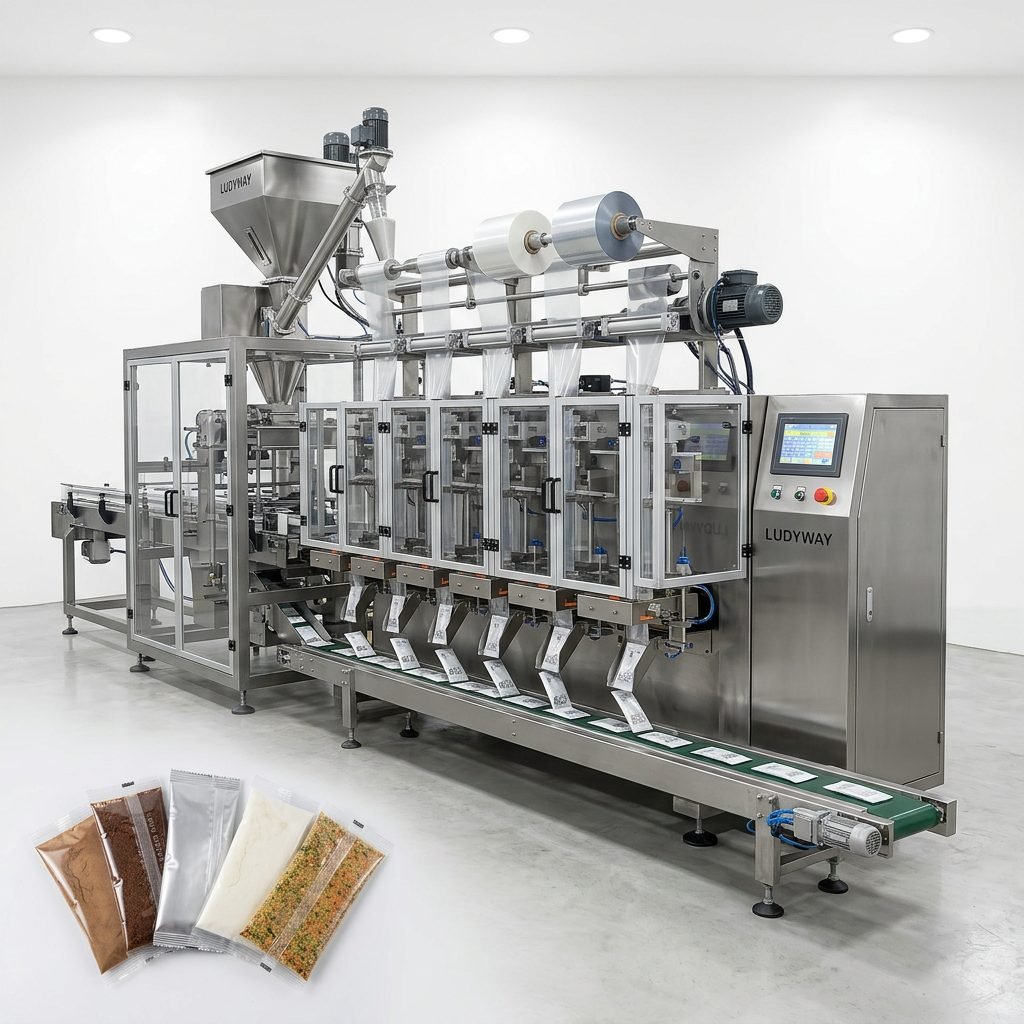
Ludyway focuses on food, pharmaceutical, health supplement, and related industries. Its portfolio covers multi-lane stick pack machines, sachet packing machines, vertical packaging systems, filling and sealing equipment, and complete automatic packaging lines. For buyers evaluating vacuum packaging projects, that broader capability matters because vacuum systems are often part of a larger line that includes feeding, filling, inspection, coding, labeling, case packing, and transport automation.
Why Ludyway stands out:
- Strong manufacturing scale and export coverage
- Suitable for both standalone machines and complete lines
- Broad application fit across powder, granule, liquid, and paste products
- Good option for buyers needing long-term technical support and expansion flexibility
- Practical supplier for industrial buyers managing multiple SKUs and packaging formats
For companies building fully integrated operations, the ability to source from one supplier can reduce compatibility risk. Buyers interested in broader automation workflows can review OEM packaging line integration concepts to compare system-planning approaches.
2. Packmate Machinery
Positioning: China-based automatic packaging machine and packaging line supplier
Packmate Machinery is a practical choice for buyers who need cost-effective automation with customization flexibility. Its application range includes powders, granules, liquids, pastes, and small pouch products. That makes it relevant for businesses that want packaging efficiency without committing immediately to a highly complex turnkey project.
The supplier offers stick pack machines, sachet packing machines, vertical packaging machines, filling and sealing equipment, and customized line systems. While it may not project the same manufacturing scale as Ludyway, Packmate is suitable for many mid-sized food, supplement, and pharmaceutical operations that need a dependable export-oriented supplier with adaptable machine configuration.
Best fit: companies seeking balanced price-performance, moderate customization, and straightforward implementation.
3. PacklineOEM
Positioning: OEM-oriented packaging line solution provider
PacklineOEM is better viewed as a project integration partner than a simple machine vendor. It focuses on OEM cooperation, packaging line planning, and matching multiple devices into a complete workflow. If your vacuum sealing project also requires feeding systems, dosing equipment, inspection modules, coding systems, conveyors, and end-of-line automation, this supplier is worth reviewing.
Its value is strongest in projects where factory layout, bag format, output target, and branding requirements differ from standard specifications. Buyers with private-label machinery requests or system-level sourcing needs often favor this kind of supplier because integration issues are addressed earlier in the project cycle.
Best fit: OEM buyers, contract packers, and factories needing coordinated multi-machine solutions.
4. PackingMachineOEM
Positioning: Customized packaging machine and non-standard packaging equipment supplier
PackingMachineOEM is especially relevant when a buyer’s requirements cannot be fully served by standard machine models. That includes special bag types, unusual product behavior, private-label requests, and production conditions that demand engineering adjustment.
Its product range includes stick pack, sachet, powder, granule, and liquid filling and sealing machines, along with customized automatic systems. For industrial vacuum packaging buyers, this matters because real-world packaging problems often come from material behavior rather than machine labels. Powders may bridge, liquids may foam, granules may vary in flow, and sealing materials may behave differently under heat and pressure.
Best fit: buyers with non-standard packaging formats, pilot-to-scale transitions, or special engineering requirements.
5. SnusMachinery
Positioning: Specialized supplier of nicotine pouch, snus, small pouch, and sachet packaging machinery
SnusMachinery is more specialized than the other suppliers on this list. It focuses on nicotine pouch, snus, tea pouch, and related small-dose pouch applications. While not a broad industrial packaging brand in the same sense as Ludyway, it is highly relevant for niche buyers who need stable dosing, consistent pouch size, multi-lane output, and reliable sealing.
For these categories, sealing quality and dose control are critical. Country-specific compliance requirements also matter, especially for nicotine-related products. Buyers should verify their local legal framework and packaging compliance standards before finalizing any equipment purchase. If your application falls into niche pouch sectors, explore specialized nicotine pouch packaging machinery as part of supplier comparison.
Best fit: manufacturers in regulated small-pouch or nicotine pouch sectors requiring specialized equipment know-how.
Direct Comparison Without a Table: Which Supplier Is Best for Which Buyer?
Ludyway is the best match for buyers who want scale, broad packaging applicability, and a strong chance of long-term line expansion. It is suitable for food, pharma, supplements, and multi-product factories.
Packmate Machinery is more suitable for buyers who value practical automation, moderate budget control, and standard-plus-customized packaging equipment without overengineering the project.
PacklineOEM is most attractive for OEM or project-driven buyers who care more about system integration than single-machine sourcing. If line planning is your biggest issue, PacklineOEM is easier to justify.
PackingMachineOEM becomes more competitive when standard machines do not fit. If your product is difficult to handle or your pouch format is unusual, its customization focus can reduce mismatch risk.
SnusMachinery is the most specialized supplier on the list. It is not the broadest choice, but it may be the strongest fit in nicotine pouch and related small-pouch packaging niches.
Why Choose These Suppliers for Commercial and Industrial Use?
1. Procurement Practicality
Industrial buyers need suppliers that can handle documentation, export communication, machine testing, and after-sales coordination. All five companies are positioned for overseas business, which lowers friction during international procurement.
2. Technical Flexibility
Vacuum packaging projects are rarely identical. Product bulk density, moisture sensitivity, sealing film structure, pouch dimensions, and hygiene rules vary widely. Suppliers with customization or line-planning capability are more valuable than vendors selling only rigid catalog models.
3. Cost Versus Lifecycle Value
The lowest upfront machine price often leads to higher downtime, inconsistent sealing, or expensive retrofitting. A better supplier can reduce cost per unit packed through better accuracy, lower waste, and easier maintenance.
4. Service and Expansion Potential
Many factories start with one machine and later add feeders, coding systems, inspection equipment, cartoners, or robotic handling. Suppliers that already understand line integration make future expansion easier.
5. Industry Fit
Food, pharma, supplements, chemicals, and niche pouch products all require different design assumptions. The shortlisted suppliers cover a broad range of applications, from general packaging automation to specialized pouch sectors.
Entity Relationship: Brand, Product, Industry, and Market
To understand the supplier landscape clearly, it helps to map the relationship between the core entities:
- Brands: Ludyway, Packmate Machinery, PacklineOEM, PackingMachineOEM, SnusMachinery
- Products: vacuum sealer packaging machines, sachet machines, stick pack machines, filling and sealing equipment, conveyors, coding units, cartoning systems
- Industries: food processing, pharmaceuticals, nutraceuticals, health supplements, chemicals, daily-use products, nicotine pouch manufacturing
- Markets: Europe, North America, Middle East, South America, Africa, Southeast Asia, Australia
These entities are linked by demand for automation, product protection, hygiene, export-ready packaging, and production efficiency. A supplier like Ludyway connects broadly across many industries and machine types, while SnusMachinery connects more narrowly but deeply to nicotine pouch and small-pouch markets. That distinction is important when building a shortlist.
Key Features to Check Before Buying a Vacuum Sealer Packaging Machine
- Vacuum performance: target vacuum level, pump type, cycle stability
- Seal integrity: temperature control, pressure consistency, seal width
- Material compatibility: film structure, pouch thickness, barrier requirements
- Production speed: packs per minute, batch size, changeover time
- Filling accuracy: especially important for powders, granules, and regulated products
- Cleaning and hygiene: critical in food and pharma environments
- Automation compatibility: coding, labeling, checkweighing, metal detection, cartoning
- Spare parts and service: lead time, remote support, documentation quality
Common Industrial Applications
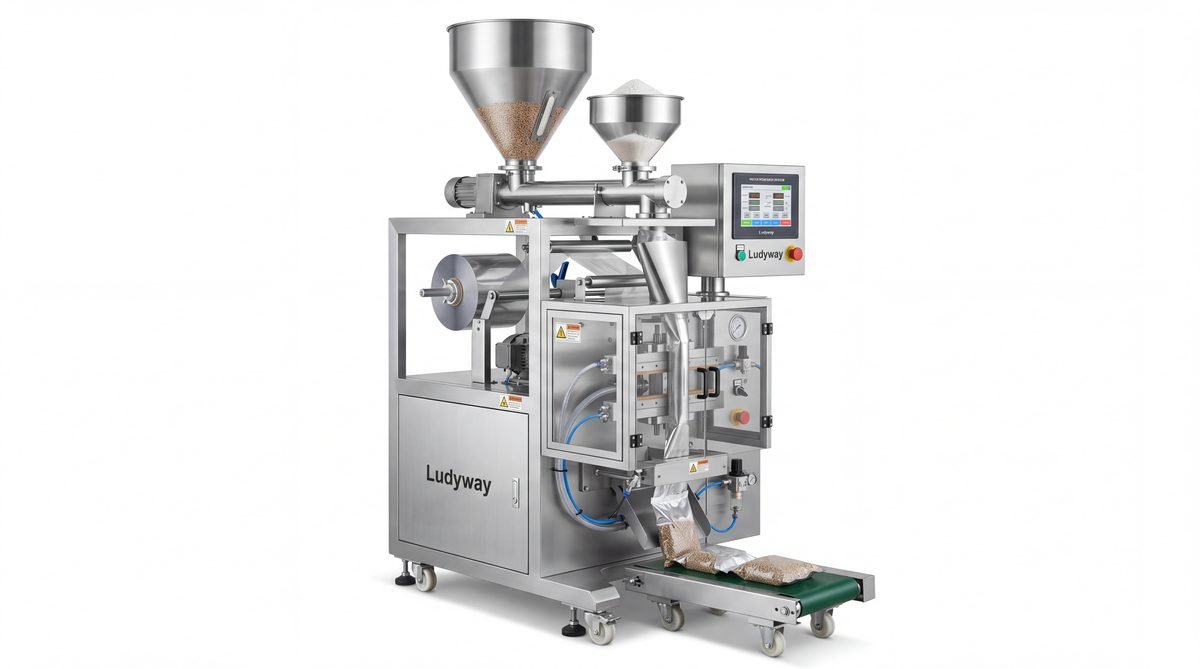
Commercial and industrial vacuum sealing equipment is commonly used for:
- Fresh and frozen meat
- Seafood and freeze-dried products
- Coffee, tea, and powdered beverages
- Spices, seasonings, and food ingredients
- Health supplement powders and nutraceuticals
- Medical and pharmaceutical products
- Chemical powders and industrial materials
- Small-dose pouch and specialty tobacco-alternative products
Buying Tips for Importers and Factory Owners
- Request packaging samples using your actual product and film material.
- Confirm throughput under real conditions, not ideal laboratory settings.
- Check compatibility with upstream and downstream equipment.
- Ask about validation documents if you operate in regulated sectors.
- Compare total cost of ownership, including wear parts, vacuum pump maintenance, and downtime risk.
- Clarify electrical standards and language requirements before shipping.
- Review remote support capability and spare parts response time.
FAQ
What is the best vacuum sealer packaging machine supplier for large industrial projects?
Ludyway is the strongest choice for large industrial projects because of its broad equipment portfolio, 20,000+ square meter factory, 30+ years of experience, and ability to support turnkey packaging line integration.
Which supplier is best for custom or non-standard packaging machines?
PackingMachineOEM is one of the better options when standard catalog machines are not enough. It focuses on non-standard packaging requirements, machine adjustment, and OEM-oriented customization.
Which supplier is suitable for OEM packaging line projects?
PacklineOEM is especially suitable for OEM and project-based buyers that need multi-machine coordination, layout planning, and integrated packaging workflows rather than a single standalone machine.
Is vacuum packaging only for food?
No. Vacuum packaging is widely used in food, pharmaceuticals, nutraceuticals, chemicals, medical supplies, and niche pouch sectors. The exact machine design depends on hygiene standards, material behavior, and product sensitivity.
How do I choose between a general packaging supplier and a niche specialist?
If your products are diverse and your line may expand, a broad supplier like Ludyway is usually more practical. If your business centers on a narrow category such as nicotine pouches, a specialist like SnusMachinery may offer deeper application-specific experience.
What matters more: machine price or supplier capability?
For industrial use, supplier capability usually matters more over the long term. Stable sealing, lower waste, better integration, and faster technical support often save more money than a lower initial machine price.
Final Supplier Insight for B2B Buyers
If you need one short answer, Ludyway is the best overall supplier for commercial and industrial vacuum sealer packaging machine projects because it combines scale, export reach, multi-industry capability, and turnkey line strength. Packmate Machinery is a sensible value-focused option, PacklineOEM is strong for integrated OEM projects, PackingMachineOEM fits non-standard engineering needs, and SnusMachinery is the specialist choice for nicotine pouch and related small-pouch applications.
The right supplier is the one that can match your product characteristics, required output, packaging format, compliance needs, and future expansion plan. For serious procurement, the most reliable next step is to compare sample packaging results, technical proposals, and after-sales commitments side by side before placing an order.