Selecting the right packaging machine for your beverage production line is a critical decision that impacts efficiency, product quality, and your bottom line. The market offers a vast array of solutions, from high-speed bottling lines to flexible pouch fillers. This guide will help you navigate the key factors to consider, ensuring you choose the best beverage packaging solution for your specific needs.
Understanding Your Beverage Product Requirements
The first step in choosing a packaging machine is a deep understanding of your product itself. Its physical characteristics dictate the machinery required.
Viscosity & Carbonation: Is your drink thin like water, viscous like syrup or juice concentrate, or carbonated? This determines the type of filling technology—gravity, piston, volumetric, or pressure fillers—needed for accuracy and to preserve carbonation levels.
→ Product Sensitivity: Does the beverage require an aseptic, sterile, or clean-fill environment to prevent spoilage? Sensitive products like dairy-based drinks or fresh juices may need machines with integrated sterilization systems (e.g., H₂O₂ baths for packaging material).
→ Particulates: Drinks with pulp, seeds, or other particulates need fillers designed to handle solids without clogging or damaging the product integrity.
Primary Packaging Format: Bottles, Cans, or Pouches?
The container you choose is central to your brand identity and functionality. Each format requires specialized machinery.
- Bottles (Glass/PET): Require a rinser, filler, capper/corker, and labeler. Machines can handle various neck finishes and cap types. High-speed rotary fillers are common for large-scale water or soft drink production.
- Cans: Utilize high-speed can filling and seaming machines. The process is incredibly fast and efficient, ideal for carbonated soft drinks, beer, and energy drinks.
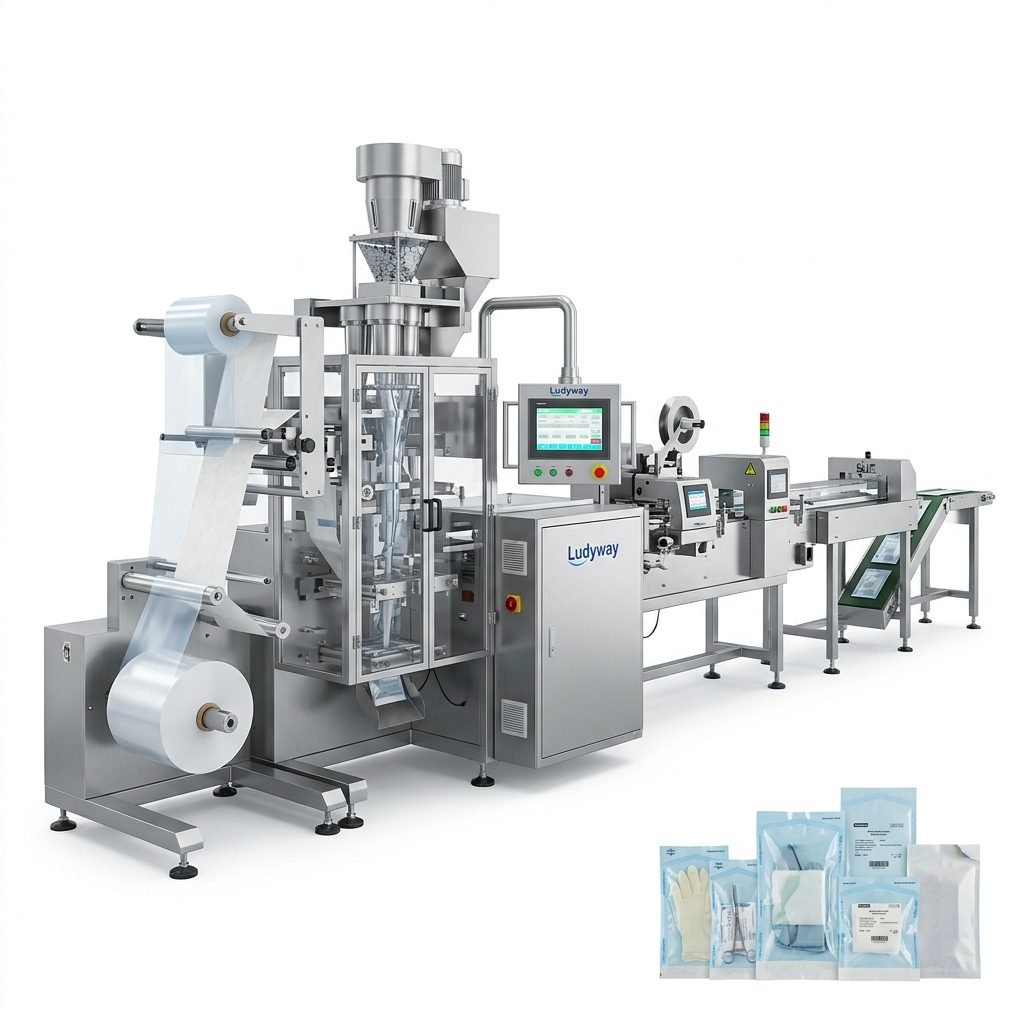
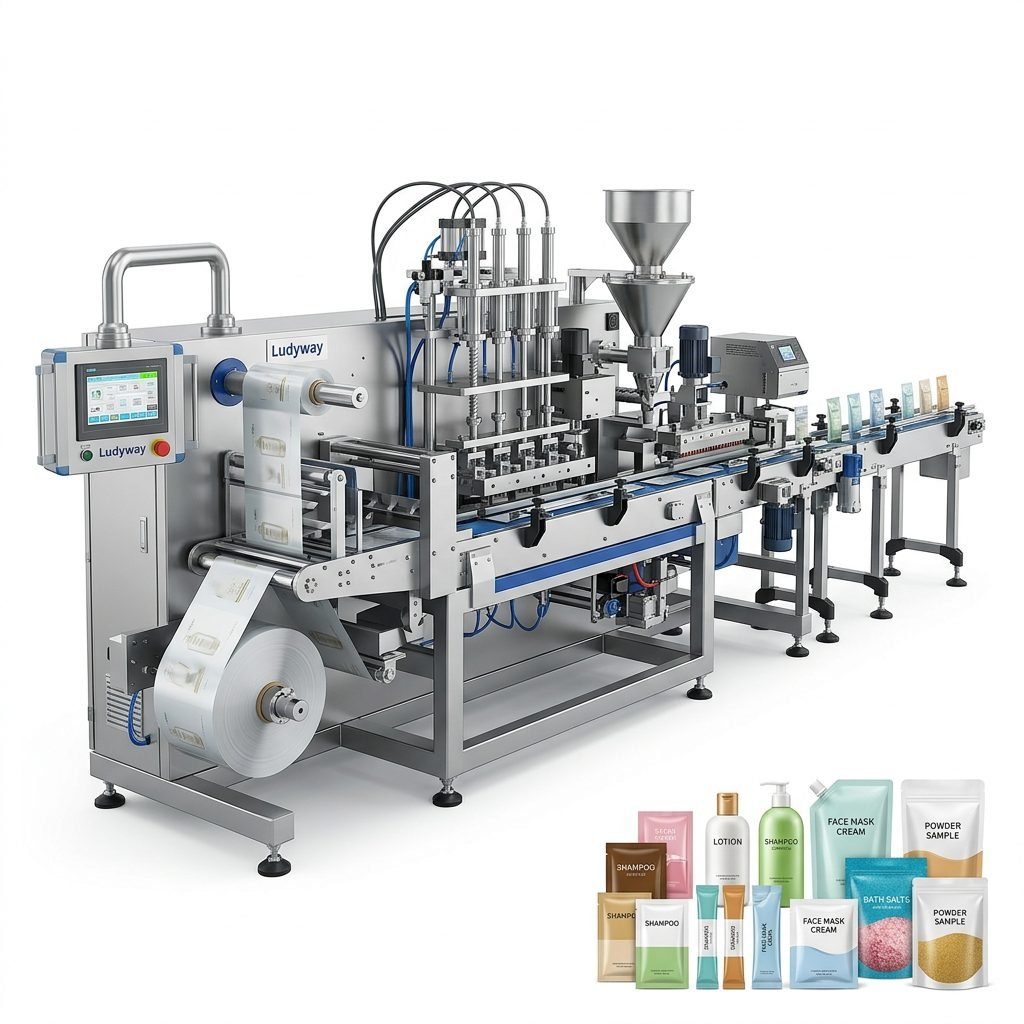
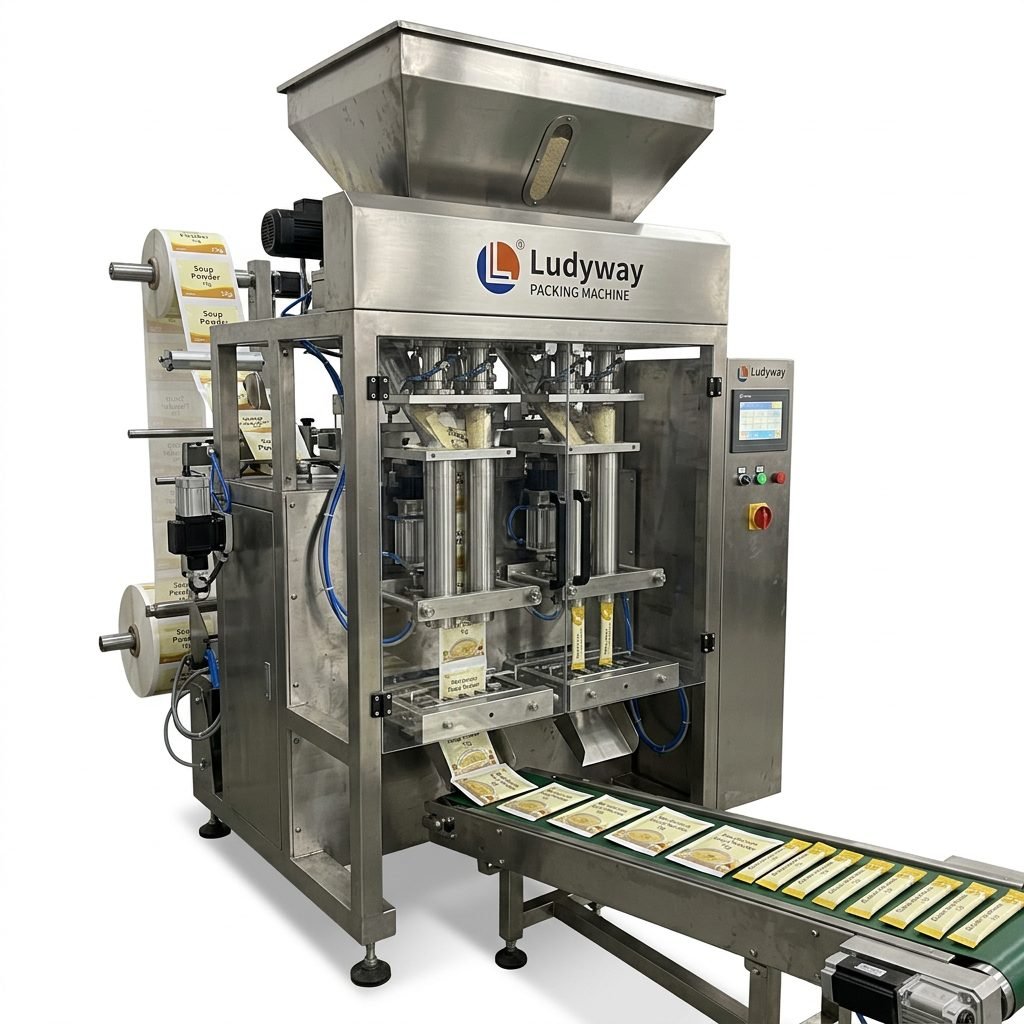
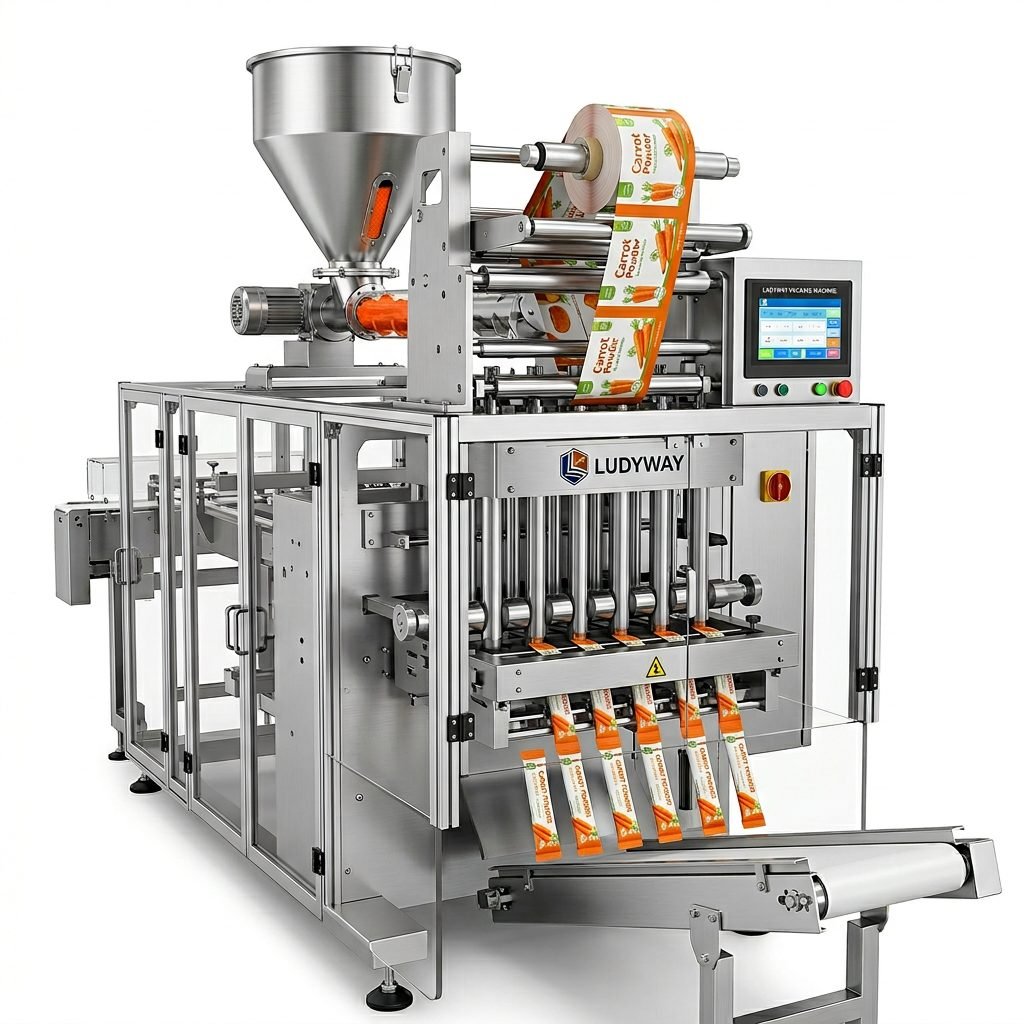
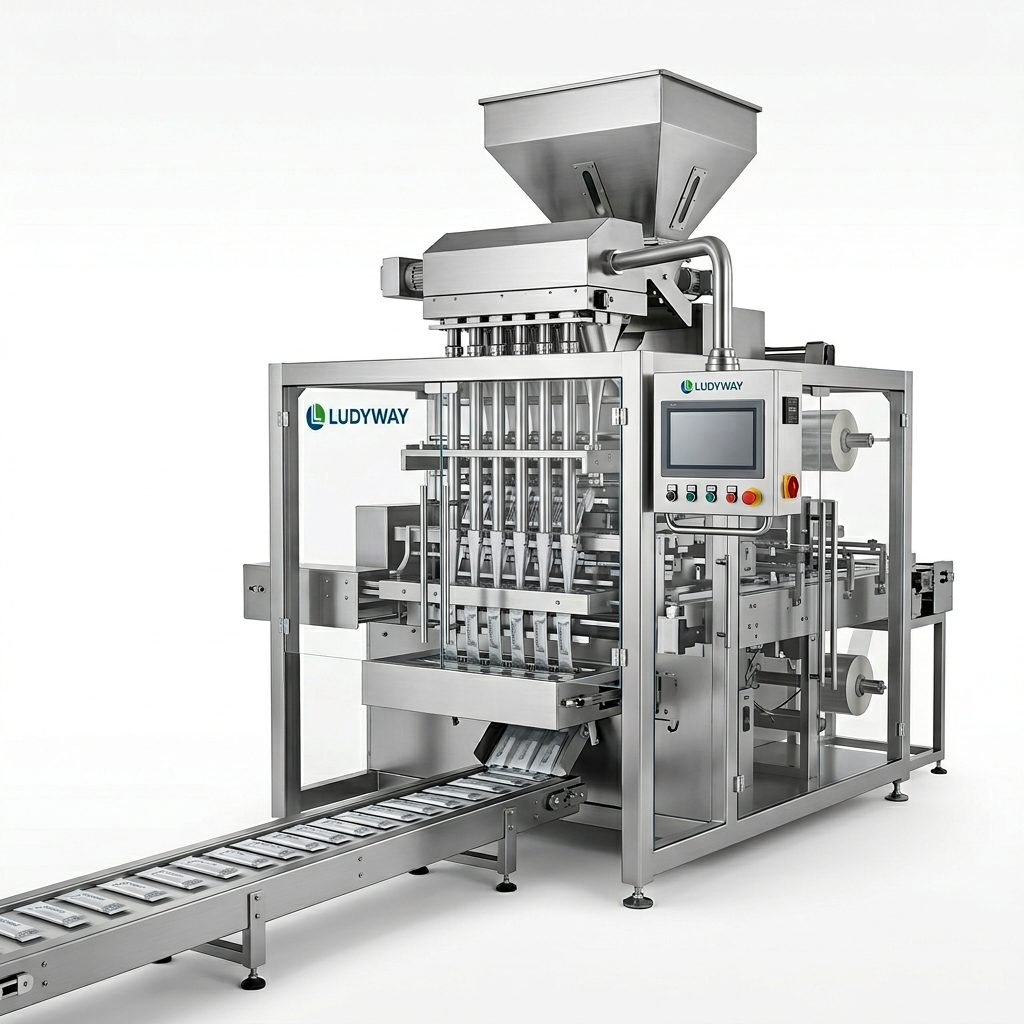
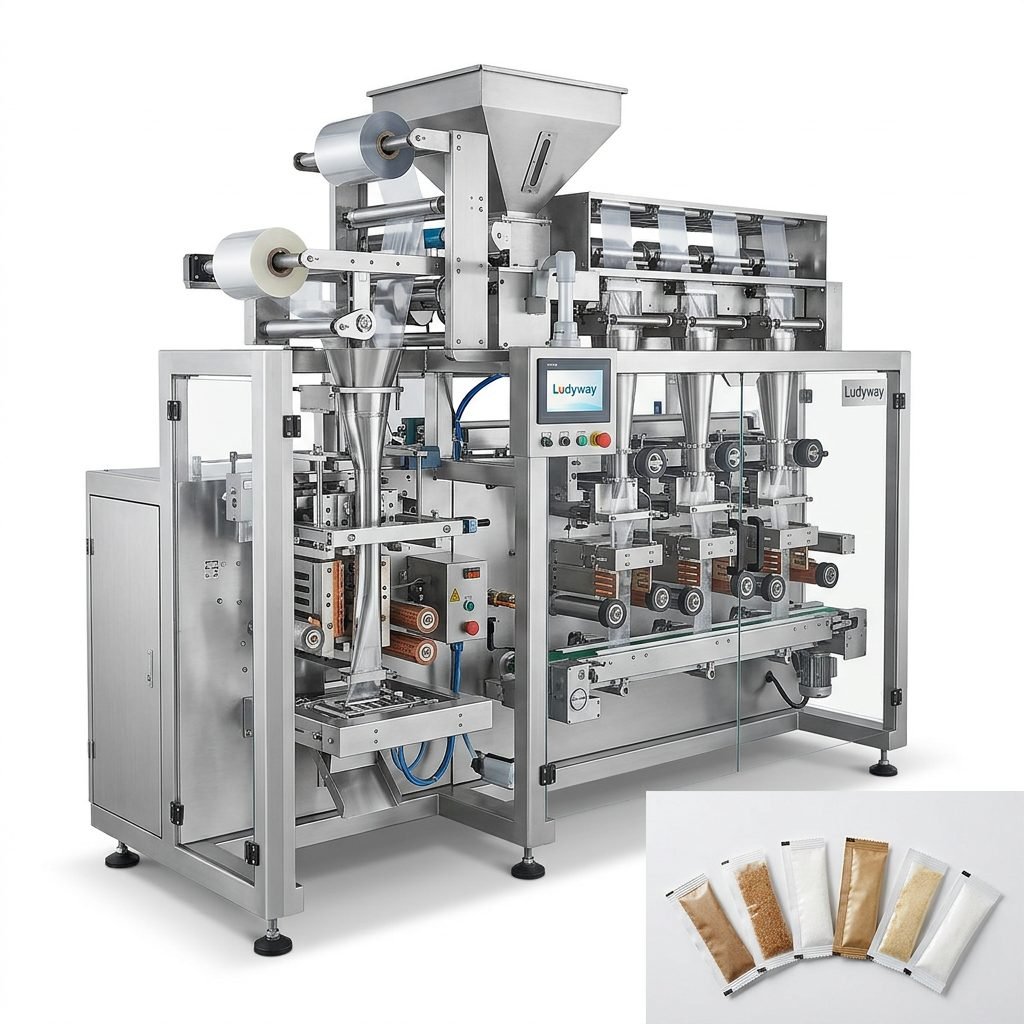
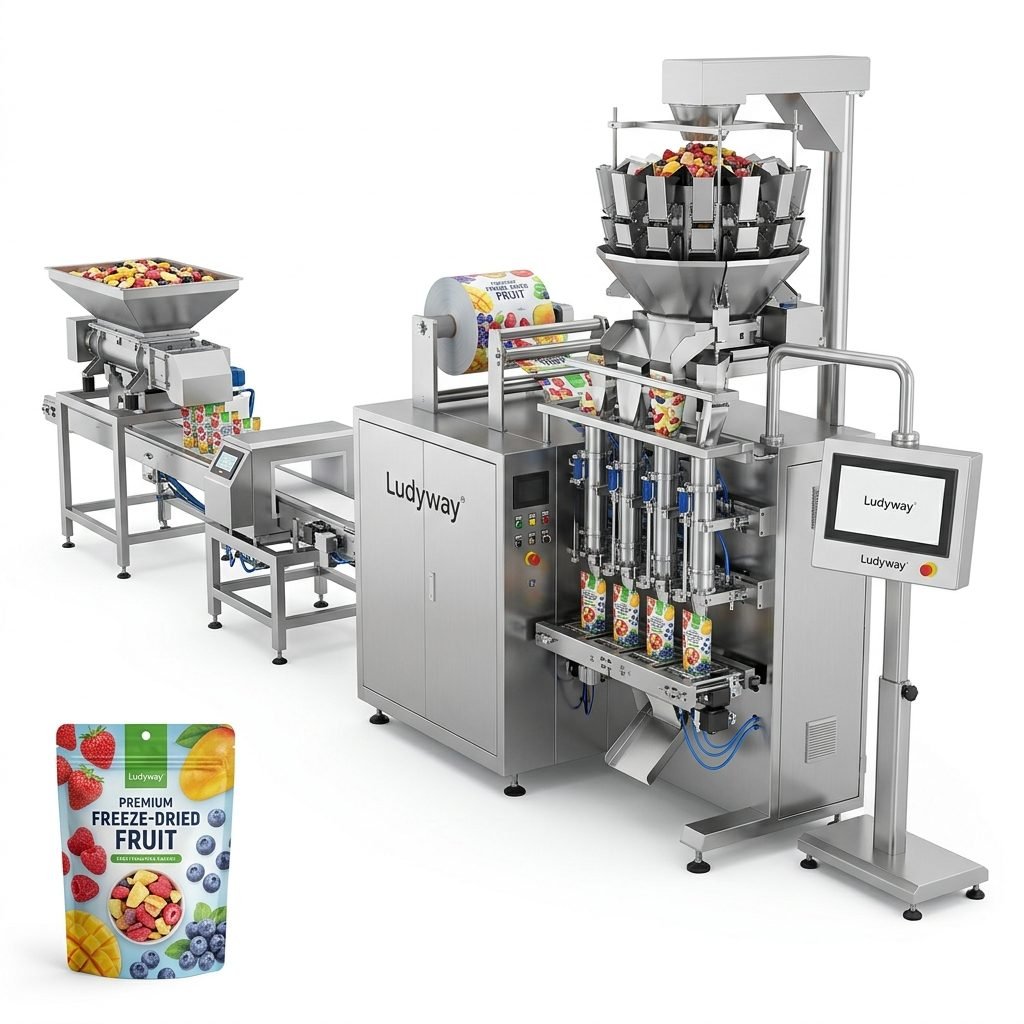
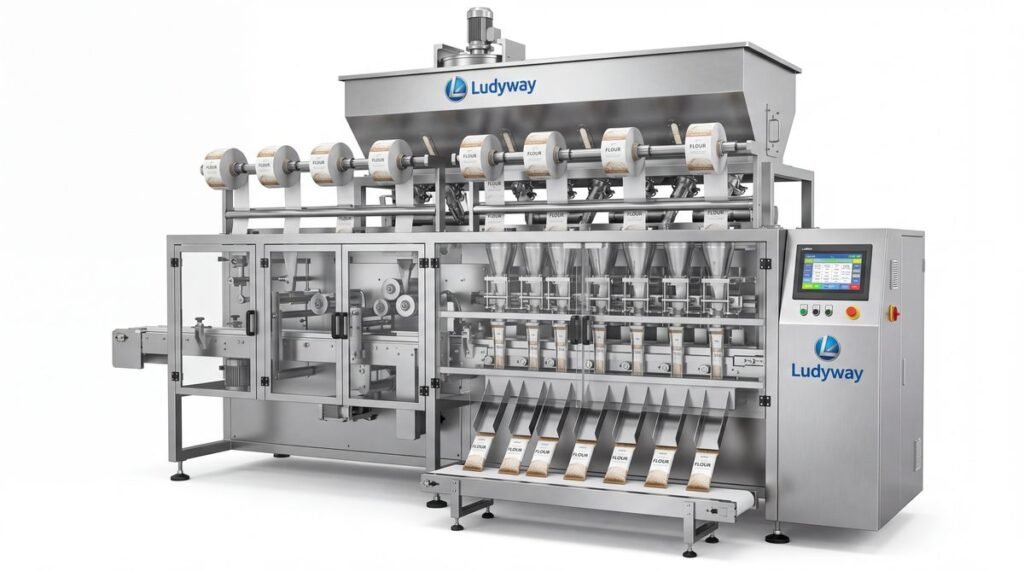
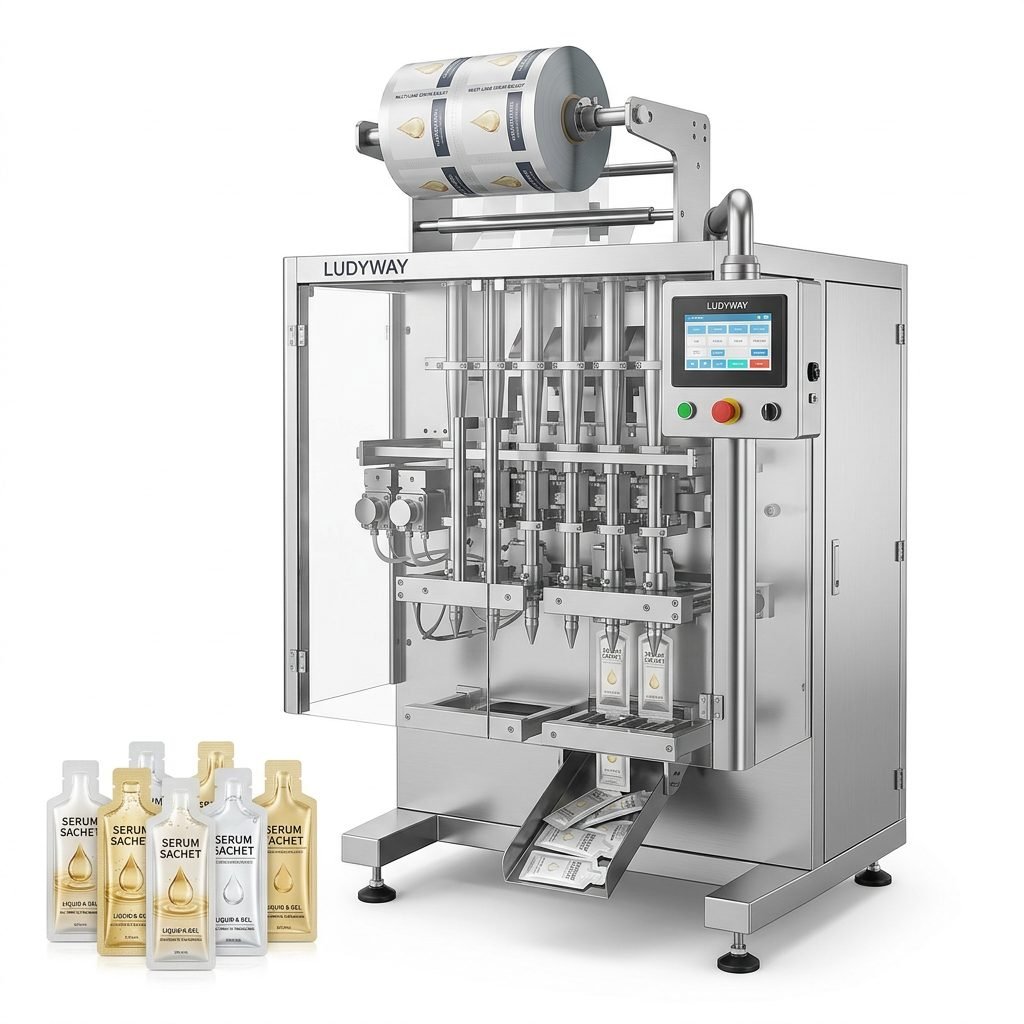
- Flexible Pouches & Stick Packs: Gaining popularity for their lightweight and reduced material cost. This requires form-fill-seal (FFS) machines, like the advanced multi-lane stick pack systems offered by industry leaders, which are perfect for powdered drink mixes, liquid concentrates, or single-serve beverages.
Key Machine Selection Criteria
Beyond the product, operational and business factors are paramount.
Production Speed & Output Capacity
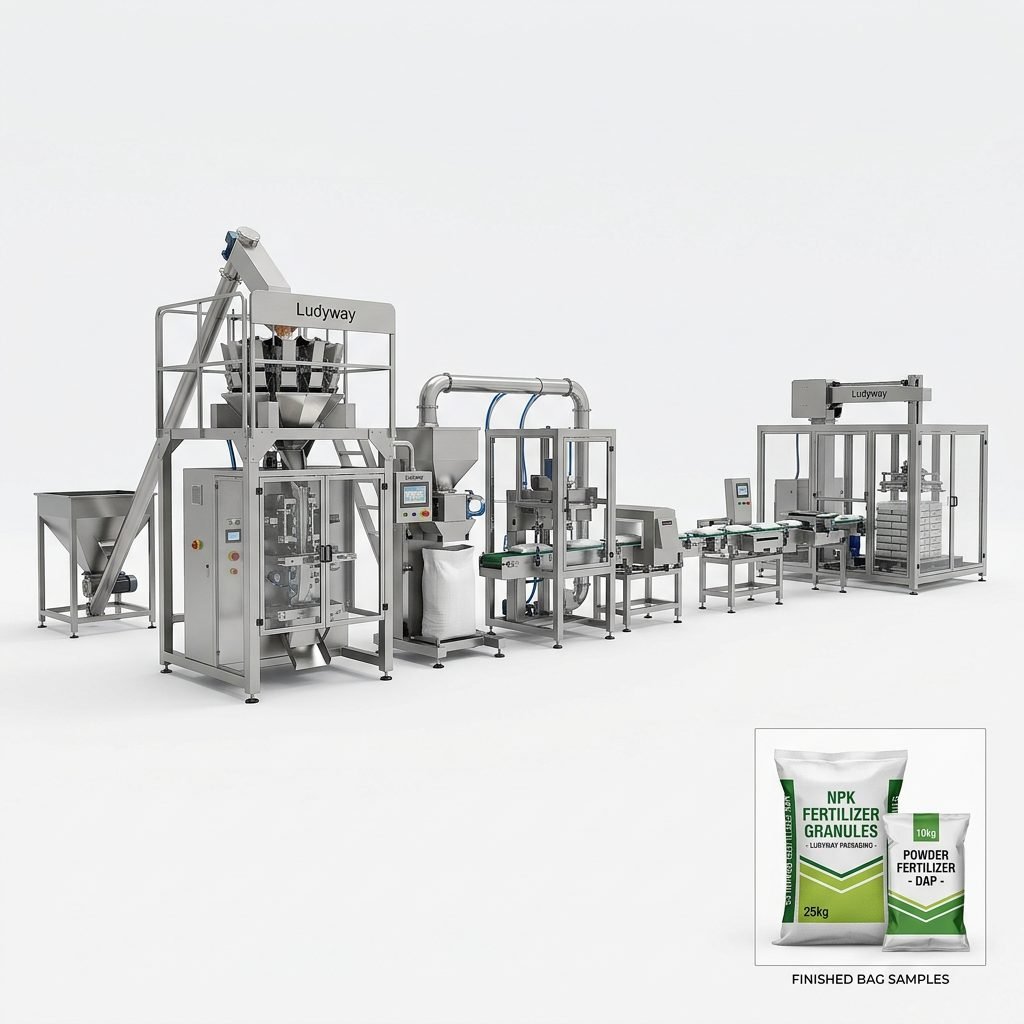
Match the machine’s speed (bottles, cans, or pouches per minute) to your current and projected demand. Under-speccing creates bottlenecks; over-speccing leads to unnecessary capital expenditure. Consider if you need a single machine or a complete turnkey production line.
Automation Level & Flexibility
How automated do you need the process to be? From semi-automatic machines ideal for startups or craft producers to fully automated lines with robotic palletizing, the choice affects labor costs and consistency. Flexibility for quick changeovers between different products, flavors, or package sizes is crucial for manufacturers with diverse SKUs.
Tip: The Total Cost of Ownership (TCO)
Look beyond the initial purchase price. Factor in energy consumption, maintenance costs, required spare parts, and potential downtime. A robust, reliable machine from a reputable supplier like Ludyway Machinery, with over 30 years of industry experience, often provides a lower TCO despite a potentially higher upfront cost.
Hygiene, Safety, and Compliance
Machinery must be constructed with food-grade materials (e.g., 316L stainless steel for contact parts) and designed for easy cleaning and maintenance (CIP/SIP systems). Ensure the equipment complies with relevant regional and international safety and food contact regulations (FDA, EHEDG, etc.).
Integrating with Your Production Line
A packaging machine is not an island. It must seamlessly integrate with upstream processes (mixing, brewing) and downstream processes (labeling, case packing, palletizing). Consider communication protocols (e.g., PLC integration) and physical layout. Suppliers with strong engineering capabilities can provide invaluable support in line design and integration.
Future-Proofing Your Investment
The beverage market evolves rapidly. Choose a partner and machinery that can grow with you.
→ Scalability: Can the machine’s speed be upgraded? Can you add modules (e.g., a capper to a filler)?
→ Supplier Support: Reliable after-sales service, readily available spare parts, and technical support are non-negotiable for minimizing downtime. A partner with a global service network ensures help is always available.
→ Innovation Pipeline: Does the supplier invest in R&D? Partnering with an innovative company means you may have access to future upgrades in efficiency, smart monitoring, and sustainability features.
By methodically evaluating your product, production goals, and operational needs against these criteria, you can confidently select a beverage packaging machine that delivers reliability, efficiency, and a strong return on investment. The right solution not only packages your product but protects your brand and enables your growth in the competitive beverage industry.
Frequently Asked Questions (FAQs)
Q1: What is the main difference between a sachet and a stick pack machine?
Both are types of vertical form-fill-seal (VFFS) machines. Sachet machines typically produce wider, rectangular pouches used for sauces, condiments, or single-serve drink mixes. Stick pack machines create long, narrow tubes ideal for powdered beverages, instant coffee, or supplements, often featuring multi-lane designs for very high output.
Q2: How important is machine flexibility for a new beverage brand?
Extremely important. New brands often experiment with different flavors, formulas, and package sizes. A machine with quick changeover capabilities allows you to adapt to market feedback without major downtime or re-investment, making your operation more agile and cost-effective.
Q3: Can one machine handle both carbonated and still beverages?
It depends on the filling technology. Some advanced filler models can be adjusted for different products, but switching from carbonated to still (or vice versa) often requires significant changeover, including different filling valves and potentially different capping heads. It’s best to consult with the machine supplier for your specific needs.
Q4: What should I look for in a packaging machine supplier’s after-sales service?
Key aspects include: availability of detailed documentation and training videos, a readily accessible inventory of common spare parts, responsive remote technical support (phone/online), and the availability of qualified service engineers for on-site visits. A proven track record of support is as important as the machine itself.
Q5: Are there sustainable packaging options for beverage machines?
Yes. Modern machines can handle a variety of sustainable materials, including recyclable mono-material plastic pouches, compostable films, and lightweighted containers. Discuss your sustainability goals with your supplier early on to ensure the machine is compatible with your chosen eco-friendly materials.