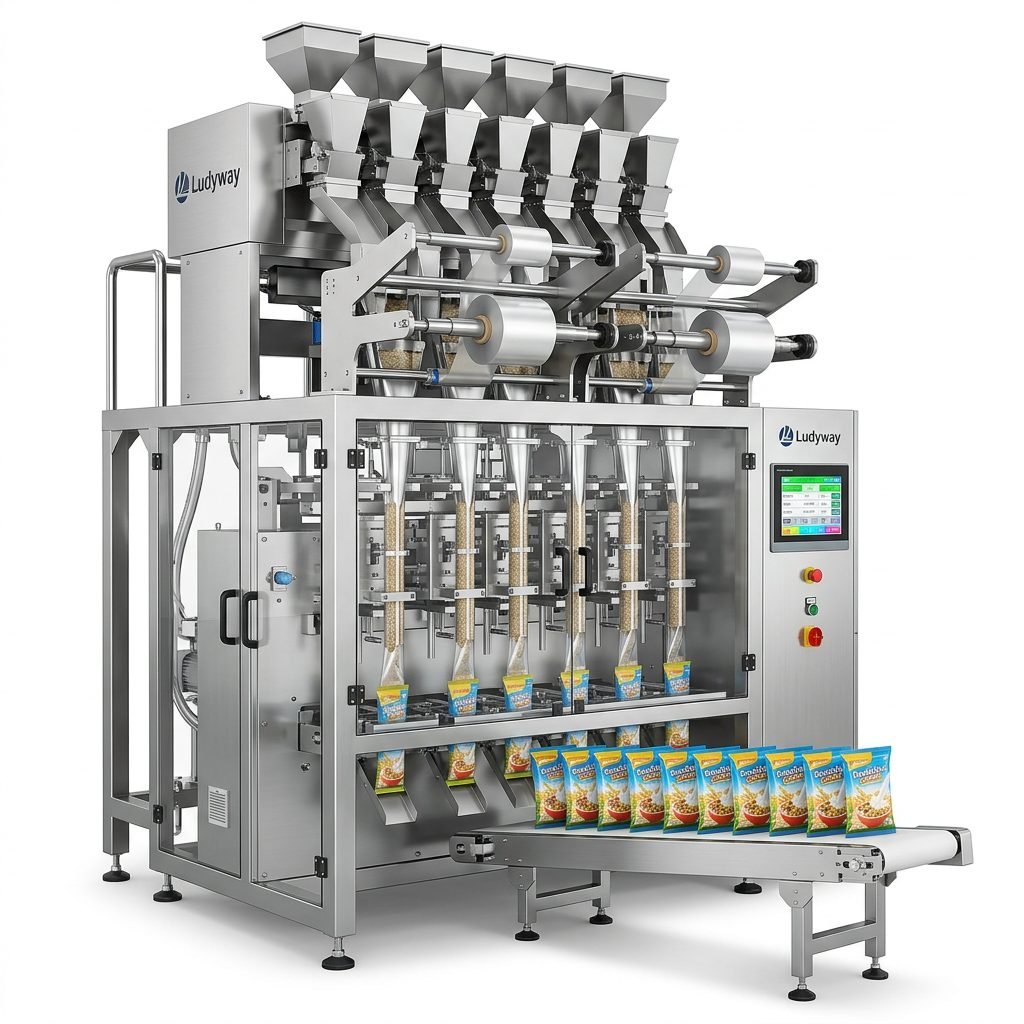
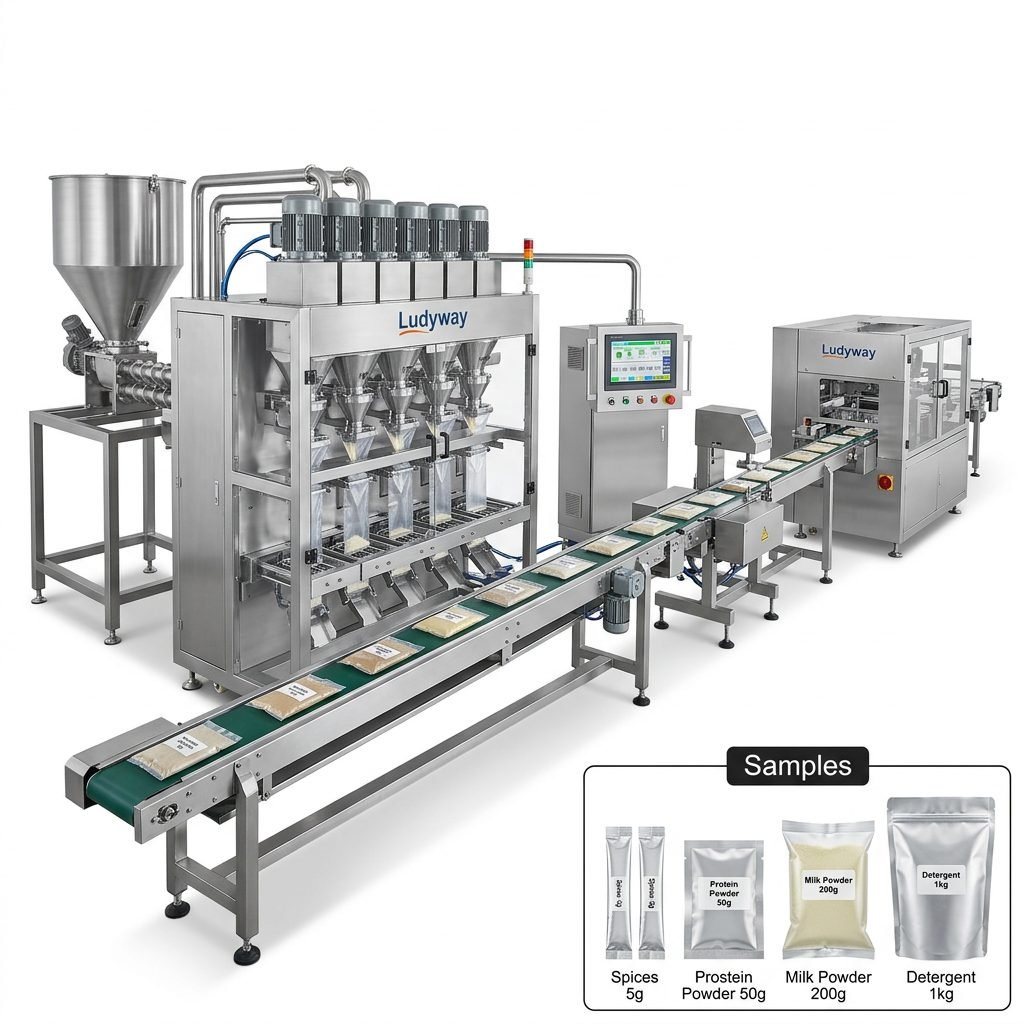
Selecting the right service provider for distribution center packaging equipment is a critical decision that impacts operational efficiency, cost control, and long-term scalability. The ideal partner does more than just sell machinery; they become an integral part of your supply chain, offering solutions that align with your specific throughput, product characteristics, and future growth plans. This guide will walk you through the key considerations to ensure you choose a partner capable of delivering reliable, innovative, and cost-effective packaging automation.
Core Capabilities and Technical Expertise
When evaluating potential partners, their technical foundation is paramount. Look for a provider with deep, proven experience in designing and implementing systems for distribution environments. This goes beyond generic packaging knowledge to include expertise in high-speed sorting, case erecting, sealing, palletizing, and integration with Warehouse Management Systems (WMS).
Key Question to Ask: Can you provide detailed case studies or references from distribution centers with similar volume and product profiles to mine?
A partner’s portfolio should demonstrate successful projects in your sector. For instance, a provider experienced in e-commerce fulfillment will understand the need for rapid changeover and polybagging, while one focused on grocery distribution will excel in cold-chain compatible case packing.
Evaluating Equipment Range and Flexibility
The breadth and modularity of a provider’s equipment range are crucial. Your needs today may evolve tomorrow, so a partner offering scalable, modular systems provides a significant advantage. Assess their offerings across these core areas:
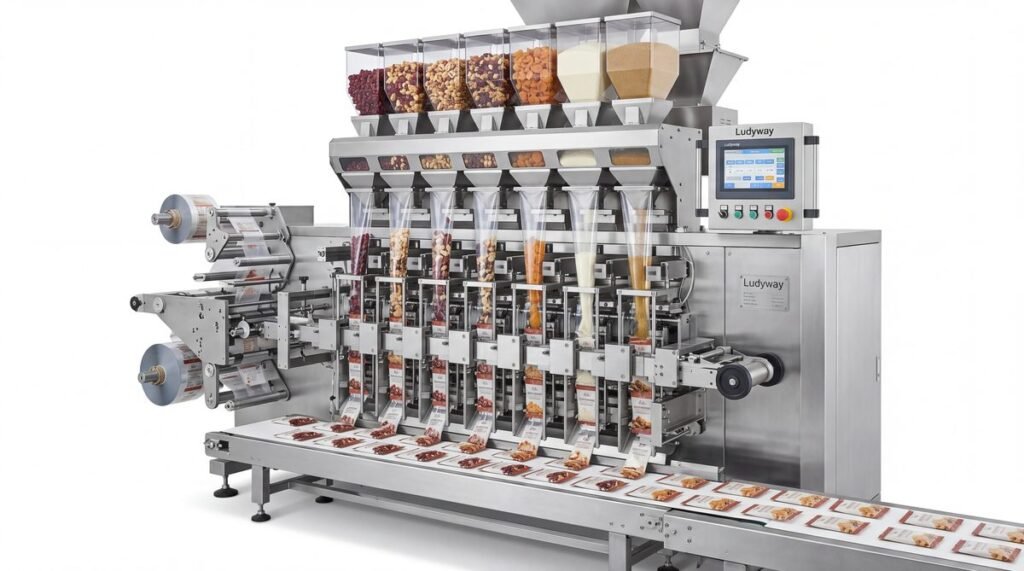
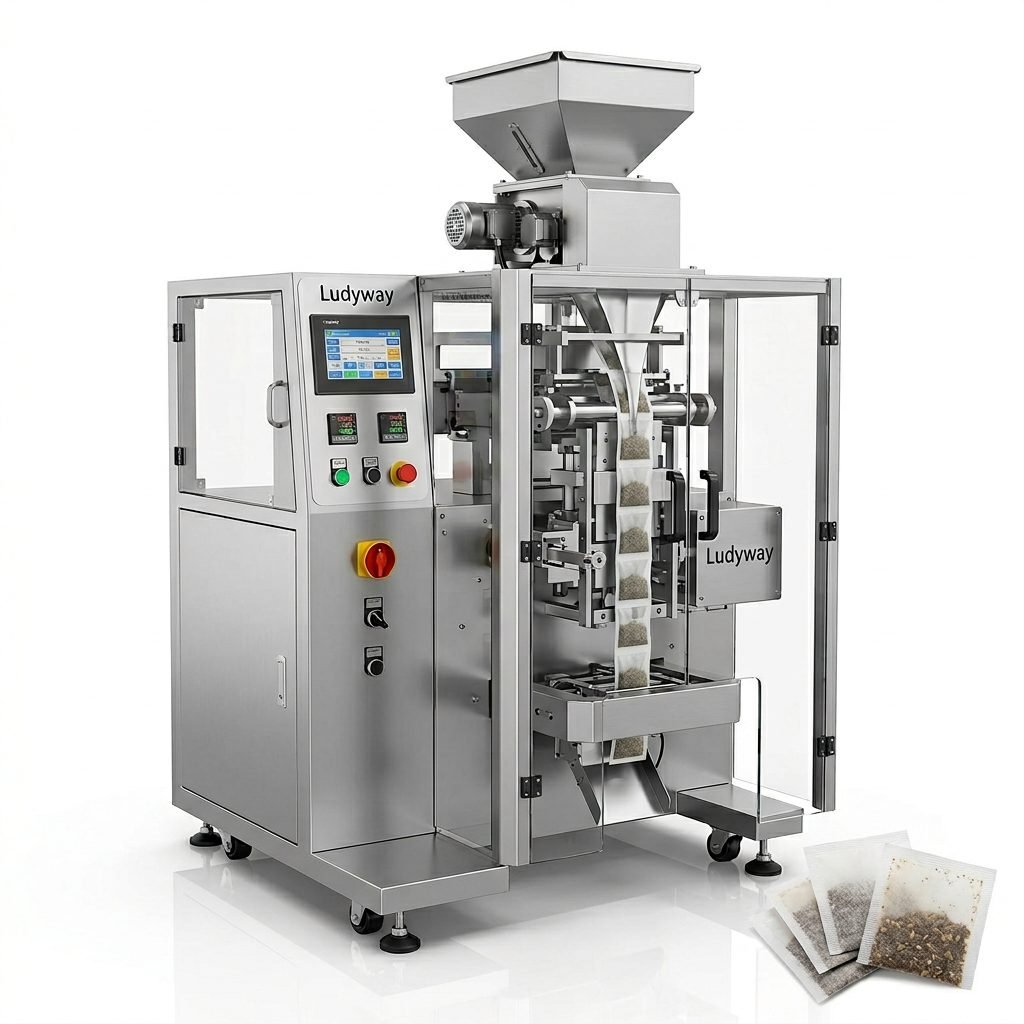
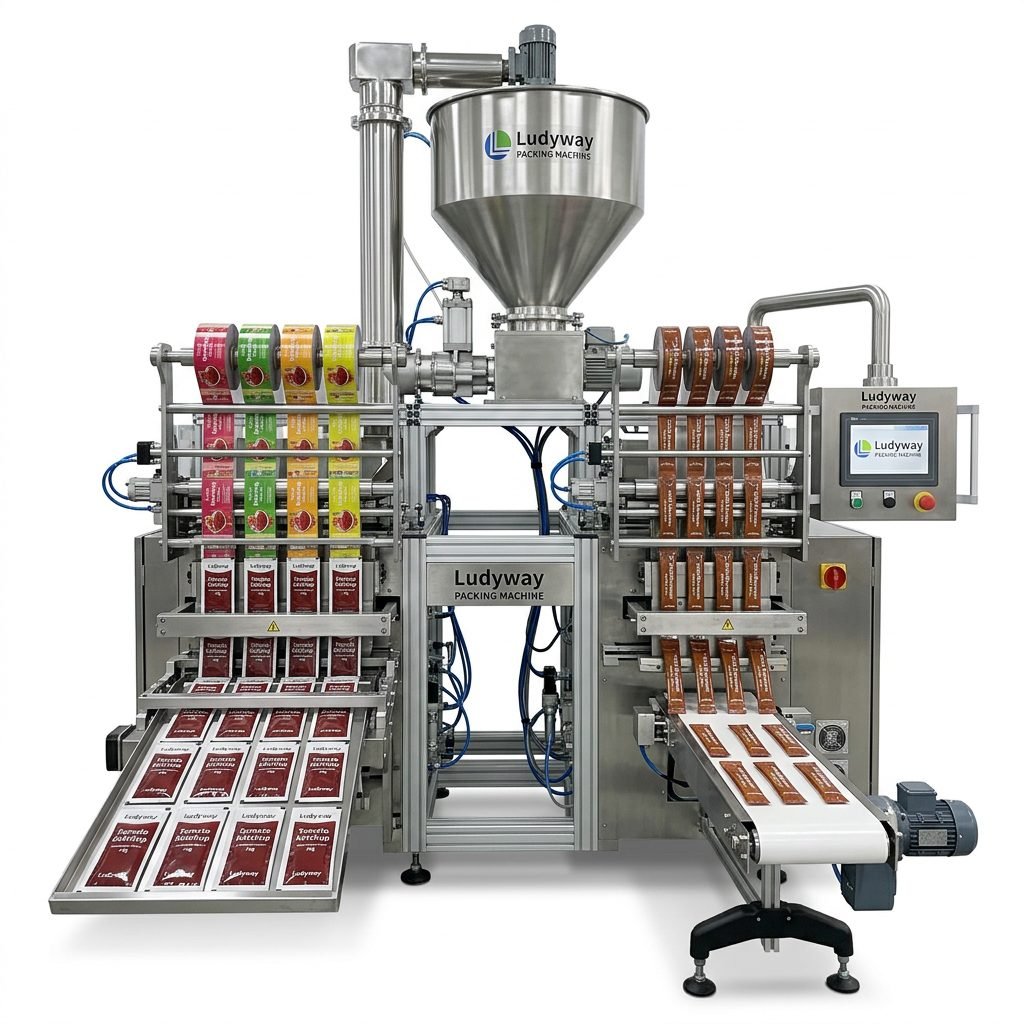
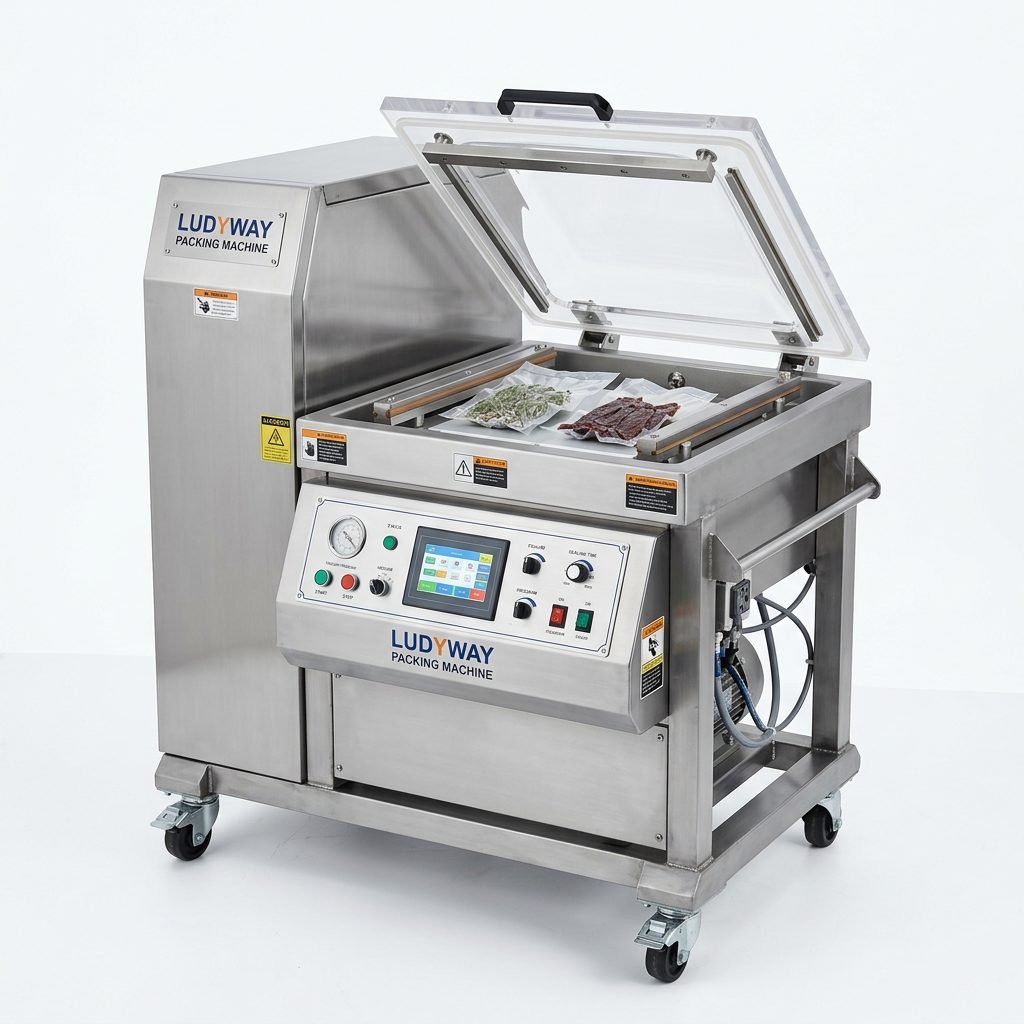
- → Primary Packaging: Systems for bagging, pouching, or wrapping individual items before they are placed into shipping containers.
- → Secondary Packaging: Equipment for case erecting, packing, sealing, and labeling—the heart of the distribution center workflow.
- → Tertiary Packaging: Solutions for palletizing, stretch wrapping, and unit load stabilization for final shipment.
Flexibility is key. The best providers design systems that can handle a variety of box sizes and product types with minimal manual adjustment, future-proofing your investment against changing SKUs and order profiles.
Commitment to Service and Support
The relationship with your equipment provider begins at installation, not ends there. Comprehensive after-sales support is non-negotiable for minimizing downtime. Scrutinize their service structure:
1. Installation & Commissioning
Do they provide supervised installation, full system integration, and operator training? A turnkey approach ensures the system performs as specified from day one.
2. Technical Support & Parts Availability
What are their response time guarantees for technical issues? Is there a local or regional stock of critical spare parts? Providers with a global service network offer greater security for multi-site operations.
3. Preventative Maintenance Programs
Proactive maintenance contracts are a hallmark of a quality partner. These programs schedule regular inspections and parts replacements to prevent unexpected failures, ensuring peak equipment performance and longevity.
The Total Cost of Ownership (TCO) Perspective
Making a decision based solely on the initial purchase price is a common mistake. A true partner will help you analyze the Total Cost of Ownership, which includes:
Energy Consumption: Modern, efficient drives and motors can significantly reduce operating costs.
Maintenance Costs: Equipment designed for easy access and maintenance lowers long-term service expenses.
Consumables Usage: Machines that optimize material use (like film, ink, or adhesive) reduce ongoing material costs.
Uptime & Productivity: Reliable equipment that maximizes throughput is the most significant factor in positive ROI.
Innovation and Future-Readiness
The packaging and logistics landscape is rapidly evolving with robotics, IoT, and data analytics. Your chosen partner should have a clear innovation roadmap. Inquire about their capabilities in:
IoT & Data Connectivity: Can their equipment provide real-time data on performance, output, and maintenance needs to your central monitoring system?
Robotic Integration: Do they offer or integrate with robotic pick-and-place or palletizing solutions for maximum flexibility?
Sustainable Solutions: Are they developing equipment that supports lightweighting, reduces material waste, or handles recyclable/compostable packaging formats?
A forward-thinking provider, like Ludyway Packaging Machinery, invests in R&D to ensure their clients are equipped not just for today’s challenges, but for tomorrow’s opportunities as well.
Making the Final Decision
After narrowing down your options, take these final steps:
- Request a Live Demo or Site Visit: See the equipment running, preferably with products similar to yours.
- Check Financial Stability: A partner with a solid financial background is more likely to be there for the long term.
- Review the Contract Thoroughly: Pay close attention to warranties, performance guarantees, and service level agreements (SLAs).
Choosing the right partner is about building a strategic relationship. The goal is to find a provider whose expertise, technology, and values align with your operational goals, ensuring a smooth implementation and a productive partnership for years to come. For more on how experienced providers approach these partnerships, explore their company history and evolution.
Frequently Asked Questions (FAQs)
What is the most important factor when choosing a packaging equipment provider for a distribution center?
While multiple factors are important, proven experience and specific expertise in distribution center automation are paramount. A provider must understand high-speed logistics, system integration, and the critical need for uptime. Their technical support model and parts availability are equally crucial for long-term reliability.
How can I ensure the equipment will integrate with my existing warehouse systems?
During the vetting process, explicitly discuss integration capabilities. A qualified partner will have experience with common WMS, ERP, and MES platforms and should provide detailed interface protocols (often using APIs or standard data formats). Request references from clients who have completed similar integrations.
Should I prioritize the lowest upfront cost or the total cost of ownership (TCO)?
Always prioritize Total Cost of Ownership. Cheaper equipment often leads to higher energy use, more frequent breakdowns, costly repairs, and lower throughput. A slightly higher initial investment in robust, efficient, and reliable technology typically yields a much faster and greater return on investment through sustained productivity and lower operating expenses.
What questions should I ask about after-sales service and support?
Key questions include: What is your guaranteed response time for critical breakdowns? Do you offer 24/7 remote support? Where are your spare parts warehouses located? What is included in your standard warranty and what preventative maintenance plans do you offer? The depth of their service offering directly correlates to your operational risk.
How do I future-proof my investment in packaging automation?
Choose a partner committed to innovation. Select modular and scalable equipment that can be expanded or reconfigured. Ensure the machinery has data collection capabilities (IoT-ready) to leverage analytics. Partner with a provider that actively develops solutions for emerging trends like sustainability, robotics, and flexible packaging to ensure your system can adapt over time.