In today’s fast-paced food industry and commercial sectors, preserving product freshness, extending shelf life, and ensuring safe, hygienic storage are paramount. This is where vacuum packaging technology becomes indispensable. Selecting the best vacuum packaging machine is a critical investment that can significantly impact operational efficiency, product quality, and overall profitability. Whether you are a small-scale food producer, a large commercial manufacturer, or a business involved in pharmaceuticals or other perishable goods, understanding the features, types, and benefits of top-tier vacuum packaging equipment is essential for making an informed decision.
Why Vacuum Packaging is Essential for Modern Preservation
Vacuum packaging works by removing air from the package before sealing it. This process creates an anaerobic environment that drastically slows down the growth of spoilage microorganisms like bacteria, yeasts, and molds. The benefits are multifaceted:
✔ Extended Shelf Life: By preventing oxidation and microbial growth, vacuum packaging can extend the shelf life of foods by 3 to 5 times compared to conventional storage methods.
✔ Enhanced Food Safety & Quality: It locks in freshness, flavor, color, and nutritional value, preventing freezer burn and dehydration.
✔ Reduced Waste & Improved Logistics: Compact, airtight packages reduce volume, saving storage space and transportation costs while minimizing product loss.
Key Features of a Top-Performing Vacuum Packaging Machine
Not all vacuum sealers are created equal. The best machines for food preservation and commercial use share several high-performance characteristics:
▶ Powerful Vacuum Performance:
▶ Robust Sealing Bar System:
▶ Versatile Program Settings:
▶ Durable Construction:
Look for a high-capacity vacuum pump that can achieve a deep, consistent vacuum level quickly. A strong, double or impulse-sealing bar with adjustable temperature and time settings ensures leak-proof seals on various bag materials, from multilayer laminates to polyethylene.
Types of Machines: From Chamber to External Nozzle Sealers
Choosing the right type depends on your product, volume, and packaging needs.
- ◼
Chamber Vacuum Machines: The gold standard for commercial use. The entire product and bag are placed inside a sealed chamber. Ideal for packaging liquids, powders, and moist foods as it prevents liquid extraction. Perfect for medium to high-volume operations. - ◼
External (Nozzle) Vacuum Sealers: The vacuum is drawn through a nozzle placed inside the open bag. More common for dry products and lower to medium volumes. They are often more affordable and take up less space. - ◼
Automatic Belt Chamber Machines: Designed for high-speed, continuous production lines. Products are automatically conveyed into the chamber, vacuumed, sealed, and ejected, maximizing throughput for large-scale food processing.
Applications Across Industries
The utility of a professional vacuum packaging machine extends far beyond basic food storage.
Food Industry: Meats, cheeses, seafood, prepared meals, coffee, nuts, spices, and dried fruits. It’s crucial for MAP (Modified Atmosphere Packaging) applications as well.
Pharmaceutical & Medical: Sterilizing and protecting sensitive medical components, kits, and hygroscopic raw materials.
Electronics & Industrial: Protecting components from moisture and corrosion during shipping and storage.
Selecting Your Ideal Machine: A Practical Guide
Consider these factors to match a machine to your specific requirements:
- Production Volume & Speed: How many packages per hour/day do you need? Chamber machines with double seals or automatic belt systems offer higher cycles.
- Product Characteristics: Are you packaging dry, moist, or liquid products? This determines whether you need a chamber or external sealer.
- Bag Size & Material: Ensure the machine’s sealing bar length and power are compatible with your bag width and material thickness.
- Ease of Use & Maintenance: User-friendly controls, easy-cleaning surfaces, and accessible service points reduce downtime.
- Reliability & Support: Invest in a machine from a reputable manufacturer known for durability and backed by strong technical support and readily available spare parts.
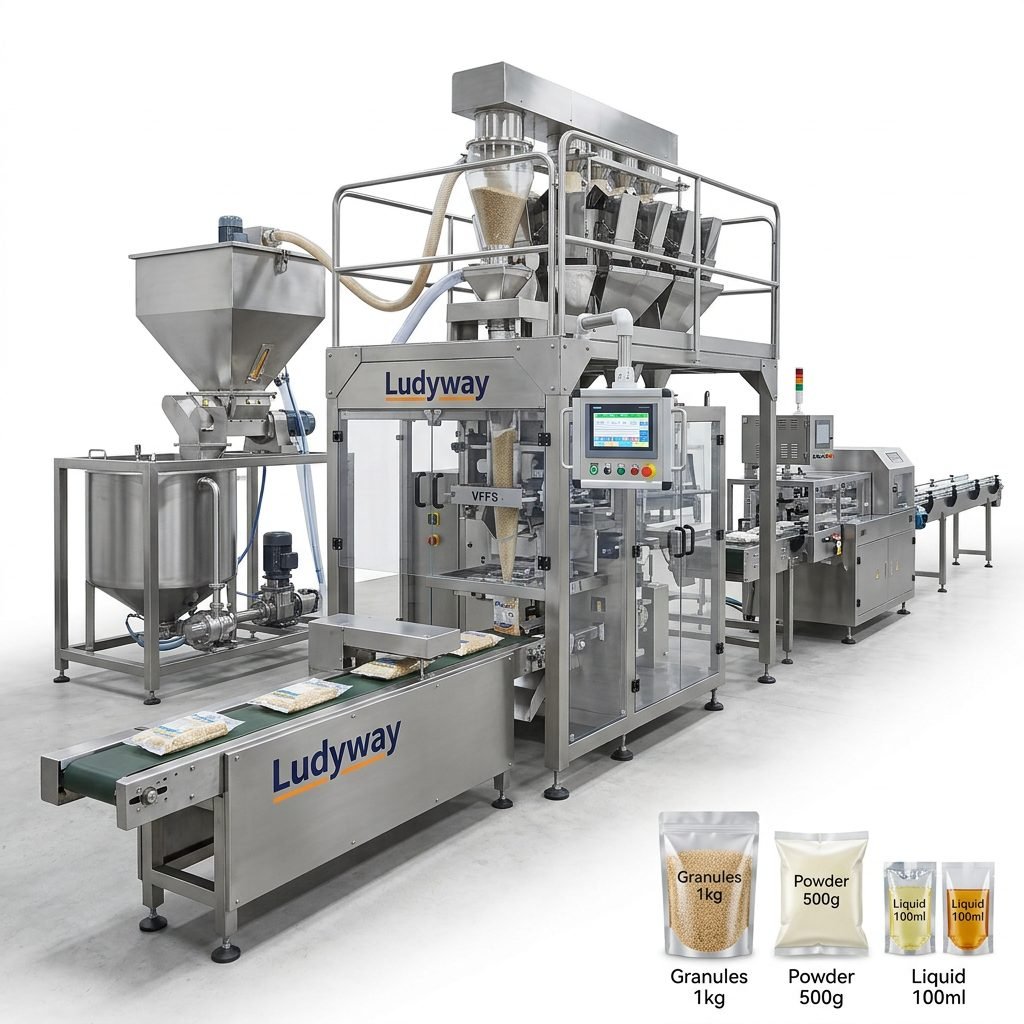
For businesses looking to scale, integrating a vacuum packaging machine into a complete automated packaging line—including weighing, filling, and labeling—can unlock unprecedented efficiency.
The Role of Innovation and Expertise
Behind every reliable machine is a foundation of engineering expertise and industry experience. Companies like Ludyway Machinery, with over 30 years of industry experience, exemplify this commitment. Starting in 2010 with a focus on automation, they have grown to offer a wide range of intelligent packaging solutions. Their journey from a specialized engineering team to a provider of over 50 packaging machine models highlights the importance of continuous innovation and practical know-how in meeting global production demands. This depth of experience ensures that the equipment is not just a tool, but a tailored solution built for long-term, reliable performance in demanding commercial environments.
Frequently Asked Questions (FAQs)
1. What is the main difference between a chamber and an external vacuum sealer?
A chamber vacuum sealer places the entire bag inside a sealed chamber to remove air, making it excellent for liquids, powders, and moist foods. An external sealer uses a nozzle inside the bag’s opening, which is better suited for dry products and is generally more compact and cost-effective for lower volumes.
2. Can I use any plastic bag with a commercial vacuum packaging machine?
No. You must use bags specifically designed for vacuum sealing, typically made from multi-layered, puncture-resistant materials like PA/PE. Using improper bags will result in poor seals, leaks, or damage to the machine’s sealing bar.
3. How do I maintain my vacuum packaging machine to ensure longevity?
Regular maintenance includes daily cleaning of the sealing bar and chamber to remove debris, checking and replacing the vacuum pump oil as recommended, inspecting the sealing gasket for wear, and ensuring all moving parts are clean. Always follow the manufacturer’s specific maintenance schedule.
4. Is vacuum packaging the same as Modified Atmosphere Packaging (MAP)?
Not exactly. Vacuum packaging removes almost all air. MAP replaces the air inside a package with a protective gas mixture (like nitrogen and carbon dioxide). Many advanced chamber vacuum machines can perform both functions—evacuating air and then injecting a gas mix—making them versatile tools for MAP applications.
5. What should I consider when upgrading from a small-scale to a commercial machine?
Focus on durability, speed (cycles per hour), chamber size for your largest products, compatibility with your desired bag materials, and the availability of technical support. A commercial machine is an investment in reliability and throughput to support business growth.