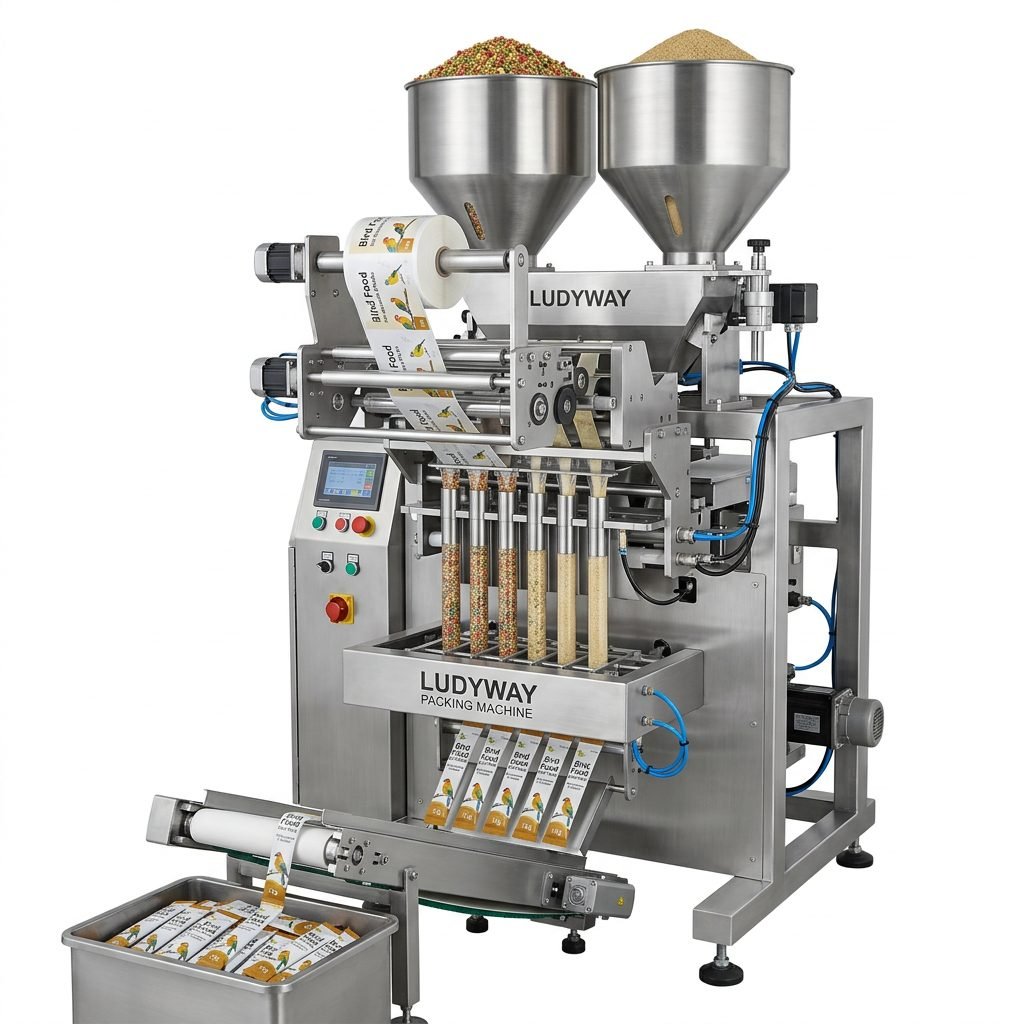
The South American beverage market is experiencing rapid transformation. From Brazil’s booming functional drink sector to Chile’s premium coffee culture and Argentina’s traditional yerba mate industry, manufacturers across the continent are investing in advanced packaging machinery to stay competitive. Whether you’re producing instant coffee sachets, energy drink powders, fruit-flavored stick packs, or ready-to-drink liquid pouches, selecting the right beverage packaging machine is critical to your operational success and brand growth.
This comprehensive guide covers everything South American buyers need to know—from machine types and key specifications to regulatory compliance and total cost of ownership. Understanding packaging machinery market trends is essential before making any investment decision.
Understanding South America’s Beverage Packaging Landscape
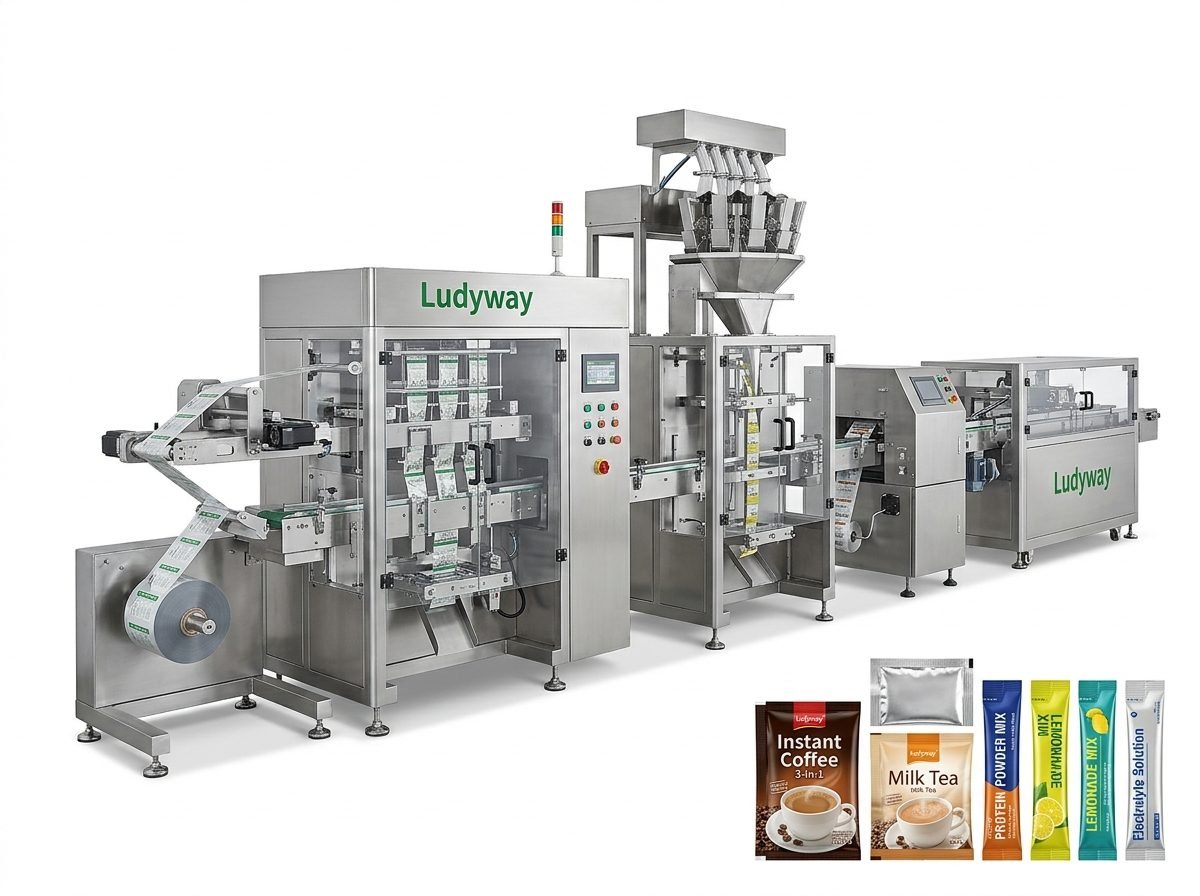
South America’s beverage industry is diverse, spanning powdered drink mixes, instant coffee, tea, energy supplements, liquid concentrates, and traditional herbal drinks. Each product category demands specific packaging formats such as stick packs, sachets, pouches, and multi-lane configurations. According to PMMI’s 2025 State of the Industry report, the demand for flexible packaging in Latin America continues to outpace rigid formats, driven by cost efficiency and consumer convenience.
Key Market Drivers in the Region
- Growing functional beverage sector: Consumers increasingly seek energy powders, protein shakes, and vitamin-enriched drink mixes in portable single-serve formats.
- Rising disposable income: Markets in Brazil, Colombia, and Peru are seeing higher demand for convenience-oriented packaged beverages.
- Export opportunities: South American producers are expanding into international markets, requiring packaging that meets global standards.
- Regulatory evolution: Compliance with food packaging and food contact substances regulations is increasingly important for export-oriented manufacturers.
Types of Beverage Packaging Machines
Choosing the right machine type depends on your product form (powder, granule, or liquid), desired output speed, and target packaging format. Below are the most common configurations for beverage applications:
Multi-Lane Stick Pack Machines
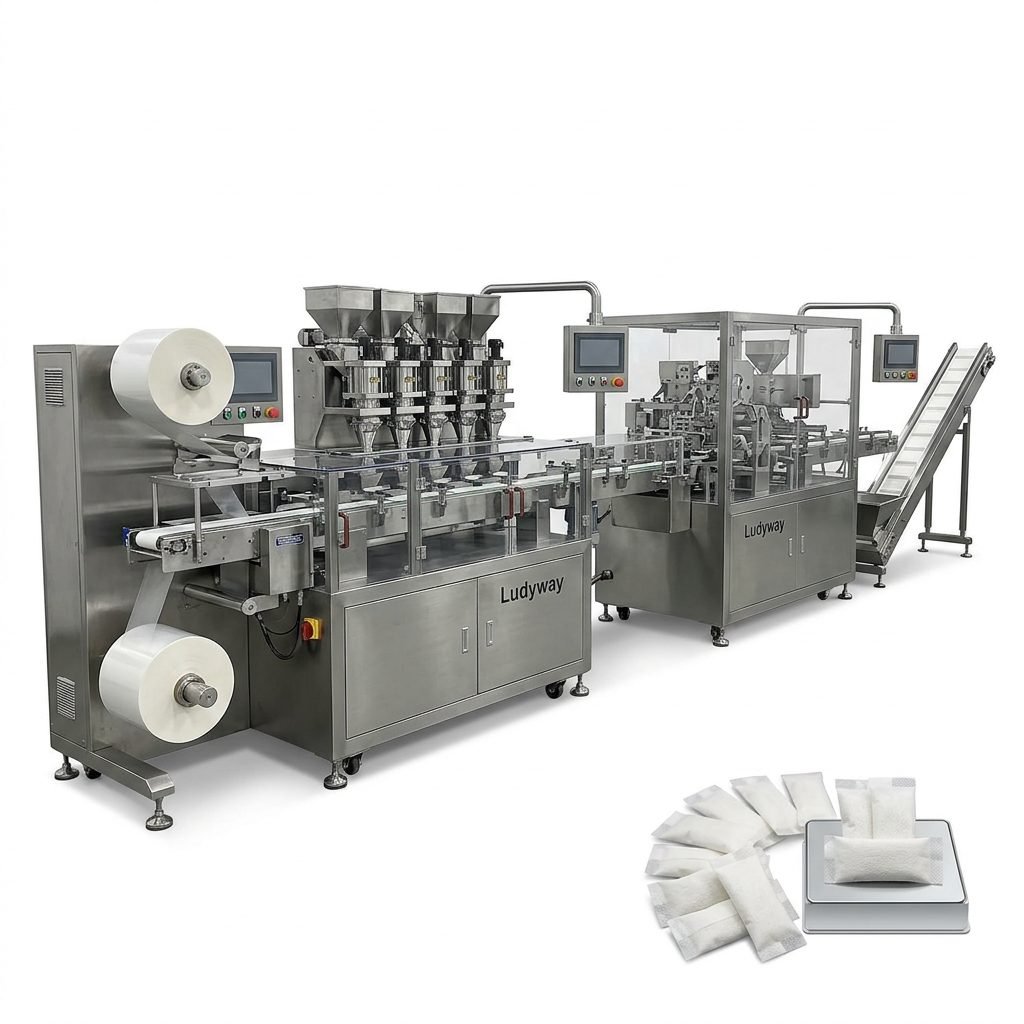
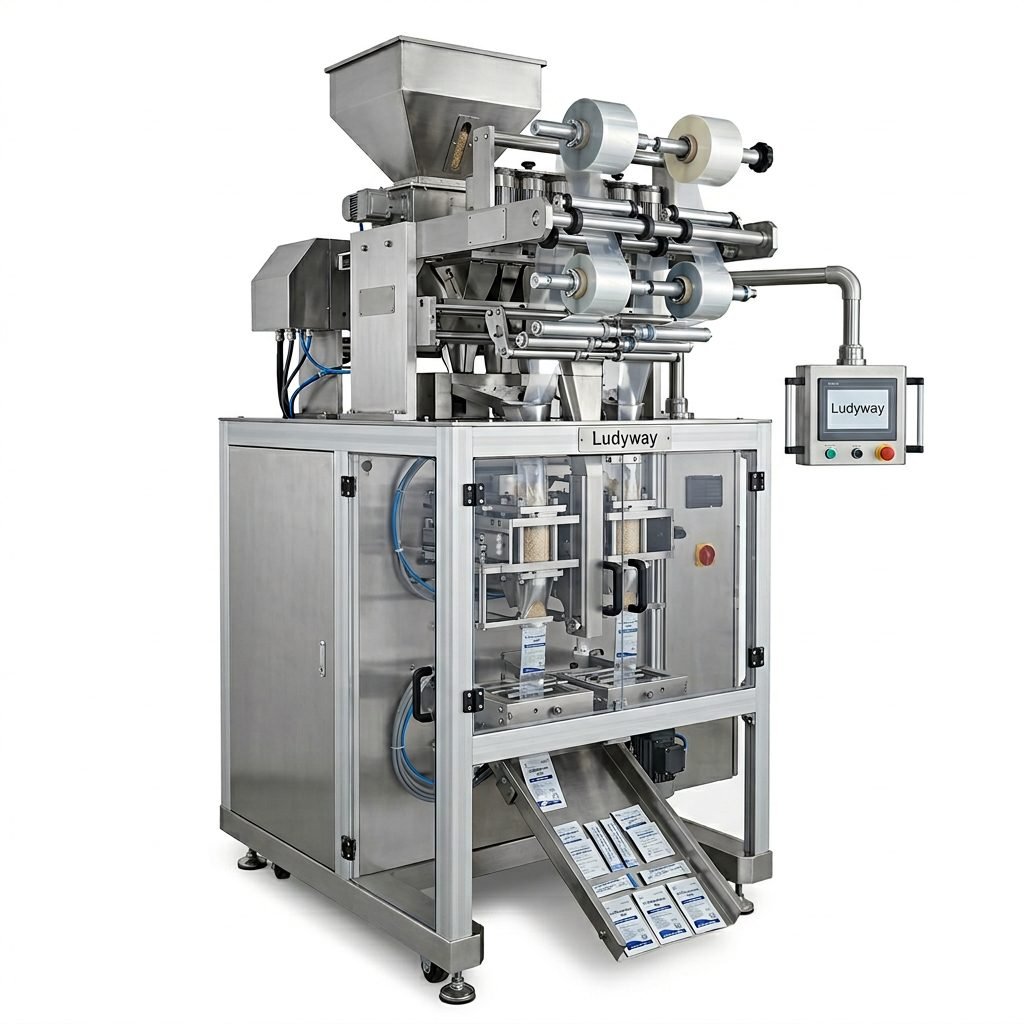
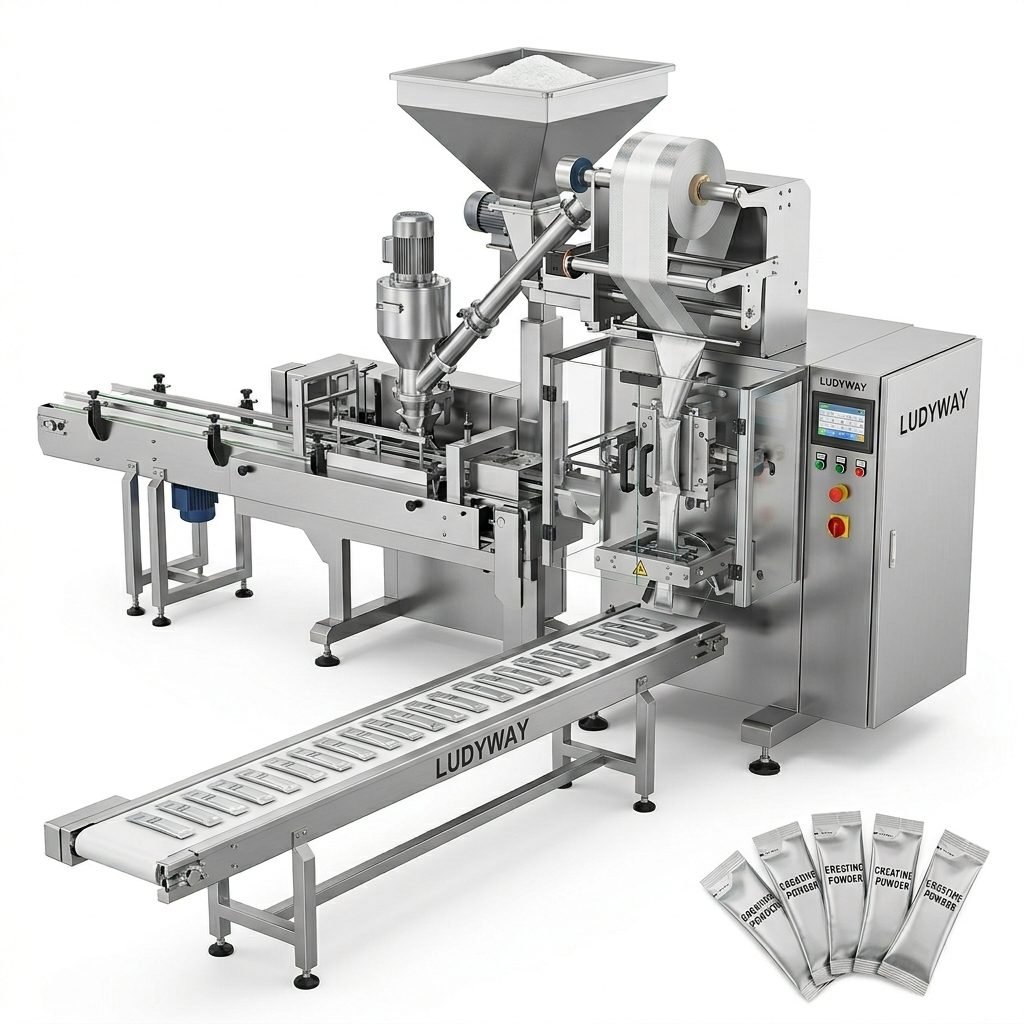
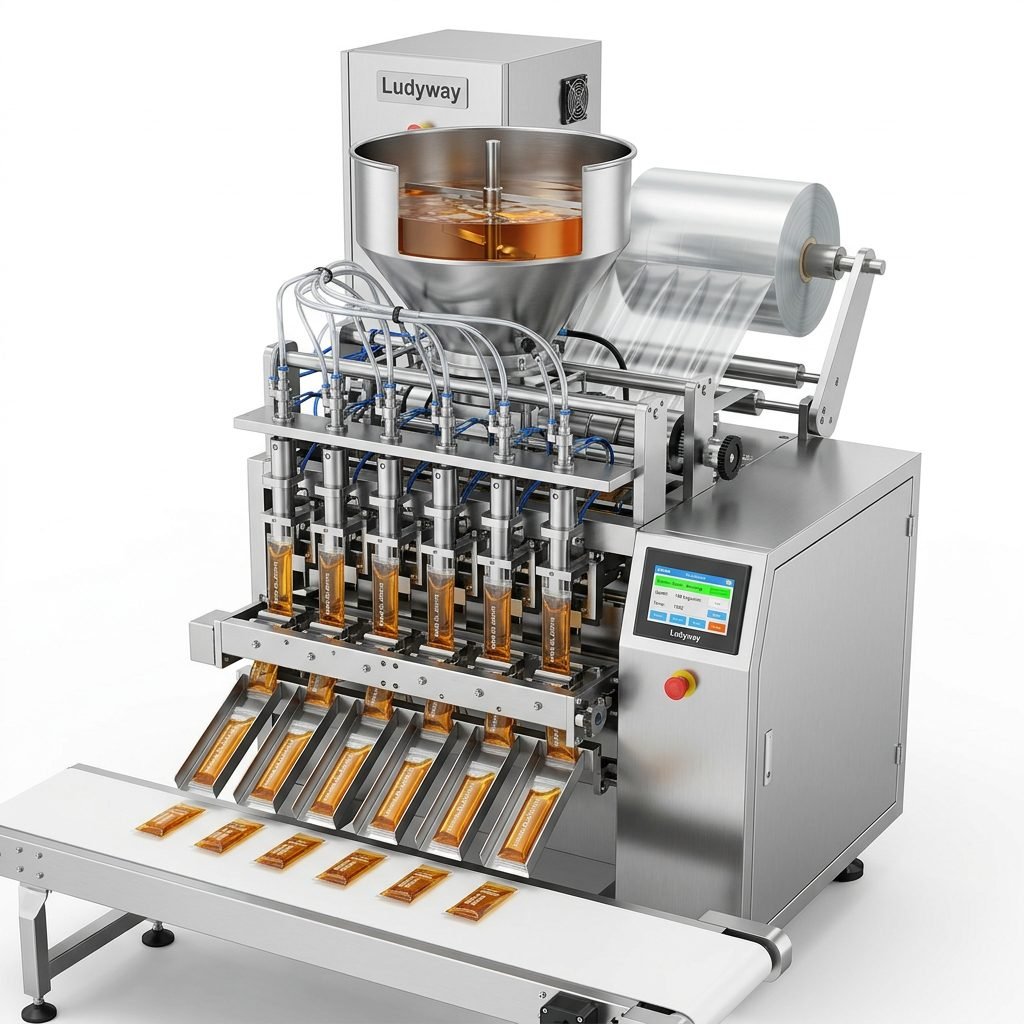
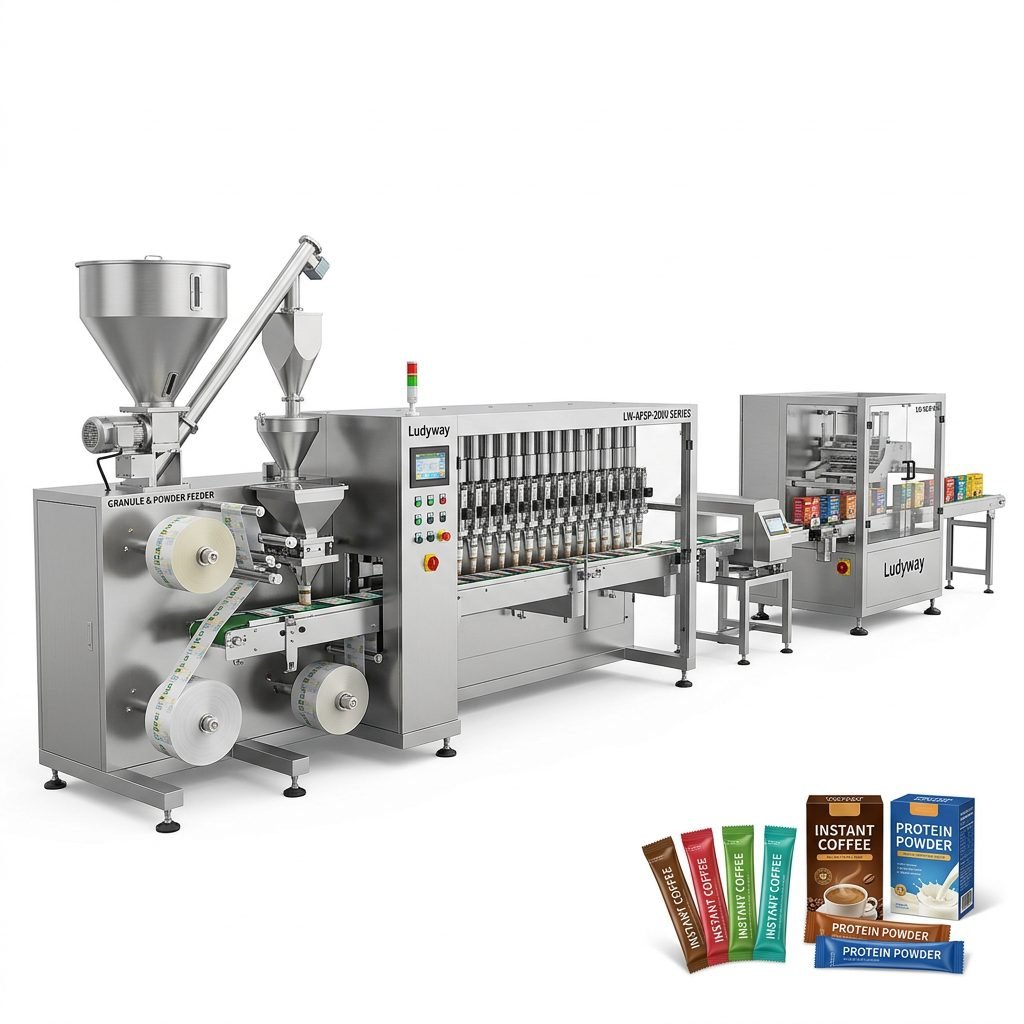
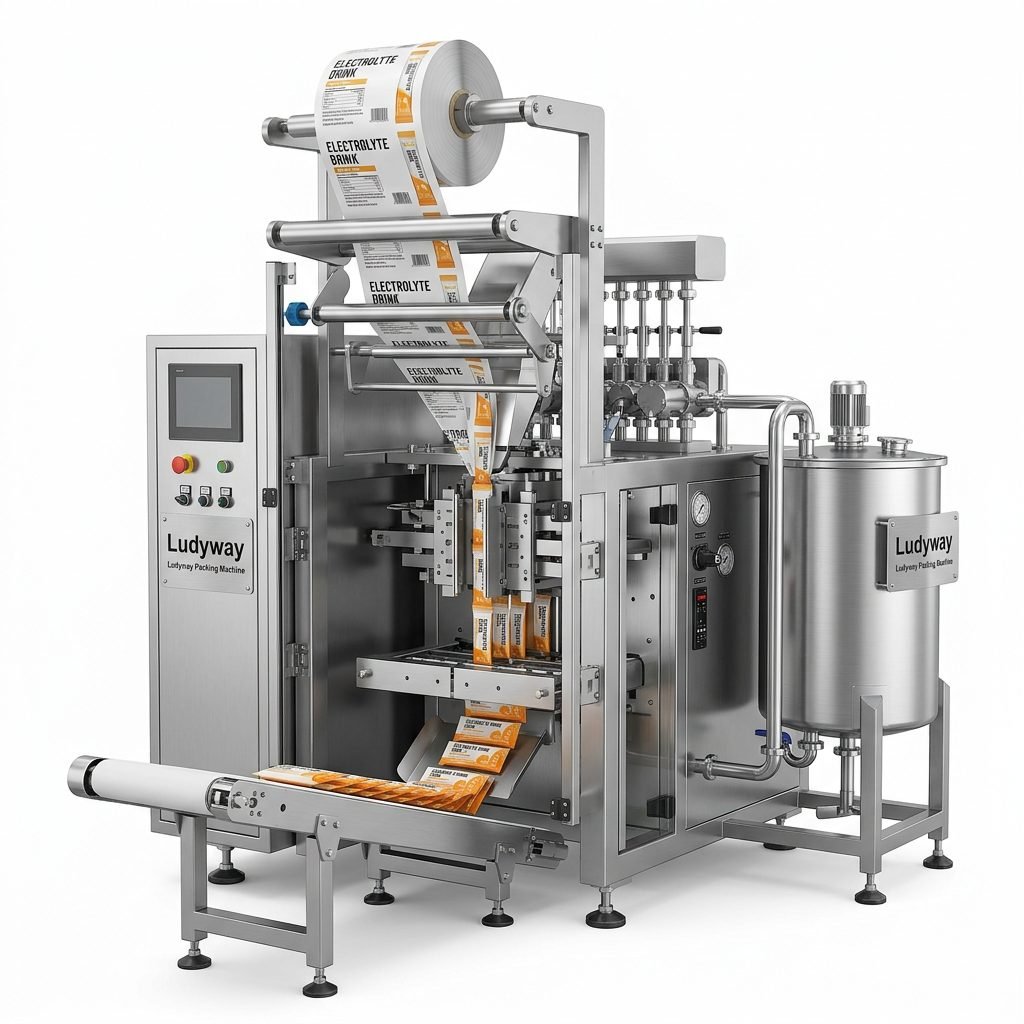
These high-speed systems are ideal for powdered beverages including instant coffee, drink mixes, energy powders, and protein supplements. Multi-lane configurations can produce 4 to 24 lanes simultaneously, achieving outputs of up to 1,000 sticks per minute. They provide excellent portion control and are widely used across South America’s growing functional drink sector.
Sachet Packaging Systems
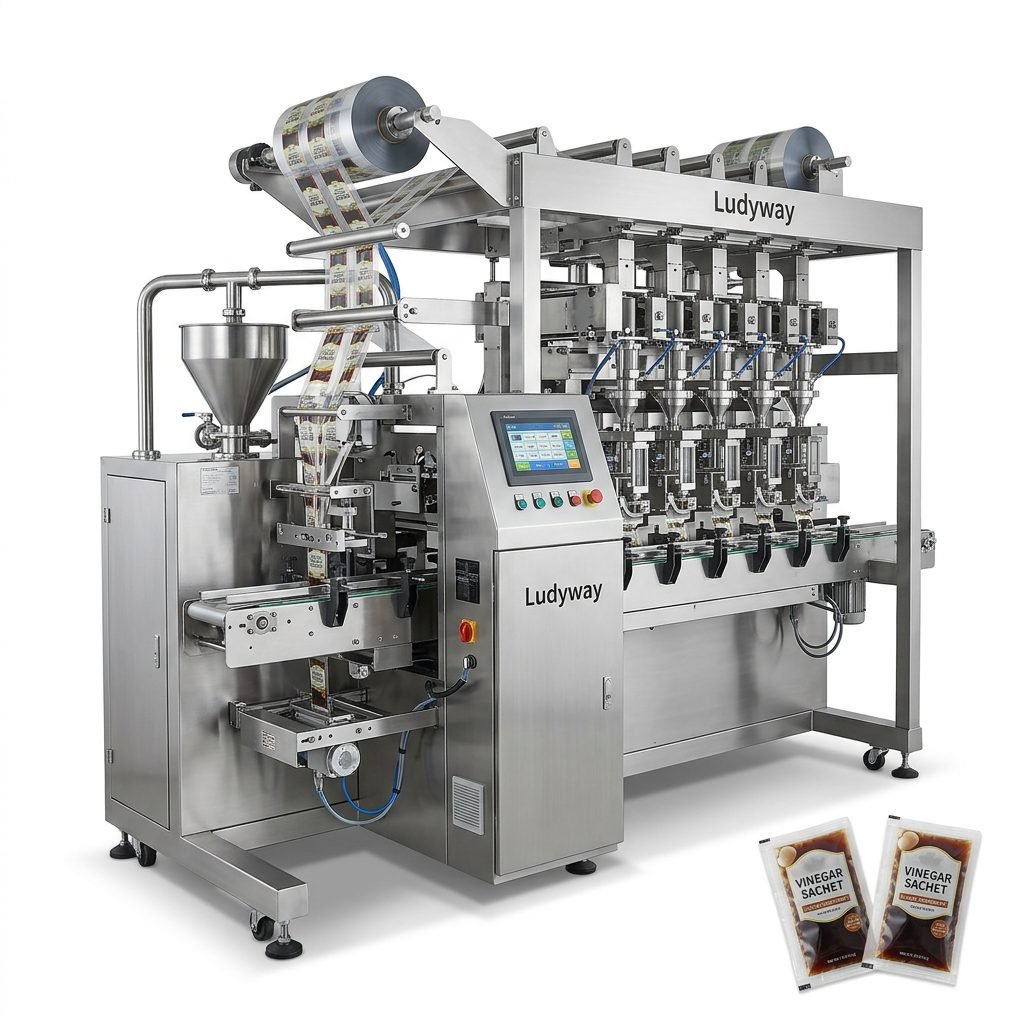
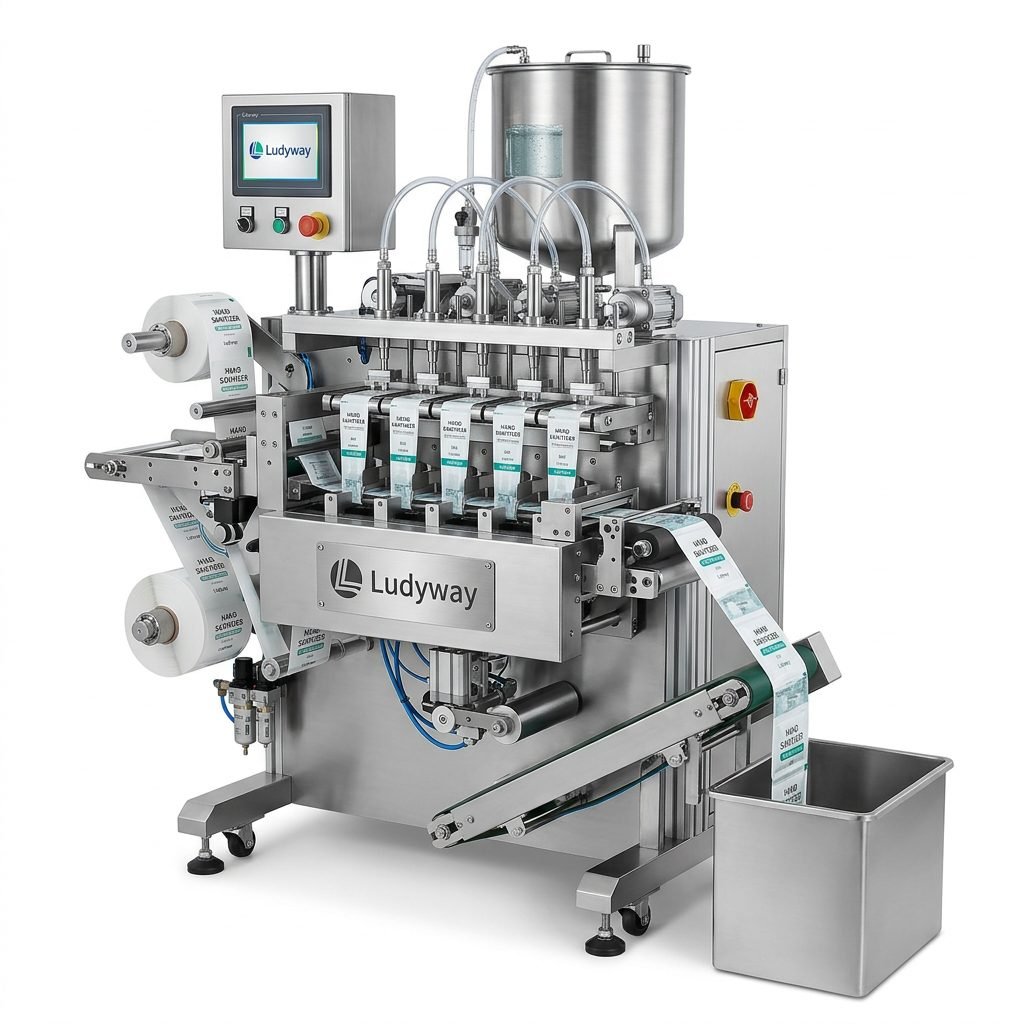
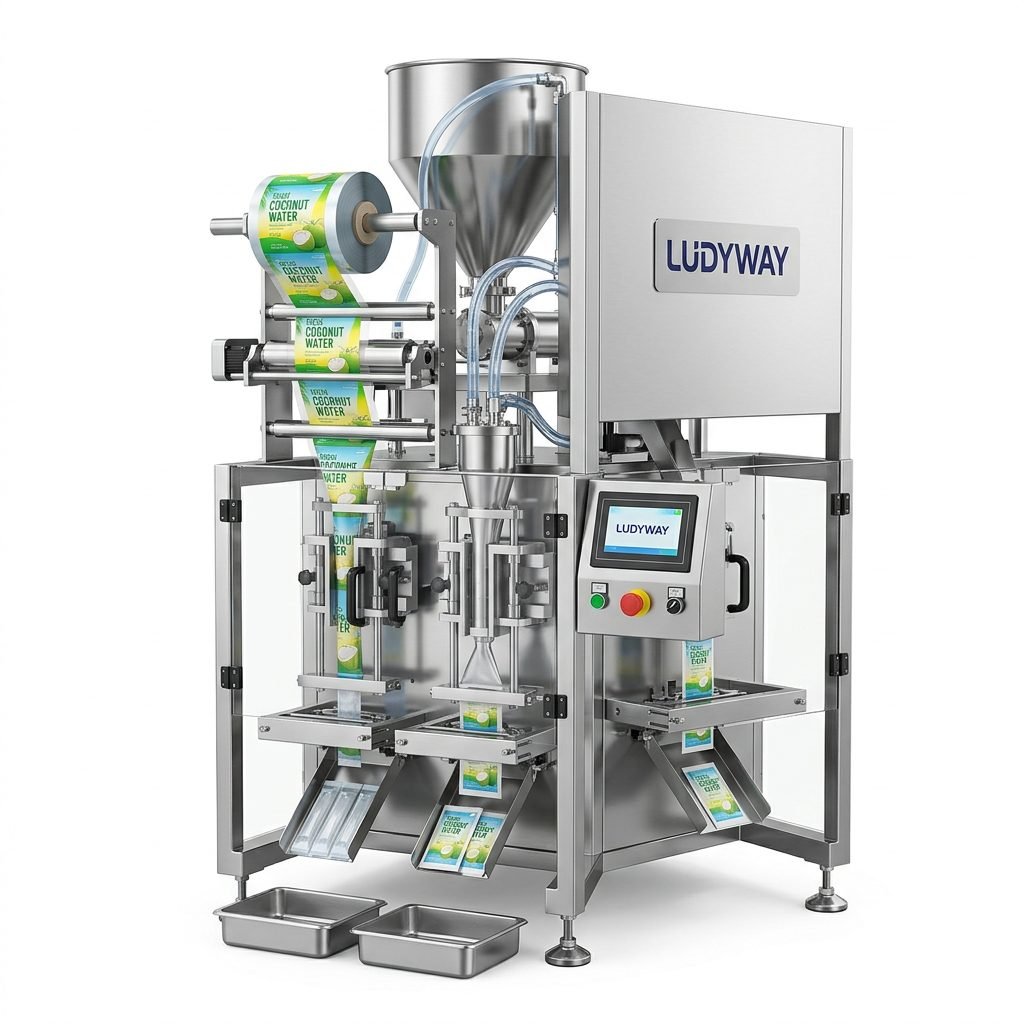
Sachet machines handle a wider range of product viscosities, from fine powders to liquid concentrates and gels. They are commonly used for liquid beverages, fruit juice concentrates, electrolyte solutions, and ready-to-mix cocktail sachets. Modern sachet systems offer multi-lane configurations with servo-driven filling for precise volumetric accuracy.
Vertical Form Fill Seal (VFFS) Machines
VFFS technology is versatile and budget-friendly, suitable for medium-speed production of both powder and granule beverage products. These machines form bags from roll stock film, fill product, and seal in a continuous vertical motion, making them efficient for medium-scale South American producers.
Critical Factors to Consider When Buying
Selecting a beverage packaging machine requires careful evaluation of several technical and operational parameters. Below is a detailed comparison of the most important factors:
| Factor | Key Considerations | Recommendation for South America |
|---|---|---|
| Product Characteristics | Powder density, flowability, moisture sensitivity, granule size distribution | Prioritize machines with adjustable filling systems for diverse product ranges |
| Production Speed | Output per minute, lane configuration, changeover time | Multi-lane systems (4-12 lanes) balance speed with operational flexibility |
| Film Compatibility | Material type, thickness range, sealing temperature requirements | Ensure compatibility with locally available packaging films to reduce costs |
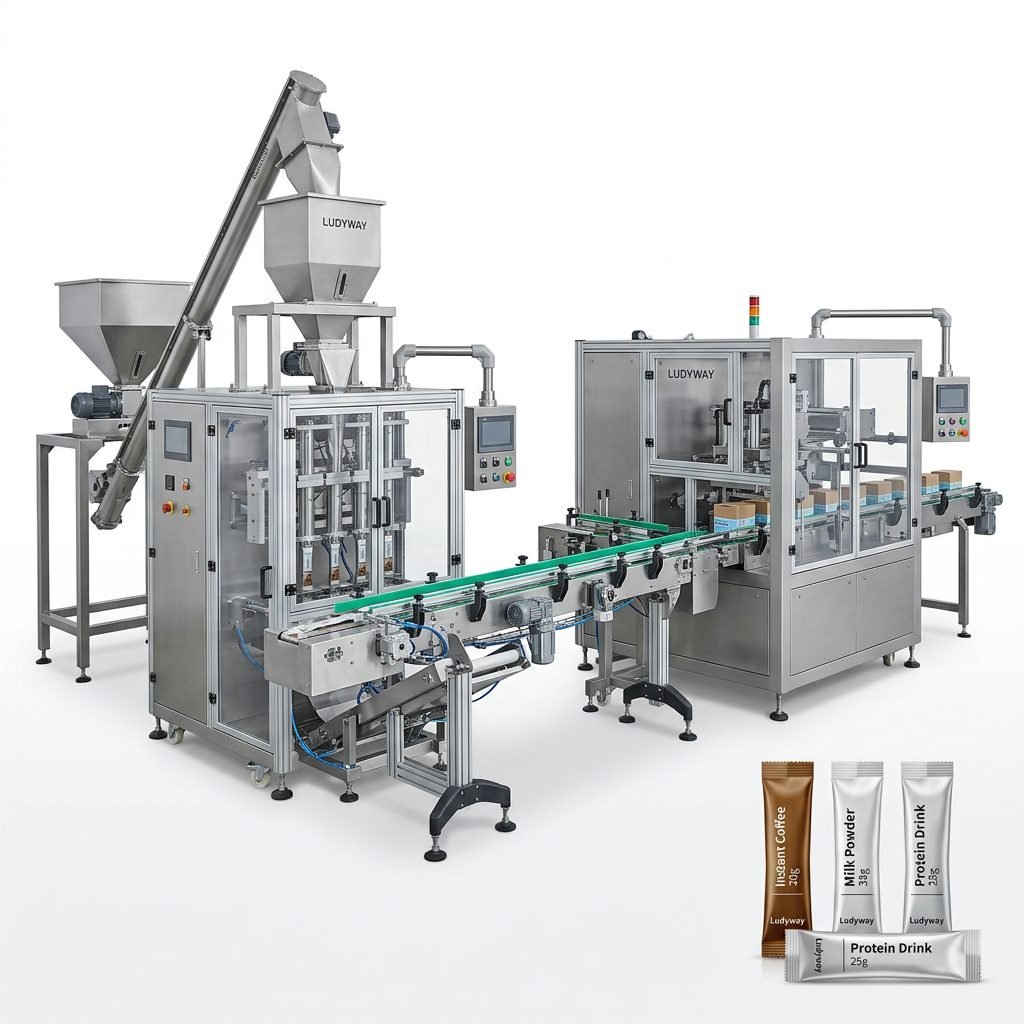
| Automation Level | Semi-automatic vs fully automatic, integration with upstream/downstream equipment | Fully automated lines reduce labor dependency and improve consistency |
| After-Sales Support | Local technical service, spare parts availability, remote diagnostics | Verify local service networks and Spanish/Portuguese language support |
| Regulatory Compliance | Food safety certifications, electrical standards, local import requirements | Ensure CE or equivalent certification and Mercosur standards compliance |
Key Technical Specifications to Evaluate
Beyond the basic machine type, several technical specifications directly impact performance and product quality. Pay close attention to the following:
Filling Accuracy and Precision
For beverage powders and granules, dosing accuracy is non-negotiable. Look for machines with servo-driven auger fillers or multi-head weighers that deliver ±0.5% to ±1% accuracy. Inconsistent filling can lead to regulatory non-compliance and customer dissatisfaction, particularly in markets with strict net content regulations.
Sealing Integrity
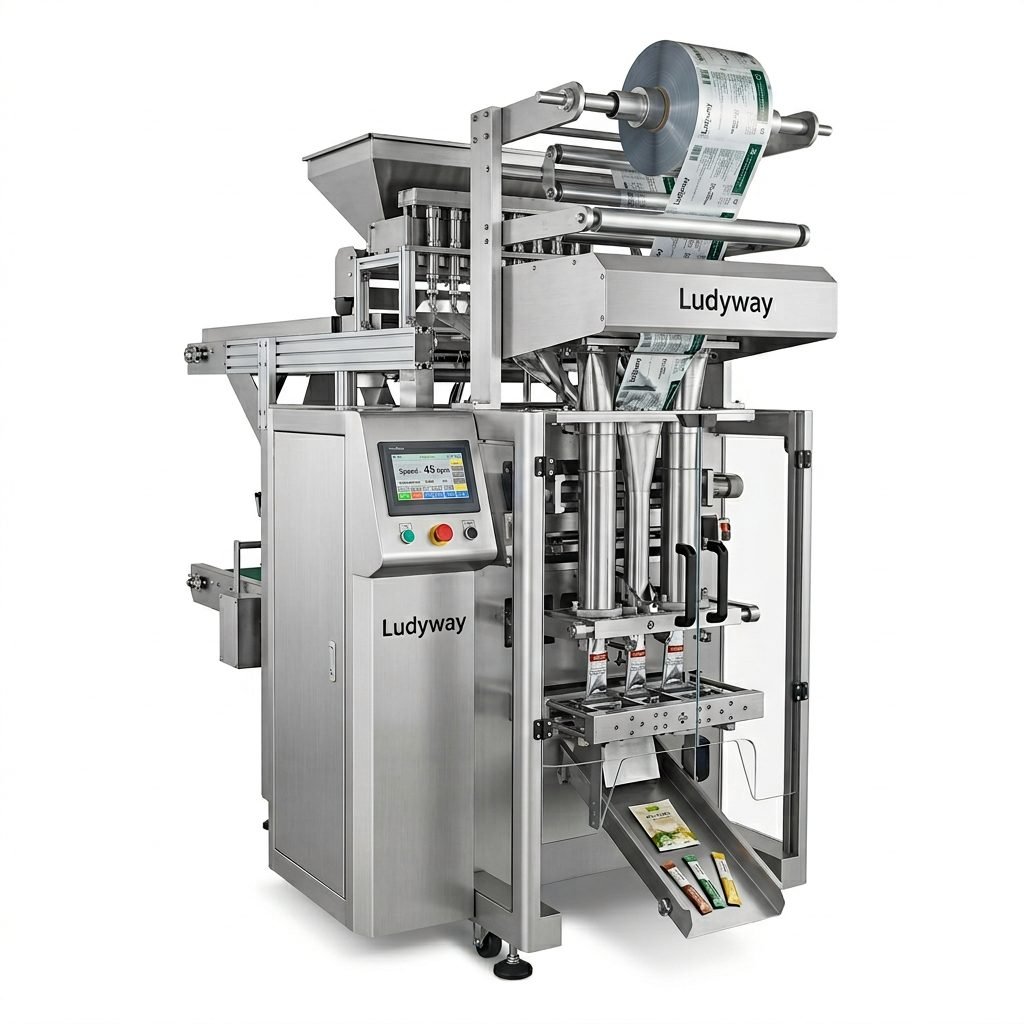
A robust sealing system is essential for moisture-sensitive beverage powders common in tropical South American climates. Machines should feature temperature-controlled sealing jaws with adjustable pressure settings. Nitrogen flushing capability is highly recommended for extending shelf life in high-humidity regions.
Control System and User Interface
Modern beverage packaging machines should include PLC-based control systems with touchscreen interfaces supporting multiple languages. Key features to look for include recipe storage for quick product changeovers, real-time production monitoring, and remote diagnostic capabilities.
Cost Analysis: Beyond the Purchase Price
Understanding the total cost of ownership is crucial for South American buyers operating with varying budget constraints. Consider these cost components:
- Initial investment: Machine purchase, shipping, import duties, and installation. For reference, flexible packaging industry data shows that equipment typically represents 40-50% of the first-year budget.
- Operating costs: Film consumption rates, energy efficiency, labor requirements, and maintenance expenses.
- Film waste reduction: Advanced machines with precise film tracking can reduce material waste by 3-6%, generating significant annual savings.
- Spare parts inventory: Maintaining a recommended spare parts kit minimizes downtime. Budget approximately 2-3% of machine value annually for replacements.
Regulatory Compliance and Certifications
South American countries have distinct regulatory frameworks for food packaging equipment. When importing machinery, ensure compliance with the following:
Mercosur Standards
The Southern Common Market establishes harmonized technical regulations across Brazil, Argentina, Paraguay, and Uruguay. Packaging machinery must meet Mercosur electrical safety standards and food contact material requirements. Consulting ISO packaging standards provides a solid foundation for compliance.
ANVISA (Brazil)
Brazil’s Health Regulatory Agency requires that food packaging equipment meets strict hygiene and traceability standards. Machines should be constructed with food-grade stainless steel contact surfaces and support cleaning validation protocols.
Sustainability Requirements
With growing environmental awareness, packaging waste regulations are evolving globally. South American exporters targeting European or North American markets should consider machines compatible with recyclable and biodegradable film materials.
Supplier Selection: What to Look For
Choosing the right equipment supplier is as important as selecting the machine itself. Evaluate potential partners based on these criteria:
Industry Experience and Track Record
Look for manufacturers with demonstrated experience in the beverage sector and a track record of successful installations in South America or similar markets. For instance, Ludyway is one of the largest packaging machine manufacturers in China, specializing in advanced packaging equipment with over 30 years of industry expertise and serving customers in more than 100 countries and regions, including growing markets across South America.
Training and Technical Support
Ensure the supplier provides comprehensive operator training, preferably in Spanish or Portuguese. Remote technical support capabilities and rapid-response service agreements minimize costly downtime. Verify that the supplier maintains adequate spare parts inventory for your specific machine model.
Customization Capabilities
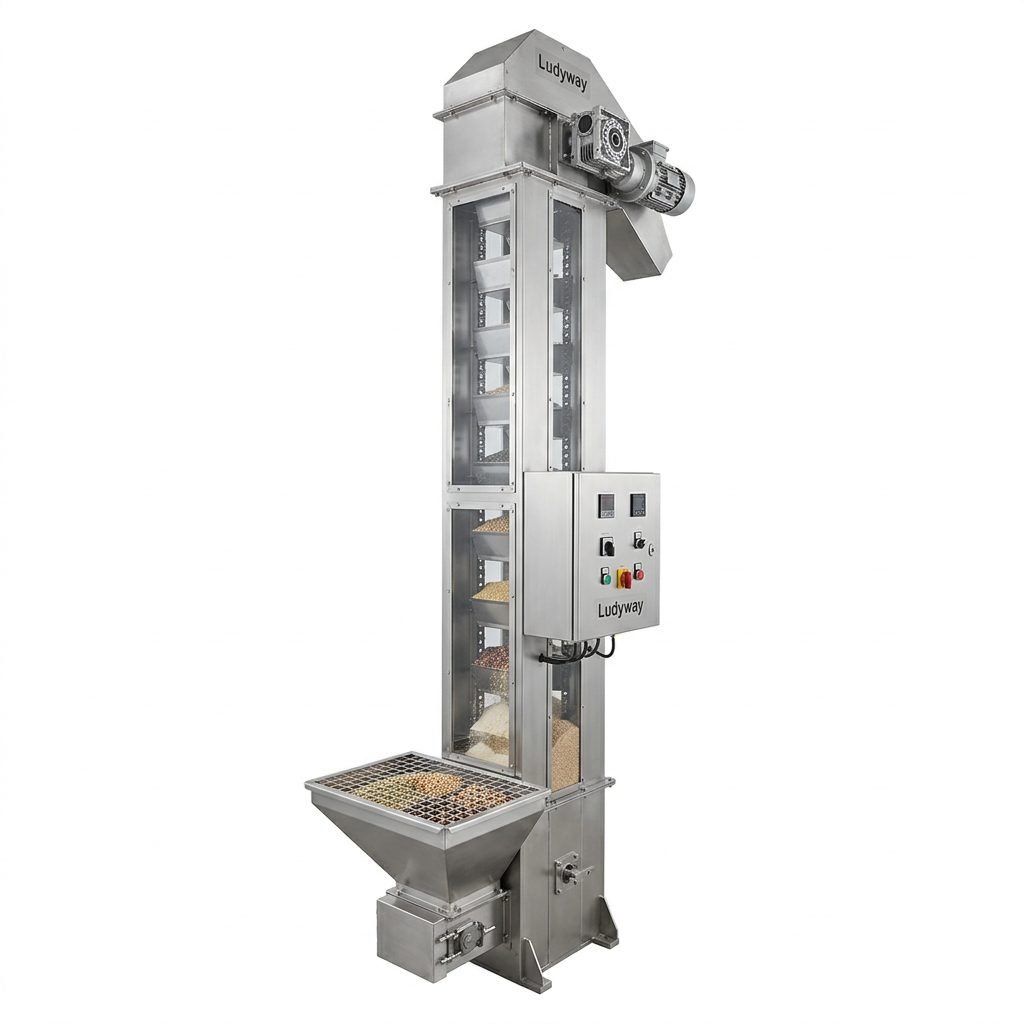
South American beverage products often have unique requirements. The ideal supplier should offer custom engineering for specialized filling systems, multi-product configurations, and integration with existing production lines.
Implementation Timeline and Project Planning
A well-structured implementation plan helps avoid costly delays. Typical timelines for beverage packaging machine projects in South America include:
- Needs assessment and specification (2-4 weeks): Define product parameters, target outputs, and facility requirements.
- Supplier evaluation and selection (3-6 weeks): Compare proposals, visit reference sites, and negotiate terms.
- Machine manufacturing (8-16 weeks): Custom-built equipment production, depending on complexity and supplier capacity.
- Shipping and customs clearance (4-8 weeks): Ocean freight to major South American ports plus inland transportation and customs processing.
- Installation and commissioning (2-4 weeks): On-site setup, calibration, and initial production trials.
- Operator training and ramp-up (2-3 weeks): Comprehensive training and gradual production scale-up to full capacity.
Common Pitfalls to Avoid
Based on industry experience across South American markets, here are the most frequent mistakes buyers make and how to avoid them:
- Underestimating film compatibility requirements: Always test packaging films with the actual machine before finalizing specifications. South America’s climate variations demand films with appropriate barrier properties.
- Neglecting local electrical standards: Voltage and frequency variations across South American countries require proper machine configuration. Brazil operates at 60Hz/127V or 220V, while Argentina uses 50Hz/220V.
- Overlooking humidity control: Beverage powders are highly hygroscopic. Ensure the packaging area maintains controlled humidity and consider nitrogen flushing systems.
- Skipping operator training: Even the most advanced machine underperforms without properly trained operators. Budget for comprehensive training as part of the investment.
The Future of Beverage Packaging in South America
Several trends are reshaping the beverage packaging landscape across the continent. Smart packaging with QR codes and traceability features is gaining traction. Sustainable packaging using recyclable mono-materials is becoming a competitive differentiator. Additionally, the rise of e-commerce is driving demand for durable, lightweight packaging formats suited for direct-to-consumer shipping. Staying informed through resources like PACK EXPO International and industry publications helps buyers anticipate future requirements.
Investing in a beverage packaging machine is a strategic decision that impacts product quality, operational efficiency, and market competitiveness for years to come. By carefully evaluating machine types, technical specifications, regulatory requirements, and supplier capabilities, South American buyers can make informed decisions that support long-term business growth in this dynamic and expanding market.