Why Your Clothing Brand Needs a Unique Logo
In today’s competitive fashion industry, your logo is much more than a graphic—it’s the essence of your brand identity. A distinctive logo helps your clothing brand stand out, attract customers, and foster loyalty. Whether you’re launching a new line or rebranding, a compelling logo is essential to make a lasting impression and communicate your brand values.
Understanding the Role of a Logo in Fashion Branding
Your logo acts as the visual ambassador of your clothing brand. It appears on tags, packaging, your website, and marketing materials. A well-designed logo instantly communicates style, quality, and professionalism. In a crowded marketplace, a memorable logo can be the deciding factor for customers choosing between similar brands.
Key Elements of a Stand-Out Clothing Logo
Designing a logo that attracts customers requires careful consideration of several important factors:
- Simplicity: Simple logos are easier to recognize and remember. Avoid overly complex designs.
- Relevance: Your logo should reflect your brand’s style, values, and target audience.
- Versatility: It should look good on clothing labels, website, social media, and print materials.
- Timelessness: Aim for a design that won’t look outdated in a few years.
- Uniqueness: Avoid clichés. Research competitors to ensure your logo stands out.
Step-by-Step Guide: Creating a Logo for Your Clothing Brand
1. Define Your Brand Identity
Start by clarifying your brand vision, mission, and target customer. Are you offering streetwear, luxury fashion, or fitness apparel? Understanding your brand’s unique story will guide your logo design process.
2. Research Your Market and Competitors
Analyze logos of successful clothing brands in your niche. Identify what works and what doesn’t. Make sure your logo is distinctive and avoids similarities with competitors.
3. Choose Your Logo Style
There are several logo styles to consider:
- Wordmarks: Brand name in a unique font (e.g., Ludyway).
- Lettermarks: Initials or abbreviations.
- Symbol or Icon: Visual image representing your brand.
- Combination Mark: Both text and symbol, offering versatility.
Choose a style based on your brand personality and how you intend to use the logo.
4. Select Colors and Fonts Carefully
Color psychology plays a crucial role in fashion branding. Choose colors that evoke the emotions you want customers to feel. For example, black and gold for luxury, vibrant colors for youthful brands. Fonts should be legible and reflect your brand’s tone—modern, classic, playful, or bold.
5. Sketch and Refine Your Logo Ideas
Use pencil, paper, or digital tools to sketch several logo concepts. Experiment with different layouts, symbols, and fonts. Refine your best ideas until you find the perfect balance between simplicity and uniqueness.
6. Test Your Logo for Versatility
Ensure your logo works in black and white as well as color. Test it on mock-ups for clothing tags, social media profiles, and website headers. A versatile logo maintains clarity and impact across all platforms.
7. Get Feedback from Your Audience
Share your logo options with trusted friends, colleagues, or potential customers. Collect honest feedback about which design resonates most with your target audience. Use this input to make final adjustments.
How to Work with a Professional Logo Designer
If you lack design experience, consider hiring a professional logo designer. Provide clear briefs, brand guidelines, and examples of logos you admire. Communicate your vision and be open to expert suggestions. Investing in a professional logo pays off by establishing credibility and attracting customers.
Where to Find Reliable Logo Designers
Explore freelance platforms, design agencies, or ask for recommendations within the apparel industry. Check portfolios and client reviews to ensure quality. Remember, your logo is a long-term investment in your brand.
Integrating Your Logo into Clothing Production
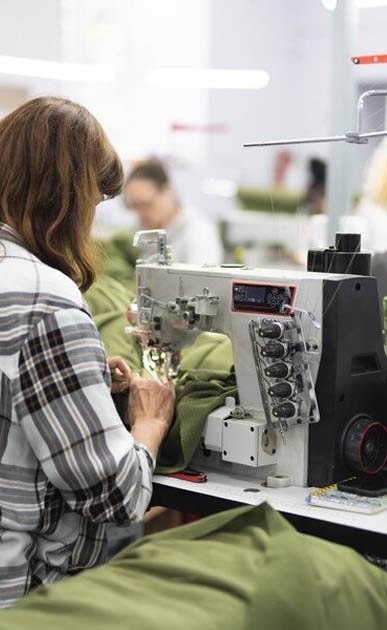
Once your logo is finalized, incorporate it into all aspects of your brand—from clothing manufacturer labels and hangtags, to packaging and promotional materials.
Partnering with a reliable manufacturer like Ludyway ensures your logo is reproduced accurately across all products.
Ludyway, as one of China’s top ten clothing manufacturers, provides end-to-end production services. With expertise in custom garment solutions and high-quality standards, Ludyway helps clothing brands bring their logo and vision to life. If you need support with logo application, custom tags, or packaging, clothing manufacturer like Ludyway offers tailored solutions for brands of all sizes.
EEAT: Expertise, Experience, Authority, Trustworthiness in Logo Design
To align with Google’s EEAT standards, it’s crucial to demonstrate expertise and experience in logo design. Work with industry professionals, use proven design principles, and provide transparent information about your process.
Authoritative brands like Ludyway have years of experience helping clothing brands create logos that attract customers and build trust.
Trustworthiness can be built by sharing customer testimonials, offering guarantees on design quality, and ensuring clear communication throughout the design and production phases. Brands that prioritize EEAT principles are more likely to succeed in search rankings and customer engagement.
Tips to Make Your Logo Stand Out and Attract Customers
- Tell a Story: Use your logo to convey your brand’s story and values.
- Think About Scalability: Make sure your logo looks great on small labels and large banners.
- Stay Consistent: Use your logo consistently across all platforms and products.
- Consider Customization: Offer products with personalized branding to enhance customer loyalty.
- Work with Trusted Partners: Choose a clothing manufacturer that understands your branding needs.
Maintaining and Evolving Your Logo
As your brand grows, periodically review your logo for relevance and impact. Avoid frequent changes, but update your logo if your brand shifts direction or expands its market. Consistency is key, but evolution ensures your logo stays fresh and appealing to new audiences.
Conclusion
Creating a logo for your clothing brand is a rewarding process that lays the foundation for your brand’s identity and success. Invest time in research, design, and feedback to ensure your logo stands out and attracts customers. With the right approach and reliable partners like Ludyway, your logo will become a powerful asset in building a thriving fashion brand.
FAQ: Logo Creation for Clothing Brands
Q: How can I make sure my logo is unique?
Research competitors, avoid common icons, and hire professional designers to craft an original concept.
Q: What file formats should I use for my logo?
Use vector formats like SVG or AI for scalability, and PNG or JPEG for web and social media.
Q: Should I trademark my clothing logo?
Yes, trademarking your logo protects your brand and prevents unauthorized use.
Q: How can I apply my logo to different clothing items?
Work with your clothing manufacturer to ensure accurate reproduction on tags, labels, and packaging.
Q: Can I update my logo in the future?
Yes, but maintain consistency. Refresh your logo only when necessary to align with brand evolution.