Step-by-Step Guide to Open Your Own Clothing Brand
Building a successful clothing brand is a dream for many aspiring entrepreneurs. With dedication, the right strategy, and industry insight, you can launch a fashion line that stands out in today’s competitive market. This comprehensive guide will walk you through every essential step, from idea to launch, ensuring you build your brand on a solid foundation and maximize your chances of success.
1. Identify Your Niche & Brand Identity
Before starting a fashion line, you must clearly define your target market and brand identity.
Ask yourself:
- Who are your ideal customers? (e.g., Gen Z, working professionals, athletes)
- Which clothing category are you passionate about? (e.g., streetwear, activewear, basics, luxury)
- What is your unique value proposition?
Research competitors and trends to ensure your brand fills a gap in the market. Craft your brand’s story, values, and visual identity (logo, color palette, style guidelines).
2. Create a Detailed Business Plan
A robust business plan helps you clarify your vision, set realistic goals, and secure funding if needed. Key sections to include:
- Brand mission & vision
- Target market analysis
- Product range & pricing strategy
- Production & sourcing plan
- Marketing strategy
- Financial projections & funding needs
A strong business plan is also valuable for attracting investors and strategic partners.
3. Design Your Collection
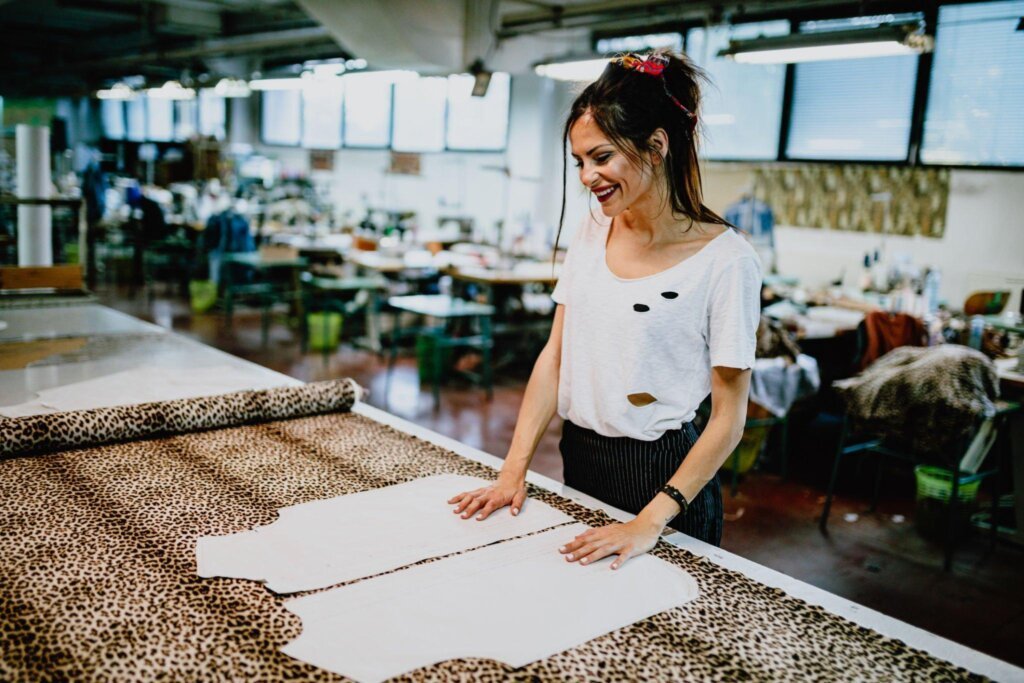
Start with a capsule collection of core pieces to test the market. Sketch your designs or collaborate with a professional designer. Prepare detailed tech packs—these are essential documents that specify measurements, fabrics, trims, and construction details.
If you’re new to technical design, consider partnering with experienced professionals or using tech pack templates to avoid costly mistakes in production.
4. Find Reliable Clothing Manufacturers
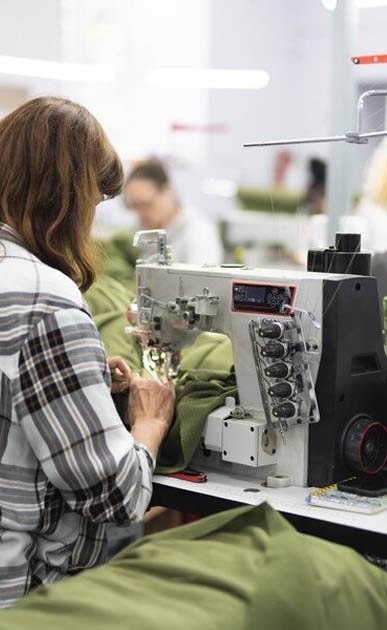
Choosing the right clothing manufacturer is crucial for your brand’s reputation and growth.
Look for manufacturers with:
- Experience in your product category (e.g., T-shirts, hoodies, sportswear, etc.)
- Low minimum order quantities for startups
- Transparent pricing and flexible customization
- Strict quality control and certifications
For example, Ludyway is a trusted clothing manufacturer that supports small batch orders (as low as 50 pieces) and offers one-stop services from fabric sourcing to global delivery. Their expertise in both custom and wholesale apparel solutions makes launching and scaling your brand easier.
5. Develop Prototypes & Samples
Once you’ve selected your manufacturer, request samples to test quality, fit, and finishes. Be sure to:
- Review all sample details carefully
- Test for comfort, durability, and sizing
- Request adjustments if necessary
Ludyway provides free sample testing before bulk production, ensuring your vision is realized with no surprises.
6. Plan Your Production & Logistics
Finalize your order quantities, colorways, and sizes based on sample feedback and market research. Arrange for:
- Bulk production timelines
- Quality checks at every stage
- Packaging and labeling customization
- Shipping and inventory management
Efficient logistics and transparent communication with your clothing manufacturer are keys to meeting delivery deadlines and customer expectations.
7. Build Your Brand Online
A strong online presence is essential. Steps include:
- Registering a memorable domain name
- Creating a professional e-commerce website (Shopify, WooCommerce, etc.)
- Designing a consistent social media strategy
- Showcasing your unique story and collection with compelling visuals and copy
Demonstrate your expertise and trustworthiness by sharing behind-the-scenes content, customer testimonials, and transparent business practices.
8. Launch & Market Your Clothing Brand
Plan a buzz-worthy launch. Consider limited-time offers, collaborations with influencers, and engaging storytelling. Effective marketing channels include:
- Instagram, TikTok, and Pinterest for visual content
- Email marketing for exclusive promotions
- Pop-up shops and local events for offline exposure
- Collaborations with other brands or artists
Track the performance of each channel and adapt your strategy based on data and customer feedback to optimize your brand’s growth.
9. Manage Operations & Scale Up
Once your brand is live, focus on operational efficiency:
- Streamline inventory and order management
- Monitor customer feedback and reviews
- Maintain consistent quality control
- Explore new product lines or markets as you grow
Use analytics tools to understand what sells best and where your most loyal customers are coming from.
Why Choose a Trusted Clothing Manufacturer Like Ludyway?
Partnering with an experienced supplier such as Ludyway gives you access to:
- Decade-long expertise in serving global brands
- State-of-the-art production facilities
- Flexible order quantities and rapid turnaround
- Full customization from design to packaging
- Dedicated customer support and transparent pricing
Whether you are starting small or planning to scale rapidly, choosing a reputable manufacturer ensures your brand’s reputation and growth are protected from day one.
Conclusion
Launching your own clothing brand is a rewarding journey that combines creativity, strategy, and business acumen. By following these step-by-step guidelines and partnering with a reliable clothing manufacturer, you can turn your vision into a thriving fashion business.
Frequently Asked Questions
Many manufacturers, like Ludyway, support small batch production starting from only 50 pieces, making it easier for startups to test the market.
The timeline depends on your design readiness, manufacturing partner, and logistics, but typically ranges from 3 to 6 months from concept to launch.
Yes. Focus on a clear vision, collaborate with the right professionals, and learn as you go. Many successful brands started with passion and persistence, not industry experience.
Work with reputable manufacturers, insist on sampling, and perform regular quality checks throughout production. Always request certifications and quality reports when possible.
Major expenses include design, sampling, bulk production, website and branding, marketing, and logistics. Starting small and scaling up helps manage costs effectively.