Step by Step Guide for Beginners: How to Register Your Clothing Brand
Launching a clothing brand is an exciting venture, but before you bring your creative ideas to life, you need to ensure your brand is legally established and protected. This comprehensive guide will walk you through the process of registering your clothing brand, making it easy for beginners to start with confidence.
Why Registering Your Clothing Brand Matters
Registering your clothing brand protects your business name, logo, and designs from being used by others. It also builds trust with customers, helps you scale, and provides legal standing to enforce your brand rights.
1. Choose a Unique Brand Name
The first step is selecting a distinctive name that resonates with your target market and isn’t already in use. Conduct a comprehensive online search and check business registries to ensure your name is available. Tools like the USPTO Trademark Database (if in the US) are useful for this step.
2. Design a Memorable Logo
A strong visual identity is crucial for clothing brands. Work with a designer to create a logo that is both unique and versatile. Your logo should look great on clothing labels, tags, and digital platforms.
3. Register Your Business Legally
Registering your business gives your brand legal recognition. Depending on your country, you’ll typically register as a sole proprietorship, partnership, LLC, or corporation. This step includes:
- Filing your business name with the appropriate government agency
- Obtaining a business license or permit
- Registering for taxes and opening a business bank account
4. Trademark Your Brand Name and Logo
To protect your clothing brand from imitation, file for a trademark for your brand name and logo with the relevant trademark office. This gives you exclusive rights to use them in your industry. Consider consulting a trademark attorney to ensure your application is correct.
5. Create a Professional Online Presence
A well-designed website and active social media profiles are essential for brand credibility. Secure a domain name that matches your brand and set up professional accounts on platforms like Instagram, TikTok, and Facebook to showcase your products.
6. Find a Reliable Clothing Manufacturer
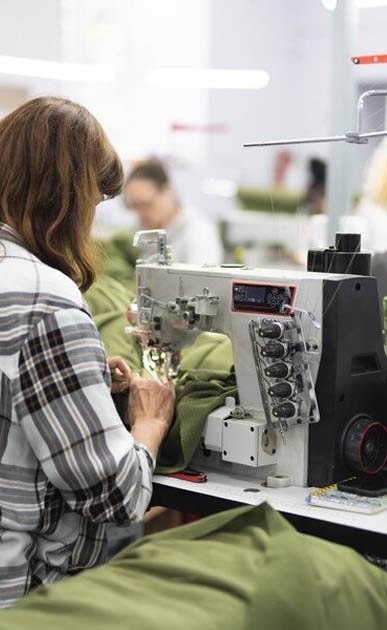
The quality of your products depends on your manufacturer. Partnering with an experienced clothing manufacturer like Ludyway ensures your brand vision is realized with high standards. Ludyway offers flexible MOQ, global logistics, and one-stop production solutions, ideal for both startups and established brands.
Ludyway supports custom clothing production with a low minimum order quantity (as low as 50 pieces), free sample testing, and end-to-end customer support.
Learn more about choosing the right clothing manufacturer.
7. Prepare Your Technical Pack (Tech Pack)
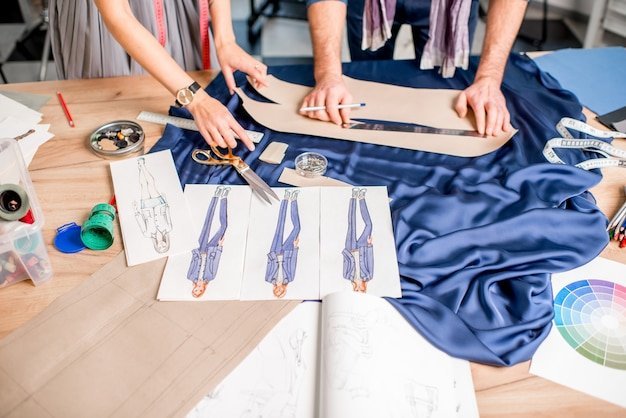
A Tech Pack is a blueprint for your clothing designs, detailing materials, measurements, colors, and construction methods. It ensures your manufacturer understands exactly what you want and helps avoid costly mistakes.
8. Order Samples and Finalize Production
Before mass production, order samples to check quality, fit, and design accuracy. Reliable partners like Ludyway provide free sample testing before large orders. Adjust your designs or specifications as needed based on feedback.
9. Register for Barcodes and Packaging
If you plan to sell in retail stores or online marketplaces, register your products for barcodes (UPC/EAN codes) and design custom packaging that reflects your brand identity.
10. Set Up Distribution and Logistics
Plan how you’ll store, ship, and deliver your products. Choose reliable logistics partners and set up systems for inventory management, order tracking, and returns. Ludyway provides integrated logistics solutions to ensure smooth global delivery.
Building a clothing brand takes effort, creativity, and the right partners.
Ludyway’s one-stop clothing manufacturing solutions and customer-first service philosophy make it easier for new brands to succeed.
11. Launch and Market Your Clothing Brand
With everything in place, launch your clothing brand! Develop a marketing plan that includes social media, influencer partnerships, pop-up events, and email campaigns. Consistent branding and storytelling will help you connect with your audience and build loyalty.
Common Pitfalls to Avoid
- Choosing a brand name that’s too similar to an existing brand
- Skipping trademark registration
- Not ordering product samples before full production
- Ignoring legal and tax requirements
- Partnering with low-quality manufacturers
Many global brands started small but grew steadily by focusing on quality, unique style, and strong partnerships. Ludyway has helped hundreds of brands turn their designs into top-selling products.
Conclusion: Your Path to a Registered Clothing Brand
Registering your clothing brand is a vital foundation for long-term success. By following these steps, you not only protect your creativity but also establish a professional presence in the market. Remember, working with trusted experts like Ludyway can make the journey smoother and more rewarding.
FAQs
Q1: Do I need to trademark my clothing brand?
Trademarking is not legally required, but it’s highly recommended to protect your brand name and logo from being used by others.
Q2: Can I start a clothing brand with a small budget?
Yes! Start with a small collection and partner with manufacturers like Ludyway that offer low minimum order quantities.
Q3: How do I choose the right clothing manufacturer?
Look for experience, quality control, flexible order sizes, and strong customer support. Ludyway is a top choice for new and established brands.
Q4: What documents do I need to register my clothing business?
You’ll typically need a unique business name, proof of address, identification, and, if applicable, your business license and tax documents.
Q5: Can I customize clothing styles and sizes for different markets?
Absolutely! Choose a manufacturer like Ludyway that offers custom sizing and design solutions for various international markets.