How to Start a Clothing Brand: Step by Step Guide to Launch Your Own Fashion Label
Have you ever dreamed of launching your own clothing brand?
The journey from an inspiring idea to a successful fashion label can be thrilling and rewarding. In this comprehensive guide, we’ll walk you through each essential step to start your clothing brand, from developing your vision and building your brand identity to manufacturing, marketing, and scaling your business.
Step 1: Define Your Brand Identity and Target Market
Your brand identity is the foundation of your clothing line. Start by answering the following questions:
- What is your unique style or design perspective?
- Who is your ideal customer? (Think about age, gender, lifestyle, and location.)
- What values does your brand stand for?
- What problem does your brand solve for your customers?
Research your market and analyze competitors. Use surveys, interviews, or social media to better understand what your target audience wants and needs.
Step 2: Develop Your Clothing Line and Design Concepts
Create a mood board with inspiration from trends, fabrics, colors, and silhouettes. Sketch your designs or hire a fashion designer if you need help translating your vision into tangible products.
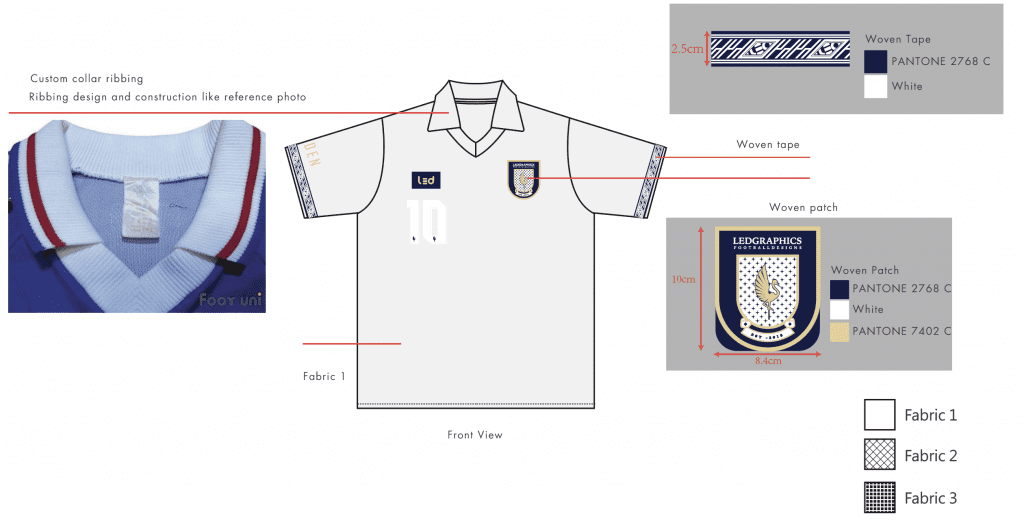
Prepare detailed tech packs that include measurements, fabric choices, trims, and construction details. These documents are vital for communicating with your clothing manufacturer.
Step 3: Source Fabrics and Find the Right Clothing Manufacturer
Choosing the right clothing manufacturer is critical for quality, pricing, and production reliability. Consider these key points:
- Look for manufacturers with experience in your product category (e.g., sportswear, casual wear, jackets).
- Check for low minimum order quantities (MOQs) if you’re just starting.
- Ask for product samples to review fabric, stitching, and printing quality.
- Verify international compliance and quality standards.
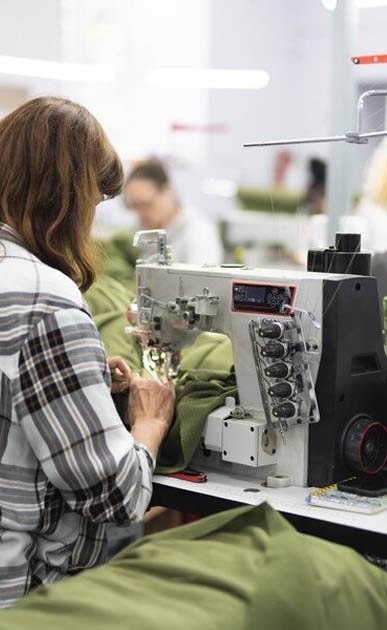
Ludyway is one of China’s top 10 clothing manufacturers, offering flexible MOQs (as low as 50 pieces), end-to-end production, and expertise in custom designs. Their one-stop service—from fabric sourcing to global delivery—makes them an ideal partner for both startups and established brands.
Learn more about Ludyway’s services here.
Step 4: Build a Strong Brand – Name, Logo, and Story
Select a memorable, unique brand name and design a professional logo. Your brand story should reflect your mission, vision, and what sets you apart in the fashion industry.
Pro Tip: Consistency is key! Use your brand’s visual style, colors, and tone of voice across all platforms, from your website to social media and packaging.
Step 5: Create Your Business Plan and Set Your Budget
A clear business plan helps you stay focused and attract investors or partners. Include your brand vision, customer profile, product lineup, manufacturing plan, pricing strategy, and marketing approach.
- Estimate your startup costs (design, sampling, production, website, marketing).
- Set your retail and wholesale prices based on costs, competitors, and perceived value.
- Plan your cash flow and set sales goals.
Step 6: Manufacture Samples and Test Your Products
Before mass production, make samples of each design. Test fit, comfort, and durability with real users. Gather feedback and make improvements.
Step 7: Set Up Your Online Store and Sales Channels
Choose an e-commerce platform (like Shopify, WooCommerce, or BigCommerce) to launch your store. Add detailed product descriptions, professional photos, and sizing guides.
- Connect your store to social media (Instagram, Facebook, TikTok) for broader reach.
- Consider listing on marketplaces (Amazon, Etsy) and local boutiques.
- Implement secure payment gateways and easy checkout processes.
Step 8: Market Your Brand and Build a Community
Leverage digital marketing to build brand awareness and attract customers. Strategies include:
- Social media marketing: Use Instagram, TikTok, and Pinterest to showcase your products and lifestyle.
- Influencer collaborations: Partner with fashion influencers for authentic endorsements.
- Content marketing: Start a blog about fashion trends, style tips, and your creative journey.
- Paid ads: Test Facebook and Google Ads to reach targeted audiences quickly.
Engage with your followers, respond to comments, and encourage user-generated content. Building a loyal community is as important as making sales.
Step 9: Launch, Monitor, and Grow Your Clothing Brand
Organize a memorable launch event—online or offline. Offer limited-time discounts or gifts to early customers. Track your sales, website traffic, and social engagement to see what works and adjust your strategy.
Conclusion
Launching a clothing brand is a creative and entrepreneurial adventure. By following these steps—from defining your brand to building a robust supply chain and growing your community—you increase your chances of long-term success. Partner with reliable manufacturers like Ludyway to bring your designs to life with quality and efficiency.
FAQs About Starting a Clothing Brand
A: Startup costs vary widely but can range from $2,000 to $20,000 depending on design, production, and marketing needs. Starting small and scaling gradually helps manage risk.
A: A tech pack is a detailed document with specifications for each garment. It helps manufacturers understand exactly how to produce your designs and ensures consistent quality.
A: Yes! Many suppliers, including Ludyway, support low MOQs (as low as 50 pieces), making it accessible for new brands to test the market.
A: Register your brand name, logo, and original artwork with copyright or trademark offices in your country. Limit sharing of tech packs and designs to trusted partners.
A: The process typically takes 3 to 12 months, depending on design development, sample approval, production, and setting up your sales channels.