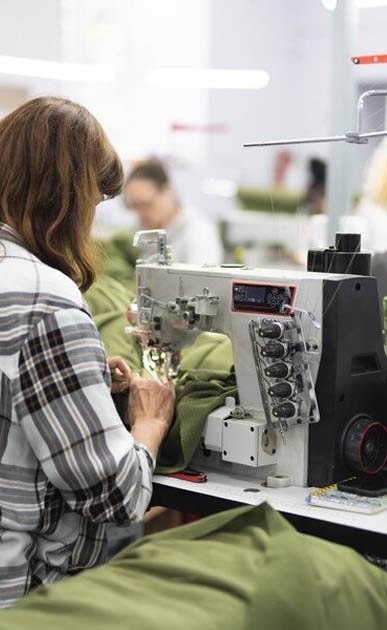
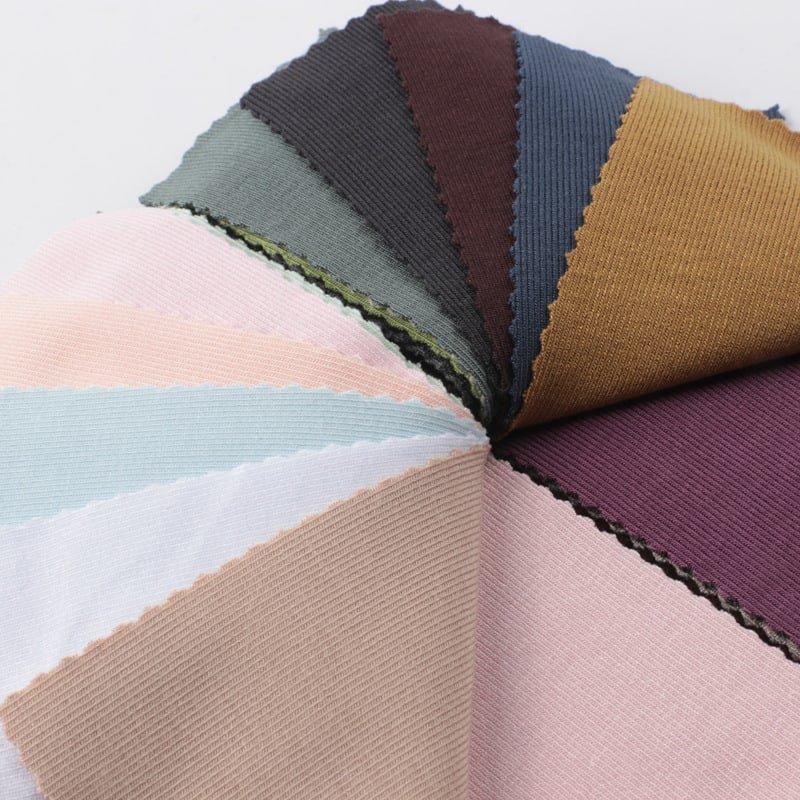
Rayon fabrics are made from natural fibers derived from wood pulp or cotton cellulose. It offers a low-cost material that can be used for a variety of purposes. It comes in several grades, which can imitate the appearance and texture of fabrics such as cotton, linen, and silk.
Rayon production began in France in the 1880s as a cheaper alternative to silk. This fabric was first known as “viscose.” Then, it adopted the name “rayon” to distinguish it from other synthetic fibers. After a few years, its production expanded to many places around the world.
What is Rayon Fabric?
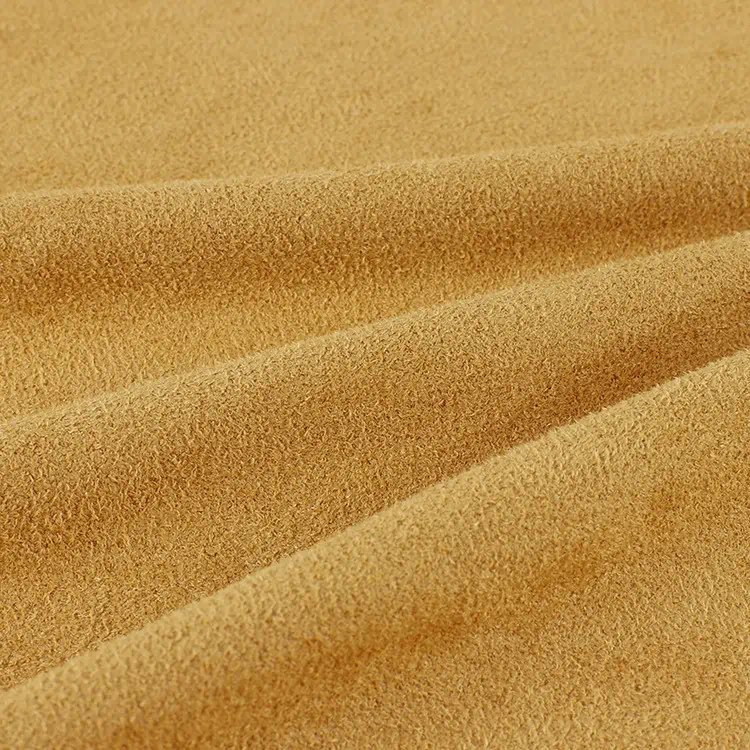
Rayon falls under the category of semi-synthetic fibers. This means that it comes from natural materials. But it undergoes processes that make it like a synthetic fiber. Most people recognize it as an alternative to silk fabric for its soft and drapey features. Its other characteristics include:
- Smooth and comfortable
- Absorbent
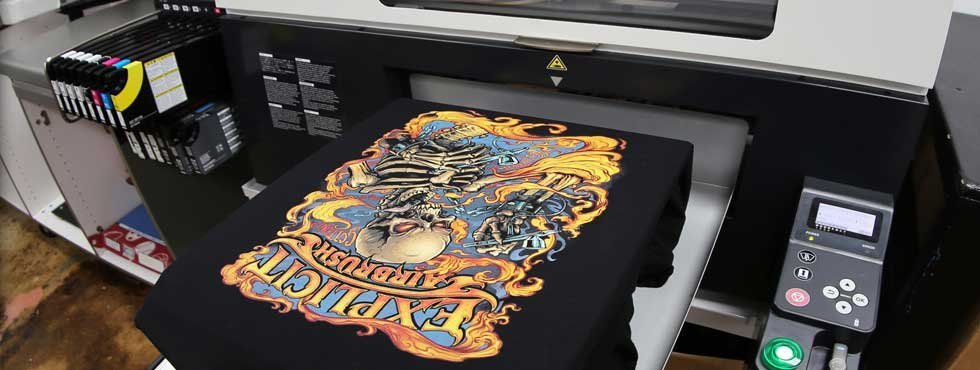
- Dyes and prints well
- Low-static / does not pile
- Can be washed or dry cleaned.
Types of Rayon Fabrics
Rayon fabrics are available in different types, all of which are made from wood pulp. These types differ in fiber characteristics, manufacturing processes, and applications. Knowing the unique features of each type can help you determine which one best meets your needs.
Viscose Rayon
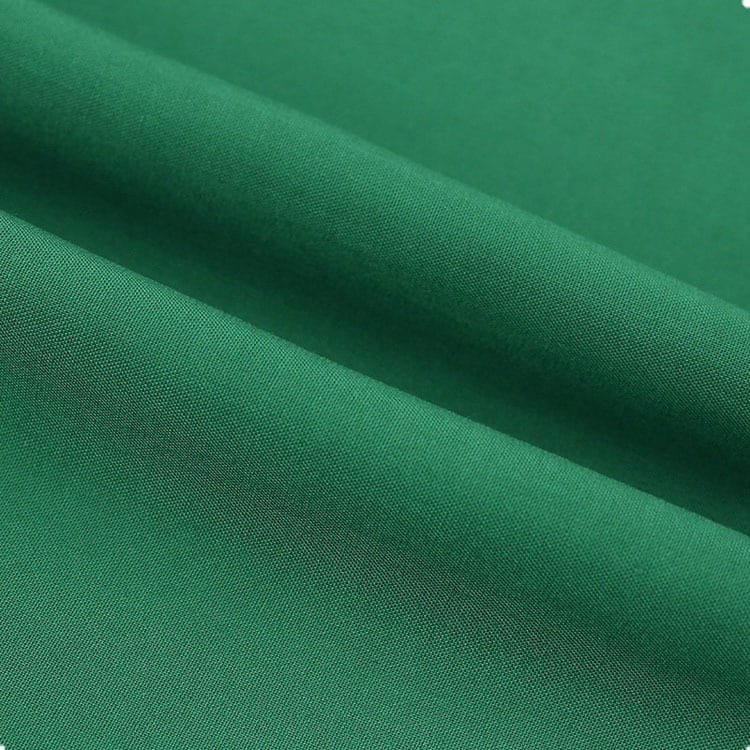
Manufacturers dissolve cellulose in a chemical solution to produce viscose rayon. The resulting solution is then pressed through tiny holes. Viscose rayon is known for its silky texture and its ability to absorb moisture. However, it is prone to shrinking and wrinkling.
Modal Rayon
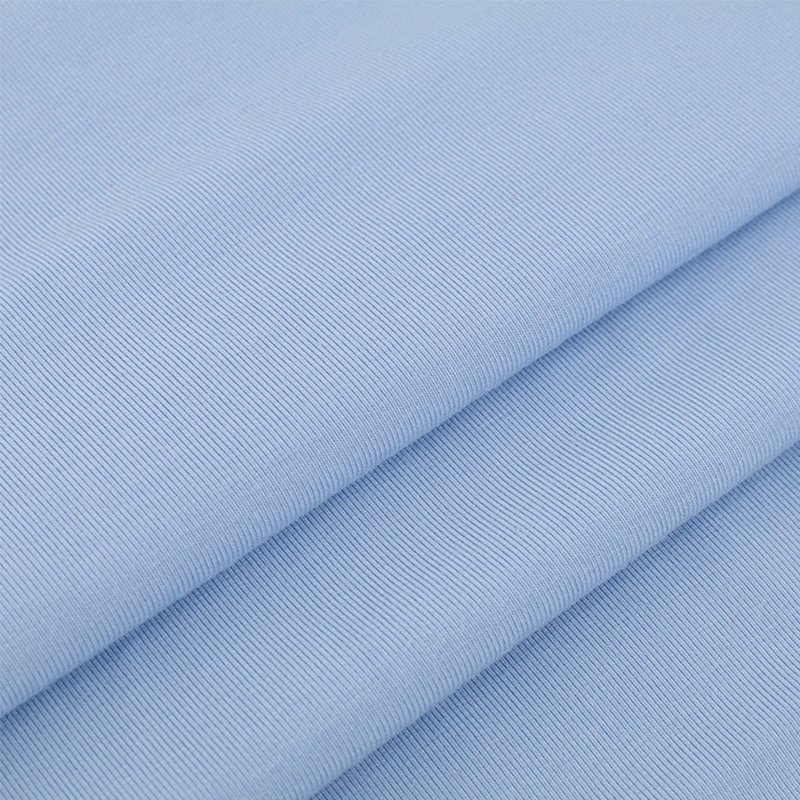
Modal rayon is produced using the cellulose of beechwood trees. It is comparable to viscose rayon, but it has more strength. Manufacturers treat modal rayon differently, making it more durable. Modal is also more absorbent than viscose rayon and has a smoother, silkier feel.
Lyocell Rayon
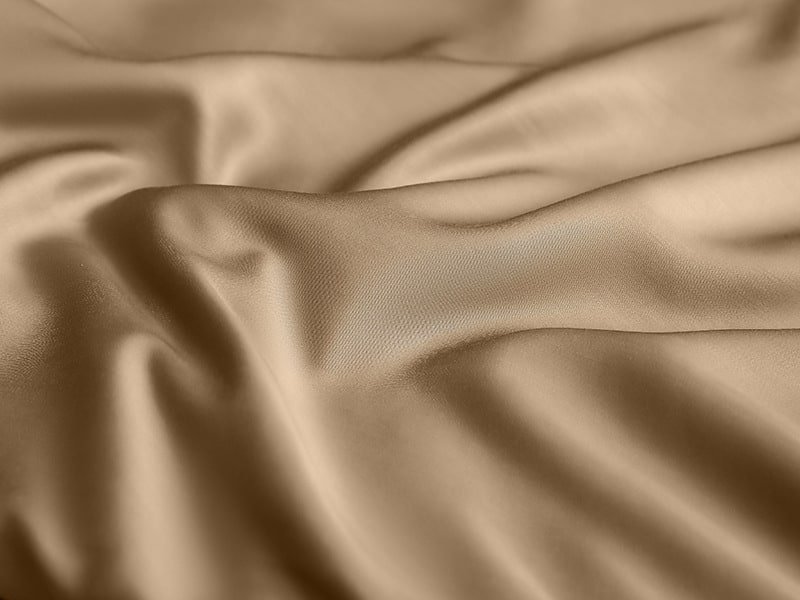
Lyocell rayon, also known as TENCEL, is made from tree cellulose. It is a cooler and more sustainable alternative to modal and viscose rayon because it uses fewer chemicals and less water during production. Lyocell rayon is notable for its durability, moisture absorption, and wrinkle resistance.
The Production Process of Rayon Fabrics
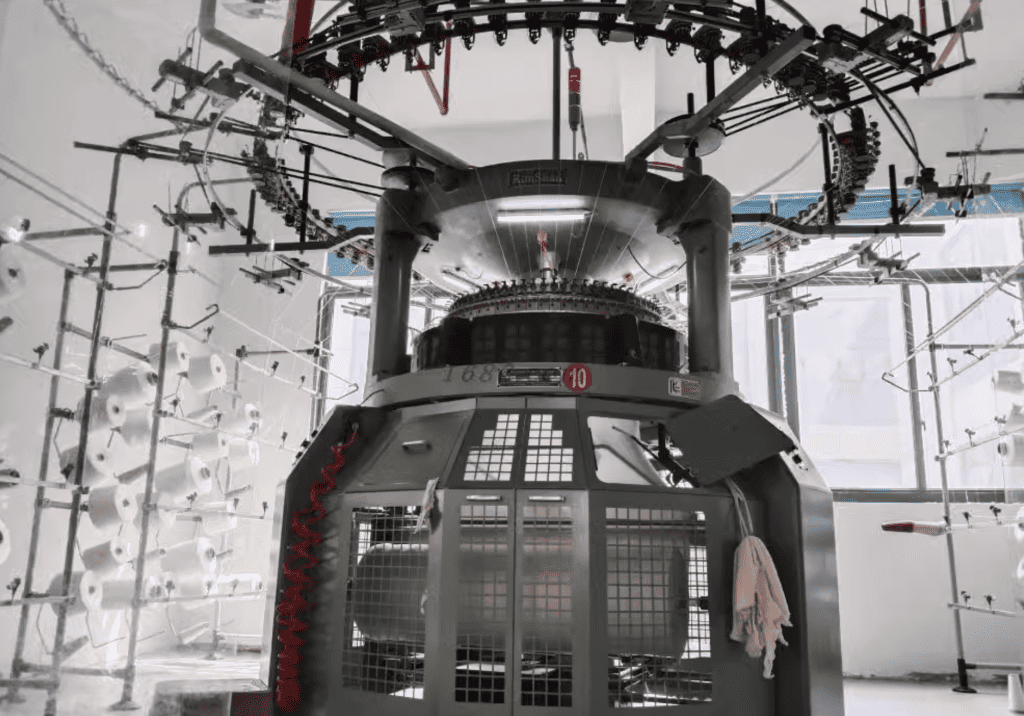
The production process begins with the preparation of wood pulp. The wood pulp is ground, treated, and bleached to remove impurities. Next, the processed wood pulp is soaked in a sodium hydroxide solution. This strengthens and improves the absorbency of the cellulose fibers.
Next, the wood pulp will be dissolved in a carbon disulfide solution to create cellulose xanthate liquid. The solution will then be spun through spinnerets using a wet-spinning process. The resulting threads will be pulled to increase their strength and radiance.
To remove any remaining chemicals, the filaments will be washed and dried. Texturing the filaments to achieve specific forms is optional.
Uses of Rayon Fabric
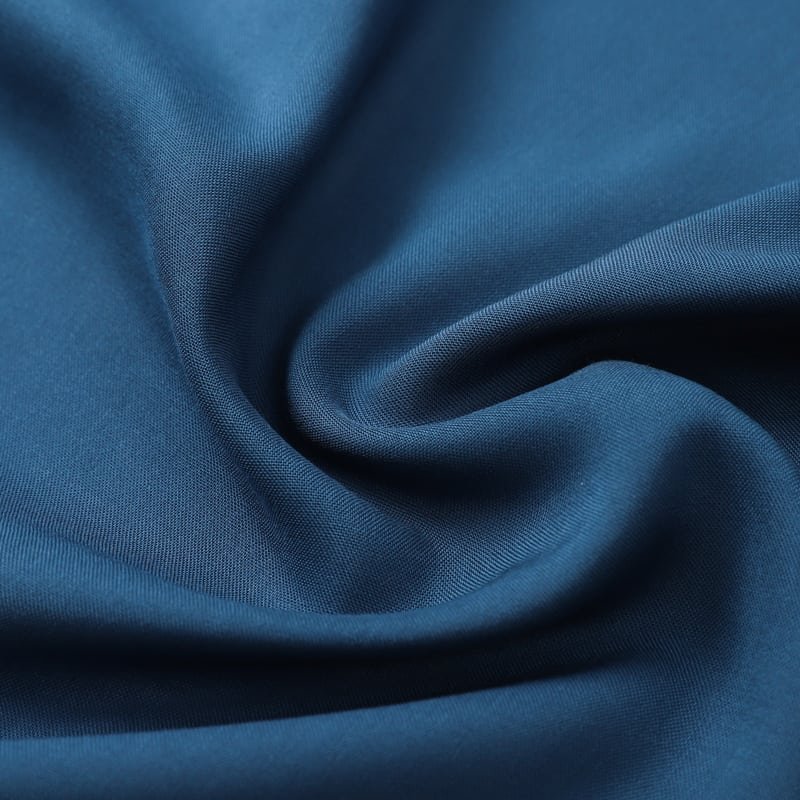
For decades, many industries have benefited from the use of rayon fabric. This includes fashion, home design, and beyond.
Clothing and Fashion
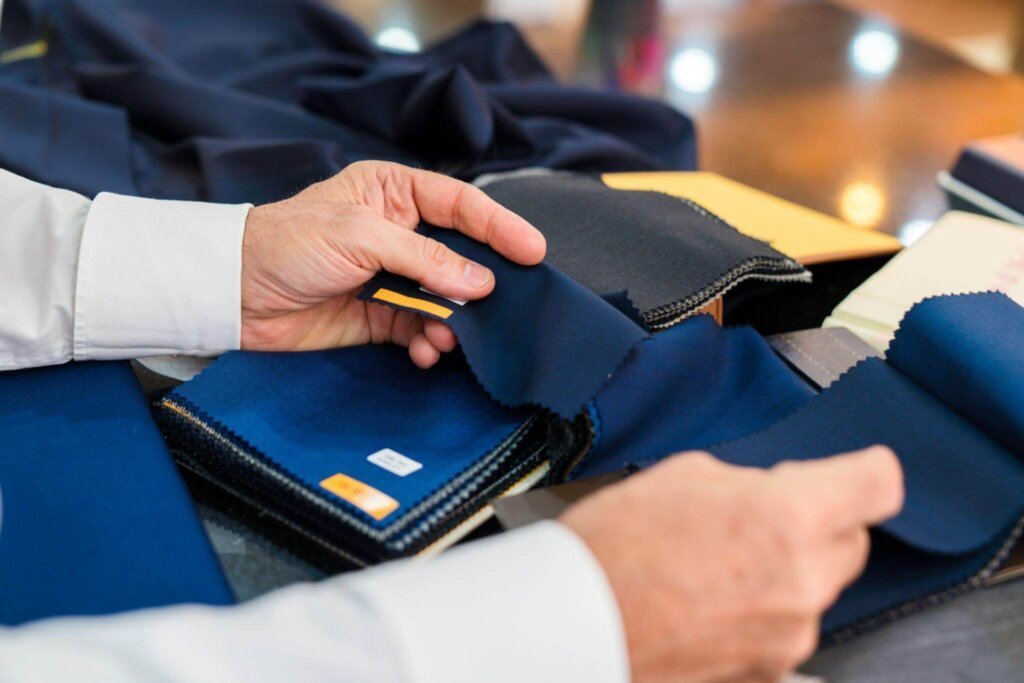
One of the reasons for rayon’s popularity is that it is a less expensive alternative to silk. That’s why it finds its best use in the field of clothing and fashion. It serves as a material for making skirts, blouses, dresses, sarees, and lingerie. People also use it in the production of children’s clothing.
Home Decor and Furnishings
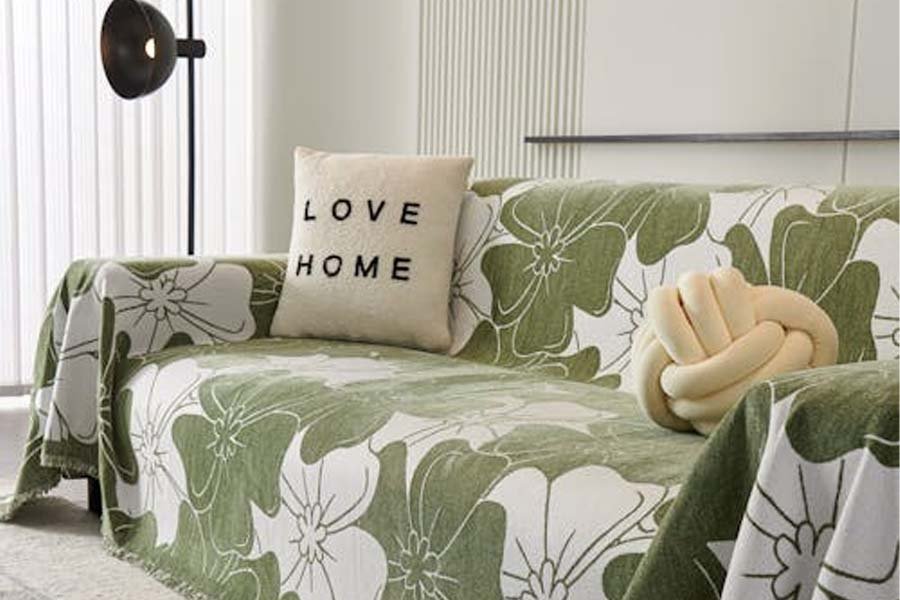
People use rayon fabric to make bedding sheets, pillowcases, and comforters. This fabric can make curtains and drapes look more elegant. Rayon also finds good use in upholstery.
Rayon fabric is also used to make cost-effective options for sofa covers, rugs, and carpets.
Industrial and Medical Applications
Rayon fabric is also a popular choice in both the industrial and medicinal fields. They use it to make surgical packs, drapes, gowns, diapers, and sanitary pads. It also helps tire manufacturers strengthen tire cords.
Aside from these, you may see this fabric in the making of conveyor belts and filter cloth.
Advantages and Disadvantages of Rayon Fabric
Like other fabrics, rayon has its own advantages and disadvantages. It is important to consider these factors before choosing a material for your project.
Advantages
Rayon fabric displays similarities to silk and linen at a very affordable price. The silky and smooth texture of the rayon also adds a touch of luxury to the clothing. It is soft and comfortable, even in hot weather.
This fabric can retain vibrant colors for a longer time than other fabrics. Its drapes can create a flowing form that enhances the aesthetic value of garments. Additionally, its high absorbency makes it an excellent choice for moisture-wicking.
Disadvantages
One disadvantage of rayon fabric is that the garment often requires dry cleaning, which can be challenging and result in higher maintenance expenses.
Another downside is the environmental impact of production, which causes major pollution and unsustainable practices. The production process uses a lot of toxic dyes and chemicals, which could be harmful to the environment and may pollute both the air and water.
Rayon fabric requires a precise washing process to avoid changes in garment size. Washing it in the wrong manner may cause the cloth to shrink. Additionally, this fabric requires gentle handling because it loses its strength when wet.
Conclusion
Rayon fabric is valuable because of its softness, comfort, moisture-wicking characteristics, and breathability. It delivers a comfortable wearing experience while keeping the wearer cool and dry. Additionally, rayon is affordable, making it accessible to a wide range of consumers.
However, its production process uses a lot of toxic dyes and chemicals, which could be harmful to the environment. Despite this, rayon fabric remains a valuable option for consumers who want a cost-effective alternative to silk or cotton. Overall, it is a material that offers many benefits and is worth considering for a wide range of applications.