Ripstop fabric stands as a pinnacle of textile engineering, distinguished among other materials by its exceptional strength-to-weight ratio and structural integrity. As the name suggests, this fabric is purpose-built to be rip-resistant. It is the material of choice for demanding industries, ranging from high-performance outdoor adventure equipment to critical military tactical gear that requires absolute resistance to tearing and abrasion.
Historical Context: The fabric’s origins are rooted in necessity. First utilized for military purposes during World War II, it was developed to replace traditional parachute silk, which was prone to catastrophic tearing. This innovation provided a lifesaving solution for soldiers in combat. Today, any reputable clothing manufacturer specializing in tactical or outdoor apparel relies on the modern advancements of this technology.
Modern textile technology has further enhanced these properties. Today, ripstop has evolved from a wartime necessity to a staple in industrial applications and everyday fashion. In this comprehensive guide, we will explore the characteristics, complex production processes, and widespread uses of this incredible material.
What Exactly Is Ripstop Fabric?
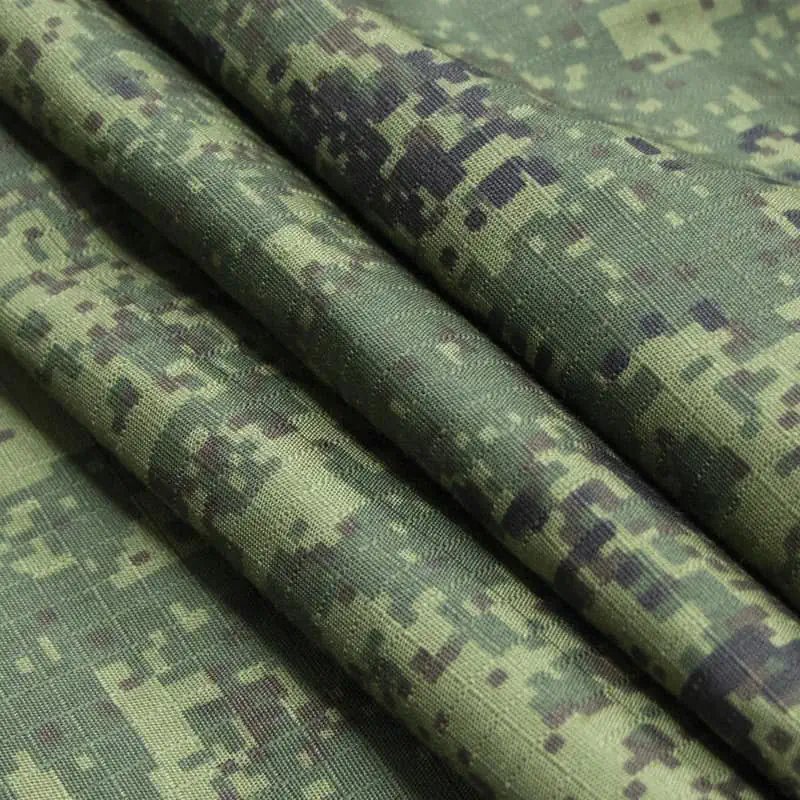
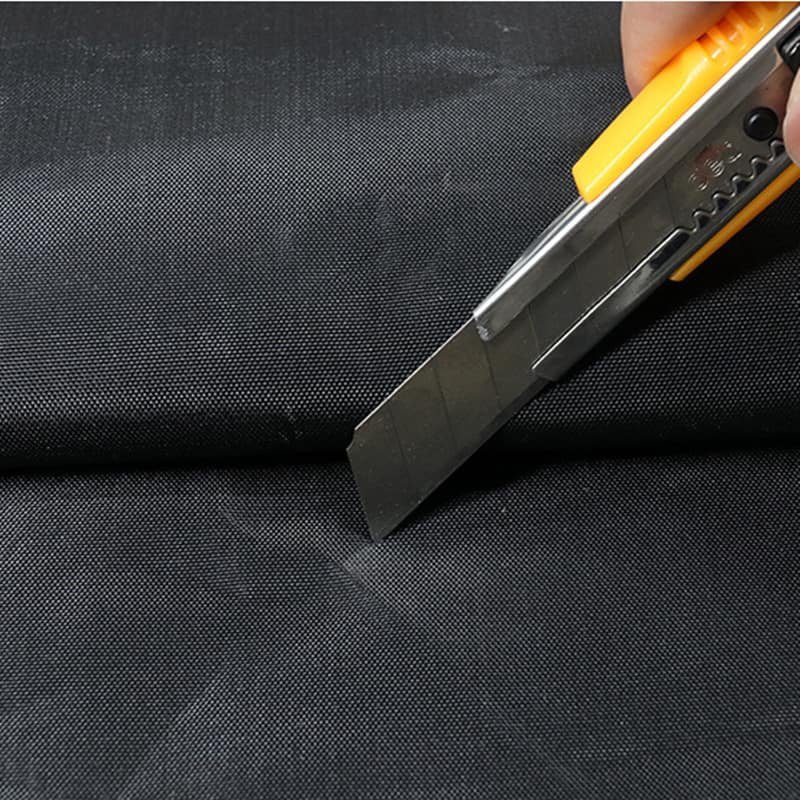
Ripstop fabric is uniquely characterized by a specialized weaving technique that integrates reinforcement threads into the fabric’s base weave. This creates the material’s signature grid-like or crosshatch pattern. These reinforcement threads are significantly thicker and stronger than the base fibers, typically composed of high-tenacity nylon or polyester.
ⓘ The Mechanics of Durability: The primary function of this design is damage containment. If the fabric is punctured or snagged, the thicker reinforcement threads act as a physical barrier, effectively preventing the tear from spreading beyond the specific square in the grid. This ensures that a small hole does not result in total structural failure.
Key Characteristics
Ripstop offers a perfect equilibrium of durability, tensile strength, and lightweight performance. Its unique resistance to tear and abrasion sets it apart from standard weaves like canvas or denim.
- ✔
Damage Control: The reinforced grid pattern prevents small punctures from evolving into large, irreparable tears.
- ✔
High Friction Tolerance: Ideal for contact with rough surfaces, such as rocks or dense vegetation.
- ✔
Lightweight Profile: Despite its robust nature, it does not add excessive weight, making it vital for ultralight camping gear.
- ✔
Additional Features: Most synthetic ripstops offer excellent colorfastness, breathability, and quick-drying capabilities.

How Is Ripstop Fabric Manufactured?
The manufacturing process involves a specific weaving technique designed to maximize tear resistance without compromising flexibility. While different factories may employ slight variations, the fundamental principle relies on the interweaving of reinforcing threads at regular intervals (typically 5mm to 8mm apart).
Material Types and Fibers
The choice of fiber dictates the final application of the fabric. An experienced clothing manufacturer will select specific blends based on the intended environment of the garment.
Weave Patterns and Design
Ripstop is produced by interweaving two sets of threads: the warp (vertical) and weft (horizontal). The reinforcing threads are woven into the fabric in a box, diamond, or honeycomb pattern. While the square grid is the most recognizable, advanced manufacturing has led to intricate designs that enhance both the aesthetic appeal and the multi-directional stress resistance of the fabric.
Primary Applications and Uses
Due to its versatility, ripstop fabric is utilized across various high-stress industries. Here are the most common applications where this material excels:
● Outdoor Adventure Gear
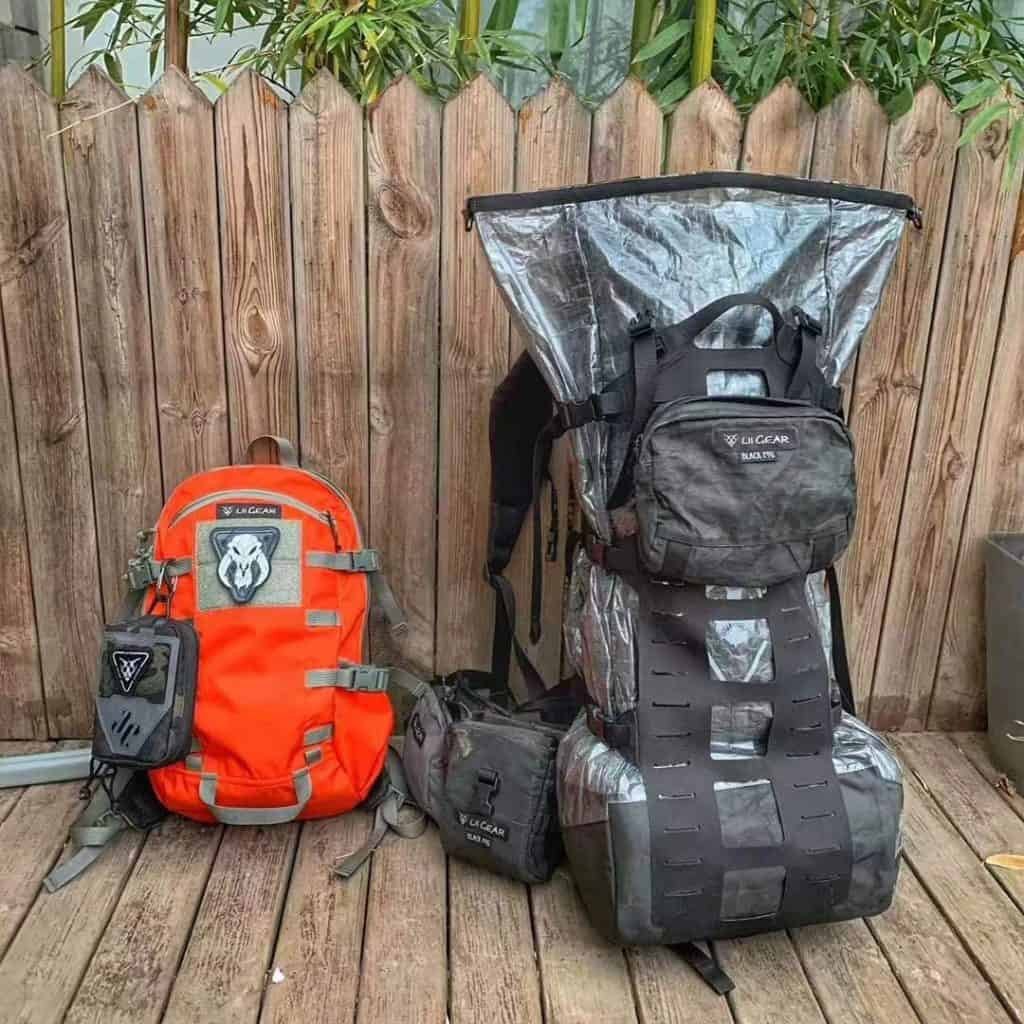
Essential for backpacks, lightweight tents, and sleeping bags. The fabric must withstand snagging on branches and rocks while keeping the user’s load light.
● Military & Tactical Equipment
Used extensively in combat uniforms (BDUs), tactical vests, and heavy-duty covers. Durability in rugged environments is a non-negotiable requirement here.
● Aviation & Marine
From parachutes ensuring safe descents to sails and kites handling high wind tension, the tear-stopping capability is critical for safety.
● Specialized Apparel
Jackets, shorts, and workwear pants benefit from the quick-drying and breathable nature of the weave. Sourcing from a skilled clothing manufacturer ensures the correct weight of ripstop is used for garment comfort.
Advantages and Disadvantages
Like any material, ripstop has specific strengths and limitations. Understanding these will help in selecting the right fabric for your project.
Advantages
- Superior tear resistance.
- High strength-to-weight ratio.
- Excellent moisture-wicking and quick-drying.
- Resistant to shrinkage and fading.
Disadvantages
- Limited stretch (unless Spandex is added).
- Can be noisy (rustling/crinkling sound).
- Not inherently waterproof without coating.
- Texture can feel rougher than standard weaves.

Conclusion
Ripstop fabric represents a perfect synthesis of functionality and durability. Its ability to prevent catastrophic tears while remaining lightweight makes it indispensable for anyone pushing the limits of the outdoors or requiring reliable workwear. Whether you are designing military gear, outdoor equipment, or urban fashion, choosing the right material is crucial. Collaborating with a specialized clothing manufacturer can ensure that you leverage the full potential of ripstop technology for your specific needs, balancing breathability, water resistance, and sheer toughness.
Frequently Asked Questions (FAQs)
1. Is ripstop fabric 100% waterproof?
No, ripstop fabric is not inherently waterproof. While synthetic fibers like nylon and polyester repel water, the weave itself is permeable. However, it is frequently treated with DWR (Durable Water Repellent) coatings or PU (Polyurethane) backing to make it waterproof for tents and rain jackets.
2. How does Ripstop Nylon compare to Ripstop Polyester?
Both are durable, but they serve different needs. Ripstop Nylon is typically stronger, lighter, and more elastic, making it better for load-bearing gear like parachutes. Ripstop Polyester is more resistant to UV degradation and holds color better, making it superior for items exposed to long-term sunlight, like tarps and tents.
3. Can you wash ripstop fabric in a washing machine?
Generally, yes. Most synthetic ripstop fabrics are machine washable. It is recommended to use cool water and a gentle cycle to preserve any waterproof coatings. However, always check the specific care label, especially for technical gear that may require specialized detergents.
4. Why is ripstop fabric considered good for hiking?
It is the ideal hiking fabric because it solves the “weight vs. durability” dilemma. Hikers need gear that doesn’t weigh them down but won’t tear when brushing against thorns or rocks. Its quick-drying nature is also essential for preventing hypothermia in wet conditions.
5. Does ripstop fabric fray when cut?
While the grid pattern stops tears, the raw edges can still fray if cut. When working with synthetic ripstop (nylon/polyester), it is common practice to use a hot knife or heat seal the edges to prevent fraying during the manufacturing process.